

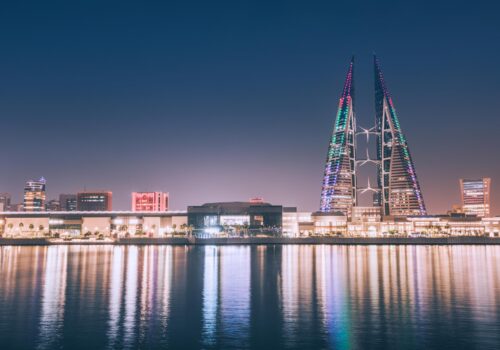
Bahrain’s architectural landscape is shaped by its island geography, coastal climate, and compact urban development. From waterfront high-rise towers in Manama to private residential compounds and hospitality projects, buildings are designed to maintain a strong visual presence after sunset. Carefully planned facade lighting in Bahrain enhances this presence by highlighting structure, material finishes, and spatial depth in a humid coastal environment.
Unlike inland regions, exterior illumination in Bahrain must account for moisture, salt exposure, and reflective surroundings near water bodies. Well-executed architectural lighting in Bahrain not only enhances aesthetics but also supports navigation, safety, and urban identity in densely developed areas.
Coastal Environment and Its Impact on Exterior Lighting
Bahrain’s proximity to the sea significantly influences how outdoor lighting systems perform over time. Salt-laden air and humidity accelerate material degradation if fixtures are not properly specified.
Key environmental considerations include:
- High humidity throughout much of the year
- Salt corrosion in coastal zones
- Elevated temperatures during the summer months
- Dust accumulation from regional winds
- Reflection of light from water surfaces
Lighting strategies must therefore prioritize durability, corrosion resistance, and stable performance under these conditions.
Residential Compound and Villa Lighting in Bahrain
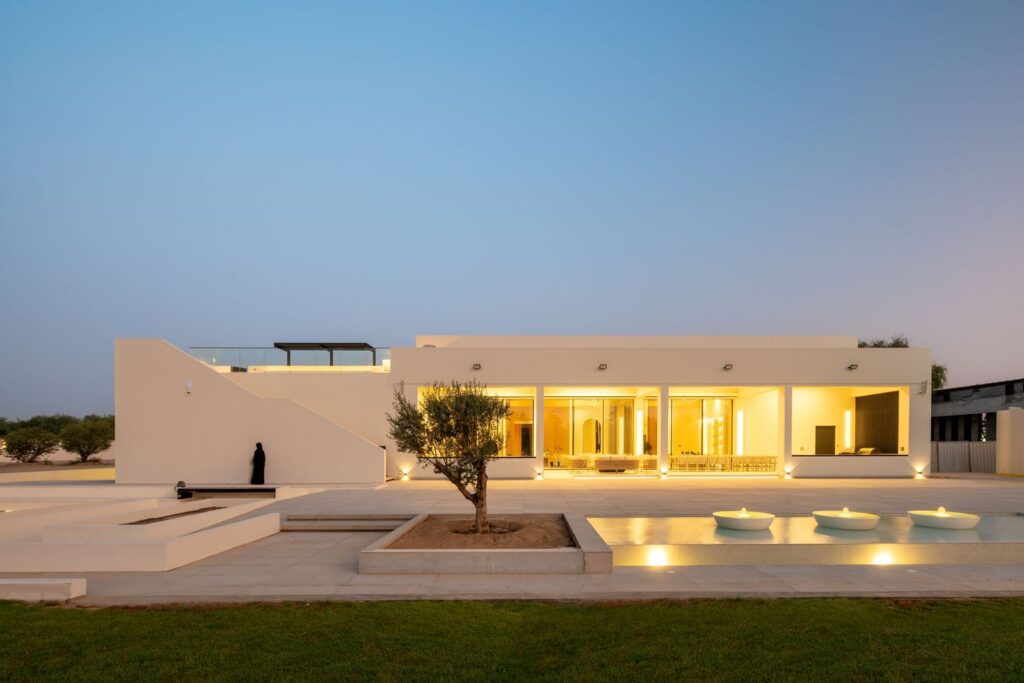
Emphasizing Entrances and Courtyards
Soft illumination around entry zones creates a welcoming atmosphere while maintaining residents’ privacy.
Highlighting Architectural Details
Arches, balconies, and textured walls common in regional architecture benefit from carefully directed light that enhances depth without producing glare.
Landscape Integration
Palm trees, pathways, and garden features are often illuminated to create a cohesive residential environment rather than focusing solely on the building itself.
Warm white lighting remains the preferred choice for residential applications due to its comfort and visual elegance.
Illumination of Waterfront Towers and Commercial Districts
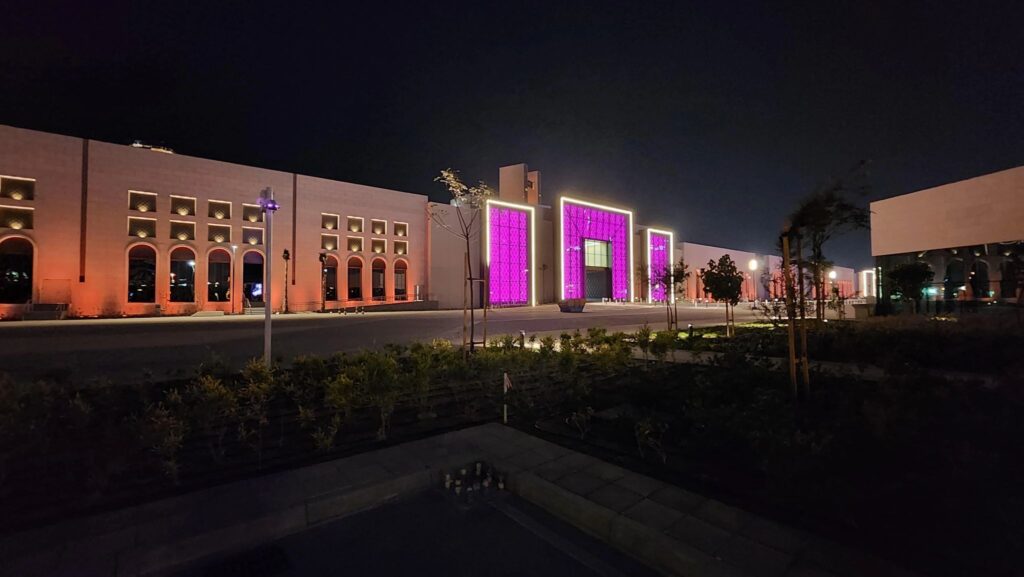
Vertical Emphasis for High-Rise Buildings
Lighting that accentuates height reinforces the prominence of towers within the skyline.
Reflective Glass Facade Strategies
Modern commercial buildings often feature extensive glazing, requiring precise control of brightness to avoid excessive reflections.
Public Interface Lighting
Entrances, plazas, and waterfront promenades benefit from illumination that supports pedestrian activity and safety.
Lighting Design for Hospitality and Leisure Developments
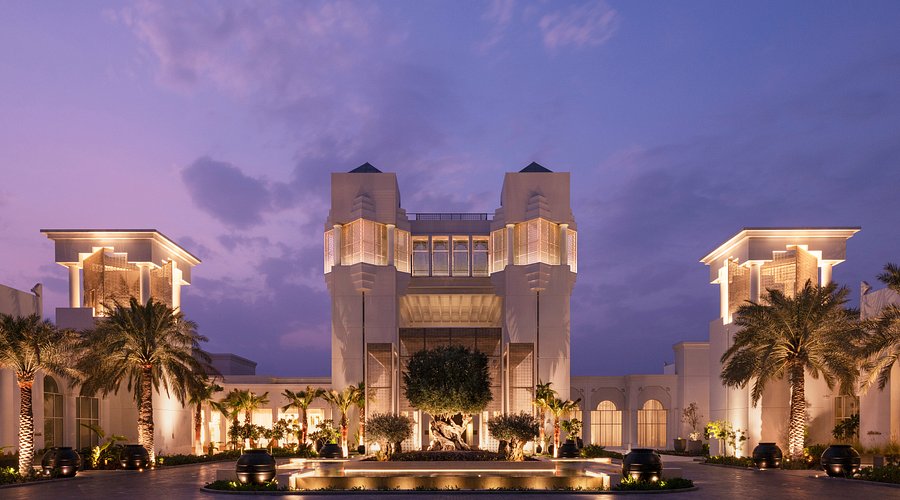
Hotels, resorts, and mixed-use complexes play a major role in Bahrain’s economy. These projects often prioritize atmosphere and visual appeal.
Typical strategies include:
- Layered lighting to create depth and drama
- Subtle accent lighting for architectural features
- Integration with outdoor seating and recreational areas
- Controlled brightness to maintain visual comfort
The goal is to create an inviting environment without overwhelming guests with excessive illumination.
Material Interaction and Surface Reflectivity
Facade materials significantly influence lighting outcomes. Stone, plaster, glass, and metal surfaces each reflect light differently, requiring tailored approaches.
Important factors include:
- Texture depth and shadow formation
- Color of exterior finishes
- Reflectivity of polished materials
- Interaction with the surrounding ambient light
Understanding these relationships allows designers to achieve consistent visual results across different building types.
Relationship Between Architecture and Public Realm
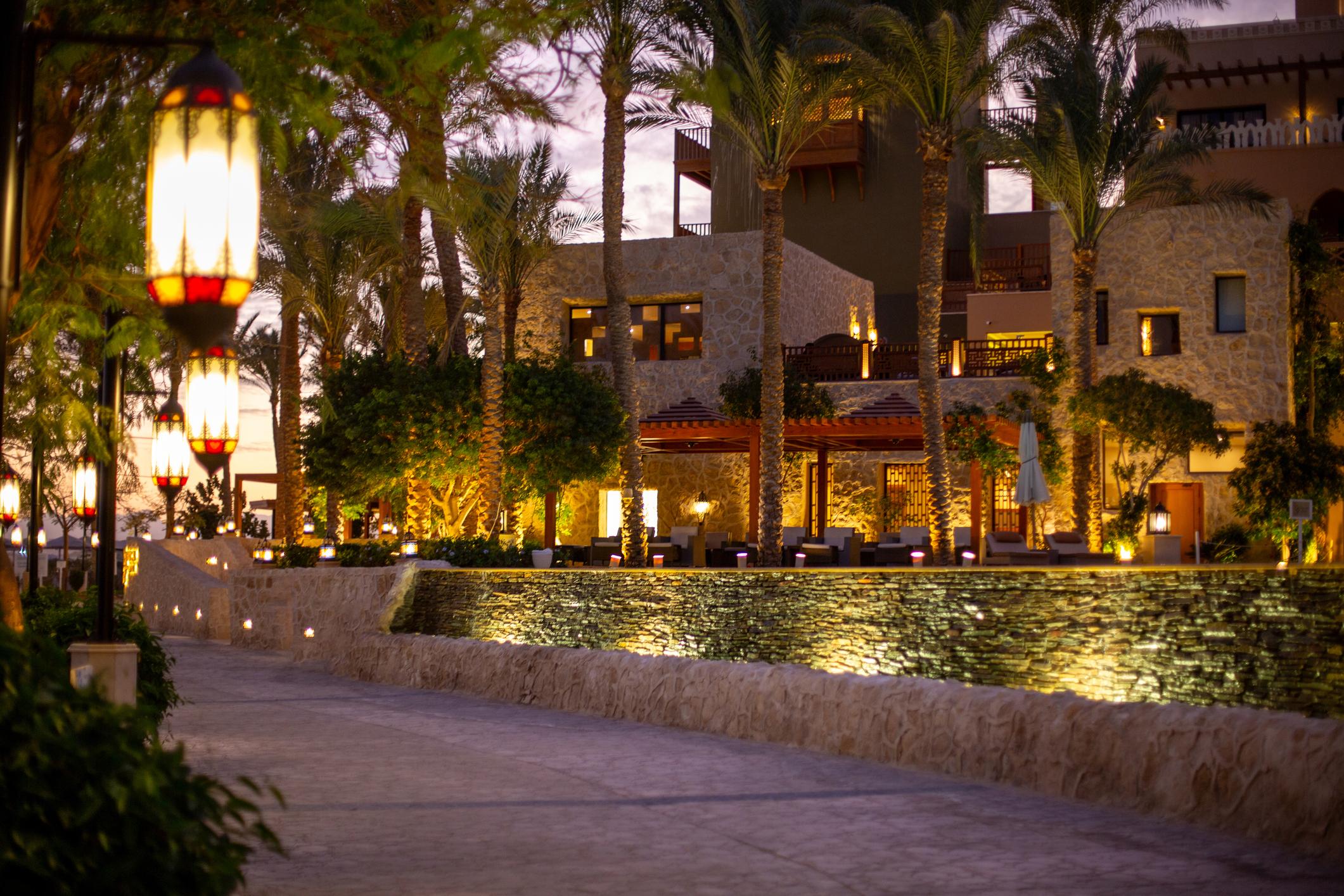
In Bahrain’s dense urban environment, buildings are closely integrated with streets, plazas, and waterfront spaces. Lighting must therefore address both architectural expression and pedestrian experience.
Effective schemes often balance:
- Building illumination
- Pathway lighting
- Landscape elements
- Public gathering areas
- Visual continuity across districts
This integrated approach enhances the overall nighttime character of the city.
Durability and Long-Term Performance
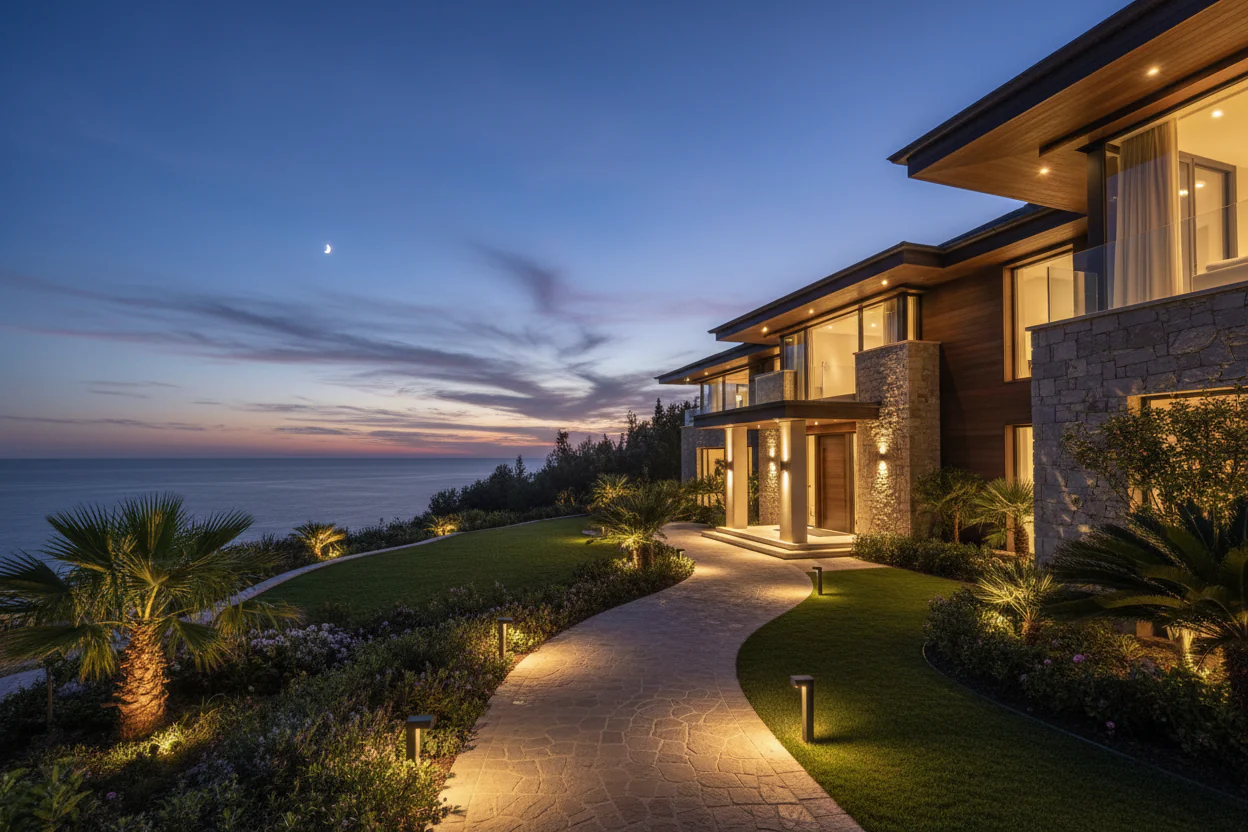
Given Bahrain’s environmental conditions, longevity is a primary concern for exterior installations. Lighting systems must maintain output and appearance despite continuous exposure.
Factors affecting durability include:
- Corrosion from salt-laden air
- Moisture ingress risks
- Heat stress on electronic components
- Dust accumulation on optical surfaces
- Day-night temperature variation
Proper specification and installation practices significantly reduce maintenance requirements over time.
Regional Perspective
While facade lighting principles are broadly consistent across the Gulf region, environmental conditions and urban density vary from country to country. Bahrain’s coastal setting creates different design priorities compared to inland locations.
For example, projects in arid desert environments are discussed in 👉 Facade lighting ideas in Kuwait, where heat and dust are dominant considerations. Comparing regional approaches helps designers and planners select solutions suited to specific site conditions rather than applying a single universal strategy.
subscribe for newsletter

Luzion is a leading manufacturer and exporter of high-quality LED lighting solutions. With a focus on design, research, and innovation, we offer a wide range of products for commercial, industrial, residential, and outdoor spaces.


