
Search
Category
- Bollard Light
- Commercial Lighting
- Energy-Efficient Lighting
- LAMPS
- LED Lights
- LED Uplighter
- Light and Colour Theory
- Lighting Design and Facade Lighting
- Lighting Design Consultancy UAE
- lighting design principles
- Lighting Fundamentals and Design Principles
- Lighting Solutions
- Nature of Light in Lighting Design
- Panel Lights vs. Spot Lights
- Portable Lights
- Signage Solutions
- Smart Controllers for Streetlights
- Solar Lights
- Tree Lighter
- Uncategorized
Recent Posts




Commercial Signage Solutions UAE & GCC
Tags
- Architectural Lighting
- Architectural Lighting Design
- Architectural Lighting Design UAE
- automation
- Best Lighting Design Consultancy in UAE
- COB LED Technology
- COB Spotlights
- Color Temperature in Lighting
- Commercial Lighting Design
- Commercial Lighting Fixtures
- Commercial Lighting Innovations
- Commercial Lighting UAE
- Cylinder COB Lights
- Dialux Lighting Design
- Dialux Lighting Design UAE
- Energy Efficient Lighting
- Energy-Efficient Lighting USA
- Exterior Lighting Solutions
- Facade & Exterior Lighting
- Facade Lighting
- Facade Lighting Design
- Facade Lighting Design UAE
- Facade lighting ideas
- Facade Lighting UAE
- Facade Uplighting
- Green Building Design
- Indoor & Exterior Lighting Solutions
- Interior Lighting Design
- Lamps
- LED Lighting Solutions
- LED lights
- LED Panel
- LED Uplighters
- LED vs Halogen
- Light and Color Theory
- Lighting Basics
- Lighting Consultancy UAE
- Lighting Design
- Lighting Design Consultancy in UAE
- Lighting Design Principles
- Lighting Design UAE
- Lighting Fundamentals Guide
- Lighting Layers
- Lumen Output in Lighting
- Modern Building Lighting Ideas
- Modern Lighting Ideas
- Office Lighting Solutions
- Outdoor Lighting Consultants UAE
- Panel Lights vs. Spot Lights
- Portable Lights
- smart light
- Smart Lighting Systems
- Sustainable Architecture
- Sustainable Lighting UAE
- Villa Lighting UAE
28Apr 2026
- Light and Colour Theory


Light and Color Theory in Modern Lighting Design
Walk into any well-designed space, and you will notice something immediately—even before focusing on architecture or interiors. The lighting feels right. It guides your eyes, supports how the space is used, and shapes your mood.
This is where light and color theory in lighting design becomes essential. Modern lighting is not just about brightness—it is about lighting color temperature and color rendering, how light behaves, and how people experience a space.
These principles are widely applied in projects across Dubai, UAE, USA, and the UK, where lighting must balance aesthetics, performance, and user comfort.
What is Light and Colour Theory in Lighting Design
Light and colour theory explains how light interacts with surfaces and how colors appear under different lighting conditions.
Understanding this helps designers:
- Improve visual comfort
- Control ambiance
- Enhance material appearance
- Deliver better architectural lighting design
In real-world projects, especially in lighting design UAE, USA, and UK, this theory is applied practically—not just conceptually.
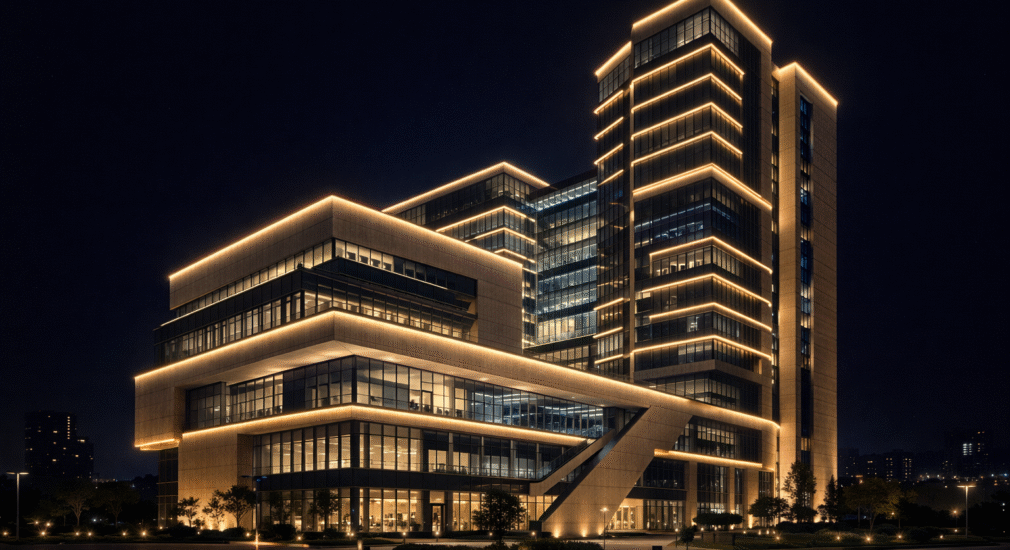
Color Temperature Explained (Warm vs Cool Lighting)
One of the most important aspects of color temperature in lighting design is how warm or cool the light appears.
- 2700K–3000K (Warm Light): Comfortable, relaxing (homes, hotels)
- 3500K–4000K (Neutral Light): Balanced, functional (offices, retail)
- 5000K+ (Cool Light): Bright, alertness (industrial, hospitals)
This explains the warm vs cool lighting difference that users often search for.
Choosing the right temperature is critical in projects across Dubai interiors, UAE villas, USA offices, and UK residential spaces, where lighting affects both mood and usability.
Colour Rendering Index (CRI) and Natural Appearance
The color rendering index (CRI) defines how accurately colors appear under a light source.
- CRI 90+ → Excellent color quality
- CRI 80–89 → Good for general use
- Below 80 → Poor color accuracy
This is why searches like “color rendering index CRI explained” are common in lighting design.
High CRI lighting is essential for:
- Retail stores
- Healthcare spaces
- Architectural projects
- Facade lighting
In commercial lighting design USA and UAE, CRI plays a major role in material appearance and branding.
How Lighting Affects Color Perception
Lighting directly impacts how we see colors. This is why users search:
how lighting affects color perception
For example:
- Warm light enhances reds and yellows
- Cool light enhances blues and whites
- Poor lighting makes colors look dull
Even with correct brightness, wrong lighting can distort the entire space.
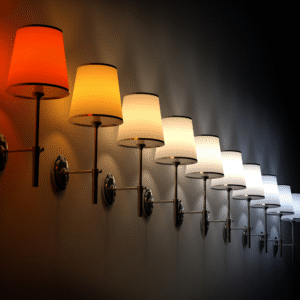
In architectural lighting design UAE and UK, this factor is critical for facade lighting and interiors.
Lighting Color Psychology in Design
Another important concept is lighting color psychology.
Lighting influences:
- Mood
- Productivity
- Comfort
- Emotional response
Examples:
- Warm lighting → Relaxation (homes, hospitality)
- Cool lighting → Focus (offices, commercial spaces)
- Balanced lighting → Neutral environments
This is widely used in lighting consultant projects in Dubai, USA, and UK, where user experience matters.
Choosing the Right Lighting Color for Projects
Selecting the correct lighting involves:
- Space function
- Desired mood
- Color accuracy requirements
- Energy efficiency
This aligns with searches like:
choosing lighting color temperature
best lighting for interiors color
Modern projects prefer LED lighting solutions because they offer:
- Adjustable color temperature
- High CRI
- Energy efficiency
- Smart lighting compatibility
These solutions are widely used in Dubai, UAE, USA, and UK lighting projects.
These lighting color principles are widely used in projects across Dubai, UAE, USA, and the UK.
Conclusion
At Luzion Lighting, light and colour theory form the practical foundation of modern lighting design. By understanding lighting color temperature and color rendering, designers can create spaces that are comfortable, functional, and visually appealing.
From residential interiors to large architectural projects, Luzion Lighting applies the right lighting principles to improve both performance and user experience.
Across global markets like Dubai, UAE, USA, and the UK, Luzion Lighting recognizes that lighting design is no longer just technical—it is a key part of how spaces are experienced.
Related posts
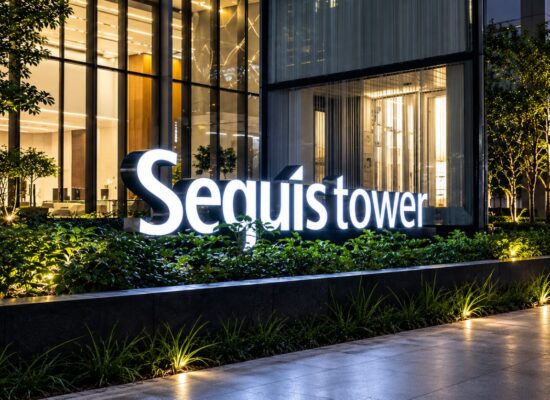
23 Oct 2026
Outdoor Signage in UAE: Types, Materials and Design Guide
Outdoor signage is an essential part of commercial architecture, helping businesses establish visibility, communicate their identity and guide visitors. In…
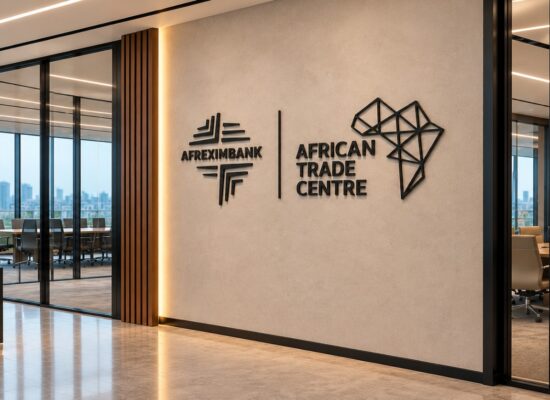
21 Oct 2026
Channel Letter Signage in UAE: Types, Materials and Applications
Channel letter signage is widely used by retail stores, hotels, restaurants, shopping malls and commercial buildings to display business names,…
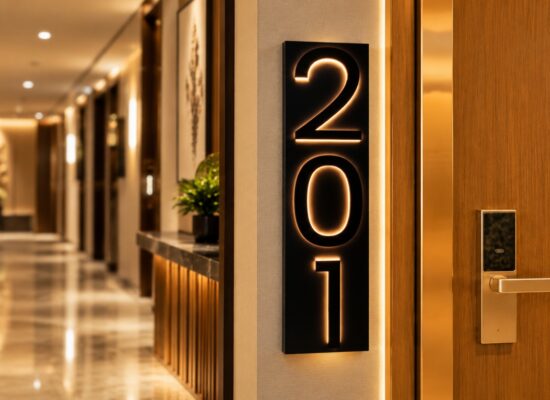
21 Oct 2026
3D Letter Signage in UAE: Materials, Finishes and Applications
In a competitive commercial environment, signage plays an important role in how customers recognise a brand, locate a business and…
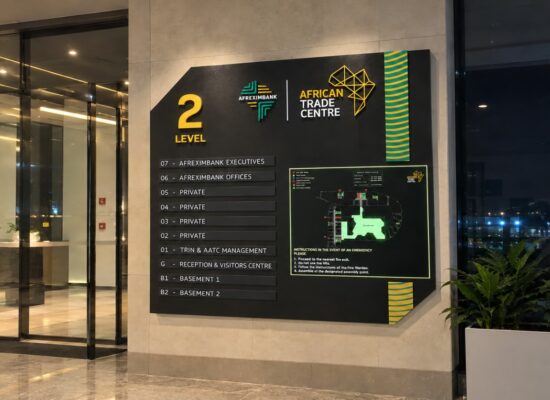
21 Oct 2026
Types of Illuminated Signage: A Guide for UAE & GCC Projects
Illuminated signage plays an important role in how commercial buildings, hotels, retail developments and corporate spaces communicate their identity. In…
17 Oct 2026
Commercial Signage Solutions UAE & GCC
How to Choose Commercial Signage Solutions in the UAE & GCC Commercial signage plays an important role in how people…
subscribe for newsletter

Luzion is a leading manufacturer and exporter of high-quality LED lighting solutions. With a focus on design, research, and innovation, we offer a wide range of products for commercial, industrial, residential, and outdoor spaces.
