
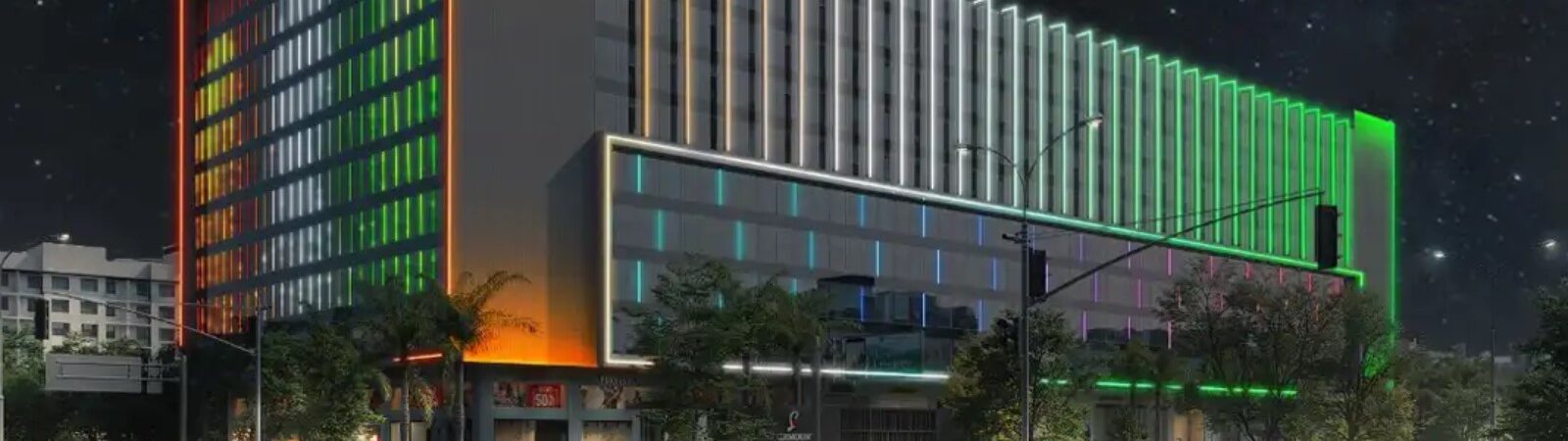
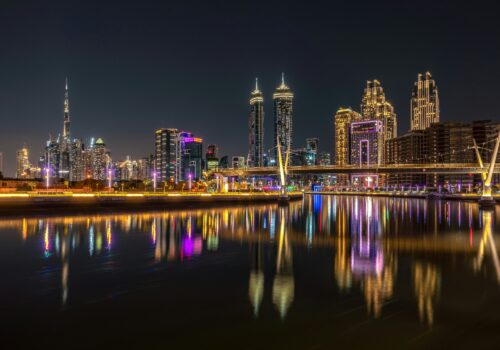
Bringing Architectural Exteriors to Life Across Dubai & Abu Dhabi
In the UAE, buildings are rarely ordinary. Walk through Downtown Dubai or along the Corniche in Abu Dhabi, and you’ll notice something immediately — scale and ambition. Towers stretch upward, facades reflect sunlight, and materials are carefully chosen to stand out.
But when night falls, architecture depends on something else.
This is where facade lighting design in UAE becomes essential.
Lighting is not simply about making a building visible. It changes how the structure is perceived. It can sharpen architectural lines, soften materials, or completely alter depth. A poorly planned lighting setup can flatten a facade. A well-considered facade lighting design, on the other hand, makes the building feel intentional even in darkness.
The Reality of Facade Lighting in the UAE
Designing exterior lighting here is not the same as in milder climates. Heat, dust, reflective glass, and tall elevations create real challenges. What works elsewhere may not perform the same way in Dubai or Abu Dhabi.
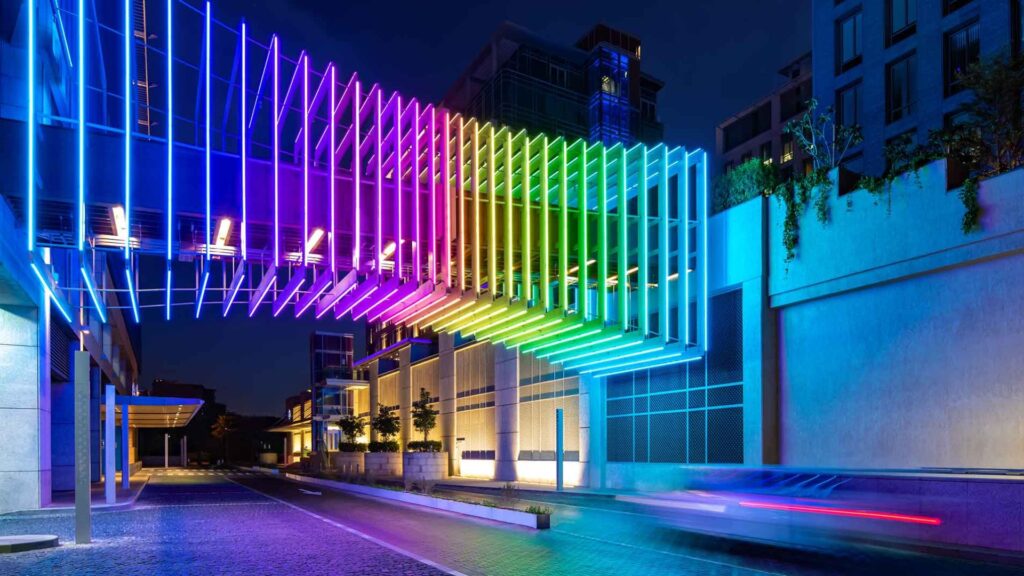
A thoughtful facade lighting design in UAE must consider:
-
How light behaves on reflective surfaces
-
How height affects beam reach and glare
-
How materials absorb or scatter illumination
-
How long do systems operate in high temperatures
Developers who are also planning projects outside the region often compare strategies with international markets. Our approach to architectural illumination in other regions, such as our Lighting Design in USA projects, reflects how climate and urban scale influence lighting decisions differently.
Ignoring environmental factors often leads to uneven brightness or wasted energy. That is why facade lighting design should never be treated as a last-minute addition.
Starting With the Building — Not the Fixture
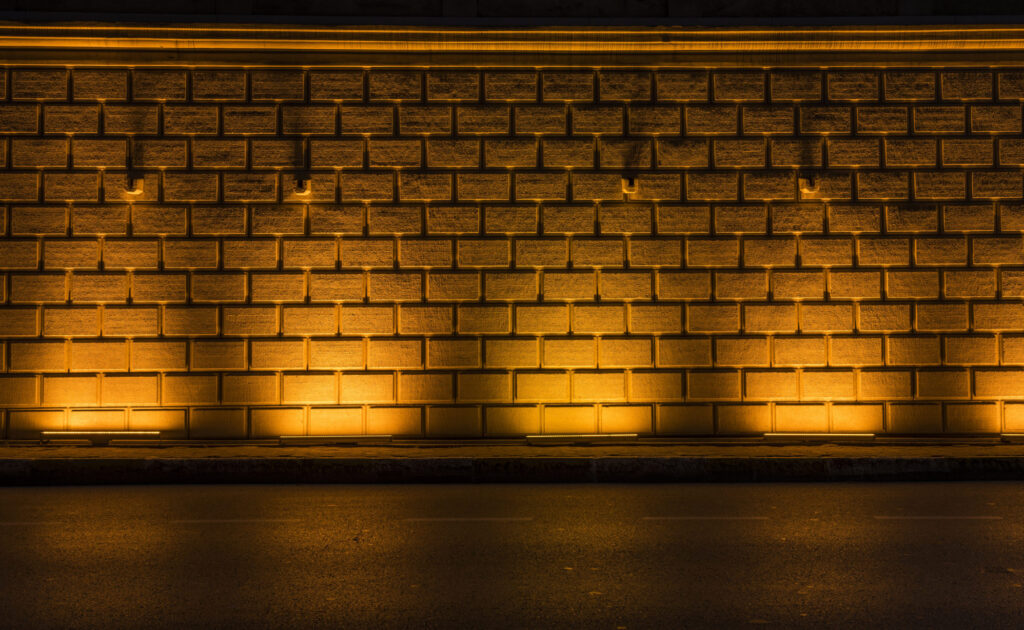
One of the most common mistakes in exterior lighting is choosing products first and studying the architecture later.
We prefer the opposite.
Every facade lighting design project begins by understanding the building’s structure — its depth, its projections, its rhythm. Some facades respond well to subtle wall grazing that reveals texture. Others require vertical emphasis to reinforce height.
For clients looking to explore exterior enhancement techniques, our guide on Modern Building Lighting Ideas Using LED Uplighters explains how controlled uplighting can dramatically reshape facade perception without increasing energy load.
Precision makes the difference between “bright” and “balanced.”
Commercial, Hospitality & Residential Applications
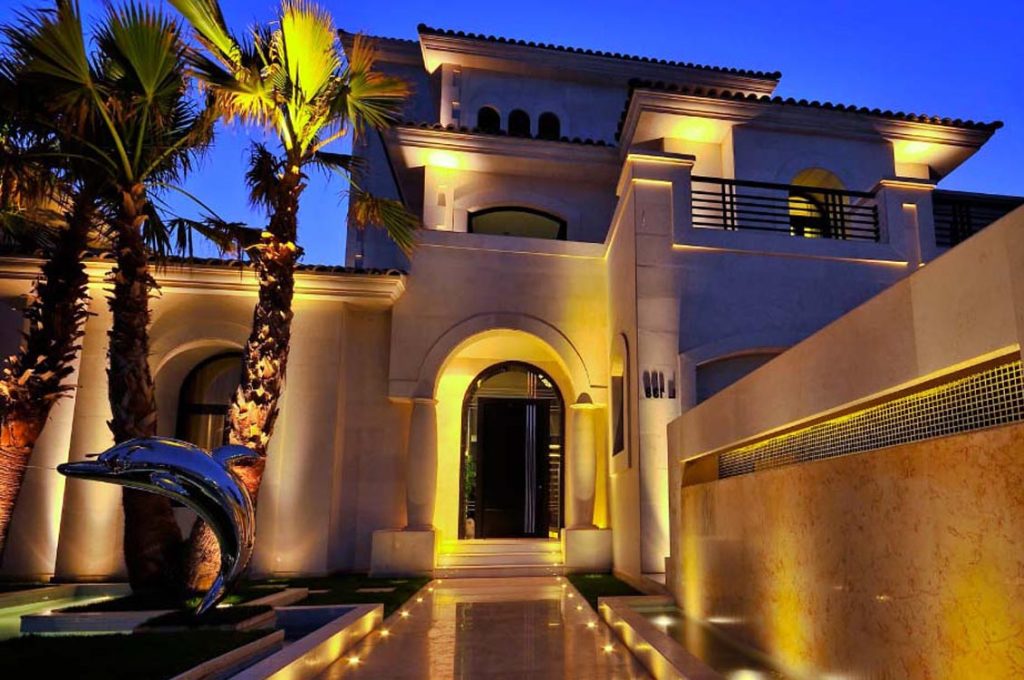
Facade lighting design in UAE varies depending on project type.
For commercial towers, lighting often strengthens brand presence and skyline recognition. The aim is clarity — not distraction.
For hotels and resorts, lighting should feel welcoming rather than dramatic. Warm tones and controlled highlights usually create a stronger emotional response than aggressive brightness.
Many developers also engage in structured Lighting Consultancy in UAE before finalizing facade lighting strategies. This early-stage evaluation ensures that lux levels, fixture positioning, and long-term performance are aligned with architectural goals.
Lighting must adapt to function. Not the other way around.
Performance Matters as Much as Aesthetics
In the UAE climate, durability is part of design. High temperatures and dust exposure can shorten the lifespan of poorly chosen fixtures. Facade lighting systems must be engineered with long-term performance in mind.
Energy efficiency also plays a growing role. Smart dimming strategies and well-calculated beam placement reduce unnecessary output without compromising visual quality.
Effective facade lighting design in UAE balances: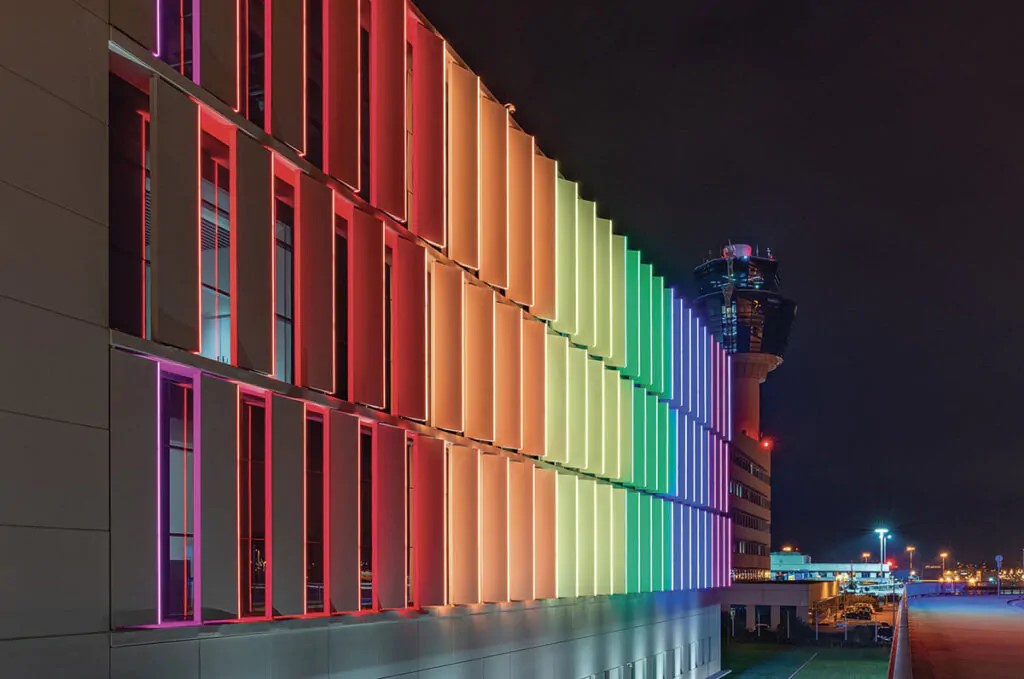
-
Architectural expression
-
Technical reliability
-
Responsible energy use
When one of these is ignored, the result feels incomplete.
Professional facade lighting practices are often guided by global standards developed by the International Association of Lighting Designers (IALD). Aligning facade lighting design in UAE with internationally recognized lighting principles helps ensure visual comfort, responsible illumination, and long-term performance reliability.
Defining a Night-Time Identity
In competitive urban environments like Dubai and Abu Dhabi, buildings are remembered by how they appear at night as much as during the day.
A carefully planned facade lighting design ensures that the architecture does not disappear after sunset. Instead, it gains another layer of character.
Whether the project is a commercial tower, hospitality development, or private residence, facade lighting design in UAE should be integrated early, when architectural decisions are still flexible.
Because once construction is complete, correcting lighting mistakes becomes far more complicated.
Lighting does not replace architecture. It reveals it.
subscribe for newsletter

Luzion is a leading manufacturer and exporter of high-quality LED lighting solutions. With a focus on design, research, and innovation, we offer a wide range of products for commercial, industrial, residential, and outdoor spaces.


