
Professional Architectural Lighting Solutions Across UAE, Saudi Arabia, Qatar, Kuwait, Bahrain & Oman
The GCC region is home to some of the world’s most ambitious architectural developments. From iconic skyscrapers in Dubai and Riyadh to luxury resorts in Qatar, mixed-use developments in Bahrain, and smart city projects across the Middle East, lighting plays a critical role in shaping how these spaces are experienced after sunset.
Professional lighting design is much more than selecting light fixtures. It is a strategic process that combines architecture, engineering, human comfort, visual perception, sustainability, and technology to create environments that are functional, energy-efficient, and visually compelling.
At Luzion, we provide comprehensive lighting design solutions for projects across the GCC, helping architects, developers, consultants, and interior designers transform concepts into extraordinary illuminated environments.
What is Lighting Design?
Lighting design is the process of planning, calculating, and integrating light into architectural spaces to enhance visibility, aesthetics, functionality, and user experience.
A successful lighting design strategy considers how people interact with a space, how architectural features should be highlighted, and how lighting can support the purpose of a building throughout different times of the day.
Modern lighting design involves:
- Architectural integration
- Visual comfort
- Energy efficiency
- Smart lighting controls
- Human-centric lighting
- Sustainability considerations
- Lux level calculations
- Glare management
- Maintenance planning
Rather than focusing solely on fixtures, professional lighting design focuses on the experience created by light and the impact it has on occupants, visitors, customers, and stakeholders.
Why Lighting Design is Important in GCC Countries
The GCC region presents unique architectural and environmental challenges that require specialized lighting strategies.
Extreme Climate Conditions
High temperatures, dust, humidity, and intense sunlight influence both outdoor and indoor lighting requirements. Proper fixture selection and lighting calculations ensure long-term performance and durability.
Luxury Architectural Developments
The GCC is known for luxury hospitality projects, iconic towers, premium residential communities, and landmark destinations. Lighting design helps emphasize architectural identity and create memorable experiences.
Smart City Initiatives
Cities throughout UAE, Saudi Arabia, and Qatar are investing heavily in smart infrastructure. Lighting systems must integrate with automation platforms, energy management systems, and smart controls.
Tourism and Hospitality Growth
Hotels, resorts, entertainment destinations, museums, and cultural landmarks require sophisticated lighting design to enhance guest experiences and support brand positioning.
Our Lighting Design Approach
Every project begins with a structured design methodology that aligns lighting objectives with architectural intent.
Step 1 – Project Discovery and Analysis
Before developing any lighting concept, our team conducts a comprehensive project assessment.
Architectural Review
We study:
- Building massing
- Materials
- Facade details
- Interior layouts
- Functional requirements
Client Objectives
Understanding project goals allows us to develop solutions that align with:
- Brand identity
- User expectations
- Budget requirements
- Sustainability targets
Step 2 – Lighting Concept Development
After gathering project information, a lighting concept is developed.
Visual Hierarchy Planning
Not every element requires equal illumination.
The design identifies:
- Primary focal points
- Secondary architectural features
- Functional areas
- Decorative elements
Lighting Mood Creation
Lighting can influence emotions and behavior.
Different environments require different atmospheres:
- Luxury hotels require warmth and elegance
- Retail environments require visual stimulation
- Offices require productivity-focused lighting
- Museums require precise illumination
Step 3 – DIALux Lighting Calculations
Professional lighting design requires measurable performance.
Lux Calculations
Lux calculations determine whether spaces receive appropriate illumination levels.
Uniformity Analysis
Uniform lighting distribution prevents dark spots and visual discomfort.
Glare Assessment
Proper glare management improves occupant comfort and visual performance.
Energy Analysis
Lighting systems must balance performance with operational efficiency.
Step 4 – Luminaire Selection
Fixture selection is based on design objectives rather than appearance alone.
Key considerations include:
- Beam angles
- Lumen output
- Color temperature
- Color rendering index (CRI)
- IP ratings
- Maintenance requirements
- Energy efficiency
Step 5 – Documentation and Implementation Support
Detailed technical documentation ensures successful project execution.
Deliverables typically include:
- Lighting layouts
- Fixture schedules
- Technical specifications
- DIALux reports
- Control system diagrams
- Installation guidance
Architectural Lighting Design Services
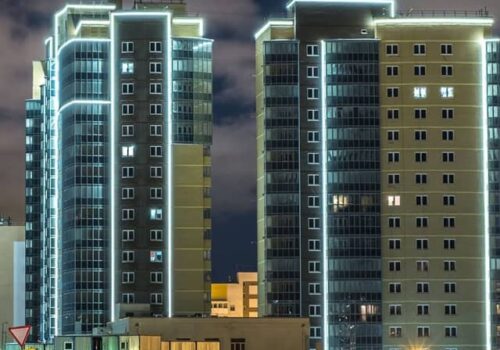
Architectural lighting helps buildings communicate their identity after dark.
Facade Lighting Design
Facade lighting transforms architectural structures into nighttime landmarks.
Applications include:
- Commercial towers
- Hotels
- Government buildings
- Residential developments
- Cultural landmarks
Our facade lighting strategies focus on:
- Architectural emphasis
- Visual depth
- Energy efficiency
- Controlled brightness
- Long-term durability
Landscape Lighting Design
Landscape lighting enhances outdoor environments while improving safety and navigation.
Key elements include:
- Pathways
- Gardens
- Water features
- Courtyards
- Outdoor seating areas
A balanced landscape lighting scheme creates atmosphere without excessive brightness.
Urban Lighting Design
Modern cities require lighting that supports both functionality and aesthetics.
Urban lighting projects include:
- Public plazas
- Streetscapes
- Parks
- Pedestrian zones
- Smart city developments
The objective is to create safe, welcoming, and visually engaging public spaces.
Landmark Lighting Design
Iconic structures deserve customized lighting strategies.
Specialized lighting solutions help:
- Strengthen visual identity
- Enhance tourism appeal
- Create memorable nighttime experiences
- Support city branding initiatives
Interior Lighting Design Solutions
Interior lighting directly impacts comfort, productivity, perception, and user satisfaction.
Hospitality Lighting Design
Hotels require multiple lighting layers throughout guest journeys.
Areas include:
- Lobbies
- Guest rooms
- Restaurants
- Spa facilities
- Ballrooms
- Corridors
Effective hospitality lighting balances luxury, functionality, and operational efficiency.
Residential and Villa Lighting Design
Luxury villas require personalized lighting strategies.
Key considerations include:
Ambient Lighting
General illumination throughout living spaces.
Task Lighting
Focused lighting for kitchens, offices, and reading areas.
Accent Lighting
Highlighting artwork, textures, and architectural features.
Decorative Lighting
Creating visual interest through chandeliers, pendants, and statement fixtures.
Retail Lighting Design
Retail environments rely heavily on lighting to influence customer behavior.
Benefits include:
- Product visibility
- Visual merchandising support
- Brand enhancement
- Improved customer experience
Strategic lighting can significantly impact customer engagement and sales performance.
Office Lighting Design
Modern workplaces require lighting that supports employee wellbeing and productivity.
Office lighting strategies focus on:
- Visual comfort
- Reduced glare
- Task efficiency
- Energy savings
- Circadian support
Museum and Gallery Lighting
Museums require highly specialized lighting systems.
Design priorities include:
- Artifact protection
- Accurate color rendering
- Controlled illumination
- Visitor engagement
Every exhibit receives customized lighting treatment based on conservation requirements.
Smart Lighting Solutions for GCC Projects
Smart lighting technologies are rapidly transforming the built environment.
Automated Lighting Controls
Intelligent systems automatically adjust lighting levels based on occupancy and daylight availability.
DALI Lighting Systems
Digital Addressable Lighting Interface (DALI) allows precise control and monitoring of lighting networks.
Daylight Harvesting
Lighting systems respond dynamically to natural daylight, reducing energy consumption.
Occupancy-Based Controls
Sensors automatically manage lighting based on space utilization.
Building Management System Integration
Lighting can integrate with:
- HVAC systems
- Security systems
- Energy monitoring platforms
- Smart building infrastructure
GCC Countries We Serve
Lighting Design in UAE
Providing lighting design services across:
- Dubai
- Abu Dhabi
- Sharjah
- Ajman
- Ras Al Khaimah
- Fujairah
Lighting Design in Saudi Arabia
Supporting projects in:
- Riyadh
- Jeddah
- Dammam
- NEOM
- Red Sea Developments
Lighting Design in Qatar
Delivering solutions for:
- Doha
- Lusail
- Commercial developments
- Hospitality projects
Lighting Design in Kuwait
Supporting residential, hospitality, and commercial developments.
Lighting Design in Bahrain
Providing architectural and interior lighting expertise for mixed-use projects.
Lighting Design in Oman
Developing lighting solutions that complement Oman’s growing hospitality and tourism sectors.
Why Choose Luzion for Lighting Design in GCC
Luzion combines technical expertise, architectural understanding, and advanced lighting technologies to deliver project-specific solutions across the GCC region.
Our strengths include:
- Architectural Lighting Expertise
- DIALux Simulation & Calculations
- Facade Lighting Design
- Interior Lighting Design
- Smart Lighting Solutions
- Technical Documentation
- Project-Specific Design Strategies
- GCC Market Experience
From luxury villas and hotels to commercial towers and urban developments, our goal is to create lighting environments that enhance architecture, improve user experiences, and support long-term project success across UAE, Saudi Arabia, Qatar, Kuwait, Bahrain, and Oman.
Frequently Asked Questions
1. What is lighting design and why is it important?
Lighting design is the process of planning and integrating lighting systems to improve visibility, functionality, aesthetics, and user comfort within a space. A professional lighting design strategy enhances architectural features, creates the desired atmosphere, improves safety, and supports energy efficiency. For projects across the GCC, lighting design also helps buildings maintain their visual impact after sunset while reducing long-term operational costs.
2. What types of projects require professional lighting design?
Professional lighting design is beneficial for a wide range of projects, including hotels, resorts, villas, residential developments, commercial buildings, offices, shopping malls, museums, healthcare facilities, educational institutions, public spaces, and mixed-use developments. Every project has unique lighting requirements that should be addressed through a customized design approach.
3. What is DIALux lighting design?
DIALux is an advanced lighting calculation and simulation software used by lighting professionals worldwide. It allows designers to evaluate lux levels, uniformity, glare, energy performance, and lighting distribution before installation. DIALux simulations help ensure that lighting systems meet project requirements and deliver the expected visual performance.
4. How can lighting design improve energy efficiency?
A well-planned lighting design minimizes energy consumption by selecting efficient luminaires, optimizing fixture placement, integrating smart controls, and utilizing daylight effectively. Features such as occupancy sensors, dimming controls, daylight harvesting, and LED technology can significantly reduce energy usage while maintaining high lighting quality.
5. Do you provide lighting design services across all GCC countries?
Yes. Luzion provides professional lighting design services across the GCC region, including the United Arab Emirates (UAE), Saudi Arabia, Qatar, Kuwait, Bahrain, and Oman. Our team supports architectural, hospitality, residential, commercial, retail, and urban development projects with customized lighting solutions tailored to local project requirements.
6. What is included in a professional lighting design package?
A professional lighting design package typically includes concept development, lighting layouts, luminaire specifications, DIALux calculations, lux level analysis, control system recommendations, technical documentation, and implementation support. The scope may vary depending on the project size, complexity, and design objectives, ensuring that every solution is aligned with architectural and operational requirements.
Elevating Architecture Through Professional Lighting Design
Professional lighting design is a fundamental component of successful architectural projects across the GCC. Beyond illumination, it enhances visual comfort, strengthens architectural identity, improves energy efficiency, and creates memorable experiences for occupants and visitors. From luxury hospitality developments and commercial towers to residential communities and public spaces, a well-planned lighting strategy ensures that every environment performs beautifully both day and night.
At Luzion, we provide expert lighting design solutions tailored to the unique requirements of projects across UAE, Saudi Arabia, Qatar, Kuwait, Bahrain, and Oman. Through a combination of architectural expertise, DIALux simulations, smart lighting technologies, and innovative design thinking, we help transform concepts into exceptional illuminated spaces. Our goal is to deliver lighting solutions that balance aesthetics, functionality, sustainability, and long-term value for every project throughout the GCC region.
subscribe for newsletter

Luzion is a leading manufacturer and exporter of high-quality LED lighting solutions. With a focus on design, research, and innovation, we offer a wide range of products for commercial, industrial, residential, and outdoor spaces.


