
Hotel Lighting Design | Hotel Lighting Service, Solution & System UAE & GCC
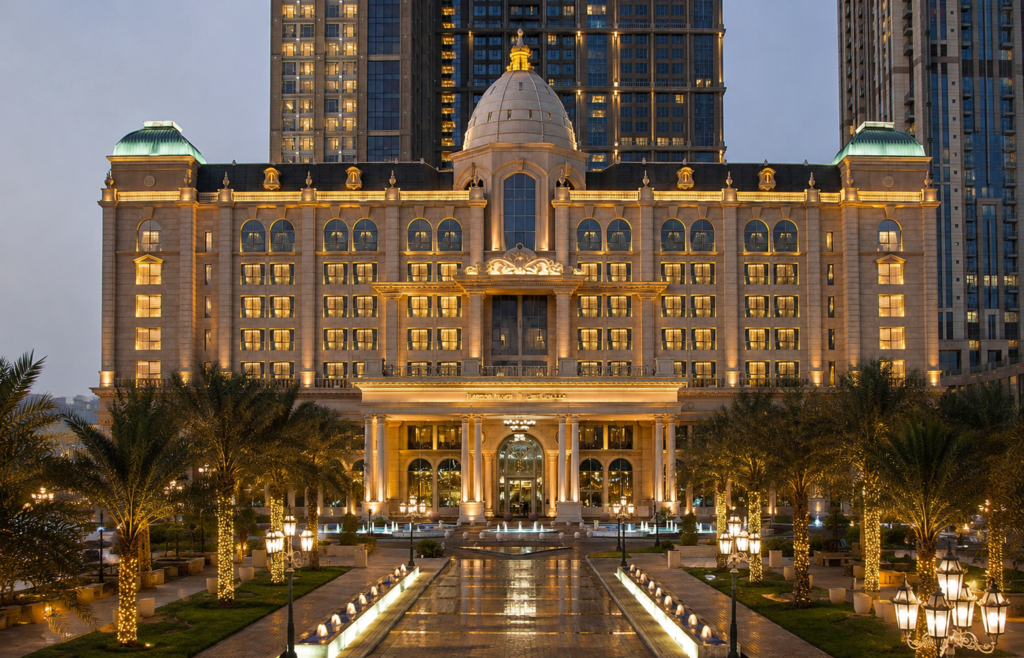 Luzion Lighting delivers premium Hotel Lighting Solutions and Hotel Lighting UAE services for luxury hotels, resorts, hospitality developments, boutique properties, and large-scale commercial hospitality projects across the GCC region. From façade lighting and entrance lighting to guest room lighting, landscape integration, wayfinding lighting, ambient lighting, and custom hotel lighting systems, our solutions are designed to enhance guest experience.
From luxury resorts and beachfront properties to business hotels and urban hospitality spaces, professionally designed Hotel Lighting GCC projects enhance every guest interaction. They create welcoming entrances, enrich interior and exterior spaces, highlight architectural features, and deliver memorable first impressions through thoughtful Hospitality lighting design and architectural hotel lighting.
At Luzion Lighting, we provide Hotel Lighting Premium solutions tailored to the vision of each project. Our approach combines creative lighting design, advanced LED lighting technology, and carefully selected fixtures to deliver hospitality environments that are visually elegant, energy-efficient, and built for long-term performance. As a trusted partner for luxury hotel lighting and Hotel façade lighting, we ensure every project achieves the right balance of style, comfort, and durability.
Regional Considerations – UAE & GCC
Designing lighting for the GCC requires more than aesthetic sensitivity. It demands an understanding of Climate, Culture, Hospitality Standards, and the expectations of a market that values Refinement at Every Touchpoint.
Climate & Environment
- High Daylight Intensity requires careful daylight integration and Glare Control
- Dust, Heat, and Humidity demand durable, High IP-Rated Fixtures
- Outdoor Luminaires must perform reliably in Extreme Temperatures
- Maintenance Access and Long-Life Components are critical for Operational Efficiency
In cities such as Dubai and Abu Dhabi, as well as across the wider Hotel Lighting UAE and Hotel Lighting GCC market, lighting must be engineered for Endurance as Much as Beauty. A premium Hotel Lighting Dubai project cannot rely on decorative intent alone; it must be Technically Resilient.
Cultural Sensitivity
- Warm Lighting Tones (2700K–3000K) are preferred for Comfort and Hospitality
- Privacy, Elegance, and Calm are central to the Guest Experience
- Architectural details such as Stone, Mashrabiya, Timber, and Textured Finishes should be Enhanced—Not Flattened—by Light
The most successful hospitality environments in the region understand that light should never feel Harsh or Intrusive. It should feel Composed, Welcoming, and Quietly Luxurious.
Luxury Expectations
- Guests expect a Premium Atmosphere from the moment they arrive
- Layered Lighting is essential to create Depth and Visual Richness
- Decorative Lighting must support the Architecture, not compete with it
For a Hotel Lighting Company or Hotel Lighting Consultant, the brief is never only about illumination. It is about creating a complete sensory experience that aligns with the property’s positioning and commercial ambition.
Core Lighting Design Principles
A hotel is a sequence of experiences. Lighting must support each one with clarity, elegance, and consistency. The best schemes are not built on brightness alone, but on layering, contrast, control, and visual comfort.
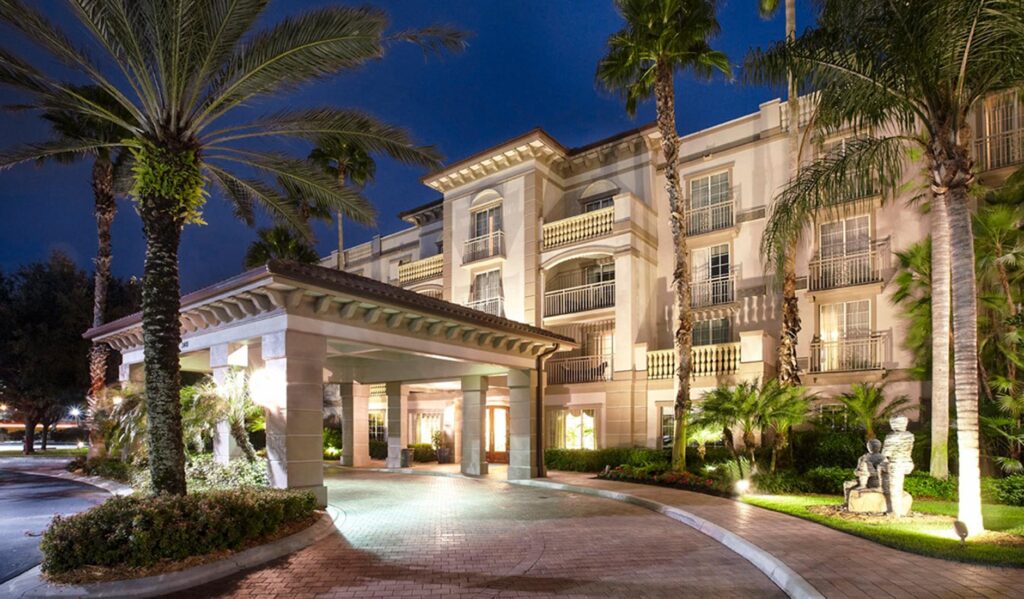
Layered Lighting Strategy
- Ambient Lighting – Provides Overall Visibility and Spatial Comfort
- Accent Lighting – Highlights Architecture, Artwork, Textures, and Focal Points
- Task Lighting – Supports Functional Areas such as Reception Desks, Reading Zones, and Dining Surfaces
- Decorative Lighting – Adds Identity through Chandeliers, Feature Pendants, and Statement Luminaires
This layered approach is the foundation of premium Hotel Lighting Design. It allows each space to feel intentional, balanced, and emotionally coherent. A reputable Hotel Lighting Manufacturer should be able to support this strategy with optics, finishes, and control compatibility that suit the project’s design language.
Visual Comfort & Orientation
Lighting in hospitality must guide without overwhelming. Guests should move through the property with ease, never feeling disoriented or visually fatigued.
- Avoid glare and harsh contrasts
- Ensure smooth transitions between indoor and outdoor zones
- Support eye adaptation at entrances, lobbies, and circulation areas
- Maintain consistency in brightness and color temperature across connected spaces
This principle is especially important in Hotel Lighting Indoor environments, where corridors, lobbies, and guest-facing areas must feel calm and legible. The goal is not simply to light the space, but to make movement feel natural and intuitive.
Lux Level Planning (Indicative Standards)
Lighting levels should always be validated through photometric studies, mock-ups, and project-specific simulation. The following values provide a practical starting point:
| Area | Recommended Illuminance |
|---|---|
| Entrance / Lobby | 100–200 lux |
| Reception Desk | 300–500 lux |
| Corridors | 100–150 lux |
| Guest Rooms | 100–300 lux |
| Restaurants | ~200 lux |
| Accent Areas | 300+ lux |
These values align with hospitality and public-space benchmarks, but the final result should always reflect ceiling height, surface reflectance, brand identity, and operational use. In premium Hotel Lighting Projects, precision matters as much as atmosphere.
Key Hotel Areas & Lighting Strategy
Every zone in a hotel has a different emotional and functional role. The lighting strategy must respond accordingly, creating a seamless journey from arrival to retreat.
Exterior & Facade Lighting
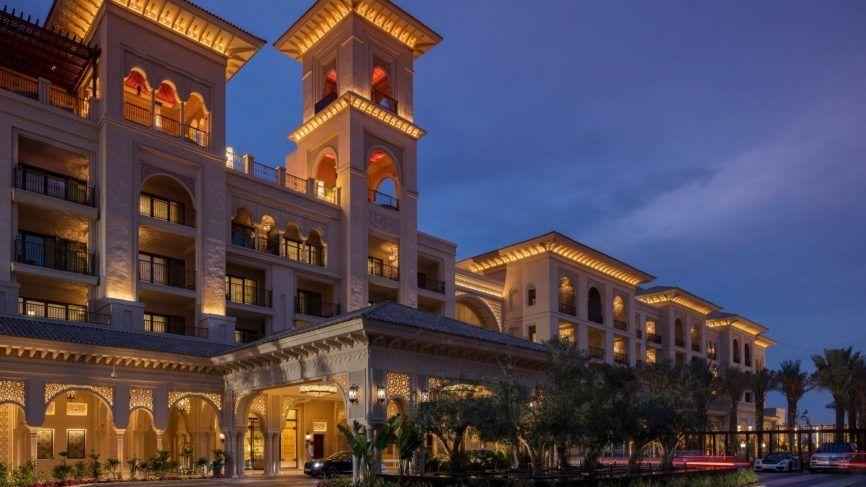
- Highlight the Building’s Form, Rhythm, and Materiality
- Use Grazing Light to reveal Texture and Depth
- Integrate Landscape and Façade Lighting for a Unified Night Image
- Avoid Over-Lighting, which can Flatten the Architecture and reduce Elegance
This is where Hotel Lighting Outdoor Design becomes a Brand Tool. A well-composed façade does not shout; it commands attention through Restraint, Proportion, and Clarity.
Entrance & Drop-off Zone
The arrival sequence sets the tone for the entire stay. Guests should feel welcomed, oriented, and reassured within seconds.
- Provide bright but glare-free illumination
- Emphasize the entry canopy, signage, and drop-off points
- Create a smooth transition from exterior brightness to interior warmth
- Ensure vehicles, pedestrians, and luggage movement are clearly supported
This zone is where lighting must perform both emotionally and operationally. It should feel effortless, yet highly controlled. A premium arrival experience is one of the clearest markers of Hotel Lighting Premium quality.
Lobby & Reception
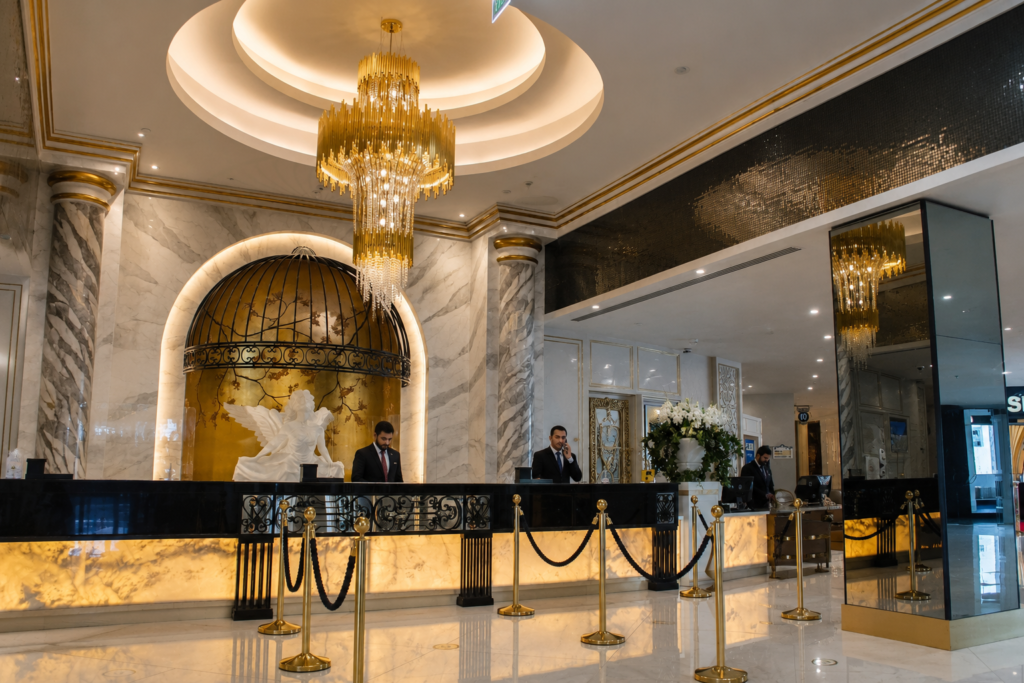 The lobby is the social heart of the hotel. It must feel open, elegant, and memorable without becoming visually noisy.
- Combine ambient and statement lighting for depth and hierarchy
- Use accent lighting on walls, columns, ceilings, and art pieces
- Provide higher illumination at the reception desk for functionality
- Maintain visual comfort in seating and waiting areas
Reception and waiting zones require stronger illumination than surrounding spaces, but the transition must remain graceful.
Corridors & Circulation
Corridors are often underestimated, yet they shape the guest’s sense of Calm and Orientation more than many feature spaces. In Hotel Lighting Indoor Circulation Areas, the objective is Comfort Without Fatigue, ensuring guests move through the space with confidence and ease.
- Use Uniform Lighting for Safety and Continuity, while maintaining a Soft and Continuous Illumination
- Incorporate Wall Washers, Cove Lighting, or Concealed Linear Systems for a Seamless Visual Flow
- Avoid Dark Pockets and Abrupt Brightness Changes to ensure a Discreet, Elegant, and Consistent Experience
Guest Rooms
Guest rooms are where hospitality becomes personal. Lighting here must support Rest, Privacy, Work, and Mood—often within the same space. This is where Hotel Lighting Luxury and Hotel Lighting Modern converge, creating an environment that feels calm, intelligent, and adaptable.
- Use Layered Lighting with Dimming Control, while favoring Warm Tones for Relaxation and Comfort
- Provide Bedside Task Lighting and Reading Support, along with Ambient Lighting that can be softened for evening use
- Allow guests to Control Lighting Scenes Easily and Intuitively for a seamless experience
The best guest rooms offer Atmosphere Without Complexity and Control Without Confusion, ensuring a refined and comfortable stay experience.
Restaurants & Dining Areas
Dining spaces require a delicate balance between intimacy and clarity. Light should flatter the food, support service, and create a memorable mood.
- Use warm, inviting illumination
- Highlight tables with focused accent lighting
- Provide brighter lighting for buffets, counters, and service zones
- Maintain visual comfort across the room without flattening the atmosphere
Dining tables should have focused lighting that enhances both presentation and experience. In premium hospitality, the dining environment is part of the brand story, and lighting is one of its most powerful storytelling tools.
Outdoor & Landscape Areas
- Use Pathway Lighting for Safety and Orientation, while accenting Trees, Planting, and Water Features with Restraint
- Balance Brightness to avoid Glare and Overexposure, creating a Layered Nightscape that feels calm and inviting
Outdoor hospitality spaces extend the guest experience beyond the building envelope. Terraces, gardens, pool decks, and courtyards should feel as carefully composed as the interiors.
This is where Hotel Lighting Outdoor must support Visibility, Ambiance, and Durability at once. The best outdoor environments feel Immersive, not Overlit.
Smart & AI-Driven Lighting
The future of hospitality lighting is not static—it is Responsive, Intelligent, and Personalized. Modern Hotel Lighting Systems are expected to go beyond basic functionality, adapting to Occupancy, Daylight, Guest Preferences, and Operational Demand.
- Automated Lighting Control Systems, Occupancy Sensors, and Daylight Harvesting to enhance efficiency
- Scene-Based Scheduling and Centralized Monitoring & Control for seamless operations
These intelligent systems reduce energy waste while improving Comfort, Consistency, and Performance. For a Hotel Lighting Contractor, installation is only one part of the scope—Commissioning, Integration, and Long-Term Reliability are equally critical.
AI-Based Lighting Personalization
Artificial intelligence is reshaping how lighting responds to people and spaces, making environments more Adaptive, Human-Centric, and Experience-Driven.
- Adaptive Lighting based on Guest Preferences and Circadian Lighting that supports natural day–night rhythms
- Scene Memory for Sleep, Work, Relaxation, and Entertainment Modes, along with Predictive Adjustments based on occupancy patterns and usage trends
This is where the modern hospitality experience becomes truly intelligent. AI allows lighting to feel less mechanical and more human, supporting Wellness, Convenience, and Quiet Luxury—key expectations from a forward-thinking Hotel Lighting Design strategy.
Integration with Smart Hospitality
Lighting can now be integrated with broader hotel systems to create a Seamless and Connected Guest Journey.
- Room Control Systems, Mobile Apps, and Voice Assistants for intuitive guest interaction
- PMS-Linked Automation, along with Energy Dashboards and Operational Analytics for smarter operations
The result is a more Responsive Property, a more Efficient Operation, and a stronger Premium Identity. In this context, Hotel Lighting Services extend beyond specification and installation into Digital Integration, User Experience, and Lifecycle Support.
Sustainability & Energy Efficiency
Luxury and sustainability are no longer separate ambitions. In the GCC, the most respected hospitality projects combine Visual Excellence with Responsible Performance.
- Use LED Technology, Integrate Daylight, and apply Smart Lighting Controls to optimize energy usage by time and occupancy
- Select fixtures with Strong Thermal Performance, Serviceability, and plan Maintenance Access from the outset
A responsible Hotel Lighting Manufacturer should deliver solutions that are Efficient, Durable, and Climate-Ready. Likewise, a capable Hotel Lighting Consultant evaluates not just aesthetics, but Lifecycle Cost, Maintenance Strategy, and Long-Term Performance.
Modern hospitality lighting must balance Performance, Sustainability, Aesthetic Value, and Operational Reliability. Across Hotel Lighting India, the UAE, and the wider GCC, the strongest projects treat sustainability not as a compromise, but as part of Premium Design Intelligence.
Start Your Luxury Lighting Project Today
Illuminate Your Hotel’s Identity with Precision Lighting
Partner with Luzion Lighting to create visually stunning, high-performance hospitality environments. From concept to execution, we deliver lighting that defines luxury.
📞 +91 98606 90075 📧 sales@luzion.in
subscribe for newsletter

Luzion is a leading manufacturer and exporter of high-quality LED lighting solutions. With a focus on design, research, and innovation, we offer a wide range of products for commercial, industrial, residential, and outdoor spaces.


