
Search
Category
- Bollard Light
- Commercial Lighting
- Energy-Efficient Lighting
- LAMPS
- LED Lights
- LED Uplighter
- Light and Colour Theory
- Lighting Design and Facade Lighting
- Lighting Design Consultancy UAE
- lighting design principles
- Lighting Fundamentals and Design Principles
- Nature of Light in Lighting Design
- Panel Lights vs. Spot Lights
- Portable Lights
- Smart Controllers for Streetlights
- Tree Lighter
- Uncategorized
Recent Posts

Tags
- Architectural Lighting
- Architectural Lighting Design
- Architectural Lighting Design UAE
- automation
- Best Lighting Design Consultancy in UAE
- COB LED Technology
- COB Spotlights
- Color Temperature in Lighting
- Commercial Lighting Design
- Commercial Lighting Fixtures
- Commercial Lighting Innovations
- Commercial Lighting UAE
- Cylinder COB Lights
- Dialux Lighting Design
- Dialux Lighting Design UAE
- Energy Efficient Lighting
- Energy-Efficient Lighting USA
- Exterior Lighting Solutions
- Facade & Exterior Lighting
- Facade Lighting
- Facade Lighting Design
- Facade Lighting Design UAE
- Facade lighting ideas
- Facade Lighting UAE
- Facade Uplighting
- Green Building Design
- Indoor & Exterior Lighting Solutions
- Interior Lighting Design
- Lamps
- LED Lighting Solutions
- LED lights
- LED Panel
- LED Uplighters
- LED vs Halogen
- Light and Color Theory
- Lighting Basics
- Lighting Consultancy UAE
- Lighting Design
- Lighting Design Consultancy in UAE
- Lighting Design Principles
- Lighting Design UAE
- Lighting Fundamentals Guide
- Lighting Layers
- Lumen Output in Lighting
- Modern Building Lighting Ideas
- Modern Lighting Ideas
- Office Lighting Solutions
- Outdoor Lighting Consultants UAE
- Panel Lights vs. Spot Lights
- Portable Lights
- smart light
- Smart Lighting Systems
- Sustainable Architecture
- Sustainable Lighting UAE
- Villa Lighting UAE

28Apr 2026
- Nature of Light in Lighting Design


Light Fittings in Lighting Design: Types, Uses, and Practical Considerations
When people think about lighting design, the first thing that usually comes to mind is the lamp or the light source itself. But in reality, a lamp alone does not determine how a space is illuminated. The light fitting plays an equally important role in shaping how light behaves inside a room—something that is especially important in modern interior projects across global markets like Dubai, United Arab Emirates, and the United Kingdom.
A lamp produces the light, but the fitting controls how that light is distributed, directed, and experienced. Even a high-quality lamp may not provide effective illumination if it is installed in a poorly designed fitting. At the same time, using the wrong type of lamp in a fitting can also reduce lighting quality.
Because of this close relationship, professional lighting design always considers the lamp and the light fitting as a unit. When both elements work correctly, they help create balanced and comfortable illumination inside a space.
Light fittings also influence the character of lighting. They can focus light on specific areas, reduce glare, or soften strong direct light to create a more pleasant atmosphere. In simple terms, lighting fixtures determine how light interacts with the surrounding environment and how comfortable the space feels.
Pendant Lights
Among the many types of light fittings, pendant lights are probably the most familiar. The concept of a light hanging from the centre of a room has existed for centuries.

Although earlier designs focused on practicality, modern pendant lighting is widely used in both residential and commercial interiors. In design-focused cities like Dubai, pendant fixtures often act as both lighting and decorative elements.
Today, pendant lighting is available in a wide variety of styles—from simple minimal designs to large statement pieces. Because they are clearly visible, they play a major role in defining the overall look of a space.
Recessed Downlights
Recessed downlights are commonly used in modern interiors because of their clean and minimal appearance. They are widely preferred in contemporary homes, offices, and retail spaces across regions such as the United States and United Arab Emirates.

These fittings are especially useful when light needs to be placed precisely where it is required. They can be used for both task lighting and general illumination, depending on how they are arranged.
Ceiling Construction and Downlight Installation

Installing recessed lighting requires careful planning because the fittings are placed inside the ceiling.
Modern construction methods—especially in newer developments in the United Arab Emirates—often include suspended ceilings, making installation easier. However, older buildings may require additional consideration due to structural limitations.
Spotlights
Spotlights are another popular type of light fitting used in lighting design. They are mounted on the surface and provide focused beams of light.
They are particularly useful for highlighting specific objects or areas, making them a common choice in retail and residential interiors. In premium spaces, such as high-end showrooms or galleries, spotlights help create visual emphasis without overwhelming the overall lighting.

Track Lighting Systems
Track lighting systems offer flexibility in positioning lights within a space. Instead of fixed wiring points, multiple lights can be adjusted along a single track.
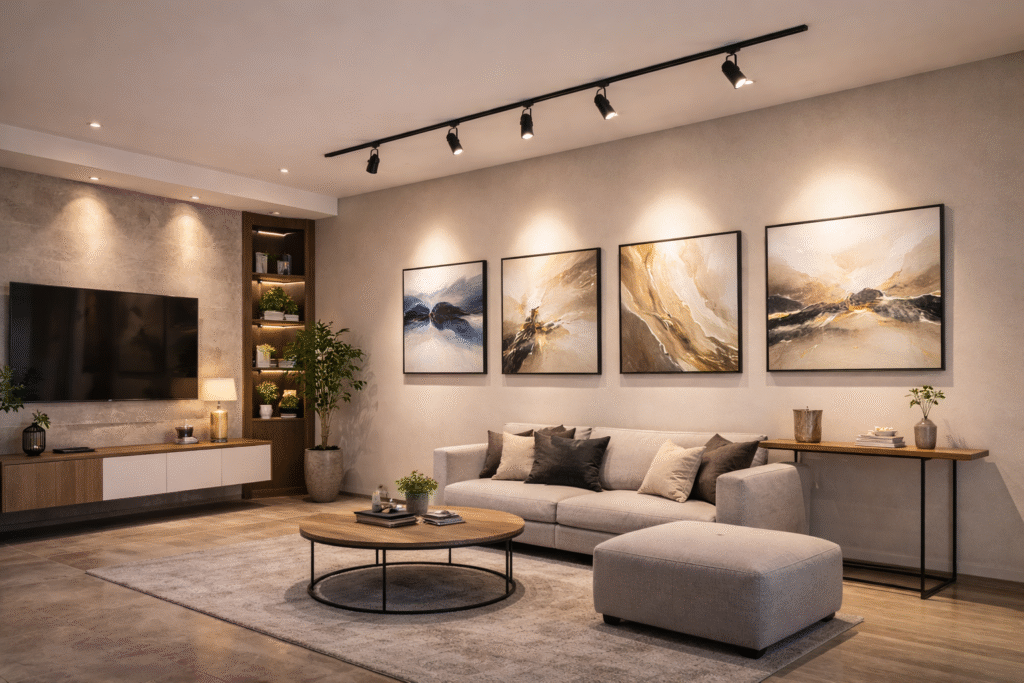
This makes them especially useful in dynamic environments such as galleries, studios, and modern homes where lighting needs may change over time.
Wall Lights
Wall lights combine decorative and functional lighting elements. Depending on their design, they can create a variety of lighting effects that enhance the atmosphere of a room.

They are commonly used for ambient or indirect lighting, helping to soften the overall illumination and improve visual comfort.
Why Light Fittings Matter in Lighting Design
At Luzion Lighting, light fittings are a crucial element of any lighting design project. While lamps generate the light, fittings determine how that light interacts with the surrounding environment.
By selecting the right fittings and placing them correctly, Luzion Lighting ensures that every project achieves lighting that is both functional and visually appealing—whether it’s for a residential project, a commercial space, or a hospitality environment.
Related posts
02 May 2026
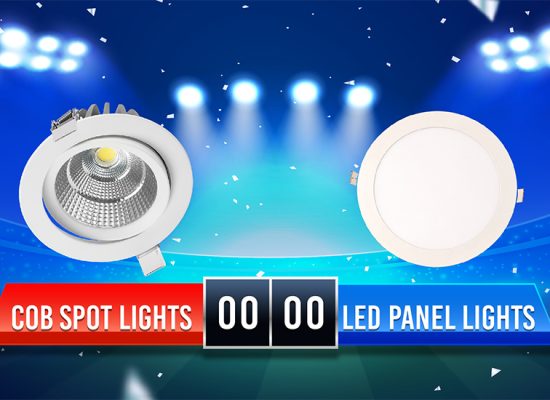
LED Panel Lights vs. Spot Lights: 5 Powerful Reasons LED Panel Lights Are Smarter
Choosing between LED panel lights vs spot lights is one of the most important decisions in modern lighting design. Whether…
02 May 2026
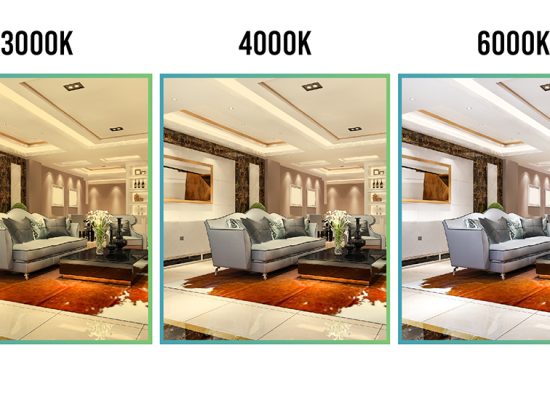
Right Color Temperature for Lights: Ultimate 2025 Guide to 3000K, 4000K, and 6000K CCTs
Choosing the right color temperature for lights is critical in modern lighting design. In cities like Dubai and across the…
02 May 2026
Right Lumens for LED Lights: Ultimate 2025 Guide to Smart Lighting
Choosing the right lumens for LED lights is essential for modern lighting design. In cities like Dubai and across the…
02 May 2026
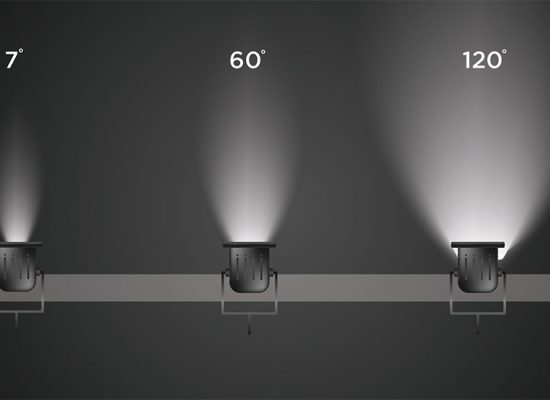
Ultimate Guide: How to Choose the Right Lens for LED Lights – Top 3 Optics Explained
Choosing how to choose the right lens for LED lights is one of the most important decisions in modern lighting…
02 May 2026
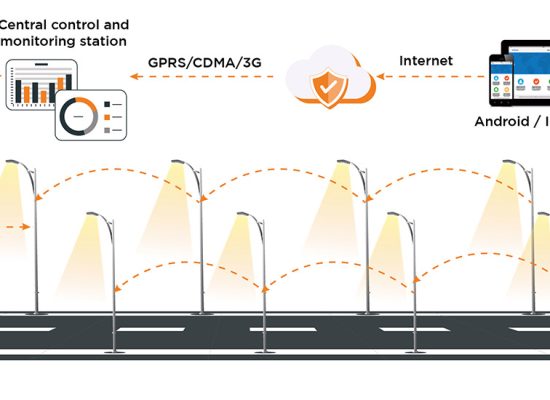
Smart Controllers for Streetlights: Exploring NEMA, LORA, and Other Technologies
In modern cities like Dubai and across the United Arab Emirates, smart controllers for streetlights are becoming the backbone of…
subscribe for newsletter

Luzion is a leading manufacturer and exporter of high-quality LED lighting solutions. With a focus on design, research, and innovation, we offer a wide range of products for commercial, industrial, residential, and outdoor spaces.
