

Search
Category
- Bollard Light
- Commercial Lighting
- Energy-Efficient Lighting
- LAMPS
- LED Lights
- LED Uplighter
- Light and Colour Theory
- Lighting Design and Facade Lighting
- Lighting Design Consultancy UAE
- lighting design principles
- Lighting Fundamentals and Design Principles
- Lighting Solutions
- Nature of Light in Lighting Design
- Panel Lights vs. Spot Lights
- Portable Lights
- Signage Solutions
- Smart Controllers for Streetlights
- Solar Lights
- Tree Lighter
- Uncategorized
Recent Posts




Commercial Signage Solutions UAE & GCC

Canadian Bespoke Lights
Tags
- Architectural Lighting
- Architectural Lighting Design
- Architectural Lighting Design UAE
- automation
- Best Lighting Design Consultancy in UAE
- COB LED Technology
- COB Spotlights
- Color Temperature in Lighting
- Commercial Lighting Design
- Commercial Lighting Fixtures
- Commercial Lighting Innovations
- Commercial Lighting UAE
- Cylinder COB Lights
- Dialux Lighting Design
- Dialux Lighting Design UAE
- Energy Efficient Lighting
- Energy-Efficient Lighting USA
- Exterior Lighting Solutions
- Facade & Exterior Lighting
- Facade Lighting
- Facade Lighting Design
- Facade Lighting Design UAE
- Facade lighting ideas
- Facade Lighting UAE
- Facade Uplighting
- Green Building Design
- Indoor & Exterior Lighting Solutions
- Interior Lighting Design
- Lamps
- LED Lighting Solutions
- LED lights
- LED Panel
- LED Uplighters
- LED vs Halogen
- Light and Color Theory
- Lighting Basics
- Lighting Consultancy UAE
- Lighting Design
- Lighting Design Consultancy in UAE
- Lighting Design Principles
- Lighting Design UAE
- Lighting Fundamentals Guide
- Lighting Layers
- Lumen Output in Lighting
- Modern Building Lighting Ideas
- Modern Lighting Ideas
- Office Lighting Solutions
- Outdoor Lighting Consultants UAE
- Panel Lights vs. Spot Lights
- Portable Lights
- smart light
- Smart Lighting Systems
- Sustainable Architecture
- Sustainable Lighting UAE
- Villa Lighting UAE
28Apr 2026
- Lighting Fundamentals and Design Principles


Lighting Fundamentals and Design Principles
Lighting Fundamentals and Design Principles
Most people don’t notice good lighting straight away.
They notice it later — when a space feels calm, easy to use, and visually comfortable. That usually means the lighting has been planned well.
Lighting is not just about installing fixtures or making a space bright. It’s about how light behaves inside a room and how people actually feel when they use that space. This is why lighting fundamentals and design principles matter so much in modern interiors and architectural projects—especially in diverse environments such as Dubai, United Arab Emirates, and the United Kingdom.
When these basics are ignored, spaces often feel harsh, flat, or tiring to the eyes, even if expensive lights are used.
The Lighting Triangle
A simple way to understand lighting design is the lighting triangle.
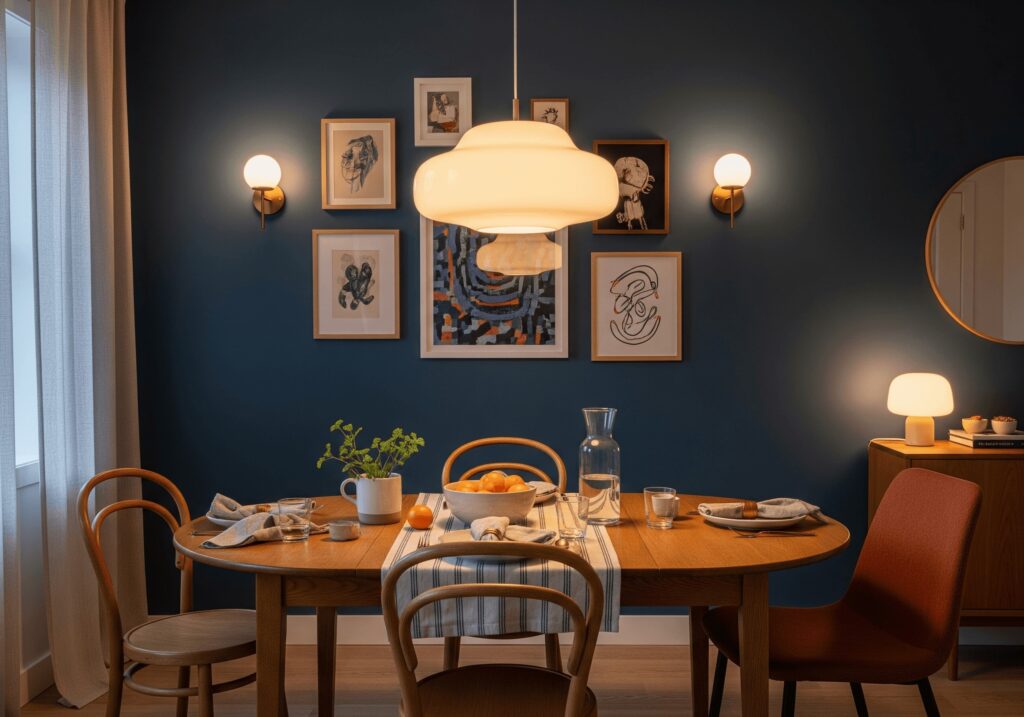
It connects three things:
the light source
the lighting fixture
the way lighting is planned in the space
The light source can be daylight or artificial light, such as LEDs. The fixture controls how that light spreads. The design decides where the light goes and why it is there.
If one of these elements is wrong, the entire lighting setup feels off. This principle is widely used in architectural lighting projects across regions like the United States and the Middle East.
Lighting Layers: Why One Light Is Never Enough
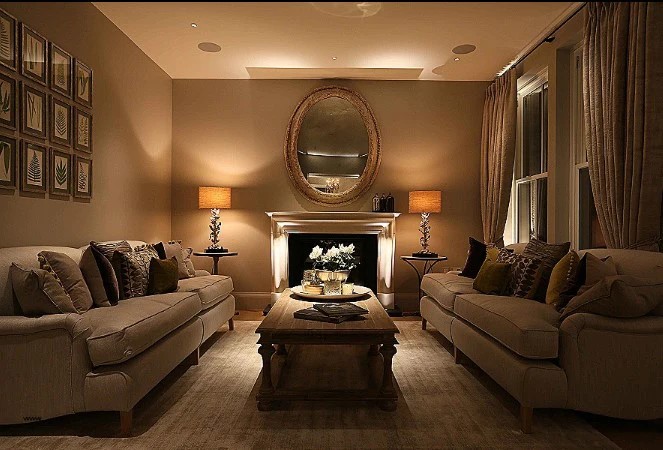
Using just one type of light rarely works in real spaces.
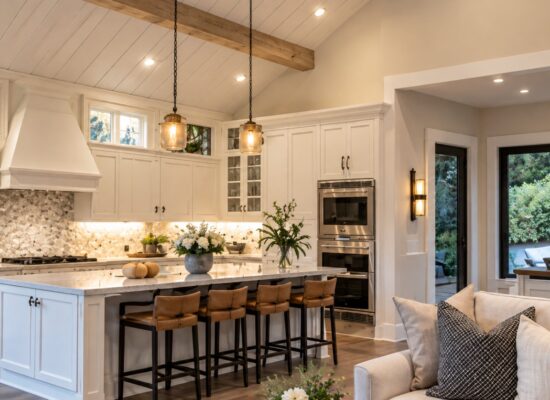
Most rooms are used for more than one purpose. People relax, work, move around, and sometimes entertain in the same space. A single light source cannot support all of this properly.
That’s why lighting designers use lighting layers. Layered lighting makes spaces flexible and visually balanced instead of flat.
The three most common layers are ambient, task, and accent lighting.
Ambient Lighting
Ambient lighting is the foundation. It provides general light so people can move comfortably and safely.
In residential and hospitality spaces—such as villas in Dubai or apartments in the United Kingdom—warm ambient lighting helps create a relaxed atmosphere. In offices and commercial interiors, slightly cooler ambient light improves clarity.
Task Lighting
Task lighting supports specific activities like reading, cooking, or working.
Placement matters more than brightness. Poor placement can create shadows or glare, while good task lighting feels natural and supportive.
Accent Lighting
Accent lighting adds depth and character to a space.
It highlights artwork, textures, and architectural elements. This approach is commonly used in retail, hospitality, and residential interiors worldwide to guide visual focus without overwhelming the space.
Lighting Quality: How the Space Feels
Lighting quality is something people sense immediately.
Even when brightness levels are correct, poor light distribution or incorrect color tone can make a space uncomfortable. These considerations are especially important in professional projects across United Arab Emirates and Saudi Arabia, where both aesthetics and performance are critical.
Lighting Intensity: More Light Isn’t Always Better
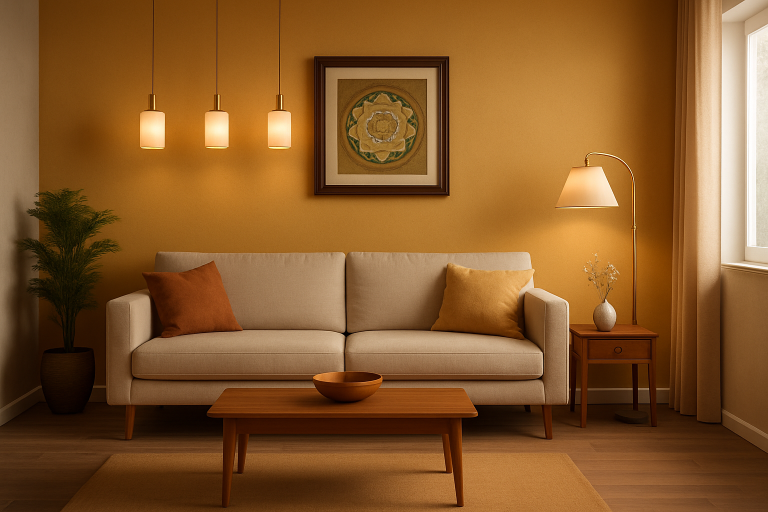
Many people assume brighter lighting is better lighting.
In reality, that’s often not true.
Lighting intensity needs to match the activity and the space. Too little light causes strain. Too much light causes glare and fatigue.
Experienced designers aim for balance. The right amount of light makes a space usable without making it feel harsh or overlit.
Color Rendering: Seeing Things as They Are
Color rendering affects how materials and colors appear under light.
Low-quality lighting can make surfaces look dull or unnatural. High color rendering lighting is especially important in retail, healthcare, galleries, and architectural spaces where accurate color perception matters.
Modern LED technology allows good color quality without sacrificing energy efficiency.
Glare Control: Small Detail, Big Impact
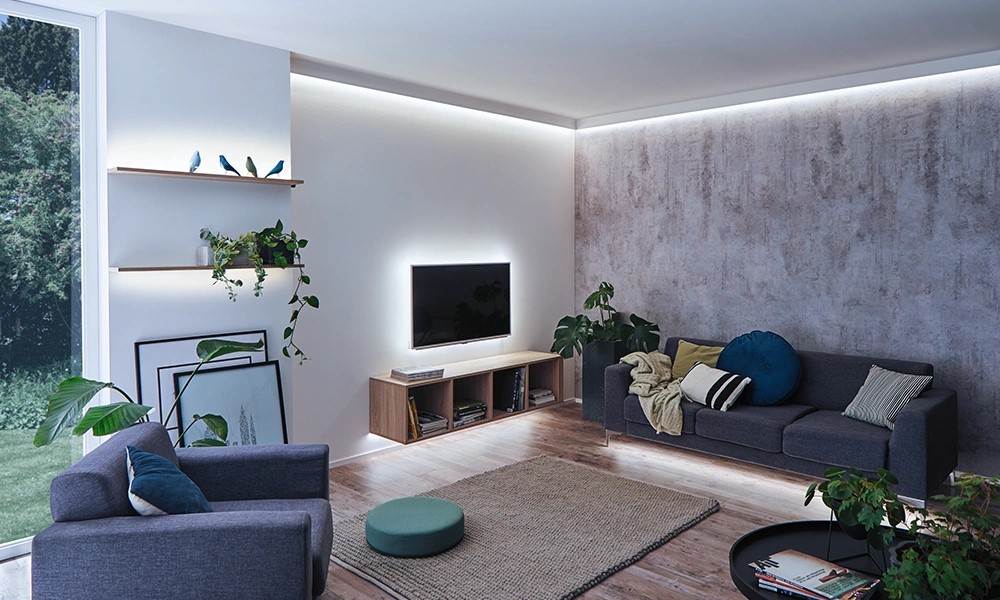
Glare is one of the most common reasons people feel uncomfortable in a space.
It usually happens when light sources are too bright, poorly positioned, or not diffused properly. Direct light hitting the eyes or reflecting from glossy surfaces can quickly cause discomfort.
Glare control often comes down to fixture choice, placement, and light direction. Even small adjustments can improve visual comfort significantly.
Energy Efficiency: Smart Lighting Design
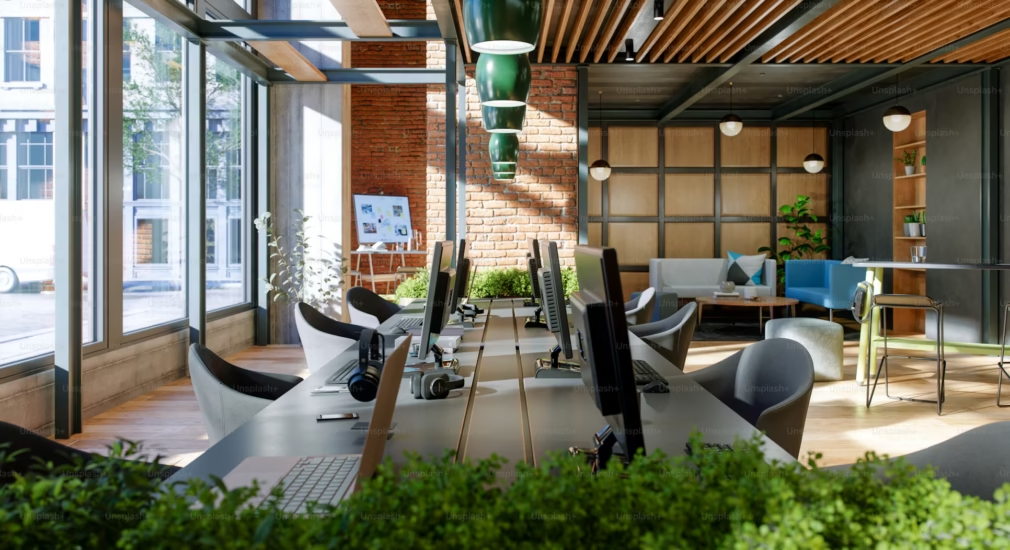
Energy efficiency is now a key requirement in lighting design.
LED lighting systems, combined with smart controls like sensors and dimming, help reduce energy consumption without compromising performance. These strategies are widely adopted in modern developments across Kuwait, Bahrain, and United States.
Conclusion
At Luzion Lighting, lighting works best when it supports people without drawing attention to itself.
By understanding lighting fundamentals, using proper lighting layers, controlling glare, managing intensity, and choosing energy-efficient solutions, Luzion Lighting creates spaces that feel comfortable and functional.
Whether it’s a residential interior, a commercial project, or a large-scale development, Luzion Lighting ensures that thoughtful lighting design improves how people experience a space every day.
Related posts
21 Oct 2026
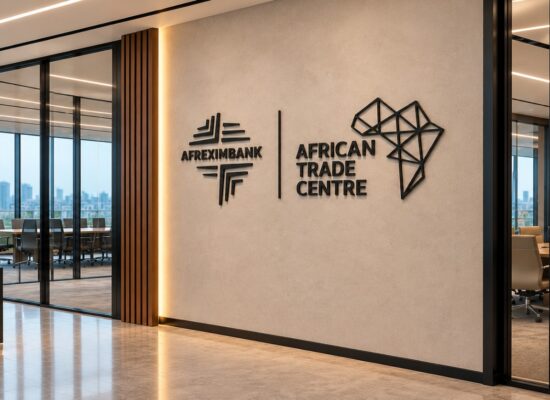
Channel Letter Signage in UAE: Types, Materials and Applications
Channel letter signage is widely used by retail stores, hotels, restaurants, shopping malls and commercial buildings to display business names,…
21 Oct 2026
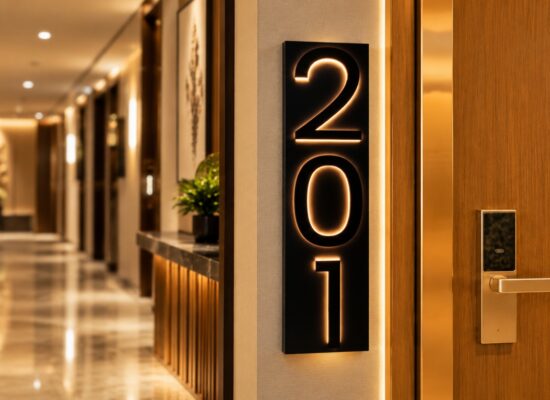
3D Letter Signage in UAE: Materials, Finishes and Applications
In a competitive commercial environment, signage plays an important role in how customers recognise a brand, locate a business and…
21 Oct 2026
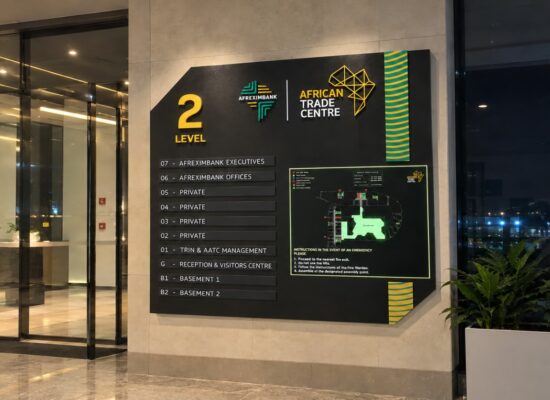
Types of Illuminated Signage: A Guide for UAE & GCC Projects
Illuminated signage plays an important role in how commercial buildings, hotels, retail developments and corporate spaces communicate their identity. In…

17 Oct 2026
Commercial Signage Solutions UAE & GCC
How to Choose Commercial Signage Solutions in the UAE & GCC Commercial signage plays an important role in how people…
02 Oct 2026
Canadian Bespoke Lights
Canadian Bespoke Lighting: Where Design Becomes a Signature Luxury architecture is rarely defined by one element alone. The character of…
subscribe for newsletter

Luzion is a leading manufacturer and exporter of high-quality LED lighting solutions. With a focus on design, research, and innovation, we offer a wide range of products for commercial, industrial, residential, and outdoor spaces.
