

Search
Category
- Bollard Light
- Commercial Lighting
- Energy-Efficient Lighting
- LAMPS
- LED Lights
- LED Uplighter
- Light and Colour Theory
- Lighting Design and Facade Lighting
- Lighting Design Consultancy UAE
- lighting design principles
- Lighting Fundamentals and Design Principles
- Nature of Light in Lighting Design
- Panel Lights vs. Spot Lights
- Portable Lights
- Smart Controllers for Streetlights
- Tree Lighter
- Uncategorized
Recent Posts


Tags
- Architectural Lighting
- Architectural Lighting Design
- Architectural Lighting Design UAE
- automation
- Best Lighting Design Consultancy in UAE
- COB LED Technology
- COB Spotlights
- Color Temperature in Lighting
- Commercial Lighting Design
- Commercial Lighting Fixtures
- Commercial Lighting Innovations
- Commercial Lighting UAE
- Cylinder COB Lights
- Dialux Lighting Design
- Dialux Lighting Design UAE
- Energy Efficient Lighting
- Energy-Efficient Lighting USA
- Exterior Lighting Solutions
- Facade & Exterior Lighting
- Facade Lighting
- Facade Lighting Design
- Facade Lighting Design UAE
- Facade lighting ideas
- Facade Lighting UAE
- Facade Uplighting
- Green Building Design
- Indoor & Exterior Lighting Solutions
- Interior Lighting Design
- Lamps
- LED Lighting Solutions
- LED lights
- LED Panel
- LED Uplighters
- LED vs Halogen
- Light and Color Theory
- Lighting Basics
- Lighting Consultancy UAE
- Lighting Design
- Lighting Design Consultancy in UAE
- Lighting Design Principles
- Lighting Design UAE
- Lighting Fundamentals Guide
- Lighting Layers
- Lumen Output in Lighting
- Modern Building Lighting Ideas
- Modern Lighting Ideas
- Office Lighting Solutions
- Outdoor Lighting Consultants UAE
- Panel Lights vs. Spot Lights
- Portable Lights
- smart light
- Smart Lighting Systems
- Sustainable Architecture
- Sustainable Lighting UAE
- Villa Lighting UAE
28Apr 2026
- lighting design principles


Lighting Design Principles: How Modern Lighting Is Planned, Controlled, and Regulated
Lighting is one of those elements in a building that people often notice only when it is done wrong. When it is done right, it quietly supports everything—visibility, comfort, safety, mood, and even energy savings. That is where lighting design principles come into play.
Contemporary architectural lighting design has moved beyond the simple placement of lighting fixtures or just achieving brightness levels. Today, it focuses on designing lighting systems that work efficiently, support sustainability goals, respect human needs, and follow established lighting standards and regulations. These principles are widely applied in projects across Dubai, UAE, USA, and the UK, where modern lighting solutions are essential.
This blog discusses these concepts in a simplified and practical manner, focusing on how lighting is actually applied in real spaces.
Lighting Design: More Than Just Illumination
Lighting design is essentially about deciding how light should behave in a space. The aim is not only to light the area, but to create a comfortable space that works well and looks balanced. Lighting plays a key role not just in safety and task efficiency, but also in shaping the overall ambiance of a room.
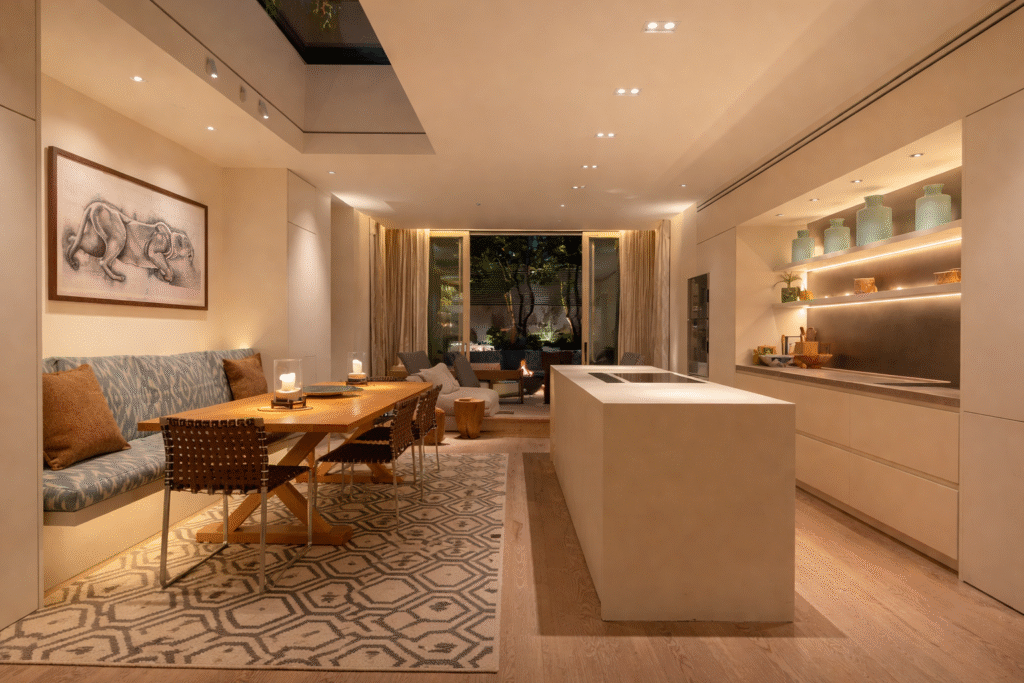
Architectural lighting design showing balanced illumination in a modern interior space in Dubai, UAE, USA, and the UK.
To achieve this balance, designers consider several technical factors such as light levels, brightness distribution, color temperature, color rendering, and spectral characteristics. At the same time, they think about how the space feels to people—whether the lighting appears harsh, soft, distracting, or calming. These considerations are commonly applied in real-world architectural lighting design projects.
In practice, lighting design becomes a careful balancing act. There must be enough light to support safety and efficiency, but not so much that energy is wasted. Finding this middle ground is what separates good lighting from poor lighting.
Energy Efficient Lighting Design
Lighting can account for a significant portion of a building’s total energy consumption, which is why energy efficient lighting design is so important—especially in Dubai and UAE where energy demand is high, and in the USA and UK where strict energy regulations apply.
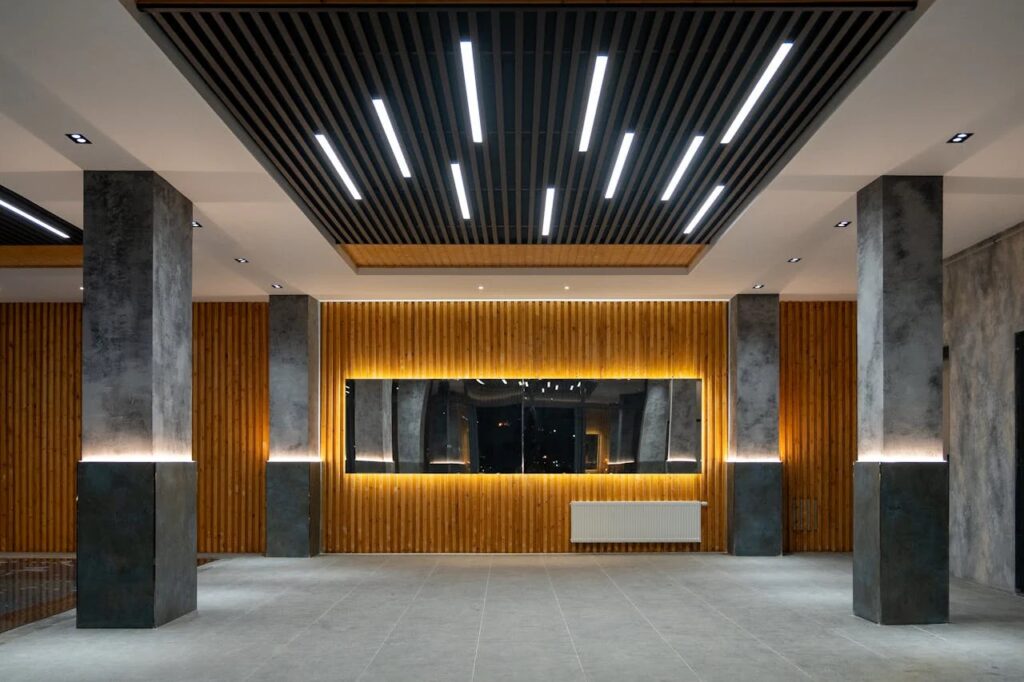
The most common and effective solution today is the use of LED lighting systems, as they consume less electricity, generate less heat, and last much longer than traditional light sources.
Energy efficient lighting design using LED fixtures in a modern commercial interior.
However, true efficiency goes beyond simply selecting efficient fixtures. It also depends on how lighting is planned and controlled. Instead of designing lighting only to meet minimum energy codes, many projects now follow a performance-based approach.
Another key strategy is the use of daylight harvesting systems. By allowing natural daylight to enter through windows, skylights, or similar features, artificial lighting demand can be reduced during daytime hours.
Sustainable Lighting Design
Sustainable lighting design looks beyond energy savings and considers the broader environmental impact of lighting systems. This is increasingly important across Dubai, UAE, USA, and the UK due to rising environmental awareness.
Choosing durable, energy-saving products helps reduce waste over time. Designers may also select materials with lower environmental impact or those that can be easily recycled.
Reducing light pollution is another important part of sustainability, particularly in outdoor lighting, where excessive or poorly directed light can disturb ecosystems and affect night skies.
Human Factors and Human Centric Lighting
Light has a direct impact on how people feel and function. This is the foundation of human centric lighting, which focuses on designing lighting around human biological and psychological needs.
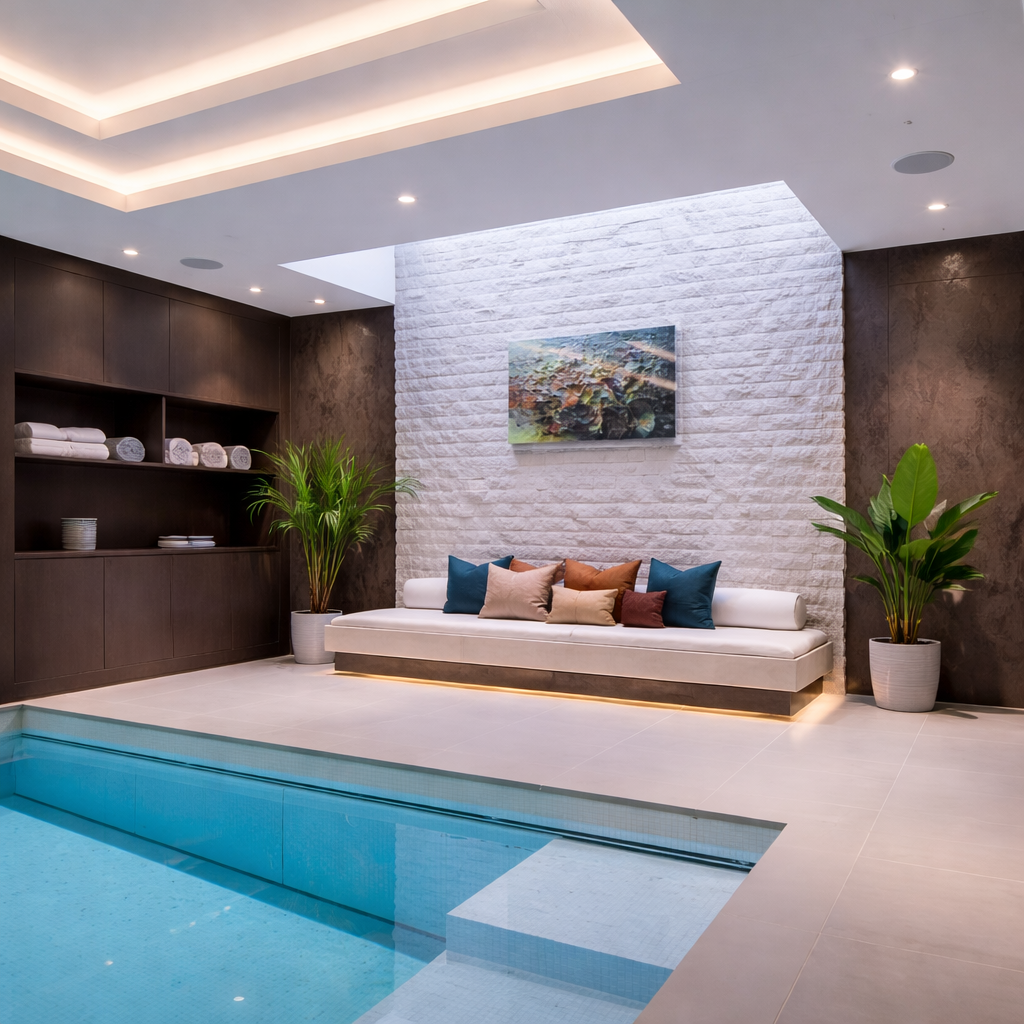
Human centric lighting design creating a comfortable and visually calming interior environment in modern spaces across Dubai, UAE, USA, and UK.
Light influences our internal clock, mood, and ability to concentrate. Bright and cool light during the morning can support alertness and focus, while softer and warmer light in the evening helps promote relaxation.
Visual comfort is equally important. Glare, uneven brightness, and poor color accuracy can make a space uncomfortable, even if the light levels appear adequate.
When these human factors are properly considered, lighting design supports health, comfort, and productivity.
Lighting Control Systems
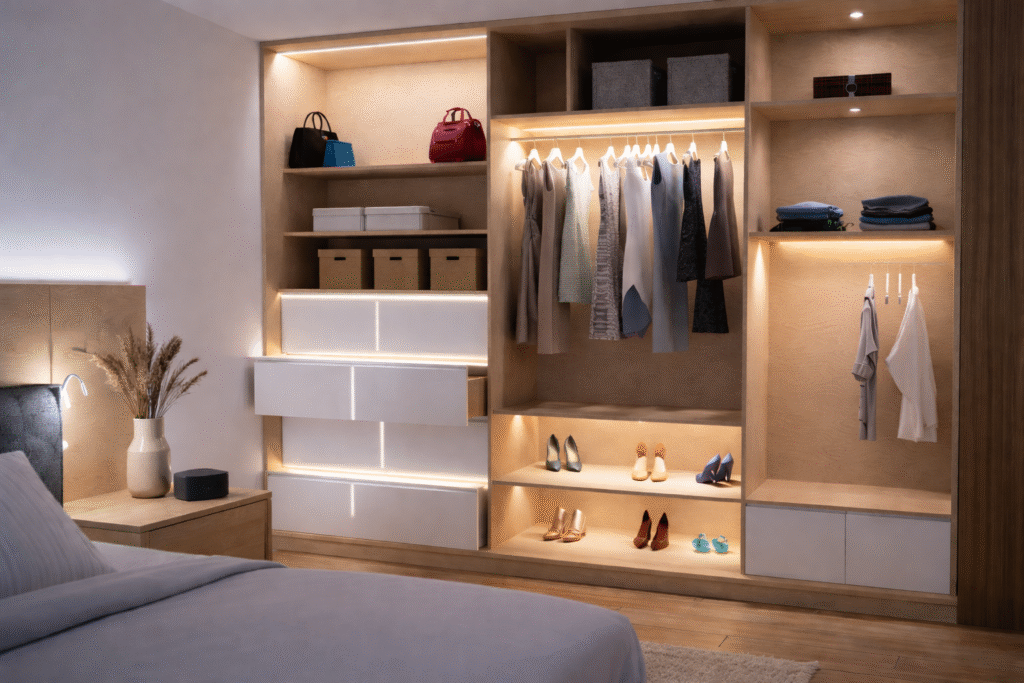
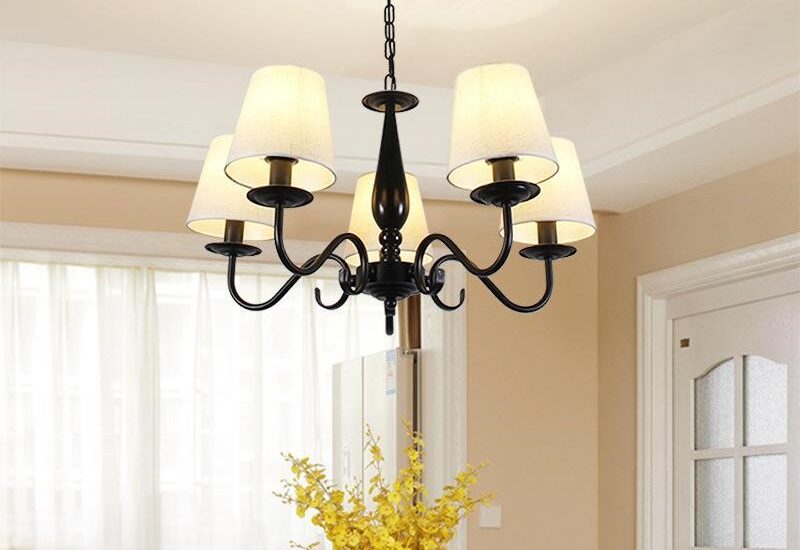
Lighting control system using LED fixtures for controlled and efficient interior illumination.
Modern lighting control systems adjust illumination levels based on how spaces are actually used. This approach is widely implemented in smart buildings across Dubai, UAE, USA, and the UK.
Occupancy Sensors
Occupancy sensors detect whether a space is in use and automatically turn lights on or off.
Daylight Sensors
Daylight sensors measure the amount of natural light entering a space and adjust artificial lighting.
Dimmers
Dimmers allow lighting levels to be adjusted manually or automatically.
Timeclocks
Timeclocks control lighting based on predefined schedules.
Smart Building Lighting Controls
In larger buildings, smart lighting controls integrate multiple systems into a single network for better efficiency and management.
Lighting Standards and Regulations
Lighting standards and regulations exist to ensure that lighting systems are safe, efficient, accessible, and environmentally responsible across regions like Dubai, UAE, USA, and the UK.
Energy Codes
Define efficiency requirements.
Safety Codes
Prevent hazards and ensure safe installation.
Accessibility Codes
Ensure safe access for all users.
Environmental Codes
Address sustainability and light pollution.
Performance Standards
Guidelines from organizations like the Illuminating Engineering Society (IES) are widely followed globally.
FAQs
What influences the design of lighting?
Lighting design is influenced by the need to balance clear visibility, comfort, energy efficiency, and safety.
Why is architectural lighting design important?
Because it integrates lighting with building form and function while supporting human comfort and biological rhythms.
How does energy-efficient lighting design work?
By combining efficient light sources, thoughtful planning, daylight harvesting systems, and lighting controls.
What is human-centric lighting?
Lighting designed to support human health, comfort, and natural biological rhythms.
Why are lighting standards and regulations necessary?
They ensure lighting systems are safe, efficient, accessible, and environmentally responsible.
Are LED lighting systems essential in modern buildings?
Yes, because they offer high efficiency, long life, and compatibility with smart control systems.
Conclusion
At Luzion Lighting, modern lighting is the result of carefully applied lighting design principles that balance technical performance with human experience. Across Dubai, UAE, USA, and the UK, lighting continues to evolve with a focus on sustainability, efficiency, and comfort.
Through architectural lighting design, energy efficient lighting design, advanced lighting control systems, and proper lighting standards and regulations, Luzion Lighting delivers solutions where lighting becomes a powerful tool for modern spaces.
Related posts
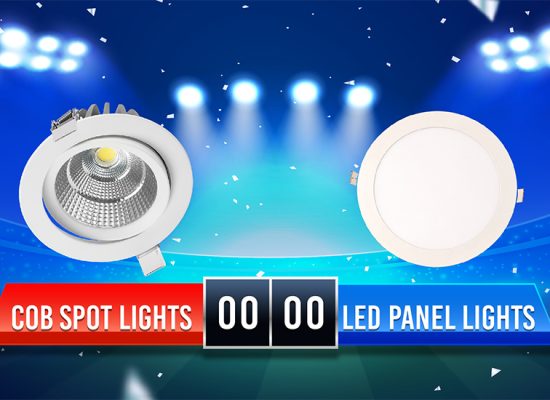
02 May 2026
LED Panel Lights vs. Spot Lights: 5 Powerful Reasons LED Panel Lights Are Smarter
Choosing between LED panel lights vs spot lights is one of the most important decisions in modern lighting design. Whether…
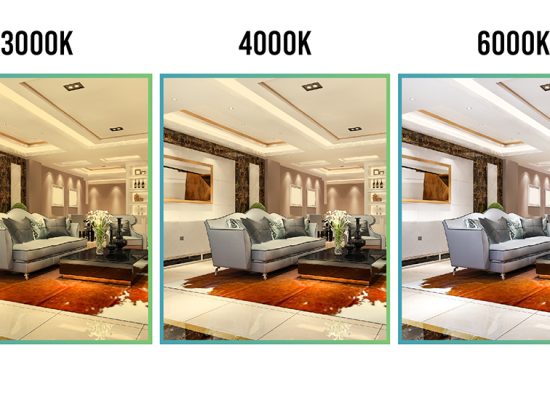
02 May 2026
Right Color Temperature for Lights: Ultimate 2025 Guide to 3000K, 4000K, and 6000K CCTs
Choosing the right color temperature for lights is critical in modern lighting design. In cities like Dubai and across the…

02 May 2026
Right Lumens for LED Lights: Ultimate 2025 Guide to Smart Lighting
Choosing the right lumens for LED lights is essential for modern lighting design. In cities like Dubai and across the…
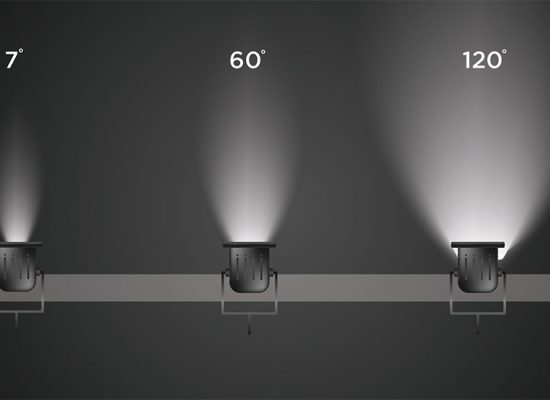
02 May 2026
Ultimate Guide: How to Choose the Right Lens for LED Lights – Top 3 Optics Explained
Choosing how to choose the right lens for LED lights is one of the most important decisions in modern lighting…
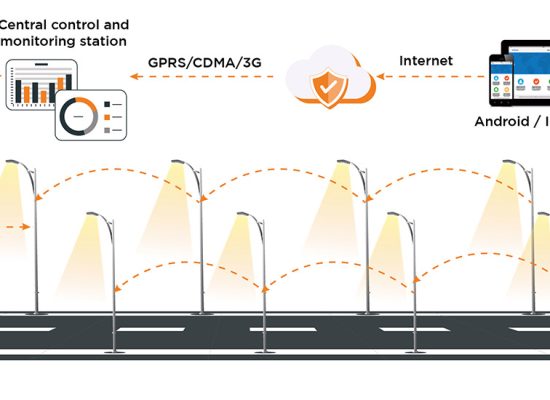
02 May 2026
Smart Controllers for Streetlights: Exploring NEMA, LORA, and Other Technologies
In modern cities like Dubai and across the United Arab Emirates, smart controllers for streetlights are becoming the backbone of…
subscribe for newsletter

Luzion is a leading manufacturer and exporter of high-quality LED lighting solutions. With a focus on design, research, and innovation, we offer a wide range of products for commercial, industrial, residential, and outdoor spaces.
