
Hotel Lighting Design, Solutions & Services for Modern Hospitality
Professional Hotel Lighting Design for Exceptional Guest Experiences
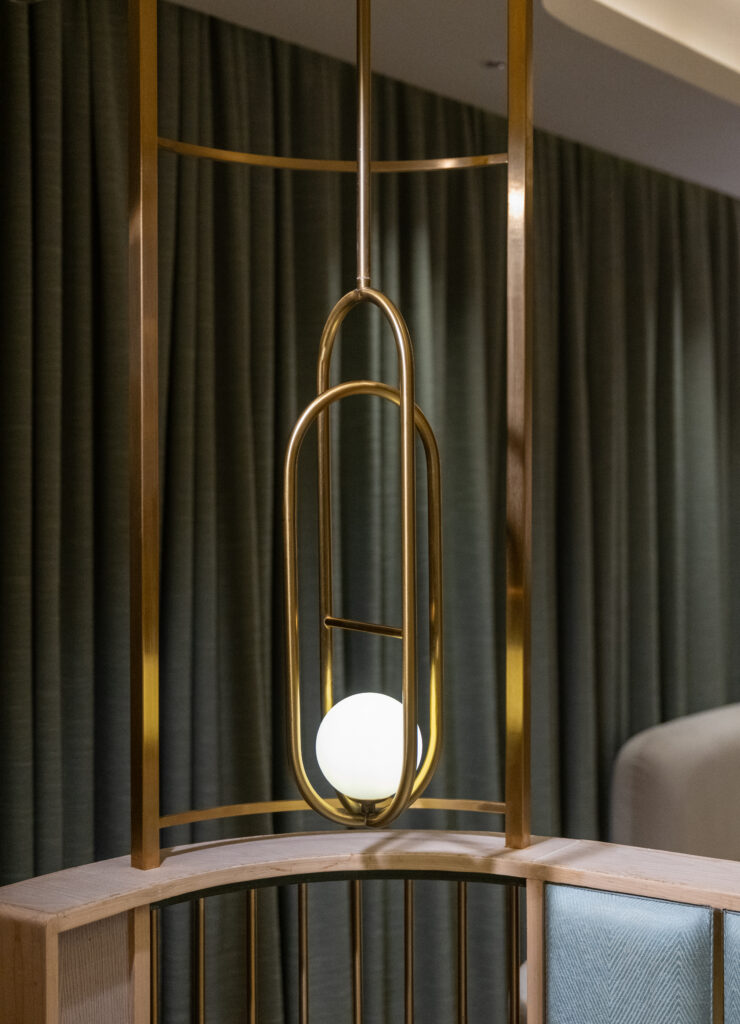 Lighting plays a defining role in how guests experience a hotel. From the first impression at the entrance to the comfort of a guest room, every lighting detail influences the atmosphere, visual identity and functionality of a hospitality space.
Luzion Lighting provides professional hotel lighting design, hotel lighting solutions and hotel lighting services for luxury hotels, boutique properties, resorts, business hotels and large-scale hospitality developments. We combine architectural lighting expertise, premium LED luminaires and technical planning to create lighting environments that balance aesthetics, visual comfort, functionality and energy efficiency.
Our approach considers the complete guest journey, including reception areas, lobbies, restaurants, guest rooms, corridors, meeting facilities, wellness spaces and outdoor environments. Each lighting strategy is developed around the architectural concept, interior finishes, operational requirements and desired guest experience.
Whether you are developing a new hotel, renovating an existing property or upgrading its lighting infrastructure, Luzion Lighting works with architects, interior designers, lighting consultants, developers, MEP consultants and contractors to support the project’s lighting requirements from concept development to product specification.
Planning a hotel lighting project? Contact our team to discuss your design brief, technical requirements and customised lighting solutions.
Comprehensive Hotel Lighting Solutions for Every Space
Every hotel contains spaces with different functional requirements and emotional purposes. A reception area needs to feel welcoming and distinctive, while guest rooms require flexible lighting for relaxation, reading and everyday activities. Restaurants need an atmosphere that complements the dining experience, and circulation areas require comfortable, consistent illumination.
Our hotel lighting solutions are planned according to the purpose, architecture and operational needs of each area.
Hotel Lobby and Reception Lighting
The lobby establishes the hotel’s visual identity. A carefully layered lighting scheme can highlight architectural features, create depth and make the reception area feel inviting without excessive brightness.
Our lobby lighting solutions may include recessed downlights, architectural linear lighting, wall washers, cove lighting, accent spotlights and decorative pendants. Fixture selection, beam angles and light distribution are coordinated with ceiling heights, wall finishes and reception desk layouts.
Guest Room and Suite Lighting
Guest room lighting should offer flexibility, comfort and straightforward control. Different lighting layers allow guests to transition between reading, working, relaxing and preparing for the day.
Typical solutions include bedside reading lights, ambient ceiling lights, concealed linear lighting, wardrobe illumination, mirror lighting and dimmable accent fixtures. Colour temperature and control options should be selected according to the room’s interior concept and intended use.
Hotel Restaurant and Bar Lighting
Lighting influences food presentation, table comfort and the overall dining atmosphere. Restaurants, cafés, lounges and bars benefit from a considered balance of ambient illumination, focused table lighting and decorative accents.
Pendant lights, adjustable spotlights, wall lights and concealed LED systems can establish visual hierarchy while supporting practical requirements for staff and guests.
Ballroom, Banquet and Conference Lighting
Multipurpose hospitality venues require lighting that can adapt to different activities. Banquet halls may need dramatic event scenes, while meeting rooms require appropriate visibility for presentations, collaboration and note-taking.
Dimmable lighting, scene-based controls and carefully coordinated ambient and task lighting can support different room configurations and operating schedules.
Corridor, Staircase and Lift Lobby Lighting
Hotel circulation spaces should provide comfortable visibility and a consistent visual experience between public and private areas.
Recessed downlights, linear lighting, wall-mounted luminaires and concealed lighting systems can guide movement, highlight architectural details and reduce harsh brightness contrasts. Fixture spacing, glare control and maintenance access should be considered during design.
Spa, Wellness and Fitness Centre Lighting
Wellness spaces require lighting that responds to the activities taking place within them. Relaxation areas benefit from softer, controlled illumination, whereas fitness areas require appropriate visibility for exercise and movement.
Dimmable luminaires, indirect lighting and suitable moisture-resistant fixtures can help create comfortable environments when specified according to the installation conditions.
Hotel Façade, Entrance and Landscape Lighting
Exterior lighting creates the hotel’s nighttime identity while supporting arrival, orientation and safe movement.
Architectural LED wall washers, linear luminaires, floodlights, inground lights, uplighters, bollard lights and pathway lighting can highlight building geometry, landscape features and entrance architecture.
Outdoor luminaires must be selected according to exposure, ingress protection, thermal conditions, corrosion risk and maintenance requirements. Light spill, glare and unnecessary upward illumination should also be controlled.
Explore our Facade Lighting Design and Landscape Lighting Design services for related architectural applications.
Our Hotel Lighting Design Services
Luzion Lighting supports hospitality projects with lighting expertise and product-oriented technical coordination. The scope can be tailored to the project’s design stage, documentation requirements and procurement process.
Lighting Consultation and Concept Development
We review architectural drawings, interior concepts, ceiling layouts, project objectives and operational requirements to establish an appropriate lighting direction. Early coordination helps identify feature areas, functional lighting needs, control requirements and potential design conflicts.
Architectural and Decorative Lighting Specification
We help identify suitable lighting products for different hotel spaces, considering visual appearance, photometric performance, installation details, mounting conditions and maintenance requirements.
The specification may include architectural LED luminaires, downlights, linear lights, wall washers, accent spotlights, decorative fixtures and exterior lighting products.
DIALux Lighting Design and Calculations
Lighting calculations help evaluate illuminance, light distribution, uniformity and potential problem areas before installation. Depending on the agreed scope, DIALux simulations can support lighting layouts, fixture positioning, product selection and technical review.
Explore our DIALux Design Services for project-specific lighting calculations and simulation support.
Smart Hotel Lighting Systems
Intelligent lighting controls can help hotels manage lighting scenes, schedules and energy consumption. Depending on project requirements, solutions may incorporate DALI-compatible controls, dimming, occupancy sensors, daylight-responsive control and centralised lighting management.
System compatibility, control zoning, commissioning and coordination with other building systems should be confirmed during design.
Custom and Bespoke Lighting Solutions
Some hospitality projects require luminaires that complement a distinctive architectural concept or interior design. Custom lighting development can address specific dimensions, finishes, mounting arrangements, light distribution and aesthetic requirements.
Bespoke fixtures should be assessed for thermal management, electrical safety, serviceability and practical installation before final approval.
Technical Documentation and Project Coordination
Lighting packages may require product datasheets, photometric files, technical specifications, installation details, schedules and lighting calculations. We coordinate the agreed documentation with project stakeholders to help support product evaluation, procurement and installation planning.
The precise deliverables are confirmed according to the project’s scope and documentation requirements.
A Practical Approach to Hotel Lighting Design
Successful hotel lighting requires more than choosing attractive fixtures. It combines architectural intent with measurable performance and coordination across multiple disciplines.
Our recommended design workflow includes:
- Project brief and drawing review: Understand the hotel’s concept, space planning, operational objectives and project requirements.
- Lighting concept development: Establish the lighting layers, visual hierarchy, atmosphere and functional priorities for each area.
- Luminaire selection: Assess fixture types, optics, colour quality, mounting arrangements and compatibility with the design.
- Photometric calculations: Evaluate illuminance, uniformity, distribution and glare considerations using appropriate lighting software and project data.
- Controls and integration: Define dimming requirements, lighting scenes, zoning and relevant control interfaces.
- Technical coordination: Review ceiling details, electrical layouts, installation access, product documentation and maintenance considerations.
- Implementation support: Provide the agreed technical information and product support during procurement and installation.
For projects where visual appearance or lighting performance is particularly critical, sample reviews and on-site mock-ups can help validate the proposed solution before full installation.
Hotel Lighting Technical Considerations
A professional hotel lighting specification should consider both the desired visual experience and the practical requirements of the installed system.
| Design consideration | What to evaluate |
|---|---|
| Illuminance | Task requirements, room function and applicable project criteria |
| Colour temperature | Warm, neutral or cooler light according to the space and design intent |
| Colour rendering | CRI and colour consistency for interiors, artwork, materials and food presentation |
| Glare control | Optics, shielding, viewing angles and fixture positioning |
| Uniformity | Light distribution, spacing and transitions between adjacent areas |
| Dimming | Driver compatibility, control protocols and required dimming range |
| Energy performance | Luminaire efficacy, operating schedules and control strategies |
| Environmental protection | IP rating, ambient temperature, moisture and exposure conditions |
| Maintenance | Driver access, replacement strategy, product life and cleaning requirements |
| Emergency lighting | Applicable life-safety requirements and integration with the approved emergency lighting design |
Indicative Lighting Levels for Hotel Spaces
The following values are preliminary design references, not universal requirements. Final illuminance targets should be determined from the applicable standards, project brief, operating tasks and lighting calculations.
| Hotel area | Indicative illuminance |
|---|---|
| Lobby and general reception areas | 100–200 lux |
| Reception desk and check-in tasks | 300–500 lux |
| Guest rooms, general ambient lighting | 100–200 lux |
| Guest room reading or task areas | 300–500 lux locally |
| Corridors | 100–150 lux |
| Restaurant dining areas | 100–200 lux |
| Meeting rooms | 300–500 lux, depending on use |
| Service and back-of-house areas | Based on the specific task |
Values refer to indicative maintained illuminance on the relevant working plane or task area, as applicable. They should not be interpreted as a requirement to illuminate every surface to the same level.
For accurate design, consider maintained illuminance, surface reflectance, mounting height, luminaire photometry, uniformity, glare, daylight and control settings. Emergency lighting must be designed and verified separately against applicable life-safety requirements.
Energy-Efficient Hotel Lighting Solutions
Lighting can represent a significant part of a hotel’s electricity consumption, particularly when guest areas, restaurants, meeting rooms and exterior lighting operate for extended periods.
Modern LED lighting solutions can help reduce energy demand while supporting high-quality illumination and architectural expression. The overall result depends on the selected luminaires, controls, operating schedules, installation quality and maintenance strategy.
A well-planned hotel lighting system can incorporate:
- High-efficiency LED luminaires selected for the required photometric performance.
- Dimming in suitable guest-facing and multipurpose spaces.
- Occupancy-based control in appropriate back-of-house and circulation areas.
- Daylight-responsive control where natural light is available and suitable.
- Scheduling for façade, landscape and decorative lighting.
- Accessible drivers and replaceable components where appropriate.
- Lighting zones that allow unused areas to operate at reduced output.
Energy savings should be calculated against an agreed baseline and operating profile rather than assumed from LED conversion alone.
Why Choose Luzion Lighting for Hotel Lighting Projects?
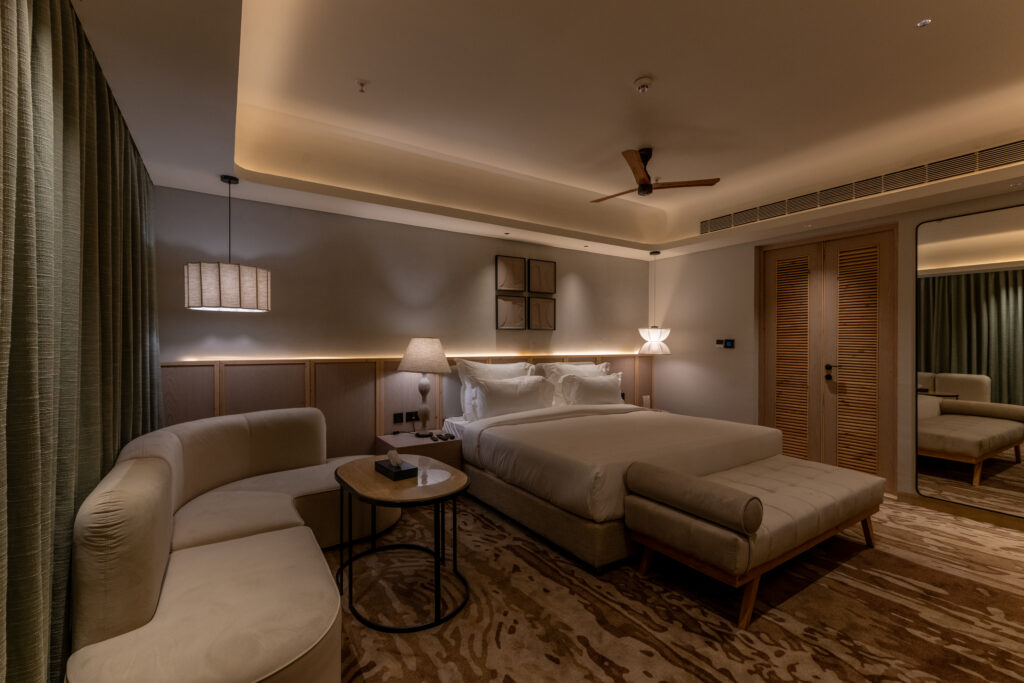 Luzion Lighting combines architectural lighting knowledge with LED product expertise to support hospitality projects that require considered design, technical coordination and dependable product selection.
Architectural lighting expertise: Lighting solutions are selected to complement the building’s geometry, materials and interior concept.
Project-specific product selection: Luminaires can be evaluated according to photometric requirements, mounting conditions, finish preferences and installation constraints.
Technical design support: Lighting calculations, product documentation and technical coordination can be included according to the agreed project scope.
Customisation capabilities: Suitable projects can explore bespoke luminaires and tailored product configurations to meet specific design requirements.
Indoor and outdoor coverage: Architectural, decorative, façade, landscape and functional lighting can be coordinated across the wider property.
B2B project collaboration: We work with architects, lighting designers, developers, MEP consultants, contractors, procurement teams and hospitality operators.
Our goal is to help project teams achieve a cohesive lighting outcome that respects the architectural vision while addressing comfort, functionality, energy performance and long-term maintenance.
Hotel Types We Support
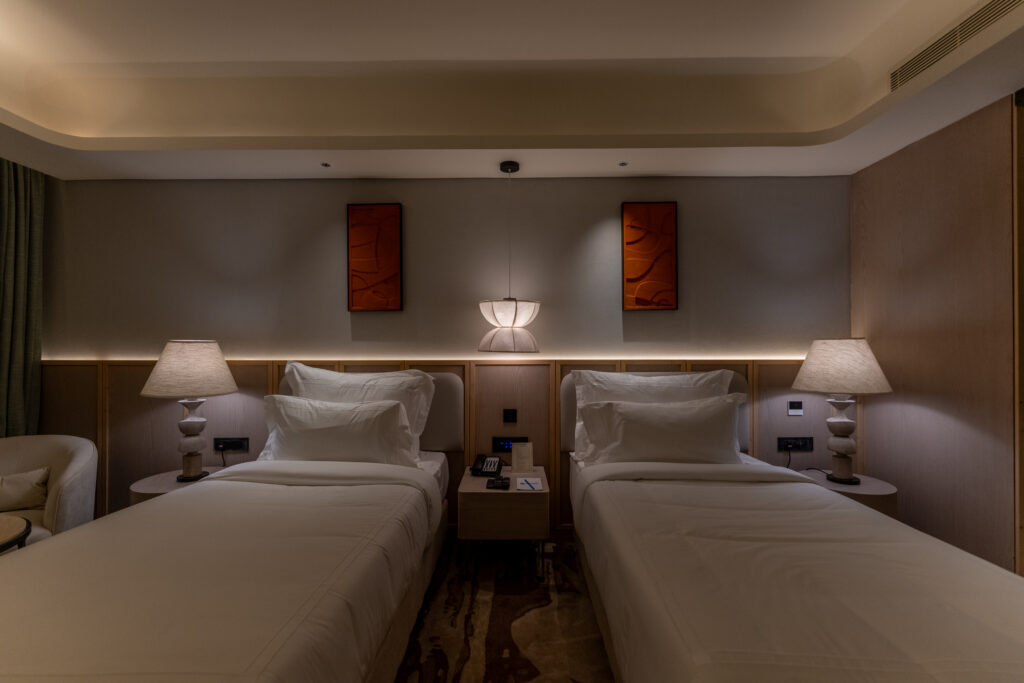 Our hotel lighting solutions can be tailored to a range of hospitality developments, including:
- Luxury and five-star hotels.
- Boutique and design-led hotels.
- Business and corporate hotels.
- Resorts and holiday properties.
- Serviced apartments and extended-stay accommodation.
- Airport and transit hotels.
- Heritage and destination hotels.
- Convention hotels and conference venues.
- Hotel restaurants, lounges and wellness facilities.
- Hospitality renovations and lighting retrofit projects.
Each property has different design priorities, guest expectations and operational requirements. The lighting brief should reflect the property’s positioning, room mix, operating model and architectural character.
Frequently Asked Questions About Hotel Lighting Design
1. What is hotel lighting design?
Hotel lighting design is the planning of luminaires, lighting levels, colour quality, distribution and controls throughout a hospitality property. It balances guest comfort, architectural appearance, functional visibility, energy performance and operational requirements.
2. What is included in hotel lighting services?
Depending on the agreed scope, hotel lighting services can include lighting consultation, concept development, luminaire selection, DIALux calculations, technical specifications, lighting control planning, bespoke lighting coordination and product documentation.
3. What are the best lighting solutions for luxury hotels?
Luxury hotels typically benefit from layered lighting that combines ambient, task, accent and decorative illumination. The exact fixtures and control strategy depend on the architecture, interior finishes, room functions and desired atmosphere.
4. How do I choose lighting for different hotel areas?
Begin with the function and visual character of each space. Consider illuminance, colour temperature, colour rendering, glare, beam angle, mounting position, dimming and maintenance access. Photometric calculations can help validate the proposed selection.
5. Can hotel lighting be customised to match an architectural design?
Yes. Custom lighting solutions may be developed around specific dimensions, finishes, mounting arrangements and lighting effects. Feasibility should be assessed against thermal performance, electrical requirements, installation constraints and maintenance needs.
6. How can hotels improve lighting energy efficiency?
Hotels can evaluate high-efficiency LED luminaires, appropriate dimming, occupancy sensors, daylight-responsive controls and scheduled operation. Savings depend on the original installation, operating hours, control strategy and the performance of the replacement system.
Plan Your Hotel Lighting Project with Luzion Lighting
The right lighting strategy brings architecture, interiors and hospitality operations together. From a welcoming entrance and distinctive lobby to comfortable guest rooms and carefully illuminated exterior spaces, every decision contributes to a consistent guest experience.
Luzion Lighting supports hotel owners, developers, architects, lighting designers, consultants and contractors with hotel lighting design, hotel lighting solutions, architectural LED luminaires and project-specific technical support.
Share your architectural drawings, lighting brief, project location and estimated requirements with our team to discuss the most appropriate approach for your development.
Contact Luzion Lighting to discuss your hotel lighting project.
Email: sales@luzion.in
Website: https://luzion.in/
Request a Quote: https://luzion.in/contact/
subscribe for newsletter

Luzion is a leading manufacturer and exporter of high-quality LED lighting solutions. With a focus on design, research, and innovation, we offer a wide range of products for commercial, industrial, residential, and outdoor spaces.


