
Search
Category
- Bollard Light
- Commercial Lighting
- Energy-Efficient Lighting
- LAMPS
- LED Lights
- LED Uplighter
- Light and Colour Theory
- Lighting & Signage Solutions
- Lighting Design and Facade Lighting
- Lighting Design Consultancy UAE
- lighting design principles
- Lighting Fundamentals and Design Principles
- Lighting Solutions
- Nature of Light in Lighting Design
- Panel Lights vs. Spot Lights
- Portable Lights
- Signage Solutions
- Smart Controllers for Streetlights
- Solar Lights
- Tree Lighter
- Uncategorized
Recent Posts

Irish bespoke lights
Japanese bespoke lights

Greek bespoke lights
Turkish luxury chandeliers
Polish bespoke chandeliers
Tags
- Architectural Lighting
- Architectural Lighting Design
- Architectural Lighting Design UAE
- automation
- Best Lighting Design Consultancy in UAE
- COB LED Technology
- COB Spotlights
- Color Temperature in Lighting
- Commercial Lighting Design
- Commercial Lighting Fixtures
- Commercial Lighting Innovations
- Commercial Lighting UAE
- Cylinder COB Lights
- Dialux Lighting Design
- Dialux Lighting Design UAE
- Energy Efficient Lighting
- Energy-Efficient Lighting USA
- Exterior Lighting Solutions
- Facade & Exterior Lighting
- Facade Lighting
- Facade Lighting Design
- Facade Lighting Design UAE
- Facade lighting ideas
- Facade Lighting UAE
- Facade Uplighting
- Green Building Design
- Indoor & Exterior Lighting Solutions
- Interior Lighting Design
- Lamps
- LED Lighting Solutions
- LED lights
- LED Panel
- LED Uplighters
- LED vs Halogen
- Light and Color Theory
- Lighting Basics
- Lighting Consultancy UAE
- Lighting Design
- Lighting Design Consultancy in UAE
- Lighting Design Principles
- Lighting Design UAE
- Lighting Fundamentals Guide
- Lighting Layers
- Lumen Output in Lighting
- Modern Building Lighting Ideas
- Modern Lighting Ideas
- Office Lighting Solutions
- Outdoor Lighting Consultants UAE
- Panel Lights vs. Spot Lights
- Portable Lights
- smart light
- Smart Lighting Systems
- Sustainable Architecture
- Sustainable Lighting UAE
- Villa Lighting UAE
17Aug 2026
- Lighting Solutions


Resort Lighting Solutions
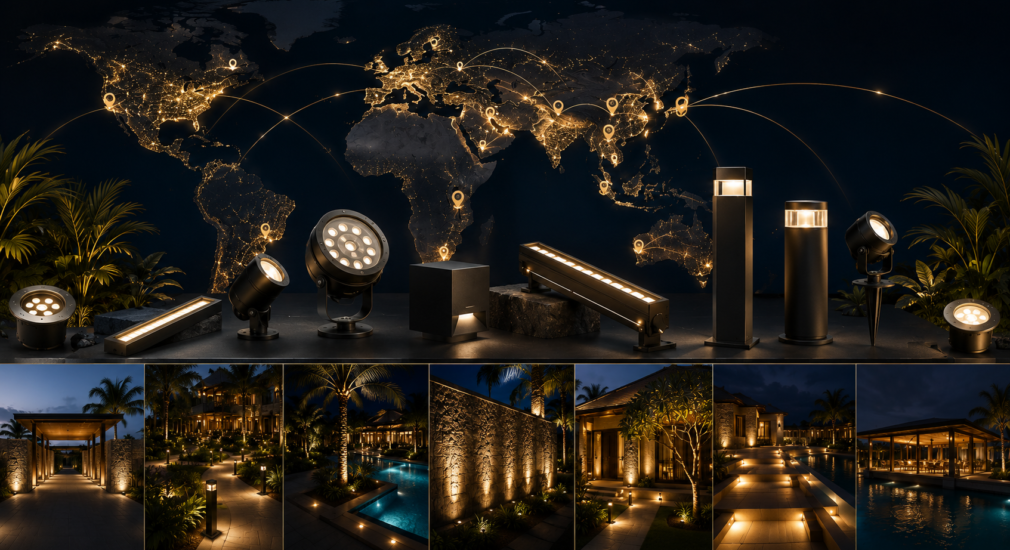
Resort Lighting Solutions for Luxury Hospitality & Architectural Projects
A well-designed resort is experienced long before a guest enters the lobby. The arrival road, entrance landscape, architectural façade, pathways, water features and reception area all contribute to the first impression. After sunset, lighting becomes an essential part of that experience. It defines architectural forms, creates visual comfort, supports wayfinding and gives the property its character without competing with the architecture.
Luzion provides resort lighting solutions for hospitality, architectural and landscape projects where lighting needs to work as part of the overall design rather than simply illuminate a space. Our approach brings together architectural lighting, outdoor illumination, landscape lighting, façade lighting and bespoke fixtures to create coordinated lighting environments for resorts and destination properties.
The scope can range from a boutique resort with a few villas to a large luxury destination incorporating guest rooms, restaurants, spa facilities, swimming pools, landscaped gardens, entertainment areas and extensive outdoor circulation. Every area has a different visual and technical requirement, which is why resort lighting design needs to be developed around the architecture, landscape, operational needs and guest experience.
Lighting That Works With the Resort Architecture
Resort architecture often has a strong relationship with its surroundings. A beachfront property may rely on low-level, subtle illumination, while a contemporary urban resort may require a more defined façade treatment. A mountain retreat can benefit from discreet pathway and landscape lighting, whereas a luxury destination resort may use carefully controlled architectural accents to establish a distinctive night-time identity.
This is where architectural lighting becomes important.
Rather than flooding an entire building with light, a considered resort lighting design identifies the elements that deserve attention. Columns, textured walls, arches, canopies, entrances, landscape features and architectural details can be highlighted using appropriate beam angles, mounting positions and light intensities.
Wall washers, linear lighting, spotlights, inground fixtures, uplighters and architectural façade luminaires can all have a role, depending on the design intent. The objective is not maximum brightness. It is controlled illumination that allows the architecture to remain visually strong after dark.
Supporting Architects, Interior Designers & Lighting Professionals
Resort projects are rarely developed by a single discipline. Architects, interior designers, landscape architects, lighting designers, MEP consultants, electrical consultants, hospitality specialists, developers, contractors and procurement teams all influence the final outcome.
Luzion works within this multidisciplinary environment.
For architects, the focus may be on integrating luminaires with façade details, ceilings, landscape elements and architectural features. Interior designers may require decorative and functional lighting that complements materials, furniture, finishes and the atmosphere of guest spaces. Landscape architects may need outdoor fixtures that provide safe circulation while preserving the intended planting and landscape composition.
Lighting designers and consultants may require technical data, photometric information, beam angles, colour temperature options and project-specific fixture recommendations. MEP and electrical consultants may need clear technical specifications for coordination and documentation.
This collaborative approach helps ensure that the selected lighting products are appropriate not only visually but also technically.
From Arrival Experience to Guest Areas
A resort lighting project can involve much more than the main building.
The lighting strategy may begin at the approach road and entrance, continue through the arrival court and reception, and then extend into gardens, pathways, villas, restaurants, pools, spa areas and outdoor recreation spaces.
Each transition should feel intentional.
Entrance lighting can establish the property’s identity and provide a welcoming arrival. Landscape lighting can guide guests through pathways without creating unnecessary glare. Façade lighting can reveal architectural character, while pool and water-feature lighting can add depth to outdoor spaces.
Inside the resort, lighting requirements change again. Lobby and reception areas often need a combination of ambient, accent and decorative illumination. Restaurants and lounges may require warmer, more intimate lighting, while circulation areas need comfortable and consistent visibility. Guest rooms, villas, spa facilities and wellness spaces each require their own balance between functionality and atmosphere.
This is why hotel and resort lighting solutions should be treated as a complete environment rather than a collection of individual fixtures.
Luxury, Boutique & Destination Resorts
Luzion’s resort lighting approach can be adapted to different hospitality concepts, including luxury resorts, boutique resorts, beach resorts, wellness retreats, eco-resorts, destination resorts, private villas and high-end hospitality developments.
A luxury resort may require refined façade illumination and bespoke decorative fixtures. A wellness retreat may prioritise soft, low-glare illumination and a strong connection with nature. A beach resort may require carefully selected outdoor products capable of handling demanding environmental conditions. A large destination resort may require a coordinated lighting language across multiple buildings and outdoor zones.
The design therefore begins with the project’s identity.
Material finishes, architectural geometry, landscape composition, surrounding environment, guest movement and operating requirements all influence the lighting specification.
A Project-Based Approach to Resort Lighting
A successful resort lighting solution starts with understanding the project rather than selecting products first.
Luzion can support project teams with architectural lighting solutions, product selection, lighting calculations, technical specifications and project-oriented consultation. Where required, lighting products can be evaluated according to application, mounting method, beam distribution, colour temperature, colour rendering, ingress protection, mechanical protection and environmental conditions.
For outdoor resort applications, factors such as IP rating, IK rating, corrosion resistance, thermal performance, glare control and installation conditions can become particularly important. The right fixture for a sheltered hotel corridor may not be suitable for an exposed coastal pathway or landscape installation.
Lighting performance also needs to remain consistent with the design intent. A powerful fixture is not automatically a better fixture. Beam control, placement and intensity can be more important than raw output when the objective is to reveal architectural details or create a comfortable outdoor environment.
From Concept to a Coordinated Lighting Environment
The role of resort lighting extends across design, technical coordination and execution. A project may require lighting concepts to be reviewed alongside architectural drawings, interior layouts, landscape plans and electrical requirements.
Where appropriate, DIALux lighting design and calculation can help evaluate illumination levels and fixture performance before installation. Product samples, technical documentation and photometric information can also assist architects, designers, consultants and contractors during specification and procurement.
The result should be a lighting environment that feels natural to the guest while satisfying the technical requirements of the project team.
From a private luxury resort in Goa or Rajasthan to a large hospitality development in Dubai, Abu Dhabi, Riyadh, NEOM or the Red Sea region, the fundamental principle remains the same: lighting should support the architecture, strengthen the guest experience and perform reliably in its intended environment.
Luzion approaches resort lighting as an integrated architectural and hospitality requirement—bringing products, technical knowledge and project coordination together to help create distinctive spaces that continue to perform after sunset.
Complete Resort Lighting Applications for Architecture, Landscape & Hospitality
A resort is made up of many different environments, and each one demands a different lighting response. The lighting required for a grand entrance is not the same as the lighting needed along a garden pathway, inside a guest villa or around a swimming pool. A successful resort lighting strategy connects these areas through a consistent visual language while allowing every space to perform its own function.
Luzion develops resort lighting solutions across architectural, landscape, hospitality and outdoor applications, helping project teams create environments that remain visually engaging, comfortable and functional after sunset.
Resort Entrance & Arrival Lighting
The entrance is one of the most important moments in the guest journey. It establishes the first visual impression of the property and needs to combine identity, orientation and atmosphere.
Entrance lighting can include architectural spotlights, recessed fixtures, linear lighting, uplighters and concealed illumination integrated into canopies, columns or entrance structures. Carefully positioned light can emphasise the resort entrance without creating excessive brightness or glare.
For larger properties, the arrival experience may also include illuminated resort signage, entrance monuments, directional signs and backlit logos. These elements can be coordinated with the architectural lighting so that the resort’s identity remains visible without appearing visually disconnected from the building.
Resort Façade Lighting
The façade often becomes the most recognisable element of a resort after dark. However, effective façade lighting is rarely about illuminating every surface equally.
Architectural features can be highlighted selectively according to the building’s form, materials and design language.
LED wall washers, linear LED systems, grazing fixtures, projectors, spotlights and uplighters can be used to reveal stone, textured finishes, vertical elements, columns, arches and façade details.
For contemporary resorts, linear lighting may be integrated into architectural recesses or façade lines to create a clean and understated appearance. Traditional or resort-style architecture may benefit from controlled accent lighting that emphasises columns, roof forms, arches or material textures.
The objective is to give the architecture depth and hierarchy rather than simply making the building brighter.
Resort Landscape Lighting
Landscape lighting is an essential part of a complete resort lighting plan because much of the guest experience takes place outdoors.
Gardens, planting beds, trees, palms, water features and open spaces can be illuminated selectively to create depth and visual continuity.
Landscape lighting can include:
- Inground lights
- Spike spotlights
- Tree uplighters
- Bollard lights
- Pathway lights
- Recessed outdoor fixtures
- Linear LED lighting
- Wall washers
- Low-level architectural lights
Trees can be softly uplighted to create vertical interest, while planting beds can receive discreet accent illumination. Architectural landscape elements can be highlighted without overpowering the surrounding environment.
A carefully planned landscape lighting scheme also helps maintain a natural relationship between the resort and its surroundings.
Pathway & Wayfinding Lighting
Guests should be able to move comfortably through a resort without feeling as though they are walking through an overly illuminated commercial environment.
Pathway lighting therefore needs to balance visibility, safety and ambience.
Bollard lights, low-level luminaires, recessed ground lights and concealed linear lighting can help define pedestrian routes. Lighting levels can be adjusted according to the location and movement pattern, with stronger emphasis around junctions, steps, changes in level and important destination points.
For large resorts, lighting can work together with directional and wayfinding signage to make navigation easier for guests, staff and visitors.
Pool & Water-Feature Lighting
Swimming pools, reflecting pools, fountains and water features can become significant visual elements at night.
Pool lighting should be selected with appropriate consideration for the installation environment, protection requirements, maintenance access and visual comfort. Water-feature illumination can also be used to create reflections and visual depth around hospitality spaces.
Instead of treating the pool as an isolated feature, the surrounding deck, landscape, seating areas and architectural background can be coordinated so that the entire zone feels connected.
This is particularly important in luxury resorts where pool areas often remain active during evening hours.
Resort Villa & Guest Accommodation Lighting
Private villas, suites and guest accommodation require a more intimate lighting approach.
Exterior villa lighting can include façade accents, entrance lighting, terrace illumination, pathway lighting, garden accents and poolside lighting. The aim is to provide comfortable visibility while preserving privacy and the relaxed atmosphere expected from premium hospitality environments.
Inside villas and guest rooms, lighting can be layered across different functions. Ambient illumination provides general visibility, while accent and decorative lighting can draw attention to furniture, artwork, architectural details or material finishes.
Interior designers may also coordinate lighting with timber, stone, fabrics, wall finishes and furniture selections. The final lighting specification should therefore complement the interior concept rather than operate independently from it.
Resort Lobby & Reception Lighting
The lobby is often the visual heart of a resort.
High ceilings, feature walls, reception counters, artwork, decorative elements and statement furniture can all benefit from carefully positioned lighting.
A layered approach can combine:
- Ambient lighting for general illumination
- Accent lighting for architectural and decorative features
- Decorative lighting for visual identity
- Linear lighting for architectural integration
- Feature lighting for artwork and focal elements
For architects and interior designers, concealed lighting can be particularly useful where the objective is to create a clean architectural appearance.
The lighting should support the space without becoming the only feature guests notice.
Restaurant, Lounge & Bar Lighting
Dining environments require a different mood from reception and circulation spaces.
Restaurants, cafés, lounges and bars often benefit from warmer colour temperatures, controlled accent lighting and carefully positioned decorative fixtures. Table areas need comfortable illumination, while architectural elements, artwork, shelving and feature walls can receive selective accent lighting.
Lighting designers and interior designers may also need to coordinate fixture positions with furniture layouts, ceiling details and service requirements.
For premium restaurants within resorts, bespoke lighting can become part of the interior identity itself.
Resort Spa & Wellness Lighting
Spa and wellness environments demand visual calm.
Harsh illumination and uncontrolled glare can undermine the atmosphere of a treatment or relaxation space. Soft ambient lighting, concealed linear systems, indirect illumination and carefully controlled accent lighting can create a more comfortable environment.
Outdoor wellness areas, meditation gardens and relaxation terraces can use low-level landscape lighting to maintain the connection with nature while providing sufficient visibility for movement.
Outdoor Dining & Entertainment Areas
Resorts frequently include outdoor restaurants, terraces, lounges, event spaces and entertainment zones.
These areas require flexible lighting because their use can change throughout the day and evening. Lighting can be integrated into pergolas, canopies, walls, planters, steps and landscape elements to provide illumination without filling the entire area with visible fixtures.
For event-oriented spaces, the lighting strategy may also need to accommodate decorative installations, temporary setups and entertainment requirements.
Resort Signage & Brand Illumination
Signage is another important part of the resort’s night-time identity.
Luzion can support lighting requirements for:
- Resort entrance signage
- Illuminated logos
- Backlit letters
- Directional signage
- Wayfinding signs
- Monument signs
- Reception identification
- Building identification
- Parking and service-area signage
The lighting treatment should remain consistent with the architectural identity and brand guidelines of the resort.
Bespoke Lighting for Signature Resort Spaces
Some resort environments require lighting that cannot be achieved effectively with standard fixtures alone.
Signature restaurants, grand lobbies, luxury villas, reception features, sculptural installations and architectural details may benefit from bespoke lighting solutions developed around the specific dimensions and visual requirements of the project.
Custom lighting can help architects and interior designers achieve a more integrated result where the luminaire becomes part of the architecture rather than appearing as an afterthought.
One Lighting Language Across the Entire Property
The strongest resort projects do not treat every area as a separate lighting exercise.
The entrance, façade, landscape, pathways, pool, villas, restaurants and public spaces should share a coherent lighting philosophy. Colour temperature, beam control, fixture appearance, mounting methods and illumination levels can be coordinated to create a seamless transition from one area to another.
This integrated approach allows Luzion to support resort developments from the first arrival point through to the smallest architectural detail—combining architectural lighting, landscape illumination, hospitality lighting, façade lighting, outdoor lighting, signage illumination and bespoke solutions within one coordinated project strategy.
A Structured Approach to Resort Lighting Design & Technical Delivery
A resort lighting project needs more than a selection of attractive luminaires. The lighting has to work with architectural drawings, landscape plans, interior concepts, electrical systems, operating requirements and the environmental conditions of the site. It also needs to remain practical for installation, maintenance and long-term operation.
Luzion approaches resort lighting design as a coordinated technical and architectural process. The objective is to help architects, lighting designers, interior designers, landscape architects, MEP consultants, contractors and developers move from an initial lighting concept to a practical, project-ready specification.
Understanding the Project Before Selecting Fixtures
Every resort has its own architectural language and operating environment.
A coastal resort may have different environmental considerations from a mountain retreat. A desert resort in the UAE or Saudi Arabia may require careful consideration of heat, dust and outdoor exposure, while a European countryside property may have a very different landscape and architectural character.
The process therefore begins with understanding the project.
Architectural drawings, façade elevations, landscape layouts, interior plans, site conditions, project brief and lighting objectives can all influence the specification. Guest movement, operating hours, maintenance access and the desired visual atmosphere also need to be considered.
This initial understanding helps avoid a common mistake in lighting projects: choosing a fixture first and trying to make the architecture work around it.
Architectural & Lighting Concept Development
Once the project requirements are understood, the lighting strategy can be developed around the architecture.
The design team may identify focal points such as:
- Main entrance architecture
- Resort façade features
- Columns and arches
- Feature walls
- Landscape elements
- Trees and planting
- Water features
- Pathways
- Reception areas
- Sculptural installations
- Signage and brand elements
Not every element requires the same intensity or beam distribution.
Some architectural features may need a narrow beam for precise highlighting, while larger surfaces may benefit from a wider wall-washing distribution. Recessed linear lighting may be more appropriate where the goal is to emphasise an architectural line without exposing the light source.
The result is a hierarchy of light where important elements receive attention and secondary areas remain visually quieter.
DIALux Lighting Design & Calculations
For projects where technical lighting analysis is required, DIALux lighting calculations can be an important part of the design process.
Lighting calculations can help evaluate illumination levels across selected spaces and identify potential areas of under-lighting or excessive illumination. This is particularly useful for pathways, circulation areas, parking zones, service areas, hospitality spaces and other locations where measurable lighting performance is required.
For architects, MEP consultants and contractors, a calculated lighting approach can also make product selection and technical coordination easier.
The final fixture specification can be based on the required application rather than simply choosing products according to wattage.
Beam Angle & Light Distribution
Beam angle is one of the most important considerations in architectural resort lighting.
A narrow beam may be appropriate for highlighting a column, sculpture or architectural detail. Medium beams can provide controlled accent lighting across selected surfaces, while wider distributions may be useful for landscape areas or larger façades.
The wrong beam angle can create unwanted hot spots, uneven illumination or excessive spill light.
Luzion considers the relationship between mounting distance, target surface, fixture position, beam angle and required illumination when recommending lighting products for a project.
This becomes particularly important for façade and landscape applications where fixtures may be installed at ground level or at a considerable distance from the surface being illuminated.
Colour Temperature & Colour Rendering
Colour temperature has a significant influence on the character of a resort.
Warm white illumination is often suitable for hospitality environments where the objective is to create a welcoming and relaxed atmosphere. More neutral colour temperatures may be appropriate for contemporary architectural spaces, certain circulation areas or applications where a cleaner visual appearance is required.
However, colour temperature should not be selected in isolation.
CRI, material finishes, surrounding landscape, architectural colours and the intended atmosphere all need to be considered.
High-quality colour rendering can be particularly important where natural materials, artwork, interiors, food presentation or premium finishes are part of the guest experience.
Glare Control & Visual Comfort
A beautifully illuminated resort can still feel uncomfortable if guests are exposed directly to bright light sources.
Glare control is therefore an important part of resort lighting design.
Fixtures can be positioned, shielded or recessed to control the visibility of the light source. Inground lights, spotlights and landscape fixtures may require particular attention because of their position relative to pedestrian sightlines.
The objective is to allow guests to see the architecture, landscape and pathways without constantly seeing the source of illumination.
This principle is especially important around restaurants, outdoor seating, swimming pools, pathways and relaxation areas.
IP & IK Protection for Outdoor Applications
Outdoor resort lighting operates in environments where exposure to water, dust, impact and changing weather conditions can affect long-term performance.
The appropriate IP rating should therefore be considered according to the installation environment. Depending on the application, fixtures may need protection against water ingress, dust and outdoor exposure.
IK rating can also be relevant in areas where luminaires may be exposed to physical impact or accidental contact.
For landscape, pathway, façade, poolside and exposed architectural applications, product selection should be based on the actual environmental conditions rather than using the same specification throughout the property.
Energy Efficiency & Sustainable Lighting
Large resorts can operate lighting for many hours each day, making energy efficiency an important consideration for developers and operators.
LED technology provides an efficient foundation for resort lighting, but energy performance also depends on the overall lighting strategy.
Using appropriate illumination levels, controlled beam distributions, efficient drivers, zoning and intelligent controls can reduce unnecessary energy consumption.
Where project requirements allow, DALI, DMX and smart lighting control systems can provide greater flexibility. Different zones can be programmed according to operating schedules, occupancy, events or time of night.
For example, a resort may require a different lighting scene during evening arrival hours compared with late-night operation.
MEP & Electrical Coordination
Lighting cannot be developed independently from the electrical and building services strategy.
MEP consultants and electrical consultants may need information regarding fixture wattage, driver requirements, control systems, mounting details, cable routes and installation conditions.
Early coordination can help avoid conflicts with:
- HVAC services
- Electrical containment
- Ceiling systems
- Structural elements
- Landscape irrigation
- Waterproofing
- Drainage
- Architectural details
For recessed and concealed lighting, coordination becomes especially important because the fixture needs to fit within the available architectural space.
Technical Submittals & Product Specification
Once products are shortlisted, technical documentation becomes an important part of the project workflow.
Architects, consultants, contractors and procurement teams may require:
- Product datasheets
- Photometric information
- Dimensions
- Wattage
- Lumen output
- Beam angle
- CCT options
- CRI
- IP rating
- IK rating
- Driver information
- Control compatibility
- Installation details
- Material and finish information
Clear technical information allows the project team to review products and make informed decisions before procurement.
For larger developments, maintaining consistency across product families is also important. Similar colour temperatures, finishes, optical performance and visual appearance can help create a unified lighting language across the property.
Mock-Ups, Samples & Design Verification
Where the project has significant architectural or landscape lighting, product samples and mock-ups can provide valuable insight before large-scale installation.
A façade may appear different under different beam angles. A landscape element may require a different mounting position once the actual planting is considered. A pathway fixture may create unwanted glare depending on its height and location.
Testing selected products in the actual environment can help the design team evaluate:
- Light intensity
- Beam spread
- Colour temperature
- Glare
- Surface uniformity
- Architectural effect
- Fixture visibility
- Landscape integration
This practical verification can reduce the risk of making large procurement decisions based solely on drawings or catalogue images.
Coordination From Specification to Installation
Resort lighting projects involve multiple teams, and successful delivery depends on communication between them.
Luzion can work with architects, lighting designers, interior designers, landscape architects, MEP consultants, developers, contractors and procurement teams throughout the project lifecycle.
The focus remains on translating the design intent into lighting products and technical solutions that can be realistically installed and maintained.
This project-oriented approach is particularly valuable for international hospitality developments across India, UAE, Saudi Arabia, Qatar, Oman, Kuwait, Bahrain, the UK, USA and European markets, where project documentation, environmental conditions and local coordination requirements may vary.
Lighting Designed for the Life of the Resort
The best resort lighting is not only attractive on opening night. It should remain practical and reliable throughout the property’s operational life.
Maintenance access, driver placement, replacement requirements, cleaning, environmental exposure and future servicing should be considered during specification wherever possible.
A carefully selected lighting system can therefore contribute to the resort’s architectural identity while supporting operational efficiency and long-term performance.
At Luzion, the aim is to bridge the gap between design vision and technical execution—helping project teams select lighting solutions that respect the architecture, perform in their intended environment and deliver the atmosphere expected from a premium hospitality destination.
Resort Lighting Solutions Across India & International Markets
Resort projects are shaped by their location. A tropical property in Goa, a desert destination in Rajasthan, a luxury retreat in the UAE, a coastal development in Saudi Arabia or a countryside resort in Europe will each have a different architectural character, climate, landscape and guest experience.
Luzion provides resort lighting solutions for architectural, hospitality and landscape projects across India and international markets, working with project teams that require a combination of design understanding, technical lighting knowledge and dependable product solutions.
Our project approach can support developments in India, the UAE, Saudi Arabia and the wider GCC, as well as selected projects across the UK, USA and Europe.
Resort Lighting Solutions in India
India has an exceptionally diverse hospitality landscape, from beach resorts and wellness retreats to heritage properties, mountain destinations and contemporary luxury developments.
Luzion can support resort lighting requirements across major project markets including Gujarat, Maharashtra, Rajasthan, Goa, Kerala, Karnataka, Tamil Nadu, Telangana, West Bengal, Uttarakhand and Himachal Pradesh.
Projects may include resort developments in Ahmedabad, Surat, Vadodara, Rajkot, Gandhinagar, Mumbai, Pune, Nashik, Jaipur, Udaipur, Jodhpur, Jaisalmer, Goa, Panaji, Kochi, Munnar, Alleppey, Kumarakom, Bengaluru, Mysore, Coorg, Chennai, Coimbatore, Ooty, Hyderabad, Kolkata, Darjeeling, Rishikesh, Nainital, Mussoorie, Shimla, Manali and Dharamshala.
The lighting strategy can be adapted to the property’s architecture and surrounding landscape rather than applying a standard hospitality lighting formula to every location.
Resort Lighting Solutions in the UAE & GCC
The UAE has become a major destination for luxury hospitality, branded resorts and high-end architectural developments.
Luzion can support resort lighting projects across Dubai, Abu Dhabi, Sharjah, Ajman, Ras Al Khaimah, Fujairah, Umm Al Quwain and Al Ain, covering applications from architectural façade illumination and landscape lighting to entrance, pathway, pool, villa and signage lighting.
Across Saudi Arabia, resort development is expanding across established cities as well as emerging destinations. Lighting requirements can include projects in Riyadh, Jeddah, Dammam, Al Khobar, Medina, Mecca, NEOM, the Red Sea region and AlUla.
Luzion can also support hospitality lighting requirements across Qatar and Doha, Kuwait and Kuwait City, Bahrain and Manama, and Oman including Muscat and Salalah.
For these markets, outdoor lighting specification can require particular attention to heat, dust, environmental exposure, maintenance and glare control. Product selection therefore needs to consider the actual installation conditions rather than simply the visual appearance of the luminaire.
UK, USA & European Resort Projects
Luzion’s architectural lighting approach can also be applied to hospitality projects in international markets where design consistency, technical documentation and project coordination are important.
In the UK, relevant project markets include London, Manchester, Birmingham, Edinburgh, Glasgow, Liverpool, Bristol, Leeds, Brighton, Oxford and Cambridge.
In the USA, resort and hospitality projects may be located across markets such as Miami, Orlando, Tampa, Los Angeles, San Diego, San Francisco, Las Vegas, New York, Houston, Dallas, Austin, Phoenix, Scottsdale and Honolulu.
Across Europe, Luzion can support project requirements for markets including Italy, France, Spain, Germany, Switzerland, Portugal and Greece, where architectural character, landscape context and hospitality design can vary significantly from one property to another.
Why Architects, Designers & Developers Work With Luzion
Resort lighting requires close collaboration between multiple disciplines. Luzion works with architects, lighting designers, interior designers, landscape architects, MEP consultants, electrical consultants, developers, contractors, hospitality consultants and procurement teams to help translate project requirements into suitable lighting solutions.
The focus is on providing more than individual lighting products.
Project teams can seek support with:
- Architectural lighting solutions
- Resort façade lighting
- Landscape lighting
- Outdoor and pathway lighting
- Hospitality lighting
- Bespoke lighting
- Product selection
- DIALux lighting calculations
- Technical specifications
- Photometric information
- IP and IK-rated outdoor solutions
- Lighting control compatibility
- Project-specific recommendations
- Technical documentation
- International project support
For architects and designers, this means lighting can be considered alongside the architectural and interior concept. For consultants and contractors, technical information can support coordination and installation. For developers and procurement teams, the focus can remain on performance, suitability and project requirements.
Building a Resort Lighting Strategy Around the Guest Experience
The ultimate purpose of resort lighting is not simply to make a property visible at night.
It should help guests understand where they are, where they need to go and what deserves their attention. The entrance should feel welcoming, pathways should feel comfortable, landscape should retain its character, architectural features should have depth and hospitality spaces should create the intended atmosphere.
When these elements work together, lighting becomes part of the resort’s identity.
That is the principle behind Luzion’s approach: design the lighting around the architecture, environment and experience, then select the right technical solution for each application.
Frequently Asked Questions About Resort Lighting Solutions
What are resort lighting solutions?
Resort lighting solutions include architectural, landscape, façade, outdoor, interior, hospitality, pathway, pool, signage and bespoke lighting designed specifically for resort environments.
Does Luzion provide lighting for both indoor and outdoor resort areas?
Yes. Resort projects can require lighting for façades, entrances, landscapes, pathways, pools, villas, lobbies, restaurants, spas, lounges, terraces, signage and other indoor and outdoor areas.
Can Luzion work with architects and lighting designers?
Yes. Luzion can work alongside architects, lighting designers, interior designers, landscape architects, MEP consultants, contractors, developers and procurement teams during product selection and technical coordination.
Can resort lighting products be used for coastal and outdoor projects?
Product selection should be based on the actual environmental conditions. IP rating, IK rating, material, installation location, exposure, corrosion considerations and maintenance requirements should all be evaluated before specification.
Does Luzion provide DIALux lighting design for resort projects?
Yes. Where required, DIALux lighting calculations can be used to evaluate illumination levels and support project-specific lighting recommendations.
Can Luzion provide custom or bespoke resort lighting?
Yes. Bespoke lighting can be considered for signature architectural spaces, luxury villas, reception areas, restaurants, feature installations and other locations where standard luminaires may not achieve the required design intent.
Plan Your Resort Lighting Project With Luzion
Whether you are developing a luxury resort in India, Dubai, Abu Dhabi, Saudi Arabia, Qatar, Oman, Kuwait, Bahrain, the UK, USA or Europe, the lighting strategy should be considered as an integral part of the architectural and hospitality experience.
From the first architectural concept to product specification and technical coordination, Luzion helps project teams explore lighting solutions suited to the character, environment and operational requirements of the property.
Related posts
01 Oct 2026
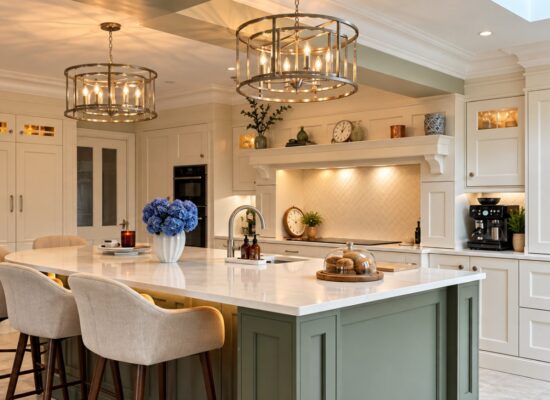
Irish bespoke lights
Irish Bespoke Lights: Where Craftsmanship Meets Architectural Design Irish bespoke lights bring together craftsmanship, design individuality and practical lighting performance.…
30 Sep 2026
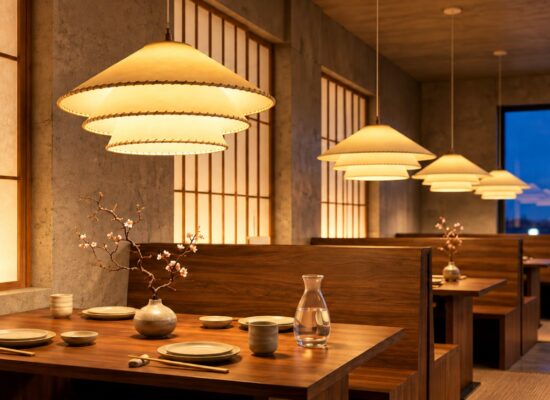
Japanese bespoke lights
Japanese Bespoke Lights: Craftsmanship, Design & Architectural Identity Japanese bespoke lights bring together traditional craftsmanship, refined materiality and contemporary lighting…
30 Sep 2026
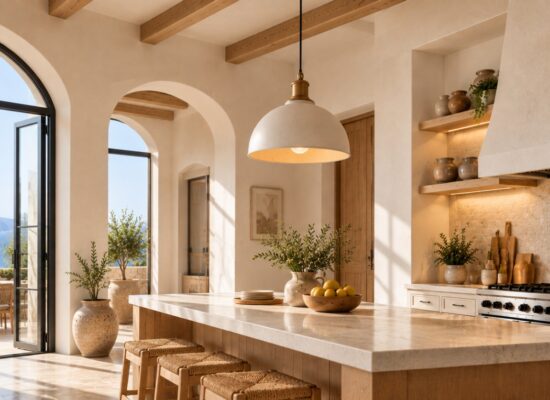
Greek bespoke lights
Greek Bespoke Lights for Luxury Architectural Projects Greek bespoke lights combine artistic expression, Mediterranean design influences and project-specific craftsmanship to…
29 Sep 2026
Turkish luxury chandeliers
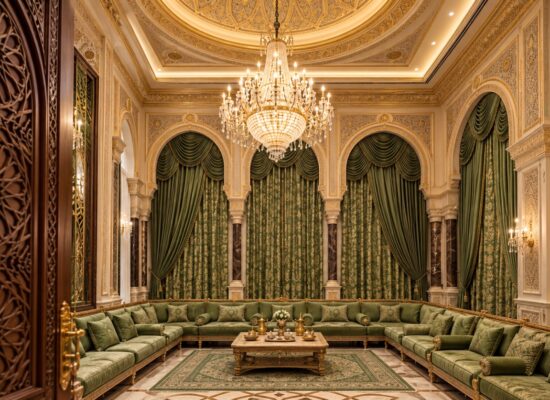
Turkish Luxury Chandeliers: Heritage, Craftsmanship & Design Turkish luxury chandeliers bring together decorative craftsmanship, architectural scale and contemporary lighting technology…
29 Sep 2026
Polish bespoke chandeliers
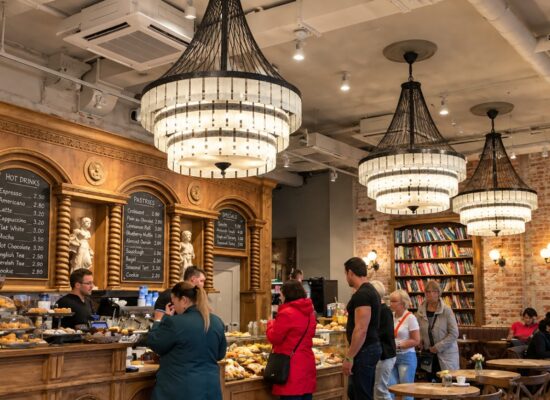
Polish Bespoke Chandeliers: Craftsmanship, Character and Contemporary Design A chandelier can do more than illuminate a room. In a well-designed…
subscribe for newsletter

Luzion is a leading manufacturer and exporter of high-quality LED lighting solutions. With a focus on design, research, and innovation, we offer a wide range of products for commercial, industrial, residential, and outdoor spaces.
