
Search
Category
- Bollard Light
- Commercial Lighting
- Energy-Efficient Lighting
- LAMPS
- LED Lights
- LED Uplighter
- Light and Colour Theory
- Lighting & Signage Solutions
- Lighting Design and Facade Lighting
- Lighting Design Consultancy UAE
- lighting design principles
- Lighting Fundamentals and Design Principles
- Lighting Solutions
- Nature of Light in Lighting Design
- Panel Lights vs. Spot Lights
- Portable Lights
- Signage Solutions
- Smart Controllers for Streetlights
- Solar Lights
- Tree Lighter
- Uncategorized
Recent Posts

Spanish bespoke lights


Austrian bespoke lights

Scandinavian Bespoke Lights
Tags
- Architectural Lighting
- Architectural Lighting Design
- Architectural Lighting Design UAE
- automation
- Best Lighting Design Consultancy in UAE
- COB LED Technology
- COB Spotlights
- Color Temperature in Lighting
- Commercial Lighting Design
- Commercial Lighting Fixtures
- Commercial Lighting Innovations
- Commercial Lighting UAE
- Cylinder COB Lights
- Dialux Lighting Design
- Dialux Lighting Design UAE
- Energy Efficient Lighting
- Energy-Efficient Lighting USA
- Exterior Lighting Solutions
- Facade & Exterior Lighting
- Facade Lighting
- Facade Lighting Design
- Facade Lighting Design UAE
- Facade lighting ideas
- Facade Lighting UAE
- Facade Uplighting
- Green Building Design
- Indoor & Exterior Lighting Solutions
- Interior Lighting Design
- Lamps
- LED Lighting Solutions
- LED lights
- LED Panel
- LED Uplighters
- LED vs Halogen
- Light and Color Theory
- Lighting Basics
- Lighting Consultancy UAE
- Lighting Design
- Lighting Design Consultancy in UAE
- Lighting Design Principles
- Lighting Design UAE
- Lighting Fundamentals Guide
- Lighting Layers
- Lumen Output in Lighting
- Modern Building Lighting Ideas
- Modern Lighting Ideas
- Office Lighting Solutions
- Outdoor Lighting Consultants UAE
- Panel Lights vs. Spot Lights
- Portable Lights
- smart light
- Smart Lighting Systems
- Sustainable Architecture
- Sustainable Lighting UAE
- Villa Lighting UAE
17Sep 2026
- Lighting Solutions


Czech bespoke lights
Czech Bespoke Lights: Handcrafted Lighting for Luxury Spaces Worldwide
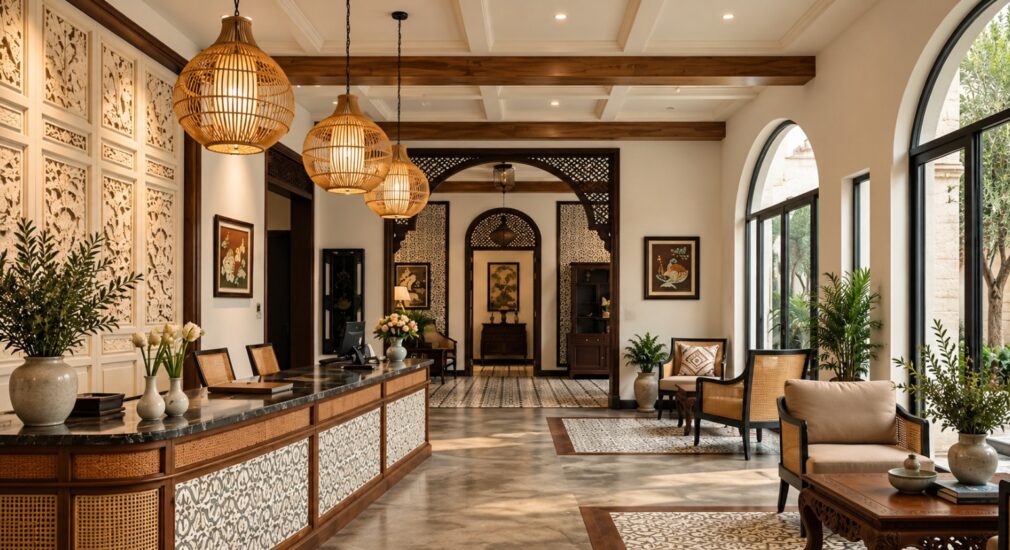
Lighting is no longer treated simply as a functional element within a building. In luxury architecture and refined interiors, a carefully designed light fixture can become part of the architectural identity itself. Czech Bespoke Lights represent this approach through handcrafted detailing, sophisticated materials, distinctive forms and made-to-specification design.
From private residences and luxury villas to boutique hotels, restaurants, retail environments and high-end commercial interiors, Czech Bespoke Lighting can be developed around the specific character of a project rather than selected from a standard catalogue.
The Czech Republic has a long association with glassmaking, crystal craftsmanship and decorative arts. This heritage has influenced contemporary lighting design, allowing traditional craftsmanship to work alongside modern manufacturing, LED technology and architectural requirements.
For architects, interior designers, lighting designers, developers and hospitality professionals, bespoke lighting provides an opportunity to create fixtures that respond precisely to a project’s dimensions, material palette, atmosphere and design language.
What Are Czech Bespoke Lights?
Czech Bespoke Lights are custom-designed or specially manufactured lighting fixtures developed according to particular project requirements. Instead of choosing a fixed product with predetermined dimensions and finishes, a bespoke fixture can be adapted to suit the architectural and interior concept.
Depending on the project, customization may involve:
- Fixture dimensions
- Overall proportions
- Shape and geometry
- Glass or crystal elements
- Metal construction
- Surface finishes
- Colour and material combinations
- Light source
- LED specification
- Colour temperature
- CRI
- Dimming requirements
- Mounting configuration
- Suspension length
- Optical performance
- Lighting distribution
- Control-system compatibility
This makes Czech Custom Lighting particularly relevant to projects where standard lighting products cannot achieve the desired visual result.
A large chandelier for a hotel lobby, for example, may need to respond to a specific ceiling height and architectural axis. A decorative pendant installation may need a precisely calculated suspension arrangement. A luxury villa may require a series of matching wall, ceiling and pendant fixtures with consistent finishes.
Bespoke lighting allows these requirements to be considered during the design and manufacturing process.
The Craftsmanship Behind Czech Bespoke Lighting
One of the defining characteristics associated with Czech lighting is the country’s strong tradition of glass and crystal craftsmanship. This heritage provides an important foundation for Czech Handcrafted Lights, particularly where transparent, textured, moulded or decorative glass forms are central to the fixture.
Traditional craftsmanship can be combined with contemporary production techniques to create lighting with a distinctly architectural appearance.
Depending on the design, craftsmen and manufacturers may work with:
- Hand-finished glass
- Crystal components
- Blown glass
- Moulded glass
- Textured glass
- Satin or frosted glass
- Clear glass
- Coloured glass
- Hand-finished metal
- Brass
- Stainless steel
- Aluminium
- Powder-coated components
The value of handcrafted lighting is not simply visual. Details such as proportions, transitions between materials, surface quality and fixture assembly can influence how a lighting piece integrates with its surroundings.
For premium interiors, these details can be especially important because the fixture may remain visible even when the light source is switched off.
Czech Glass and Crystal in Bespoke Lighting
Glass is one of the most recognisable materials associated with Czech decorative craftsmanship. In lighting design, it can provide both a structural and aesthetic function.
Transparent glass can maintain visual lightness within a space, while textured or diffused glass can create softer luminous effects. Crystal elements can introduce reflection and sparkle, making them suitable for statement installations and luxury interiors.
The selection of glass should therefore be connected to the intended lighting effect rather than treated only as a decorative decision.
For example:
Clear glass can support a clean, contemporary appearance and allow the internal light source to remain visually prominent.
Frosted or opal glass can produce a softer appearance and help diffuse the light.
Textured glass can introduce visual depth and create changing reflections as people move through a space.
Crystal elements can provide highlights and controlled sparkle in decorative installations.
Coloured glass can introduce a stronger relationship between the lighting fixture and the interior colour palette.
This combination of material and illumination is one reason Czech Glass Lighting continues to be relevant to luxury residential, hospitality and commercial interiors.
Czech Bespoke Lighting and Contemporary Architecture
Modern architectural interiors increasingly use lighting as part of the overall spatial composition. Rather than treating decorative fixtures and architectural lighting as separate elements, designers can combine both to create a layered lighting environment.
A bespoke pendant may become a visual focal point above a reception desk. A custom chandelier can reinforce the geometry of a grand staircase. Decorative wall lights can complement stone, timber, marble or textured wall surfaces. A series of custom linear elements can follow an architectural curve or ceiling detail.
This is where Czech Lighting Design can be interpreted beyond traditional decorative fixtures.
Contemporary bespoke lighting may combine:
- Decorative craftsmanship
- Architectural proportions
- LED technology
- Precision optics
- Modern control systems
- Custom fabrication
- Energy-conscious lighting
- Project-specific engineering
The result can be a fixture that contributes to both the visual identity and functional lighting strategy of a space.
Why Choose Bespoke Lighting Instead of Standard Fixtures?
Standard lighting products are suitable for many applications, but premium architectural projects can have requirements that are difficult to satisfy with off-the-shelf products.
A bespoke solution becomes particularly useful when a project requires a specific:
Size: Large spaces may require fixtures with proportions that are unavailable in standard ranges.
Shape: Architectural forms may call for curved, geometric, organic or sculptural fixtures.
Finish: Designers may require a particular metal, colour or surface treatment.
Material: Glass, crystal, brass, aluminium, stone or other materials may need to work together within one fixture.
Light quality: The project may specify a particular colour temperature, CRI, lumen output or distribution.
Installation: Complex ceiling structures may require customised mounting and suspension systems.
Visual identity: Hotels, luxury residences and branded commercial environments may need lighting that reflects a distinctive design concept.
For this reason, Czech Custom-Made Lights can be considered as part of the architectural specification rather than simply a decorative purchase.
Bespoke Lighting for Architects and Interior Designers
Architects and interior designers often begin with the proportions, materials and visual language of a space before selecting the lighting.
A bespoke fixture can be developed to respond to these elements.
For example, a designer working on a luxury hotel may specify a custom chandelier whose diameter, suspension height, glass treatment and metal finish correspond with the lobby architecture. In a private villa, custom pendants may be developed to complement a dining table, staircase or double-height entrance.
This approach makes Czech Designer Lighting relevant to projects where visual consistency and detail are important.
The design process can involve:
- Initial design concept
- Project brief
- Dimensional requirements
- Material selection
- Finish development
- Lighting specification
- Technical drawings
- Prototype or sample development
- Production
- Quality inspection
- Delivery and installation coordination
For large architectural projects, early coordination between the lighting manufacturer, architect, interior designer, MEP consultant and contractor can help ensure that the bespoke fixture works both aesthetically and technically.
Czech Bespoke Lights for Luxury Interiors
Luxury interiors often require lighting that feels integrated rather than generic. A carefully selected bespoke fixture can create a visual connection between architecture, furniture, finishes and decorative elements.
Applications may include:
- Luxury villas
- Private residences
- Penthouses
- Boutique hotels
- Five-star hotels
- Resorts
- Fine-dining restaurants
- Luxury retail stores
- Showrooms
- Corporate reception areas
- Executive offices
- Cultural spaces
- High-end hospitality interiors
In these environments, the fixture itself can become a design statement.
However, successful bespoke lighting should not overpower the architecture. Scale, brightness, glare, colour temperature and visual hierarchy need to be considered alongside aesthetics.
The objective is to create a lighting element that feels intentional within the overall environment.
Czech Bespoke Lighting for Global Projects
Although Czech craftsmanship has a strong European identity, Czech Bespoke Lighting can be specified for projects across international markets.
Different regions have different architectural styles, climatic conditions, electrical standards, project requirements and procurement processes. Bespoke lighting therefore needs to be adapted to the project rather than simply exported as a decorative object.
In Europe, bespoke fixtures can complement contemporary residential developments, heritage-inspired interiors, boutique hospitality and luxury retail.
In the UAE, custom lighting can be specified for luxury villas, hotels, resorts, restaurants, retail environments and prestigious commercial interiors in Dubai, Abu Dhabi and other major destinations.
Across Saudi Arabia, bespoke lighting can support hospitality developments, luxury residences, cultural projects, retail destinations and large-scale architectural interiors in Riyadh, Jeddah and other cities.
In Qatar, Kuwait, Bahrain and Oman, custom lighting can be incorporated into hotels, private residences, restaurants, commercial developments and high-end interiors.
The same design principles can be applied to projects in the United Kingdom, United States, Canada, Australia, Singapore, Japan, South Korea, India, Africa and other international markets, with project-specific technical and installation requirements considered during specification.
This worldwide application makes bespoke lighting particularly relevant for architectural practices and developers working across multiple markets.
The Role of Lighting in a Bespoke Interior
A successful interior rarely depends on one type of lighting alone.
A comprehensive lighting strategy can combine:
- Ambient lighting
- Accent lighting
- Decorative lighting
- Task lighting
- Architectural lighting
- Cove lighting
- Wall washing
- Feature lighting
A Czech Bespoke Light can become one layer within this larger lighting composition.
For example, a custom chandelier may provide the decorative centrepiece in a lobby while recessed downlights establish general illumination and concealed linear lighting highlights architectural surfaces.
This layered approach allows decorative craftsmanship to work alongside functional and architectural lighting.
What Makes Bespoke Lighting Premium?
Premium bespoke lighting is not defined only by an expensive material or elaborate appearance. Its quality is influenced by how successfully design, craftsmanship, engineering and lighting performance come together.
Important considerations include:
- Material quality
- Manufacturing precision
- Consistent finishing
- Structural integrity
- Light distribution
- LED performance
- Thermal management
- Glare control
- Dimming compatibility
- Electrical safety
- Installation requirements
- Long-term maintainability
For professional projects, aesthetics should therefore be supported by appropriate technical documentation and project coordination.
A bespoke fixture that looks impressive but does not provide suitable light quality, installation flexibility or maintenance access may create problems later in the project.
The strongest Luxury Bespoke Lighting solutions balance visual character with practical performance.
Czech Bespoke Lights: Where Craft Meets Architecture
The appeal of Czech bespoke lighting lies in the ability to connect craftsmanship with contemporary architectural requirements.
Glass and crystal can provide visual character. Metalwork can establish structure and finish. LED technology can provide controlled illumination. Custom dimensions can allow the fixture to respond to the architecture. Together, these elements can create a lighting installation designed specifically for its environment.
For architects, developers, lighting designers, interior designers and procurement professionals, the most valuable bespoke lighting solution is therefore not simply a beautiful fixture. It is a carefully considered component of the wider project.
From a handcrafted pendant in a private residence to a dramatic chandelier in a luxury hotel lobby, Czech Bespoke Lights can provide a distinctive design language for projects that demand individuality, craftsmanship and precision.
Types of Czech Bespoke Lights for Sophisticated Interiors
The beauty of Czech Bespoke Lights lies in the freedom to develop a lighting fixture around the architecture, interior concept and technical requirements of a project. From sculptural chandeliers to refined wall fixtures, bespoke lighting can take many forms while maintaining a consistent design language throughout a space.
For architects, interior designers, hospitality developers and lighting professionals, the selection of fixture type is usually determined by the scale of the space, ceiling height, desired visual impact, lighting function and overall interior style.
Czech Bespoke Chandeliers
A chandelier can become one of the most recognisable elements within a luxury interior. Czech Bespoke Chandeliers can be developed with customised dimensions, suspension heights, glass arrangements, metal structures and lighting configurations.
Large chandeliers are particularly suitable for:
- Hotel lobbies
- Grand staircases
- Luxury villas
- Double-height entrances
- Fine-dining restaurants
- Reception areas
- Ballroom interiors
- High-end retail spaces
- Private residences
For a large installation, the chandelier should be proportionate to the architectural volume. Diameter, height, number of light sources and suspension arrangement can be carefully coordinated with the ceiling and surrounding furniture.
A custom chandelier can also be designed as a single statement piece or as a collection of coordinated modules.
Czech Bespoke Pendant Lights
Czech Bespoke Pendant Lights offer greater flexibility for spaces where individual decorative fixtures or grouped installations are required.
Pendant fixtures can be used above:
- Dining tables
- Reception desks
- Kitchen islands
- Lounge areas
- Restaurant tables
- Hotel bedside areas
- Retail counters
- Meeting tables
Multiple pendants can be arranged at different heights to create a sculptural composition. Alternatively, identical pendants can be installed in a linear or symmetrical arrangement.
For hospitality projects, the suspension length can be customised according to ceiling height and furniture dimensions, helping maintain the intended visual proportions.
Czech Bespoke Wall Lights
Wall lighting can provide both functional illumination and architectural decoration.
Czech Bespoke Wall Lights may be designed with glass, crystal, metal or combinations of materials to complement the wall architecture and interior finishes.
They can be used in:
- Hotel corridors
- Guest rooms
- Villa interiors
- Staircases
- Restaurant walls
- Retail interiors
- Residential hallways
- Lounge areas
- Reception spaces
The position and light distribution of a wall fixture are particularly important. Upward illumination can draw attention toward a ceiling or architectural detail, while downward or bidirectional illumination can create a more defined wall-lighting effect.
For projects with repeated architectural elements, bespoke wall lights can also be developed as a coordinated family of fixtures.
Czech Bespoke Ceiling Lights
Ceiling-mounted decorative fixtures can provide a refined alternative where pendant suspension is unsuitable.
Czech Bespoke Ceiling Lights are useful for rooms with lower ceilings, circulation areas and interiors where the designer wants a more integrated appearance.
Customisation can include:
- Fixture diameter
- Overall height
- Glass configuration
- Frame geometry
- Surface finish
- LED position
- Diffuser type
- Light output
- Dimming
- Mounting arrangement
This allows the fixture to maintain visual presence without unnecessarily reducing the perceived ceiling height.
Czech Bespoke Floor Lamps
Floor lamps can introduce a decorative lighting layer while remaining relatively flexible within an interior.
Czech Bespoke Floor Lamps can be created for lounge spaces, hotel suites, luxury residences, libraries, executive offices and hospitality environments.
Custom dimensions can be particularly useful when the floor lamp needs to work alongside a specific sofa, side table, reading chair or architectural feature.
The design can incorporate a combination of metal structures, glass shades, fabric elements or other selected materials depending on the intended aesthetic.
Czech Bespoke Table Lamps
Table lamps are often used as accent pieces in hospitality and residential interiors.
Czech Bespoke Table Lamps can be developed for:
- Hotel bedside tables
- Luxury bedrooms
- Executive desks
- Console tables
- Reception counters
- Restaurant side tables
- Living rooms
- Hospitality lounges
Because table lamps are viewed from close range, proportions, surface finishing and material quality become particularly important.
A bespoke table lamp can also be developed as part of a larger lighting collection, using the same glass, metal finish or design details found in pendant and wall fixtures.
Materials Used in Czech Bespoke Lighting
Material selection has a major influence on the appearance, weight, durability and light transmission of a bespoke fixture.
A single fixture may combine several materials to achieve the desired balance between structure and illumination.
Czech Glass Lighting
Glass is one of the most important materials associated with Czech lighting craftsmanship.
Czech Glass Lighting can take many forms, including clear, opal, frosted, textured, coloured and decorative glass.
Different treatments produce different visual effects.
Clear glass can create a lighter and more transparent appearance, while opal or frosted glass can soften the light source. Textured glass can introduce additional visual depth and create interesting reflections across surrounding surfaces.
For bespoke projects, the glass design can be developed around the fixture’s geometry rather than selected only after the structure has been finalised.
Czech Crystal Lighting
Crystal can add sparkle, reflection and visual richness to decorative fixtures.
Czech Crystal Lighting is particularly suited to statement installations where the fixture is expected to become a prominent architectural feature.
Crystal components may be incorporated into:
- Chandeliers
- Pendant installations
- Decorative ceiling fixtures
- Wall lights
- Sculptural lighting
- Hospitality feature installations
The amount and arrangement of crystal should be carefully considered. Excessive decorative density can make a fixture visually heavy, whereas a controlled arrangement can provide elegance and visual rhythm.
Metal Components
Metal provides the structural framework for many bespoke lighting fixtures.
Common options can include:
- Brass
- Stainless steel
- Aluminium
- Mild steel
- Bronze
- Copper
- Other project-specific metals
The metal finish can dramatically change the character of the same lighting design.
For example, polished metal can create a more reflective appearance, while brushed or satin finishes can provide a quieter architectural expression.
Antique or patinated finishes can work well with classical and heritage-inspired interiors, while refined contemporary finishes can complement modern architecture.
Combining Glass, Crystal and Metal
One of the advantages of Custom Czech Lighting is the ability to combine multiple materials within a single design.
A bespoke chandelier may use a precision-engineered metal frame with individually positioned glass elements. A pendant installation could combine transparent glass with brushed brass. A wall fixture might pair a sculptural metal body with a diffused glass element.
These combinations allow designers to establish a relationship between lighting fixtures and other interior materials such as:
- Marble
- Stone
- Timber
- Leather
- Fabric
- Glass
- Metal
- Decorative wall finishes
The result can be a more cohesive interior scheme.
Bespoke Lighting Finishes
Finish selection should be considered early in the design process because it affects how the fixture interacts with natural and artificial light.
Potential finishes include:
- Polished brass
- Brushed brass
- Satin brass
- Bronze
- Antique bronze
- Brushed stainless steel
- Polished stainless steel
- Matte finishes
- Custom powder coating
- Special decorative finishes
A designer may specify one finish for the primary structure and another for smaller decorative components.
For large hospitality projects, maintaining finish consistency across multiple fixtures is particularly important. Sample approval and production controls can help establish the intended appearance before manufacturing the complete quantity.
Custom Shapes and Forms
Standard lighting products normally follow predetermined shapes and dimensions. Bespoke lighting allows designers to explore forms that respond directly to architectural geometry.
Possible design directions include:
- Circular
- Linear
- Cylindrical
- Geometric
- Sculptural
- Organic
- Curved
- Clustered
- Radial
- Modular
A curved lighting installation can follow a staircase or architectural ceiling. A linear arrangement can align with a dining table or corridor. Clustered pendants can create a three-dimensional composition within a double-height space.
This flexibility makes Czech Custom-Made Lights useful when architecture itself becomes the inspiration for the fixture.
Custom Lighting Dimensions
One of the most practical advantages of bespoke manufacturing is dimensional flexibility.
A fixture can be developed according to:
- Ceiling height
- Room dimensions
- Furniture size
- Architectural openings
- Staircase geometry
- Table dimensions
- Required clearance
- Installation conditions
For example, a standard pendant may be too small for a large hotel lobby or too large for a compact dining space. A bespoke fixture can be proportioned specifically for the location.
Dimensional coordination should take place before production to reduce installation conflicts and ensure that the finished fixture has the intended visual scale.
Custom LED and Lighting Performance
Modern Czech Bespoke Lighting does not have to rely solely on traditional decorative light sources. Bespoke fixtures can incorporate contemporary LED systems where appropriate.
Technical specifications can include:
- LED wattage
- Lumen output
- Colour temperature
- CRI
- Dimming
- Driver selection
- Beam distribution
- Control compatibility
- Emergency-lighting integration where required
- Smart lighting compatibility
For luxury interiors, colour temperature is especially important because it influences how materials and finishes appear.
Warm white light can create a more intimate atmosphere, while a different colour temperature may be specified where the architectural concept requires a cleaner or more neutral appearance.
The appropriate specification depends on the space, materials, function and lighting design rather than one universal setting.
Custom Lighting Collections
A major advantage of bespoke lighting is the ability to create an entire family of fixtures around one design language.
For example, a hotel project could use:
Lobby: Custom chandelier
Reception: Bespoke pendant installation
Corridors: Coordinated wall lights
Guest Rooms: Custom bedside lamps
Restaurant: Decorative pendants
Suites: Floor and table lamps
Rather than selecting unrelated products from different manufacturers, a coordinated bespoke collection can create greater visual consistency throughout the property.
This approach is especially useful for luxury hospitality brands and residential developments where the lighting identity forms part of the interior concept.
Bespoke Lighting for Different Design Styles
Czech bespoke fixtures can be adapted to different architectural and interior directions.
Contemporary
Clean geometry, controlled proportions, refined finishes and integrated LED technology can support contemporary interiors.
Classic
Decorative glass, crystal, brass and traditional detailing can complement classical architecture.
Art Deco
Geometric patterns, metallic finishes and decorative glass can create a sophisticated Art Deco-inspired expression.
Minimalist
Simple forms, restrained detailing and carefully controlled light sources can work within minimalist spaces.
Luxury Modern
A combination of premium materials, sculptural forms and sophisticated illumination can create a distinctive modern luxury aesthetic.
Heritage-Inspired
Traditional craftsmanship and contemporary engineering can be combined where the interior draws inspiration from historic architectural styles.
The objective is not simply to reproduce an existing style but to develop a fixture that responds to the individual character of the project.
Czech Bespoke Lighting for Project-Specific Requirements
Every architectural project has different requirements. A residential interior may prioritise intimacy and decorative character, while a hotel lobby may require a large visual centrepiece and carefully coordinated illumination.
A commercial project may have different maintenance and operating requirements. A restaurant may need decorative atmosphere alongside appropriate functional light. A retail environment may require lighting that complements merchandise and interior branding.
Therefore, Bespoke Lighting Fixtures should be evaluated through both design and technical criteria.
Important project considerations include:
| Requirement | Why It Matters |
|---|---|
| Dimensions | Ensures correct architectural proportion |
| Material | Defines appearance and light interaction |
| Finish | Coordinates with the interior palette |
| Light output | Supports required illumination |
| Colour temperature | Influences atmosphere and material appearance |
| CRI | Helps preserve colour quality |
| Dimming | Enables lighting scenes and flexibility |
| Mounting | Supports safe and practical installation |
| Driver | Ensures suitable electrical performance |
| Maintenance | Supports long-term operation |
| Control system | Enables integration with project requirements |
From Concept to Custom Fixture
The process of creating a bespoke lighting fixture should begin with a clear project brief.
Architects and designers can provide:
- Reference images
- Concept drawings
- CAD details
- Interior elevations
- Ceiling plans
- Fixture dimensions
- Material specifications
- Finish references
- Lighting requirements
- Quantity
- Installation information
The lighting manufacturer can then translate the design intent into a manufacturable fixture.
Depending on the complexity of the project, the process may include design development, technical drawings, material samples, prototype approval, engineering review and final production.
This collaborative approach helps ensure that the finished Czech Bespoke Light reflects the original design intent while satisfying practical project requirements.
Choosing Czech Bespoke Lights for International Projects
Bespoke lighting can be specified for projects far beyond the Czech Republic. International architectural practices frequently work across multiple regions, making clear technical coordination essential.
For projects in the UAE, Saudi Arabia, Qatar, Kuwait, Bahrain and Oman, designers may need to consider project-specific electrical standards, installation conditions, environmental factors and local authority requirements.
For projects across Europe, the UK and the USA, documentation, certification, electrical compatibility, shipping and installation coordination may also form part of the specification process.
Likewise, luxury projects across India, Singapore, Hong Kong, Japan, South Korea, Australia, New Zealand and Africa may require different project documentation and technical considerations.
For international procurement, the lighting specification should therefore cover both the aesthetic concept and the practical requirements of the destination project.
The Value of Custom Czech Lighting
The greatest benefit of Czech Bespoke Lights is flexibility.
Instead of adapting the architecture to a standard fixture, the fixture can be developed around the architecture.
Its dimensions can respond to the space. Materials can complement the interior. Finishes can coordinate with furniture and architectural elements. Light output can be specified according to the application. Decorative details can establish a distinctive identity.
For luxury residences, hospitality environments, commercial interiors and architectural projects, this level of customisation can transform lighting from a standard product into a carefully integrated design element.
Czech Bespoke Lights for Luxury Architectural Projects Worldwide
The application of Czech Bespoke Lights extends well beyond decorative residential interiors. Custom lighting fixtures can become an integral part of hotels, resorts, restaurants, luxury retail spaces, corporate environments, cultural buildings and high-end residential developments.
For international architectural projects, bespoke lighting provides the flexibility to respond to different architectural scales, interior concepts, local design preferences and technical specifications.
Whether the requirement is a statement chandelier for a hotel lobby, a custom pendant installation for a restaurant or a coordinated lighting collection for a luxury villa, the fixture can be developed around the project’s specific requirements.
Czech Bespoke Lighting for Luxury Hotels
Hotels are among the most suitable environments for Luxury Bespoke Lighting because lighting contributes directly to the guest experience and visual identity of a property.
A hotel may require different fixture types throughout the building, including:
- Grand lobby chandeliers
- Reception pendant lights
- Decorative wall lights
- Restaurant lighting
- Bar lighting
- Guest-room fixtures
- Corridor lighting
- Lounge lighting
- Ballroom installations
- Spa and wellness lighting
- Custom bedside lamps
The lobby often provides the strongest opportunity for a signature lighting installation. A large bespoke chandelier can establish a focal point while reflecting the hotel’s architectural language.
In guest rooms and suites, smaller custom fixtures can create consistency without overwhelming the interior.
For hospitality projects, lighting should also be coordinated with interior finishes, furniture, ceiling details, artwork and architectural elements.
Czech Bespoke Lights for Luxury Villas and Residences
High-end residential projects often have highly individual architectural concepts, making standard lighting products less suitable for certain areas.
Czech Bespoke Lights for Villas can be customised according to room dimensions, ceiling heights, furniture layouts and interior finishes.
Applications can include:
- Entrance halls
- Double-height living rooms
- Dining rooms
- Bedrooms
- Staircases
- Private lounges
- Home offices
- Libraries
- Walk-in wardrobes
- Entertainment areas
- Covered outdoor spaces where technically suitable
A custom chandelier can become a focal point within a double-height entrance, while coordinated pendants and wall lights can establish a consistent visual language throughout the residence.
For luxury villas, the ability to customise dimensions and finishes can be particularly useful because every residence may have a different architectural configuration.
Czech Bespoke Lighting for Resorts
Resorts require lighting that can work across multiple environments while maintaining a consistent identity.
Bespoke Resort Lighting can be developed for:
- Resort entrances
- Reception areas
- Guest lounges
- Restaurants
- Bars
- Villas
- Spa facilities
- Corridors
- Public areas
- Event spaces
A resort may use different fixture designs in individual areas while maintaining common materials, finishes or design details.
For example, a decorative glass element used in the main lobby could be repeated in smaller wall or pendant fixtures throughout the property.
This creates a visual connection between different spaces without requiring every fixture to be identical.
Czech Bespoke Lights for Restaurants and Fine Dining
Restaurants often require a carefully controlled combination of decorative and functional illumination.
Czech Bespoke Restaurant Lighting can be developed around dining tables, bars, reception areas and architectural features.
Custom pendants can be positioned above individual tables or arranged as larger installations. Decorative wall lights can provide visual interest along feature walls, while concealed or architectural lighting can provide additional ambient illumination.
For fine-dining environments, the lighting should support the atmosphere without compromising visual comfort.
Important considerations include:
- Appropriate colour temperature
- High colour rendering
- Glare control
- Dimming
- Fixture scale
- Table illumination
- Decorative appearance
- Coordination with interior finishes
A bespoke lighting design can therefore become part of the restaurant’s overall identity.
Czech Bespoke Lighting for Luxury Retail
Retail environments often use lighting to reinforce brand identity and guide customer attention.
Czech Bespoke Retail Lighting can be developed for:
- Luxury boutiques
- Fashion stores
- Jewellery stores
- Watch boutiques
- Beauty stores
- Showrooms
- Flagship stores
- High-end department stores
A custom chandelier or sculptural pendant installation can create a distinctive entrance or central feature.
At the same time, architectural and accent lighting can be used to support merchandise presentation.
The decorative fixture should complement the brand environment rather than compete with the products on display.
Czech Bespoke Lights for Corporate Offices
Corporate interiors increasingly place greater emphasis on employee experience, hospitality and brand expression.
Custom lighting can be used in:
- Reception areas
- Executive offices
- Boardrooms
- Meeting rooms
- Client lounges
- Breakout areas
- Hospitality zones
- Feature staircases
A bespoke fixture above a reception desk can provide a strong first impression, while smaller coordinated fixtures can be used throughout executive and hospitality areas.
For office projects, decorative lighting is normally integrated with the broader architectural lighting strategy rather than used as the only source of illumination.
Czech Bespoke Lighting for Cultural and Public Spaces
Museums, galleries, theatres, heritage properties and cultural venues can require lighting with a distinctive visual identity.
Custom fixtures may be developed to respond to:
- Historic architecture
- Sculptural elements
- Large public spaces
- Decorative ceilings
- Heritage interiors
- Exhibition environments
Where sensitive architectural materials are involved, fixture placement, light levels, glare and heat management should be carefully considered.
For heritage-inspired projects, bespoke lighting can combine contemporary engineering with design references that complement the character of the building.
Czech Bespoke Lighting Across Global Markets
The international demand for custom lighting is influenced by architecture, hospitality development, luxury residential construction and premium commercial interiors.
Czech Bespoke Lighting Worldwide can therefore serve projects across Europe, GCC, North America, Asia-Pacific and Africa.
Czech Bespoke Lights in the UAE
The UAE has a strong market for luxury hospitality, residential and commercial architecture.
In Dubai, bespoke lighting can be specified for:
- Luxury villas
- Five-star hotels
- Resorts
- Fine-dining restaurants
- Luxury retail
- Premium residences
- Corporate headquarters
In Abu Dhabi, custom lighting can complement hotels, cultural developments, residences, government-related commercial environments and premium hospitality projects.
In Sharjah, bespoke fixtures can be incorporated into cultural, residential, hospitality and commercial interiors.
For UAE projects, designers may consider the relationship between lighting, marble, metallic finishes, glass, stone and contemporary architectural forms.
Czech Bespoke Lighting in Saudi Arabia
Saudi Arabia is experiencing significant development across hospitality, tourism, residential, retail and cultural sectors.
Czech Bespoke Lights in Saudi Arabia can be specified for luxury developments in cities such as:
- Riyadh
- Jeddah
- Dammam
- Al Khobar
- Mecca
- Medina
Potential applications include hotel lobbies, luxury residences, restaurants, retail destinations, executive environments and large-scale hospitality developments.
Custom fixtures can be developed according to project-specific dimensions and interior concepts, making them suitable for both contemporary and more decorative architectural environments.
Czech Bespoke Lights in Qatar
In Doha, custom lighting can support premium hospitality, residential, retail and commercial developments.
Potential applications include:
- Luxury hotels
- Private villas
- Restaurants
- Shopping destinations
- Corporate interiors
- High-end residential developments
The ability to specify custom dimensions and finishes can be particularly useful for large architectural interiors where standard fixtures may not provide the desired scale.
Czech Bespoke Lighting in Kuwait
Kuwait City and other major areas in Kuwait offer opportunities for bespoke lighting across luxury residences, hospitality, retail and commercial interiors.
Custom chandeliers, pendants, wall lights and decorative installations can be developed to complement premium materials such as marble, stone, brass and wood.
For large residential projects, a coordinated collection of fixtures can create a consistent lighting language between entrance areas, living spaces, dining rooms and bedrooms.
Czech Bespoke Lights in Bahrain
In Manama and other areas of Bahrain, bespoke lighting can be incorporated into hospitality, residential, retail and commercial interiors.
Custom lighting can be particularly effective in restaurants, boutique hotels, luxury residences and reception areas where decorative character forms an important part of the interior concept.
Czech Bespoke Lighting in Oman
In Muscat, custom lighting can complement luxury hotels, resorts, villas, restaurants and premium residential developments.
Lighting designs may incorporate natural materials, warm finishes and architectural forms that work with the regional design environment.
For hospitality developments, the lighting specification can be coordinated with interior architecture, landscape transitions and guest circulation.
Czech Bespoke Lights Across Europe
Europe remains an important market for architectural, decorative and handcrafted lighting.
Czech Republic
In Prague, Brno, Ostrava and other Czech cities, bespoke lighting can serve residential, hospitality, cultural and commercial interiors.
The country’s glassmaking and design heritage also provides a strong context for contemporary interpretations of handcrafted lighting.
Germany
In cities such as Berlin, Munich, Frankfurt and Hamburg, custom lighting can be specified for luxury residences, hotels, restaurants, retail spaces and corporate interiors.
European architectural projects may place particular emphasis on refined proportions, energy efficiency, technical performance and material quality.
France
In Paris, Lyon, Nice and other French cities, bespoke lighting can complement luxury hospitality, residential and retail interiors.
Custom chandeliers, decorative wall fixtures and glass pendants can work particularly well within sophisticated interiors where lighting forms part of the overall decorative composition.
Italy
Cities such as Milan, Rome and Florence have strong design and luxury-interior markets.
Czech Designer Lighting can provide an alternative European design language for residential, hospitality, retail and commercial projects.
United Kingdom
In London, Manchester, Birmingham and Edinburgh, bespoke lighting can be specified for luxury residential developments, boutique hotels, restaurants, retail interiors and heritage-inspired properties.
Custom fixtures can be designed to balance traditional architectural references with contemporary LED technology.
Czech Bespoke Lighting in the USA and Canada
North American luxury architecture also provides opportunities for custom lighting installations.
In the United States, cities such as:
- New York
- Los Angeles
- Miami
- Chicago
- San Francisco
- Houston
- Dallas
- Washington, DC
have significant markets for luxury residential, hospitality, retail and commercial interiors.
A custom chandelier can be designed for a high-rise residential lobby, while bespoke pendants and wall fixtures can be developed for restaurants, hotels and private residences.
In Canada, markets such as Toronto, Vancouver and Montreal can use bespoke lighting for luxury residences, hospitality interiors and commercial developments.
For international projects, electrical compatibility, local codes, certifications, shipping requirements and installation coordination should be confirmed during the specification stage.
Czech Bespoke Lighting in Asia-Pacific
Luxury hospitality and residential developments across Asia-Pacific can also benefit from custom lighting.
Markets include:
- India
- Singapore
- Hong Kong
- Japan
- South Korea
- Thailand
- Australia
- New Zealand
In Singapore, bespoke lighting can be used in premium hospitality, retail and residential developments.
In Tokyo and Osaka, custom fixtures can complement contemporary residential, hospitality and commercial architecture.
In Seoul, bespoke lighting can be incorporated into luxury retail, hospitality and modern residential interiors.
In Sydney and Melbourne, custom lighting can support high-end residential, restaurant, hotel and commercial projects.
Across India, bespoke fixtures can be specified for luxury villas, hotels, restaurants, retail stores, corporate offices and premium residential developments in cities including Mumbai, Delhi, Bengaluru, Hyderabad and Ahmedabad.
Czech Bespoke Lights for African Luxury Projects
Luxury hospitality, residential and commercial development across Africa also creates opportunities for custom lighting.
Potential markets include:
- South Africa
- Kenya
- Nigeria
- Egypt
- Morocco
- Tanzania
Cities such as Johannesburg, Cape Town, Nairobi, Lagos and Cairo can incorporate bespoke lighting into hotels, resorts, luxury residences, restaurants and premium commercial interiors.
For resort projects, fixture selection should consider the architectural environment, maintenance requirements and installation conditions alongside visual design.
Czech Bespoke Lighting for International Architects and Developers
For international architectural projects, bespoke lighting works best when it is treated as part of the project specification from the early design stage.
Architects, interior designers, lighting consultants, MEP consultants, developers and procurement teams may need to coordinate:
- Architectural drawings
- Fixture schedules
- Dimensions
- Material specifications
- Finish samples
- Lighting calculations
- Electrical requirements
- Mounting details
- Control systems
- Installation requirements
- Packaging
- International shipping
- Project documentation
Early coordination can reduce design changes during construction and help ensure that the final fixtures match the approved concept.
Bespoke Lighting as a Project Identity
For premium projects, lighting can become more than an illumination source.
A distinctive chandelier may become part of a hotel’s visual identity. A custom pendant collection may reinforce a restaurant’s interior concept. A coordinated lighting family may create continuity throughout a luxury residence.
This is why Bespoke Lighting Design should be considered alongside architecture, interior design and branding.
The strongest results occur when the lighting fixture feels as though it was designed specifically for the building.
From Czech Craftsmanship to Global Project Delivery
The international application of Czech bespoke lighting demonstrates how handcrafted design can work within contemporary architectural projects.
Whether the project is a luxury villa in Dubai, a boutique hotel in London, a restaurant in Paris, a private residence in Riyadh, a retail environment in New York or a resort in Singapore, the fundamental principles remain similar: understand the architecture, define the visual intent, specify the technical requirements and develop the fixture accordingly.
For global projects, successful bespoke lighting requires more than attractive design. It requires communication between designers, manufacturers, consultants, contractors and procurement teams throughout the project lifecycle.
This makes the selection of a capable Bespoke Lighting Manufacturer an important part of the overall process.
How to Specify Czech Bespoke Lights for a Project
Selecting Czech Bespoke Lights for an architectural project requires more than choosing an attractive fixture. A successful bespoke lighting solution should combine design intent, material selection, lighting performance, structural requirements and installation considerations.
For architects, interior designers, lighting consultants, developers and procurement teams, the specification process should ideally begin during the early design stages.
A clear project brief helps manufacturers understand the required fixture dimensions, materials, finishes, performance and quantity before production begins.
Define the Lighting Concept
The first step is to establish what the fixture needs to achieve within the space.
The project brief may define:
- Decorative focal point
- Ambient illumination
- Accent lighting
- Feature lighting
- Task illumination
- Architectural integration
- Brand identity
- Visual atmosphere
For example, a hotel lobby chandelier may primarily function as a visual centrepiece while also contributing to ambient illumination. A restaurant pendant may provide decorative character while delivering focused light over dining tables.
Understanding the intended role of the fixture helps determine its design and technical specification.
Select the Fixture Dimensions
Dimensions should be based on the actual architectural environment.
Important measurements can include:
- Overall diameter
- Overall height
- Width
- Depth
- Suspension length
- Ceiling height
- Mounting location
- Distance from furniture
- Required clearance
For large Czech Bespoke Chandeliers, dimensional coordination is particularly important.
A fixture that is too small may lose its visual impact, while one that is oversized can dominate the architectural space.
For repetitive installations, individual fixture dimensions should also be coordinated with the spacing and layout of the entire lighting scheme.
Select Materials and Finishes
The material palette should complement the surrounding architecture.
Depending on the design, Czech Handcrafted Lighting can incorporate glass, crystal, brass, bronze, stainless steel, aluminium and other project-specific materials.
The specification should clearly identify:
- Primary material
- Secondary materials
- Glass type
- Crystal requirements
- Metal finish
- Surface treatment
- Colour
- Texture
- Decorative details
For luxury interiors, finish samples can be particularly useful because the final appearance may vary depending on surrounding materials and lighting conditions.
Specify the Light Source
A bespoke decorative fixture still needs to provide appropriate lighting performance.
The technical specification may include:
Colour Temperature: The selected Kelvin value influences the visual atmosphere of the space.
CRI: High colour rendering can be important where accurate representation of materials, artwork, food, fabrics or merchandise is required.
Lumen Output: The required light output depends on the function and size of the space.
Wattage: The electrical load should be compatible with the project requirements.
Dimming: Dimming can provide flexibility for hospitality, residential and commercial environments.
Driver: The driver should be appropriately selected for the LED system and electrical installation.
Control Compatibility: Where required, the fixture can be coordinated with the project’s lighting-control system.
These parameters should be defined before final manufacturing.
Technical Drawings for Bespoke Lighting
Technical documentation is an important part of professional bespoke lighting procurement.
Depending on the project, documentation may include:
- Product drawings
- Dimensions
- Mounting details
- Ceiling requirements
- Electrical specifications
- LED information
- Driver details
- Finish specifications
- Weight
- Installation instructions
- Maintenance information
For complex fixtures, detailed drawings allow architects, MEP consultants and contractors to coordinate the installation with the building structure and electrical services.
For large chandeliers or suspended installations, structural coordination can be particularly important because the supporting system must accommodate the fixture’s weight and configuration.
Samples and Prototypes
For high-value bespoke projects, a sample or prototype can provide an opportunity to verify the design before full production.
A sample may be used to evaluate:
- Glass appearance
- Crystal quality
- Metal finish
- Colour
- Dimensions
- Light transmission
- Light diffusion
- LED appearance
- Overall visual character
This process is especially useful where a project contains a large number of identical or related fixtures.
Once the design is approved, the production specification can be standardised for the complete order.
Quality Control in Bespoke Lighting Manufacturing
Quality control becomes increasingly important as the complexity of a lighting fixture increases.
A professional manufacturing process may include checks for:
- Material quality
- Dimensional accuracy
- Surface finishing
- Glass consistency
- Electrical components
- LED performance
- Assembly quality
- Structural stability
- Dimming performance
- Packaging
- Final appearance
For handcrafted fixtures, certain variations may naturally occur because of the manufacturing process. The acceptable level of variation should be established according to the project specification.
For large international projects, quality inspection before dispatch can help reduce installation-stage surprises.
Custom Lighting for Hospitality Projects
Hospitality projects often require large quantities of fixtures across multiple areas.
A project may specify a complete lighting family consisting of:
| Project Area | Potential Bespoke Fixture |
|---|---|
| Hotel Lobby | Custom chandelier |
| Reception | Pendant installation |
| Restaurant | Decorative pendants |
| Bar | Feature lighting |
| Guest Room | Bedside lamps |
| Corridor | Bespoke wall lights |
| Lounge | Floor and table lamps |
| Ballroom | Large decorative installation |
| Suite | Coordinated custom fixtures |
Creating a family of fixtures allows different areas to maintain a consistent visual language while still receiving lighting appropriate to their function.
Custom Lighting for Luxury Residential Projects
Residential projects generally provide greater freedom to develop lighting around individual preferences and architectural details.
A bespoke residential lighting collection can include:
- Entrance chandelier
- Dining pendant
- Living-room feature light
- Staircase installation
- Bedroom wall lights
- Bedside lamps
- Study lighting
- Decorative floor lamps
- Custom ceiling fixtures
For villas and penthouses, the fixture dimensions can be coordinated with ceiling heights, furniture layouts and architectural features.
This makes Czech Bespoke Lights for Luxury Homes particularly relevant when a standard catalogue does not provide the required proportions or design character.
International Procurement of Czech Bespoke Lighting
International procurement introduces additional considerations beyond design and manufacturing.
Before placing an order, project teams should confirm:
- Quantity
- Final dimensions
- Approved materials
- Approved finishes
- Lighting specifications
- Electrical compatibility
- Certifications
- Packaging requirements
- Delivery schedule
- Shipping method
- Installation responsibilities
- Warranty requirements
- Spare components
- Maintenance requirements
For projects in the UAE, Saudi Arabia, Qatar, Kuwait, Bahrain and Oman, local project requirements should be reviewed before manufacturing.
Likewise, projects in the UK, USA, Europe, Asia-Pacific and Africa may have their own electrical, certification, documentation and installation requirements.
International coordination should therefore be completed before the production stage rather than after the fixtures have been manufactured.
Czech Bespoke Lighting for GCC Projects
The GCC has a strong demand for luxury architecture, hospitality, private residences and premium commercial interiors.
Czech Bespoke Lighting for GCC Projects can be developed for destinations including:
- Dubai
- Abu Dhabi
- Sharjah
- Riyadh
- Jeddah
- Doha
- Kuwait City
- Manama
- Muscat
For these markets, bespoke fixtures may be required for large entrance halls, luxury hotels, resorts, restaurants, villas, retail spaces and executive interiors.
Large spaces can benefit from customised dimensions, while premium interiors may require specific finishes and decorative materials that coordinate with marble, stone, metal and timber.
Bespoke Lighting for UAE Luxury Projects
Dubai and Abu Dhabi frequently feature large-scale hospitality, residential and commercial architecture.
Custom chandeliers, glass pendants, wall fixtures and decorative installations can be designed according to the architectural scale of these environments.
For villa projects, fixture dimensions and finishes can be coordinated with the individual interior concept.
Bespoke Lighting for Saudi Arabian Projects
Riyadh and Jeddah offer applications across luxury hospitality, residences, retail and commercial developments.
For these projects, bespoke lighting can be developed according to the required architectural dimensions, interior style and technical specification.
Bespoke Lighting for Qatar, Kuwait, Bahrain and Oman
Doha, Kuwait City, Manama and Muscat can also utilise custom lighting for hotels, restaurants, residences, resorts and commercial interiors.
Each project should be assessed individually for electrical requirements, environmental conditions, installation details and local compliance.
Why Work With a Professional Bespoke Lighting Partner?
A successful bespoke project requires collaboration between design and manufacturing.
An experienced Bespoke Lighting Manufacturer should be able to understand both the creative concept and the technical requirements behind the fixture.
For professional buyers, useful capabilities may include:
- Custom fixture development
- Technical drawings
- Material selection
- Finish development
- LED integration
- Prototype coordination
- Quality control
- Project documentation
- Export packaging
- International logistics coordination
- Project-based production
This is particularly important when the lighting order forms part of a larger architectural project with strict deadlines and multiple stakeholders.
Luzion Lighting for Bespoke Architectural Lighting
Luzion Lighting works with architects, developers, interior designers, lighting designers, MEP consultants, contractors and procurement teams seeking project-specific lighting solutions.
Our approach can support the development of lighting around architectural requirements rather than relying exclusively on standard catalogue products.
Depending on the project, bespoke lighting requirements can involve:
- Custom dimensions
- Material and finish selection
- Decorative lighting
- Architectural lighting
- LED integration
- Project-specific specifications
- Technical documentation
- Lighting design coordination
- International project requirements
From luxury residences and villas to hotels, resorts, restaurants, retail environments and commercial developments, the objective is to develop lighting that complements the architectural concept while satisfying practical requirements.
For international projects, early communication is recommended so that design, technical and production requirements can be reviewed before manufacturing.
Czech Bespoke Lights: A Complete Design-to-Delivery Approach
The journey from an initial concept to a finished bespoke fixture can be divided into several stages:
1. Project Brief
Define the application, design intent, quantity and project requirements.
2. Design Development
Develop the fixture form, proportions, materials and finishes.
3. Technical Specification
Define dimensions, LED performance, colour temperature, CRI, wattage, drivers and controls.
4. Drawing Approval
Review technical and dimensional drawings with the relevant project stakeholders.
5. Sample Development
Where required, produce and approve a sample or prototype.
6. Manufacturing
Proceed with controlled production according to the approved specification.
7. Quality Inspection
Check dimensions, finishes, components, assembly and overall appearance.
8. Packaging and Delivery
Prepare the fixtures for safe transportation to the project destination.
9. Installation Coordination
Provide the required information for site installation and commissioning.
This structured process helps transform an abstract lighting concept into a finished architectural product.
Frequently Asked Questions About Czech Bespoke Lights
What are Czech bespoke lights?
Czech bespoke lights are custom or project-specific lighting fixtures developed according to particular design, dimensional, material and technical requirements. They may include chandeliers, pendants, wall lights, ceiling fixtures, floor lamps and other decorative or architectural lighting.
Can Czech bespoke lighting be customised in size and finish?
Yes. Depending on the manufacturer and project, bespoke fixtures can be developed with customised dimensions, materials, colours, metal finishes, glass treatments and suspension configurations.
Are Czech bespoke lights suitable for hotels and resorts?
Yes. Custom chandeliers, pendants, wall lights, table lamps and coordinated lighting collections can be specified for hotel lobbies, restaurants, guest rooms, lounges, corridors, resorts and other hospitality spaces.
Can bespoke lighting be manufactured for projects outside Europe?
Yes. Bespoke lighting can be developed for international architectural projects, including projects across the GCC, UK, USA, Asia-Pacific and Africa. Electrical specifications, certifications, installation requirements and local project standards should be confirmed before production.
What information is needed to request a bespoke lighting quotation?
A project brief, reference images or drawings, fixture dimensions, quantity, preferred materials and finishes, lighting specifications and delivery location can help a manufacturer assess the requirement accurately.
Can Luzion Lighting provide custom lighting for international projects?
Luzion Lighting provides architectural and project-based lighting solutions for architects, designers, developers, contractors and procurement teams. International projects can be discussed based on the required fixture design, technical specifications, quantities and project location.
Create a Bespoke Lighting Concept for Your Project
The right bespoke fixture can become a defining element within a luxury interior or architectural space.
Whether you require a statement chandelier for a hotel lobby, custom pendants for a restaurant, decorative wall lights for a luxury villa or a complete coordinated lighting collection, the design can be developed around the project’s architecture, materials and lighting requirements.
For Czech Bespoke Lights, Czech Bespoke Lighting, Custom Lighting Fixtures and Handcrafted Lighting Solutions, project-specific planning is the foundation of a successful result.
Architects, interior designers, developers, lighting consultants, contractors and procurement teams can share their project requirements with Luzion Lighting to explore suitable bespoke lighting possibilities for projects worldwide.
Related posts
17 Sep 2026
Spanish bespoke lights
Spanish Bespoke Lights: The Art of Custom Lighting from Spain Spanish bespoke lights combine artistic expression, skilled craftsmanship and contemporary…
16 Sep 2026
Signage Solutions: Fundamentals, Types, Purpose & Design
Signage is an important part of the built environment. From a hotel entrance and corporate headquarters to shopping malls, airports,…
16 Sep 2026
10 Outdoor Lighting Mistakes – And How to Avoid Them
10 Outdoor Lighting Mistakes That Cost Architects, Developers & Contractors — And How to Avoid Them If you've ever walked…
15 Sep 2026
Austrian bespoke lights
Austrian Bespoke Lighting & Custom Lights for Global Projects Exceptional architecture deserves lighting that feels as considered as the space…
15 Sep 2026
Scandinavian Bespoke Lights
Scandinavian Bespoke Lighting for Luxury & Architectural Projects Scandinavian bespoke lighting brings together understated elegance, functional design and refined craftsmanship…
subscribe for newsletter

Luzion is a leading manufacturer and exporter of high-quality LED lighting solutions. With a focus on design, research, and innovation, we offer a wide range of products for commercial, industrial, residential, and outdoor spaces.
