
Search
Category
- Bollard Light
- Commercial Lighting
- Energy-Efficient Lighting
- LAMPS
- LED Lights
- LED Uplighter
- Light and Colour Theory
- Lighting & Signage Solutions
- Lighting Design and Facade Lighting
- Lighting Design Consultancy UAE
- lighting design principles
- Lighting Fundamentals and Design Principles
- Lighting Solutions
- Nature of Light in Lighting Design
- Panel Lights vs. Spot Lights
- Portable Lights
- Signage Solutions
- Smart Controllers for Streetlights
- Solar Lights
- Tree Lighter
- Uncategorized
Recent Posts
Belgian bespoke lights

Spanish bespoke lights

Czech bespoke lights

Tags
- Architectural Lighting
- Architectural Lighting Design
- Architectural Lighting Design UAE
- automation
- Best Lighting Design Consultancy in UAE
- COB LED Technology
- COB Spotlights
- Color Temperature in Lighting
- Commercial Lighting Design
- Commercial Lighting Fixtures
- Commercial Lighting Innovations
- Commercial Lighting UAE
- Cylinder COB Lights
- Dialux Lighting Design
- Dialux Lighting Design UAE
- Energy Efficient Lighting
- Energy-Efficient Lighting USA
- Exterior Lighting Solutions
- Facade & Exterior Lighting
- Facade Lighting
- Facade Lighting Design
- Facade Lighting Design UAE
- Facade lighting ideas
- Facade Lighting UAE
- Facade Uplighting
- Green Building Design
- Indoor & Exterior Lighting Solutions
- Interior Lighting Design
- Lamps
- LED Lighting Solutions
- LED lights
- LED Panel
- LED Uplighters
- LED vs Halogen
- Light and Color Theory
- Lighting Basics
- Lighting Consultancy UAE
- Lighting Design
- Lighting Design Consultancy in UAE
- Lighting Design Principles
- Lighting Design UAE
- Lighting Fundamentals Guide
- Lighting Layers
- Lumen Output in Lighting
- Modern Building Lighting Ideas
- Modern Lighting Ideas
- Office Lighting Solutions
- Outdoor Lighting Consultants UAE
- Panel Lights vs. Spot Lights
- Portable Lights
- smart light
- Smart Lighting Systems
- Sustainable Architecture
- Sustainable Lighting UAE
- Villa Lighting UAE
19Sep 2026
- Lighting Solutions


German bespoke lights
German Bespoke Lights for Luxury Homes, Hotels & Architectural Projects
While bespoke lighting begins with craftsmanship and design, its real value becomes apparent when the fixture is developed around the specific requirements of a project. A private villa, luxury hotel, restaurant, retail environment and architectural landmark can each require a different approach to scale, illumination, materials and detailing.
German bespoke lighting provides the flexibility to address these differences through customised forms, finishes, dimensions and lighting performance.
Bespoke Lighting for Luxury Residential Interiors
Luxury residential projects often involve carefully coordinated architecture, furniture, materials and decorative elements. Lighting needs to complement these components without disturbing the overall visual balance.
German bespoke residential lighting can be developed for villas, penthouses, private residences, apartments and high-end homes.
Custom solutions may include:
- Bespoke pendant lights for dining areas
- Custom chandeliers for entrance halls
- Decorative wall lights for living spaces
- Bespoke ceiling fixtures
- Custom floor lamps
- Architectural linear lighting
- Accent lighting for artwork and interiors
- Integrated lighting for staircases and corridors
The dimensions and finish of a fixture can be adapted to the proportions of the room, while the light distribution can be selected according to the intended atmosphere and function.
German Bespoke Lighting for Hotels & Resorts
Hotels require lighting that works across multiple environments while maintaining a consistent design language.
A German bespoke hotel lighting solution may be developed for reception areas, guest rooms, restaurants, corridors, lounges, spas, conference spaces and public areas.
In a hotel lobby, for example, a large custom chandelier can become an architectural focal point. In a guest corridor, discreet linear fixtures may provide uniform illumination while remaining visually integrated with the ceiling architecture.
For resorts, bespoke fixtures can also be coordinated with natural materials, landscape elements and the overall architectural identity of the property.
Bespoke Lighting for Restaurants & Fine Dining
Lighting has a particularly strong relationship with atmosphere in restaurants.
A custom restaurant lighting concept can combine decorative fixtures with functional illumination to create visual hierarchy within the dining environment.
Pendant fixtures may be positioned above individual tables, while concealed or architectural lighting can provide ambient illumination around walls and ceilings.
Important considerations include:
- Table-level illumination
- Colour rendering
- Colour temperature
- Glare control
- Decorative scale
- Fixture spacing
- Dimming capability
- Coordination with interior materials
A bespoke fixture can therefore serve both as a lighting element and as part of the restaurant’s interior identity.
Custom Lighting for Retail Stores & Showrooms
Retail environments require lighting that supports both architecture and product presentation.
German custom retail lighting can be designed around display walls, counters, shelving systems, circulation areas and feature installations.
Different areas may require different optical characteristics. Narrower beams can create focused accents, while wider distributions can provide general illumination.
For premium retail environments, the fixture itself may also need to reflect the brand’s design language. Bespoke finishes, dimensions and mounting details can help maintain consistency throughout the space.
Bespoke Lighting for Corporate & Commercial Interiors
Modern offices and commercial interiors increasingly combine functional lighting with architectural design.
Custom linear lighting can follow ceiling layouts, architectural grids and interior planning requirements. Decorative fixtures can be introduced into reception areas, meeting rooms, breakout spaces and executive environments.
A well-designed German bespoke commercial lighting solution considers both visual appearance and everyday usability.
Factors such as uniformity, glare, colour rendering, energy efficiency and control systems become particularly important in spaces used for long periods.
Architectural & Feature Lighting
Some projects require lighting that responds to a specific architectural element rather than a conventional room layout.
This may include:
- Feature walls
- Staircases
- Atriums
- Double-height spaces
- Sculptural structures
- Architectural ceilings
- Columns
- Decorative screens
- Artwork
- Special interior installations
Here, bespoke architectural lighting can be developed around the geometry of the element.
The fixture may be concealed, partially visible or deliberately designed as a sculptural component depending on the architectural intent.
German Bespoke Pendant Lights
Pendant lighting offers significant opportunities for customisation.
The overall diameter, length, number of light sources, suspension arrangement, finish and diffuser can be adapted according to the project.
A bespoke pendant can therefore be proportioned for a compact residential dining room just as easily as a large hospitality atrium.
For larger installations, multiple fixtures can also be arranged as a coordinated composition rather than treated as individual products.
German Bespoke Chandeliers
A German bespoke chandelier can be developed as an architectural centrepiece for spaces where lighting has a strong decorative role.
Luxury hotels, villas, reception halls, restaurants and grand staircases may benefit from customised chandelier designs.
The design process can consider:
- Overall dimensions
- Number and arrangement of light sources
- Suspension height
- Ceiling structure
- Viewing angles
- Material and finish
- Light distribution
- Maintenance access
This makes the chandelier part of the spatial architecture rather than simply a decorative object.
German Bespoke Wall Lights
Wall-mounted fixtures can be particularly effective where ceiling lighting alone cannot provide the desired visual character.
German bespoke wall lights can be designed for corridors, bedrooms, hospitality spaces, staircases, feature walls and public interiors.
Depending on the design, light can be directed upward, downward, sideways or across a surface.
The relationship between the fixture and wall material is also important. Stone, marble, wood, textured plaster and metal surfaces can all respond differently to illumination.
Bespoke Linear Lighting
Linear lighting is widely used in contemporary architecture because it can integrate naturally with ceilings, walls, furniture and architectural structures.
A custom linear lighting system can be developed according to required lengths, profiles, mounting conditions and light distribution.
Applications may include:
- Cove lighting
- Recessed ceiling lighting
- Suspended linear fixtures
- Wall-integrated lighting
- Joinery lighting
- Architectural reveals
- Corridor illumination
- Feature ceiling systems
For complex projects, custom dimensions can help maintain continuity where standard fixture lengths would create unnecessary joints or visual interruptions.
Customisation Beyond Appearance
Bespoke lighting is not limited to changing the shape or finish of a fixture.
Technical customisation can also involve the performance of the lighting system.
Depending on the project, specifications may include:
- LED source selection
- Colour temperature
- CRI
- Lumen output
- Beam angle
- Optical system
- Dimming protocol
- DALI compatibility
- Emergency integration
- IP protection
- Thermal management
- Mounting method
This technical layer is particularly important for architectural projects where lighting must perform consistently over an extended period.
How Bespoke Lighting Supports Architectural Identity
A building or interior often has a distinct design language. Lighting can reinforce that language when its proportions, materials and illumination are carefully coordinated with the architecture.
For example, a minimalist interior may benefit from discreet linear fixtures, while a classical hospitality environment may require decorative chandeliers and wall lights.
There is therefore no universal best bespoke lighting design. The appropriate solution depends on the architecture, application, material palette, lighting objectives and technical requirements of the project.
From Concept to Finished Fixture
A bespoke lighting project generally involves several stages:
Project Brief → Concept Development → Design Refinement → Technical Specification → Prototype or Sample → Production → Installation
At the beginning, the project requirements establish the design direction. Technical details are then refined to ensure that the final fixture can achieve the required appearance and lighting performance.
For larger architectural projects, photometric information, technical drawings, material samples and lighting calculations can also form part of the specification process.
This structured approach helps ensure that the finished fixture is not only visually distinctive but also suitable for its intended environment.
Lighting Designed Around the Project
The fundamental principle of bespoke lighting is simple: the project determines the lighting, rather than the lighting determining the project.
Whether the requirement is a custom chandelier for a hotel lobby, a precision linear system for a contemporary residence or a decorative wall fixture for a luxury restaurant, the design can be developed around the actual architectural and functional requirements.
This flexibility makes German bespoke lights particularly relevant to projects where standard catalogue fixtures cannot fully express the intended design or meet specific technical requirements.
German Bespoke Lights Across UAE, GCC, Europe, UK, USA & Worldwide
The demand for German bespoke lights extends across luxury residential, hospitality, commercial and architectural projects in different regions of the world. While the design language may vary from one market to another, the fundamentals remain consistent: appropriate scale, carefully selected materials, controlled illumination and integration with the surrounding architecture.
For international projects, bespoke lighting can also be adapted to local architectural styles, environmental conditions, project standards and installation requirements.
German Bespoke Lighting in the UAE
The UAE has a diverse architectural landscape ranging from contemporary villas and luxury hotels to retail destinations, commercial towers and landmark developments.
German bespoke lighting in the UAE can be specified for projects in:
- Dubai
- Abu Dhabi
- Sharjah
- Ajman
- Ras Al Khaimah
- Al Ain
In Dubai, custom lighting may be used in luxury residences, hospitality interiors, retail environments, restaurants and high-end commercial developments.
Abu Dhabi projects may require bespoke fixtures for hotels, cultural spaces, corporate environments and premium residential developments.
For UAE projects, outdoor fixtures and architectural lighting may also need to be selected according to the environmental conditions and installation location.
German Bespoke Lights Across Saudi Arabia
Saudi Arabia has a wide range of architectural projects, including luxury hospitality developments, residential communities, commercial destinations and large-scale urban projects.
German bespoke lighting in Saudi Arabia can be considered for projects across:
- Riyadh
- Jeddah
- Dammam
- Al Khobar
- Mecca
- Medina
- NEOM
Custom lighting can be developed for hotel lobbies, restaurants, villas, retail environments, public spaces and architectural interiors.
For large developments, bespoke fixtures may also be coordinated with architectural standards, lighting control systems and project-specific technical documentation.
German Bespoke Lighting in Qatar
Qatar combines contemporary architecture with luxury hospitality, residential and commercial developments.
German bespoke lights in Qatar can be specified for projects in:
- Doha
- Lusail
- Al Rayyan
Hotels, restaurants, luxury residences, corporate interiors and feature architectural spaces can all incorporate custom lighting solutions.
The fixture design can be adapted to the project’s dimensions, interior materials and lighting objectives rather than relying entirely on standard sizes.
Kuwait, Bahrain & Oman
Bespoke lighting is also relevant to architectural and hospitality projects across other GCC markets.
Kuwait
Projects in Kuwait City and surrounding areas may include luxury residences, hotels, restaurants, retail environments and commercial interiors requiring customised lighting.
Bahrain
In Manama, bespoke lighting can be incorporated into hospitality, residential, retail and commercial projects where decorative and architectural lighting need to work together.
Oman
Projects in Muscat, Salalah and other areas may combine contemporary architecture with regional materials and design influences. Bespoke fixtures can be developed to complement these environments.
Across the GCC, the final lighting specification should consider the individual project’s architectural requirements, environmental conditions, installation method and applicable technical standards.
German Bespoke Lighting in the United Kingdom
The UK market includes a broad range of architectural styles, from historic buildings and traditional interiors to contemporary residences and commercial developments.
German bespoke lighting in the UK can be used for projects in:
- London
- Manchester
- Birmingham
- Liverpool
- Leeds
- Bristol
- Edinburgh
- Glasgow
- Cardiff
- Belfast
- Oxford
- Cambridge
London in particular includes luxury residences, hospitality projects, retail spaces, restaurants, offices and high-end interior developments where custom lighting can be designed around a specific architectural concept.
In heritage or character-rich interiors, material finishes and fixture proportions can be particularly important. In contemporary spaces, integrated linear and minimalist lighting may provide a more appropriate visual language.
German Bespoke Lights in Europe
Germany itself is part of a wider European architectural and design landscape. Bespoke lighting can be supplied or specified for projects across major European markets including:
- France
- Italy
- Spain
- Switzerland
- Austria
- Netherlands
- Belgium
- Denmark
- Sweden
- Norway
- Finland
- Poland
- Czech Republic
- Portugal
- Ireland
Major cities such as Paris, Milan, Rome, Madrid, Barcelona, Zurich, Vienna, Amsterdam, Brussels, Copenhagen, Stockholm, Oslo and Prague contain diverse residential, hospitality, retail and commercial environments where customised lighting can respond to different architectural requirements.
European projects may range from minimalist contemporary interiors to highly decorative hospitality spaces, making flexibility in fixture design particularly useful.
German Bespoke Lighting in the USA
The United States represents another significant market for luxury architectural and interior lighting.
German bespoke lighting in the USA can be considered for projects across:
- New York
- California
- Texas
- Florida
- Illinois
- New Jersey
- Massachusetts
- Washington
- Georgia
- Colorado
- Nevada
- Pennsylvania
Major cities include:
- New York City
- Los Angeles
- Miami
- Chicago
- Houston
- Dallas
- Austin
- San Francisco
- San Diego
- Seattle
- Boston
- Atlanta
- Denver
- Las Vegas
- Philadelphia
Custom lighting can support luxury residences, hotels, restaurants, retail stores, corporate interiors, galleries and architectural developments.
For US projects, fixture specifications and installation requirements should be established according to the project’s applicable electrical, building and safety requirements.
German Bespoke Lights in India
India combines contemporary architecture with a wide variety of traditional and modern design influences.
German bespoke lighting in India can be relevant to luxury residences, hotels, restaurants, retail environments, corporate spaces and architectural developments across:
- Gujarat
- Maharashtra
- Karnataka
- Delhi
- Telangana
- Tamil Nadu
- Kerala
- Rajasthan
- Haryana
- West Bengal
Important project locations include Ahmedabad, Mumbai, Delhi, New Delhi, Bengaluru, Hyderabad, Chennai, Pune, Surat, Vadodara, Jaipur, Gurugram, Noida, Kolkata and Kochi.
For Indian projects, bespoke lighting can be coordinated with local architectural materials, interior concepts and project-specific technical requirements.
German Bespoke Lighting Across Asia-Pacific
The Asia-Pacific region includes highly developed luxury hospitality, residential, retail and commercial markets.
Potential project locations include:
Singapore — Singapore
Japan — Tokyo, Osaka
South Korea — Seoul
China — Shanghai, Beijing, Shenzhen
Australia — Sydney, Melbourne, Brisbane, Perth
New Zealand — Auckland
Malaysia — Kuala Lumpur
Thailand — Bangkok
Indonesia — Jakarta
Philippines — Manila
Across these markets, custom lighting can be adapted to different architectural scales, interior styles, materials and project requirements.
German Bespoke Lighting for International Projects
International lighting projects often involve more than selecting a visually attractive fixture. Architects, interior designers, lighting designers, developers, contractors and procurement teams may need to coordinate design, technical specifications, documentation, manufacturing and installation requirements.
For this reason, an international bespoke lighting solution may involve:
- Custom fixture dimensions
- Material and finish samples
- Technical drawings
- Photometric data
- IES files
- BIM information
- DIALux planning
- LED specifications
- Beam-angle selection
- Colour temperature selection
- Dimming compatibility
- IP and IK requirements
- Packaging and project logistics
The exact requirements depend on the location, project type and applicable standards.
One Design Philosophy, Different Architectural Contexts
A bespoke lighting concept should not be copied identically from one country to another.
A luxury villa in Dubai, a boutique hotel in London, a restaurant in New York and a contemporary residence in Singapore may all require completely different lighting characteristics.
The value of bespoke design is the ability to adapt the fixture and illumination to the architecture while maintaining a consistent level of craftsmanship and technical precision.
This makes German bespoke lights suitable for projects where lighting is expected to contribute to both the visual identity and functional performance of the built environment.
German Bespoke Lighting: Technology, Specification & Global Project Support
A bespoke lighting project reaches its full potential when design, engineering and lighting performance are considered together. A visually impressive fixture still needs to provide appropriate illumination, thermal performance, electrical compatibility, durability and reliable installation.
For architects, lighting designers, developers, MEP consultants, contractors and procurement teams, the technical specification is therefore an important part of selecting or developing German bespoke lights.
LED Technology for Bespoke Lighting
Modern bespoke lighting increasingly uses LED technology because it allows greater flexibility in fixture dimensions, light distribution and control.
LED systems can be integrated into:
- Pendant lights
- Chandeliers
- Wall lights
- Ceiling fixtures
- Linear profiles
- Recessed fixtures
- Decorative installations
- Architectural lighting systems
The LED source should be selected according to the required lumen output, colour temperature, CRI, thermal conditions and intended application.
For custom fixtures, the relationship between the LED source, housing and heat dissipation is particularly important because the fixture may have dimensions or forms that differ from standard products.
Choosing the Right Colour Temperature
Colour temperature has a direct influence on the appearance and atmosphere of a space.
Common options include:
- 2700K — warm and intimate
- 3000K — warm and versatile
- 3500K — balanced neutral appearance
- 4000K — cleaner neutral white
The appropriate choice depends on the architecture, materials, application and desired visual environment.
Luxury residential and hospitality interiors may use warmer colour temperatures, while commercial and architectural environments may require a more neutral appearance.
The decision should always be based on the complete lighting concept rather than fixture appearance alone.
CRI & Colour Rendering
Colour Rendering Index (CRI) indicates how accurately a light source reveals colours compared with a reference source.
High-quality lighting is particularly important in environments where the appearance of materials, artwork, furniture, finishes or merchandise matters.
High-CRI LED sources may therefore be considered for:
- Luxury retail
- Art galleries
- Museums
- Hotels
- Restaurants
- Premium residences
- Showrooms
- Interior architectural projects
The required CRI should be established according to the project’s functional and aesthetic requirements.
Beam Angles & Optical Control
The beam angle determines how light spreads from the fixture.
Different applications may require different distributions:
- Narrow beam for focused accent lighting
- Medium beam for feature illumination
- Wide beam for broader coverage
- Asymmetric distribution for walls
- Diffused output for softer illumination
For bespoke architectural lighting, optics can be selected around the surface being illuminated.
A textured stone wall, artwork, vertical façade, retail display or decorative object may each require a different distribution.
Glare Control
Good lighting is not simply about providing sufficient brightness. Visual comfort is equally important.
Bespoke fixtures can incorporate design features intended to reduce unwanted glare, such as:
- Recessed LED positions
- Appropriate cut-off angles
- Diffusers
- Louvres
- Carefully selected optics
- Shielding
- Controlled fixture positioning
This becomes especially relevant in hospitality, residential, office and commercial environments where occupants may spend extended periods within the space.
Dimming & Lighting Controls
Modern bespoke lighting can be integrated with different control strategies depending on project requirements.
Possible options include:
- DALI
- 0–10V
- Phase dimming
- PWM-based systems
- Smart lighting controls
- Scene control
- Centralised building management systems
Dimming can allow lighting levels to change according to time of day, activity or desired atmosphere.
For hotels and luxury residences, multiple lighting scenes may be created for different situations, while commercial projects may require more structured control strategies.
IP & Environmental Protection
For exterior or demanding interior applications, the fixture’s environmental protection rating needs to be considered.
IP ratings indicate protection against the ingress of solid particles and water.
Outdoor architectural lighting, façade lighting, landscape lighting and wet-area applications may require appropriately rated fixtures depending on the installation location.
The correct IP rating should therefore be determined from the actual environmental conditions rather than selected solely on the basis of appearance.
Materials, Finishes & Longevity
The material and finish of a bespoke fixture influence both its visual character and long-term performance.
Depending on the application, designers may consider:
- Aluminium
- Brass
- Stainless steel
- Steel
- Glass
- Acrylic
- Opal diffusers
- Special powder coatings
- Anodised finishes
- Decorative metallic finishes
For exterior projects, environmental exposure and corrosion resistance become especially important.
For interiors, the finish may be selected primarily to coordinate with marble, wood, metal, stone, fabric or other architectural materials.
DIALux & Lighting Planning
For architectural projects, bespoke fixtures can be incorporated into a broader lighting design process.
DIALux lighting calculations can help evaluate factors such as:
- Illuminance
- Uniformity
- Light distribution
- Fixture positioning
- Lighting levels
- Spatial relationships
This can help designers understand how a proposed fixture may perform before installation.
Where required, technical lighting information such as IES files, photometric data, CAD drawings and BIM information can support project coordination and specification.
From Custom Concept to Production
A professional bespoke lighting process should maintain consistency between the original concept and the finished fixture.
A typical workflow can include:
Project Brief → Design Concept → Dimensions & Materials → Optical Development → Technical Drawings → Sample/Prototype → Approval → Production → Quality Inspection → Delivery
Each stage can address different aspects of the project.
The design stage establishes the visual direction, while technical development ensures that the fixture can be manufactured and operate as intended.
Quality Control in Bespoke Lighting
Quality control becomes particularly important when fixtures are customised because every project may contain different dimensions, materials and components.
Checks may include:
- Fixture dimensions
- Surface finish
- LED performance
- Colour consistency
- Electrical components
- Wiring
- Thermal management
- Optical performance
- Mechanical construction
- Mounting components
- Final assembly
For large projects, consistency between multiple bespoke fixtures is also important so that the completed installation maintains a coherent appearance.
Global Project Support for German Bespoke Lights
International projects may involve teams located in different countries. Architects, lighting designers, consultants, contractors and procurement teams may therefore require clear technical communication throughout the project.
Project support can involve:
- Product specifications
- Technical drawings
- Photometric files
- BIM information
- Material samples
- Finish samples
- Installation information
- Lighting calculations
- Custom dimensions
- Packaging requirements
- Export documentation
- Project-specific coordination
The exact documentation depends on the project scope and the requirements established by the design and construction teams.
How to Select the Right Bespoke Lighting Solution
Selecting a bespoke fixture should begin with the project requirement, not simply the visual appearance of the product.
Consider:
- What architectural element needs to be illuminated?
- Is the fixture primarily decorative, functional or both?
- What dimensions are available?
- What beam distribution is required?
- What colour temperature and CRI are appropriate?
- Is glare control important?
- Does the project require dimming or smart controls?
- Will the fixture be installed indoors or outdoors?
- What material and finish complement the architecture?
- What technical documentation is required?
Answering these questions creates a more reliable foundation for the lighting specification.
German Bespoke Lights for Architects & Lighting Designers
For architects and lighting designers, bespoke lighting offers the opportunity to coordinate form, material and illumination from the early design stage.
Instead of treating lighting as a final decorative addition, the fixture can become part of the architectural concept.
For developers and procurement teams, technical consistency, customisation capabilities, documentation and project coordination may be equally important.
For contractors and MEP consultants, installation requirements, electrical compatibility, dimensions and control systems need to be clearly established before execution.
Frequently Asked Questions
What are German bespoke lights?
German bespoke lights are customised lighting fixtures designed or specified around particular aesthetic, dimensional and technical requirements. They can include custom pendants, chandeliers, wall lights, linear fixtures and architectural lighting systems.
Can German bespoke lighting be customised for different projects?
Yes. Dimensions, materials, finishes, mounting arrangements, LED specifications, optics and control requirements can be adapted depending on the project.
Where can German bespoke lights be used?
They can be used in luxury residences, villas, hotels, resorts, restaurants, retail stores, offices, showrooms, commercial buildings and architectural projects.
Can bespoke lighting use LED technology?
Yes. LED technology can be integrated into decorative and architectural bespoke fixtures, with specifications selected according to lumen output, colour temperature, CRI, optics and thermal requirements.
Can bespoke fixtures support DALI controls?
Bespoke fixtures can be designed or specified for compatible lighting-control systems such as DALI when the appropriate drivers and control components are incorporated into the project.
Can international projects receive technical lighting documentation?
Depending on the project and supplier, documentation may include technical drawings, photometric information, IES files, BIM data, material specifications and lighting calculations.
German Bespoke Lighting for Global Architectural Projects
The strongest bespoke lighting solutions bring together design intention, craftsmanship, engineering and controlled illumination. At Luzion Lighting, these principles help shape lighting solutions that are developed around the architectural character and technical requirements of each project.
Whether the project is a luxury villa in Dubai, a hotel in Riyadh, a restaurant in London, a residence in New York, a retail environment in Milan or a contemporary architectural development in Singapore, the lighting should respond to the specific character, materials and functional needs of the space.
German bespoke lights therefore represent more than customised decorative fixtures. They provide a considered approach to developing lighting around architecture, materiality, human experience and technical performance, creating distinctive solutions that remain purposeful, refined and project-specific.
Related posts
19 Sep 2026
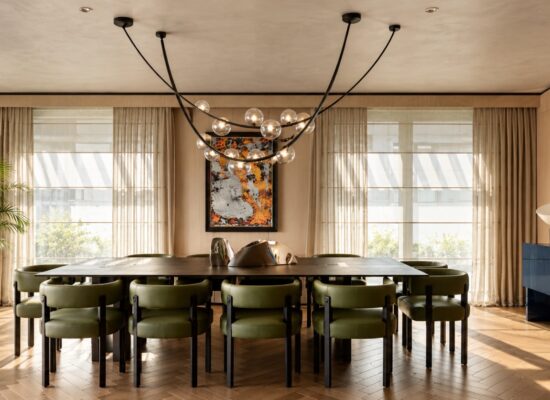
Belgian bespoke lights
Belgian Bespoke Lights: Craftsmanship, Character & Tailored Illumination Lighting can influence how architecture feels long after the sun has disappeared.…
17 Sep 2026
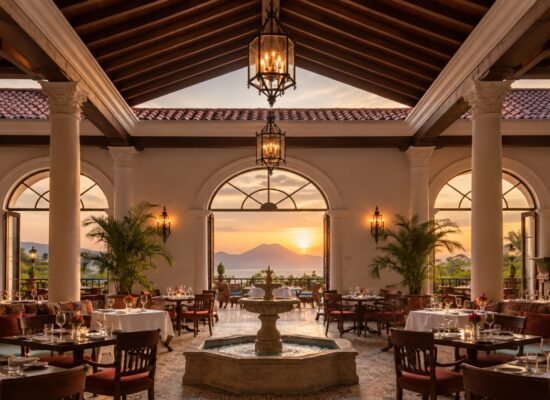
Spanish bespoke lights
Spanish Bespoke Lights: The Art of Custom Lighting from Spain Spanish bespoke lights combine artistic expression, skilled craftsmanship and contemporary…
17 Sep 2026
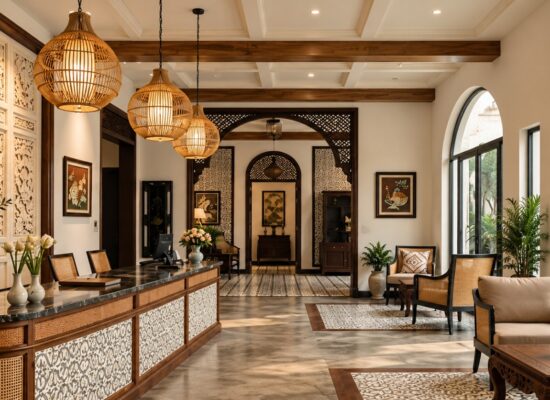
Czech bespoke lights
Czech Bespoke Lights: Handcrafted Lighting for Luxury Spaces Worldwide Lighting is no longer treated simply as a functional element within…
16 Sep 2026
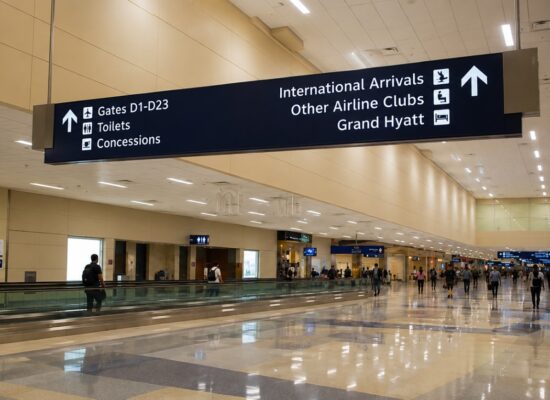
Signage Solutions: Fundamentals, Types, Purpose & Design
Signage is an important part of the built environment. From a hotel entrance and corporate headquarters to shopping malls, airports,…
16 Sep 2026
10 Outdoor Lighting Mistakes – And How to Avoid Them
10 Outdoor Lighting Mistakes That Cost Architects, Developers & Contractors — And How to Avoid Them If you've ever walked…
subscribe for newsletter

Luzion is a leading manufacturer and exporter of high-quality LED lighting solutions. With a focus on design, research, and innovation, we offer a wide range of products for commercial, industrial, residential, and outdoor spaces.
