

Search
Category
- Bollard Light
- Commercial Lighting
- Energy-Efficient Lighting
- LAMPS
- LED Lights
- LED Uplighter
- Light and Colour Theory
- Lighting & Signage Solutions
- Lighting Design and Facade Lighting
- Lighting Design Consultancy UAE
- lighting design principles
- Lighting Fundamentals and Design Principles
- Lighting Solutions
- Nature of Light in Lighting Design
- Panel Lights vs. Spot Lights
- Portable Lights
- Signage Solutions
- Smart Controllers for Streetlights
- Solar Lights
- Tree Lighter
- Uncategorized
Recent Posts

Austrian bespoke lights
British Bespoke Lights

French Bespoke Lighting
Tags
- Architectural Lighting
- Architectural Lighting Design
- Architectural Lighting Design UAE
- automation
- Best Lighting Design Consultancy in UAE
- COB LED Technology
- COB Spotlights
- Color Temperature in Lighting
- Commercial Lighting Design
- Commercial Lighting Fixtures
- Commercial Lighting Innovations
- Commercial Lighting UAE
- Cylinder COB Lights
- Dialux Lighting Design
- Dialux Lighting Design UAE
- Energy Efficient Lighting
- Energy-Efficient Lighting USA
- Exterior Lighting Solutions
- Facade & Exterior Lighting
- Facade Lighting
- Facade Lighting Design
- Facade Lighting Design UAE
- Facade lighting ideas
- Facade Lighting UAE
- Facade Uplighting
- Green Building Design
- Indoor & Exterior Lighting Solutions
- Interior Lighting Design
- Lamps
- LED Lighting Solutions
- LED lights
- LED Panel
- LED Uplighters
- LED vs Halogen
- Light and Color Theory
- Lighting Basics
- Lighting Consultancy UAE
- Lighting Design
- Lighting Design Consultancy in UAE
- Lighting Design Principles
- Lighting Design UAE
- Lighting Fundamentals Guide
- Lighting Layers
- Lumen Output in Lighting
- Modern Building Lighting Ideas
- Modern Lighting Ideas
- Office Lighting Solutions
- Outdoor Lighting Consultants UAE
- Panel Lights vs. Spot Lights
- Portable Lights
- smart light
- Smart Lighting Systems
- Sustainable Architecture
- Sustainable Lighting UAE
- Villa Lighting UAE
15Sep 2026
- Lighting Solutions


Scandinavian Bespoke Lights
Scandinavian Bespoke Lighting for Luxury & Architectural Projects
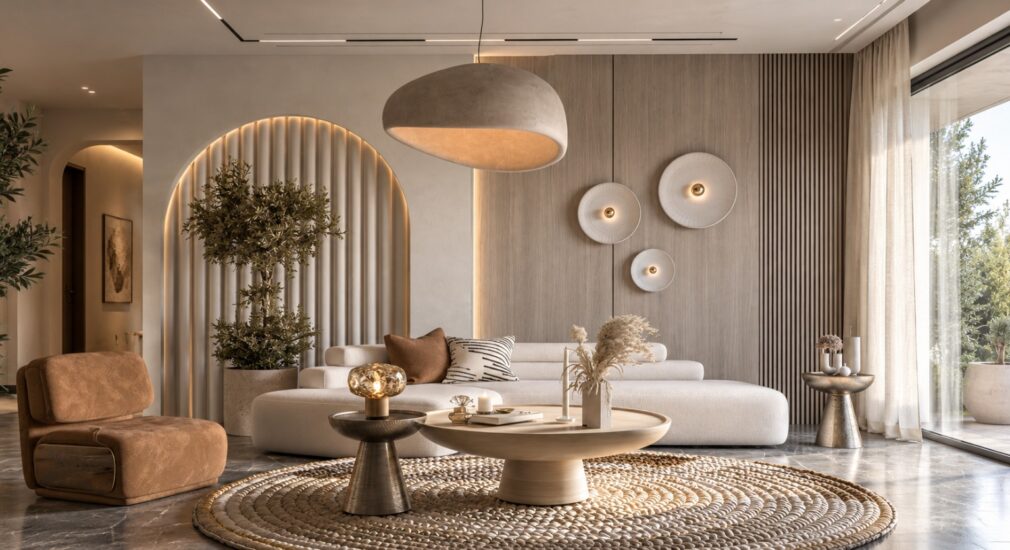
Scandinavian bespoke lighting brings together understated elegance, functional design and refined craftsmanship to create lighting that feels considered rather than excessive. Inspired by Nordic design traditions, bespoke Scandinavian lighting combines clean forms, balanced proportions, natural materials and carefully controlled illumination for residential, hospitality, commercial and architectural environments.
For architects, interior designers, developers and lighting consultants, Scandinavian lighting offers a versatile design language that can complement both contemporary architecture and more traditional interiors. When the lighting is custom-made, dimensions, materials, finishes, light distribution and mounting details can be adapted to the specific requirements of a project.
Luzion develops and supplies bespoke lighting solutions for projects where standard catalogue products cannot deliver the desired visual character, dimensions or technical specification. From decorative statement fixtures to architectural lighting elements, custom lighting can be developed around the project’s concept, interior palette and performance requirements.
What Is Scandinavian Bespoke Lighting?
Scandinavian bespoke lighting refers to custom-designed or made-to-order lighting inspired by the principles associated with Scandinavian and Nordic design. The approach typically combines simplicity, functionality, material honesty and visual warmth rather than relying on excessive ornamentation.
Unlike mass-produced decorative fixtures, bespoke lighting can be developed around a project’s individual requirements. Architects and designers may specify a particular diameter, height, finish, material, colour, suspension length, light source or mounting configuration.
This makes bespoke Scandinavian lighting particularly relevant to projects where lighting is expected to become part of the architecture or interior design rather than simply serving as a functional light source.
A custom Scandinavian fixture may be designed to:
- Match a specific architectural proportion
- Complement furniture and interior materials
- Create a distinctive focal point
- Fit unusual ceiling heights or spatial dimensions
- Achieve a particular visual identity
- Deliver a controlled lighting effect
- Coordinate multiple fixtures across a project
- Meet project-specific electrical and performance requirements
The result is lighting that feels integrated with the overall design instead of appearing as an afterthought.
Scandinavian Lighting vs Nordic Lighting
The terms Scandinavian lighting and Nordic lighting are often used interchangeably, although there is a subtle distinction.
Scandinavian design traditionally refers primarily to the design heritage of Denmark, Sweden and Norway, while Nordic design is a broader term that can also encompass Finland and Iceland.
Both design traditions share several characteristics:
- Minimal visual clutter
- Functional forms
- Natural materials
- Refined craftsmanship
- Soft and comfortable illumination
- Neutral and understated finishes
- Strong attention to proportion
- Practicality combined with aesthetic quality
For architectural projects, the distinction is less important than understanding the design principles behind the style. A bespoke lighting piece may draw inspiration from Danish minimalism, Swedish simplicity, Norwegian natural materials or broader Nordic design traditions while being manufactured specifically for a contemporary international project.
This broader interpretation creates opportunities for Nordic lighting design across luxury residences, boutique hotels, restaurants, offices, retail environments and hospitality developments.
The Design Philosophy Behind Scandinavian Lighting
The strength of Scandinavian lighting lies in its restraint.
Rather than competing with architecture, well-designed Scandinavian fixtures support the character of a space through proportion, materiality and light quality. The fixture itself can become a design feature, but it usually retains a sense of balance and visual discipline.
Simplicity Without Losing Character
Scandinavian lighting design is often associated with clean geometry and uncomplicated silhouettes. Cylinders, spheres, cones, linear forms, domes and softly curved profiles can create a distinctive appearance without unnecessary decorative elements.
For bespoke projects, these forms can be modified to suit the architecture.
A pendant may be increased in diameter for a large hospitality lobby. A wall light may be redesigned with a different projection to suit a narrow corridor. A series of fixtures may be proportionally adjusted so that they maintain a consistent visual rhythm across a restaurant or hotel.
Functionality as Part of the Design
Scandinavian design traditionally places strong importance on functionality.
In lighting, this means the visual appearance of a fixture should work together with its optical and technical performance. A beautifully designed luminaire still needs to provide the right level, distribution and quality of illumination for its intended environment.
This philosophy makes Scandinavian-inspired lighting particularly suitable for professional architectural projects where aesthetics and performance must coexist.
Natural Materials & Visual Warmth
Natural and tactile materials can give Scandinavian designer lighting its characteristic warmth.
Depending on the design concept, bespoke fixtures may incorporate:
- Wood
- Metal
- Aluminium
- Brass
- Stainless steel
- Glass
- Fabric
- Acrylic
- Stone-inspired finishes
- Powder-coated surfaces
- Special decorative finishes
Material selection can significantly influence the atmosphere of a space. Wood can introduce warmth and organic character, while metal can create a more architectural or contemporary appearance. Glass can provide visual lightness, while carefully selected textured or diffused materials can soften the appearance of the light source.
For commercial and hospitality projects, the material and finish can also be coordinated with furniture, wall finishes, flooring, joinery and architectural details.
Why Bespoke Scandinavian Lighting Works for Modern Architecture
Modern architecture often demands lighting that fits the building rather than forcing the building to accommodate a standard fixture.
This is where custom Scandinavian lighting becomes valuable.
A bespoke fixture can be developed around:
Scale → Geometry → Material → Finish → Light Source → Optics → Installation → Interior Concept
This design-led approach allows lighting to become part of the architectural language.
For example, a luxury villa with a warm natural-material palette may benefit from custom pendants with timber-inspired finishes and warm illumination. A contemporary hotel may require a repeated family of luminaires in different dimensions for its lobby, guest corridors and dining areas. A premium restaurant may need sculptural suspended fixtures that provide both ambient illumination and visual identity.
The underlying Scandinavian aesthetic can remain consistent while the actual fixture is adapted to the project’s requirements.
Craftsmanship in Bespoke Scandinavian Lighting
Craftsmanship is an important part of the appeal of bespoke lighting.
A custom luminaire is not simply a standard product with a different colour. Depending on the project, the design process may involve concept development, dimensional adjustments, material selection, prototyping, finishing, optical consideration and production engineering.
For architects and designers, this provides greater control over the final result.
The process can include:
- Design Concept — understanding the project’s architectural and interior direction.
- Dimensional Development — establishing proportions, diameter, height, projection and overall scale.
- Material Selection — selecting materials and finishes that suit the design intent.
- Lighting Development — defining the LED source, colour temperature, optics and required performance.
- Prototype Development — evaluating form, finish, construction and illumination where required.
- Production — manufacturing the approved design according to project specifications.
- Quality Review — checking workmanship, finish and technical requirements before delivery.
This combination of design and engineering allows Scandinavian bespoke lights to serve both aesthetic and professional project requirements.
Materials, Finishes & Customisation
One of the strongest advantages of bespoke lighting is the ability to coordinate the fixture with the wider interior or architectural palette.
A project may require a specific metallic finish, custom powder coating, brushed surface, timber element, glass treatment or proprietary colour. Dimensions can also be adjusted to create visual consistency across multiple spaces.
For large projects, this is particularly useful when the lighting needs to become part of a coordinated design language.
A designer may specify:
- Fixture dimensions
- Suspension length
- Mounting method
- Housing material
- Surface finish
- Colour
- Diffuser type
- Light source
- Colour temperature
- CRI
- Dimming compatibility
- Cable and canopy configuration
The result is bespoke Scandinavian lighting that is developed around the project rather than selected solely from a fixed catalogue.
A Timeless Approach to Decorative Lighting
Trends change, but well-proportioned lighting can remain relevant for many years.
The restrained character of Scandinavian decorative lighting makes it adaptable to different interior styles. It can complement contemporary luxury interiors, minimalist residential spaces, boutique hospitality environments, premium restaurants and modern commercial architecture.
The objective is not simply to create a fixture that looks Scandinavian. It is to create lighting that applies the underlying principles of Scandinavian design—clarity, functionality, proportion, craftsmanship and material quality—to the needs of the individual project.
For global architectural projects, this distinction is important. The final fixture should respond to the architecture, local project requirements and intended user experience while maintaining a coherent design identity.
Scandinavian Bespoke Lighting: Fixtures, Applications & Project Solutions
The right lighting fixture does more than illuminate a space. In a well-resolved architectural interior, its scale, silhouette, material and light distribution contribute to the identity of the environment. This is particularly true of Scandinavian bespoke lighting, where understated forms and carefully considered details are used to create a refined visual experience.
Because bespoke fixtures can be developed around a project’s dimensions and design concept, Scandinavian-inspired lighting can be adapted across residential, hospitality, commercial and luxury architectural environments.
Scandinavian Pendant Lights for Architectural Interiors
Scandinavian pendant lights are among the most recognisable expressions of Nordic-inspired lighting. Their clean silhouettes, controlled proportions and refined material palettes make them suitable for both decorative and functional applications.
A bespoke pendant can be developed as a single statement fixture or as part of a coordinated group.
Common applications include:
- Hotel reception areas
- Luxury villa entrances
- Dining rooms
- Restaurant tables
- Kitchen islands
- Double-height lobbies
- Boutique retail spaces
- Private residences
- Executive lounges
- Hospitality lounges
For larger architectural spaces, multiple pendants can be arranged at different heights or produced in different diameters while maintaining a common design language.
Bespoke Scandinavian pendant lighting is particularly useful where a standard fixture does not provide the required scale. A large atrium, for example, may require a custom suspension length and significantly larger luminaire diameter than a conventional residential pendant.
The lighting designer can also coordinate the pendant’s optical performance with the intended task. Decorative ambient illumination, focused table lighting and softer atmospheric lighting may require different approaches to LED output, beam distribution and diffusion.
Scandinavian Wall Lights for Layered Illumination
Scandinavian wall lights provide another opportunity to combine architectural simplicity with functional illumination.
Wall-mounted fixtures can be used to establish visual rhythm along corridors, frame architectural elements, illuminate artwork or create softer layers of ambient light.
Custom wall lighting is especially valuable when the wall construction, mounting height or required projection differs from standard products.
Applications can include:
- Hotel corridors
- Villa passageways
- Bedroom interiors
- Restaurant walls
- Staircases
- Reception areas
- Retail environments
- Hospitality lounges
- Residential living spaces
A bespoke wall luminaire can be designed with direct, indirect or combined illumination. The housing can also be adapted to coordinate with the project’s metalwork, timber, stone, plaster or other interior finishes.
For architects, this provides greater control over both the appearance of the fixture and the way light interacts with the surrounding surface.
Scandinavian Floor Lamps for Ambient Lighting
Scandinavian floor lamps often combine practical illumination with a sculptural yet restrained form. Their freestanding nature makes them useful where flexibility is required without extensive ceiling or wall installation.
They can provide:
- Reading illumination
- Ambient lighting
- Decorative illumination
- Lounge lighting
- Corner illumination
- Accent lighting
In luxury residential projects, custom floor lamps can be designed to complement sofas, lounge chairs, side tables and architectural features.
For hospitality projects, larger-scale floor luminaires can help establish intimate zones within expansive lounges, hotel rooms or reception environments.
A bespoke approach allows the designer to control the overall height, base proportions, shade dimensions, cable arrangement and finish so that the fixture sits naturally within the surrounding furniture and architecture.
Scandinavian Table Lamps for Residential & Hospitality Spaces
Scandinavian table lamps are particularly effective where warm, localised illumination is required.
They can be specified for:
- Bedside tables
- Hotel rooms
- Reception desks
- Sideboards
- Restaurant tables
- Executive offices
- Reading areas
- Living rooms
- Hospitality lounges
For hotel and residential applications, the scale of a table lamp can have a significant effect on the visual balance of the room. Bespoke manufacturing allows dimensions, shade proportions, materials and finishes to be coordinated with the furniture package.
A custom table lamp can therefore become part of a broader interior design scheme rather than functioning as an isolated decorative object.
Scandinavian Ceiling Lights for Clean Architectural Spaces
Scandinavian ceiling lights can provide general illumination while maintaining a visually clean ceiling plane.
Flush-mounted, semi-flush and compact ceiling luminaires are useful in spaces where pendant suspension is unsuitable or where the architecture calls for a more discreet fixture.
Typical applications include:
- Bedrooms
- Corridors
- Offices
- Retail areas
- Hospitality spaces
- Residential circulation areas
- Compact commercial interiors
Custom ceiling fixtures can be adapted for specific ceiling conditions, required mounting methods and desired light distribution.
For minimalist interiors, the fixture may be intentionally understated. In other projects, the ceiling luminaire can introduce a carefully controlled decorative element without overwhelming the architecture.
Bespoke Lighting for Luxury Homes & Villas
Scandinavian lighting for luxury homes works particularly well when the interior design emphasises natural materials, neutral tones, clean geometry and comfortable spaces.
Lighting can be customised for different zones rather than relying on a single decorative style throughout the property.
Living Areas
Custom pendants, floor lamps and wall lights can establish a combination of ambient and decorative illumination.
Dining Areas
Suspended fixtures can be proportioned around the dining table to create visual focus while delivering comfortable illumination.
Bedrooms
Bedside wall lights, table lamps and subtle ceiling fixtures can create a calmer atmosphere while supporting practical activities.
Staircases
Wall-mounted or suspended fixtures can provide visual rhythm and highlight architectural geometry.
Entrance & Foyer
A bespoke pendant or sculptural fixture can become a defining feature of the entrance while establishing the design language for the rest of the residence.
For villas with double-height spaces, custom dimensions become particularly important. Standard residential fixtures can appear visually undersized in large volumes, whereas a bespoke fixture can be developed specifically for the architectural scale.
Scandinavian Lighting for Hotels & Hospitality Projects
Hospitality environments demand lighting that performs aesthetically, functionally and commercially.
Scandinavian hotel lighting can help create an atmosphere that feels sophisticated without becoming visually excessive.
Custom lighting can be specified across:
- Hotel lobbies
- Reception desks
- Guest rooms
- Corridors
- Restaurants
- Bars
- Lounges
- Meeting rooms
- Wellness areas
- Boutique hotel interiors
The advantage of a coordinated bespoke lighting family is consistency.
For example, a hotel may use a large custom pendant in the lobby, smaller versions above restaurant tables and matching wall fixtures throughout guest corridors. Each luminaire can have different dimensions and optical requirements while maintaining the same material and design language.
This creates a coherent visual identity across the property.
Scandinavian Restaurant Lighting
Restaurants require a balance between atmosphere, visual comfort and functional illumination.
Scandinavian restaurant lighting can introduce warmth through material selection, scale and controlled illumination while supporting the overall dining experience.
Custom fixtures can be designed around:
- Table dimensions
- Ceiling height
- Seating arrangement
- Interior materials
- Brand identity
- Desired ambience
- Maintenance requirements
Pendant fixtures positioned above dining tables can create intimate pools of light, while wall and ceiling lighting can provide additional layers throughout the space.
For premium restaurants, bespoke lighting also offers an opportunity to create a recognisable visual element that contributes to the identity of the venue.
Scandinavian Lighting for Retail & Commercial Interiors
The simplicity of Scandinavian commercial lighting can complement modern retail and workplace environments where architecture and product presentation need to remain visually clear.
Applications include:
- Fashion stores
- Lifestyle retailers
- Showrooms
- Corporate offices
- Creative studios
- Reception areas
- Executive spaces
- Boutique commercial interiors
In retail environments, decorative lighting may be combined with architectural accent lighting to separate general illumination from product-focused lighting.
In offices, bespoke decorative fixtures can be used in reception areas, collaboration spaces and executive zones while technical lighting systems address general workplace illumination.
This layered approach allows decorative and architectural lighting to perform different roles within the same project.
Scandinavian Lighting for Architects & Interior Designers
For professional specifiers, the value of Scandinavian designer lighting is not limited to visual appearance.
A successful fixture needs to work within the project’s architectural, technical and procurement framework.
Architects and interior designers may require:
- Custom dimensions
- Material samples
- Finish samples
- Technical drawings
- Photometric information
- LED specifications
- Driver information
- Dimming compatibility
- Mounting details
- Installation requirements
- Custom colour options
- Project-specific quantities
A bespoke manufacturer can work from a concept, sketch, reference image, dimensional requirement or developed design brief and translate it into a manufacturable lighting solution.
This collaborative process is particularly valuable for projects where standard catalogue products cannot satisfy the design intent.
Custom Scandinavian Lighting for International Projects
The appeal of Scandinavian design is not restricted to the Nordic region. Its restrained aesthetic can be adapted to architectural projects across different countries and climates.
Custom Scandinavian lighting can be developed for luxury residential and hospitality projects in the UAE and wider GCC, as well as projects across India, the UK, Europe, the USA, Asia-Pacific and other international markets.
However, the design should not simply be copied from one geographic market to another.
Project-specific considerations may include:
- Local electrical requirements
- Environmental conditions
- Indoor or outdoor installation
- Required IP protection
- Mounting conditions
- Maintenance access
- Lighting controls
- Project operating hours
- Local procurement requirements
This is where a professional lighting manufacturer can add value by translating the aesthetic concept into a technically appropriate project solution.
From Individual Fixtures to Complete Lighting Families
One of the strongest advantages of bespoke production is the ability to develop a lighting family rather than a single isolated fixture.
A coordinated family might include:
Pendant → Wall Light → Floor Lamp → Table Lamp → Ceiling Light
Each product can share common materials, finishes, geometry and detailing while being adapted for its specific application.
This approach is particularly effective for hotels, restaurants, luxury residences and branded commercial environments where consistency across multiple spaces is important.
Instead of selecting unrelated products from different collections, designers can establish a unified lighting vocabulary throughout the project.
Choosing the Right Scandinavian Lighting Approach
There is no single Scandinavian fixture that works for every project. The right solution depends on the architecture, interior concept, scale, lighting requirements and intended experience.
A considered specification should evaluate:
- Purpose — decorative, ambient, accent or task lighting.
- Scale — relationship between fixture dimensions and the surrounding architecture.
- Material — compatibility with furniture and interior finishes.
- Light Quality — colour temperature, CRI and visual comfort.
- Distribution — how the light should spread through the space.
- Installation — ceiling, wall, floor or table mounting.
- Customisation — whether standard dimensions are sufficient.
- Project Requirements — electrical, environmental and maintenance considerations.
This design-led approach ensures that Scandinavian bespoke lighting is not selected only because of its appearance. It is specified because it provides the right combination of design character, functionality and project suitability.
Scandinavian Bespoke Lighting: Manufacturing, Technical Specification & Global Project Supply
A successful bespoke lighting project requires more than an attractive concept. The fixture must be engineered, manufactured and finished with the same level of attention given to its visual design. For architects, interior designers, lighting consultants, developers and procurement teams, this connection between design and technical execution is essential.
Scandinavian bespoke lighting can be adapted to project-specific dimensions, materials, finishes and lighting performance while retaining the clean, refined character associated with Scandinavian and Nordic design.
From the first design brief to final production, a structured process helps ensure that the finished luminaire is suitable for the architecture, interior environment and intended lighting experience.
How Scandinavian Bespoke Lighting Is Designed & Manufactured
Every custom project can have different requirements. Some projects begin with an architectural concept, while others start with a sketch, reference image, mood board or specific dimensional requirement.
A professional bespoke lighting manufacturer can translate that design intent into a technically viable luminaire.
1. Project Brief & Design Intent
The first stage is understanding what the lighting needs to achieve.
The project brief may include:
- Architectural drawings
- Interior design concepts
- Reference images
- Fixture dimensions
- Required quantities
- Material preferences
- Finish requirements
- Installation conditions
- Lighting performance
- Budget parameters
- Project programme
The objective is to establish the design direction before engineering and production begin.
2. Concept Development
The initial concept is developed around the project’s architecture and interior language.
For Scandinavian designer lighting, this may involve refining geometry, proportions, surface details and material combinations while maintaining a visually balanced appearance.
At this stage, the fixture can also be evaluated in relation to the surrounding space.
3. Engineering & Dimensional Development
Once the concept is approved, the fixture must be translated into a manufacturable design.
Dimensions such as:
- Diameter
- Height
- Width
- Depth
- Projection
- Suspension length
- Mounting position
- Housing thickness
can be established according to the application.
For large architectural projects, dimensional consistency becomes particularly important when multiple fixtures are installed across different areas.
4. Prototype & Sample Development
Depending on the project, a prototype or sample may be developed before full production.
A sample can help evaluate:
- Overall proportions
- Material appearance
- Surface finish
- Light diffusion
- Brightness
- Glare
- Colour temperature
- Mounting details
- Visual integration
This stage is particularly valuable for premium hospitality and residential projects where the appearance of the final fixture needs to match the interior design concept closely.
5. Production & Quality Control
After approval, the design moves into production.
Manufacturing may involve processes such as metal fabrication, machining, forming, finishing, assembly, LED integration, electrical installation and final inspection depending on the product design.
For custom Scandinavian lighting, quality control should consider both visual and technical aspects.
This can include checking:
- Dimensions
- Surface finish
- Colour consistency
- Assembly quality
- Electrical connections
- LED performance
- Driver compatibility
- Mounting components
- Packaging requirements
The objective is to deliver a consistent lighting family across the project.
Technical Considerations for Bespoke Scandinavian Lighting
Aesthetic design is only one part of a professional lighting specification. The selected fixture also needs to provide appropriate optical and electrical performance.
Colour Temperature
Colour temperature influences the atmosphere created by the lighting.
Warm white sources are commonly considered for residential and hospitality environments where a comfortable and inviting atmosphere is desired. Cooler colour temperatures may be appropriate for specific commercial or functional environments depending on the architectural concept.
For bespoke projects, the colour temperature should be selected according to the interior materials, application and overall lighting strategy rather than simply following a design trend.
Colour Rendering Index
CRI (Colour Rendering Index) is an important consideration where the appearance of materials, finishes, artwork, furniture or merchandise needs to be represented accurately.
Higher colour rendering performance can be particularly valuable in:
- Luxury residences
- Hotels
- Restaurants
- Retail environments
- Galleries
- Showrooms
- Hospitality interiors
The required CRI should be specified according to the project’s functional and visual requirements.
Beam Angle & Light Distribution
The optical distribution of a fixture affects how light reaches the surrounding surfaces.
Depending on the design, bespoke lighting may use:
- Wide distribution
- Medium distribution
- Narrow distribution
- Diffused illumination
- Direct illumination
- Indirect illumination
- Direct/indirect combinations
A decorative pendant, for example, may require soft diffused light, while a wall-mounted fixture could be designed to distribute light vertically across an architectural surface.
For professional projects, the optical approach should be considered together with the room dimensions, mounting height, surface reflectance and desired visual effect.
Dimming & Lighting Controls
Modern architectural interiors frequently require lighting controls to create different scenes throughout the day.
A bespoke luminaire may therefore need to be compatible with the project’s selected control strategy.
Depending on the specification, this may involve:
- Dimmable LED drivers
- Phase dimming
- DALI
- 0–10V
- Digital control systems
- Smart lighting integration
The appropriate control method should be confirmed during the technical specification stage to ensure compatibility between the luminaire, driver and building control system.
LED Technology
LED architectural lighting provides flexibility in terms of energy efficiency, operating life, compact form factors and controllable light output.
For bespoke Scandinavian fixtures, LED integration can also influence the physical design.
The LED source, driver, heat management, diffuser and optical components need to work together to provide consistent performance.
For custom fixtures, the technical design should consider:
- LED wattage
- Lumen output
- CCT
- CRI
- LED lifetime
- Driver specification
- Thermal management
- Dimming
- Optical distribution
- Maintenance requirements
The right combination allows the lighting to achieve the intended appearance without compromising practical performance.
Materials & Finishes for Custom Scandinavian Lighting
Material selection has a significant influence on the character of Scandinavian bespoke lights.
The same fixture geometry can look completely different depending on whether it is produced in wood, aluminium, brass, stainless steel, glass or another selected material.
Wood & Natural Finishes
Wood-inspired finishes can introduce warmth and an organic quality that complements Nordic design principles.
They can work particularly well in:
- Luxury residences
- Boutique hotels
- Restaurants
- Wellness interiors
- Hospitality lounges
The specific material, treatment and finish should be selected according to the project’s environment and maintenance requirements.
Metal Finishes
Metal allows designers to create a more architectural appearance while maintaining clean forms.
Possible finishes may include:
- Brushed metal
- Satin metal
- Polished surfaces
- Powder-coated finishes
- Matte finishes
- Custom colours
- Special decorative finishes
For branded hospitality environments, custom colours can also help coordinate the lighting with the project’s interior identity.
Glass & Diffusing Materials
Glass and other diffusing materials can soften the appearance of the light source and create a more comfortable visual experience.
Depending on the design, they can be transparent, translucent, opal or otherwise treated to achieve the desired optical and decorative effect.
Custom Colours & Project Finishes
For large-scale projects, colour consistency can be important.
A bespoke lighting manufacturer can work with project-specific finish requirements so that luminaires coordinate with:
- Furniture
- Joinery
- Metalwork
- Wall finishes
- Flooring
- Architectural details
- Brand identity
This level of coordination is one of the key advantages of custom Scandinavian lighting over purely catalogue-based selection.
Technical Documentation for Architects & Lighting Designers
Professional projects often require more than product photographs.
Architects, MEP consultants, lighting designers and procurement teams may require technical information before approving a luminaire.
Depending on the product and project, documentation can include:
- Product datasheets
- Technical drawings
- Dimensions
- Mounting details
- Electrical specifications
- LED information
- Driver details
- Photometric files
- IES files
- LDT files
- BIM information where applicable
- Installation instructions
- Finish samples
- Material information
- Warranty documentation
Accurate documentation helps the project team evaluate the product and incorporate it into the wider lighting design.
For projects using DIALux or other lighting design software, appropriate photometric data can be particularly useful for evaluating illumination performance before installation.
Scandinavian Bespoke Lighting for UAE & GCC Projects
The refined character of Scandinavian lighting can work effectively with contemporary architecture across the Gulf region, particularly in luxury residential, hospitality, retail and commercial developments.
UAE
In the UAE, Scandinavian-inspired lighting can complement contemporary villas, hotels, restaurants, retail interiors and premium commercial developments in cities such as Dubai, Abu Dhabi, Sharjah and Ras Al Khaimah.
The combination of minimal forms and premium materials can work alongside modern stone, timber, metal and glass interiors.
For projects in the region, technical specifications should also consider the installation environment, maintenance strategy and applicable project requirements.
Saudi Arabia
Scandinavian lighting in Saudi Arabia can be adapted for luxury residences, hospitality developments, restaurants, retail environments, offices and large-scale mixed-use projects.
Cities including Riyadh, Jeddah, Dammam and emerging development zones present opportunities for custom lighting where architectural identity and interior design need to work together.
Qatar
In Qatar, bespoke Scandinavian lighting can be considered for hotels, luxury residences, restaurants, retail spaces and commercial interiors, particularly where contemporary minimalism and premium material finishes are part of the design direction.
Kuwait
Scandinavian lighting in Kuwait can be adapted for villas, hospitality interiors, retail projects, offices and luxury residential environments where custom dimensions and finishes are required.
Oman
For projects in Muscat and other parts of Oman, Scandinavian-inspired fixtures can complement contemporary hospitality, residential and commercial architecture while allowing designers to customise materials and proportions around the project.
Bahrain
Scandinavian bespoke lighting in Bahrain can be specified for hotels, restaurants, residences, offices and premium commercial environments where a refined, understated design language is preferred.
Scandinavian Bespoke Lighting for India
India’s hospitality, residential, retail and commercial sectors provide significant opportunities for Scandinavian lighting design.
Luxury villas, boutique hotels, restaurants, premium apartments, offices and retail environments can benefit from lighting that combines clean geometry with warm material expression.
Projects in cities such as Ahmedabad, Mumbai, Delhi, Bengaluru, Hyderabad, Chennai and Pune may have very different architectural identities, making customisation particularly valuable.
Rather than applying the same fixture everywhere, dimensions, finishes and lighting characteristics can be adapted to the project’s architectural concept.
Scandinavian Lighting for the USA, UK & Europe
The clean visual language of Nordic lighting design is naturally compatible with contemporary architectural interiors across international markets.
USA
Custom Scandinavian lighting can be considered for:
- Luxury residences
- Boutique hotels
- Restaurants
- Retail spaces
- Offices
- Hospitality interiors
Major design markets such as New York, Los Angeles, Miami, Chicago and San Francisco offer opportunities for premium decorative and architectural lighting.
UK
In the UK, Scandinavian lighting can complement contemporary homes, hospitality interiors, restaurants, offices and retail environments.
Projects in London, Manchester, Birmingham and Edinburgh can benefit from fixtures developed around specific architectural dimensions and interior finishes.
Europe
Scandinavian-inspired lighting naturally complements European design environments where simplicity, material quality and craftsmanship are important.
Custom fixtures can be developed for hospitality, residential, retail and commercial projects across European markets while adapting the design to local project requirements.
Global Supply of Bespoke Scandinavian Lighting
The demand for distinctive lighting is increasingly international. Architects and interior designers may specify a Scandinavian-inspired concept for a project located thousands of kilometres from the design studio or manufacturing facility.
This makes reliable project coordination essential.
A professional Scandinavian lighting manufacturer and supplier should be able to support the project through:
Design Brief → Technical Development → Sample Approval → Production → Quality Inspection → Documentation → Packaging → International Delivery
For global projects, communication and documentation are as important as the physical product.
Clear specifications help reduce misunderstandings related to dimensions, finishes, quantities, electrical requirements and installation.
Why Custom Manufacturing Matters for Architectural Projects
Standard lighting products can work extremely well when the required dimensions, appearance and technical characteristics already exist within a catalogue.
However, some architectural projects demand something different.
A custom approach becomes valuable when:
- The fixture needs a non-standard size
- A particular material or finish is required
- Multiple dimensions are needed within one design family
- The project requires a unique visual identity
- Standard products do not fit the architectural scale
- A designer wants to develop a signature fixture
- The lighting needs to coordinate with bespoke furniture or interiors
- A specific technical configuration is required
This is where bespoke Scandinavian lighting moves from decorative styling into professional architectural specification.
Luzion for Scandinavian Bespoke Lighting Projects
Luzion approaches bespoke lighting as a combination of design, engineering and manufacturing.
For architects, developers, interior designers, lighting consultants, contractors and procurement teams, custom lighting can be developed around the project’s design intent while considering the practical requirements of production and installation.
The process can support projects requiring:
- Custom dimensions
- Bespoke materials
- Special finishes
- Custom colours
- LED integration
- Different colour temperatures
- Specific CRI requirements
- Dimming compatibility
- Project-specific mounting
- Coordinated lighting families
- Technical documentation
- International project supply
This makes Luzion suitable for projects where Scandinavian bespoke lighting needs to be adapted rather than simply selected from an existing catalogue.
From Concept to Completed Project
The most effective bespoke lighting projects bring the designer, manufacturer and project team together early.
When the aesthetic direction is established alongside technical requirements, the final luminaire can be developed with greater precision.
For a luxury residence, that may mean creating a family of fixtures that connects the entrance, living spaces, dining area and bedrooms.
For a hotel, it may mean developing coordinated luminaires for the lobby, restaurant, guest rooms and corridors.
For a commercial project, it may involve combining decorative Scandinavian-inspired fixtures with architectural and technical lighting systems.
In every case, the objective is the same: create lighting that belongs to the architecture rather than simply occupying the space.
Scandinavian Bespoke Lighting: Expert Guide, Global Applications & Frequently Asked Questions
Choosing bespoke lighting is not simply a matter of selecting a beautiful fixture. The right solution needs to respond to the architecture, interior concept, scale, lighting requirements, material palette, installation conditions and long-term use of the project.
For architects, interior designers, developers, lighting consultants and procurement teams, Scandinavian bespoke lighting offers a design language that can remain visually refined while being adapted to the specific requirements of a project.
From a single statement pendant to a complete family of custom luminaires, the most successful projects begin with a clear understanding of both design intent and technical requirements.
How Do You Choose Scandinavian Bespoke Lighting?
The selection process should begin with the project rather than the product.
Before specifying a custom Scandinavian luminaire, consider:
1. Define the Design Intent
Determine whether the fixture should be:
- A subtle architectural element
- A decorative feature
- A statement installation
- A source of ambient illumination
- A functional task light
- A combination of decorative and functional lighting
This helps establish the appropriate form, scale and optical approach.
2. Establish the Required Scale
A fixture that looks perfectly proportioned in a showroom may appear too small or too large within an actual architectural space.
Consider:
- Ceiling height
- Room dimensions
- Furniture scale
- Viewing distance
- Installation height
- Number of fixtures
- Relationship to surrounding architecture
This is one of the major reasons bespoke Scandinavian lighting can be advantageous for luxury architectural projects.
3. Select Appropriate Materials
Materials should support the overall interior concept.
A warm residential environment may benefit from natural or warm-toned finishes, while a contemporary commercial interior may require a more architectural metal finish.
Material selection should also consider durability, cleaning, maintenance and installation conditions.
4. Define Lighting Performance
A decorative fixture still needs to provide the appropriate lighting experience.
Depending on the application, consider:
- Lumen output
- Wattage
- CCT
- CRI
- Beam distribution
- Diffusion
- Glare control
- Dimming
- Driver compatibility
The lighting should support the function of the space without compromising the visual character of the fixture.
5. Coordinate With the Interior
The best Scandinavian designer lighting does not exist independently from the surrounding environment.
Coordinate the fixture with:
- Furniture
- Flooring
- Wall finishes
- Joinery
- Architectural details
- Metalwork
- Decorative materials
- Brand identity
This creates a more cohesive interior.
Why Choose Bespoke Instead of Standard Scandinavian Lighting?
Standard products are often the right solution when an existing fixture meets the project’s requirements.
However, bespoke lighting becomes valuable when the project requires greater control.
Standard Lighting
Suitable when:
- Dimensions are already available
- The required finish is standard
- The design fits the project
- The quantity can be sourced consistently
- No major technical modification is required
Bespoke Lighting
More suitable when:
- Dimensions need to be customised
- A unique design is required
- The project needs special finishes
- A coordinated lighting family is required
- The fixture must fit unusual architecture
- A particular material combination is required
- A designer wants a distinctive signature piece
- Project-specific technical requirements must be accommodated
The decision should therefore be based on the project’s actual requirements rather than choosing custom lighting simply because it is considered more exclusive.
Scandinavian Lighting for Luxury Hospitality
Luxury hospitality environments provide an excellent setting for Scandinavian hospitality lighting because the design philosophy can combine visual simplicity with warmth and comfort.
Hotels, resorts, restaurants and lounges can use bespoke lighting to establish distinct zones while maintaining a consistent visual identity.
A project might include:
Lobby → Reception → Lounge → Restaurant → Guest Rooms → Corridors → Private Dining → Wellness Areas
Each area may require different fixture dimensions, light levels and optical characteristics while maintaining a common material and design language.
This allows the lighting to contribute to the identity of the property without making every space look identical.
Scandinavian Lighting for Luxury Residential Projects
In residential architecture, lighting is closely connected with comfort and atmosphere.
Scandinavian residential lighting can complement interiors where natural materials, neutral colours, simple geometry and carefully selected furniture are central to the design.
Bespoke fixtures can be developed for:
- Entrance foyers
- Living rooms
- Dining rooms
- Kitchens
- Bedrooms
- Staircases
- Home offices
- Walk-in wardrobes
- Private lounges
- Outdoor covered areas where suitable
For luxury villas, custom proportions can be particularly important because large architectural volumes often require fixtures that cannot be achieved with conventional residential products.
Scandinavian Lighting for Architects & Interior Designers
Architects and interior designers increasingly require lighting that can be integrated into a broader design concept.
A bespoke manufacturer can become part of that design process rather than simply supplying a finished catalogue item.
The collaboration may begin with:
Concept → Reference → Sketch → Dimensions → Material → Technical Development → Sample → Approval → Production
This approach allows designers to maintain greater control over the final appearance.
For professional specification, it is also important to establish technical information early, including dimensions, electrical requirements, light source, driver, mounting system, finish and photometric information where applicable.
Scandinavian Bespoke Lighting in UAE & GCC
The demand for premium architectural interiors across the Gulf creates opportunities for Scandinavian bespoke lighting UAE and wider GCC applications.
The region’s luxury villas, hotels, resorts, restaurants, retail developments and commercial interiors often combine contemporary architecture with premium materials and carefully curated interior design.
UAE
Scandinavian lighting in Dubai and Abu Dhabi can be adapted for luxury villas, hospitality interiors, restaurants, retail environments, corporate spaces and premium developments.
Custom fixtures can be designed around high ceilings, large interiors, statement entrances and sophisticated material palettes.
Saudi Arabia
Scandinavian bespoke lighting in Saudi Arabia can support luxury residential, hospitality, commercial and mixed-use developments across markets such as Riyadh and Jeddah.
Large architectural volumes and project-specific interiors can benefit from custom fixture dimensions and coordinated lighting families.
Qatar
In Doha and other Qatari markets, Scandinavian-inspired fixtures can complement modern hospitality, residential and commercial interiors where minimalism and premium materials are part of the design language.
Kuwait
Custom Nordic-inspired lighting can be adapted for luxury villas, hotels, restaurants, retail spaces and commercial interiors in Kuwait.
Oman
Projects in Muscat and other Omani markets can incorporate Scandinavian-inspired lighting into hospitality, residential and commercial architecture, with material and finish selections adapted to the project’s environment.
Bahrain
Bespoke Scandinavian fixtures can support hotels, restaurants, residences, offices and premium commercial interiors across Bahrain.
The important point is that geographic targeting should reflect actual project requirements rather than simply repeating country names. A strong GEO strategy connects each location with its architectural applications, project types and lighting considerations.
Scandinavian Lighting for India & International Markets
The same design principles can be adapted to projects across India and international markets.
In India, custom Scandinavian lighting can complement:
- Luxury residences
- Villas
- Boutique hotels
- Restaurants
- Premium retail
- Corporate interiors
- Hospitality projects
Major design and commercial centres such as Ahmedabad, Mumbai, Delhi, Bengaluru, Hyderabad, Chennai and Pune can have very different architectural requirements, so customisation provides flexibility.
Internationally, Scandinavian-inspired lighting can also be specified across the USA, UK, Europe, Australia, Canada, Singapore, Japan and other global markets.
The design concept remains consistent, but the technical specification, installation conditions, project standards and procurement requirements should be considered for each project.
A Practical Specification Checklist
Before approving a bespoke lighting fixture, project teams can review the following:
| Requirement | What to Confirm |
|---|---|
| Dimensions | Height, width, diameter, projection and suspension |
| Material | Housing, shade, diffuser and structural materials |
| Finish | Colour, texture, sheen and consistency |
| LED | Wattage, lumen output, CCT and CRI |
| Optics | Distribution, diffusion and glare considerations |
| Driver | Type, location and compatibility |
| Controls | Dimming and lighting control requirements |
| Mounting | Ceiling, wall, floor or table installation |
| Environment | Indoor/outdoor conditions and IP requirements |
| Documentation | Drawings, datasheet and photometric information |
| Sample | Finish, scale and lighting evaluation |
| Quantity | Required production volume |
| Delivery | Packaging, logistics and project schedule |
This checklist helps align the design team, manufacturer, contractor and procurement team before production.
Common Questions About Scandinavian Bespoke Lighting
What is Scandinavian bespoke lighting?
Scandinavian bespoke lighting is custom-designed or made-to-order lighting inspired by Scandinavian and Nordic design principles such as simplicity, functionality, clean geometry, natural materials and refined craftsmanship. It can be customised for dimensions, materials, finishes, light sources and project-specific requirements.
What is the difference between Scandinavian and Nordic lighting?
Scandinavian design traditionally refers primarily to Denmark, Sweden and Norway, while Nordic design is a broader term that can also include Finland and Iceland. In lighting, both approaches commonly emphasise simplicity, functionality, material quality and refined forms.
Can Scandinavian lighting be custom made?
Yes. Custom Scandinavian lighting can be developed around specific dimensions, materials, finishes, colours, suspension lengths, mounting requirements and lighting specifications. Bespoke manufacturing is particularly useful when standard catalogue products do not meet the project’s requirements.
Where is Scandinavian bespoke lighting used?
It can be used in luxury residences, villas, hotels, restaurants, offices, retail environments, hospitality spaces, lounges and other architectural interiors. Custom lighting can also be developed as coordinated fixture families across an entire project.
Is Scandinavian lighting suitable for luxury hotels?
Yes. Scandinavian hotel lighting can provide a refined and comfortable visual language for lobbies, guest rooms, restaurants, lounges, corridors and other hospitality spaces. Bespoke production allows the fixtures to be adapted to the hotel’s architecture and interior concept.
Can Scandinavian lighting be supplied internationally?
Yes. Bespoke Scandinavian-inspired lighting can be developed and supplied for architectural projects across the UAE, GCC, India, USA, UK, Europe, Asia-Pacific and other international markets, subject to project specifications, logistics and applicable technical requirements.
Why Scandinavian Bespoke Lighting Works Across Different Markets
Scandinavian design has international relevance because its core principles are not tied to one architectural style.
Simplicity can work with contemporary architecture.
Natural materials can complement luxury interiors.
Functional forms can support hospitality and commercial environments.
Custom proportions can adapt the fixture to different building scales.
This flexibility makes Scandinavian bespoke lighting relevant to a broad range of international projects.
However, successful geographic optimisation should go beyond adding location names to a page.
A project in Dubai may require a different environmental and architectural response from a project in London.
A luxury villa in Riyadh may have different scale and material requirements from a boutique hotel in Paris.
A hospitality project in India may require a different procurement and installation approach from a commercial project in the United States.
This project-specific context makes geographic content more useful to both search engines and prospective clients.
What Professional Buyers Should Look For
When selecting a supplier for bespoke architectural lighting, buyers should evaluate more than the appearance of the products.
Manufacturing Capability
Can the supplier actually develop and manufacture custom fixtures rather than simply reselling standard products?
Technical Expertise
Can the supplier provide accurate electrical, optical and dimensional information?
Customisation
Can materials, dimensions, finishes and configurations be adapted to the project?
Documentation
Can the supplier provide appropriate technical documents and photometric information where required?
Project Support
Can architects, designers, contractors and procurement teams communicate with a knowledgeable technical team?
Quality Consistency
Can the manufacturer produce consistent fixtures and finishes across larger quantities?
International Supply
Can the supplier coordinate packaging, documentation and delivery for international projects?
These factors help distinguish a professional bespoke lighting manufacturer from a purely decorative lighting retailer.
Why Luzion for Scandinavian Bespoke Lighting?
Luzion combines architectural lighting expertise with custom manufacturing capabilities to support projects that require more than standard catalogue products.
For architects, interior designers, developers, lighting consultants, contractors and procurement teams, Luzion can support bespoke lighting requirements across design development, technical coordination, manufacturing and international project supply.
The focus is on creating lighting that balances:
Design + Craftsmanship + Technical Performance + Customisation + Project Requirements
Whether the requirement is a single statement fixture, a coordinated lighting family or a larger hospitality project, bespoke development can provide greater control over the final result.
For projects in the UAE, Saudi Arabia, Qatar, Kuwait, Oman, Bahrain, India, USA, UK, Europe and other international markets, the same design philosophy can be adapted to local project requirements and architectural contexts.
Request a Bespoke Scandinavian Lighting Consultation
If your project requires a custom Scandinavian pendant, wall light, floor lamp, table lamp, ceiling fixture or a complete bespoke lighting family, the design can be developed around your architectural and interior requirements.
Architects, interior designers, developers, lighting consultants, contractors and procurement teams can share project drawings, reference images, dimensions, material preferences or design concepts for evaluation.
The earlier the lighting manufacturer is involved, the easier it becomes to coordinate design, dimensions, materials, optics, electrical requirements and production before the final specification is approved.
For premium architectural projects, bespoke lighting should not simply fill a space. It should contribute to the identity, atmosphere and functionality of the architecture.
Related posts

16 Sep 2026
10 Outdoor Lighting Mistakes – And How to Avoid Them
10 Outdoor Lighting Mistakes That Cost Architects, Developers & Contractors — And How to Avoid Them If you've ever walked…
15 Sep 2026
Austrian bespoke lights
Austrian Bespoke Lighting & Custom Lights for Global Projects Exceptional architecture deserves lighting that feels as considered as the space…
11 Sep 2026
British Bespoke Lights
British Bespoke Lights: Craftsmanship, Design & Custom Lighting What Are British Bespoke Lights? British bespoke lights are custom-designed lighting fixtures…

11 Sep 2026
French Bespoke Lighting
French Bespoke Lighting: Design, Craftsmanship & What Makes It Different What Is French Bespoke Lighting? refers to lighting fixtures designed,…
subscribe for newsletter

Luzion is a leading manufacturer and exporter of high-quality LED lighting solutions. With a focus on design, research, and innovation, we offer a wide range of products for commercial, industrial, residential, and outdoor spaces.
