

Search
Category
- Bollard Light
- Commercial Lighting
- Energy-Efficient Lighting
- LAMPS
- LED Lights
- LED Uplighter
- Light and Colour Theory
- Lighting Design and Facade Lighting
- Lighting Design Consultancy UAE
- lighting design principles
- Lighting Fundamentals and Design Principles
- Lighting Solutions
- Nature of Light in Lighting Design
- Panel Lights vs. Spot Lights
- Portable Lights
- Signage Solutions
- Smart Controllers for Streetlights
- Solar Lights
- Tree Lighter
- Uncategorized
Recent Posts


Commercial Signage Solutions UAE & GCC

Canadian Bespoke Lights
Tags
- Architectural Lighting
- Architectural Lighting Design
- Architectural Lighting Design UAE
- automation
- Best Lighting Design Consultancy in UAE
- COB LED Technology
- COB Spotlights
- Color Temperature in Lighting
- Commercial Lighting Design
- Commercial Lighting Fixtures
- Commercial Lighting Innovations
- Commercial Lighting UAE
- Cylinder COB Lights
- Dialux Lighting Design
- Dialux Lighting Design UAE
- Energy Efficient Lighting
- Energy-Efficient Lighting USA
- Exterior Lighting Solutions
- Facade & Exterior Lighting
- Facade Lighting
- Facade Lighting Design
- Facade Lighting Design UAE
- Facade lighting ideas
- Facade Lighting UAE
- Facade Uplighting
- Green Building Design
- Indoor & Exterior Lighting Solutions
- Interior Lighting Design
- Lamps
- LED Lighting Solutions
- LED lights
- LED Panel
- LED Uplighters
- LED vs Halogen
- Light and Color Theory
- Lighting Basics
- Lighting Consultancy UAE
- Lighting Design
- Lighting Design Consultancy in UAE
- Lighting Design Principles
- Lighting Design UAE
- Lighting Fundamentals Guide
- Lighting Layers
- Lumen Output in Lighting
- Modern Building Lighting Ideas
- Modern Lighting Ideas
- Office Lighting Solutions
- Outdoor Lighting Consultants UAE
- Panel Lights vs. Spot Lights
- Portable Lights
- smart light
- Smart Lighting Systems
- Sustainable Architecture
- Sustainable Lighting UAE
- Villa Lighting UAE
18Aug 2026
- Signage Solutions


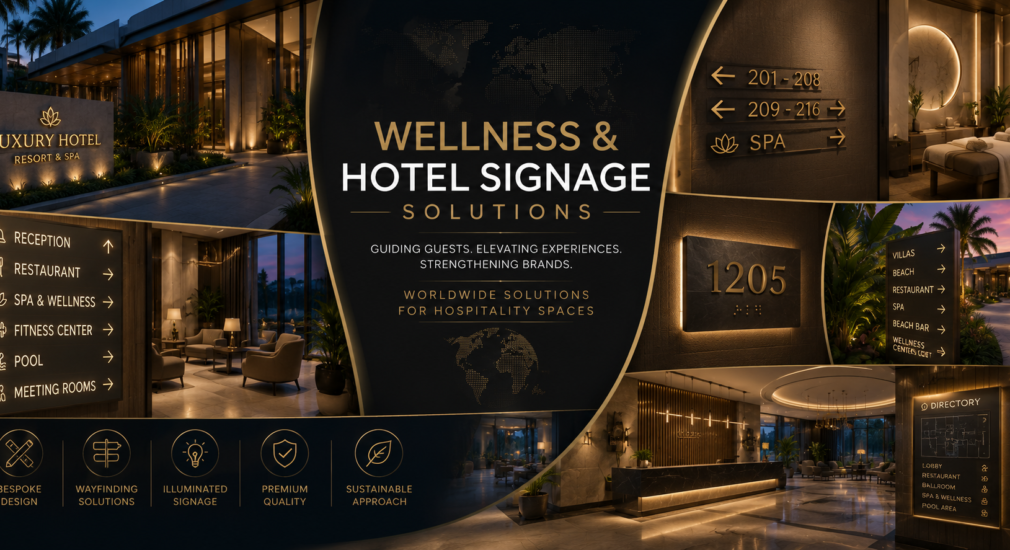
Global Architectural Signage for Hotels, Resorts & Wellness Destinations
A successful hospitality project is experienced long before a guest reaches the room. The entrance, reception, corridors, spa, wellness areas, restaurants and outdoor spaces all contribute to how a destination is perceived. Wellness & Hotel Signage Solutions bring these environments together through a considered visual language that supports navigation, reinforces brand identity and complements the architecture.
For luxury hotels, resorts, wellness retreats, spas and mixed-use hospitality developments, signage is no longer simply an information system. It is part of the architectural experience. The right combination of typography, materials, illumination, scale, colour, texture and positioning can make signage feel like a natural extension of the interior or exterior architecture.
Luzion develops architectural lighting and illumination solutions that can be integrated into sophisticated hotel and wellness signage concepts for projects across India, the GCC, UAE, Saudi Arabia, Qatar, Kuwait, Bahrain, Oman, UK, USA, Europe, China, Japan, South Korea, Australia and other international hospitality markets.
Hotel Signage Designed Around the Guest Journey
Hotel signage should help guests understand a space without interrupting the atmosphere created by the architect or interior designer. A well-planned signage system guides people intuitively from the arrival point through reception, accommodation areas, wellness facilities, restaurants, meeting spaces and outdoor amenities.
The process begins with understanding the guest journey.
A typical hospitality signage strategy may include:
- Hotel entrance identification
- Main reception signage
- Lobby directories
- Guest room identification
- Floor and lift signage
- Corridor wayfinding
- Restaurant and bar identification
- Spa and wellness signage
- Gym and fitness signage
- Swimming pool signage
- Meeting and conference room signs
- Parking and vehicle circulation signs
- Emergency and safety signage
- Outdoor directional signage
- Resort pathway signage
- Landscape-integrated wayfinding
- Accessible and tactile signage
The objective is not to place more signs throughout a property. It is to establish a clear signage hierarchy, allowing guests to find their destination naturally while maintaining the visual character of the hotel.
Where Architecture Meets Hospitality Branding
In contemporary hospitality design, signage sits at the intersection of architecture, interior design, branding, lighting and environmental graphics.
An architect may establish the building’s massing and material palette. An interior designer defines the atmosphere of the guest experience. A branding consultant establishes typography, colours and visual identity. A wayfinding consultant determines how information should be structured. A lighting designer considers illumination, contrast and visibility.
Hotel signage needs to bring these disciplines together.
For example, a luxury resort using natural stone, timber, brushed brass and warm architectural lighting may require signage that feels equally refined. A contemporary urban hotel may instead use precision-cut metal, minimalist typography and concealed LED illumination.
This is why signage should ideally be considered during the architectural design and interior detailing stage, rather than added after construction is complete.
Architectural Signage for Luxury Hotels & Resorts
Luxury hospitality projects demand a higher level of detailing. Small elements such as mounting methods, letter depth, edge finishing, illumination uniformity and material transitions can significantly affect the final appearance.
Architectural hotel signage can incorporate:
- Brushed brass
- PVD-coated metal
- Stainless steel
- Aluminium
- Powder-coated finishes
- Acrylic
- Glass
- Natural wood
- Stone
- Engineered surfaces
- Fabricated metal lettering
- Custom illuminated elements
The material selection should respond to the architecture and the environment.
For an indoor reception, a refined metal finish may create a premium visual identity. At a coastal resort, corrosion-resistant materials and suitable outdoor protection become more important. Within a spa environment, low-glare illumination and natural finishes may be more appropriate than highly reflective surfaces.
Wellness Signage That Supports Calm & Orientation
Wellness environments require a different design approach from conventional commercial spaces.
A spa, wellness retreat, meditation centre or therapeutic environment is generally designed around calmness, privacy, comfort and sensory balance. Signage should support these qualities rather than compete with them.
Wellness signage may be used for:
- Spa reception
- Treatment rooms
- Massage rooms
- Sauna
- Steam rooms
- Hydrotherapy areas
- Yoga studios
- Meditation spaces
- Relaxation lounges
- Fitness areas
- Changing rooms
- Pool areas
- Wellness consultation rooms
- Private treatment suites
Typography can be understated, while material textures and subtle illumination can create a more sophisticated experience.
For premium wellness destinations, backlit lettering, concealed LED illumination, engraved details, tactile surfaces and warm metallic finishes can be integrated into the interior architecture without creating excessive visual brightness.
Hotel Wayfinding & Directional Signage
Wayfinding is one of the most important components of a hospitality signage system.
Large hotels and resorts can include multiple buildings, towers, restaurants, pools, spas, gardens, conference facilities and guest amenities. Without an intuitive wayfinding system, visitors may struggle to navigate the property.
A professional wayfinding strategy considers:
- Arrival point
- Primary destination
- Decision points
- Directional information
- Confirmation signage
- Destination identification
- Return routes
This creates a consistent information hierarchy throughout the property.
For example, a guest arriving at a resort may first encounter a monument sign, followed by vehicle-direction signage, reception identification, lobby directories, lift information, corridor signs and finally room identification.
Every sign performs a specific role within the overall system.
Signage & Lighting: A Carefully Integrated Relationship
Lighting can dramatically change the appearance of architectural signage.
Illuminated hotel signage can use several approaches depending on the architectural requirement:
| Illumination Approach | Typical Application | Visual Character |
|---|---|---|
| Front-lit | Exterior identification | Strong visibility |
| Backlit | Hotel branding, reception | Soft luminous effect |
| Halo-lit | Premium lettering | Elegant floating appearance |
| Edge-lit | Minimalist signage | Contemporary and refined |
| Internal LED | 3D letters and boxes | High visual impact |
| Concealed lighting | Interior signage | Subtle architectural integration |
| Linear LED integration | Large architectural signs | Continuous illumination |
The lighting should be carefully balanced with surrounding architectural illumination.
Overly bright signage can disturb the atmosphere of a luxury lobby or wellness space. Poorly distributed illumination can create hotspots, shadows or inconsistent letter brightness.
For this reason, LED selection, optical distribution, colour temperature, dimming and installation detailing should be considered together with the signage design.
Technical Considerations for Hotel & Wellness Signage
A premium appearance must be supported by appropriate engineering.
Before selecting a signage solution, project teams should consider:
| Technical Factor | Why It Matters |
|---|---|
| Material specification | Determines appearance, durability and maintenance |
| LED system | Influences brightness and energy consumption |
| Colour temperature | Supports the intended ambience |
| IP protection | Important for exterior and wet-area applications |
| Mounting method | Determines structural stability and visual finish |
| Power requirements | Ensures reliable electrical integration |
| Dimming | Allows lighting levels to respond to different conditions |
| Surface finish | Influences reflection and perceived quality |
| Letter depth | Affects illumination and dimensional appearance |
| Accessibility | Supports inclusive navigation |
| Maintenance access | Simplifies future servicing |
| Environmental exposure | Determines suitable materials and protection |
For exterior hotel signage, environmental conditions such as heat, humidity, rain, dust, coastal exposure and UV radiation should be considered during material and lighting selection.
This is particularly relevant to hospitality developments across the UAE, Saudi Arabia, Qatar, Oman, Bahrain and other GCC markets, where outdoor installations can experience demanding climatic conditions.
Signage Planning for Architects & Interior Designers
For architects and interior designers, signage should be treated as part of the project’s architectural detailing rather than an independent graphic element.
Early coordination can help establish:
- Signage locations
- Mounting zones
- Electrical points
- Cable routing
- Illumination requirements
- Letter proportions
- Material finishes
- Viewing distances
- Sightlines
- Accessibility
- Maintenance access
- Integration with walls and ceilings
This approach reduces visual clutter and avoids situations where signage has to be installed over completed architectural finishes.
For high-end hotels, shop drawings, material samples, lighting mock-ups and prototype approvals can be valuable before large-scale fabrication begins.
Creating a Consistent Visual Language Across a Hotel
A large hospitality property may contain dozens or even hundreds of individual signs. The challenge is ensuring that every sign feels like part of the same system.
A successful signage family should maintain consistency in:
- Typography
- Letter proportions
- Iconography
- Material palette
- Finish
- Illumination
- Mounting details
- Colour
- Information hierarchy
At the same time, different environments may require different expressions.
A luxury spa might use understated brass lettering and warm illumination, while a parking area requires stronger visibility and functional directional information. A guest room number needs to be discreet and readable, while the main hotel identity sign may function as a major architectural feature.
The system should therefore be consistent without becoming visually repetitive.
Global Hotel & Wellness Signage Applications
Wellness and hotel signage requirements vary according to project type, location and guest profile.
Luzion’s architectural lighting expertise can complement signage concepts for:
- Luxury Hotels
- Boutique Hotels
- Business Hotels
- Urban Hotels
- Resort Hotels
- Beach Resorts
- Wellness Resorts
- Spa Resorts
- Medical Wellness Destinations
- Retreat Centres
- Golf Resorts
- Branded Residences
- Serviced Apartments
- Mixed-Use Hospitality Developments
- Hospitality Villages
- Private Clubs
- Fitness & Wellness Centres
- Luxury Residential Hospitality Projects
From a Dubai luxury hotel and a Saudi Arabian resort to a wellness retreat in India, a spa destination in Europe or a hospitality development in Australia, the signage system should respond to the project’s architecture, environment and brand positioning.
Professionals Involved in a Hotel Signage Project
A successful project often requires coordination between multiple stakeholders.
| Professional / Stakeholder | Primary Role |
|---|---|
| Architect | Building architecture and spatial integration |
| Interior Designer | Interior identity and material language |
| Lighting Designer | Illumination, visual comfort and lighting integration |
| Wayfinding Consultant | Navigation and information hierarchy |
| Brand Consultant | Brand identity and visual consistency |
| Landscape Architect | Outdoor signage integration |
| MEP Consultant | Electrical and service coordination |
| Main Contractor | Site execution and coordination |
| Signage Fabricator | Manufacturing and finishing |
| Lighting Manufacturer | LED and illumination systems |
| Hotel Operator | Operational and guest-experience requirements |
| Procurement Team | Commercial and specification management |
Early collaboration between these disciplines can produce a much more cohesive result.
Designing Signage for Different Hospitality Environments
The same signage strategy should not simply be copied across every project.
A five-star city hotel may require highly polished metal finishes, integrated lobby signage and sophisticated illuminated branding.
A wellness retreat may favour natural textures, subdued typography and low-glare illumination.
A large destination resort may require extensive outdoor wayfinding, monument signage, directional systems and landscape-integrated identification.
A luxury spa may prioritise privacy, calm visual cues and discreet room identification.
Understanding these differences allows architects, designers and project teams to create signage that belongs naturally to the environment.
Comprehensive Signage Systems for Hotels, Resorts, Spas & Wellness Destinations
A premium hotel signage system needs to perform two functions simultaneously: communicate information clearly and contribute to the architectural character of the property.
For architects, interior designers, lighting designers and hospitality consultants, this means selecting signage according to location, viewing distance, environmental conditions, brand identity and the atmosphere of each space.
At Luzion, signage concepts can be considered alongside architectural illumination so that signage, lighting and interior architecture work as one visual system rather than appearing as separate installations.
1. Hotel Entrance & Identity Signage
The main hotel sign is often the first permanent brand element guests encounter.
For luxury properties, the entrance sign can become an architectural focal point using:
- 3D fabricated letters
- Halo-illuminated lettering
- Front-lit lettering
- Backlit logos
- Metal channel letters
- Bespoke illuminated logos
- Monument signage
- Architectural feature signage
- Stone-integrated lettering
- Landscape-integrated identity signs
The scale, letter depth, material finish and illumination should correspond with the building’s architecture.
A five-star urban hotel may benefit from a restrained brushed brass or stainless-steel identity sign, while a resort surrounded by natural materials may use stone, timber or textured metal.
2. Reception & Lobby Signage
The reception is one of the most important brand environments within a hotel.
Reception signage may include:
- Hotel logo
- Reception desk identification
- Lobby directory
- Concierge signage
- Guest service signs
- Floor directories
- Lift information
- Restaurant directories
- Event information
The signage should remain visible without competing with architectural lighting, decorative lighting or the reception desk itself.
For sophisticated interiors, concealed illumination, halo lighting and precision-cut lettering can create a premium appearance without excessive brightness.
3. Hotel Wayfinding Signage
Wayfinding signage helps guests navigate complex hospitality environments.
A large resort may contain:
- Multiple accommodation blocks
- Restaurants
- Spa facilities
- Swimming pools
- Fitness centres
- Conference areas
- Gardens
- Parking areas
- Private villas
- Beach access
- Recreation facilities
A comprehensive wayfinding system connects these destinations.
Typical Wayfinding Hierarchy
| Stage | Signage | Purpose |
|---|---|---|
| 1 | Entrance Sign | Identifies the property |
| 2 | Directional Sign | Establishes the route |
| 3 | Area Identification | Confirms destination zone |
| 4 | Building Sign | Identifies specific building |
| 5 | Floor Sign | Helps vertical navigation |
| 6 | Corridor Sign | Directs guests |
| 7 | Room Sign | Identifies final destination |
| 8 | Confirmation Sign | Reassures the guest they are on the correct route |
This hierarchy is particularly important in large resorts, wellness destinations and mixed-use hospitality developments.
4. Hotel Room & Suite Identification Signage
Guest room signage needs to balance functionality with privacy and aesthetics.
Options can include:
- Individual room numbers
- Suite identification
- Villa identification
- Floor numbers
- Do-not-disturb indicators
- Electronic room signage
- Tactile room numbers
- Braille room identification
- Illuminated room numbers
Materials can include brass, stainless steel, aluminium, acrylic, wood, stone and custom-finished metal.
For luxury hotels, room identification can become a subtle design feature rather than a generic number plate.
5. Spa & Wellness Signage
Wellness spaces require a softer visual language.
A spa signage system may include:
- Spa reception
- Treatment rooms
- Massage rooms
- Sauna
- Steam room
- Hydrotherapy
- Relaxation areas
- Yoga studio
- Meditation room
- Wellness consultation
- Changing rooms
- Fitness areas
- Pool and thermal facilities
The design can use warm metallic finishes, natural materials, engraved lettering, low-glare illumination and discreet typography.
The objective is to maintain the calm atmosphere expected from a premium wellness environment.
6. Illuminated Hotel Signage
Illuminated signage can extend the visibility of a hotel brand while creating an architectural statement.
Different lighting techniques produce different visual results.
| Illumination Type | Suitable Application | Design Effect |
|---|---|---|
| Front Lit | Exterior hotel identity | High visibility |
| Back Lit | Logo and lettering | Soft luminous background |
| Halo Lit | Luxury branding | Floating appearance |
| Edge Lit | Minimal signage | Refined linear glow |
| Internal Lit | Channel letters | Strong brand presence |
| Concealed LED | Interior signage | Discreet architectural effect |
| Linear LED | Long architectural signage | Continuous illumination |
The illumination should be engineered to achieve uniform brightness rather than visible hotspots.
7. Backlit & Halo-Lit Hotel Signage
Backlit and halo-lit signage is particularly effective for premium hospitality environments.
With halo illumination, light is directed behind individually fabricated letters, producing a controlled glow around the lettering.
This technique can be used for:
- Hotel logos
- Resort names
- Spa branding
- Restaurant identities
- Entrance signage
- Reception walls
- Feature walls
- Corporate hospitality areas
The final effect depends on:
letter depth + LED positioning + wall surface + mounting distance + LED output + diffuser/detailing.
A carefully designed halo-lit system can create a sophisticated appearance while keeping the light source visually concealed.
8. Architectural & Environmental Signage
Hotel signage increasingly forms part of the overall environmental graphics strategy.
Environmental graphic design (EGD) connects architecture, branding, information and spatial experience.
Within a hotel, this can include:
- Wall graphics
- Directional signage
- Architectural lettering
- Feature graphics
- Floor identification
- Digital directories
- Brand statements
- Sculptural signage
- Landscape signage
This approach allows signage to become part of the environment rather than appearing as an independent information board.
9. Outdoor Resort & Landscape Signage
Resort properties require signage that works across large outdoor areas.
Applications include:
- Resort entrance
- Villa directions
- Restaurant directions
- Pool identification
- Beach access
- Spa directions
- Parking
- Garden pathways
- Recreation areas
- Event spaces
- Service access
Outdoor signage must consider environmental exposure, mounting conditions and maintenance.
For projects in GCC climates, for example, high temperatures, dust, UV exposure and outdoor environmental conditions should be considered when selecting materials, coatings, LEDs and electrical components.
For coastal resorts, additional consideration may be required for humidity and salt-laden air.
10. Monument & Pylon Signage
Large properties often use monument or pylon signage to establish a strong identity from roads and arrival zones.
These can incorporate:
- Hotel logo
- Resort name
- Illuminated lettering
- Directional information
- Brand elements
- Architectural stone
- Metal cladding
- Landscape integration
Monument signage can be especially effective where the hotel is set within a large landscape or resort development.
11. Restaurant, Lounge & Bar Signage
Hospitality properties often contain multiple food and beverage destinations.
Each venue may require its own identity while remaining visually connected to the parent hotel.
Applications include:
- Restaurant identification
- Café signage
- Bar signage
- Lounge signage
- Fine-dining signage
- Rooftop restaurant signage
- Pool bar signage
- Beach club signage
- Private dining signage
For luxury hospitality, custom metal lettering, illuminated logos and bespoke material combinations can provide a distinctive identity.
12. Meeting & Conference Signage
Business hotels and large resorts require functional signage for:
- Conference rooms
- Meeting rooms
- Ballrooms
- Exhibition areas
- Event halls
- Business centres
- Seminar rooms
- VIP lounges
Modular signage can be useful where room functions change frequently.
13. Accessible Hotel Signage
Accessibility should be incorporated into the signage strategy from the beginning.
Depending on the project’s regulations and location, accessible signage may include:
- Tactile lettering
- Braille
- High-contrast information
- Accessible room identification
- Accessible restroom identification
- Clear pictograms
- Consistent mounting heights
- Readable typography
For international projects, the design team should verify the relevant local accessibility and building requirements rather than applying one universal specification to every market.
14. Hotel Signage Materials
Material selection has a major impact on the perceived quality of a hospitality project.
| Material | Typical Character | Suitable Applications |
|---|---|---|
| Brass | Warm & luxurious | Hotels, spas, restaurants |
| Stainless Steel | Contemporary & durable | Exterior/interior |
| Aluminium | Lightweight & versatile | Wayfinding, exterior |
| Acrylic | Clean & modern | Interior signs, illuminated signs |
| Wood | Natural & warm | Wellness, resorts |
| Stone | Architectural & permanent | Monument signage |
| Glass | Elegant & minimal | Reception, premium interiors |
| Copper | Distinctive & premium | Feature signage |
| Powder-Coated Metal | Flexible finish | Exterior signage |
| PVD Metal | Refined premium finish | Luxury hospitality |
Material combinations can also create a stronger architectural relationship.
For example:
Brushed brass + stone + warm illumination
can produce a completely different atmosphere from:
Powder-coated aluminium + acrylic + neutral illumination.
15. Premium Finishes for Hospitality Signage
Finishing is often where a standard sign becomes a premium architectural element.
Possible finishes include:
- Brushed
- Satin
- Polished
- Mirror
- Matte
- Textured
- Anodised
- Powder coated
- PVD
- Antique
- Patinated
- Brushed gold
- Champagne
- Bronze
- Blackened metal
The final finish should coordinate with door hardware, furniture, wall finishes, architectural lighting and interior metalwork.
16. Signage & Architectural Lighting Integration
For architectural lighting designers, signage presents an opportunity to introduce illumination without adding unnecessary visual elements.
For example, a hotel logo can be integrated with:
- Recessed LED
- Concealed LED modules
- Linear LED
- Edge lighting
- Backlighting
- Halo lighting
- Wall grazing
- Architectural accent lighting
The lighting design should consider the surrounding luminance.
If a hotel facade already includes façade lighting, the signage should not become disproportionately bright.
Likewise, within a wellness space, signage illumination should generally support the ambience rather than dominate it.
17. Technical Signage & Lighting Parameters
A professional specification may include the following parameters:
| Parameter | Technical Consideration |
|---|---|
| LED Type | Select according to application and required output |
| Colour Temperature | Warm, neutral or project-specific |
| CRI | Important where colour appearance matters |
| IP Rating | Selected according to indoor/outdoor/wet application |
| Voltage | Based on the electrical design |
| Power Consumption | Considered during project specification |
| Dimming | Useful for hospitality ambience |
| Illumination Uniformity | Prevents visible hotspots |
| Material Thickness | Influences rigidity and appearance |
| Letter Depth | Influences illumination performance |
| Mounting System | Depends on wall/facade structure |
| Maintenance Access | Required for serviceability |
| Environmental Exposure | Important for exterior installations |
18. Hotel Signage for Different Climate Zones
A global signage manufacturer or architectural lighting partner must understand that hotel projects operate in very different environments.
GCC
Projects in UAE, Saudi Arabia, Qatar, Kuwait, Bahrain and Oman may require consideration of:
- High ambient temperatures
- Strong sunlight
- Dust
- UV exposure
- Exterior electrical protection
- Long operating hours
- Coastal conditions in selected locations
Tropical & Coastal Markets
For destinations such as Maldives, Indonesia, Thailand, Singapore and parts of Australia, humidity, rainfall and marine exposure can influence material and component selection.
Europe & UK
Cold weather, rain, frost in certain locations and architectural conservation requirements may influence external signage specifications.
USA & Canada
Project requirements can vary significantly by state, city, building code and accessibility regulations.
The technical specification should therefore be project-specific rather than copied from one country to another.
19. Bespoke Hotel Signage for High-End Projects
Luxury hospitality projects often require signage that cannot be selected from a standard catalogue.
Bespoke solutions can include:
- Custom hotel logos
- Sculptural letters
- Unique metalwork
- Special finishes
- Custom illumination
- Architectural feature signs
- Integrated wall signage
- Ceiling-suspended signs
- Custom wayfinding systems
- Bespoke room identification
- Designer collaboration pieces
This approach is particularly relevant when the architect or interior designer has established a unique material palette for the project.
20. From Concept to Installation
A professionally managed signage project generally progresses through several stages:
Concept → Design Development → Material Selection → Technical Design → Lighting Development → Shop Drawings → Sample / Prototype → Approval → Fabrication → Quality Control → Site Installation → Testing & Commissioning
For illuminated signage, prototype testing can help verify:
- Letter illumination
- Colour consistency
- Brightness
- Material finish
- Shadow behaviour
- Mounting details
- Electrical integration
This becomes especially valuable for prominent hotel entrances, branded facades and feature lobby installations.
Hotel & Wellness Signage Solution Matrix
| Project Area | Signage Requirement | Lighting / Design Opportunity |
|---|---|---|
| Hotel Entrance | Brand identification | Backlit / halo-lit |
| Lobby | Reception & directory | Concealed illumination |
| Guest Floors | Directional signage | Subtle integrated lighting |
| Guest Rooms | Room identification | Tactile / premium finishes |
| Spa | Treatment & facility signs | Warm low-glare lighting |
| Restaurant | Venue identity | Feature illumination |
| Pool | Identification & directions | Outdoor-rated solutions |
| Resort Landscape | Wayfinding | Integrated pathway lighting |
| Parking | Directional information | High-visibility illumination |
| Conference Area | Room identification | Modular signage |
| Exterior Facade | Brand identity | Architectural illumination |
| Wellness Retreat | Calm navigation | Minimal illuminated signage |
Designing Signage as an Architectural Element
The strongest hospitality signage does not look like an afterthought.
It appears to belong to the building.
That means the architectural language, materials, typography, lighting and information hierarchy should be developed together.
For architects and designers, this creates opportunities to use signage as part of:
- Interior feature walls
- Hotel arrival experiences
- Landscape design
- Facade composition
- Lobby architecture
- Spa interiors
- Resort pathways
- Brand environments
- Guest experience design
The result is a signage system that performs its practical function while strengthening the overall identity of the property.
Hotel & Wellness Signage for Global Hospitality Markets
Hospitality architecture is shaped by local culture, climate, regulations, construction practices and guest expectations. A hotel signage system designed for a luxury property in Dubai may require a different material and illumination strategy from a wellness retreat in Switzerland, a beachfront resort in the Maldives or a boutique hotel in London.
For this reason, global hotel signage solutions should combine a consistent brand language with project-specific architectural and technical requirements.
Luzion can support architectural lighting and illuminated signage concepts for hospitality developments across India, GCC, Middle East, Europe, UK, USA, China, Japan, South Korea, Australia, Asia-Pacific and other international markets.
Hotel Signage Solutions in India
India’s hospitality sector includes luxury urban hotels, heritage properties, destination resorts, wellness retreats, business hotels and large integrated developments.
Hotel Signage Solutions India can cover:
- Hotel entrance signage
- Resort identification signage
- Hotel wayfinding
- Spa and wellness signage
- Guest room identification
- Restaurant signage
- Illuminated hotel logos
- Monument signage
- Landscape wayfinding
- Architectural signage
Major hospitality markets include Mumbai, Delhi, Bengaluru, Hyderabad, Chennai, Pune, Ahmedabad, Goa, Jaipur, Udaipur, Kochi, Kolkata, Gurugram, Noida, Lucknow and Chandigarh.
For Indian projects, signage may need to balance contemporary hospitality branding with regional architectural materials and design influences.
Wellness destinations in Goa, Kerala, Rajasthan and other resort markets can benefit from natural material palettes, subtle illumination and landscape-integrated wayfinding.
Hotel Signage Solutions Across the GCC
The GCC has become one of the world’s most significant markets for luxury hospitality, destination resorts, branded residences and wellness developments.
Projects across the region often demand:
- Premium architectural finishes
- Large-format entrance signage
- High-visibility exterior branding
- Illuminated hotel identities
- Resort wayfinding
- Monument signage
- Landscape signage
- Durable outdoor materials
- Heat- and UV-conscious lighting solutions
GCC Hotel Signage Markets
| Market | Key Hospitality Applications |
|---|---|
| UAE | Luxury hotels, resorts, branded residences |
| Saudi Arabia | Destination resorts, mega developments, wellness projects |
| Qatar | Luxury hotels, business hospitality, resorts |
| Kuwait | Urban hotels and premium hospitality |
| Bahrain | Hotels, resorts and waterfront developments |
| Oman | Luxury resorts and nature-led hospitality |
| GCC | Luxury resorts and nature-led hospitality |
Hotel Signage Solutions in UAE
The UAE has an exceptionally diverse hospitality landscape, ranging from high-rise luxury hotels to desert resorts, beachfront properties and wellness destinations.
Hotel Signage Solutions UAE may include:
- Hotel facade signage
- Entrance monument signs
- Illuminated logos
- Lobby branding
- Hotel wayfinding
- Spa signage
- Resort directional signage
- Restaurant identification
- Pool signage
- Villa signage
Dubai
Hotel Signage Dubai has a particularly strong emphasis on premium aesthetics, architectural integration and nighttime visibility.
Luxury hotels in Dubai may use:
- Halo-lit metal letters
- Backlit logos
- Bespoke brass signage
- Architectural feature signage
- Illuminated entrance identities
- High-end interior wayfinding
Abu Dhabi
Hotel and resort projects in Abu Dhabi can require signage integrated with large architectural developments, landscaped arrival areas and premium hospitality interiors.
Other UAE Markets
Signage requirements can also extend across:
Sharjah, Ras Al Khaimah, Fujairah and Ajman, particularly for resorts, wellness destinations and leisure developments.
Hotel Signage Solutions in Saudi Arabia
Saudi Arabia represents a major growth market for luxury hospitality, tourism, wellness and destination development.
Hotel Signage Solutions Saudi Arabia can support:
- Luxury hotels
- Resort developments
- Wellness destinations
- Branded residences
- Tourism developments
- Entertainment destinations
- Mixed-use hospitality projects
Key markets include:
Riyadh, Jeddah, Dammam, Al Khobar, Mecca, Medina and emerging destination developments including NEOM.
Saudi hospitality projects may require large-scale architectural signage, premium entrance identities, outdoor wayfinding and carefully engineered illuminated branding.
Hotel Signage Solutions in Qatar
Hotel Signage Qatar can serve luxury hotels, business hotels, resorts, sports hospitality and large mixed-use developments.
Doha remains a major hospitality market, while resort developments require:
- Outdoor directional signage
- Hotel identity signs
- Spa signage
- Restaurant signage
- Landscape wayfinding
- Illuminated branding
- Guest navigation systems
Material selection should consider the local environmental conditions and architectural language of the project.
Hotel Signage Solutions in Kuwait
Hotel Signage Kuwait focuses strongly on urban hospitality, luxury hotels, restaurants, wellness facilities and commercial developments.
Applications can include:
- Hotel entrance signs
- Lobby signage
- Room identification
- Spa signage
- Restaurant signs
- Wayfinding systems
- Illuminated hotel logos
Kuwait City is the primary urban hospitality market, with premium signage often integrated into contemporary architectural interiors and facades.
Hotel Signage Solutions in Bahrain
Bahrain’s hospitality market includes luxury hotels, waterfront developments, resorts and wellness destinations.
Hotel Signage Bahrain can include:
- Entrance signage
- Resort signage
- Wayfinding
- Spa signage
- Restaurant branding
- Illuminated architectural lettering
Manama is a key market for hotel and hospitality signage requirements.
Hotel Signage Solutions in Oman
Oman’s natural landscapes and resort architecture create opportunities for signage that works harmoniously with the environment.
Hotel Signage Oman may include:
- Resort entrance signage
- Villa identification
- Landscape wayfinding
- Spa signage
- Wellness signage
- Monument signs
- Architectural lettering
Muscat and resort destinations across Oman can benefit from signage systems using stone, metal, timber-inspired finishes and carefully controlled illumination.
Hotel Signage Solutions in the UK
The UK hospitality market includes luxury city hotels, boutique properties, country estates, wellness resorts and historic buildings.
Hotel Signage UK requires consideration of both modern hospitality branding and, in some projects, existing architectural character.
Major markets include:
London, Manchester, Birmingham, Edinburgh, Glasgow, Liverpool, Bristol, Leeds, Oxford, Cambridge and Bath.
For heritage or high-end properties, understated typography, brass, bronze, stone, engraved finishes and subtle illumination can complement traditional architecture.
Hotel Signage Solutions in the USA
The United States has a highly diverse hospitality landscape, including luxury hotels, resort destinations, wellness retreats, casinos, boutique hotels and large convention properties.
Hotel Signage USA can cover:
- Hotel identification
- Resort wayfinding
- Guest room signage
- Spa signage
- Restaurant branding
- Illuminated facade signage
- Monument signage
- Accessible signage
- Parking and directional signage
Important hospitality markets include:
New York, Los Angeles, Miami, Las Vegas, Orlando, Chicago, San Francisco, Houston, Dallas, Austin, Seattle, Boston, Atlanta, Denver, Phoenix and San Diego.
For US projects, signage specifications should be coordinated with the applicable local building, accessibility, electrical and planning requirements.
Hotel Signage Solutions Across Europe
European hospitality projects often combine sophisticated architecture, material craftsmanship and strong attention to detail.
Hotel Signage Europe can cover:
- Luxury hotels
- Boutique hotels
- Wellness retreats
- Spa resorts
- Historic properties
- Mountain resorts
- Coastal resorts
- Urban hospitality
Key European Markets
| Country | Major Hospitality Locations |
|---|---|
| Germany | Berlin, Munich, Frankfurt |
| France | Paris, Lyon, Nice |
| Italy | Milan, Rome, Florence, Venice |
| Spain | Madrid, Barcelona, Mallorca |
| Switzerland | Zurich, Geneva, Zermatt |
| Netherlands | Amsterdam, Rotterdam |
| Austria | Vienna, Salzburg |
| Greece | Athens, Santorini, Mykonos |
| Portugal | Lisbon, Porto, Algarve |
| Belgium | Brussels, Antwerp |
| Ireland | Dublin, Cork |
European projects may place strong emphasis on material authenticity, craftsmanship, restrained typography, architectural integration and sustainability.
Hotel Signage Solutions in Germany
German hospitality projects can favour precision, functionality and clean architectural detailing.
Hotel Signage Germany may include:
- Minimalist wayfinding
- Architectural lettering
- Room identification
- Illuminated hotel branding
- Accessible signage
- Contemporary metal signage
Major markets include Berlin, Munich, Frankfurt, Hamburg and Cologne.
Hotel Signage Solutions in France
France combines luxury hospitality, boutique hotels, heritage architecture and contemporary resorts.
Hotel Signage France can include premium applications in:
Paris, Nice, Lyon, Cannes, Bordeaux and other hospitality destinations.
Materials such as brass, bronze, stone and refined painted finishes can work particularly well within sophisticated hospitality interiors.
Hotel Signage Solutions in Italy
Italian hospitality architecture often places considerable emphasis on materiality, proportion and craftsmanship.
Hotel Signage Italy can be developed for:
- Luxury hotels
- Boutique properties
- Resort destinations
- Spa hotels
- Heritage hospitality
Key cities and destinations include Milan, Rome, Florence, Venice, Lake Como, Sardinia and the Amalfi Coast.
Bespoke metalwork, architectural illumination and refined finishes can complement Italian interior and architectural design.
Hotel Signage Solutions in Spain & Portugal
Hotels and resorts across Spain and Portugal often combine urban hospitality with coastal and destination resorts.
Applications include:
- Resort entrance signage
- Beach resort wayfinding
- Hotel identity signs
- Spa signage
- Pool signage
- Landscape directions
- Restaurant signage
Key destinations include Barcelona, Madrid, Mallorca, Ibiza, Lisbon, Porto and the Algarve.
Hotel Signage Solutions in Switzerland & Austria
Luxury mountain resorts, wellness retreats and premium urban hotels create distinctive signage requirements.
Hotel Signage Switzerland can serve destinations such as Zurich, Geneva, Zermatt, St. Moritz and Interlaken.
Hotel Signage Austria can support projects in Vienna, Salzburg, Innsbruck and Alpine resort areas.
Natural stone, timber-inspired materials, metal finishes and restrained illumination can complement mountain and wellness environments.
Hotel Signage Solutions in China
China’s hospitality market includes major urban hotels, luxury resorts, wellness properties and large mixed-use developments.
Hotel Signage China can cover:
- Hotel entrance branding
- High-rise hotel signage
- Resort wayfinding
- Spa signage
- Restaurant signage
- Illuminated logos
- Architectural signage
Major markets include:
Shanghai, Beijing, Shenzhen, Guangzhou, Chengdu, Hangzhou, Chongqing, Suzhou, Xi’an and Sanya.
Large-scale hospitality developments may require extensive wayfinding systems combined with architectural and landscape signage.
Hotel Signage Solutions in Japan
Japan’s hospitality design often combines minimalism, material quality, precision and careful attention to spatial experience.
Hotel Signage Japan can support:
- Boutique hotels
- Luxury ryokans
- Urban hotels
- Wellness properties
- Resort destinations
- Spa facilities
Major markets include:
Tokyo, Osaka, Kyoto, Yokohama, Nagoya, Sapporo, Fukuoka and Okinawa.
Minimal typography, natural materials, controlled illumination and discreet wayfinding can work particularly well in Japanese-inspired hospitality environments.
Hotel Signage Solutions in South Korea
South Korea’s hospitality market combines contemporary architecture, luxury hotels, wellness destinations and urban hospitality.
Hotel Signage South Korea can include:
- Hotel entrance signage
- Illuminated brand identities
- Interior wayfinding
- Spa signage
- Restaurant branding
- Guest room signage
Major markets include Seoul, Busan, Incheon, Jeju, Daegu and Daejeon.
Hotel Signage Solutions in Australia
Australia’s hospitality market ranges from major city hotels to coastal resorts, wellness retreats and nature-based destinations.
Hotel Signage Australia can include:
- Resort signage
- Outdoor wayfinding
- Hotel entrance signs
- Landscape signage
- Spa signage
- Illuminated hotel branding
- Accessible signage
Major markets include:
Sydney, Melbourne, Brisbane, Perth, Adelaide, Gold Coast, Canberra and Cairns.
For outdoor hospitality environments, material durability and environmental exposure should be considered alongside design.
Hotel Signage Solutions Across Asia-Pacific
Asia-Pacific includes some of the world’s most important wellness and resort destinations.
Singapore
Hotel Signage Singapore is relevant to luxury urban hotels, integrated resorts, wellness centres and commercial hospitality.
Thailand
Hotel Signage Thailand and Resort Signage Thailand are relevant to destinations including Bangkok, Phuket, Koh Samui and Chiang Mai.
Indonesia
Hotel Signage Indonesia is particularly relevant to resort destinations such as Bali, where landscape, wellness and luxury hospitality are closely connected.
Maldives
Resort Signage Maldives requires a particularly thoughtful approach because signage operates within highly sensitive beachfront and island environments.
Applications may include:
- Villa identification
- Restaurant signage
- Spa signage
- Beach directions
- Resort wayfinding
- Reception branding
Malaysia
Hotel Signage Malaysia can support hotels and resorts in Kuala Lumpur, Penang, Langkawi and other hospitality destinations.
Global Hotel Signage Market Comparison
| Region | Typical Hospitality Focus | Important Signage Consideration |
|---|---|---|
| India | Hotels, resorts, wellness retreats | Material diversity & local architecture |
| UAE | Luxury hotels & resorts | Premium finishes & exterior durability |
| Saudi Arabia | Mega destinations & luxury hospitality | Large-scale architectural integration |
| Qatar | Luxury & business hospitality | Premium branding & wayfinding |
| Oman | Nature resorts & luxury hotels | Landscape integration |
| UK | Boutique, luxury & heritage hotels | Architectural sensitivity |
| USA | Hotels, resorts & large destinations | Local code/accessibility coordination |
| Europe | Luxury, boutique & wellness | Craftsmanship & material quality |
| China | Large-scale urban & resort hotels | Scale & complex wayfinding |
| Japan | Minimalist luxury & wellness | Precision & understated design |
| South Korea | Urban luxury & wellness | Contemporary design |
| Australia | Hotels, resorts & nature destinations | Outdoor durability |
| Maldives | Island resorts & wellness | Marine environment & discreet design |
| Singapore | Luxury urban hospitality | Compact-space integration |
| Thailand | Resorts & wellness | Tropical environmental conditions |
| Indonesia | Villas, resorts & wellness | Landscape integration |
One Global Signage Standard, Adapted to Every Project
A global hospitality signage partner should not simply reproduce the same sign design in every country.
The brand language can remain consistent, while the execution adapts to:
- Local architecture
- Climate
- Material availability
- Environmental conditions
- Accessibility requirements
- Local regulations
- Guest expectations
- Project scale
- Interior design language
- Lighting strategy
This is particularly important for hotel groups operating across multiple countries.
A consistent signage family can maintain brand recognition while allowing each destination to express its own architectural identity.
Signage for International Hotel Brands & Developers
Large hospitality groups and developers often manage multiple properties across different regions.
A coordinated signage strategy can help maintain consistency across:
- Hotel entrances
- Guest rooms
- Restaurants
- Wellness facilities
- Spa environments
- Conference areas
- Exterior wayfinding
- Digital information points
- Emergency and accessibility systems
For architects, developers, procurement teams and hospitality operators, early specification can simplify design coordination, manufacturing, quality control and project installation across multiple locations.
Global Wellness & Hotel Signage: From Concept to Architecture
The future of hospitality signage is increasingly moving toward architectural integration rather than standalone signage.
Hotel logos can become illuminated architectural features. Wayfinding can be integrated into walls and landscape elements. Spa identification can be incorporated into textured materials. Room numbers can become part of interior detailing. Resort directions can work alongside landscape lighting.
This creates a more coherent guest experience.
Whether the project is a luxury hotel in Dubai, wellness resort in Saudi Arabia, boutique hotel in London, spa retreat in Switzerland, resort in the Maldives, urban hotel in New York, hospitality development in Shanghai or wellness destination in Bali, the fundamental objective remains the same:
Make the environment easy to understand while preserving its architectural character.
From Architectural Concept to Fully Integrated Hotel Signage
A successful Wellness & Hotel Signage Solution is not simply a collection of signs installed throughout a property. It is a coordinated architectural system that combines brand identity, wayfinding, materials, typography, illumination, accessibility, fabrication and installation.
For architects, hospitality designers, lighting consultants, developers, contractors and procurement teams, every component needs to be considered from the design-development stage through to final installation.
Luzion approaches hotel and wellness environments with a focus on the relationship between architectural lighting, illuminated signage and spatial design, helping create signage solutions that feel integrated with the project rather than added as an afterthought.
Technical Design Considerations for Hotel Signage
Before manufacturing begins, the signage specification should define the technical requirements for every application.
| Technical Parameter | What Should Be Considered |
|---|---|
| Material | Aluminium, stainless steel, brass, acrylic, wood, stone or custom materials |
| Material Thickness | Selected according to size, rigidity and fabrication requirements |
| Finish | Brushed, satin, polished, PVD, powder-coated, anodised or custom |
| Illumination | Front-lit, backlit, halo-lit, edge-lit or concealed LED |
| LED Colour Temperature | Selected according to architecture and ambience |
| CRI | Important for accurate colour rendering |
| IP Protection | Important for accurate colour rendering |
| IK Protection | Considered for locations exposed to mechanical impact |
| Power Supply | Sized according to connected load and installation conditions |
| Dimming | Useful for hotel ambience and nighttime control |
| Mounting | Wall, facade, ceiling, suspended, freestanding or landscape-mounted |
| Maintenance | Access for LED and electrical servicing |
| Visibility | Viewing distance and viewing angle |
| Accessibility | Tactile, Braille, contrast and applicable local requirements |
The final specification should always be developed according to the actual project environment and applicable local regulations.
LED Illumination for Hotel & Wellness Signage
LED technology is widely used for illuminated hospitality signage because it can provide controlled illumination within relatively compact signage systems.
Depending on the design, LED lighting can be incorporated into:
- 3D letters
- Channel letters
- Backlit logos
- Halo-lit lettering
- Reception signage
- Monument signs
- Architectural feature signs
- Spa signs
- Restaurant signage
- Exterior hotel identities
The important consideration is not simply the LED wattage.
The overall illumination result depends on:
LED spacing + optical distribution + letter depth + diffuser/material + mounting distance + surface reflectance + required brightness.
This is why illuminated signage should be treated as an engineered lighting application, particularly for large hotel logos and architectural feature signs.
Colour Temperature for Hospitality Signage
Colour temperature influences how signage interacts with its surroundings.
| CCT Range | Typical Visual Character | Potential Hospitality Application |
|---|---|---|
| 2700K | Warm & intimate | Spa, wellness, luxury interiors |
| 3000K | Warm architectural white | Hotels, restaurants, reception |
| 3500K | Balanced white | Contemporary hospitality |
| 4000K | Neutral white | Functional wayfinding |
| 5000K+ | Cooler appearance | Selected functional/exterior applications |
There is no universal colour temperature for every hotel.
A wellness retreat may benefit from a warmer, calmer appearance, while a functional parking or service area may require a different lighting strategy.
The signage should therefore be coordinated with the project’s architectural lighting design, interior lighting and brand guidelines.
CRI & Visual Quality
Colour Rendering Index can be an important consideration when illuminated signage includes:
- Brand colours
- Artwork
- Natural materials
- Decorative finishes
- Interior feature elements
- Retail or restaurant branding
A suitable LED specification helps ensure that materials and colours appear appropriately under the installed illumination.
For premium hospitality projects, lighting quality should be evaluated alongside brightness, uniformity, glare and colour consistency.
IP Rating for Exterior & Wellness Applications
IP protection is particularly relevant when signage contains electrical components.
Outdoor hotel signage may encounter:
- Rain
- Humidity
- Dust
- Water spray
- Cleaning processes
- Coastal conditions
Spa and wellness environments can introduce additional moisture exposure.
A project specification should therefore identify the appropriate protection level based on the actual installation environment.
IP rating should never be selected simply because a particular number is commonly used. The required protection should correspond to the location, exposure and applicable electrical requirements.
IK Rating & Physical Protection
In locations where signage may experience accidental impact or physical contact, IK protection can also become relevant.
This can include:
- Public corridors
- Ground-level signage
- Parking areas
- Outdoor pathways
- Sports facilities
- High-traffic hospitality areas
The appropriate IK level depends on the expected exposure and project specification.
Signage Fabrication & Manufacturing
Premium hospitality signage requires precision during fabrication.
Typical manufacturing processes can include:
- CNC cutting
- Laser cutting
- Waterjet cutting
- Metal fabrication
- Acrylic fabrication
- Letter forming
- Welding
- Grinding
- Polishing
- Brushing
- Powder coating
- Anodising
- PVD finishing
- Engraving
- Vinyl application
- LED integration
- Electrical assembly
The manufacturing method should be selected according to the material, design complexity, scale and required finish.
For bespoke hotel signage, a physical sample or prototype can help the design team verify the final appearance before full production.
Bespoke Signage for Architects & Designers
Architects and interior designers often develop unique signage concepts that require fabrication beyond standard products.
A bespoke signage project may involve:
Architectural concept → Design development → Material sample → Technical detailing → Lighting study → Prototype → Client approval → Production → Installation
This workflow allows design teams to review:
- Letter proportions
- Material finish
- Colour
- Illumination
- Shadow behaviour
- Mounting
- Scale
- Viewing distance
before final production.
Signage Mock-Ups & Prototypes
For major hotel entrances and feature signage, a mock-up can be particularly valuable.
A prototype can demonstrate how:
- Metal finishes respond to light
- LED illumination spreads through letters
- Halo light interacts with a wall
- Typography appears at actual scale
- Materials work with surrounding architecture
- Signage performs during daytime and nighttime
For luxury hospitality projects, this stage can significantly reduce the risk of unexpected visual differences between design drawings and the completed installation.
Hotel Signage Installation
Installation is an important part of the final visual result.
A premium sign can lose its intended appearance if:
- Mounting points are inconsistent
- Letter alignment is inaccurate
- Cable routing is visible
- Illumination is uneven
- Wall penetrations are poorly finished
- Driver locations are inaccessible
- Signage is not aligned with architectural elements
Installation planning should therefore consider:
- Site conditions
- Structural support
- Electrical connection
- Access equipment
- Mounting templates
- Cable management
- Service access
- Waterproofing where required
- Final alignment
- Nighttime illumination testing
Hotel Signage & Lighting Coordination
Signage should be coordinated with other building systems.
For a hospitality project, coordination may be required between:
Architect → Interior Designer → Lighting Designer → MEP Consultant → Signage Specialist → Main Contractor → Electrical Contractor → Hotel Operator
This helps resolve technical issues before installation.
For illuminated signage, electrical coordination should define:
- Power supply location
- Driver location
- Cable route
- Switching
- Dimming
- Control requirements
- Emergency considerations where applicable
- Maintenance access
Sustainable Hotel Signage Solutions
Sustainability is increasingly important in hospitality architecture.
Signage strategies can support environmental goals through:
- Energy-efficient LED systems
- Appropriate illumination levels
- Dimming and scheduling
- Long-life components
- Durable materials
- Repairable construction
- Modular components
- Reduced material waste
- Responsible material selection
For outdoor signage, durability can also contribute to sustainability because longer-lasting materials and components can reduce replacement frequency.
The best solution is not necessarily the sign with the lowest initial energy consumption. It is the system that achieves the required visual performance while providing appropriate service life, maintainability and resource efficiency.
Smart & Controlled Illuminated Signage
Modern hospitality developments can integrate signage illumination with building and lighting-control systems.
Depending on the project, illuminated signage can potentially be coordinated with:
- Timers
- Dimming systems
- Central lighting controls
- Smart building systems
- Scene-based lighting
- Day/night schedules
For example, exterior hotel branding can operate at a higher visual level during arrival periods and be reduced during late-night hours, subject to the project’s operational and local requirements.
This can support both guest experience and energy management.
Signage for Architects, Lighting Designers & Hospitality Consultants
For design professionals, the signage specification should communicate more than the appearance of the sign.
A professional specification may define:
Architectural Requirements
- Dimensions
- Letter proportions
- Mounting
- Location
- Materials
- Finish
- Integration details
Lighting Requirements
- LED technology
- CCT
- CRI
- Brightness
- Uniformity
- Dimming
- Power consumption
- Driver arrangement
Environmental Requirements
- IP protection
- IK protection where required
- UV exposure
- Humidity
- Temperature
- Coastal exposure
Operational Requirements
- Maintenance
- Cleaning
- Replacement access
- Electrical isolation
- Control strategy
This makes the signage package easier for contractors and procurement teams to understand and execute.
Hotel Signage Project Workflow
A structured project workflow helps maintain design quality from concept through installation.
| Stage | Project Activity |
|---|---|
| 01 | Project briefing |
| 02 | Architectural & brand review |
| 03 | Signage strategy |
| 04 | Wayfinding planning |
| 05 | Material selection |
| 06 | Lighting development |
| 07 | Technical drawings |
| 08 | Samples / mock-ups |
| 09 | Client & consultant approval |
| 10 | Fabrication |
| 11 | Quality inspection |
| 12 | Site installation |
| 13 | Illumination testing |
| 14 | Final commissioning |
This process is particularly useful for large-scale hotel, resort, spa and wellness developments where signage can involve hundreds of individual elements.
Custom Hotel Signage for Different Project Types
Luzion’s architectural lighting expertise can complement signage requirements across a wide range of hospitality environments.
| Project Type | Typical Signage Requirements |
|---|---|
| Luxury Hotel | Entrance, lobby, room, restaurant & wayfinding |
| Wellness Resort | Spa, treatment, wellness & landscape signage |
| Beach Resort | Outdoor directions, villas, pool & beach signage |
| Boutique Hotel | Bespoke identity & interior signage |
| Business Hotel | Wayfinding, conference & functional signage |
| Urban Hotel | Facade, entrance, lobby & vertical navigation |
| Golf Resort | Landscape, clubhouse & directional signage |
| Medical Wellness | Accessible, functional & treatment signage |
| Branded Residence | Identity, lobby, amenities & wayfinding |
| Private Club | Premium identity & discreet directional signage |
Why Lighting Matters in Hotel Signage
Signage and lighting should not be treated as unrelated disciplines.
A hotel sign may be beautifully fabricated, but without the correct illumination it may appear flat during the evening.
Conversely, excessive illumination can overpower a carefully designed facade or wellness interior.
The ideal result comes from balancing:
Visibility + Contrast + Uniformity + Glare Control + Colour + Architecture + Brand Identity
This is where architectural lighting expertise becomes particularly valuable.
Global Hotel Signage Solutions by Application
Whether the project is located in India, UAE, Saudi Arabia, Qatar, Kuwait, Oman, Bahrain, UK, USA, Germany, France, Italy, Spain, Switzerland, China, Japan, South Korea, Australia, Singapore, Thailand, Indonesia or the Maldives, the fundamental signage process remains project-driven.
The design can be adapted for:
- Hotel entrances
- Luxury resorts
- Wellness retreats
- Spa destinations
- Guest rooms
- Restaurants
- Bars
- Conference centres
- Swimming pools
- Fitness centres
- Landscaped areas
- Parking
- Facades
- Public areas
- Back-of-house facilities
The result should combine clear navigation, architectural quality, brand consistency and technically appropriate illumination.
Choosing the Right Hotel Signage Partner
Architects, developers and hospitality procurement teams should evaluate signage partners based on more than fabrication capability.
Important considerations include:
- Architectural understanding
- Material expertise
- Lighting knowledge
- Custom fabrication capability
- Technical documentation
- Quality control
- Prototype development
- Project coordination
- Installation capability
- International project experience
- After-sales support
For complex hospitality projects, the ability to understand both architectural signage and architectural lighting can simplify coordination between design and execution.
Frequently Asked Questions
What are Wellness & Hotel Signage Solutions?
Wellness & Hotel Signage Solutions include the complete range of architectural, directional, identification, illuminated and accessible signage used across hotels, resorts, spas, wellness centres and hospitality developments.
What types of hotel signage are commonly required?
Common applications include entrance signage, hotel logos, reception signs, wayfinding, directional signs, room numbers, floor identification, restaurant signage, spa signage, pool signage, monument signs and accessible signage.
What materials are suitable for luxury hotel signage?
Brass, bronze, stainless steel, aluminium, acrylic, glass, wood and stone can all be used depending on the architecture, location, finish requirements and environmental exposure.
What is illuminated hotel signage?
Illuminated hotel signage incorporates LED or another suitable lighting system to create visible branding or information. Common techniques include front lighting, backlighting, halo lighting, edge lighting and concealed illumination.
How do architects integrate signage into a hotel design?
Signage can be coordinated during the architectural and interior design stages by defining locations, typography, materials, mounting, electrical requirements, illumination and wayfinding hierarchy before construction.
Is IP rating important for outdoor hotel signage?
Yes. Outdoor illuminated signage can be exposed to rain, humidity, dust and other environmental conditions. The appropriate IP protection should be selected according to the actual installation environment and project requirements.
Can hotel signage be customised?
Yes. Luxury hospitality projects frequently require bespoke dimensions, materials, finishes, typography, illumination and mounting details to match the architectural concept.
Can signage illumination be dimmed?
Depending on the selected LED and control system, illuminated signage can be designed for dimming or scheduled operation. This can help coordinate exterior branding with nighttime lighting strategies.
Can hotel signage be designed for wellness and spa environments?
Yes. Wellness signage can use softer typography, natural materials, tactile details and carefully controlled illumination to support a calm and premium environment.
Does hotel signage need to comply with local regulations?
Yes. Signage requirements can vary by country, city, building type and application. Accessibility, electrical, planning, fire-safety and other applicable requirements should be reviewed for each project.
Why Choose Luzion for Architectural Lighting & Illuminated Signage
Luzion brings together architectural lighting expertise, LED technology and project-oriented design thinking to support premium hospitality environments.
For hotel, resort and wellness projects, the focus can extend beyond simply illuminating a sign. The objective is to create a coordinated relationship between:
Architecture → Signage → Lighting → Brand Identity → Guest Experience
From a discreet illuminated spa identity to a large-scale hotel entrance logo, each solution can be developed around the architectural intent of the project.
Luzion’s broader architectural lighting capabilities can also support hospitality environments with linear lighting, facade lighting, wall washing, inground lighting, uplighting, landscape lighting and bespoke architectural illumination.
Related posts
21 Oct 2026
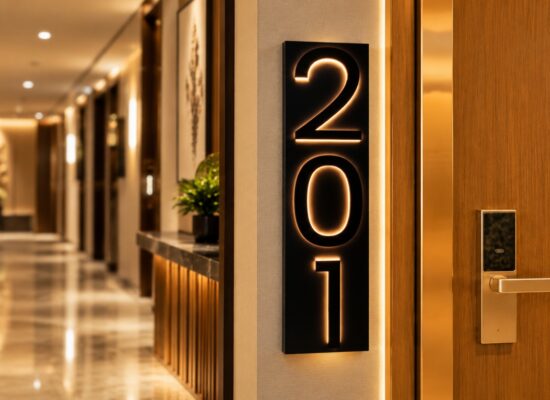
Channel Letter Signage in UAE: Types, Materials and Applications
Channel letter signage is widely used by retail stores, hotels, restaurants, shopping malls and commercial buildings to display business names,…
21 Oct 2026
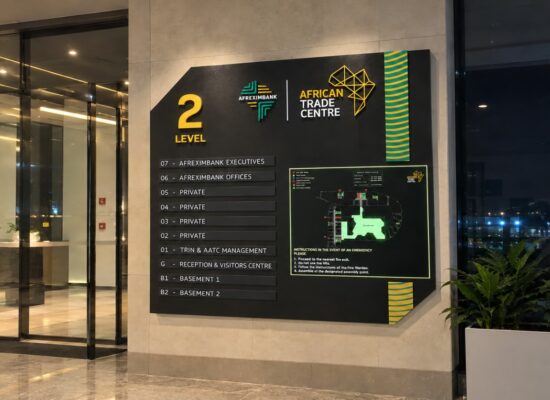
3D Letter Signage in UAE: Materials, Finishes and Applications
In a competitive commercial environment, signage plays an important role in how customers recognise a brand, locate a business and…
21 Oct 2026
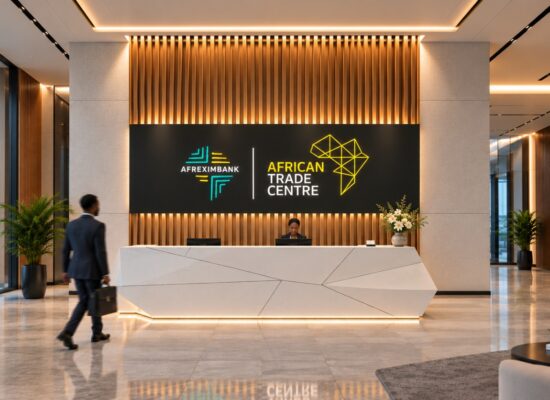
Types of Illuminated Signage: A Guide for UAE & GCC Projects
Illuminated signage plays an important role in how commercial buildings, hotels, retail developments and corporate spaces communicate their identity. In…
17 Oct 2026
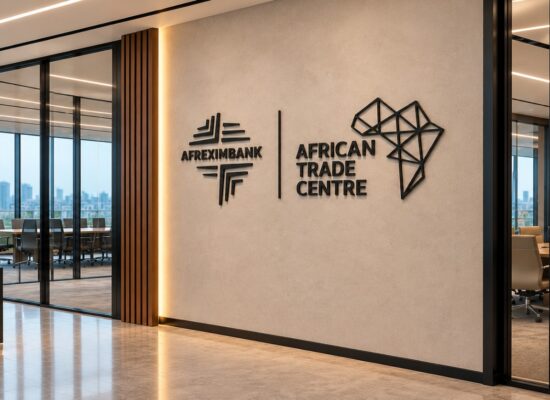
Commercial Signage Solutions UAE & GCC
How to Choose Commercial Signage Solutions in the UAE & GCC Commercial signage plays an important role in how people…
02 Oct 2026
Canadian Bespoke Lights
Canadian Bespoke Lighting: Where Design Becomes a Signature Luxury architecture is rarely defined by one element alone. The character of…
subscribe for newsletter

Luzion is a leading manufacturer and exporter of high-quality LED lighting solutions. With a focus on design, research, and innovation, we offer a wide range of products for commercial, industrial, residential, and outdoor spaces.
