

Search
Category
- Bollard Light
- Commercial Lighting
- Energy-Efficient Lighting
- LAMPS
- LED Lights
- LED Uplighter
- Light and Colour Theory
- Lighting & Signage Solutions
- Lighting Design and Facade Lighting
- Lighting Design Consultancy UAE
- lighting design principles
- Lighting Fundamentals and Design Principles
- Lighting Solutions
- Nature of Light in Lighting Design
- Panel Lights vs. Spot Lights
- Portable Lights
- Signage Solutions
- Smart Controllers for Streetlights
- Solar Lights
- Tree Lighter
- Uncategorized
Recent Posts

Irish bespoke lights

Japanese bespoke lights

Greek bespoke lights

Turkish luxury chandeliers
Polish bespoke chandeliers
Tags
- Architectural Lighting
- Architectural Lighting Design
- Architectural Lighting Design UAE
- automation
- Best Lighting Design Consultancy in UAE
- COB LED Technology
- COB Spotlights
- Color Temperature in Lighting
- Commercial Lighting Design
- Commercial Lighting Fixtures
- Commercial Lighting Innovations
- Commercial Lighting UAE
- Cylinder COB Lights
- Dialux Lighting Design
- Dialux Lighting Design UAE
- Energy Efficient Lighting
- Energy-Efficient Lighting USA
- Exterior Lighting Solutions
- Facade & Exterior Lighting
- Facade Lighting
- Facade Lighting Design
- Facade Lighting Design UAE
- Facade lighting ideas
- Facade Lighting UAE
- Facade Uplighting
- Green Building Design
- Indoor & Exterior Lighting Solutions
- Interior Lighting Design
- Lamps
- LED Lighting Solutions
- LED lights
- LED Panel
- LED Uplighters
- LED vs Halogen
- Light and Color Theory
- Lighting Basics
- Lighting Consultancy UAE
- Lighting Design
- Lighting Design Consultancy in UAE
- Lighting Design Principles
- Lighting Design UAE
- Lighting Fundamentals Guide
- Lighting Layers
- Lumen Output in Lighting
- Modern Building Lighting Ideas
- Modern Lighting Ideas
- Office Lighting Solutions
- Outdoor Lighting Consultants UAE
- Panel Lights vs. Spot Lights
- Portable Lights
- smart light
- Smart Lighting Systems
- Sustainable Architecture
- Sustainable Lighting UAE
- Villa Lighting UAE
17Aug 2026
- Signage Solutions


Resort Signage Solutions
Resort Signage Solutions for Luxury Hospitality & Architectural Projects
Resort signage is one of the first elements guests encounter, often before they see the reception or experience the interiors. The entrance name, illuminated logo, directional signs, landscape markers and building identification all contribute to how a resort is understood and remembered. In a well-designed property, signage does more than display information—it becomes part of the architecture, landscape and overall guest experience.
Luzion provides resort signage solutions for hospitality and architectural projects where signage needs to combine clear communication, brand identity, durability and refined visual design. From a distinctive entrance monument to discreet wayfinding throughout a large resort, every sign can be planned around the character of the property and the way guests move through it.
A successful resort signage system should feel like it belongs to the destination. Materials, typography, proportions, colours, illumination and mounting details need to work alongside the architectural language rather than appearing as separate additions.
Signage Designed Around Resort Architecture
Luxury resorts often have a strong architectural identity. Contemporary properties may feature clean geometric forms, glass, stone and metal, while tropical, coastal, heritage and wellness resorts may use timber, natural stone, textured surfaces and landscape elements.
The signage should respond to these characteristics.
Architectural designers and architects may require signage to align with façade proportions, entrance structures, landscape walls or arrival features. Interior designers may need the same visual identity to continue from the exterior entrance into reception areas, restaurants, spas and guest facilities. Landscape architects may need directional and identification signs integrated into planting, pathways and outdoor structures.
This is why architectural resort signage should be considered during the design process rather than added after the architecture is complete.
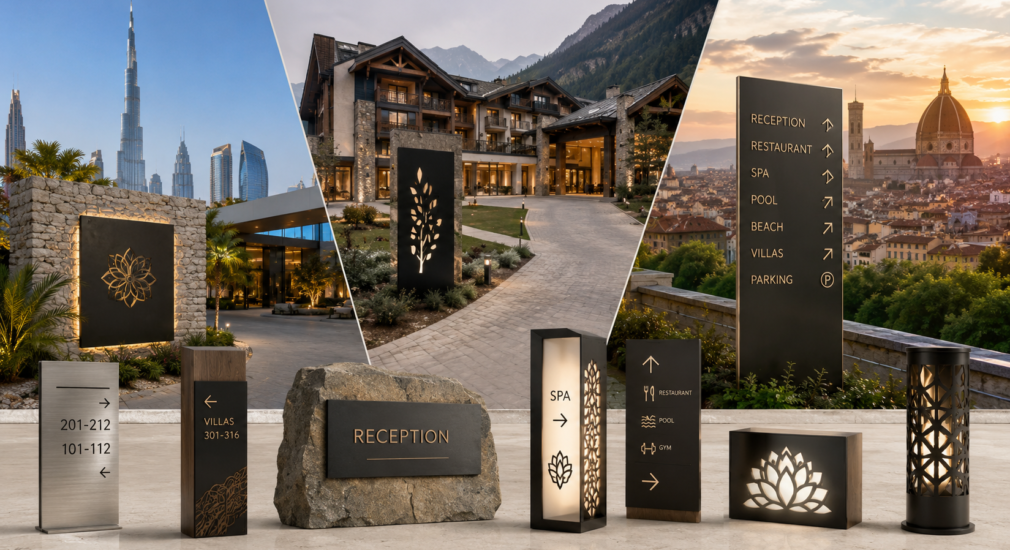
A monument sign can become an extension of the entrance architecture. A backlit logo can be incorporated into a feature wall. Directional signs can be positioned within landscape elements, while villa identification signage can complement the materials and finishes used throughout the property.
Creating a Strong Resort Brand Identity
Signage is also an important part of hospitality branding.
A resort may invest heavily in its architecture, interiors, landscape and guest services, but inconsistent signage can weaken the overall impression. A coordinated signage system helps create a visual connection between the entrance, reception, accommodation, restaurants, spa, pool, parking and outdoor facilities.
Luxury resort signage therefore requires attention to more than the wording displayed on the sign.
Typography, letter spacing, proportions, colour, finish, material, illumination and mounting method all contribute to the final appearance. The signage should remain legible from the required viewing distance while retaining the visual refinement expected from a premium hospitality environment.
For a luxury resort, a carefully fabricated metal sign with concealed illumination may create a completely different impression from a brightly illuminated commercial sign. The right approach depends on the brand and architecture.
Working With Architects, Designers & Project Consultants
Resort developments involve multiple professional disciplines, and signage needs to coordinate with each of them.
Luzion can work with architects, architectural designers, interior designers, landscape architects, lighting designers, hospitality consultants, MEP consultants, electrical consultants, developers, project managers, contractors and procurement teams.
Architects may define the location and physical integration of signage. Interior designers may establish the material palette and visual language. Landscape architects may determine how signs interact with planting, pathways and outdoor spaces. Lighting designers may coordinate illumination with the surrounding architectural and landscape lighting.
MEP and electrical consultants can also become involved when signs are illuminated, particularly where power supplies, drivers, cable routes and access for maintenance need to be coordinated.
This collaborative approach helps ensure that signage is not treated as an isolated procurement item. Instead, it becomes part of the wider architectural and hospitality design.
From Resort Entrance to Guest Wayfinding
A large resort can contain several buildings, villas, restaurants, recreational areas, parking zones, service facilities and outdoor destinations. Guests need to understand the environment quickly and intuitively.
This is where resort wayfinding signage becomes particularly important.
A well-planned system can guide guests from the main entrance towards reception, accommodation, restaurants, pools, spa facilities, parking and other destinations. Directional signs can be supported by building identification signs, zone markers and facility signage to create a consistent navigation system.
The design should avoid unnecessary visual clutter.
Guests should be able to identify the information they need without having to read excessive text or search through multiple signs. Sign placement, viewing angle, typography, contrast and illumination all influence how easily information can be understood.
For large destination resorts, wayfinding can become a complete environmental graphics system rather than a collection of individual directional boards.
Illuminated Resort Signage & Architectural Lighting
Signage and lighting often work together in resort environments.
Illuminated resort signage can improve visibility at night while reinforcing the identity of the property. Depending on the design, illumination may be provided through front-lit letters, internally illuminated elements, halo or backlit letters, concealed LED systems or integrated architectural lighting.
A backlit resort logo, for example, can create a subtle halo effect against stone, metal or textured architectural surfaces. A monument sign may use concealed lighting to make the resort name visible without exposing the light source. Directional signs may require controlled illumination for clear night-time readability.
The objective is not simply to make a sign brighter. It is to create the right relationship between signage, architecture and surrounding lighting.
This is particularly important for luxury resorts where excessive brightness can disturb the atmosphere of gardens, villas, outdoor dining areas or wellness spaces.
Custom & Bespoke Resort Signage
Standard signage solutions may be suitable for straightforward identification and directional requirements, but signature hospitality spaces often need something more distinctive.
Luzion can support custom resort signage and bespoke signage concepts where dimensions, materials, finishes, typography, illumination or architectural integration need to be developed around the project.
Custom solutions may be appropriate for:
- Grand entrance monuments
- Resort logos
- Signature architectural features
- Luxury villa identification
- Premium restaurant signage
- Spa and wellness branding
- Feature walls
- Landscape structures
- Destination-specific signage
- High-end wayfinding systems
Materials can be selected according to the architectural concept, including metals, acrylic, glass, wood, stone and other project-specific finishes.
The aim is to create signage that looks intentionally designed for the property rather than selected from a generic catalogue.
Signage That Supports the Complete Guest Journey
The strongest resort signage systems follow the guest journey from arrival to departure.
A guest may first encounter an entrance monument, then a branded arrival sign, reception identification, directional signage, villa or room identification, restaurant and spa signs, pool markers and pathway information.
Each element should feel connected.
When typography, materials, finishes, proportions and illumination are coordinated across these touchpoints, signage becomes part of the resort’s visual identity. It helps guests navigate the property while reinforcing the architectural character and brand experience.
This integrated approach allows Luzion to support resort projects not only with individual signs, but with complete resort signage solutions covering architectural signage, illuminated signage, entrance identification, wayfinding, directional signage, branding and bespoke requirements.
A Project-Focused Approach to Resort Signage
Every resort has different requirements. A small boutique property may need a carefully designed entrance sign and a limited wayfinding system, while a large destination resort may require hundreds of identification, directional, safety and facility signs.
The appropriate solution depends on the property’s architecture, scale, guest movement, brand identity, landscape, environment and operating requirements.
Luzion approaches resort signage from this project perspective—working with the design and project team to understand where signage is required, how it should look, how it should be illuminated where applicable, and how it can be integrated into the surrounding architecture and landscape.
Whether the project is a luxury resort in India, the UAE, Saudi Arabia, Qatar, Oman, Kuwait, Bahrain, the UK, USA or Europe, the objective remains the same: create signage that communicates clearly, complements the architecture and contributes to a refined guest experience.
Complete Resort Signage Applications for Hospitality, Architecture & Outdoor Spaces
A resort may contain a main entrance, reception building, villas, restaurants, swimming pools, gardens, wellness facilities, event spaces, parking areas and service zones. For guests to move comfortably through such a property, signage needs to provide information at the right location without overwhelming the architectural environment.
A well-planned resort signage system creates a visual hierarchy. Important destinations are identified clearly, directional information is easy to understand, and brand elements remain consistent throughout the property.
Luzion develops signage concepts across exterior and interior applications, with solutions that can be coordinated with architectural design, landscape planning, interior styling and lighting.
Resort Entrance & Monument Signage
The main entrance is usually the strongest branding opportunity within a resort.
A resort entrance sign may incorporate the property name, logo, architectural elements, landscaping and integrated illumination. For larger destinations, a monument sign can establish a substantial visual presence at the arrival point while remaining consistent with the surrounding architecture.
Monument and entrance signage can be fabricated using materials such as aluminium, stainless steel, brass, bronze, stone, acrylic or combinations of different finishes. The final material selection can reflect the resort’s design language.
For a contemporary resort, a clean metal structure with concealed LED illumination may provide a sophisticated appearance. A nature-oriented property may instead use stone, timber or textured materials to complement its landscape.
Illuminated Resort Signage
Resorts are active well after sunset, making visibility at night an important consideration.
Illuminated resort signage can use different lighting techniques depending on the desired visual effect. Front-lit letters provide direct visibility, while backlit or halo-lit letters create a softer architectural effect. Internally illuminated signs can provide stronger brand visibility where appropriate.
LED technology can be integrated into:
- Resort name signs
- Logo signage
- Monument signs
- Entrance structures
- Directional signs
- Building identification
- Reception signage
- Restaurant signage
- Feature walls
The lighting should be carefully controlled so that the signage remains readable without becoming unnecessarily bright compared with the surrounding landscape and architecture.
Resort Logo & Brand Signage
The resort logo is one of the most recognisable elements of its visual identity.
A backlit resort logo can be positioned on a reception wall, entrance monument, façade, feature wall or landscape structure. Depending on the brand, the logo may be fabricated using metal letters, acrylic, stainless steel, brass, bronze or custom-finished materials.
The relationship between logo proportions, background material and illumination can significantly influence the final appearance.
For premium hospitality projects, even small details such as letter depth, edge finish, fixing method and cable concealment can make a noticeable difference.
Resort Wayfinding Signage
Wayfinding is one of the most functional elements of resort signage.
Large resorts can be difficult to navigate, particularly when accommodation is distributed across multiple buildings or when facilities are separated by landscaped areas.
A comprehensive resort wayfinding signage system can guide guests towards:
- Reception
- Guest villas
- Restaurants
- Spa
- Swimming pool
- Beach
- Fitness centre
- Event spaces
- Parking
- Retail areas
- Recreation zones
- Public facilities
Directional information should be presented consistently throughout the property. Typography, arrows, colours, symbols and sign formats can follow a defined signage design system.
Directional & Pathway Signage
Directional signage helps guests make decisions at intersections, driveways, pedestrian routes and building approaches.
Resort directional signage can be positioned at key decision points rather than placed repeatedly along every pathway.
For landscape environments, sign structures can be designed to sit comfortably within planting and hardscape elements. Low-level signs may be appropriate for pedestrian routes, while larger signs may be required for vehicle access and arrival roads.
The objective is simple: guests should understand where they need to go without stopping repeatedly to search for information.
Villa & Accommodation Identification
Luxury resorts often include individual villas, suites, cottages or multiple accommodation buildings.
Villa identification signage should be easy to locate while maintaining the privacy and visual quality expected from the property.
Solutions can include:
- Villa number signs
- Villa name signs
- Building identification
- Room identification
- Private entrance markers
- Corridor identification
- Accommodation zone signs
Materials and finishes can be selected to complement the architectural character of the villas.
For example, brushed metal signage may suit a contemporary resort, while bronze, stone or timber finishes may be more appropriate for a nature-inspired or heritage property.
Reception & Lobby Signage
Reception is one of the first internal destinations guests need to identify.
Reception signage can be integrated with the interior architecture, feature walls, reception desks or branded background elements. Illuminated reception signage can provide visibility while contributing to the overall interior atmosphere.
The signage should work alongside decorative lighting, architectural lighting and interior finishes rather than competing with them.
This is where coordination between the signage team, architect, interior designer and lighting designer becomes especially valuable.
Restaurant, Café & Bar Signage
Resorts often contain multiple dining destinations, each with its own identity.
Restaurant signage can help differentiate these spaces while maintaining the overall resort brand.
Custom signage may be developed for:
- Restaurants
- Cafés
- Bars
- Lounges
- Beach clubs
- Pool bars
- Outdoor dining
- Private dining areas
Illuminated letters, metal logos, fabricated signs and architectural feature signage can be used according to the interior or exterior design concept.
Spa & Wellness Signage
Wellness environments require a softer visual approach.
Spa signage can use restrained typography, natural materials, concealed illumination and understated finishes to complement the calm atmosphere of the environment.
Signage may identify treatment rooms, wellness zones, meditation spaces, fitness areas, changing facilities and relaxation areas.
For luxury wellness resorts, signage should feel like an extension of the interior design rather than conventional commercial signage.
Pool & Recreation Signage
Swimming pools and recreation zones require clear identification and directional information.
Signs can identify:
- Swimming pools
- Pool decks
- Changing rooms
- Beach access
- Cabanas
- Water activities
- Recreation areas
- Kids’ zones
- Fitness areas
- Outdoor facilities
Because these signs are often installed outdoors, material durability, UV exposure, moisture resistance and maintenance requirements should be considered during specification.
Landscape & Garden Signage
Landscape areas can contain multiple destinations and pathways.
Garden signage, pathway markers and zone identification signs can help guests navigate without disturbing the visual quality of the landscape.
Sign structures can be integrated into planting beds, stone walls, timber elements or architectural landscape features.
For a premium resort, the sign should be visible when required but visually quiet when it is not being read.
This balance is particularly important in gardens, wellness landscapes and natural resort environments.
Parking & Vehicle Wayfinding Signage
Vehicle movement requires a different signage hierarchy from pedestrian wayfinding.
Entrance roads, parking areas, valet zones, drop-off points, service access and emergency routes need clear identification.
Resort parking signage can include directional signs, parking zone markers, valet signs, entry and exit information, accessible parking identification and service-area signage.
Signs need to be positioned at appropriate viewing distances and designed for quick recognition, particularly when drivers are approaching from a moving vehicle.
Safety, Emergency & Accessibility Signage
Not every sign within a resort is intended for branding.
Safety and operational signage plays an essential role in helping guests and staff understand emergency exits, restricted areas, fire safety routes and accessibility provisions.
Depending on project requirements, a resort signage programme may include:
- Fire exit signs
- Emergency exit identification
- Fire safety signage
- Accessible route signs
- Accessible facility identification
- Restricted area signs
- Staff-only signs
- Service area signs
- Parking safety information
- Pool safety signage
These functional signs should be coordinated with the wider signage system while meeting the applicable project and regulatory requirements.
Architectural & Façade Signage
When signage is mounted directly onto a building, its relationship with the architecture becomes critical.
Architectural resort signage can be integrated into façades, entrance portals, feature walls, canopies and other structural elements.
Signage may use individual 3D letters, fabricated logos, engraved panels, metal lettering or illuminated elements.
Architects and architectural designers may require fixing systems and dimensions that maintain clean façade lines. Concealed fixing, appropriate mounting depth and coordinated cable routing can therefore become part of the technical detailing.
Bespoke Signage for Signature Spaces
Some resort projects require signage that is unique to the property.
A signature entrance, luxury villa, restaurant, spa or architectural feature may benefit from a completely custom-designed sign rather than a standard format.
Bespoke resort signage can be developed around specific dimensions, materials, finishes, typography and illumination requirements.
This gives architects and interior designers greater flexibility when signage needs to become part of the architecture itself.
Creating One Consistent Signage Language
A resort may require dozens or even hundreds of signs, but guests should experience them as one coordinated system.
Entrance signage, wayfinding, directional signs, facility identification, villa numbers, restaurant signs and safety information should follow an understandable hierarchy.
Consistency in typography, materials, colours, symbols, dimensions, finishes and illumination helps the entire property feel considered.
Luzion’s approach is therefore not limited to manufacturing individual signs. The wider objective is to help project teams develop a signage environment that supports navigation, reinforces the resort brand and complements the architecture.
From a grand entrance monument to a discreet villa marker, every sign has a role within the guest journey.
Resort Signage Design, Fabrication & Technical Coordination
A premium resort signage system needs to look refined, but appearance is only one part of the specification. Signs are exposed to different viewing distances, weather conditions, lighting environments, cleaning routines and operational demands. Their dimensions, materials, fixing methods and illumination need to be considered before fabrication begins.
Luzion approaches resort signage design and fabrication as a coordinated architectural process, working with architects, interior designers, landscape architects, lighting designers, MEP consultants, developers and contractors to develop signage that fits both the visual concept and the practical requirements of the project.
Understanding the Resort Before Designing the Signage
Every signage project begins with the property itself.
Architectural drawings, site plans, landscape layouts, interior drawings, brand guidelines and project requirements can provide the foundation for developing a signage system. The location of each sign, the viewing direction, expected viewing distance and movement of guests can influence its dimensions and format.
A main entrance sign may need to be clearly visible from an approaching vehicle, while a villa identification marker may be designed for guests walking along a landscaped pathway.
Similarly, a directional sign at a major road junction may require larger lettering than a small facility identification sign near a reception corridor.
This approach helps create signage based on actual use rather than applying one standard size across the entire resort.
Signage Hierarchy & Wayfinding Strategy
Large resorts can become confusing if every destination is given equal visual importance.
A signage hierarchy helps determine which information guests should see first and which information can remain secondary.
The system may distinguish between:
- Primary entrance identification
- Directional information
- Building identification
- Facility identification
- Villa and room identification
- Safety information
- Operational signage
Typography, sign size, colour contrast, symbols and placement can then be developed around this hierarchy.
For resort wayfinding signage, decision points are particularly important. Signs should generally appear where guests need to make a choice—such as an entrance junction, pathway intersection, parking area or transition between resort zones.
Typography, Visibility & Viewing Distance
Typography has a direct impact on signage performance.
A beautiful typeface may not necessarily be appropriate for directional signage if it reduces readability at a distance. Letter height, spacing, contrast and viewing angle should be considered according to where the sign will be installed.
For luxury resort signage, the challenge is to combine visual sophistication with practical legibility.
Architects and brand designers may provide a preferred typeface or identity system, while the signage design team may adapt dimensions, letter construction and spacing to suit fabrication and viewing conditions.
This is particularly important for entrance signs, directional signage, monument signs and vehicle wayfinding.
Selecting Materials for Resort Signage
Material selection influences both the appearance and longevity of a sign.
Depending on the project concept, resort signage may use:
- Stainless steel
- Aluminium
- Brass
- Bronze
- Acrylic
- Glass
- Wood
- Stone
- Powder-coated metal
- Painted metal
- Fabricated metal panels
- Composite materials
Stainless steel can provide a contemporary appearance and may be used for outdoor architectural signage. Brass and bronze can create a warmer, premium aesthetic, while aluminium offers flexibility for fabricated structures and outdoor applications.
Natural stone can work particularly well for entrance monuments and landscape environments, while acrylic can be useful for illuminated lettering and graphic elements.
The material should always be selected according to the architecture, environment, finish requirements, maintenance expectations and intended lifespan.
Fabricated & Custom Signage
Premium resort signage often requires fabrication rather than off-the-shelf products.
Depending on the design, manufacturing techniques may include CNC cutting, laser cutting, metal fabrication, bending, engraving, routing, 3D letter fabrication and precision finishing.
Individual letters can be fabricated to create dimensional logos or resort names. Panels can be cut or engraved for directional information. Custom structures can be developed for monument and totem signs.
For architectural projects, fabrication details should be developed with attention to edge quality, joints, fixing systems and finish consistency.
Small manufacturing details can have a significant impact when a sign is positioned at the entrance of a luxury resort and viewed from close range.
3D Letters & Architectural Signage
Three-dimensional lettering can create depth and a premium visual presence.
Individual letters can be produced in metal, acrylic or other suitable materials and mounted directly onto façades, feature walls or signage structures.
The letter depth, face finish, side finish, fixing method and illumination can be specified according to the design.
For example, a brushed metal letter may provide a subtle daytime appearance, while concealed LED illumination behind the same letter can create a soft halo effect at night.
This type of architectural resort signage allows branding and illumination to work together without relying on excessive brightness.
Illuminated Resort Signage & LED Integration
Lighting can transform the appearance of a sign after sunset.
Different illumination methods create different visual results.
Front-lit signage provides direct visibility and can be suitable where strong readability is required. Backlit or halo-lit letters create a softer glow against the background surface. Internally illuminated letters can provide uniform brightness where the sign construction allows the light source to be integrated within the letter.
LED technology can be used because it allows flexible integration into different sign formats while offering efficient illumination.
For premium hospitality projects, however, LED integration should be carefully controlled. Uneven brightness, visible LED points, excessive glare or poorly concealed wiring can reduce the quality of the finished installation.
The objective should be clean, consistent illumination that supports the signage design.
Colour Temperature & Lighting Character
When resort signage is illuminated, colour temperature becomes part of the visual specification.
Warm illumination may complement stone, timber, bronze and hospitality environments, while a more neutral appearance may suit certain contemporary architectural applications.
The selected colour temperature should also relate to surrounding architectural lighting, façade lighting and landscape lighting.
If a resort entrance combines a warm architectural façade with a sharply contrasting sign colour, the result can feel visually disconnected. Coordinating the signage illumination with the wider lighting strategy creates a more unified night-time environment.
This is where collaboration between signage specialists and lighting designers can be particularly valuable.
Outdoor Durability & Environmental Conditions
Resort signage can be exposed to intense sunlight, humidity, rain, dust, wind and temperature variation depending on its location.
A coastal resort may face salt-laden air and moisture, while properties in desert environments can experience heat, dust and strong sunlight.
Material finish, coating, sealing, LED components, electrical protection and fixing methods should therefore be selected according to the environment.
For illuminated outdoor signage, appropriate IP protection can help protect electrical components against environmental exposure. The required level should be determined according to the actual installation location and applicable project specifications.
Durability is particularly important for entrance monuments, outdoor wayfinding, pool-area signage, landscape markers and exposed façade signs.
Electrical & MEP Coordination
Illuminated signage needs to be coordinated with the building’s electrical infrastructure.
MEP and electrical consultants may require information regarding:
- Signage power consumption
- LED modules or strips
- Drivers
- Power supplies
- Cable routing
- Access requirements
- Switching
- Dimming
- Control systems
- Installation locations
Cable routes should ideally be planned before final façade finishes or landscape works are completed.
For integrated architectural signage, early coordination can prevent visible cables, exposed drivers and unnecessary alterations to finished surfaces.
Coordination With Architectural & Interior Design
Signage should not interfere with the architectural composition.
For façade signage, fixing locations need to work with cladding joints, structural elements and façade detailing. For interior signage, mounting methods need to coordinate with wall finishes, joinery, feature panels and decorative elements.
Interior designers may also need signage finishes to match furniture, hardware, lighting fixtures or architectural metalwork.
Landscape architects may require signs to be positioned without interfering with planting, irrigation, drainage or pedestrian movement.
This multidisciplinary coordination is one of the most important aspects of a successful resort signage project.
Mock-Ups & Sample Approval
For high-end resort developments, physical samples can be useful before full production.
A sample can help the project team review:
- Material finish
- Letter depth
- Colour
- Typography
- Illumination
- Brightness
- Fixing details
- Surface appearance
- Daytime appearance
- Night-time appearance
A mock-up can reveal details that may not be obvious in a digital drawing.
This allows architects, designers, developers and consultants to approve the intended appearance before the complete signage package is manufactured.
Installation & Final Coordination
Signage installation needs to be considered from the beginning of the project, particularly for large entrance structures, façade signs and illuminated systems.
Installation requirements can include mounting structures, foundations, anchor points, concealed wiring, access for maintenance and coordination with landscape or architectural works.
For internal signs, fixing methods should protect finished surfaces and maintain alignment across multiple locations.
The final result should reflect the approved design accurately, from the smallest villa number to the primary resort entrance sign.
Signage Designed for Long-Term Performance
Resort signage is a long-term architectural element. Once a property opens, signs become part of the daily guest experience.
For this reason, the specification should consider not only the initial appearance but also cleaning, maintenance, replacement of illuminated components, accessibility to drivers or power supplies and the durability of finishes.
Luzion’s project-oriented approach brings together signage design, architectural coordination, material selection, fabrication, illumination and technical detailing to help create signage systems that remain visually consistent and practical throughout the life of the property.
Whether the requirement is a single illuminated resort logo or a complete wayfinding package covering an extensive destination resort, the goal is the same: clear communication, architectural integration, strong brand presence and dependable performance.
Resort Signage Solutions in India
India’s resort and hospitality landscape ranges from coastal destinations and tropical retreats to heritage properties, wellness resorts and luxury mountain destinations. This diversity creates different signage requirements for each project, particularly when entrance identity, wayfinding, architectural integration and landscape character need to work together.
Luzion can support resort signage solutions in India for architects, developers, hospitality consultants, interior designers, landscape architects, contractors and procurement teams. Across Gujarat, Maharashtra, Rajasthan, Goa, Kerala, Karnataka, Tamil Nadu, Telangana, West Bengal, Uttarakhand, Himachal Pradesh and other major hospitality markets, signage can be developed around the architecture and destination rather than using a generic format.
In cities and resort destinations such as Ahmedabad, Surat, Vadodara, Rajkot, Gandhinagar, Mumbai, Pune, Nashik, Nagpur, Jaipur, Udaipur, Jodhpur, Jaisalmer, Panaji, North Goa, South Goa, Kochi, Munnar, Alleppey, Kumarakom, Thiruvananthapuram, Bengaluru, Mysore, Mangalore, Coorg, Chennai, Coimbatore, Ooty, Hyderabad, Kolkata, Darjeeling, Dehradun, Rishikesh, Nainital, Mussoorie, Shimla, Manali and Dharamshala, the signage approach can respond to local architecture, landscape and hospitality concepts.
Whether the requirement is a luxury resort entrance sign, illuminated resort logo, villa identification system, landscape wayfinding, directional signage or complete architectural signage, the objective remains clear communication with a refined visual presence.
Resort Signage Solutions in the United Arab Emirates
The UAE has a strong market for luxury hotels, destination resorts, branded hospitality developments and high-end leisure properties. Resort signage in this environment needs to combine architectural sophistication with outdoor durability, particularly where signs are exposed to intense sunlight, heat, dust and demanding operating conditions.
Luzion can support resort signage solutions in the UAE for architectural and hospitality developments across Dubai, Abu Dhabi, Sharjah, Ajman, Ras Al Khaimah, Fujairah, Umm Al Quwain and Al Ain.
Dubai projects may require premium illuminated entrance signage, architectural façade branding, hotel wayfinding and sophisticated guest-navigation systems. Abu Dhabi and Al Ain properties may require signage that works with larger landscaped developments, while Ras Al Khaimah and Fujairah can involve destination resorts where architecture and natural surroundings play an important role.
For these projects, materials, finishes, LED illumination, IP protection, mounting systems and maintenance access should be considered as part of the overall signage specification.
Resort Signage Solutions in Saudi Arabia
Saudi Arabia is developing major hospitality and tourism destinations alongside established urban markets. This creates opportunities for large-scale resort signage systems where branding, wayfinding, architectural identity and guest navigation need to be considered from the beginning of the project.
Luzion can support resort signage solutions in Saudi Arabia for developments in Riyadh, Jeddah, Dammam, Al Khobar, Medina, Mecca, NEOM, the Red Sea region and AlUla.
The signage requirements can vary considerably between an urban hospitality property and a destination resort surrounded by natural or heritage landscapes. Entrance monuments, large-scale resort identification, directional signage, villa markers, facility identification and illuminated architectural branding can be coordinated according to the project’s visual language.
For large developments, a consistent signage family is particularly important because guests may travel through extensive landscapes before reaching accommodation, restaurants, recreation facilities or wellness areas.
Resort Signage Solutions in Qatar
Qatar’s hospitality sector includes luxury hotels, resorts, waterfront developments and leisure destinations where architectural quality and guest experience are central to the project.
Luzion can provide resort signage solutions in Qatar, with particular relevance to Doha and other hospitality developments. Entrance signage, illuminated logos, wayfinding, facility identification, parking signage and architectural branding can be developed as one coordinated system.
For contemporary hospitality architecture, fabricated metal letters, concealed LED illumination, premium finishes and minimalist directional systems can create a clean appearance while maintaining practical readability.
Resort Signage Solutions in Oman
Oman’s landscape and architectural identity create a distinctive setting for hospitality signage. Resort developments around Muscat and Salalah can require signage that works with natural stone, landscaped environments, coastal settings and contemporary hospitality architecture.
Luzion can support resort signage solutions in Oman, including entrance monuments, directional signage, villa identification, illuminated resort branding, landscape markers and facility signage.
The objective is to maintain visibility without allowing signage to dominate the surrounding environment.
Resort Signage Solutions in Kuwait
Luxury hospitality and leisure developments in Kuwait City and wider Kuwait can require a combination of premium entrance branding, architectural signage, directional systems and facility identification.
Luzion can support resort signage solutions in Kuwait with project-specific fabrication, illuminated signage, wayfinding and custom architectural signage designed around the property’s brand and architectural concept.
Resort Signage Solutions in Bahrain
Bahrain’s hospitality projects often combine urban, waterfront and leisure environments. In Manama and other resort destinations, signage may need to guide guests through entrances, hotel facilities, restaurants, pools, parking areas and outdoor spaces.
Luzion can provide resort signage solutions in Bahrain, including illuminated entrance signage, resort logos, wayfinding systems, directional signs, architectural branding and custom hospitality signage.
Resort Signage Solutions in the United Kingdom
UK hospitality properties can range from countryside resorts and spa retreats to luxury urban hotels and destination properties. The signage approach therefore needs to respond to both traditional and contemporary architecture.
Luzion can support resort signage solutions in the UK across major markets such as London, Manchester, Birmingham, Edinburgh, Glasgow, Liverpool, Bristol, Leeds, Brighton, Oxford and Cambridge.
For heritage-inspired properties, materials such as bronze, brass, stone and timber can complement the architecture. Contemporary resorts may benefit from fabricated metal signage, dimensional letters, minimalist wayfinding and discreet illumination.
Resort Signage Solutions in the USA
The United States has a diverse resort market spanning beach destinations, golf resorts, wellness properties, mountain retreats, urban hospitality and large destination developments.
Luzion can support resort signage solutions in the USA for projects associated with major hospitality markets including Miami, Orlando, Tampa, Los Angeles, San Diego, San Francisco, Las Vegas, New York, Honolulu, Houston, Dallas, Austin, Phoenix and Scottsdale.
Large properties may require a comprehensive signage hierarchy covering entrance monuments, vehicle wayfinding, pedestrian directions, accommodation identification, restaurants, pools, spas, parking and emergency information.
For premium resorts, the signage system can be coordinated with architectural lighting, landscape design and brand identity to create consistency across the entire property.
Resort Signage Solutions in Europe
European resort architecture varies from Mediterranean coastal properties and alpine retreats to historic estates and contemporary wellness destinations. Signage therefore needs to respect the character of the architecture and landscape.
Luzion can support resort signage solutions in Europe, including projects associated with Italy, France, Spain, Germany, Switzerland, Portugal and Greece.
Mediterranean resorts may benefit from natural stone, bronze, brass and understated illuminated signage, while contemporary properties can use clean metal fabrication, dimensional lettering and integrated LED systems. Alpine and countryside resorts may require signage that sits naturally within timber, stone and landscaped environments.
Across these markets, the focus remains on combining architectural signage, hospitality branding, wayfinding and practical guest information within a consistent design language.
Why Choose Luzion for Resort Signage Solutions?
A resort signage project often involves far more than manufacturing a sign. The signage has to coordinate with architecture, landscape, interiors, lighting, branding and electrical infrastructure.
Luzion brings this wider project perspective to the signage requirement.
Architects can work with a signage solution that complements the architectural concept. Interior designers can coordinate finishes and typography with the interior palette. Landscape architects can integrate outdoor signs into pathways and planting. Lighting designers can coordinate illuminated signage with the surrounding night-time lighting scheme. MEP consultants and contractors can address power, mounting and installation requirements.
This multidisciplinary approach is particularly valuable for projects where signage forms an important part of the guest journey.
From Design Intent to Finished Signage
The project can move through a structured process covering:
Project brief → Site understanding → Signage strategy → Design development → Material selection → Illumination concept → Technical detailing → Sample/mock-up → Fabrication → Quality review → Installation coordination
This helps keep the signage aligned with the original architectural and brand intent.
For international projects, technical documentation, product specifications, dimensions, materials, finishes and illumination details can also support communication between the design and procurement teams.
Frequently Asked Questions About Resort Signage Solutions
What does a resort signage solution include?
A complete resort signage solution can include entrance signage, monument signs, illuminated logos, architectural signage, wayfinding, directional signs, villa identification, room signs, restaurant and spa signage, parking signs, safety signage and bespoke branding elements.
Can resort signage be illuminated?
Yes. Resort signage can incorporate front-lit, internally illuminated, backlit or halo-lit LED systems depending on the design, viewing distance and architectural application.
Can signage be customized for a resort’s architecture?
Yes. Custom dimensions, materials, finishes, typography, fabrication methods and illumination can be developed around the architectural and branding requirements of the property.
Does Luzion work with architects and interior designers?
Yes. Resort signage can be coordinated with architects, architectural designers, interior designers, landscape architects, lighting designers, MEP consultants, developers, contractors and procurement teams.
What materials can be used for luxury resort signage?
Depending on the application, materials may include stainless steel, aluminium, brass, bronze, acrylic, glass, wood, stone, powder-coated metal and other project-specific finishes.
Can Luzion provide wayfinding and directional signage?
Yes. Wayfinding and directional signage can be developed for guest circulation, villas, restaurants, spas, pools, parking, recreation areas, entrances and other resort facilities.
Is outdoor resort signage suitable for demanding climates?
The specification should be based on the actual environmental conditions. Material selection, coatings, IP protection, LED components, fixing systems and maintenance access should be considered for exposed installations.
Can resort signage be coordinated with architectural lighting?
Yes. Illuminated signage can be designed to complement façade lighting, landscape lighting and other architectural lighting so the property maintains a coherent night-time appearance.
Build a Distinctive Resort Identity With Luzion
The best resort signage does not simply tell guests where to go. It contributes to the identity of the destination.
From a monumental entrance sign to a discreet villa number, every element can reinforce the architecture, support navigation and create a consistent experience throughout the property.
Luzion works with architects, designers, developers, hospitality consultants, contractors and procurement teams to develop resort signage solutions that combine visual quality, practical wayfinding, architectural integration and project-specific technical requirements.
Whether you are planning a resort in India, Dubai, Abu Dhabi, Saudi Arabia, Qatar, Oman, Kuwait, Bahrain, the UK, USA or Europe, Luzion can support requirements ranging from illuminated resort branding and architectural signage to complete wayfinding and bespoke signage systems.
Related posts
01 Oct 2026
Irish bespoke lights
Irish Bespoke Lights: Where Craftsmanship Meets Architectural Design Irish bespoke lights bring together craftsmanship, design individuality and practical lighting performance.…
30 Sep 2026
Japanese bespoke lights
Japanese Bespoke Lights: Craftsmanship, Design & Architectural Identity Japanese bespoke lights bring together traditional craftsmanship, refined materiality and contemporary lighting…
30 Sep 2026
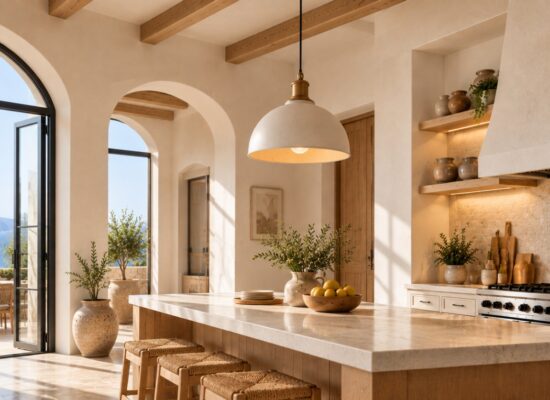
Greek bespoke lights
Greek Bespoke Lights for Luxury Architectural Projects Greek bespoke lights combine artistic expression, Mediterranean design influences and project-specific craftsmanship to…
29 Sep 2026
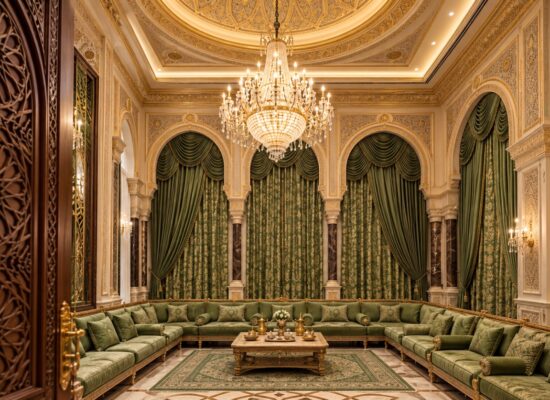
Turkish luxury chandeliers
Turkish Luxury Chandeliers: Heritage, Craftsmanship & Design Turkish luxury chandeliers bring together decorative craftsmanship, architectural scale and contemporary lighting technology…
29 Sep 2026
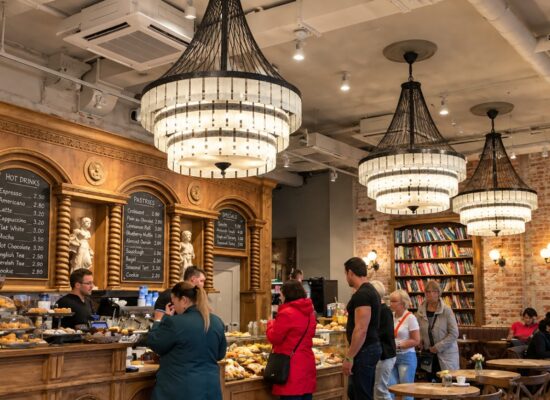
Polish bespoke chandeliers
Polish Bespoke Chandeliers: Craftsmanship, Character and Contemporary Design A chandelier can do more than illuminate a room. In a well-designed…
subscribe for newsletter

Luzion is a leading manufacturer and exporter of high-quality LED lighting solutions. With a focus on design, research, and innovation, we offer a wide range of products for commercial, industrial, residential, and outdoor spaces.
