
Search
Category
- Bollard Light
- Commercial Lighting
- Energy-Efficient Lighting
- LAMPS
- LED Lights
- LED Uplighter
- Light and Colour Theory
- Lighting & Signage Solutions
- Lighting Design and Facade Lighting
- Lighting Design Consultancy UAE
- lighting design principles
- Lighting Fundamentals and Design Principles
- Lighting Solutions
- Nature of Light in Lighting Design
- Panel Lights vs. Spot Lights
- Portable Lights
- Signage Solutions
- Smart Controllers for Streetlights
- Solar Lights
- Tree Lighter
- Uncategorized
Recent Posts
Portuguese bespoke lights
Belgian bespoke lights

German bespoke lights

Spanish bespoke lights

Czech bespoke lights
Tags
- Architectural Lighting
- Architectural Lighting Design
- Architectural Lighting Design UAE
- automation
- Best Lighting Design Consultancy in UAE
- COB LED Technology
- COB Spotlights
- Color Temperature in Lighting
- Commercial Lighting Design
- Commercial Lighting Fixtures
- Commercial Lighting Innovations
- Commercial Lighting UAE
- Cylinder COB Lights
- Dialux Lighting Design
- Dialux Lighting Design UAE
- Energy Efficient Lighting
- Energy-Efficient Lighting USA
- Exterior Lighting Solutions
- Facade & Exterior Lighting
- Facade Lighting
- Facade Lighting Design
- Facade Lighting Design UAE
- Facade lighting ideas
- Facade Lighting UAE
- Facade Uplighting
- Green Building Design
- Indoor & Exterior Lighting Solutions
- Interior Lighting Design
- Lamps
- LED Lighting Solutions
- LED lights
- LED Panel
- LED Uplighters
- LED vs Halogen
- Light and Color Theory
- Lighting Basics
- Lighting Consultancy UAE
- Lighting Design
- Lighting Design Consultancy in UAE
- Lighting Design Principles
- Lighting Design UAE
- Lighting Fundamentals Guide
- Lighting Layers
- Lumen Output in Lighting
- Modern Building Lighting Ideas
- Modern Lighting Ideas
- Office Lighting Solutions
- Outdoor Lighting Consultants UAE
- Panel Lights vs. Spot Lights
- Portable Lights
- smart light
- Smart Lighting Systems
- Sustainable Architecture
- Sustainable Lighting UAE
- Villa Lighting UAE
22Sep 2026
- Lighting Solutions


Dutch bespoke lights
Dutch Bespoke Lights: Design, Craftsmanship & Creative Direction
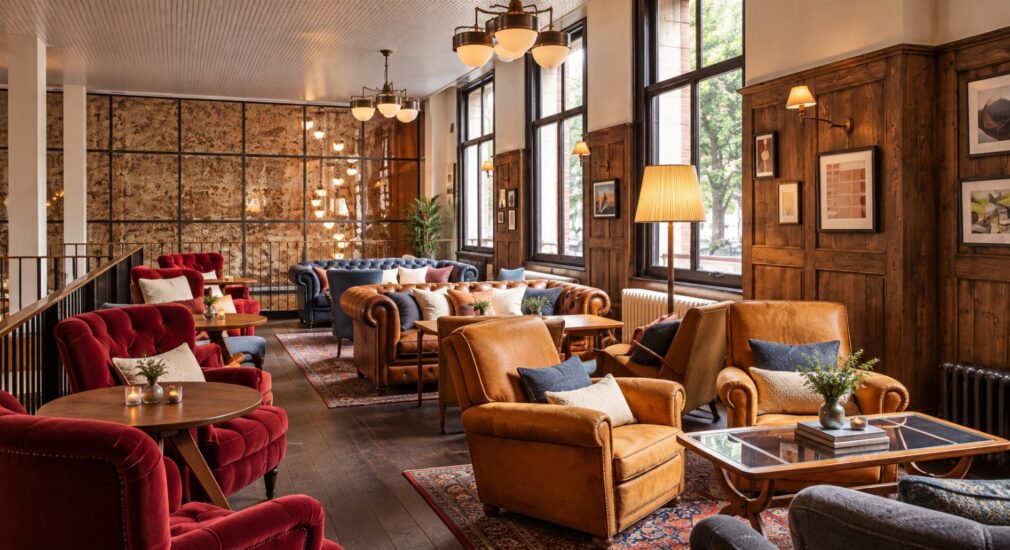
Lighting can influence how architecture is perceived long after the first visual impression. In premium residential, hospitality and commercial environments, a light fitting is no longer treated simply as a source of illumination. Its proportions, materials, finish, colour, geometry and relationship with the surrounding architecture can become an important part of the overall design language.
Dutch bespoke lights are particularly relevant to projects where standard catalogue products cannot fully express the intended concept. Dutch-inspired lighting is often associated with refined forms, thoughtful detailing, contemporary aesthetics and an appreciation for materials. Bespoke development takes this approach further by allowing a lighting fixture to be developed around a specific architectural or interior requirement.
From a sculptural pendant above a hospitality reception to a discreet linear fitting integrated into an architectural feature, Dutch bespoke lighting can be developed to respond to the scale, character and technical requirements of an individual project.
What Are Dutch Bespoke Lights?
Dutch bespoke lights are custom-designed or specially developed lighting fixtures influenced by Dutch design principles and craftsmanship. Rather than selecting an off-the-shelf fitting and adapting the architecture around it, bespoke lighting allows the fixture itself to be developed according to the project’s requirements.
This can involve custom dimensions, materials, finishes, mounting methods, light distribution, colour temperature, LED technology and decorative detailing.
A bespoke fixture may therefore be created for a particular:
- Architectural feature
- Interior concept
- Ceiling condition
- Wall or facade element
- Hospitality environment
- Luxury residence
- Retail installation
- Restaurant or lounge
- Corporate interior
- Public or cultural space
The objective is not simply to make a light look different. Effective Dutch custom lighting combines visual character with practical illumination, engineering and long-term usability.
The Dutch Approach to Lighting Design
Dutch design has a distinctive relationship with simplicity, functionality and visual balance. In lighting, these qualities can translate into carefully considered proportions, restrained detailing and an emphasis on how light interacts with materials and space.
A successful Dutch lighting design concept may appear visually simple, yet considerable attention can be given to the details behind that simplicity.
The relationship between the fitting and its surroundings is particularly important. A fixture should have an appropriate scale for the room, complement the architectural language and deliver the required illumination without creating unnecessary visual distraction.
This design philosophy is valuable for contemporary projects where architects and interior designers want lighting to feel integrated rather than added as an afterthought.
From Concept to Bespoke Fixture
The development of a bespoke light normally begins with the design intention. Architectural drawings, interior concepts, reference images, material palettes and technical requirements can all influence the development process.
For architects and designers, the initial concept may specify the overall appearance of the fixture without defining every technical detail. The lighting manufacturer or specialist fabricator can then help translate that concept into a workable product.
A typical bespoke development can consider:
| Design Element | Bespoke Consideration |
|---|---|
| Dimensions | Diameter, length, height and overall proportions |
| Form | Geometric, linear, curved, sculptural or organic |
| Material | Aluminium, brass, stainless steel, glass, acrylic and other materials |
| Finish | Powder coating, metallic finishes, textured surfaces and custom colours |
| Light Source | LED modules, LED strips, COB or other suitable technologies |
| Colour Temperature | Warm, neutral or project-specific CCT |
| Optics | Diffused, narrow, medium, wide or specialised distribution |
| Mounting | Ceiling, wall, recessed, surface, suspended or integrated |
| Controls | Dimming, DALI, smart controls or project-specific systems |
This level of flexibility makes bespoke lighting fixtures particularly suitable for projects where architectural details and lighting need to be coordinated from the beginning.
Craftsmanship Behind Dutch Handcrafted Lighting
The visual quality of a bespoke fitting depends heavily on the precision of its construction. A sophisticated concept can lose its impact if joints, edges, finishes or proportions are poorly executed.
Dutch handcrafted lighting therefore represents more than decorative appearance. Craftsmanship can involve material selection, fabrication accuracy, surface treatment, assembly and finishing.
For premium projects, even small details can influence the final result. The edge of a metal profile, the transition between materials, the depth of a diffuser or the way a fitting meets the ceiling can affect how refined the completed installation appears.
Bespoke manufacturing also creates opportunities to develop details that are difficult to achieve with mass-produced fixtures. Custom brackets, concealed fixing systems, specialised housings and project-specific dimensions can all be incorporated into the design.
Materials That Shape the Character of Bespoke Lighting
Material selection plays an important role in the identity of custom lighting.
Metal can create a precise architectural appearance, while glass can introduce transparency, reflection and softness. Aluminium is frequently useful where lightweight construction and precision are important. Brass and other decorative metals can add warmth and a more luxurious visual character.
For contemporary interiors, combinations of metal, glass, acrylic, wood-inspired finishes or architectural surfaces can create distinctive lighting pieces without overwhelming the space.
The finish is equally important. A matte surface may provide a quiet contemporary appearance, whereas a polished or metallic finish can become a stronger decorative feature.
For Dutch luxury lighting, these choices should be considered alongside the surrounding materials rather than independently. The lighting fixture should belong naturally to the interior palette.
Bespoke Lighting as Part of Architecture
One of the strongest applications of custom lighting is architectural integration.
Instead of treating a luminaire as a separate object, designers can develop lighting that becomes part of the architecture. Linear profiles can follow walls or ceilings. Suspended fixtures can be proportioned to large atriums. Recessed lighting can disappear into architectural details. Sculptural fixtures can become focal elements within hospitality or residential interiors.
This approach is especially relevant when working with:
- Luxury hotels and resorts
- High-end villas
- Premium apartments
- Restaurants and fine-dining spaces
- Retail interiors
- Corporate headquarters
- Showrooms
- Cultural and public buildings
- High-end residential developments
The result can be a lighting installation that supports both the functional requirements of the space and its visual identity.
Why Architects and Designers Specify Bespoke Lights
Standard lighting products can satisfy many projects, but some architectural concepts require greater flexibility.
A project may have an unusual ceiling height, a distinctive architectural curve, a specific decorative language or a requirement for a particular fixture size. In such situations, custom lighting can provide greater control over the relationship between the product and the architecture.
For architects, this can help preserve the original design intent. For interior designers, it can create a more cohesive material and decorative palette. For developers and hospitality brands, distinctive lighting can contribute to the identity and atmosphere of a property.
The most successful bespoke lighting is therefore not simply visually unusual. It is carefully coordinated with architecture, interior design, electrical requirements, illumination levels and the practical conditions of the project.
Dutch Bespoke Lights for Contemporary Global Architecture
Although Dutch design has its own cultural and design heritage, bespoke lighting concepts can be adapted to architectural projects around the world.
A contemporary hotel in Dubai may require large-scale decorative pendants with integrated LED illumination. A luxury villa in Riyadh may require custom wall lighting that complements stone and architectural finishes. A restaurant in London may need a series of individually proportioned fixtures to establish a particular atmosphere. A commercial interior in New York or Singapore may require custom linear lighting integrated into a complex ceiling system.
These projects demonstrate why Dutch bespoke lighting can be approached as a design and engineering discipline rather than a fixed product category.
The same principles of proportion, material quality, light distribution and architectural integration can be adapted to different climates, building types, interior styles and project specifications.
Designing Lighting That Belongs to the Space
The strongest bespoke lighting concepts rarely compete with the architecture. Instead, they establish a relationship with it.
A carefully developed fitting can echo a building’s geometry, complement its material palette or provide a controlled contrast. Its dimensions can respond to the scale of the space, while its optical performance can create the required visual comfort.
This balance between design, craftsmanship and illumination is what gives bespoke lighting its long-term value.
Dutch bespoke lights can therefore provide architects, lighting designers, interior designers and project developers with a flexible route to creating lighting that is distinctive without becoming disconnected from the architecture.
Dutch Bespoke Lights: Customisation, Materials & Architectural Applications
The value of bespoke lighting becomes more apparent when a project moves beyond standard dimensions, finishes and installation conditions. A lighting concept may require a particular diameter, an unusual length, a specific mounting detail or a carefully controlled beam of light. In such situations, Dutch bespoke lighting provides a design-led approach in which the fixture can be developed around the project rather than forcing the project to adapt to a fixed product.
For architects, interior designers, lighting consultants and developers, this flexibility can be especially important in premium hospitality, residential, retail and commercial environments where lighting is expected to contribute to both visual identity and functional performance.
Customisation Beyond Standard Lighting Fixtures
A bespoke lighting fixture can be customised at several levels. The most visible changes may involve shape, size and finish, but the technical construction behind the fitting can also be adapted.
A designer may begin with a simple concept such as a long suspended light, a circular pendant, a sculptural wall fixture or a concealed linear element. From there, the design can be developed according to the available space and required illumination.
Typical customisation options include:
- Overall fixture dimensions
- Length, diameter and profile
- Curved or straight geometry
- Recessed or surface installation
- Ceiling, wall or suspended mounting
- Custom brackets and fixing systems
- LED configuration
- Diffuser design
- Beam distribution
- Colour temperature
- Dimming compatibility
- Emergency lighting integration where required
- Surface finish and colour
- Cable and suspension arrangements
This makes Dutch custom lighting suitable for projects where architectural precision is more important than selecting a standard catalogue size.
Bespoke Shapes and Proportions
Proportion is one of the most important elements of architectural lighting.
A fitting that is technically suitable can still appear inappropriate if its dimensions do not relate to the room. A pendant that is too small may disappear within a large reception area, while an oversized fixture can dominate a more intimate interior.
Bespoke development allows the designer to control these relationships.
Long linear fixtures can be produced for extended dining tables or corridors. Circular forms can be developed around architectural voids. Repeated modules can create rhythm across a ceiling. Curved lighting can follow an architectural wall, staircase or feature ceiling.
For this reason, Dutch designer lighting can be particularly effective when the fixture needs to respond to the geometry of a specific space.
Materials and Finishes for Bespoke Dutch Lighting
Material selection influences both appearance and durability.
Aluminium is often useful for architectural lighting because it can provide a combination of precision, lightweight construction and effective thermal management. Stainless steel can be considered where additional mechanical durability or a particular visual finish is required.
Brass and other decorative metals can introduce warmth into hospitality and residential interiors. Glass can provide transparency, diffusion and a softer visual character, while acrylic and engineered diffusing materials can be used when controlled light transmission is required.
The choice should depend on the project environment rather than appearance alone.
For example, a luxury hotel interior may require a decorative metallic finish, while a minimalist corporate environment may benefit from a refined matte surface. Outdoor or semi-outdoor applications may require materials and coatings selected specifically for environmental exposure.
Common Bespoke Material Considerations
| Material | Potential Design Character | Typical Considerations |
|---|---|---|
| Aluminium | Clean, architectural, contemporary | Weight, thermal performance, finish |
| Stainless Steel | Precise and durable | Grade, corrosion resistance, surface finish |
| Brass | Warm, decorative, premium | Patina, coating, maintenance |
| Glass | Elegant and transparent | Diffusion, thickness, fragility |
| Acrylic | Lightweight and versatile | Diffusion, colour stability, impact resistance |
| Powder-Coated Metal | Wide range of colours and textures | Surface preparation and coating quality |
The right material combination can make a bespoke light fixture feel integrated with the architecture instead of appearing like an isolated decorative object.
Surface Finishes That Define the Final Appearance
A lighting fixture’s finish can significantly change how it is perceived.
Matte black, warm metallic tones, brushed finishes, neutral architectural colours and custom powder-coated shades can all create different visual relationships with the surrounding interior.
In luxury projects, finishes are often selected alongside flooring, stone, timber, furniture, wall panels and other architectural materials. This allows the lighting to become part of a coordinated interior palette.
For projects requiring a highly specific appearance, custom colour matching can also be considered, subject to the selected manufacturing process and finish specification.
This level of control is one reason bespoke lighting fixtures are frequently considered for high-end interiors where standard white, black or metallic options may not provide the desired result.
LED Technology in Dutch Bespoke Lights
Modern bespoke lighting is not only about the exterior appearance of the fitting. The LED system inside the fixture has an equally important role.
The appropriate LED configuration should be selected according to the intended application, mounting position, required illumination and visual comfort.
Important technical parameters can include:
- LED efficacy
- Wattage
- Lumen output
- Colour temperature
- Colour rendering
- Beam angle
- Glare control
- Dimming requirements
- Driver configuration
- Thermal management
- Control compatibility
- Expected operating life
For decorative fixtures, the LED system may need to remain visually discreet. For architectural applications, the light source may need to provide precise and consistent illumination across a surface.
A carefully engineered custom lighting solution therefore considers the luminaire as a complete system rather than simply selecting a decorative housing.
Light Distribution and Visual Comfort
A beautiful fixture can still perform poorly if the light distribution is not appropriate.
Bespoke lighting gives designers an opportunity to specify how light should leave the fitting. Depending on the application, the desired effect may be diffuse illumination, focused accent lighting, indirect illumination or a controlled linear distribution.
Glare should also be considered during the design stage. The position of the LED, diffuser depth, optical system, installation height and viewing direction can all influence visual comfort.
In hospitality environments, for example, decorative lighting may need to create atmosphere while maintaining comfortable illumination for guests. In retail environments, controlled light distribution can support merchandise presentation. In residential projects, softer illumination may be preferred in living and bedroom spaces.
The technical design should therefore support the intended experience rather than treating optics as an afterthought.
Bespoke Lighting for Luxury Hotels and Hospitality
Hospitality is one of the most suitable environments for luxury bespoke lighting because lighting often contributes directly to the identity and atmosphere of the property.
Hotels may require custom lighting for:
- Reception areas
- Hotel lobbies
- Restaurants
- Bars and lounges
- Guest corridors
- Suites
- Ballroom spaces
- Staircases
- Feature walls
- Spa and wellness areas
- Outdoor terraces
A large custom pendant can establish a focal point in a lobby, while discreet integrated lighting can create continuity through corridors and public spaces.
For international hospitality developments, bespoke lighting can also help maintain a consistent design language across multiple areas of a property while allowing individual spaces to have their own character.
Bespoke Lights for Luxury Villas and Residential Architecture
Residential architecture presents a different set of requirements.
A luxury villa may combine architectural lighting with decorative fixtures, landscape illumination and interior feature lighting. Custom fittings can be developed to complement the building’s proportions, furniture and material palette.
Examples include custom chandeliers for double-height spaces, linear pendants above dining tables, decorative wall lights for corridors, bespoke bedside fixtures and sculptural lighting for entrance areas.
In contemporary villas, integrated lighting can also be designed around architectural elements such as floating staircases, curved ceilings, stone walls and custom joinery.
The objective is to create a cohesive lighting environment rather than a collection of unrelated fixtures.
Custom Lighting for Restaurants and Retail Spaces
Restaurants often use lighting to establish atmosphere and visual hierarchy. Bespoke fixtures can be developed specifically for dining tables, counters, private dining areas or feature installations.
A restaurant may require a series of lights with identical visual characteristics but different dimensions to accommodate multiple spaces.
Retail environments can similarly benefit from custom lighting where the fixture needs to complement brand identity or integrate into a particular display system.
In both applications, the relationship between decorative appearance and functional illumination is important.
Architectural Integration for Commercial Projects
Modern offices, showrooms, corporate interiors and commercial developments increasingly use lighting as part of the architectural concept.
Architectural bespoke lighting can be integrated into ceilings, walls, partitions, joinery and furniture systems.
For example, a continuous linear fixture can follow a ceiling grid, while a custom recessed system can disappear into a wall detail. Suspended lighting can also be developed around a meeting table or central architectural feature.
This integration creates a cleaner visual language and allows the lighting to support the geometry of the building.
From Design Concept to Production
A successful bespoke lighting project requires coordination between design and manufacturing.
The development process may include:
Concept → Design Development → Technical Engineering → Prototype → Sample Approval → Production → Quality Control → Project Delivery
During this process, drawings and technical information help ensure that the proposed fitting can be manufactured, installed and maintained effectively.
Depending on project requirements, documentation may include dimensions, mounting details, electrical specifications, photometric information, material and finish samples, installation instructions and product data.
For architects and consultants, this documentation can make it easier to coordinate lighting with other building services and architectural packages.
Bespoke Lighting as a Complete Design Solution
The strongest Dutch bespoke lights are created when visual design and technical performance are considered together.
Custom dimensions provide architectural flexibility. Carefully selected materials establish visual character. Quality finishes support the interior palette. LED technology delivers the required illumination. Optics control the distribution of light. Mounting systems allow the fixture to integrate correctly with the architecture.
Together, these elements transform bespoke lighting from a decorative product into a project-specific lighting solution.
Whether the requirement is a sculptural pendant for a luxury hotel, a custom linear installation for a contemporary office, decorative wall lighting for a private residence or a coordinated lighting collection for an international development, bespoke manufacturing allows the design to respond directly to the project’s identity and technical requirements.
Dutch Bespoke Lights for Global Architectural Projects
Bespoke lighting is particularly valuable when a project has a strong architectural identity that cannot be fully supported by standard lighting products. Across international hospitality, residential, retail and commercial developments, designers increasingly look for lighting that can respond to the proportions, materials and character of a particular space.
Dutch bespoke lights can provide this flexibility by combining design development, custom fabrication and lighting engineering into one coordinated process.
From contemporary hotels in the Middle East to luxury residences in Europe, private developments in North America and commercial interiors across Asia, bespoke lighting can be adapted to different architectural languages while maintaining a consistent focus on proportion, material quality and controlled illumination.
Dutch Bespoke Lighting for International Architecture
International architecture is highly diverse. A luxury hotel in Dubai may have a completely different design language from a private residence in London or a contemporary retail environment in New York.
This is where customisation becomes important.
Rather than applying the same fixture design to every project, Dutch bespoke lighting can be developed according to the project’s architectural character.
The design process may respond to:
- Local architectural styles
- Interior material palettes
- Ceiling and wall construction
- Project dimensions
- Lighting levels
- Environmental conditions
- Electrical requirements
- Local installation practices
- Brand identity
- Maintenance requirements
This flexibility allows a bespoke fixture to become part of the project’s architecture rather than appearing as a standard product placed into the space.
Bespoke Lighting for UAE and Middle Eastern Projects
The UAE and wider Middle East have become important environments for luxury hospitality, residential and commercial architecture. Large villas, premium hotels, resorts, retail destinations and mixed-use developments often require distinctive lighting solutions that complement sophisticated interiors.
In Dubai and Abu Dhabi, for example, bespoke fixtures may be developed for grand entrances, double-height lobbies, restaurants, luxury residences and feature ceilings.
In Saudi Arabia, projects in Riyadh and other major cities may combine contemporary architecture with regional materials and decorative elements. Custom lighting can be designed to complement stone, timber, metal, marble and other finishes while meeting the technical requirements of the project.
Across Qatar, Kuwait, Bahrain and Oman, bespoke lighting can similarly be adapted for hotels, resorts, private residences, commercial buildings and high-end interiors.
The key consideration remains the project itself rather than a fixed geographical style.
Lighting for Luxury Villas and Private Residences
Luxury residential projects often provide considerable freedom for custom lighting design.
A villa may include multiple architectural zones, each requiring a different lighting character. The entrance can require a statement fixture, while living spaces may use decorative pendants and concealed illumination. Staircases can incorporate custom wall or linear lighting, while bedrooms may require more intimate and controlled light.
Bespoke lights for luxury villas can therefore be designed as a coordinated collection rather than as individual products.
For example, a design language may be carried across:
- Entrance chandeliers
- Dining pendants
- Living room fixtures
- Staircase lighting
- Corridor wall lights
- Bedroom pendants
- Vanity lighting
- Decorative wall fixtures
- Outdoor covered-area lighting
Using related materials, finishes and proportions can create visual continuity throughout the property.
Bespoke Lighting for Hotels and Resorts
Hospitality projects often require a much broader lighting package.
A hotel can contain hundreds of individual lighting points across public areas, guest rooms, restaurants, corridors, meeting spaces and outdoor environments. Bespoke development can help establish a consistent visual language while allowing different fixture types to perform different functions.
A custom hotel lighting collection may include:
Lobby Lighting: Large-scale pendants, chandeliers or sculptural installations.
Restaurant Lighting: Decorative suspended fixtures designed around dining layouts.
Corridor Lighting: Compact wall fixtures or integrated linear systems.
Guestroom Lighting: Bedside, reading, vanity and decorative fixtures.
Spa Lighting: Softer and more visually comfortable lighting.
Outdoor Hospitality Lighting: Custom luminaires developed for terraces, entrances and landscape features where appropriate.
For hotel brands and developers, bespoke lighting can also support a distinctive interior identity.
Bespoke Lighting for Restaurants and Fine Dining
Lighting has an important role in creating atmosphere within restaurants.
The fixture itself can become part of the interior concept, while the light source provides the required illumination over tables, counters and circulation areas.
Custom restaurant lighting can be developed around specific table arrangements or architectural features. Repeated fixtures can establish rhythm across a dining room, while a larger sculptural installation can create a visual focal point.
Materials such as brass, glass, metal and custom-finished surfaces can be combined to complement the restaurant’s interior palette.
In fine-dining environments, visual comfort is especially important. Decorative lighting should provide atmosphere without creating unnecessary glare for diners.
Bespoke Lighting for Retail and Luxury Brands
Luxury retail environments often require lighting that works alongside a carefully controlled brand experience.
Custom fixtures can be designed around display systems, architectural walls, counters, shelving and feature installations. The dimensions and finish can be coordinated with the brand’s interior identity.
For flagship stores, bespoke lighting may also become an architectural feature in its own right.
The same principle applies to jewellery stores, fashion boutiques, automotive showrooms, galleries and premium lifestyle environments.
Here, custom lighting fixtures can contribute to the overall customer experience while supporting the functional requirements of the space.
European Applications of Dutch Bespoke Lighting
Dutch design naturally sits within the wider European design landscape, but bespoke lighting can be adapted to a broad range of European architectural styles.
Projects in the UK, Germany, France, Italy, Spain, Belgium, Switzerland and other European markets may require different approaches to materiality, proportions and installation.
Contemporary residential architecture may favour minimalist linear lighting, while hospitality interiors may call for more decorative or sculptural fixtures.
The important factor is not to impose a particular design style. Instead, the bespoke process should respond to the project’s architecture and interior concept.
This makes European bespoke lighting relevant to both modern and more decorative environments.
North American Project Applications
In the USA and Canada, bespoke lighting can be specified for luxury residential developments, hotels, restaurants, corporate interiors, retail environments and cultural projects.
Large architectural spaces may require substantial custom fixtures with carefully coordinated dimensions. High-end residential projects may demand decorative fittings designed around individual interiors.
For commercial projects, custom linear lighting and integrated systems can provide a cleaner architectural appearance while supporting workplace illumination requirements.
Project coordination is particularly important where custom fixtures need to integrate with ceiling systems, electrical infrastructure, controls and other building services.
Bespoke Lighting Across Asia and Other Global Markets
Contemporary architectural development across Singapore, Australia, Japan, South Korea and other international markets creates further opportunities for custom lighting.
Asian hospitality and residential projects may combine contemporary architectural forms with local materials, cultural references and highly detailed interiors.
A bespoke lighting manufacturer can work from architectural drawings, mood boards, material samples and technical specifications to develop fixtures that support these individual design directions.
The same approach can be applied across Africa, Australia, New Zealand and other international markets where project-specific lighting requirements demand greater flexibility than standard catalogue products can provide.
Working With Architects and Lighting Designers
The success of a bespoke lighting project often depends on early collaboration.
Architects establish the architectural language. Interior designers develop material and spatial concepts. Lighting designers define illumination strategies and visual hierarchy. Electrical and MEP consultants coordinate infrastructure and controls. Manufacturers translate the design into a technically viable product.
This collaboration can involve:
- Design Brief — Understanding the architectural intention and project requirements.
- Reference Development — Reviewing drawings, renders, sketches and material references.
- Technical Development — Establishing dimensions, LED configuration, optics, mounting and electrical details.
- Prototype or Sample — Evaluating the physical appearance and technical performance.
- Approval — Confirming design, finish and specifications.
- Production — Manufacturing the approved lighting fixtures.
- Quality Control — Checking dimensions, finish, electrical components and assembly.
- Project Delivery — Preparing the fixtures for installation and coordination.
This structured approach helps reduce the gap between a creative lighting concept and the final installed product.
DIALux, Photometry and Technical Coordination
Bespoke lighting should not be developed purely from an aesthetic perspective when the project requires measurable illumination.
For architectural and commercial environments, photometric information can help designers understand how the fixture performs within the space.
Depending on the project, technical development may include:
- Photometric files
- IES or equivalent lighting data
- DIALux calculations
- Lumen output
- Wattage
- Beam angle
- Colour temperature
- Colour rendering information
- Driver specifications
- Dimming compatibility
- Mounting details
- Installation documentation
This information can support lighting calculations and coordination with other project disciplines.
For larger developments, early technical coordination can also help identify installation challenges before manufacturing begins.
Bespoke Lighting for Projects With a Distinctive Identity
One of the strongest reasons to specify custom lighting is the ability to create something that belongs specifically to the project.
A hotel may require a signature chandelier that reflects its architectural concept. A private residence may need a lighting collection developed around bespoke furniture and interior finishes. A restaurant may require a series of custom pendants that create rhythm across its dining space.
In each case, the fixture becomes more than an illumination device.
It becomes part of the visual language of the building.
International Supply and Project Coordination
For international projects, manufacturing capability is only one part of the process. Communication, documentation, packaging, logistics and technical coordination are also important.
Architects, developers and procurement teams may need clear information about:
- Product dimensions
- Materials and finishes
- Electrical specifications
- Installation requirements
- Packaging
- Delivery schedules
- Quantity requirements
- Quality control
- Project documentation
A lighting partner supporting international projects should therefore be able to communicate effectively across design, engineering and procurement stages.
For Dutch bespoke lights, this global approach allows the design concept to move from initial inspiration to a finished fixture suitable for a specific architectural environment.
Creating a Consistent Global Lighting Language
International developers and hospitality groups may work across several countries while maintaining a recognisable design identity.
Bespoke lighting can support this by establishing a common design language through selected forms, materials, finishes and lighting characteristics.
At the same time, individual fixtures can be adapted to different room sizes, architectural conditions and local requirements.
This balance between consistency and customisation is particularly valuable for luxury brands and multi-location developments.
The Future of Bespoke Architectural Lighting
The role of bespoke lighting continues to expand as architecture becomes increasingly focused on individual identity, material expression and integrated technology.
Future lighting concepts are likely to bring together decorative design, architectural integration, energy efficiency, digital controls and advanced LED technology.
For designers, this means that the boundary between lighting fixture and architecture can become increasingly subtle.
Dutch bespoke lights sit naturally within this evolution because they provide the flexibility to develop lighting around a project’s design intent rather than relying entirely on predefined products.
Whether the project is a luxury villa in Dubai, a hotel in Riyadh, a restaurant in London, a retail environment in New York, a contemporary residence in Singapore or a commercial development elsewhere in the world, the same fundamental principles remain important: proportion, material quality, optical performance, technical precision and architectural integration.
Specifying Dutch Bespoke Lights for a Successful Project
Selecting bespoke lighting is different from choosing a standard catalogue luminaire. A conventional product is generally selected according to predefined dimensions, finishes and technical specifications. With Dutch bespoke lights, the project team has greater flexibility, but that flexibility also requires careful coordination between design, engineering, manufacturing and installation.
For architects, interior designers, lighting consultants, developers and procurement teams, the most effective approach is to establish the design and technical requirements before production begins.
A well-defined brief can help ensure that the finished lighting fixture reflects the original design intention while also meeting the practical requirements of the project.
Start With the Architectural Intent
Every successful bespoke lighting project begins with a clear understanding of the space.
Before developing a custom fixture, the project team should consider the architecture, interior design, intended atmosphere and functional requirements.
Useful information may include:
- Architectural drawings
- Interior elevations
- Reflected ceiling plans
- 3D renders
- Mood boards
- Material samples
- Furniture layouts
- Lighting layouts
- Installation locations
- Project photographs
- Required lighting levels
This information provides the foundation for developing a suitable bespoke lighting fixture.
For example, a large entrance lobby may require a statement pendant that responds to the height and geometry of the space, while a narrow corridor may require a slim integrated fixture with controlled light distribution.
Define the Required Dimensions
Dimensions should be established early because they influence both visual proportion and manufacturing.
Important measurements can include:
- Overall length
- Width
- Height
- Diameter
- Profile dimensions
- Suspension length
- Ceiling depth
- Recessed opening
- Mounting plate dimensions
- Cable length
- Distance between repeated fixtures
For projects with multiple fixtures, dimensional consistency is particularly important.
A custom lighting collection may include several related products with different sizes. Maintaining common proportions, materials and detailing can create a unified visual language across the project.
Select Materials and Finishes Carefully
Material selection should reflect both the design concept and the operating environment.
For interior projects, architects may specify aluminium, brass, stainless steel, glass, acrylic or other materials according to the desired appearance.
The finish should then be selected to complement the surrounding architecture.
Possible finishes include:
- Matte finishes
- Brushed metal
- Polished metal
- Textured finishes
- Powder coating
- Custom RAL colours
- Metallic finishes
- Special decorative treatments
For outdoor or semi-outdoor applications, environmental exposure becomes an additional consideration. Material grade, coating system, ingress protection and corrosion resistance may need to be evaluated according to the installation environment.
Specify the Right LED Performance
The appearance of a custom fixture should never be separated from its lighting performance.
The LED system should be selected according to the purpose of the luminaire.
A decorative pendant may require soft and comfortable illumination, while an architectural linear fixture may need a more controlled and consistent output.
Important parameters include:
Colour Temperature
Warm white light can create a comfortable and intimate atmosphere, while neutral white can provide a cleaner and more contemporary appearance. The appropriate colour temperature should be selected according to the application and overall lighting scheme.
Colour Rendering
For hospitality, retail and residential environments, colour rendering can be particularly important because lighting influences the appearance of materials, finishes, food, artwork and merchandise.
Lumen Output
The required lumen output should be considered in relation to mounting height, room dimensions, surface reflectance and the overall lighting strategy.
Beam Distribution
Optical distribution can determine whether the light is broad, focused, diffused or directed toward a particular surface.
Glare Control
LED positioning, diffuser design, optical components and installation geometry should be evaluated to provide comfortable illumination.
These factors allow custom lighting to achieve both visual character and practical performance.
Consider Lighting Controls
Contemporary architectural projects increasingly incorporate lighting controls.
Depending on the application, bespoke fixtures may need to work with systems such as:
- DALI
- 0–10V
- Phase dimming
- DMX
- Smart lighting controls
- Scene-setting systems
- Building management systems
Control compatibility should be considered during technical development rather than after manufacturing.
This is particularly important for hospitality and commercial projects where different lighting scenes may be required throughout the day.
Prototype and Sample Approval
For visually important bespoke fixtures, a prototype or sample can provide an important stage of quality verification.
A physical sample allows the project team to evaluate:
- Scale
- Proportion
- Material
- Finish
- Light quality
- Diffuser appearance
- Mounting details
- Cable arrangement
- LED positioning
- Overall craftsmanship
A sample can also reveal practical issues that may not be obvious in a drawing or 3D render.
Where required, adjustments can be made before production begins.
This is especially valuable for large projects involving significant quantities of custom fixtures.
Manufacturing Precision Matters
The quality of Dutch handcrafted lighting is ultimately reflected in the finished product.
Precision during fabrication affects dimensions, alignment, joints, surface quality and assembly. For decorative fixtures, these details can have a significant visual impact.
Quality control can include checking:
- Dimensions
- Material specifications
- Surface finish
- Welds and joints
- LED installation
- Driver configuration
- Wiring
- Diffuser fit
- Mounting hardware
- Functional performance
- Packaging condition
For architectural projects, consistent quality across multiple units is particularly important.
Technical Documentation for Architects and Consultants
Professional project documentation helps different teams coordinate effectively.
Depending on the project, documentation may include:
- Product datasheets
- Dimension drawings
- Installation drawings
- Photometric files
- IES files
- Electrical specifications
- Driver information
- Material specifications
- Finish schedules
- Mounting details
- Maintenance information
Where lighting calculations are required, photometric data can also support DIALux or other lighting simulation workflows.
This technical information can help architects, lighting designers, MEP consultants and contractors coordinate the custom fixture with the wider project.
Installation and Maintenance Should Be Considered Early
A bespoke luminaire should not only look correct when installed. It should also be practical to install and maintain.
Installation considerations may include access, mounting structure, fixture weight, cable routing, driver location and connection requirements.
For large suspended fixtures, structural coordination may be particularly important.
Maintenance should also be considered during design. LED modules, drivers and other serviceable components should be accessible where future replacement or servicing may be required.
These considerations can prevent avoidable complications once the project reaches the installation stage.
Working With a Bespoke Lighting Manufacturer
The choice of manufacturing partner can influence the entire development process.
Architects and procurement teams should look for a partner capable of understanding both the creative and technical aspects of the project.
Relevant capabilities can include:
- Custom product development
- Architectural lighting knowledge
- Engineering support
- Prototype development
- Material and finish customisation
- LED integration
- Photometric support
- Quality control
- Project documentation
- International project coordination
- Export packaging and logistics
For complex projects, communication is just as important as manufacturing capability.
The manufacturer should be able to understand the design intent and translate it into a technically viable lighting product.
Dutch Bespoke Lights as a Long-Term Design Investment
Bespoke lighting can require more design development than a standard product, but its value can extend beyond the initial visual impact.
A well-designed custom fixture can become a defining element of an interior or architectural project.
It can reinforce a hotel’s identity, complement a luxury residence, support a retail brand or create a recognisable visual feature within a commercial development.
The most successful projects treat bespoke lighting as part of the architecture rather than as a final decorative addition.
Luzion Lighting for Bespoke Architectural Lighting
For projects requiring customised architectural and decorative lighting, Luzion Lighting provides a project-oriented approach combining lighting design, custom product development and manufacturing.
From concept development and material selection to technical specifications, LED integration, optical requirements and production, bespoke lighting can be developed around the requirements of the individual project.
Luzion’s capabilities can support architects, developers, interior designers, lighting consultants, contractors and procurement teams working on projects across India, the UAE, Saudi Arabia, Qatar, Kuwait, Bahrain, Oman, the USA, UK and other international markets.
Whether the requirement is a custom pendant, sculptural fixture, bespoke wall light, architectural linear system or a coordinated collection of luminaires, the objective is to create lighting that responds to the project’s architecture, design language and technical requirements.
Planning a bespoke lighting project? Share your drawings, concept, dimensions, reference images or project requirements with the Luzion team to discuss a suitable custom lighting approach.
Frequently Asked Questions About Dutch Bespoke Lights
1. What are Dutch bespoke lights?
Dutch bespoke lights are custom-designed or specially developed lighting fixtures influenced by Dutch design principles, craftsmanship and contemporary aesthetics. They can be customised in dimensions, materials, finishes, LED technology, optics and mounting configurations.
2. Can Dutch bespoke lighting be customised for architectural projects?
Yes. Bespoke lighting can be developed around specific architectural dimensions, interior concepts, materials, ceiling conditions and technical requirements. Customisation may include the fixture’s form, size, finish, light source and installation method.
3. Where can bespoke Dutch lighting be used?
Bespoke lighting can be used across luxury villas, hotels, resorts, restaurants, retail environments, offices, showrooms, cultural spaces and other architectural projects. The fixture can be developed according to the requirements of the individual space.
4. Can bespoke lighting fixtures use different LED specifications?
Yes. Depending on the fixture design and project requirements, LED specifications can be selected for colour temperature, lumen output, colour rendering, beam distribution, dimming and other performance requirements.
5. Can custom lighting be developed for international projects?
Yes. Bespoke lighting can be developed for architectural projects across different international markets. Dimensions, materials, finishes, electrical requirements, documentation and installation conditions can be coordinated according to the project’s specifications.
6. Can Luzion develop custom lighting fixtures?
Luzion Lighting can support customised architectural and decorative lighting requirements, including bespoke fixture development, material and finish selection, LED integration, technical coordination and manufacturing for project-specific applications.
Conclusion
Dutch bespoke lights represent a design approach where lighting can be developed around the architecture rather than selected solely from a predefined catalogue.
From the initial concept and material selection to LED performance, optics, prototyping and final manufacturing, every stage can contribute to the quality of the finished installation.
For architects, developers, lighting designers, interior designers and procurement teams, bespoke lighting provides an opportunity to create fixtures that are proportionally appropriate, visually distinctive and technically aligned with the project.
Across luxury villas, hotels, restaurants, retail environments, corporate interiors and architectural developments worldwide, the strongest bespoke lighting solutions combine design intention, craftsmanship, engineering and controlled illumination.
When these elements are coordinated from the beginning, the lighting becomes more than a fixture. It becomes an integral part of the architectural experience.
Related posts
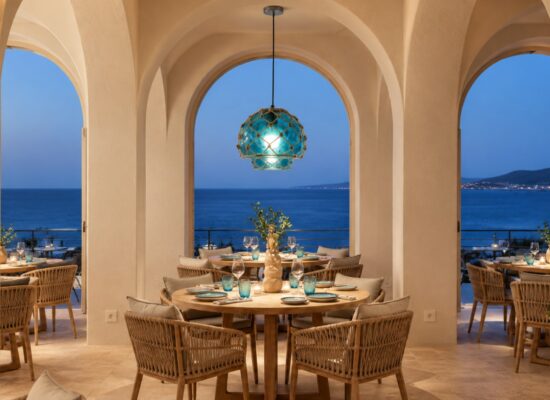
22 Sep 2026
Portuguese bespoke lights
Portuguese Bespoke Lights: Crafted Lighting for Distinctive Interiors & Architecture Lighting can become one of the defining elements of an…
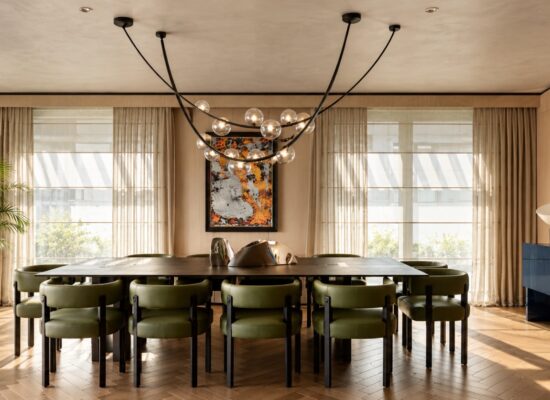
19 Sep 2026
Belgian bespoke lights
Belgian Bespoke Lights: Craftsmanship, Character & Tailored Illumination Lighting can influence how architecture feels long after the sun has disappeared.…
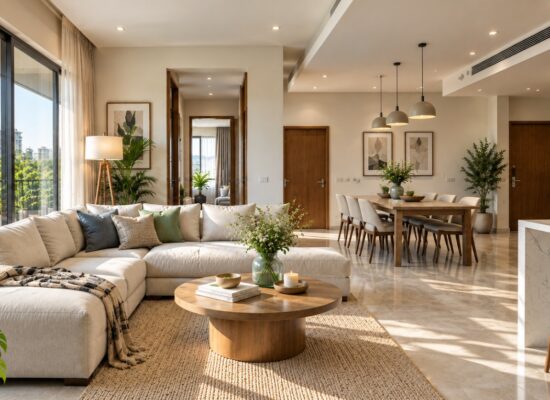
19 Sep 2026
German bespoke lights
German Bespoke Lights: Craftsmanship, Design & Architectural Character German bespoke lights represent a highly considered approach to lighting, where the…
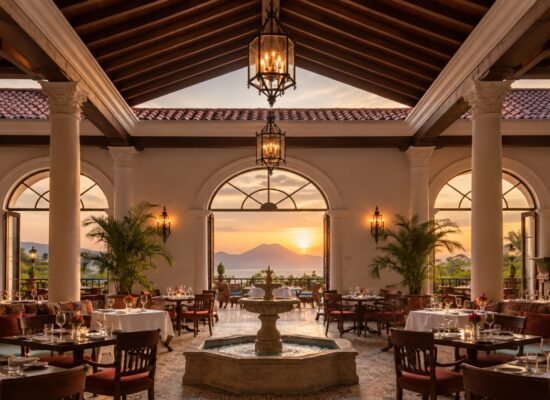
17 Sep 2026
Spanish bespoke lights
Spanish Bespoke Lights: The Art of Custom Lighting from Spain Spanish bespoke lights combine artistic expression, skilled craftsmanship and contemporary…
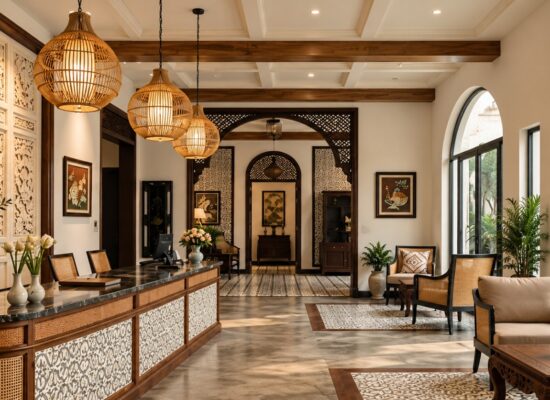
17 Sep 2026
Czech bespoke lights
Czech Bespoke Lights: Handcrafted Lighting for Luxury Spaces Worldwide Lighting is no longer treated simply as a functional element within…
subscribe for newsletter

Luzion is a leading manufacturer and exporter of high-quality LED lighting solutions. With a focus on design, research, and innovation, we offer a wide range of products for commercial, industrial, residential, and outdoor spaces.
