
Search
Category
- Bollard Light
- Commercial Lighting
- Energy-Efficient Lighting
- LAMPS
- LED Lights
- LED Uplighter
- Light and Colour Theory
- Lighting & Signage Solutions
- Lighting Design and Facade Lighting
- Lighting Design Consultancy UAE
- lighting design principles
- Lighting Fundamentals and Design Principles
- Lighting Solutions
- Nature of Light in Lighting Design
- Panel Lights vs. Spot Lights
- Portable Lights
- Signage Solutions
- Smart Controllers for Streetlights
- Solar Lights
- Tree Lighter
- Uncategorized
Recent Posts
Swiss bespoke lights
Portuguese bespoke lights
Dutch bespoke lights
Belgian bespoke lights

German bespoke lights
Tags
- Architectural Lighting
- Architectural Lighting Design
- Architectural Lighting Design UAE
- automation
- Best Lighting Design Consultancy in UAE
- COB LED Technology
- COB Spotlights
- Color Temperature in Lighting
- Commercial Lighting Design
- Commercial Lighting Fixtures
- Commercial Lighting Innovations
- Commercial Lighting UAE
- Cylinder COB Lights
- Dialux Lighting Design
- Dialux Lighting Design UAE
- Energy Efficient Lighting
- Energy-Efficient Lighting USA
- Exterior Lighting Solutions
- Facade & Exterior Lighting
- Facade Lighting
- Facade Lighting Design
- Facade Lighting Design UAE
- Facade lighting ideas
- Facade Lighting UAE
- Facade Uplighting
- Green Building Design
- Indoor & Exterior Lighting Solutions
- Interior Lighting Design
- Lamps
- LED Lighting Solutions
- LED lights
- LED Panel
- LED Uplighters
- LED vs Halogen
- Light and Color Theory
- Lighting Basics
- Lighting Consultancy UAE
- Lighting Design
- Lighting Design Consultancy in UAE
- Lighting Design Principles
- Lighting Design UAE
- Lighting Fundamentals Guide
- Lighting Layers
- Lumen Output in Lighting
- Modern Building Lighting Ideas
- Modern Lighting Ideas
- Office Lighting Solutions
- Outdoor Lighting Consultants UAE
- Panel Lights vs. Spot Lights
- Portable Lights
- smart light
- Smart Lighting Systems
- Sustainable Architecture
- Sustainable Lighting UAE
- Villa Lighting UAE
23Sep 2026
- Lighting Solutions


Murano bespoke lights
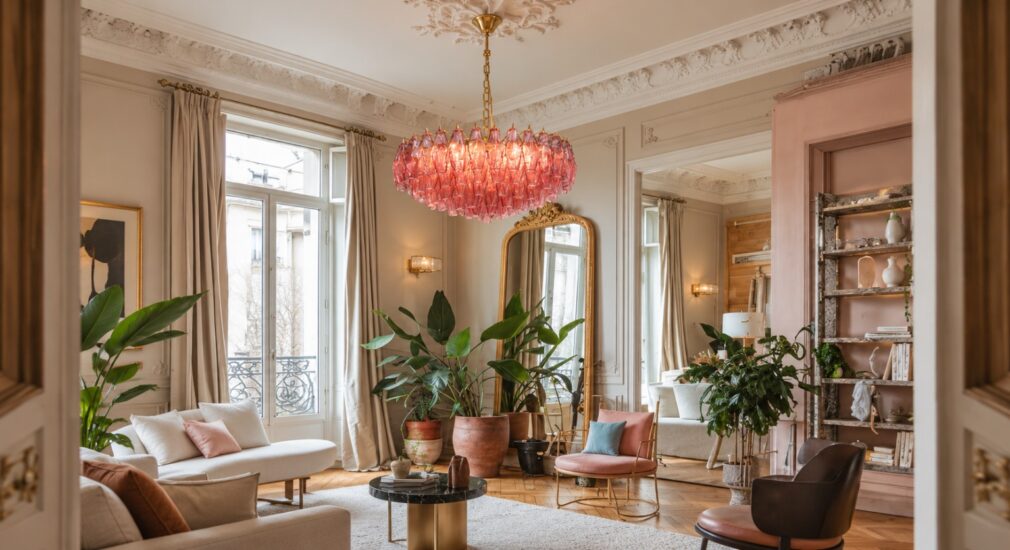
Murano Bespoke Lights: Luxury Glass Lighting for Global Architecture
Lighting can transform the character of an architectural space. In luxury interiors, however, the fixture itself can become an important part of that transformation. The shape of the glass, the quality of craftsmanship, the way light passes through the material and the relationship between the fixture and the surrounding architecture all contribute to the final visual experience.
Murano bespoke lights bring together decorative glass craftsmanship and customised lighting design to create fixtures that are developed for distinctive architectural environments. From elegant pendant lights and sculptural chandeliers to bespoke wall fixtures and statement installations, Murano-inspired lighting can introduce colour, texture, transparency and depth into premium interiors.
Unlike standard catalogue lighting, bespoke glass fixtures can be developed around the dimensions, proportions, materials and design language of an individual project.
For architects, interior designers, lighting consultants, developers and hospitality brands, this makes Murano bespoke lighting particularly relevant when a project requires a lighting element with a strong visual identity.
What Are Murano Bespoke Lights?
Murano bespoke lights are customised lighting fixtures that incorporate the visual language and craftsmanship associated with Murano glassmaking.
Murano is an island in the Venetian Lagoon historically renowned for its glassmaking tradition. Over generations, glass artisans have developed distinctive techniques involving shaping, colouring, layering, blowing and finishing glass to create highly expressive forms.
When these glassmaking principles are applied to architectural lighting, the result can range from delicate decorative pendants to elaborate chandeliers and contemporary sculptural installations.
The term Murano bespoke lighting therefore represents more than a decorative style. It describes an approach in which glass, lighting technology and architectural design are brought together to create a project-specific fixture.
Depending on the project, bespoke lighting may involve:
- Custom fixture dimensions
- Hand-finished glass elements
- Custom glass colours
- Special glass textures
- Bespoke chandelier configurations
- Custom pendant arrangements
- Project-specific metal structures
- Coordinated finishes
- Tailored suspension systems
- Integrated LED technology
- Custom light distribution
- Decorative and architectural illumination
The exact combination depends on the design brief and technical requirements of the project.
The Heritage of Murano Glass
Murano’s association with glassmaking has made it one of the most recognisable names in decorative glass.
Traditional glassmaking techniques can produce remarkable variations in transparency, colour, texture and form. Each technique can influence how a lighting fixture interacts with light.
This relationship between craftsmanship and illumination is particularly important.
Glass does not simply surround a light source. It can diffuse, refract, soften, filter or visually transform the light depending on its structure and finish.
That makes Murano glass lighting especially suitable for spaces where the fixture needs to contribute to the atmosphere as well as provide illumination.
Contemporary bespoke lighting can combine traditional glassmaking aesthetics with modern LED sources, dimming systems and architectural lighting requirements.
The result can preserve the visual richness of handcrafted glass while incorporating the performance expected from modern lighting systems.
Why Murano Glass Works So Well in Bespoke Lighting
Glass has characteristics that make it uniquely suited to decorative lighting.
Transparency
Clear or partially transparent glass can allow light to pass through the material while maintaining a lightweight visual appearance.
Diffusion
Opal, frosted or textured glass can soften the light source and create a more comfortable visual effect.
Colour
Coloured glass can introduce a carefully controlled accent into an interior palette.
Texture
Handcrafted textures can create variations in reflection and light transmission.
Form
Glass can be shaped into organic, geometric or sculptural forms that become architectural features.
Reflection
Combined with metallic structures or polished surfaces, glass can create layers of reflection and visual depth.
These characteristics allow bespoke glass lighting to become an important design element rather than simply a functional fixture.
Murano Bespoke Lighting vs Standard Glass Lighting
There is a significant difference between a standard glass light fixture and a genuinely bespoke lighting concept.
A standard fixture is normally manufactured according to predetermined dimensions, components and finishes.
A bespoke fixture can be developed around the project’s specific requirements.
| Design Element | Standard Glass Lighting | Murano Bespoke Lighting |
|---|---|---|
| Dimensions | Predefined | Project-specific |
| Glass Form | Standardised | Customisable |
| Colour | Limited selection | Custom options possible |
| Texture | Fixed | Can be developed around concept |
| Fixture Configuration | Catalogue-based | Custom arrangement |
| Metal Structure | Standard | Customised |
| Suspension | Predetermined | Project-specific |
| Design Integration | Limited | High |
| Decorative Character | Product-led | Architecture-led |
| Project Adaptation | Limited | Flexible |
This flexibility is particularly valuable for large hospitality, residential and commercial projects where lighting needs to coordinate with the architecture and interior design.
The Relationship Between Glass & Light
The most important characteristic of glass lighting is the interaction between the material and the light source.
A transparent glass element may reveal the LED or lamp source, while a diffused surface can create a softer appearance.
Textured glass can produce a different visual effect as light passes through or reflects from its surface.
Coloured glass can also influence the perceived atmosphere of a space.
For this reason, the selection of the glass should be considered together with the lighting source rather than as two independent decisions.
Important considerations may include:
- LED colour temperature
- Lumen output
- Light distribution
- Diffusion
- Glare
- CRI
- Dimming
- Heat management
- Driver location
- Fixture dimensions
- Viewing distance
A successful Murano glass light should therefore balance craftsmanship with lighting performance.
Murano Glass Chandeliers
Bespoke chandeliers are one of the most visually distinctive applications of Murano-style glass lighting.
A chandelier can be developed around the proportions of a hotel lobby, staircase, restaurant, residence or reception area.
Instead of selecting a predetermined chandelier size, designers can specify the overall:
- Height
- Diameter
- Number of glass elements
- Arrangement
- Suspension points
- Metal structure
- Glass colour
- Glass finish
- Lighting output
This makes custom chandeliers particularly useful in double-height and large-volume spaces.
A carefully designed chandelier can act as a visual centrepiece while contributing to the ambient lighting of the space.
Murano Bespoke Pendant Lights
Pendant lighting offers a more flexible approach to decorative glass.
Individual pendants can be designed for dining areas, bedrooms, reception counters, lounges, restaurants and hospitality spaces.
For larger installations, multiple pendants can be arranged as a coordinated composition.
The arrangement may follow:
- A linear pattern
- Circular geometry
- Clustered composition
- Random artistic arrangement
- Staircase geometry
- Architectural curves
- Dining table proportions
The result can be a lighting installation that is closely connected to the architecture and furniture layout.
Murano Glass Wall Lights
Wall-mounted glass fixtures can provide a combination of decorative and ambient illumination.
They are particularly suitable for:
- Hotel corridors
- Guest rooms
- Luxury residences
- Restaurants
- Lounges
- Staircases
- Reception areas
- Feature walls
The glass can be developed to provide direct, indirect or diffused illumination depending on the required effect.
A bespoke wall light can also be coordinated with architectural finishes, wall panelling, furniture and decorative hardware.
Murano Lighting for Luxury Interiors
Luxury interiors often depend on a careful balance between materials.
Marble, timber, metal, stone, textiles and glass may all be used within the same environment.
Bespoke glass lighting can introduce another layer of visual depth.
A warm metallic structure combined with handcrafted glass can create a sophisticated decorative feature, while a minimalist glass fixture can complement contemporary interiors without overwhelming the architecture.
The versatility of glass allows it to work across several interior styles.
Contemporary Interiors
Clean glass forms, restrained metalwork and integrated LED sources can create a modern aesthetic.
Classic Interiors
Decorative glass elements, traditional forms and refined metallic finishes can complement more ornamental architecture.
Modern Luxury
Sculptural glass combined with premium finishes can create a statement without relying on excessive decoration.
Minimalist Architecture
Simple transparent or softly diffused glass fixtures can add warmth while maintaining visual restraint.
Art Deco-Inspired Interiors
Geometric glass forms and metallic details can support a more decorative architectural language.
Murano Bespoke Lights for Hospitality
Hotels, resorts, restaurants and private clubs often use decorative lighting to establish a memorable identity.
A custom glass fixture can be developed specifically for the property rather than selected from a generic catalogue.
For example, a luxury hotel may use a bespoke chandelier in the entrance lobby, custom pendants in the restaurant, decorative wall lights along guest corridors and coordinated glass fixtures inside premium suites.
Each fixture can share common design elements such as:
- Glass colour
- Metal finish
- Shape
- Texture
- Scale
- Lighting temperature
This creates consistency throughout the property while allowing each space to maintain its own function.
Murano Bespoke Lights for Luxury Residences
Private residences offer extensive opportunities for custom glass lighting.
A unique lighting fixture can be designed around a staircase, dining table, double-height entrance, living room or bedroom.
In a luxury villa, for example, the lighting design could incorporate a statement glass chandelier in the entrance, sculptural pendants above the dining table and custom wall lights in corridors and bedrooms.
Because residential architecture varies significantly from one property to another, bespoke dimensions can be particularly valuable.
The fixture can be designed around the ceiling height, furniture arrangement, architectural proportions and interior material palette.
Bespoke Glass Lighting as Architectural Art
One of the defining qualities of Murano-inspired lighting is its ability to sit between lighting design and decorative art.
A custom glass installation can become a visual focal point even when the light source itself is relatively subtle.
This is especially relevant in:
- Hotel lobbies
- Grand staircases
- Luxury residences
- Fine-dining restaurants
- Private clubs
- Galleries
- Premium retail spaces
- Cultural interiors
The lighting fixture becomes part of the visual composition of the space.
However, artistic expression should still be supported by practical engineering.
The fixture needs to be structurally stable, electrically safe, serviceable and appropriate for the installation environment.
Combining Traditional Craftsmanship with Modern LED Technology
Contemporary bespoke glass lighting does not have to rely on traditional light sources.
Modern LED technology can be integrated into custom fixtures while preserving the visual qualities of handcrafted glass.
LED integration can provide advantages such as:
- High energy efficiency
- Long service life
- Compact light sources
- Better thermal control
- Dimming compatibility
- Multiple colour-temperature options
- Smart lighting integration
The challenge is to integrate the technology without allowing drivers, wiring or other components to compromise the visual character of the fixture.
This requires careful coordination between the glass design, mechanical construction and lighting system.
The Importance of Customisation
The strongest bespoke lighting concepts begin with a project requirement.
An architect may have a specific ceiling geometry.
An interior designer may require a particular glass colour.
A lighting designer may require a specific lumen output or light distribution.
A developer may need a coordinated fixture family across several areas.
A procurement team may require repeatable production and consistent finishes.
Bespoke lighting allows these requirements to be considered together.
Instead of adapting the architecture to a standard fixture, the fixture can be developed to respond to the architecture.
Beyond Decorative Lighting
Although Murano glass is strongly associated with decorative lighting, bespoke glass fixtures can also contribute to broader architectural lighting strategies.
A project may combine decorative glass fixtures with:
- Architectural linear lighting
- Recessed downlights
- Accent lighting
- Wall washing
- Cove lighting
- Landscape lighting
- Façade illumination
- Smart controls
This layered approach allows decorative lighting to provide visual identity while architectural fixtures deliver the required functional illumination.
The result is a more complete lighting environment in which every fixture has a defined role.
The Future of Murano Bespoke Lighting
Modern architectural projects increasingly seek lighting that is distinctive, customised and closely connected to the overall design.
This creates opportunities for Murano bespoke lighting to evolve beyond traditional decorative forms.
Contemporary projects can combine handcrafted glass with:
- Minimalist geometry
- Integrated LED technology
- Smart controls
- Custom metalwork
- Architectural linear systems
- Sustainable materials
- Digital lighting calculations
- Project-specific engineering
The future of bespoke glass lighting therefore lies in combining craftsmanship with contemporary architectural requirements.
A fixture can preserve the visual character of handcrafted glass while meeting the technical expectations of modern architecture.
A Distinctive Approach to Luxury Lighting
Murano bespoke lights can provide architects and designers with a level of visual customisation that standard lighting products cannot always achieve.
Through the combination of glass craftsmanship, custom forms, refined materials, LED technology and architectural integration, bespoke lighting can become an important part of the identity of a premium project.
Whether used as a statement chandelier, a sculptural pendant, an elegant wall fixture or a large-scale installation, Murano-inspired lighting can bring transparency, colour, texture and craftsmanship into architectural spaces.
The most successful designs do not treat the light fixture as an isolated decorative object. Instead, they consider it as part of the architecture, interior design and overall lighting strategy.
Types of Murano Bespoke Lights for Luxury Architecture
The versatility of Murano glass allows bespoke lighting to take many different forms. From delicate decorative pendants to large-scale chandeliers and architectural installations, each fixture can be developed around the visual and technical requirements of a specific project.
The choice of fixture depends on the architecture, ceiling height, interior materials, desired lighting effect and role of the fitting within the overall lighting scheme.
A luxury residence may require a refined glass pendant, while a five-star hotel lobby may require a large custom chandelier. A restaurant may benefit from a collection of smaller pendants, while a private club may use bespoke wall lights to establish a consistent design language.
Murano Glass Chandeliers
A bespoke Murano glass chandelier can become the central visual element of a luxury interior.
Unlike a standard chandelier with a fixed arrangement, a custom installation can be designed around the dimensions and geometry of the space.
The design can incorporate custom:
- Overall height
- Diameter
- Number of glass elements
- Glass shapes
- Glass colours
- Glass textures
- Metal structure
- Suspension points
- LED configuration
- Light distribution
Large chandeliers can be particularly effective in hotel entrances, grand staircases, luxury residences, restaurants and private clubs.
For double-height spaces, the chandelier can be developed vertically to complement the architecture rather than simply increasing the number of standard components.
Murano Glass Pendant Lights
Pendant lights provide a more adaptable way to introduce handcrafted glass into an interior.
A single pendant can be used as an elegant accent, while multiple pendants can form a larger decorative composition.
Custom pendant installations can be arranged above:
- Dining tables
- Reception counters
- Bars
- Kitchen islands
- Bedside areas
- Lounge tables
- Restaurant seating
- Hotel lobby zones
The suspension height and spacing can be adjusted to suit the furniture arrangement and ceiling conditions.
For large projects, a coordinated collection of pendants can use common glass colours, finishes and forms while varying the dimensions.
Murano Glass Wall Lights
Wall lights can introduce decorative glass at eye level and provide a softer form of architectural illumination.
Custom wall fixtures can be designed with upward, downward, front-facing or diffused light distribution.
Applications include:
- Hotel corridors
- Guest rooms
- Restaurants
- Luxury residences
- Staircases
- Reception areas
- Lounges
- Feature walls
A wall light can also be developed to complement architectural wall panels, marble, timber, stone or decorative metalwork.
Murano Glass Ceiling Lights
Ceiling-mounted glass fixtures provide an alternative to suspended decorative lighting.
These fixtures can be useful where ceiling height is limited or where the design calls for a more integrated appearance.
Bespoke ceiling lights can be produced in different shapes and sizes, allowing designers to coordinate the fixture with the surrounding ceiling architecture.
They can provide ambient illumination while maintaining a decorative visual presence.
Murano Glass Floor Lamps
A bespoke floor lamp combines lighting with furniture and interior decoration.
Custom floor lamps can be developed around the dimensions of a lounge, bedroom, reading area, hotel suite or reception space.
The design can include customised:
- Glass elements
- Base structures
- Metal finishes
- Shade forms
- Fixture height
- Light source
- Dimming
- Cable arrangements
A sculptural floor lamp can become a visual feature even when switched off, while providing soft ambient or accent illumination when in use.
Murano Glass Table Lamps
Table lamps are particularly relevant to hospitality and residential environments.
A custom glass table lamp can be designed for:
- Bedside tables
- Hotel desks
- Reception counters
- Side tables
- Restaurant tables
- Executive offices
- Luxury lounges
The proportions of the base, glass body and shade can be adjusted to suit the furniture.
For hospitality projects, multiple sizes can be developed from the same design language to create consistency throughout the property.
Bespoke Murano Glass Installations
Some architectural projects require lighting that goes beyond conventional fixture categories.
A custom glass installation can combine multiple elements into a larger artistic composition.
These installations can be designed for:
- Hotel atriums
- Grand staircases
- Double-height entrances
- Luxury retail interiors
- Private residences
- Restaurants
- Cultural spaces
- Corporate reception areas
The installation can follow architectural curves, ceiling geometry or specific sightlines.
In these applications, structural engineering becomes especially important because the glass elements, suspension system and lighting components need to work together safely.
Murano Glass Techniques & Visual Characteristics
The visual quality of bespoke glass lighting depends heavily on the glassmaking technique and finishing process.
Different techniques can create distinct characteristics in transparency, colour, texture and light diffusion.
Blown Glass
Blown glass techniques can produce organic forms with subtle variations.
These variations can contribute to the handcrafted character of the fixture.
Blown glass pendants and decorative elements can be particularly effective where designers want a softer, more artistic appearance.
Opaline Glass
Opaline or softly diffused glass can reduce the visibility of the direct light source and produce a more uniform glow.
It can be suitable for ambient lighting where visual comfort is important.
Frosted Glass
Frosted surfaces diffuse light and reduce transparency.
They can be used when the designer wants a softer appearance while maintaining the elegance of glass.
Textured Glass
Textured surfaces can create visual depth and interesting reflections.
When illuminated, the texture can produce subtle variations across the surface of the fixture.
Coloured Glass
Colour is one of the most expressive characteristics of decorative glass lighting.
Bespoke projects can explore colours ranging from clear and neutral tones to deeper decorative shades.
Colour selection should be coordinated with the interior palette and the intended atmosphere.
Layered Glass
Multiple layers or components can create additional visual depth.
Layering can be used to produce more complex decorative forms while maintaining a controlled relationship with the light source.
Custom Glass Colours
Colour can become an important part of a bespoke lighting concept.
For a luxury hotel, for example, the glass colour may be selected to coordinate with the property’s branding or interior palette.
A private residence may require a more subtle tone that complements marble, timber or textiles.
Restaurant interiors may use coloured glass as an accent element.
The final colour appearance can also change depending on the thickness of the glass, surface treatment, light source and surrounding environment.
For this reason, physical samples can be valuable during project development.
Metalwork for Murano Bespoke Lighting
Glass is often combined with a supporting metal structure.
The metalwork may be visible as part of the fixture design or concealed within the assembly.
Common options can include:
- Brass
- Bronze
- Copper
- Aluminium
- Stainless steel
- Powder-coated metal
- Custom-finished steel
The relationship between glass and metal can strongly influence the overall character of the fixture.
A warm brass structure can create a classic luxury appearance, while matte black metal can create a more contemporary contrast.
Custom Finishes
Finishes should be selected as part of the complete interior concept.
Potential options include:
- Brushed brass
- Polished brass
- Satin brass
- Antique brass
- Bronze
- Dark bronze
- Matte black
- Satin black
- Brushed stainless steel
- Polished stainless steel
- Custom RAL colours
- Special powder-coated finishes
For premium architectural projects, finish samples can be compared with door hardware, furniture, wall panels and other decorative materials before production.
Custom Dimensions & Proportions
One of the strongest advantages of bespoke lighting is dimensional control.
A standard fixture may be too small for a large lobby or too large for a compact interior.
Custom manufacturing allows the fixture to be developed around the actual dimensions of the space.
This can include:
- Height
- Width
- Diameter
- Projection
- Glass element size
- Suspension length
- Fixture spacing
- Mounting position
For large installations, even small adjustments to proportions can significantly affect the relationship between the fixture and the architecture.
Bespoke Lighting for Double-Height Spaces
Double-height spaces provide an opportunity for statement lighting.
A custom Murano glass chandelier or vertical installation can occupy the architectural volume while creating a strong visual focal point.
The design should consider:
- Ceiling height
- Viewing angles
- Staircase position
- Floor-to-ceiling proportions
- Installation access
- Maintenance
- Suspension structure
- Light distribution
The fixture should feel proportionate to the space rather than simply being enlarged.
Murano Bespoke Lighting for Hotels
Hotels frequently require multiple fixture types that share a common visual language.
A bespoke lighting collection can be developed for the entire property.
For example:
| Hotel Area | Possible Bespoke Lighting |
|---|---|
| Entrance | Statement chandelier |
| Lobby | Sculptural glass installation |
| Reception | Custom pendant lights |
| Restaurant | Decorative glass pendants |
| Bar | Cluster lighting |
| Corridors | Glass wall lights |
| Guest Rooms | Bedside and decorative fixtures |
| Suites | Custom chandeliers and pendants |
| Spa | Soft diffused lighting |
| Lounge | Decorative floor and table lamps |
This approach allows the hotel to develop a recognisable lighting identity rather than combining unrelated catalogue products.
Murano Bespoke Lighting for Restaurants
Restaurants require lighting that balances ambience, visual comfort and decorative identity.
Glass pendants can be suspended above individual tables or arranged as a larger installation.
Wall lights can provide softer background illumination, while architectural accent lighting can highlight artwork, textured walls or architectural details.
The colour temperature, dimming capability and light distribution should be selected according to the restaurant concept.
Fine-dining environments may benefit from warm, controlled illumination, while contemporary restaurants may use a combination of decorative and architectural lighting.
Murano Lighting for Luxury Villas
Luxury villas provide extensive opportunities for custom glass lighting.
A single project may include:
- Entrance chandelier
- Staircase installation
- Dining pendants
- Living room feature lighting
- Bedroom wall lights
- Decorative table lamps
- Corridor lighting
- Outdoor architectural fixtures
Each element can be coordinated through common glass colours, metal finishes or design details.
This creates a unified lighting language throughout the residence.
Murano Bespoke Lighting for Retail
Premium retail spaces often use lighting to reinforce brand identity.
Custom glass fixtures can be introduced into:
- Fashion boutiques
- Jewellery stores
- Luxury showrooms
- Lifestyle stores
- Department stores
- Premium restaurants within retail destinations
The fixture can become a visual feature while architectural accent lighting focuses attention on merchandise.
High colour rendering may also be important where accurate product appearance is essential.
Murano Glass Lighting for Offices
Corporate interiors may use bespoke glass lighting selectively in areas where visual identity is particularly important.
Reception areas, boardrooms, executive lounges and client-facing spaces can incorporate custom fixtures while general workspaces use more functional architectural lighting.
This creates a layered approach where decorative lighting contributes to identity without replacing the technical lighting required for everyday work.
Decorative Glass & Architectural Lighting Together
Murano bespoke lighting can work particularly well when combined with architectural lighting.
A project may use a custom glass chandelier as the decorative focal point while recessed downlights provide general illumination and linear lighting highlights architectural surfaces.
Other supporting systems may include:
- Cove lighting
- Wall washing
- Accent lighting
- Inground lighting
- Façade lighting
- Landscape lighting
This layered strategy allows the decorative fixture to remain visually important without being responsible for every lighting requirement in the space.
Technical Considerations for Custom Glass Fixtures
The visual design should always be supported by appropriate technical engineering.
Important specifications can include:
Lumen output: determines the amount of light produced.
Colour temperature: influences the warmth or coolness of the lighting.
CRI: affects colour rendering and visual quality.
Beam angle: determines light distribution where directional optics are used.
Glare control: supports visual comfort.
Dimming: allows lighting levels to be adjusted according to the environment.
IP rating: becomes important for fixtures exposed to moisture or outdoor conditions.
Thermal management: supports LED reliability and service life.
Driver configuration: affects installation and control compatibility.
For large bespoke installations, these specifications should be defined during the design process rather than after production.
Smart Lighting Integration
Modern bespoke glass fixtures can also incorporate smart lighting controls.
Depending on the project, systems may support:
- DALI
- DMX
- 0–10V
- Wireless control
- Scene setting
- Building management integration
Smart controls can allow decorative lighting to respond to different operating conditions.
For example, a hotel lobby may use different lighting scenes for daytime, evening events and special occasions.
The control system should be considered alongside the LED driver and electrical configuration during the design stage.
Sustainability & LED Technology
Handcrafted decorative lighting can also incorporate modern energy-efficient LED technology.
LED sources can offer:
- Long service life
- Lower energy consumption
- Compact form factors
- Dimming capabilities
- Flexible colour temperatures
- Improved control options
However, energy efficiency should be considered as part of the complete lighting design.
The goal is not simply to use an efficient LED source, but to ensure that the fixture delivers appropriate illumination without unnecessary energy consumption.
Why Bespoke Glass Lighting Requires Expert Coordination
A bespoke glass fixture can involve multiple disciplines:
Glass craftsmanship determines the visual character.
Lighting engineering determines illumination.
Mechanical engineering supports the structure.
Electrical engineering addresses drivers and connections.
Interior design establishes the aesthetic direction.
Architecture determines scale and integration.
Project management coordinates development and delivery.
Bringing these elements together requires clear communication and accurate technical information.
For complex projects, drawings, samples, specifications and approvals should be coordinated before production begins.
Creating a Bespoke Murano Lighting Collection
Large hospitality and residential projects may require several fixture types rather than one individual product.
A coordinated collection can use common design elements across:
- Chandeliers
- Pendants
- Wall lights
- Ceiling fixtures
- Floor lamps
- Table lamps
- Decorative installations
The fixtures do not need to be identical.
Instead, they can share selected characteristics such as glass colour, metal finish, geometry or detailing.
This creates a sophisticated sense of continuity throughout the project.
From Decorative Concept to Architectural Lighting Solution
Murano bespoke lights can sit at the intersection of craftsmanship, interior design and architectural lighting.
The glass provides the visual and tactile character.
The lighting system provides illumination.
The architecture provides the context.
The most successful projects consider all three from the beginning.
This approach allows designers to create lighting fixtures that are not only beautiful but also proportionally appropriate, technically functional and carefully integrated into the built environment.
Murano Bespoke Lights for Global Luxury Architecture
The appeal of Murano glass lighting extends far beyond its traditional Italian roots. Today, bespoke glass fixtures are relevant to luxury hotels, private residences, restaurants, retail destinations, cultural spaces and commercial interiors across major architectural markets worldwide.
Each region brings its own architectural language, material palette and project requirements. A successful bespoke lighting solution therefore needs to combine the visual character of Murano glass with the specific requirements of the local project.
From Venice, Milan and Rome to Dubai, Riyadh, London, New York, Mumbai and Singapore, Murano bespoke lighting can be adapted to contemporary architecture, classic interiors and luxury hospitality environments.
Murano Bespoke Lights in Italy
Italy remains closely associated with Murano glass craftsmanship and Venetian decorative glass traditions.
Cities such as Venice, Milan, Rome, Florence and Turin offer diverse applications for custom glass lighting.
Murano Lighting in Venice
Venice has a unique relationship with glass craftsmanship and decorative design.
Bespoke glass chandeliers, pendants and wall lights can complement luxury hotels, private residences, restaurants and historic interiors while incorporating contemporary LED technology.
For heritage environments, fixture proportions, finishes and mounting arrangements may need to respect the surrounding architecture.
Murano Lighting in Milan
Milan is internationally recognised for design, fashion, architecture and premium interiors.
Custom Murano glass lighting can be incorporated into:
- Luxury residences
- Fashion boutiques
- Hotels
- Restaurants
- Corporate interiors
- Showrooms
- High-end retail
Contemporary glass forms can be combined with refined metalwork to create fixtures suited to modern architectural interiors.
Murano Lighting in Rome
Rome offers a combination of historic architecture, luxury hospitality and contemporary interiors.
Bespoke glass lighting can be designed to complement classical architectural elements while incorporating modern LED technology and contemporary control systems.
Murano Lighting in Florence & Turin
Luxury residential, hospitality and commercial projects in Florence and Turin can use bespoke glass fixtures to introduce craftsmanship and decorative character into premium interiors.
Custom chandeliers, pendants and wall lights can be coordinated with stone, marble, timber and metal finishes.
Murano Bespoke Lighting Across Europe
European architectural markets offer a wide range of opportunities for bespoke glass lighting.
Projects may combine historic architecture with contemporary interiors, creating a need for lighting that respects the character of the building while providing modern performance.
France
In Paris, Lyon, Nice and Cannes, bespoke glass lighting can complement luxury hotels, restaurants, residences, retail environments and cultural spaces.
Custom chandeliers and sculptural installations can become visual focal points, while smaller glass fixtures can provide ambient and decorative illumination.
Germany
Cities such as Berlin, Munich, Frankfurt, Hamburg and Düsseldorf offer applications across hospitality, commercial, residential and retail architecture.
Contemporary Murano glass fixtures can be developed with minimalist forms, refined metal structures and project-specific dimensions.
Switzerland
Luxury architecture in Zurich, Geneva, Basel, Lausanne and Lugano can incorporate bespoke glass lighting into residences, hotels, restaurants, retail environments and corporate interiors.
The combination of handcrafted glass and precision engineering can suit projects where material quality and detailing are particularly important.
United Kingdom
In the UK, luxury hospitality, residential, retail and commercial projects can incorporate custom glass fixtures.
London, Manchester, Birmingham and Edinburgh offer opportunities for bespoke chandeliers, pendant installations, wall lights and architectural decorative lighting.
Spain
Projects in Madrid, Barcelona, Marbella and Valencia can use Murano-inspired glass lighting in hotels, villas, restaurants, retail spaces and premium residential interiors.
Custom glass colours and metallic finishes can be coordinated with Mediterranean-inspired and contemporary interiors.
Austria
In Vienna and Salzburg, bespoke glass lighting can complement both traditional and contemporary architecture.
Custom fixtures can combine decorative craftsmanship with modern LED systems and carefully controlled illumination.
Netherlands & Belgium
Cities such as Amsterdam, Rotterdam, Brussels and Antwerp offer opportunities for contemporary bespoke lighting.
Minimalist glass forms, clean metalwork and integrated lighting systems can work particularly well with modern European interiors.
Murano Bespoke Lighting in UAE
The UAE has a significant luxury architecture and hospitality market, with projects ranging from private villas and high-end residential developments to hotels, restaurants, retail destinations and commercial buildings.
Bespoke glass lighting can provide a strong decorative element while being customised to the project’s dimensions and interior concept.
Murano Lighting in Dubai
Dubai offers applications across luxury hospitality, residential, retail and commercial architecture.
Custom Murano glass chandeliers can be designed for hotel lobbies, while pendant clusters can be developed for restaurants, lounges and private residences.
Bespoke wall lights and decorative fixtures can also complement premium interiors.
Projects may require:
- Custom dimensions
- Specific glass colours
- Coordinated metal finishes
- Dimming
- Smart controls
- Custom suspension systems
- Technical documentation
This flexibility makes bespoke glass lighting suitable for highly individual architectural concepts.
Murano Lighting in Abu Dhabi
Luxury hotels, residences, cultural spaces and commercial developments in Abu Dhabi can use bespoke glass fixtures to create sophisticated interior environments.
Large feature installations can be designed around lobby architecture, while smaller custom fixtures can provide consistency across guest rooms, restaurants and lounges.
Murano Lighting in Sharjah
Cultural, hospitality, residential and commercial projects in Sharjah can incorporate bespoke lighting where architectural identity and decorative detailing are important.
Custom glass fixtures can be developed around the interior concept while maintaining appropriate technical specifications.
Murano Bespoke Lighting in Saudi Arabia
Saudi Arabia’s architectural development includes luxury hospitality, residential, commercial, cultural and mixed-use projects.
Cities such as Riyadh, Jeddah, Dammam and Al Khobar offer applications for bespoke decorative and architectural lighting.
Murano Lighting in Riyadh
Luxury hotels, private residences, restaurants and premium commercial interiors in Riyadh can incorporate custom glass lighting.
Large chandeliers can create statement features in hospitality spaces, while smaller pendants and wall fixtures can establish a coordinated lighting language throughout a property.
Murano Lighting in Jeddah
Jeddah’s hospitality, residential and commercial projects can use bespoke glass fixtures to introduce decorative craftsmanship into contemporary interiors.
Custom finishes can be selected to coordinate with marble, stone, timber and metallic architectural details.
Murano Bespoke Lighting in Qatar
Doha offers opportunities across luxury hospitality, residential, retail and cultural architecture.
Custom glass chandeliers and pendant installations can be developed around large interior volumes, while wall lights and ceiling fixtures can provide coordinated decorative lighting throughout the project.
For premium hospitality developments, a complete bespoke lighting collection can help maintain a consistent visual identity from the entrance through to guest areas.
Murano Bespoke Lighting in Kuwait
In Kuwait City, bespoke glass lighting can be used across luxury villas, hotels, restaurants, retail environments and corporate interiors.
Custom dimensions can be particularly useful for large interior spaces where standard fixtures may not provide the required proportions.
Murano Bespoke Lighting in Bahrain
Luxury hospitality, residential and commercial projects in Manama can incorporate handcrafted glass fixtures as decorative focal points.
Custom pendants, wall lights and chandeliers can be developed around the project’s interior palette and architectural proportions.
Murano Bespoke Lighting in Oman
In Muscat, bespoke glass lighting can be integrated into hotels, luxury residences, restaurants and premium commercial interiors.
The fixture design can be developed to complement regional architectural materials while maintaining a contemporary lighting approach.
Murano Bespoke Lighting Across the GCC
Across the GCC, luxury architecture often places strong emphasis on material quality, scale, decorative detailing and visual identity.
Bespoke glass lighting can be used in:
- Five-star hotels
- Luxury resorts
- Private villas
- Palace-style residences
- Premium restaurants
- Retail destinations
- Private clubs
- Corporate headquarters
- High-end apartments
- Cultural interiors
For large developments, custom fixture families can also be created so that different spaces share common glass and metal design characteristics.
Murano Bespoke Lighting in the USA
The United States provides a broad market for luxury lighting across residential, hospitality, retail and commercial architecture.
Cities such as New York, Los Angeles, Miami, Chicago, San Francisco, Dallas and Houston offer applications for custom decorative lighting.
Murano Lighting in New York
Luxury apartments, hotels, restaurants and premium retail environments in New York can use bespoke glass lighting as architectural focal points.
Custom chandeliers can be developed for double-height interiors, while smaller pendants and wall lights can provide coordinated decorative illumination.
Murano Lighting in Los Angeles
Luxury residences, hotels, restaurants and entertainment spaces in Los Angeles can incorporate sculptural glass lighting.
Custom fixtures can be developed around contemporary architecture, open-plan interiors and high-end materials.
Murano Lighting in Miami
Miami’s hospitality and luxury residential environments provide opportunities for expressive glass lighting.
Custom colours, metallic finishes and sculptural forms can be developed to complement contemporary interiors.
Murano Lighting in Chicago, San Francisco, Dallas & Houston
Commercial buildings, luxury residences, hotels and retail projects in these cities can use bespoke glass lighting where standard fixtures cannot provide the required scale, design or finish.
Murano Bespoke Lighting in the UK
The UK remains an important market for luxury interior and architectural lighting.
London
London offers applications across luxury hotels, restaurants, private residences, retail spaces, offices and cultural buildings.
Custom Murano glass chandeliers can provide statement features in reception areas, while bespoke wall lights and pendants can support more intimate environments.
Manchester & Birmingham
Hospitality, commercial, retail and residential developments in Manchester and Birmingham can incorporate bespoke glass lighting as part of contemporary interior concepts.
Edinburgh
Luxury hotels, restaurants and residential projects in Edinburgh can use custom lighting to complement both historic and contemporary architecture.
Murano Bespoke Lighting in India
India’s growing luxury hospitality, residential, commercial and retail sectors create opportunities for bespoke glass lighting.
Major cities including Mumbai, Delhi, Ahmedabad, Bengaluru, Hyderabad, Chennai and Pune offer diverse architectural applications.
Murano Lighting in Mumbai
Luxury residences, hotels, restaurants and premium retail interiors in Mumbai can use custom glass lighting to introduce decorative sophistication.
Double-height entrances and luxury apartment interiors can particularly benefit from custom chandeliers and sculptural installations.
Murano Lighting in Delhi
Hospitality, residential, commercial and cultural projects in Delhi can incorporate bespoke glass fixtures designed around the project’s architectural language.
Murano Lighting in Ahmedabad
Luxury residences, hospitality projects and commercial interiors in Ahmedabad can use custom pendants, chandeliers and decorative wall lights where project-specific design is required.
Murano Lighting in Bengaluru & Hyderabad
Contemporary hospitality, corporate and residential developments in Bengaluru and Hyderabad can incorporate bespoke glass lighting alongside modern architectural and interior design.
Murano Bespoke Lighting in Asia
The Asia-Pacific region includes several major luxury architectural markets where custom glass lighting can contribute to high-end interiors.
Singapore
Luxury hotels, residences, restaurants and commercial spaces in Singapore can incorporate bespoke glass fixtures with precise dimensions and refined finishes.
Integrated LED technology can be combined with handcrafted glass to create contemporary decorative lighting.
Hong Kong
High-end residential, hospitality and commercial interiors in Hong Kong often require careful dimensional planning.
Custom fixtures can be adapted to ceiling heights, space constraints and architectural layouts.
Japan
In Tokyo, Osaka and Kyoto, bespoke glass lighting can complement hospitality, retail, residential and cultural architecture.
Custom fixtures can combine minimalist forms with handcrafted material details.
Murano Bespoke Lighting in Australia
Luxury hospitality, residential and commercial projects in Sydney, Melbourne and Brisbane can incorporate custom glass fixtures into contemporary interiors.
Bespoke lighting can be developed around open-plan spaces, feature ceilings, staircases, dining areas and hospitality interiors.
Murano Lighting for Global Hospitality Projects
The international hospitality sector provides one of the strongest applications for bespoke glass lighting.
A global hotel brand may require lighting that communicates luxury while maintaining consistency across different areas of the property.
A custom lighting collection could include:
Lobby: statement chandelier
Reception: decorative pendant
Restaurant: glass pendant cluster
Bar: sculptural feature lighting
Corridors: custom wall lights
Guest Rooms: bedside and decorative fixtures
Suites: premium chandeliers and pendants
Spa: diffused glass lighting
Outdoor Areas: appropriately specified architectural lighting
This approach creates a unified visual identity throughout the property.
Murano Lighting for Luxury Residential Projects Worldwide
Luxury residential architecture is another important application for bespoke glass lighting.
Private villas, penthouses and high-end apartments may require lighting designed around unique architectural details.
Custom fixtures can be developed for:
- Entrance halls
- Staircases
- Dining rooms
- Living rooms
- Bedrooms
- Private lounges
- Home theatres
- Libraries
- Corridors
- Terraces
The ability to customise dimensions and finishes allows the fixture to coordinate closely with the interior architecture.
Murano Bespoke Lighting for Luxury Retail
Retail environments often use decorative lighting to reinforce brand identity and create memorable customer experiences.
Custom glass fixtures can be used in:
- Fashion stores
- Jewellery boutiques
- Luxury showrooms
- Department stores
- Beauty environments
- Premium lifestyle destinations
The lighting can be coordinated with display systems and architectural accent lighting.
Global Project Coordination
International bespoke lighting projects require more than a beautiful design.
Project teams may need to coordinate:
- Architectural drawings
- Fixture dimensions
- Glass samples
- Metal finishes
- Lighting specifications
- Photometric data
- Electrical requirements
- Dimming systems
- Installation details
- Packaging
- Shipping
- Project schedules
For this reason, a bespoke lighting partner should understand both the creative and technical aspects of the project.
Murano Bespoke Lights for International Architects & Designers
Architects and designers working across different markets often need lighting that can adapt to their design language.
A custom Murano glass fixture can be developed around the project’s:
- Architectural concept
- Interior palette
- Scale
- Material selection
- Lighting requirements
- Brand identity
- Installation conditions
This flexibility allows the same design philosophy to be translated into different fixture types and project environments.
A Global Approach to Murano Bespoke Lighting
The distinctive character of Murano glass can be adapted to many architectural markets without losing its handcrafted identity.
From the traditional interiors of Venice to contemporary luxury architecture in Dubai, London, New York, Singapore and Mumbai, bespoke glass lighting can be developed around the unique requirements of each project.
The objective is not to reproduce one standard fixture across every market.
Instead, the objective is to create lighting that maintains a refined material and design language while adapting to the architecture, scale, technical requirements and cultural context of the project.
This makes Murano bespoke lighting suitable for a broad spectrum of international luxury architecture.
How to Specify Murano Bespoke Lights for Luxury Projects
Choosing bespoke lighting for a luxury architectural project requires more than selecting an attractive glass shape. The fixture needs to work with the architecture, interior concept, lighting requirements, electrical system, installation conditions and long-term maintenance strategy.
A successful Murano bespoke lighting project brings together design, glass craftsmanship, metalwork, LED technology, optical performance and project coordination.
Whether the project is a luxury hotel in Dubai, a private villa in Riyadh, a restaurant in London, a penthouse in New York or a hospitality development in Mumbai, the specification process should begin with the architecture and end with a fully coordinated lighting solution.
Start With the Architectural Concept
Every bespoke lighting project should begin by understanding the space.
Before developing a custom fixture, the design team should review:
- Architectural drawings
- Interior design drawings
- Ceiling plans
- Furniture layouts
- Elevations
- Reflected ceiling plans
- Material schedules
- Feature walls
- Staircases
- Double-height spaces
- Brand guidelines
- Existing lighting conditions
This information helps determine whether the project requires a chandelier, pendant, wall light, ceiling fixture, linear element or a larger custom lighting installation.
The fixture should feel integrated with the architecture rather than appearing as an isolated decorative object.
Custom Dimensions for Bespoke Glass Lighting
One of the main advantages of bespoke lighting is dimensional flexibility.
A standard pendant may be too small for a double-height lobby, while an oversized chandelier may overwhelm a smaller dining area.
Custom dimensions can be developed according to:
| Project Requirement | Possible Customisation |
|---|---|
| Ceiling height | Fixture height and suspension |
| Large lobby | Overall diameter and number of glass elements |
| Dining table | Fixture length and arrangement |
| Staircase | Vertical installation height |
| Corridor | Compact fixture depth |
| Feature wall | Wall-light dimensions |
| Restaurant | Repeated pendant spacing |
| Luxury residence | Room-specific proportions |
The objective is to achieve the correct relationship between the fixture, architecture and human scale.
Glass Selection & Sample Approval
Glass is one of the defining elements of bespoke lighting.
The appearance of the final fixture can change significantly depending on transparency, thickness, texture, colour, diffusion and surface treatment.
Project teams may evaluate:
- Clear glass
- Frosted glass
- Opaline glass
- Smoked glass
- Amber glass
- Coloured glass
- Textured glass
- Ribbed glass
- Layered glass
- Hand-shaped forms
For high-value projects, physical samples are particularly useful.
A glass sample allows architects, designers and clients to evaluate the actual colour, transparency, texture and interaction with light before full production.
Custom Colours & Finishes
Bespoke lighting can be coordinated with the project’s wider material palette.
Metal components may be specified in finishes such as:
- Polished brass
- Brushed brass
- Satin brass
- Antique brass
- Bronze
- Dark bronze
- Copper
- Matte black
- Satin black
- Brushed stainless steel
- Polished stainless steel
- Custom powder-coated finishes
Glass and metal finishes should be evaluated together because the combination can significantly influence the overall character of the fixture.
LED Performance for Murano Bespoke Lights
Beautiful glass should be supported by appropriate lighting technology.
LED selection should consider:
Colour Temperature
Common project requirements may include:
- 2700K for warm luxury interiors
- 3000K for hospitality and residential environments
- 3500K for selected commercial applications
- 4000K for cooler contemporary environments
The final selection should follow the interior concept and the project’s lighting design.
Colour Rendering
A high-quality LED source with suitable CRI can help reveal the actual appearance of glass, metals, fabrics, wood, stone and other interior materials.
For luxury hospitality and residential environments, colour quality is particularly important because decorative materials are a major part of the visual experience.
Lumen Output
The required lumen output depends on the fixture’s role.
A decorative chandelier may primarily contribute to ambient and visual impact, while an architectural fixture may need to contribute more directly to functional illumination.
Dimming
Dimming can allow lighting levels to change according to:
- Daytime
- Evening
- Dining
- Events
- Hospitality scenes
- Retail activity
- Private residential use
This can make a bespoke fixture more adaptable throughout the day.
Beam Control & Glare Management
Although decorative glass fixtures are often designed for visual impact, optical performance still matters.
The lighting system should be evaluated for:
- Glare
- Light distribution
- Direct visibility of LEDs
- Diffusion
- Uniformity
- Shadow formation
- Reflections
- Visual comfort
In a restaurant, for example, excessive glare can affect diners.
In a hotel lobby, uncontrolled brightness can distract from the architecture.
The objective is to create a balanced relationship between decorative appearance and visual comfort.
DIALux & Lighting Simulation
For architectural projects, lighting simulation can help verify the proposed lighting concept before installation.
DIALux planning can be used to evaluate lighting conditions and coordinate the bespoke fixture with other lighting layers.
Depending on the project, the lighting design may consider:
- Illuminance
- Uniformity
- Light distribution
- Decorative contribution
- Accent lighting
- Ambient lighting
- Architectural surfaces
- Furniture
- Circulation areas
Photometric information such as IES or LDT files, where applicable, can support digital lighting calculations and coordination.
For large international projects, this technical information can help architects, lighting designers and MEP consultants review the lighting solution before manufacturing.
Electrical & Control Compatibility
Bespoke lighting should be compatible with the project’s electrical and control infrastructure.
Depending on the project, requirements may include:
- DALI
- DMX
- 0–10V
- Phase dimming
- Wireless control
- Scene setting
- BMS integration
- Smart lighting systems
Control requirements should be identified before production rather than treated as an installation-stage modification.
Ceiling & Structural Coordination
Large chandeliers and custom lighting installations can place additional demands on the ceiling structure.
Before manufacturing, the project team should confirm:
- Fixture weight
- Suspension method
- Ceiling construction
- Fixing points
- Mounting plates
- Structural support
- Electrical connection points
- Access for installation
- Maintenance access
This becomes particularly important for large lobby installations and multi-level decorative fixtures.
Bespoke Lighting for Hospitality Projects
Hospitality projects often require several fixture types within the same design language.
A hotel lighting collection could include:
Lobby: Custom chandelier or sculptural installation
Reception: Decorative pendant or linear feature
Restaurant: Individual or clustered glass pendants
Bar: Feature glass lighting
Corridors: Bespoke wall lights
Guest Rooms: Bedside and decorative fixtures
Suites: Premium chandeliers and pendant lights
Spa: Soft diffused glass fixtures
The advantage of creating a coordinated collection is that every space can have its own lighting function while maintaining a consistent visual identity.
Bespoke Lighting for Luxury Villas
Luxury residential projects often require highly personalised lighting.
A villa may use different fixture designs across the entrance, staircase, dining room, living room, bedrooms and private lounge.
For example, a large chandelier can become the focal point of a double-height entrance, while smaller pendant and wall-light designs continue the same glass and metal language throughout the property.
The result is a lighting scheme that feels intentionally designed for the residence rather than assembled from unrelated products.
Bespoke Lighting for Restaurants & Hospitality Interiors
Restaurants require a balance between atmosphere, visual comfort and decorative identity.
Custom glass pendants can be arranged above dining tables, while decorative wall lights can support softer illumination around the perimeter.
Different lighting scenes can be created for:
- Lunch
- Dinner
- Private events
- Special occasions
- Cleaning and maintenance
The fixture design should also consider cleaning access and maintenance requirements.
Bespoke Lighting for Luxury Retail
Retail lighting needs to support both architecture and merchandise.
Custom glass lighting can be integrated into:
- Entrance zones
- Display areas
- Feature walls
- Cashier areas
- VIP rooms
- Fashion boutiques
- Jewellery stores
- Luxury showrooms
Decorative fixtures should complement rather than compete with product displays.
Outdoor & Architectural Applications
Bespoke glass lighting is not limited to interior decoration.
Where technically appropriate, custom lighting can also contribute to selected exterior architectural applications.
Outdoor projects require additional consideration of:
- IP rating
- Environmental exposure
- Temperature
- Moisture
- UV exposure
- Corrosion resistance
- Drainage
- Cable routing
- Maintenance access
The glass and fixture construction should therefore be specified according to the actual installation environment.
Manufacturing & Quality Control
Bespoke lighting requires a controlled process from design approval through production.
A typical workflow may include:
1. Design Brief
Understand the architecture, interior concept and lighting requirements.
2. Concept Development
Develop fixture proportions, glass forms, metalwork and overall visual language.
3. Technical Development
Prepare dimensions, mounting details, electrical specifications and construction information.
4. Material & Finish Approval
Review glass samples, metal finishes and other visible components.
5. Prototype
Where required, develop a prototype or representative sample before bulk production.
6. Lighting Testing
Verify LED performance, thermal behaviour, dimming and visual appearance.
7. Production
Manufacture the approved fixture according to the agreed specifications.
8. Quality Inspection
Inspect dimensions, finishes, glass components, electrical components and assembly.
9. Packaging
Protect fragile glass components against movement, impact and handling during transportation.
10. International Delivery
Coordinate documentation, packaging and logistics according to the destination and project schedule.
International Shipping of Bespoke Glass Lighting
Glass fixtures require careful packaging and transportation planning.
International projects may require:
- Protective individual packaging
- Custom crates
- Component identification
- Installation drawings
- Assembly instructions
- Electrical documentation
- Packing lists
- Shipping documentation
- Replacement component planning
For projects in the UAE, Saudi Arabia, Qatar, Kuwait, Bahrain, Oman, UK, Europe, USA, Australia and other international markets, logistics should be considered during the design stage.
This helps reduce installation delays and protects fragile components throughout the delivery process.
Installation Documentation
A bespoke fixture should arrive with sufficient technical information for the installation team.
Depending on the project, documentation may include:
- General arrangement drawings
- Installation drawings
- Mounting details
- Suspension details
- Wiring information
- Driver details
- Control requirements
- Glass component identification
- Assembly instructions
- Maintenance information
For complex chandeliers and multi-component installations, clear identification of individual components can significantly simplify site installation.
Creating a Bespoke Lighting Collection
Large hospitality and residential projects may benefit from a complete lighting family rather than a single custom fixture.
For example, one design language can be translated into:
- Chandelier
- Pendant
- Wall light
- Ceiling light
- Table lamp
- Floor lamp
- Decorative installation
The same glass treatment, metal finish and design geometry can then be repeated throughout the project.
This creates consistency while allowing every fixture to perform its intended function.
Luzion for Bespoke Lighting Projects
Luzion works with architects, interior designers, lighting consultants, developers, contractors and project teams to develop lighting solutions for architectural and hospitality environments.
For bespoke projects, the focus can extend beyond the appearance of the fixture to include:
- Custom dimensions
- Material selection
- Glass and metal coordination
- LED specification
- Colour temperature
- CRI
- Optical performance
- Dimming
- Technical drawings
- Photometric information
- DIALux coordination
- Project-specific development
- International project support
The objective is to create lighting that connects design intent with practical project requirements.
From Concept to Completed Installation
A bespoke lighting project becomes more effective when every stage is coordinated.
The overall process can be structured as:
Architectural Brief → Design Concept → Fixture Development → Glass & Finish Selection → Technical Engineering → Prototype → Lighting Validation → Production → Quality Control → Packaging → International Delivery → Installation Support
This structured approach allows creative ideas to be translated into practical lighting products suitable for real architectural environments.
Why Bespoke Glass Lighting Works in Luxury Architecture
Bespoke glass lighting offers a combination of decorative craftsmanship and project-specific flexibility.
It can be designed around the architecture instead of forcing the architecture to accommodate a standard fixture.
The result may be:
- A statement chandelier above a hotel reception
- A sculptural pendant installation above a dining area
- A custom wall-light collection for a luxury residence
- A coordinated lighting family for a resort
- A feature installation for a retail destination
- A decorative lighting concept for a private villa
- A custom fixture collection for a branded hospitality environment
The strongest bespoke lighting concepts are those where the fixture, architecture, materials and light work together as one design language.
Murano Bespoke Lights for UAE, GCC & Global Projects
From Dubai and Abu Dhabi to Riyadh, Doha, Kuwait City, Manama and Muscat, luxury architectural projects increasingly require lighting that can be adapted to specific interiors and project identities.
The same principle applies across London, Paris, Milan, Zurich, New York, Los Angeles, Singapore, Mumbai, Delhi and other international design markets.
For architects and designers, bespoke lighting provides the flexibility to develop distinctive fixtures around the project’s dimensions, materials, lighting requirements and visual identity.
Start Your Bespoke Lighting Project
If your project requires a custom chandelier, Murano-inspired glass pendant, decorative wall light, sculptural lighting installation or complete bespoke lighting collection, the development process can begin with the architectural concept and project requirements.
Share your drawings, reference images, fixture concepts, dimensions, preferred materials or interior design direction to start the discussion.
Luzion can support bespoke lighting development for hospitality, luxury residential, retail, commercial and architectural projects across the UAE, GCC, Europe, UK, USA, India and international markets.
Discuss Your Bespoke Lighting Requirement
Related posts
23 Sep 2026
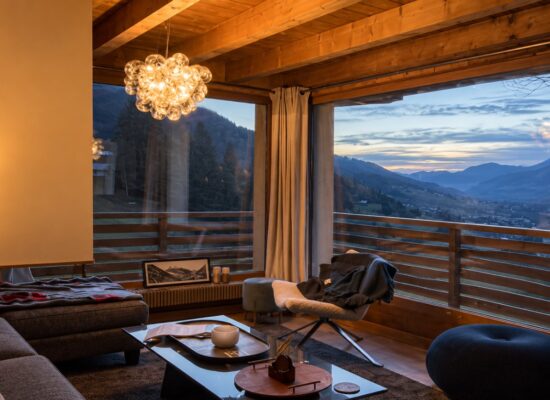
Swiss bespoke lights
Swiss Bespoke Lights: Custom Luxury Lighting for Global Architecture Lighting has become an integral part of architectural expression. In premium…
22 Sep 2026
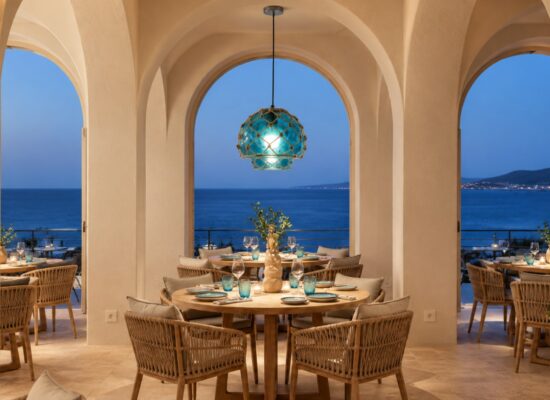
Portuguese bespoke lights
Portuguese Bespoke Lights: Crafted Lighting for Distinctive Interiors & Architecture Lighting can become one of the defining elements of an…
22 Sep 2026
Dutch bespoke lights
Dutch Bespoke Lights: Design, Craftsmanship & Creative Direction Lighting can influence how architecture is perceived long after the first visual…
19 Sep 2026
Belgian bespoke lights
Belgian Bespoke Lights: Craftsmanship, Character & Tailored Illumination Lighting can influence how architecture feels long after the sun has disappeared.…
19 Sep 2026
German bespoke lights
German Bespoke Lights: Craftsmanship, Design & Architectural Character German bespoke lights represent a highly considered approach to lighting, where the…
subscribe for newsletter

Luzion is a leading manufacturer and exporter of high-quality LED lighting solutions. With a focus on design, research, and innovation, we offer a wide range of products for commercial, industrial, residential, and outdoor spaces.
