
Search
Category
- Bollard Light
- Commercial Lighting
- Energy-Efficient Lighting
- LAMPS
- LED Lights
- LED Uplighter
- Light and Colour Theory
- Lighting & Signage Solutions
- Lighting Design and Facade Lighting
- Lighting Design Consultancy UAE
- lighting design principles
- Lighting Fundamentals and Design Principles
- Lighting Solutions
- Nature of Light in Lighting Design
- Panel Lights vs. Spot Lights
- Portable Lights
- Signage Solutions
- Smart Controllers for Streetlights
- Solar Lights
- Tree Lighter
- Uncategorized
Recent Posts
Murano bespoke lights
Portuguese bespoke lights
Dutch bespoke lights
Belgian bespoke lights

German bespoke lights
Tags
- Architectural Lighting
- Architectural Lighting Design
- Architectural Lighting Design UAE
- automation
- Best Lighting Design Consultancy in UAE
- COB LED Technology
- COB Spotlights
- Color Temperature in Lighting
- Commercial Lighting Design
- Commercial Lighting Fixtures
- Commercial Lighting Innovations
- Commercial Lighting UAE
- Cylinder COB Lights
- Dialux Lighting Design
- Dialux Lighting Design UAE
- Energy Efficient Lighting
- Energy-Efficient Lighting USA
- Exterior Lighting Solutions
- Facade & Exterior Lighting
- Facade Lighting
- Facade Lighting Design
- Facade Lighting Design UAE
- Facade lighting ideas
- Facade Lighting UAE
- Facade Uplighting
- Green Building Design
- Indoor & Exterior Lighting Solutions
- Interior Lighting Design
- Lamps
- LED Lighting Solutions
- LED lights
- LED Panel
- LED Uplighters
- LED vs Halogen
- Light and Color Theory
- Lighting Basics
- Lighting Consultancy UAE
- Lighting Design
- Lighting Design Consultancy in UAE
- Lighting Design Principles
- Lighting Design UAE
- Lighting Fundamentals Guide
- Lighting Layers
- Lumen Output in Lighting
- Modern Building Lighting Ideas
- Modern Lighting Ideas
- Office Lighting Solutions
- Outdoor Lighting Consultants UAE
- Panel Lights vs. Spot Lights
- Portable Lights
- smart light
- Smart Lighting Systems
- Sustainable Architecture
- Sustainable Lighting UAE
- Villa Lighting UAE
23Sep 2026
- Lighting Solutions


Swiss bespoke lights
Swiss Bespoke Lights: Custom Luxury Lighting for Global Architecture
Lighting has become an integral part of architectural expression. In premium residential, hospitality, commercial and cultural projects, a lighting fixture is no longer viewed simply as a source of illumination. Its proportions, materials, finish, light distribution and relationship with the surrounding architecture can influence the entire character of a space.
Swiss bespoke lights represent this design-led approach to lighting, combining refined aesthetics with precision, customisation and attention to detail. Rather than relying exclusively on standard catalogue fixtures, bespoke lighting allows architects, interior designers and lighting consultants to develop fixtures around the specific requirements of a project.
From a sculptural pendant in a luxury hotel lobby to an integrated linear fixture within a contemporary residence, Swiss bespoke lighting can be developed to complement architectural geometry, interior materials and the intended atmosphere of a space.
What Are Swiss Bespoke Lights?
Swiss bespoke lights are custom-designed or highly customised lighting fixtures developed around specific architectural, interior or project requirements. The concept combines the visual refinement associated with Swiss design with project-specific engineering, material selection and lighting performance.
Unlike mass-produced fixtures that follow predetermined dimensions and finishes, bespoke lighting can be adapted to requirements such as:
- Custom fixture dimensions
- Specific mounting configurations
- Bespoke shapes and profiles
- Project-specific finishes
- Custom colour temperatures
- Special LED specifications
- Controlled beam angles
- Dimming and lighting-control compatibility
- Architectural integration
- Custom optical performance
- Interior-specific materials
- Special installation requirements
This flexibility makes bespoke lighting particularly relevant to projects where standard products cannot achieve the desired architectural result.
For an architect or lighting designer, the objective is not simply to create an unusual fixture. The fixture should contribute to the overall design language while delivering appropriate illumination, visual comfort, efficiency and long-term performance.
The Design Philosophy Behind Swiss Bespoke Lighting
Swiss design is widely associated with precision, simplicity, functionality and disciplined detailing. These principles translate naturally into architectural lighting.
A successful bespoke fixture often has a carefully considered relationship between form and function. The visible structure may appear minimal, yet the engineering behind the fixture can involve detailed decisions concerning heat management, LED integration, optics, material tolerances, mounting systems and maintenance.
This is particularly important in luxury architecture, where small inconsistencies can become highly visible.
A bespoke lighting fixture may therefore be developed around the architecture rather than placed into it as an afterthought.
For example, a long architectural corridor may require a continuous custom linear lighting system rather than a series of conventional fixtures. A hospitality lobby may require a sculptural chandelier designed around the ceiling geometry. A private villa may require custom wall lights with a specific metal finish to coordinate with architectural hardware and interior materials.
The result is lighting that feels intentional rather than generic.
Swiss Bespoke Lights vs Standard Lighting Fixtures
Standard lighting products remain practical for many applications, but bespoke lighting becomes valuable when a project requires a higher degree of design control.
| Design Consideration | Standard Lighting | Bespoke Lighting |
|---|---|---|
| Dimensions | Predetermined | Customisable |
| Shape | Catalogue-based | Project-specific |
| Finish | Limited selections | Custom finishes possible |
| Materials | Fixed specifications | Selected according to design |
| LED Configuration | Predefined | Can be engineered for the project |
| Optics | Available standard options | Can be tailored to requirements |
| Installation | Standard mounting | Custom mounting solutions |
| Architectural Integration | Limited | High level of integration |
| Design Expression | Product-led | Architecture-led |
| Project Adaptation | Limited | Highly flexible |
Bespoke does not necessarily mean extravagant. In many contemporary projects, the most successful custom fixtures are visually restrained. The difference lies in their proportion, detailing, integration and performance.
Where Swiss Bespoke Lights Work Best
Bespoke lighting can be applied across a wide range of architectural environments. The appropriate fixture type depends on the architecture, function of the space, viewing distances, ceiling conditions and desired lighting effect.
Luxury Hotels and Resorts
Hospitality environments often require lighting that creates an immediate sense of identity.
Custom chandeliers, decorative pendants, wall lights, architectural linear lighting and feature fixtures can be designed specifically for reception areas, restaurants, corridors, suites, lounges and other guest spaces.
In luxury hospitality, bespoke lighting can also support brand identity. A fixture can incorporate a particular material, finish, geometry or pattern that becomes part of the visual language of the property.
High-End Residential Projects
Private villas, luxury apartments and penthouses often contain architectural details that require lighting to be carefully integrated.
Custom wall lights, pendant fixtures, concealed linear systems, decorative ceiling lights and bespoke floor lamps can be designed around:
- Ceiling heights
- Joinery
- Feature walls
- Staircases
- Artwork
- Furniture layouts
- Interior finishes
- Outdoor architectural elements
This approach allows lighting to complement the interior architecture instead of competing with it.
Restaurants and Fine Dining Spaces
Lighting plays a particularly important role in restaurants because it affects both atmosphere and visual perception.
A bespoke pendant above a dining table, a sculptural installation over a bar or custom wall lighting along a feature wall can become an important part of the interior concept.
At the same time, the lighting must remain technically appropriate for food presentation, guest comfort and operational requirements.
Corporate and Commercial Architecture
Contemporary offices and commercial spaces increasingly use integrated lighting systems to create a refined architectural environment.
Custom linear lighting can follow ceiling grids, architectural curves or furniture arrangements, while bespoke decorative fixtures can be introduced into reception areas, meeting spaces and executive environments.
The objective is often to balance visual identity, functionality and workplace comfort.
Bespoke Lighting as an Extension of Architecture
The strongest custom lighting concepts begin with the architecture.
Before selecting a fixture, designers may consider the building’s geometry, material palette, circulation, focal points, ceiling structure and natural-light conditions. Lighting is then developed to reinforce these characteristics.
This can involve several layers:
Ambient lighting establishes overall illumination.
Accent lighting draws attention to selected architectural or decorative elements.
Task lighting provides appropriate illumination for functional activities.
Decorative lighting contributes to the visual identity of the interior.
Architectural lighting integrates illumination directly with the building or interior structure.
A sophisticated bespoke lighting scheme may combine all of these layers rather than depending on a single fixture category.
Materials, Finishes and Custom Details
Material selection is one of the defining characteristics of bespoke lighting.
Depending on the project, designers may specify materials such as brass, bronze, aluminium, stainless steel, copper, glass, crystal, wood or other architectural finishes.
Finishes can also be coordinated with the surrounding interior palette. A warm metallic finish may complement luxury hospitality interiors, while a precise matte finish can suit contemporary minimalist architecture.
Customisation may extend to small details that are rarely available in standard catalogue products, including:
- Fixture profile
- Edge detailing
- Surface texture
- Mounting hardware
- Cable arrangement
- Diffuser treatment
- Reflector geometry
- Colour finish
- Decorative elements
- Fixture spacing
These details can have a significant effect on how a lighting fixture sits within an architectural environment.
Precision Beyond Appearance
The value of bespoke lighting is not limited to appearance.
A professionally developed custom fixture should also address thermal management, LED efficiency, colour consistency, optical control, glare management, maintenance access and installation requirements.
For architectural projects, designers may also require technical documentation such as photometric data, dimensions, power consumption, lumen output, colour temperature, CRI, IP rating and compatible control protocols.
Where a project involves detailed lighting calculations, custom fixtures can also be incorporated into DIALux planning and photometric evaluation to help designers assess illumination before installation.
This combination of design flexibility and technical specification is what makes bespoke lighting particularly useful for complex international projects.
Swiss Bespoke Lighting for Contemporary Architecture
Contemporary architecture increasingly favours clean lines, integrated details and visually controlled environments. This creates opportunities for lighting to become part of the architecture itself.
Recessed linear systems can disappear into ceilings and walls. Custom profiles can follow curves and architectural forms. Decorative fixtures can become sculptural focal points. Wall-mounted fixtures can be developed around specific surface materials.
In this context, Swiss custom lighting is not simply about producing a distinctive object. It is about developing a lighting element that belongs naturally to the architecture.
Whether the project is a luxury residence in Zurich, a hospitality development in Dubai, a commercial interior in London, a private villa in Riyadh or a high-end development in New York, the fundamental principle remains the same: the lighting should respond to the architecture, not merely occupy the space.
From Concept to Custom Lighting Fixture
A bespoke lighting project typically begins with an architectural or interior design requirement rather than a finished product.
The process may involve:
Concept → Design Development → Material Selection → Engineering → Lighting Specification → Prototype → Testing → Production → Installation
Each stage provides an opportunity to refine the relationship between aesthetics and performance.
For architects, this process allows the lighting concept to remain aligned with the original design intent. For developers and procurement teams, it provides greater control over specification, quality and project requirements.
The result is a lighting solution created specifically for the environment in which it will be installed.
Types of Swiss Bespoke Lights for Luxury & Architectural Projects
Swiss bespoke lighting can take many forms depending on the architectural concept, interior style, technical requirements and intended lighting effect. A custom fixture may be created as a sculptural centrepiece, an integrated architectural element or a subtle source of functional illumination.
The defining characteristic is not simply the appearance of the fixture. It is the ability to adapt the design, dimensions, materials, optical performance and installation method to the requirements of a particular project.
From bespoke chandeliers and pendant lights to custom linear systems and architectural wall lighting, the possibilities extend across residential, hospitality, commercial and cultural environments.
Bespoke Pendant Lights
Custom pendant lights are among the most versatile forms of bespoke lighting.
A pendant can be developed around the dimensions of a dining area, reception desk, staircase, hotel lobby or feature ceiling. Designers can specify the overall height, diameter, shape, suspension arrangement, material and finish.
In a luxury interior, a bespoke pendant may become a visual focal point while providing carefully controlled ambient or decorative illumination.
For larger architectural spaces, multiple custom pendants can also be arranged as a coordinated installation rather than treated as individual fixtures.
Custom Chandeliers
A bespoke chandelier can transform a large interior into a distinctive architectural experience.
Unlike standard chandeliers, custom designs can be engineered around the exact proportions of the space. This is particularly valuable in:
- Hotel entrances
- Grand lobbies
- Luxury residences
- Private clubs
- Fine-dining restaurants
- High-end retail spaces
- Corporate reception areas
- Cultural buildings
The chandelier’s geometry can respond to ceiling height, staircase configuration, architectural symmetry and sightlines.
Custom suspension systems can also be developed where conventional mounting arrangements are unsuitable.
Bespoke Wall Lights
Wall lighting offers an opportunity to combine architectural illumination with decorative detailing.
Custom wall lights can be designed for corridors, hotel rooms, restaurants, private residences, staircases, lounges and feature walls.
Designers can specify the fixture’s projection, height, width, light direction and finish to achieve the desired visual effect.
A wall fixture may provide:
- Upward illumination
- Downward illumination
- Up-and-down lighting
- Diffused ambient light
- Decorative illumination
- Grazing effects
- Accent lighting
For hospitality and residential projects, the fixture can also be coordinated with furniture, hardware and other interior finishes.
Bespoke Ceiling Lights
Custom ceiling fixtures are useful when a project requires a lighting element that follows a particular architectural geometry.
Circular, square, rectangular, curved and irregular configurations can be developed depending on the design intent.
Bespoke ceiling lighting can be integrated into:
- Feature ceilings
- Decorative panels
- Timber ceilings
- Metal ceilings
- Coffered ceilings
- Hospitality interiors
- Contemporary residential spaces
- Commercial interiors
The objective is to achieve a coherent relationship between the fixture and the ceiling architecture.
Custom Linear Lighting
Linear lighting has become an important component of contemporary architectural design.
A bespoke linear lighting system can be produced in specific lengths, profiles and configurations to suit the project.
Applications include:
- Cove lighting
- Ceiling integration
- Wall integration
- Joinery lighting
- Staircase illumination
- Corridor lighting
- Feature ceilings
- Retail displays
- Hospitality interiors
- Architectural façades
Custom linear profiles can also accommodate different optics, diffusers, LED configurations and control requirements.
For complex architectural geometry, continuous custom lengths can help reduce visual interruptions and create a more refined appearance.
Bespoke Floor Lamps
Floor lamps can function as both lighting elements and pieces of interior design.
A custom floor lamp can be developed around the proportions of a lounge, reading area, hotel suite, reception space or luxury residence.
The designer may specify:
- Overall height
- Base dimensions
- Shade geometry
- Material
- Finish
- Light distribution
- Cable arrangement
- LED source
- Dimming requirements
This creates an opportunity for the lighting fixture to become part of the furniture and interior composition.
Custom Decorative Lighting
Decorative bespoke lighting is particularly relevant to luxury interiors where the fixture itself contributes to the visual identity of the space.
Glass elements, metalwork, sculptural forms, geometric patterns and custom finishes can be combined to create distinctive installations.
However, decorative lighting should still be supported by appropriate technical performance.
A visually impressive fixture must also consider lumen output, colour rendering, glare, heat dissipation, maintenance and control compatibility.
Architectural Bespoke Lighting
Architectural bespoke lighting takes customisation further by integrating the lighting directly into the building or interior architecture.
Instead of treating the fixture as a separate object, the lighting system can become part of:
- Walls
- Ceilings
- Floors
- Staircases
- Handrails
- Joinery
- Architectural niches
- Façade elements
- Landscape structures
This approach is particularly effective in minimalist architecture where designers want the source of light to remain visually discreet.
Materials Used in Swiss Bespoke Lighting
Material selection can significantly influence the character, durability and perceived quality of a custom lighting fixture.
Brass
Brass is frequently associated with luxury interiors because of its warm metallic appearance.
Depending on the required aesthetic, it can be used with polished, brushed, satin, antique or other customised finishes.
Brass can work particularly well in hotels, restaurants, luxury residences and classic or contemporary interiors.
Bronze
Bronze provides a deeper and more architectural metallic character.
It can complement darker interiors, premium hospitality environments and projects seeking a more substantial material expression.
Aluminium
Aluminium is valuable when designers require lightweight construction, efficient thermal management and precise profiles.
It is especially relevant to custom linear lighting and architectural fixtures.
Custom aluminium profiles can accommodate LED modules, optics, diffusers and mounting systems while maintaining a clean appearance.
Stainless Steel
Stainless steel can be selected where durability, precision and a contemporary appearance are important.
It is suitable for both interior and selected exterior applications, depending on the required specification and environmental conditions.
Glass and Crystal
Glass can provide softness, transparency and visual depth.
Custom glass elements may be used in pendants, chandeliers, decorative fixtures and feature lighting installations.
For luxury hospitality projects, glass can be combined with metal structures to create layered decorative lighting.
Wood
Wood introduces a warmer and more natural material character.
It can be used in bespoke residential interiors, hospitality projects, restaurants and contemporary spaces where the lighting needs to relate to timber furniture or architectural finishes.
Custom Finishes for Bespoke Lighting
A lighting fixture can be technically well designed but still appear disconnected from its surroundings if its finish does not complement the architecture.
Bespoke projects therefore often involve detailed finish coordination.
Possible finishes include:
- Brushed brass
- Polished brass
- Satin brass
- Bronze
- Antique bronze
- Matte black
- Satin black
- Natural aluminium
- Brushed stainless steel
- Custom powder coating
- RAL colour finishes
- Special textured finishes
For large international projects, finish samples can be reviewed alongside architectural materials before production.
This is particularly important when lighting fixtures are being coordinated with door hardware, furniture, wall panels, metalwork and other interior elements.
Lighting Performance in Bespoke Fixtures
Customisation should never compromise lighting performance.
The LED source, optics and thermal design should be selected according to the intended application.
Important technical parameters can include:
| Specification | Why It Matters |
|---|---|
| Lumen Output | Determines available illumination |
| Colour Temperature | Influences the atmosphere and visual appearance |
| CRI | Determines colour rendering quality |
| Beam Angle | Controls light distribution |
| Glare Control | Supports visual comfort |
| IP Rating | Important for environmental exposure |
| Dimming | Allows control of lighting intensity |
| LED Efficiency | Supports energy-conscious design |
| Thermal Management | Supports long-term LED performance |
| Control Compatibility | Enables integration with lighting systems |
For professional architectural projects, these specifications should be established during the design stage rather than after the fixture has been manufactured.
Bespoke Lighting for Luxury Hospitality
Hotels and resorts often provide some of the most demanding environments for custom lighting.
A single property may require multiple lighting styles while maintaining a consistent design language.
For example:
Lobby: statement chandelier or sculptural pendant
Reception: decorative and functional task lighting
Restaurant: custom pendants and ambient lighting
Corridors: integrated linear or wall lighting
Guest Rooms: decorative bedside and architectural lighting
Suites: premium custom fixtures and layered illumination
Spa: soft, controlled ambient lighting
Outdoor Areas: architectural and landscape lighting
The advantage of bespoke design is that all these elements can be developed as part of one coordinated visual language.
Bespoke Lighting for Luxury Residential Architecture
Private residences often require a more personal approach.
The lighting may need to respond to unique architectural features such as curved staircases, double-height spaces, custom joinery, artwork, feature ceilings and landscape connections.
In a luxury villa, for example, a bespoke lighting scheme could combine custom pendants in the entrance, integrated linear lighting in the living area, decorative wall lights in corridors and architectural exterior lighting around terraces and façades.
This creates continuity between individual spaces while allowing each area to maintain its own character.
Bespoke Lighting for Retail & Commercial Interiors
Retail environments depend heavily on visual presentation.
Custom lighting can be developed around display systems, shelving, product zones, architectural features and customer circulation.
In premium retail, lighting may need to balance:
- Product visibility
- Colour rendering
- Accent lighting
- Ambient illumination
- Glare control
- Brand identity
- Architectural aesthetics
Custom fixtures can therefore be integrated into the store architecture rather than relying entirely on visible standard products.
Bespoke Lighting for Cultural & High-Value Spaces
Museums, galleries, private collections and cultural buildings often require highly controlled lighting.
The design may need to address viewing angles, glare, illumination levels, colour rendering and the relationship between the lighting system and the exhibited objects.
In these environments, bespoke lighting can be engineered around the architecture and the technical requirements of the installation.
This demonstrates an important principle: bespoke lighting is not defined by decoration alone. It can also be a highly technical architectural lighting solution.
Swiss Bespoke Lighting Across Different Architectural Styles
Custom lighting can be adapted to almost any design language.
Contemporary Architecture
Clean profiles, integrated linear lighting and controlled illumination can complement modern architectural forms.
Minimalist Interiors
Recessed and concealed fixtures can provide illumination while maintaining visual simplicity.
Classic Architecture
Decorative pendants, chandeliers, brass fixtures and handcrafted details can complement traditional architectural elements.
Art Deco Interiors
Geometric forms, metallic finishes and decorative glass can reinforce the characteristic visual language.
Modern Luxury
A combination of architectural precision and refined materials can create sophisticated lighting without excessive ornamentation.
Heritage Projects
Custom fixtures can be designed to respect historical character while incorporating modern LED technology and controls.
From Standard Fixture to Project-Specific Design
The key advantage of bespoke lighting is the ability to move beyond the limitations of a predefined product catalogue.
Instead of asking:
“Which fixture fits this space?”
the design process can ask:
“What lighting fixture does this architecture require?”
That change in approach can influence the fixture’s dimensions, materials, optics, mounting system, light output and visual identity.
For architects, developers, lighting designers and procurement teams working on premium projects, this creates greater flexibility from concept development through to final installation.
Swiss Bespoke Lighting for Global Architectural Projects
The demand for customised lighting continues to grow across international architecture, hospitality, luxury residential and commercial developments. As projects become more design-led, architects and lighting professionals increasingly look beyond standard fixtures to create lighting solutions that respond to a building’s proportions, materials, identity and functional requirements.
Swiss bespoke lights can be specified for projects across Europe, the Middle East, North America, Asia and other international markets, with customisation allowing the fixture design to respond to different architectural styles and project environments.
From luxury hotels in Zurich and Geneva to contemporary developments in Dubai, Riyadh, London, New York and Singapore, bespoke lighting can support a wide range of architectural concepts.
Swiss Bespoke Lights in Switzerland
Switzerland remains an important reference point for precision, refined design and high-quality architectural detailing.
Cities such as Zurich, Geneva, Basel, Bern, Lausanne, Lucerne and Lugano offer diverse architectural environments ranging from contemporary commercial buildings and luxury residences to hospitality, retail and cultural projects.
In these environments, bespoke lighting can be developed around the architecture rather than selected solely from standard product ranges.
Swiss Bespoke Lighting in Zurich
Zurich combines contemporary architecture, premium residential developments, commercial interiors and luxury hospitality.
Custom lighting can be used for:
- Corporate headquarters
- Luxury apartments
- Private residences
- Hotels
- Restaurants
- Retail environments
- Cultural spaces
Architectural linear lighting, custom pendants, decorative wall lights and integrated ceiling systems can be tailored to the proportions and material palette of each project.
Swiss Bespoke Lighting in Geneva
Geneva’s luxury hospitality, residential and commercial environments can benefit from refined custom lighting solutions.
Bespoke chandeliers, decorative fixtures and architectural lighting can be designed to complement premium interiors while maintaining the required technical performance.
Swiss Bespoke Lighting in Basel, Bern & Lausanne
Projects in Basel, Bern and Lausanne can range from contemporary commercial architecture to cultural and residential developments.
Custom fixtures allow designers to maintain a consistent visual language while adapting dimensions, finishes and lighting performance to each space.
Swiss Bespoke Lighting in Lucerne & Lugano
Luxury hospitality, residential and leisure projects in Lucerne and Lugano can incorporate custom lighting to strengthen the relationship between architecture, interior design and atmosphere.
In premium environments, carefully selected materials and finishes can help integrate the lighting with furniture, architectural surfaces and decorative elements.
Swiss Bespoke Lighting Across Europe
The principles of Swiss-inspired precision and customisation are relevant across European architectural markets.
European projects often combine historic architecture with contemporary interiors, creating a need for lighting that can respect existing character while meeting modern performance requirements.
Germany
Cities such as Berlin, Munich, Frankfurt, Hamburg and Düsseldorf offer opportunities for custom architectural and decorative lighting across hospitality, commercial, residential and retail environments.
Custom linear systems, pendant fixtures, architectural wall lights and integrated ceiling lighting can be developed to suit modern interiors and complex architectural geometries.
France
Paris, Lyon, Nice and Cannes represent diverse architectural environments where luxury lighting can support residential, hospitality, retail and cultural projects.
Bespoke chandeliers, decorative pendants, custom wall lights and sculptural lighting installations can provide a distinctive visual identity while responding to interior architecture.
Italy
In cities including Milan, Rome, Florence and Venice, lighting often needs to work alongside strong architectural and interior design concepts.
Bespoke lighting can combine contemporary LED technology with carefully selected metals, glass and other materials to create fixtures that complement both modern and traditional environments.
United Kingdom
The UK offers a broad range of architectural applications, from luxury residential developments to hotels, restaurants, offices and retail interiors.
London, Manchester, Birmingham and Edinburgh can require lighting solutions that combine architectural performance with sophisticated interior detailing.
Custom lighting can be developed for reception areas, hospitality spaces, high-end residential interiors and commercial developments.
Austria
Cities such as Vienna and Salzburg provide opportunities for bespoke lighting in luxury hospitality, residential and cultural environments.
Custom fixtures can bridge traditional architectural character and contemporary lighting technology.
Netherlands & Belgium
Contemporary architecture in Amsterdam, Rotterdam, Brussels and Antwerp can benefit from clean, precisely engineered custom lighting.
Linear systems, suspended fixtures and architectural integration can support minimalist and modern design approaches.
Spain & Portugal
Luxury hotels, resorts, residences and commercial developments in Madrid, Barcelona, Lisbon and Porto can incorporate bespoke lighting to create distinctive architectural identities.
Custom decorative lighting can be particularly effective in hospitality and premium residential environments where atmosphere plays an important role.
Swiss Bespoke Lighting for UAE & GCC Projects
The Gulf region has become an important market for luxury architecture, hospitality, residential developments and large-scale commercial projects.
The architectural environment across the UAE, Saudi Arabia, Qatar, Kuwait, Bahrain and Oman includes luxury hotels, private villas, mixed-use developments, retail destinations and landmark buildings.
These projects often require lighting that combines visual impact with technical performance.
Swiss Bespoke Lighting in Dubai
Dubai’s hospitality, retail, residential and commercial architecture provides numerous applications for custom lighting.
Bespoke fixtures can be developed for:
- Luxury hotel lobbies
- Private villas
- Premium apartments
- Restaurants
- Retail destinations
- Corporate reception areas
- High-end residential interiors
- Architectural feature spaces
Custom chandeliers and pendant installations can create statement features, while integrated linear lighting can provide a cleaner architectural approach.
For exterior applications, custom architectural lighting can also be developed for façades, entrance structures and landscape environments where the project specification permits.
Swiss Bespoke Lighting in Abu Dhabi
Abu Dhabi’s luxury hospitality, residential and commercial developments can incorporate custom lighting solutions designed around architectural proportions and interior materials.
Large reception spaces and hospitality environments may benefit from bespoke feature fixtures, while integrated lighting can support contemporary architectural concepts.
Swiss Bespoke Lighting in Saudi Arabia
The growing scale and diversity of architectural development in Riyadh, Jeddah and other Saudi cities creates applications for custom architectural and decorative lighting.
Bespoke lighting can be considered for luxury hotels, private residences, hospitality developments, retail environments, corporate spaces and high-end commercial projects.
For large projects, the lighting design may require detailed coordination between architects, interior designers, lighting consultants, MEP teams, contractors and procurement departments.
Swiss Bespoke Lighting in Qatar
Doha combines luxury hospitality, commercial developments, cultural architecture and premium residential projects.
Custom lighting can provide an opportunity to create distinctive interior elements while maintaining appropriate technical specifications.
Bespoke fixtures can also be coordinated with architectural materials, ceiling systems, joinery and interior branding.
Swiss Bespoke Lighting in Kuwait
In Kuwait City, bespoke lighting can support luxury residential, hospitality, retail and commercial interiors.
Custom pendants, chandeliers, wall lights and architectural linear systems can be specified according to the project’s dimensions, interior concept and technical requirements.
Swiss Bespoke Lighting in Bahrain
Manama offers applications across hospitality, retail, residential and commercial architecture.
Custom fixtures can help differentiate premium interiors while allowing designers to coordinate lighting with furniture, materials and architectural details.
Swiss Bespoke Lighting in Oman
In Muscat, lighting projects may require a balance between contemporary architecture, hospitality design and regional architectural character.
Bespoke lighting can be developed with customised finishes, forms and lighting distributions suited to the project’s design direction.
Swiss Bespoke Lighting for the USA
The United States offers a diverse market for architectural, hospitality, commercial and luxury residential lighting.
Cities including New York, Los Angeles, Miami, Chicago, San Francisco, Dallas and Houston contain a wide range of high-end projects where custom lighting can provide architectural differentiation.
New York
Luxury residential towers, hotels, restaurants, retail interiors and commercial developments can use bespoke lighting for feature spaces and integrated architectural applications.
Custom chandeliers, decorative pendants, linear lighting and architectural wall fixtures can be designed around specific interior concepts.
Los Angeles & Miami
Luxury residential and hospitality projects in Los Angeles and Miami often place strong emphasis on interior atmosphere and architectural identity.
Custom lighting can be coordinated with furniture, landscape connections, feature ceilings and premium materials.
Chicago, San Francisco, Dallas & Houston
Commercial buildings, hospitality projects, luxury residences and mixed-use developments in these cities can incorporate project-specific lighting systems where standard fixtures do not provide the required design or dimensional flexibility.
Swiss Bespoke Lighting for India
India’s luxury residential, hospitality, commercial and retail sectors also provide applications for custom lighting.
Major cities including Mumbai, Delhi, Ahmedabad, Bengaluru, Hyderabad and Chennai have diverse architectural environments ranging from contemporary luxury residences to hotels, offices, retail destinations and mixed-use developments.
Custom lighting can help designers coordinate fixtures with:
- Stone and marble surfaces
- Timber interiors
- Decorative metalwork
- Feature ceilings
- Bespoke furniture
- Architectural details
- Hospitality branding
For large projects, technical documentation, lighting calculations and coordination with the MEP and electrical teams are equally important.
Swiss Bespoke Lighting in Asia-Pacific
The concept of bespoke lighting also extends across Asia-Pacific’s premium architectural markets.
Singapore
Singapore’s hospitality, luxury residential, retail and commercial architecture can benefit from precise custom lighting solutions.
Integrated linear lighting, decorative fixtures and custom architectural systems can be developed around contemporary interiors.
Hong Kong
High-density luxury residential, hospitality and commercial environments can require carefully engineered fixtures where dimensions and installation conditions are highly constrained.
Bespoke lighting provides greater flexibility for these applications.
Japan
In Tokyo, Osaka and Kyoto, custom lighting can be used in hospitality, retail, residential and cultural environments where material quality and design precision are important.
Australia
Sydney, Melbourne and Brisbane provide opportunities for bespoke lighting across luxury residences, hotels, restaurants, commercial interiors and architectural developments.
Custom fixtures can be developed around contemporary Australian architecture while meeting project-specific technical requirements.
Why Global Projects Choose Bespoke Lighting
International architectural projects often involve multiple disciplines and highly specific design requirements.
A custom lighting solution can help address requirements that may not be achievable through standard products.
Design Flexibility
Fixtures can be developed according to the architecture rather than forcing the architecture to accommodate a catalogue product.
Dimensional Control
Custom dimensions can be useful for large feature fixtures, continuous linear systems, restricted ceiling spaces and unusual architectural geometries.
Material Coordination
Finishes can be selected to complement interior materials, furniture, hardware and architectural details.
Technical Adaptation
LED output, colour temperature, optics, dimming and control requirements can be specified according to the application.
Consistent Design Language
Multiple fixture types can be developed around a common material, finish or design concept, creating visual continuity throughout a project.
Bespoke Lighting for Architects, Designers & Developers
Swiss bespoke lighting is particularly relevant when multiple stakeholders are involved in the project.
Architects may require fixtures that reinforce the architectural concept.
Interior designers may need lighting coordinated with materials, furniture and decorative elements.
Lighting designers may require specific optical performance, lumen output and control compatibility.
MEP consultants may need accurate electrical and installation information.
Contractors require clear dimensions, mounting details and technical documentation.
Procurement teams need reliable specifications, finish samples, quantities, lead times and commercial information.
A capable bespoke lighting partner should therefore understand both design and technical requirements.
International Bespoke Lighting Requires Technical Coordination
A visually successful lighting fixture is only one part of a successful international project.
Before production, project teams may need to review:
- Fixture drawings
- Dimensions
- Material samples
- Finish samples
- LED specifications
- Wattage
- Lumen output
- Colour temperature
- CRI
- Beam angle
- IP rating
- Dimming protocol
- Mounting details
- Photometric files
- IES/LDT data
- DIALux requirements
- Packaging
- Installation requirements
This documentation helps architects, consultants, contractors and procurement teams coordinate the lighting with the wider project.
From Switzerland to the Global Market
The appeal of Swiss bespoke lighting lies in the combination of design refinement, precision, customisation and technical attention.
However, the concept is not restricted to Switzerland. Its principles can be applied to architectural projects across Europe, the GCC, North America, Asia-Pacific and other international markets.
Whether a project involves a luxury hotel in Dubai, a private residence in Geneva, a commercial interior in London, a hospitality development in Riyadh, a retail environment in Milan or a luxury residence in New York, bespoke lighting can be developed around the specific architectural requirements.
The result is a lighting solution that is not simply selected from a catalogue, but considered as part of the project’s wider architectural identity.
How to Choose the Right Swiss Bespoke Lighting Partner
Selecting bespoke lighting for an architectural project involves considerably more than choosing an attractive fixture. A successful custom lighting solution must bring together design intent, engineering, material quality, optical performance, manufacturing capability and project coordination.
For architects, developers, lighting designers, contractors and procurement teams, the right lighting partner should be able to understand the project’s requirements and translate them into a technically viable lighting solution.
Whether the project is located in Switzerland, Germany, the UK, UAE, Saudi Arabia, Qatar, the USA, India, Singapore or another international market, several factors should be evaluated before production begins.
Design & Customisation Capability
The first consideration is the ability to develop lighting around the project rather than simply modifying an existing catalogue product.
A capable bespoke lighting partner should be able to work with:
- Architectural drawings
- Interior design concepts
- CAD details
- Reference images
- Material palettes
- Fixture sketches
- Ceiling plans
- Elevation drawings
- Custom dimensions
- Project-specific finishes
This allows the lighting design to remain consistent with the wider architectural concept.
For example, a designer may require a linear pendant with a specific length and suspension arrangement, a wall light with a unique profile, or a chandelier designed around a double-height lobby.
The ability to interpret these requirements accurately is fundamental to bespoke lighting.
Engineering Behind Bespoke Lighting
A custom lighting fixture should be engineered as carefully as it is designed.
The engineering stage can address:
Mechanical construction — ensuring the fixture has appropriate structural integrity.
Thermal management — managing heat generated by LED components.
Optical performance — controlling the direction and distribution of light.
Electrical configuration — selecting suitable drivers, power requirements and connections.
Mounting system — developing installation methods appropriate to the architecture.
Maintenance access — considering future servicing and component replacement.
These factors become increasingly important for large fixtures, complex installations and international projects.
Lighting Performance & Optical Design
Bespoke does not mean that technical lighting requirements can be overlooked.
The optical system should be selected according to the intended application.
For example:
- Wide beam distributions can support general ambient illumination.
- Narrow beams can create focused accent lighting.
- Asymmetric distributions can support wall illumination.
- Diffused systems can create softer architectural light.
- Controlled optics can help reduce unwanted glare.
- Continuous linear systems can create uniform illumination.
The correct optical solution depends on mounting height, target surface, viewing angles, required illumination and the visual effect specified by the lighting designer.
For professional projects, photometric evaluation can help determine whether the proposed fixture delivers the intended result.
DIALux & Photometric Planning
For architectural and commercial projects, bespoke fixtures may need to be incorporated into lighting calculations before manufacturing.
DIALux lighting design can help project teams evaluate factors such as illumination levels, uniformity and lighting distribution.
Depending on the project, designers may require:
- IES files
- LDT files
- Photometric data
- Fixture dimensions
- Lumen output
- Wattage
- Beam angle
- Colour temperature
- CRI
- Mounting information
Providing accurate technical data makes it easier for consultants and lighting designers to integrate bespoke fixtures into the overall lighting scheme.
For projects with demanding performance requirements, this stage can help identify potential design changes before production.
Material Selection & Finish Approval
Material and finish selection should ideally be completed before manufacturing begins.
A project may specify:
- Brass
- Bronze
- Aluminium
- Stainless steel
- Copper
- Glass
- Crystal
- Wood
- Custom powder coating
- RAL colours
- Brushed finishes
- Polished finishes
- Satin finishes
- Antique finishes
Samples can be reviewed alongside architectural materials to ensure consistency.
For luxury interiors, even a small difference in metallic tone can affect the visual relationship between lighting fixtures, furniture, door hardware and other decorative elements.
Prototype Development
A prototype or sample can be particularly valuable for complex bespoke lighting.
It allows the project team to evaluate:
- Overall proportions
- Material quality
- Finish
- Light output
- Colour temperature
- Glare
- Diffusion
- Mounting arrangement
- Installation details
- Visual integration
For major hospitality, residential or commercial developments, approving a representative sample before full production can help reduce uncertainty during the manufacturing stage.
Custom Lighting & Project Coordination
Bespoke lighting often involves several project stakeholders.
A coordinated workflow can involve:
Architect → Interior Designer → Lighting Designer → MEP Consultant → Contractor → Procurement Team → Manufacturer
Each party may have different requirements.
The architect may focus on aesthetics and integration.
The lighting designer may focus on optical performance.
The MEP consultant may review electrical requirements.
The contractor may require installation and mounting information.
The procurement team may require commercial and delivery information.
The manufacturer must translate these requirements into a practical lighting product.
Clear communication between all parties is therefore essential.
Bespoke Lighting for Hospitality Projects
Luxury hospitality remains one of the strongest applications for custom lighting.
A hotel or resort may require a complete lighting language across multiple environments.
Hotel Lobby
The lobby often creates the first visual impression. A bespoke chandelier, sculptural pendant or architectural installation can become a defining feature.
Reception Area
Custom decorative fixtures can be coordinated with reception counters, feature walls and branded interiors.
Restaurants
Pendant lighting, wall fixtures and decorative installations can establish atmosphere while maintaining suitable illumination.
Corridors
Custom linear or wall lighting can provide consistent illumination while complementing architectural finishes.
Guest Rooms
Bespoke bedside lights, wall fixtures, pendants and integrated lighting can provide a more refined interior experience.
Suites
Luxury suites can incorporate custom fixtures that coordinate with furniture, artwork, feature ceilings and architectural details.
Spa & Wellness Areas
Soft, controlled and low-glare lighting can support a calm visual environment.
The advantage of a bespoke approach is that these different spaces can share common design elements without appearing repetitive.
Bespoke Lighting for Luxury Villas & Residences
High-end residential architecture frequently involves highly customised interiors.
Every villa or residence may have different ceiling heights, staircase geometries, furniture layouts, material palettes and architectural details.
Custom lighting can therefore be designed for specific areas such as:
- Entrance halls
- Double-height living spaces
- Dining areas
- Staircases
- Bedrooms
- Bathrooms
- Corridors
- Home offices
- Libraries
- Private lounges
- Terraces
- Outdoor architectural areas
A coordinated lighting strategy can create continuity throughout the residence while allowing each space to maintain its individual character.
Custom Lighting for Retail & Commercial Architecture
Retail and commercial environments require a balance between architectural design and functional illumination.
Bespoke lighting can be integrated with:
- Display systems
- Shelving
- Reception counters
- Feature ceilings
- Branding elements
- Product presentation zones
- Circulation areas
In premium retail environments, high colour rendering and controlled optics may be particularly important where the appearance of products must remain accurate.
Commercial offices may place greater emphasis on visual comfort, uniformity, energy efficiency and integration with smart lighting controls.
Smart Controls & Modern Lighting Systems
Modern bespoke lighting can be designed to work with contemporary control systems.
Depending on project requirements, fixtures may support technologies such as:
- DALI
- 0–10V
- DMX
- Casambi
- Wireless control systems
- Building management system integration
Control compatibility should be considered during the design stage because the driver and electrical configuration may need to be selected accordingly.
Smart lighting can allow users to adjust intensity, create scenes and coordinate lighting with different operating requirements.
Energy Efficiency in Bespoke Lighting
Customisation and energy efficiency can work together.
Modern LED technology provides opportunities to develop fixtures that deliver the required illumination while managing power consumption.
Energy performance can be influenced by:
- LED efficacy
- Appropriate lumen output
- Optical efficiency
- Dimming
- Occupancy controls
- Daylight integration
- Lighting schedules
- Smart control systems
- Appropriate fixture placement
The objective should not simply be to maximise light output. The lighting should provide the right amount of illumination in the right location.
This principle is particularly important for large hotels, commercial developments and other projects where lighting operates for extended periods.
Indoor & Outdoor Bespoke Lighting
Bespoke lighting is not limited to interiors.
Custom architectural fixtures can also be developed for selected outdoor applications.
These may include:
- Building entrances
- Architectural façades
- Terraces
- Landscape features
- Pathways
- Courtyards
- Hospitality outdoor areas
- Poolside environments
- Garden architecture
Outdoor fixtures require additional consideration of environmental exposure, sealing, corrosion resistance, IP rating, material selection and installation conditions.
The technical specification should therefore be established according to the project’s actual environment.
Bespoke Lighting for International Projects
International projects often require more than manufacturing capability.
They may involve:
- International shipping
- Export documentation
- Technical approvals
- Packaging requirements
- Project schedules
- Multiple fixture types
- Installation coordination
- Technical documentation
- Finish samples
- Replacement components
- After-sales support
A manufacturer serving international projects should be prepared to coordinate with architects, consultants, contractors and procurement teams across different markets.
This is particularly relevant for projects in Switzerland, Europe, UAE, Saudi Arabia, Qatar, Kuwait, Bahrain, Oman, the UK, USA, India, Singapore and Australia.
Luzion for Bespoke Architectural Lighting Projects
Luzion develops architectural and bespoke lighting solutions for projects that require more than standard catalogue specifications.
As an architectural lighting manufacturer and exporter from India, Luzion can support custom lighting requirements across residential, hospitality, commercial, landscape and architectural applications.
The approach can combine custom fixture development, LED technology, material selection, optical engineering and project-specific lighting specifications.
Depending on the project, bespoke solutions can include custom:
- Pendant lights
- Chandeliers
- Wall lights
- Ceiling lights
- Floor lamps
- Linear lighting
- Architectural fixtures
- Decorative lighting
- Hospitality lighting
- Exterior architectural lighting
For professional projects, technical coordination can also involve product dimensions, wattage, lumen output, colour temperature, CRI, beam angles, IP ratings, photometric information and control requirements.
This allows the lighting solution to be considered as part of the complete architectural design rather than as an isolated product.
A Structured Process for Bespoke Lighting
A clear development process helps reduce uncertainty and keeps the project aligned with its design objectives.
01. Project Brief
The manufacturer receives the architectural, interior and technical requirements.
02. Concept Development
The fixture concept is developed around the project’s visual language.
03. Technical Review
Dimensions, materials, LED configuration, optics and installation requirements are evaluated.
04. Design Approval
Drawings, finishes and technical specifications are reviewed by the project team.
05. Prototype or Sample
Where required, a prototype is produced for evaluation.
06. Photometric & Technical Validation
Lighting performance and technical documentation are reviewed.
07. Production
Approved fixtures enter controlled manufacturing.
08. Quality Inspection
Dimensions, finish, electrical components and overall construction are checked.
09. Packaging & International Delivery
Fixtures are prepared according to project requirements and shipping conditions.
10. Project Support
Technical information and coordination can continue through installation and project completion.
What Makes Bespoke Lighting Successful?
A successful bespoke lighting project balances several elements rather than focusing on one characteristic.
Design ensures that the fixture belongs to the architecture.
Engineering ensures structural and technical reliability.
Optics determine how light interacts with the space.
Materials establish tactile and visual quality.
Manufacturing converts the approved concept into a physical product.
Documentation allows consultants and contractors to coordinate the installation.
Project management keeps the development aligned with deadlines and requirements.
When these elements work together, bespoke lighting becomes an architectural asset rather than simply a decorative feature.
Swiss Bespoke Lights for the Future of Architectural Design
As architecture becomes increasingly customised, lighting is expected to become more integrated with the built environment.
Future lighting concepts are likely to place greater emphasis on:
- Integrated architectural lighting
- Smart controls
- Energy-efficient LED systems
- Custom optical solutions
- Sustainable materials
- Minimal visual profiles
- Digital lighting simulations
- Custom fabrication
- Connected lighting systems
- Project-specific design
This evolution creates opportunities for bespoke lighting to become a more fundamental part of architectural design.
A custom fixture can be designed around a building’s geometry, interior materials, functional requirements and technological infrastructure from the beginning of the project.
Final Thoughts on Swiss Bespoke Lighting
Swiss bespoke lights represent a design approach where precision, customisation and architectural intent come together.
From a handcrafted pendant in a private residence to an integrated linear system in a contemporary commercial building, bespoke lighting can be developed around the specific requirements of the project.
Its value lies not simply in creating something different, but in creating something appropriate to the architecture.
For luxury hotels, resorts, private villas, retail destinations, offices, restaurants, cultural buildings and high-end residential projects, custom lighting can provide greater control over dimensions, materials, finishes, illumination and visual identity.
Whether the project is in Zurich, Geneva, Paris, Milan, London, Dubai, Abu Dhabi, Riyadh, Doha, New York, Mumbai, Singapore or Sydney, the fundamentals remain consistent: understand the architecture, define the lighting objective, engineer the fixture carefully and manufacture it to the required specification.
Create a Bespoke Lighting Concept for Your Project
If your project requires custom lighting fixtures, architectural integration, specialised dimensions or project-specific finishes, a bespoke lighting manufacturer can help transform the initial concept into a technically developed lighting solution.
Luzion supports architects, lighting designers, developers, contractors, hospitality brands and procurement teams with architectural and bespoke lighting solutions for international projects.
Related posts
23 Sep 2026
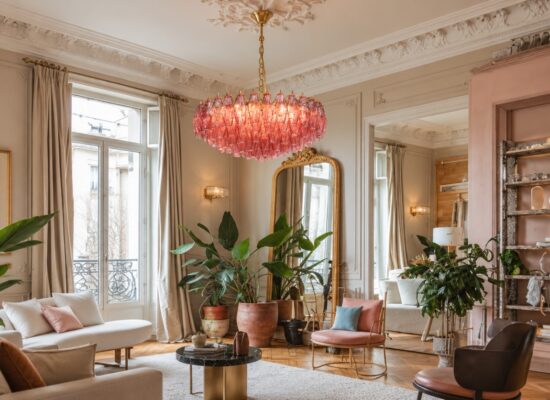
Murano bespoke lights
Murano Bespoke Lights: Luxury Glass Lighting for Global Architecture Lighting can transform the character of an architectural space. In luxury…
22 Sep 2026
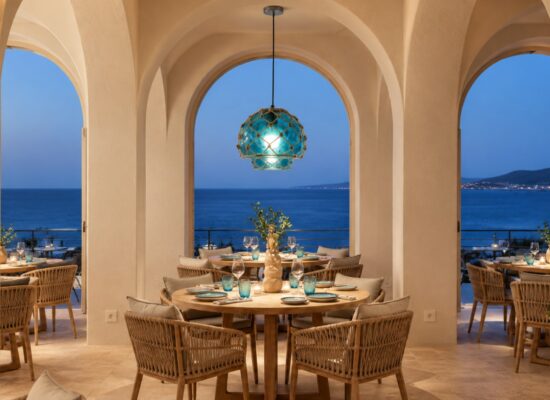
Portuguese bespoke lights
Portuguese Bespoke Lights: Crafted Lighting for Distinctive Interiors & Architecture Lighting can become one of the defining elements of an…
22 Sep 2026
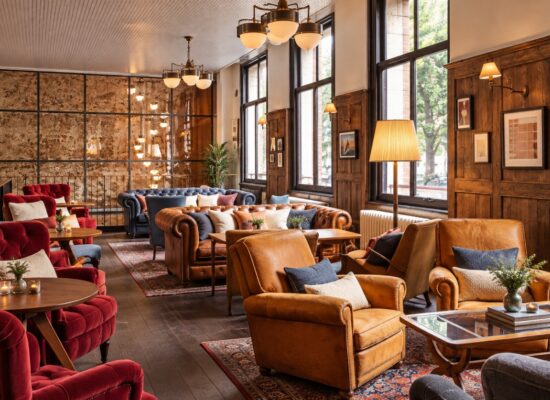
Dutch bespoke lights
Dutch Bespoke Lights: Design, Craftsmanship & Creative Direction Lighting can influence how architecture is perceived long after the first visual…
19 Sep 2026
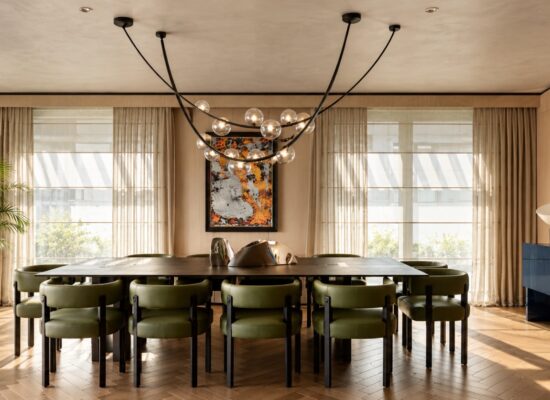
Belgian bespoke lights
Belgian Bespoke Lights: Craftsmanship, Character & Tailored Illumination Lighting can influence how architecture feels long after the sun has disappeared.…
19 Sep 2026
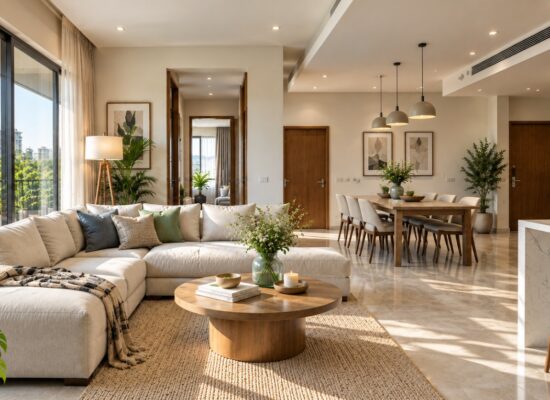
German bespoke lights
German Bespoke Lights: Craftsmanship, Design & Architectural Character German bespoke lights represent a highly considered approach to lighting, where the…
subscribe for newsletter

Luzion is a leading manufacturer and exporter of high-quality LED lighting solutions. With a focus on design, research, and innovation, we offer a wide range of products for commercial, industrial, residential, and outdoor spaces.
