

Search
Category
- Bollard Light
- Commercial Lighting
- Energy-Efficient Lighting
- LAMPS
- LED Lights
- LED Uplighter
- Light and Colour Theory
- Lighting & Signage Solutions
- Lighting Design and Facade Lighting
- Lighting Design Consultancy UAE
- lighting design principles
- Lighting Fundamentals and Design Principles
- Lighting Solutions
- Nature of Light in Lighting Design
- Panel Lights vs. Spot Lights
- Portable Lights
- Signage Solutions
- Smart Controllers for Streetlights
- Solar Lights
- Tree Lighter
- Uncategorized
Recent Posts

Canadian Bespoke Lights
Irish bespoke lights
Japanese bespoke lights

Greek bespoke lights

Turkish luxury chandeliers
Tags
- Architectural Lighting
- Architectural Lighting Design
- Architectural Lighting Design UAE
- automation
- Best Lighting Design Consultancy in UAE
- COB LED Technology
- COB Spotlights
- Color Temperature in Lighting
- Commercial Lighting Design
- Commercial Lighting Fixtures
- Commercial Lighting Innovations
- Commercial Lighting UAE
- Cylinder COB Lights
- Dialux Lighting Design
- Dialux Lighting Design UAE
- Energy Efficient Lighting
- Energy-Efficient Lighting USA
- Exterior Lighting Solutions
- Facade & Exterior Lighting
- Facade Lighting
- Facade Lighting Design
- Facade Lighting Design UAE
- Facade lighting ideas
- Facade Lighting UAE
- Facade Uplighting
- Green Building Design
- Indoor & Exterior Lighting Solutions
- Interior Lighting Design
- Lamps
- LED Lighting Solutions
- LED lights
- LED Panel
- LED Uplighters
- LED vs Halogen
- Light and Color Theory
- Lighting Basics
- Lighting Consultancy UAE
- Lighting Design
- Lighting Design Consultancy in UAE
- Lighting Design Principles
- Lighting Design UAE
- Lighting Fundamentals Guide
- Lighting Layers
- Lumen Output in Lighting
- Modern Building Lighting Ideas
- Modern Lighting Ideas
- Office Lighting Solutions
- Outdoor Lighting Consultants UAE
- Panel Lights vs. Spot Lights
- Portable Lights
- smart light
- Smart Lighting Systems
- Sustainable Architecture
- Sustainable Lighting UAE
- Villa Lighting UAE
02Oct 2026
- Lighting Solutions


American bespoke chandeliers
American Bespoke Chandeliers: Where Custom Design Meets Architectural Luxury
American bespoke chandeliers represent a highly personalized approach to decorative architectural lighting, combining artistic design, precision fabrication and project-specific engineering. At Luzion Lighting, bespoke chandelier development is approached around the character, dimensions and lighting requirements of each individual project rather than a fixed catalogue specification.
From a dramatic hotel lobby in New York City to a private residence in Beverly Hills, a luxury restaurant in Miami, or a contemporary penthouse in Dubai, a custom chandelier can become more than a decorative fixture. It can act as an architectural focal point, define a space visually and contribute to the overall lighting composition.
For architects, interior designers, lighting consultants, hospitality developers and procurement teams, the value of bespoke lighting lies in the ability to control details such as scale, geometry, materials, finish, light distribution, colour temperature, dimming and installation requirements.
With its project-focused approach to bespoke chandeliers and architectural lighting, Luzion Lighting can support custom lighting requirements from concept development and design coordination through engineering, manufacturing and international project delivery.
What Are American Bespoke Chandeliers?
An American bespoke chandelier is a custom-designed lighting fixture created specifically for an architectural or interior project. The design can be adapted to the project’s dimensions, aesthetic language, ceiling height, structural conditions and lighting objectives.
The term “American” can refer to design influences associated with American interiors, including contemporary minimalism, modern luxury, Art Deco references, transitional design and statement architectural lighting. It does not necessarily mean that every component must be manufactured in the United States.
A bespoke chandelier may be developed from an original concept, an architect’s sketch, a reference image, a 3D model or an existing design direction that requires modification.
Typical customization can include:
| Custom Element | Possible Specification |
|---|---|
| Overall dimensions | Diameter, length, height and configuration |
| Geometry | Circular, linear, radial, sculptural or free-form |
| Materials | Brass, bronze, stainless steel, aluminium, glass, crystal and other materials |
| Finish | Polished, brushed, satin, antique, matte or project-specific finish |
| Light source | LED modules, LED strips, lamps or integrated optical systems |
| Colour temperature | Warm, neutral or project-specific CCT |
| Dimming | Phase dimming, 0–10V, DALI and other control systems |
| Suspension | Rod, cable, stem or engineered suspension |
| Mounting | Ceiling plate, custom canopy or project-specific structure |
| Scale | Designed according to room dimensions and ceiling height |
This level of flexibility makes custom chandeliers particularly relevant to projects where a conventional catalogue product cannot achieve the required visual impact or technical specification.
Bespoke Chandelier vs Standard Chandelier
The primary difference is the level of customization.
A standard chandelier generally comes with predetermined dimensions, materials, finishes, light output and mounting arrangements. A bespoke chandelier starts with the project.
For example, a designer working on a double-height hotel lobby may require a chandelier that extends several metres vertically and follows the architectural geometry of the space. A standard fixture may not provide the required proportion, suspension length or visual presence.
A custom-made chandelier can instead be developed around the exact architectural conditions.
This allows the project team to consider:
- Ceiling height
- Floor-to-ceiling proportions
- Viewing angles
- Furniture arrangement
- Interior finishes
- Required illumination
- Decorative appearance
- Maintenance access
- Installation logistics
- Lighting controls
The objective is not simply to make a larger chandelier. It is to create a lighting element that belongs to the architecture.
The Design Philosophy Behind Luxury Bespoke Chandeliers
Luxury chandelier design is increasingly moving beyond traditional decorative forms. Contemporary projects often use lighting as an architectural feature, combining illumination with sculpture and spatial identity.
A bespoke chandelier can therefore be designed around a particular concept.
Sculptural Lighting
Sculptural chandeliers use form, repetition, rhythm and volume to create a visual centrepiece.
They may incorporate:
- Suspended rings
- Vertical light elements
- Curved metal structures
- Layered forms
- Glass compositions
- Crystal arrangements
- Geometric modules
- Organic forms
Such designs can work particularly well in hotel lobbies, luxury residences, restaurants, galleries and high-end retail spaces.
Contemporary Minimalism
Minimalist bespoke chandeliers focus on proportion, material quality and controlled detailing rather than excessive ornamentation.
Slim metal profiles, concealed LED sources and carefully positioned light elements can create an understated architectural appearance.
This approach is suitable for modern apartments, corporate interiors, premium restaurants and contemporary hospitality environments.
American Art Deco Influence
Art Deco continues to influence luxury interiors across several American markets. Strong geometry, symmetry, metallic finishes and decorative glass can be interpreted through a contemporary lighting language.
A custom chandelier inspired by this aesthetic might combine:
- Geometric brasswork
- Opal or smoked glass
- Symmetrical compositions
- Layered forms
- Warm metallic finishes
- Integrated LED illumination
The result can reference historical design while remaining suitable for modern architectural interiors.
Materials Used in Bespoke Chandelier Manufacturing
Material selection has a significant influence on the appearance, weight, durability and cost of a custom chandelier.
Brass
Brass chandeliers are widely used in luxury interiors because brass can provide both contemporary and traditional visual character.
Depending on the selected finish, brass can appear:
- Warm and golden
- Satin
- Brushed
- Polished
- Antique
- Aged
- Matte
Brass can be combined with glass, crystal or integrated LED lighting to create sophisticated hospitality and residential fixtures.
Bronze
Bronze provides a deeper and more architectural appearance. It can be particularly effective in projects where the lighting fixture needs to complement dark wood, stone, leather or warm interior finishes.
Stainless Steel
Stainless steel can be used when a cleaner, contemporary appearance or specific durability requirement is needed.
Polished and satin stainless steel can create very different visual effects, making finish specification an important part of the design process.
Aluminium
Aluminium is useful for larger custom lighting structures because of its relatively low weight and flexibility in fabrication.
It can also support complex profiles and integrated LED systems.
Glass
Glass allows designers to control transparency, diffusion, reflection and colour.
Possible options include:
- Clear glass
- Frosted glass
- Opal glass
- Smoked glass
- Textured glass
- Hand-shaped glass
Glass can be used as individual decorative elements or as part of a larger architectural chandelier composition.
Crystal
Crystal remains relevant to luxury chandelier design, particularly for hotels, ballrooms, private residences and high-end hospitality environments.
Modern bespoke designs can reinterpret crystal through more contemporary arrangements rather than relying exclusively on traditional chandelier forms.
Handcrafted Details and Custom Fabrication
One of the defining characteristics of bespoke lighting is the attention given to individual components.
A custom chandelier may require several fabrication processes, depending on the design:
Concept development → Engineering → Material selection → Metal fabrication → Surface finishing → Glass/crystal integration → LED installation → Electrical assembly → Testing → Final inspection
Each stage can influence the final appearance and performance of the fixture.
For architectural projects, fabrication quality is particularly important because large chandeliers are often positioned in highly visible areas. At a distance, small imperfections may be difficult to identify, but at close viewing distances in luxury interiors, details become much more noticeable.
Designing for Scale and Proportion
One of the most important considerations in bespoke chandelier design is scale.
A chandelier that looks appropriate in a showroom may appear too small inside a large hotel lobby. Conversely, an oversized fixture can overwhelm a smaller dining area.
Designers therefore consider:
- Room length and width
- Ceiling height
- Available vertical volume
- Furniture scale
- Viewing distance
- Circulation paths
- Architectural focal points
- Natural and artificial light levels
For double-height spaces, vertical suspension and multi-level compositions can create a stronger relationship between the chandelier and architecture.
For dining areas, the fixture may need to relate closely to the table dimensions.
For staircases, the chandelier may need to respond to multiple viewing levels.
This is why bespoke chandelier design should be treated as part of the architectural lighting process rather than as an isolated decorative purchase.
Integrated LED Technology in Custom Chandeliers
Modern bespoke chandeliers can combine decorative craftsmanship with advanced LED technology.
Integrated LED systems allow designers to control several technical parameters that influence the quality of illumination.
Important specifications can include:
- Wattage
- Lumens
- Colour temperature
- CRI
- Beam distribution
- Dimming compatibility
- Driver type
- Control protocol
- Heat management
- LED lifetime
For premium hospitality and residential projects, warm colour temperatures are frequently considered where the design objective is to create an intimate and luxurious atmosphere. However, the appropriate CCT should ultimately be selected according to the interior materials, application and lighting concept.
High CRI lighting can also help preserve the appearance of architectural finishes, artwork, furniture, fabrics and decorative materials.
Bespoke Chandeliers as Architectural Features
The most successful custom chandeliers are usually considered during the design development stage rather than added at the end of a project.
Architects and interior designers can coordinate the chandelier with:
- Ceiling architecture
- Feature walls
- Staircases
- Atriums
- Furniture
- Flooring
- Interior finishes
- HVAC coordination
- Electrical infrastructure
- Structural support
This integrated approach can be especially important for large installations.
A substantial chandelier may require structural consideration because the supporting system must safely accommodate the fixture’s weight and dynamic loads. Installation access and future maintenance should also be considered during design development.
Where Are American-Style Bespoke Chandeliers Used?
Custom chandeliers can be developed for a wide range of architectural applications.
Luxury Hotels
Hotel entrance lobbies, reception areas, lounges, restaurants, ballrooms and atriums can use statement chandeliers to establish a distinctive visual identity.
Luxury Villas and Residences
Private residences may require highly personalized fixtures that correspond with interior architecture, furniture and individual design concepts.
Markets such as New York, Los Angeles, Miami, Dallas and Beverly Hills contain diverse luxury residential and hospitality environments where custom lighting can form part of an interior design scheme.
Restaurants and Fine Dining
Restaurants often use decorative lighting to influence atmosphere while providing appropriate illumination for tables and circulation areas.
Retail and Showrooms
Luxury retail environments can use custom chandeliers to create a memorable entrance, highlight architectural volumes or reinforce a brand’s interior identity.
Corporate and Commercial Interiors
Custom lighting can also be used in reception areas, executive spaces, meeting rooms and feature zones where a standard decorative fixture may not align with the architectural concept.
Why Customization Matters in Global Projects
The demand for bespoke lighting is not limited to the United States.
Architectural projects in Dubai, Abu Dhabi, Riyadh, Jeddah, Doha, Kuwait City, Manama, Muscat, London, Paris, Milan, Singapore, Sydney and Mumbai can have very different architectural languages and project requirements.
A custom chandelier allows the design team to adapt the fixture to:
- Local architectural styles
- Project dimensions
- Interior materials
- Lighting requirements
- Electrical standards
- Installation conditions
- Procurement requirements
- Project-specific finishes
For international projects, technical documentation and coordination become equally important alongside visual design.
A professional bespoke lighting manufacturer can support architects, lighting designers and procurement teams with drawings, specifications, material samples, technical data and production coordination.
From Concept to Custom Chandelier
A professional bespoke lighting process normally begins with understanding the project rather than selecting a product from a catalogue.
The workflow can include:
1. Project Brief
Understanding the application, architectural concept, dimensions and lighting requirements.
2. Design Development
Translating the concept into a practical chandelier design.
3. Material & Finish Selection
Selecting metals, glass, crystal, surface treatments and other decorative elements.
4. Engineering
Developing the internal structure, suspension system, electrical configuration and installation details.
5. Prototype or Sample Development
Where appropriate, a sample or prototype can help verify materials, proportions and finishes.
6. Manufacturing
Production according to approved drawings and specifications.
7. Testing & Quality Control
Checking electrical, mechanical and finishing aspects before dispatch.
8. Installation Coordination
Providing relevant documentation and installation information for the project team.
The result is a lighting fixture developed specifically for the intended environment rather than a generic decorative product.
The Future of American Bespoke Chandelier Design
The future of luxury chandelier design is increasingly connected to architecture, technology and personalization.
Instead of treating decorative lighting as a separate interior accessory, designers are integrating chandeliers with architectural lighting concepts, smart controls and digitally developed geometries.
This can lead to fixtures that combine:
Artistic expression + architectural scale + precision engineering + LED technology + intelligent controls
For luxury projects, this combination allows a chandelier to perform both visually and functionally.
Whether the project is a Manhattan hotel, a Miami residence, a Las Vegas hospitality venue, a Dubai villa or a London luxury development, the underlying principle remains the same: the lighting fixture should respond to the architecture rather than compete with it.
American Bespoke Chandeliers for Hotels, Villas & Luxury Architectural Projects
The right bespoke chandelier is not selected only for its appearance. In a professional architectural project, its scale, light output, materials, suspension system, control compatibility and relationship with the surrounding space all influence the final result.
A custom chandelier designed for a five-star hotel lobby will have very different requirements from one designed for a private dining room or luxury villa. Understanding these differences allows architects, interior designers and lighting consultants to develop a fixture that performs as both a visual centrepiece and a functional lighting element.
Bespoke Chandeliers for Luxury Hotel Lobbies
Hotel lobbies are among the most prominent applications for statement chandeliers. The entrance experience is often designed around a strong architectural focal point, and a large custom chandelier can establish that identity immediately.
For a hotel lobby, the chandelier may need to work across several viewing distances. Guests may see it from the entrance, reception desk, lounge areas, elevators and upper-level balconies.
A successful design therefore considers:
- Overall lobby dimensions
- Ceiling height
- Multiple viewing levels
- Reception desk location
- Guest circulation
- Natural daylight
- Interior colour palette
- Decorative finishes
- Required ambient illumination
- Maintenance access
Double-Height Hotel Lobbies
Double-height and atrium spaces provide an opportunity for large-scale custom chandeliers.
Instead of a single horizontal fixture, designers can develop:
- Multi-tier chandeliers
- Vertical suspended elements
- Cascading glass forms
- Ring-based compositions
- Sculptural LED arrangements
- Clustered pendant formations
The vertical composition can visually connect different levels of the building while creating a central architectural feature.
For very large installations, structural coordination should begin early. The suspension and fixing system must be considered alongside the building structure and ceiling construction.
Custom Chandeliers for Luxury Villas
Residential projects often require a more personal design language.
A villa chandelier may be designed around the client’s interior concept, architectural style, furniture, staircase or double-height volume.
Common applications include:
Entrance Foyer
The foyer is often the first interior space experienced by visitors. A custom chandelier can create a strong arrival statement without requiring excessive decorative elements elsewhere.
Living Room
For a large living room, chandelier proportions should relate to the seating arrangement, ceiling volume and architectural focal points.
Dining Room
Dining chandeliers typically need closer coordination with the dining table.
The fixture should provide an appropriate visual relationship with the table without obstructing conversation or creating excessive glare.
Staircase
Staircase installations can create dramatic views from multiple floors.
A vertical chandelier can follow the stairwell geometry, while individual suspended elements can be arranged at different heights.
Double-Height Family Areas
Large residential spaces often benefit from custom-scale lighting because conventional chandeliers may appear visually undersized within the architecture.
Bespoke Chandeliers for Restaurants
Restaurant lighting requires a careful balance between atmosphere and functionality.
A chandelier can contribute to the identity of a restaurant while supporting a comfortable dining environment.
Designers may use custom fixtures above:
- Dining tables
- Private dining areas
- Bar counters
- Reception zones
- Lounge areas
- Feature ceilings
For restaurants, the lighting concept should consider the relationship between decorative illumination and task illumination.
The chandelier itself does not necessarily need to provide all the required light. It can work as one layer within a broader lighting scheme that includes:
Ambient lighting + decorative lighting + accent lighting + task lighting
This layered approach provides greater flexibility and allows the chandelier to remain visually expressive without becoming the sole source of illumination.
Luxury Ballroom Chandeliers
Ballrooms require large-scale decorative lighting that can respond to substantial ceiling heights and large floor areas.
A bespoke ballroom chandelier can use multiple rings, tiers, crystals, glass elements or integrated LED modules.
Important considerations include:
- Ceiling height
- Fixture diameter
- Suspension length
- Event lighting requirements
- Dimming
- Control integration
- Maintenance
- Emergency access
- Cleaning requirements
For venues hosting weddings, conferences and corporate events, dimmable chandelier lighting can provide flexibility between different event environments.
Bespoke Chandeliers for Penthouses
Luxury penthouses often combine contemporary architecture with premium interior materials.
A custom chandelier can be developed to complement:
- Marble
- Natural stone
- Timber
- Metal
- Glass
- Leather
- Textured walls
- Feature ceilings
Because penthouses may have strong views and large areas of glazing, glare control and visual comfort should be considered carefully.
A highly reflective decorative fixture may produce unwanted reflections on glass surfaces, particularly at night. Material selection and LED positioning can therefore influence both aesthetics and comfort.
How to Choose the Right Size of a Bespoke Chandelier
One of the most important decisions in chandelier design is determining the appropriate scale.
There is no single universal dimension that works for every space. The fixture should be developed according to the room’s proportions and architectural context.
For example, a large open lobby may require a chandelier several metres in diameter or height, while a private dining room may require a much more compact fixture.
Key parameters include:
Room dimensions + ceiling height + furniture scale + viewing distance + architectural volume
Chandelier Diameter
For traditional single-level rooms, designers sometimes use room dimensions as an initial reference when estimating chandelier diameter.
However, bespoke architectural projects often require more detailed consideration because the fixture may be sculptural, linear, vertical or asymmetrical.
The final diameter should therefore be treated as a design decision rather than a rigid formula.
Chandelier Height
Vertical dimension becomes particularly important in:
- Atriums
- Hotel lobbies
- Stairwells
- Double-height living rooms
- Grand entrances
- Ballrooms
The chandelier should maintain adequate clearance while achieving the desired visual relationship with the architecture.
Considering Ceiling Height
Ceiling height strongly influences chandelier configuration.
Standard Ceiling
A compact or semi-flush bespoke fixture may be more suitable where vertical space is limited.
High Ceiling
Longer suspension systems and multi-layer compositions can create greater visual presence.
Double-Height Ceiling
Large-scale vertical chandeliers can occupy the architectural volume and become a defining feature.
Atrium
Atrium chandeliers may require extensive engineering, multiple suspension points and coordinated installation planning.
For large architectural installations, the chandelier should be designed alongside the ceiling and structural systems rather than after the interior has been completed.
Lighting Performance: More Than Decoration
A chandelier can be visually impressive while still failing to deliver appropriate lighting performance.
For architectural projects, technical performance should therefore be specified alongside aesthetics.
Important parameters include:
| Specification | Why It Matters |
|---|---|
| Wattage | Indicates electrical power consumption |
| Lumens | Indicates light output |
| CCT | Determines perceived warmth or coolness |
| CRI | Influences colour rendering |
| Beam distribution | Determines how light is spread |
| Dimming | Provides control over light levels |
| Driver | Controls LED electrical performance |
| Control protocol | Enables integration with building systems |
| Lifetime | Supports long-term maintenance planning |
| Thermal management | Helps maintain LED performance |
Colour Temperature for Bespoke Chandeliers
Colour temperature can significantly influence the atmosphere of a luxury interior.
Warm white lighting is commonly considered for hospitality and residential environments where a comfortable, intimate appearance is desired.
Neutral white may be considered where the design requires a cleaner or more contemporary appearance.
The correct selection depends on:
- Interior materials
- Wall and ceiling colours
- Furniture
- Artwork
- Natural daylight
- Other luminaires
- Intended atmosphere
The chandelier should therefore be specified as part of the complete lighting scheme rather than independently.
CRI and Colour Quality
For luxury interiors, colour quality can be particularly important.
A high-CRI LED source can help reveal the appearance of:
- Natural stone
- Wood
- Fabrics
- Artwork
- Decorative metals
- Skin tones
- Architectural finishes
This can be especially relevant to hotels, restaurants, galleries and premium residences where material appearance forms an important part of the interior experience.
Dimming and Lighting Controls
Modern bespoke chandeliers can be integrated into sophisticated lighting control systems.
Depending on project requirements, options may include:
- DALI
- 0–10V
- Phase dimming
- PWM-based systems
- Smart lighting controls
- Scene-based control systems
For hospitality projects, different lighting scenes may be required throughout the day.
For example:
Morning → Daytime → Evening → Event → Cleaning
A controllable chandelier allows the lighting atmosphere to adapt without changing the physical fixture.
For luxury residences, integration with smart-home systems can allow users to control lighting scenes alongside other building systems.
Glare Considerations
Decorative chandeliers often contain visible light sources. If these sources are too bright or positioned directly within the normal field of view, discomfort glare can occur.
A professional design may therefore use:
- Diffusers
- Opal lenses
- Recessed LED sources
- Indirect illumination
- Carefully positioned light modules
- Appropriate optical distribution
Glare should be evaluated in relation to the observer’s position and viewing angles.
This is particularly important in:
- Hotel reception areas
- Restaurants
- Dining rooms
- Lounges
- Luxury residences
- Conference areas
Creating Layers of Light
A bespoke chandelier rarely needs to perform every lighting function within a space.
Architectural lighting is generally more effective when different layers work together.
Ambient Layer
Provides general illumination throughout the space.
Decorative Layer
The chandelier contributes visual character and decorative illumination.
Accent Layer
Spotlights or directional fixtures highlight artwork, architectural details or feature surfaces.
Task Layer
Provides appropriate illumination for activities such as dining, reading, reception or work.
This layered strategy allows the chandelier to remain visually distinctive without compromising the functional requirements of the room.
Materials, Finishes and Interior Coordination
A bespoke chandelier should coordinate with the surrounding material palette.
For example, a warm brass finish may complement:
- Marble
- Walnut
- Beige stone
- Warm timber
- Neutral fabrics
A darker bronze finish may work with:
- Dark timber
- Black stone
- Charcoal interiors
- Contemporary metalwork
Glass and crystal can introduce transparency, reflection and visual movement.
The finish should therefore be selected together with the interior designer rather than as an isolated product decision.
Bespoke Chandeliers for Different Design Styles
Custom manufacturing allows the same basic lighting concept to be interpreted in different architectural languages.
Modern Bespoke Chandeliers
Modern designs generally focus on clean geometry, controlled detailing and integrated illumination.
Typical characteristics include:
- Slim profiles
- Minimal ornamentation
- Integrated LEDs
- Geometric forms
- Metal and glass
- Neutral finishes
Contemporary Luxury Chandeliers
Contemporary luxury designs may combine sculptural geometry with premium materials.
They can incorporate:
- Layered rings
- Custom glass
- Brass structures
- Crystal elements
- Indirect illumination
- Smart controls
Traditional Luxury Chandeliers
Traditional interiors may call for more decorative detailing, crystal arrangements, ornate metalwork and classical proportions.
Transitional Chandeliers
Transitional design combines traditional references with contemporary proportions, making it suitable for many luxury residential and hospitality interiors.
American Bespoke Chandeliers Across Major Project Locations
The requirements of a custom chandelier can vary according to the architectural environment.
In New York City, custom lighting may be specified for luxury apartments, boutique hotels, restaurants and commercial interiors.
In Los Angeles and Beverly Hills, bespoke fixtures can complement high-end residences, hospitality spaces and contemporary architectural projects.
In Miami, lighting designs may respond to luxury hospitality, waterfront residences and modern interiors.
In Chicago, custom chandeliers can be integrated into hotels, restaurants, residential developments and commercial spaces.
In Dallas and Houston, large-scale residential and hospitality projects can create opportunities for statement lighting.
In Las Vegas, chandeliers may form part of entertainment, hospitality and luxury commercial environments where dramatic visual impact is important.
Beyond the United States, similar requirements exist in Dubai, Abu Dhabi, Riyadh, Jeddah, Doha, Kuwait City, Muscat, London, Paris, Milan, Singapore and Sydney, where architects and designers may specify custom lighting according to local architectural styles and project requirements.
Working With Architects and Lighting Designers
For a bespoke chandelier project, early collaboration can prevent design and installation issues later.
A manufacturer or lighting specialist may need to review:
- Architectural drawings
- Reflected ceiling plans
- Interior elevations
- Ceiling construction
- Chandelier dimensions
- Structural support
- Electrical points
- Driver locations
- Control requirements
- Installation access
- Maintenance strategy
The design can then progress from concept development into detailed engineering and production.
Technical Documentation for Project Procurement
Professional project procurement often requires more than a product photograph.
Depending on the project, the technical package may include:
- Product specification
- Dimension drawings
- Material specifications
- Finish samples
- Electrical information
- LED details
- Driver specifications
- Installation instructions
- Maintenance information
- Photometric information where applicable
- CAD drawings
- 3D models
- Project-specific shop drawings
This documentation helps architects, MEP consultants, lighting designers, contractors and procurement teams coordinate the chandelier with the wider project.
Bespoke Does Not Mean Compromising Performance
A common misconception is that custom lighting is primarily decorative.
A professionally developed bespoke chandelier can combine artistic design with engineering and lighting performance.
The strongest results come when the visual concept, structural requirements, electrical system and lighting performance are considered together.
This approach allows a chandelier to become a genuine part of the architectural environment rather than an object simply attached to the ceiling.
Key Considerations Before Ordering a Custom Chandelier
Before moving into production, the project team should confirm:
- Intended application
- Room dimensions
- Ceiling height
- Required chandelier dimensions
- Material and finish
- LED specification
- Colour temperature
- CRI requirement
- Dimming system
- Control protocol
- Suspension method
- Structural support
- Installation access
- Maintenance requirements
- Project quantity
- Delivery schedule
- Technical documentation
- Applicable electrical requirements
Getting these details right at the design stage can significantly improve coordination between the architect, interior designer, lighting consultant, contractor and manufacturer.
American Bespoke Chandeliers Across the USA and Global Luxury Lighting Markets
The demand for American bespoke chandeliers extends beyond a single design tradition or geographic market. Custom chandelier projects are specified according to architecture, interior design, hospitality concepts and the individual requirements of each development.
From a luxury residence in New York to a resort in Dubai, a boutique hotel in London or a private villa in Riyadh, bespoke lighting gives project teams greater control over scale, materials, finish, illumination and visual identity.
For international architectural projects, the same chandelier concept may also require adaptation to local construction conditions, electrical standards, installation methods and procurement requirements.
American Bespoke Chandeliers in the United States
The United States remains an important market for luxury residential, hospitality, commercial and architectural lighting projects.
Different regions have distinct architectural environments, from historic interiors and Art Deco buildings to contemporary high-rise developments and expansive luxury residences.
Custom chandeliers can be developed around these different requirements rather than relying on a fixed catalogue configuration.
New York
New York City combines historic architecture, luxury residential developments, hospitality projects and contemporary commercial interiors.
Bespoke chandeliers can be specified for:
- Manhattan penthouses
- Luxury apartment entrances
- Boutique hotels
- Restaurants
- Private dining rooms
- Retail environments
- Corporate reception spaces
- Historic interior renovations
In Manhattan, ceiling height and available floor area can vary considerably from one project to another. A custom fixture allows the designer to control dimensions and suspension accordingly.
Los Angeles
Los Angeles is known for a wide range of contemporary residential and hospitality architecture.
Custom lighting can complement:
- Luxury villas
- Beverly Hills residences
- Modern estates
- Hotels
- Restaurants
- Entertainment spaces
- High-end retail interiors
Large residences may provide opportunities for sculptural chandeliers in double-height living spaces, entrance foyers and staircases.
Miami
In Miami, bespoke chandeliers can be incorporated into luxury residences, hospitality developments, restaurants and waterfront interiors.
Contemporary designs using glass, metal and integrated LED lighting can complement modern architectural interiors while allowing designers to control the visual weight of the fixture.
Chicago
Chicago combines historic architecture with modern commercial and residential development.
Custom chandeliers can be used in:
- Hotels
- Restaurants
- Luxury apartments
- Residential developments
- Corporate interiors
- Cultural spaces
Projects with strong architectural geometry can benefit from custom fixtures that respond to the proportions of the surrounding structure.
Dallas and Houston
Luxury residential and commercial developments in Dallas and Houston can accommodate large decorative lighting installations.
Bespoke chandeliers can be developed for:
- Grand foyers
- Double-height living rooms
- Dining rooms
- Hotel lobbies
- Private clubs
- Restaurants
- Commercial reception areas
Larger interior volumes can provide opportunities for multi-tier and sculptural chandelier configurations.
Las Vegas
Las Vegas provides a distinctive environment for statement lighting because hospitality and entertainment spaces often use dramatic visual elements.
Custom chandeliers may be incorporated into:
- Resort entrances
- Casino interiors
- Restaurants
- Lounges
- Entertainment venues
- VIP areas
Large-scale decorative lighting can become part of the overall interior identity while integrated LED systems can provide flexible control.
San Francisco and Seattle
In San Francisco and Seattle, bespoke lighting can support contemporary residential, hospitality and commercial interiors.
Minimalist metalwork, glass and integrated LED technology can be adapted to modern architectural environments.
Boston
Boston offers a mixture of historic architecture, luxury residences, hospitality and contemporary developments.
Custom chandelier design can combine traditional references with modern lighting technology, particularly where a project needs to respect existing architectural character.
Washington, D.C.
Luxury hotels, diplomatic environments, residences and institutional interiors in Washington, D.C. can require highly coordinated decorative lighting.
Bespoke chandeliers can be designed around architectural symmetry, formal interiors and project-specific material palettes.
Other Important American Markets
Custom chandelier opportunities also exist across:
California, New York, Florida, Texas, Illinois, Massachusetts, New Jersey, Nevada, Washington, Arizona, Georgia, Colorado, Pennsylvania, Virginia and Connecticut.
Major cities include:
San Diego, San Jose, Scottsdale, Phoenix, Atlanta, Austin, Denver, Philadelphia, Orlando, Palm Beach and Beverly Hills.
These locations represent different architectural and commercial environments, so a successful custom lighting specification should always be based on the individual project rather than geography alone.
Bespoke Chandeliers in the UAE
The UAE is an important market for luxury hospitality, residential, retail and architectural developments.
Cities such as Dubai and Abu Dhabi feature projects where decorative lighting can become a major part of the interior concept.
Dubai
In Dubai, bespoke chandeliers can be used across:
- Luxury hotels
- Resort lobbies
- Private villas
- Penthouses
- Fine-dining restaurants
- High-end retail
- Corporate headquarters
- Mixed-use developments
Large entrance volumes and statement interiors can create opportunities for sculptural chandeliers with custom dimensions.
Projects may also require coordination with marble, metal, glass and other premium interior materials.
Abu Dhabi
Abu Dhabi offers opportunities across hospitality, residential, cultural and commercial architecture.
Custom chandeliers can be developed for grand entrance spaces, luxury residences, hotels, restaurants and formal interiors.
Sharjah and Ras Al Khaimah
In Sharjah and Ras Al Khaimah, bespoke lighting can support hospitality, residential, cultural and resort developments.
For resort environments, chandeliers can be designed around natural materials, warm finishes and hospitality-oriented lighting schemes.
Bespoke Chandeliers Across Saudi Arabia
Saudi Arabia is developing a broad range of hospitality, residential, commercial and destination projects.
Major markets include:
- Riyadh
- Jeddah
- Dammam
- Al Khobar
- Diriyah
- NEOM-related development areas
Custom chandelier design can be applied to luxury hotels, restaurants, villas, private residences, reception areas and large public interiors.
Riyadh
In Riyadh, bespoke lighting can complement luxury hospitality, commercial and residential architecture.
Large entrance halls and double-height interiors may require custom-scale fixtures rather than standard catalogue chandeliers.
Jeddah
Jeddah combines residential, hospitality and commercial development with a strong relationship to contemporary architecture.
Glass, metal and warm LED lighting can be combined to create custom fixtures suited to luxury interiors.
Dammam and Al Khobar
Custom chandeliers can also be specified for hotels, restaurants, private residences and commercial projects in the Eastern Province.
Qatar and Doha
Doha has an established luxury hospitality and architectural environment where custom decorative lighting can be incorporated into hotels, restaurants, villas and commercial interiors.
Large-scale chandelier installations can be developed for:
- Hotel lobbies
- Ballroom entrances
- Fine-dining restaurants
- Private residences
- VIP lounges
- Corporate spaces
The design should be coordinated with the project’s complete architectural lighting strategy.
Kuwait
Kuwait City is another important market for luxury residential, hospitality and commercial lighting.
Bespoke chandeliers can be designed for large villas, entrance foyers, reception spaces, restaurants and hotels.
Custom dimensions are particularly useful where residential interiors have large ceiling volumes or distinctive architectural features.
Bahrain
In Manama, custom chandeliers can be applied to hotels, restaurants, residences, retail spaces and commercial developments.
A bespoke fixture can be developed to complement the interior palette while maintaining appropriate illumination and visual comfort.
Oman
Muscat combines contemporary hospitality architecture with regional design influences.
Bespoke chandelier designs can incorporate warm metallic finishes, glass and controlled LED illumination for hotels, resorts, villas and premium commercial spaces.
The architectural character of the project should guide the material and form rather than simply reproducing a generic luxury chandelier.
United Kingdom
The UK provides opportunities for bespoke chandelier projects across residential, hospitality, heritage and commercial architecture.
London
London is particularly relevant for:
- Luxury hotels
- Private residences
- Mayfair interiors
- Restaurants
- Retail
- High-end apartments
- Historic property refurbishment
A custom chandelier can combine classical references with contemporary LED technology.
Manchester and Birmingham
In Manchester and Birmingham, bespoke lighting can support hotels, restaurants, residential developments, offices and commercial interiors.
European Bespoke Chandelier Markets
Europe contains a wide range of architectural traditions, from classical interiors to minimalist contemporary buildings.
France
Paris, Cannes and other luxury destinations can provide opportunities for custom chandelier designs that combine decorative craftsmanship with refined architectural proportions.
Italy
Milan, Rome and Florence are strongly associated with design, architecture and decorative arts.
Bespoke chandelier projects can combine contemporary geometry with Italian-inspired material and finish concepts.
Germany
Markets such as Berlin, Munich and Frankfurt can require a more technically coordinated approach, particularly for contemporary hospitality, commercial and residential projects.
Integrated LED technology, energy efficiency and lighting controls can become important parts of the specification.
Spain
Madrid, Barcelona and Marbella offer opportunities across hospitality, luxury residential and commercial interiors.
Custom glass, brass, bronze and LED compositions can be adapted to different interior styles.
Switzerland
Geneva and Zurich can support premium residential, hospitality and commercial lighting projects where precision, finish quality and technical documentation are important.
Austria
In Vienna, bespoke chandeliers can bridge classical architectural references with contemporary lighting technology.
Netherlands and Portugal
Amsterdam and Lisbon also offer opportunities for custom lighting in hospitality, residential and commercial projects.
Bespoke Chandeliers in India
India offers a diverse architectural market spanning luxury residences, hospitality, retail and commercial developments.
Major cities include:
- Mumbai
- New Delhi
- Ahmedabad
- Bengaluru
- Hyderabad
- Chennai
- Pune
- Kolkata
- Jaipur
Mumbai
Luxury apartments, hotels, restaurants and high-end commercial interiors can use custom chandeliers to create distinctive focal points.
New Delhi
Bespoke lighting can be integrated into luxury residences, hospitality projects, restaurants and formal interiors.
Ahmedabad
Ahmedabad provides opportunities across residential, hospitality, commercial and architectural developments, with custom lighting increasingly relevant to premium interior projects.
Bengaluru and Hyderabad
Contemporary residential, hospitality and commercial architecture in these cities can accommodate modern sculptural chandeliers and integrated LED designs.
Australia and Asia-Pacific
Custom chandelier demand also extends to Asia-Pacific markets.
Australia
Sydney, Melbourne and Brisbane offer opportunities across hospitality, luxury residential, restaurants and commercial interiors.
Singapore
In Singapore, bespoke lighting can be used in luxury hotels, residences, retail and commercial environments where space planning and technical coordination are important.
Japan
Tokyo, Osaka and Kyoto offer distinct architectural contexts where custom lighting can range from minimalist contemporary designs to more decorative interpretations.
South Korea
Seoul provides opportunities across luxury retail, hospitality, residential and commercial architecture.
Custom Chandeliers in Canada
Major Canadian markets such as Toronto, Vancouver and Montreal offer opportunities across luxury residential, hospitality and commercial interiors.
Cold-climate building conditions, ceiling construction and local electrical requirements should be considered during project specification and installation planning.
Bespoke Lighting in Other International Markets
Custom chandelier projects can also be developed for:
Turkey: Istanbul, Ankara
Greece: Athens, Mykonos
South Africa: Johannesburg, Cape Town
New Zealand: Auckland, Wellington
Malaysia: Kuala Lumpur
Thailand: Bangkok, Phuket
Indonesia: Jakarta, Bali
Qatar: Doha
Saudi Arabia: Riyadh, Jeddah
UAE: Dubai, Abu Dhabi
Bahrain: Manama
Oman: Muscat
Kuwait: Kuwait City
Each market can involve different architectural styles, project scales, technical requirements and procurement processes.
Why Global Projects Require Custom Lighting Coordination
International chandelier projects involve more than shipping a finished product from one country to another.
The project team may need to coordinate:
Electrical Compatibility
Voltage, frequency, driver configuration and control systems should be confirmed before manufacturing.
Installation Requirements
Mounting details, ceiling construction, suspension systems and access equipment should be reviewed before production.
Documentation
Architects, consultants and contractors may require detailed drawings, specifications, wiring information and installation instructions.
Packaging
Large chandeliers can require carefully planned packaging to protect delicate finishes, glass and crystal elements during transportation.
Site Installation
Complex fixtures may need assembly instructions, component identification and coordinated installation planning.
Maintenance
Future access to LED modules, drivers and other serviceable components should be considered during design.
Global Procurement of Bespoke Chandeliers
For international architectural projects, procurement teams typically evaluate more than product appearance.
Important considerations can include:
| Procurement Factor | Project Consideration |
|---|---|
| Design | Compatibility with architectural concept |
| Customization | Ability to modify dimensions and finishes |
| Manufacturing | Fabrication capability and quality control |
| Technical data | Electrical and lighting specifications |
| Drawings | CAD, shop drawings and installation details |
| Materials | Approved metals, glass and decorative elements |
| Controls | Compatibility with project lighting system |
| Quality | Inspection and testing process |
| Packaging | Protection during international transportation |
| Lead time | Alignment with construction schedule |
| Installation | Site assembly and mounting requirements |
| After-sales support | Technical assistance and replacement components |
This is particularly important for large hospitality and residential projects where the chandelier forms part of the final architectural handover.
Choosing a Bespoke Chandelier Manufacturer for International Projects
Architects and procurement teams should look beyond the visual design when evaluating a custom lighting manufacturer.
Relevant capabilities may include:
- Custom design development
- Engineering support
- Material and finish selection
- LED integration
- Technical drawings
- Prototype development
- Quality control
- Project documentation
- Export packaging
- International logistics coordination
- Installation support
- After-sales assistance
A manufacturer capable of managing both design and technical requirements can simplify coordination between the architectural team and procurement department.
From American Design Inspiration to Global Architectural Lighting
American bespoke chandelier design can influence projects far beyond the United States. Contemporary luxury lighting concepts can be adapted to the requirements of different architectural markets without losing their original design character.
The key is customization.
A chandelier designed for a Manhattan penthouse may require a different scale and finish from one specified for a Dubai hotel. A Riyadh villa may require a different material palette from a London townhouse, while a Singapore hospitality project may require different control and installation coordination.
The design should therefore begin with the project rather than the location.
For architects, interior designers, developers and procurement professionals, bespoke chandeliers offer the flexibility to combine artistic expression, architectural proportion, lighting performance and project-specific engineering in one custom lighting solution.
The final stage is the procurement and manufacturing journey: how a custom chandelier moves from concept and drawings to material approval, engineering, fabrication, testing, packaging and international delivery.
American Bespoke Chandeliers: From Concept to Custom Manufacturing
A successful American bespoke chandelier project begins long before manufacturing. For architects, interior designers, lighting consultants, developers and procurement teams, the process typically involves design development, engineering, material selection, prototyping, fabrication, electrical integration, quality control and project delivery.
Whether the final installation is intended for a luxury hotel in New York, a private villa in Dubai, a hospitality project in Riyadh or a high-end residence in London, a structured workflow helps ensure that the finished chandelier reflects the original design intent while meeting practical project requirements.
1. Understanding the Project Brief
The first stage is understanding how the chandelier will interact with the architecture.
A professional project brief may include:
- Project type
- Location
- Application area
- Room dimensions
- Ceiling height
- Architectural drawings
- Interior design concept
- Preferred materials
- Finish requirements
- Lighting requirements
- Colour temperature
- Dimming requirements
- Control system
- Installation conditions
- Quantity
- Required delivery date
This information establishes the foundation for the custom design.
For example, a chandelier for a double-height hotel lobby may require a completely different engineering approach from a fixture designed for a private dining room.
2. Concept Development
Once the project requirements are understood, the chandelier concept can be developed.
The design may originate from:
- Architect’s sketch
- Interior designer’s concept
- Reference image
- Mood board
- CAD drawing
- 3D model
- Material palette
- Original manufacturer concept
The objective is to translate the visual direction into a manufacturable lighting fixture.
At this stage, designers consider the relationship between form, scale, materials, illumination and architecture.
3. Engineering the Chandelier
A bespoke chandelier is both a decorative object and an engineered product.
The internal structure must support the fixture safely while accommodating electrical components, LED modules, drivers and suspension systems.
Engineering considerations can include:
Structural Support
Large chandeliers may require multiple suspension points or project-specific mounting structures.
The building structure and ceiling construction should therefore be reviewed during the design stage.
Suspension System
Depending on the design, suspension can use:
- Steel cables
- Rods
- Tubular stems
- Custom brackets
- Multi-point suspension systems
The suspension method should be selected according to fixture weight, ceiling height, visual requirements and installation conditions.
Electrical Integration
The chandelier may incorporate:
- LED modules
- LED strips
- LED lamps
- Drivers
- Connectors
- Junction systems
- Dimming interfaces
- Control components
All electrical components should be coordinated with the project’s electrical and lighting control strategy.
Custom Materials and Finishes
Material selection is one of the defining aspects of bespoke chandelier design.
A project may specify a particular finish to match architectural hardware, furniture, wall treatments or other lighting fixtures.
Brass Finishes
Possible brass finishes include:
- Brushed brass
- Satin brass
- Polished brass
- Antique brass
- Aged brass
- Matte brass
Bronze Finishes
Bronze can be specified in different tones to achieve a darker architectural appearance.
It may work particularly well with:
- Dark wood
- Marble
- Stone
- Leather
- Neutral interiors
Stainless Steel
Stainless steel can provide a clean contemporary appearance and can be finished through polishing, brushing or other surface treatments.
Glass
Custom glass elements can introduce transparency, diffusion, texture and reflection.
The design may use:
- Clear glass
- Opal glass
- Frosted glass
- Smoked glass
- Textured glass
- Decorative glass
Crystal
Crystal can be incorporated into traditional, transitional or contemporary luxury chandeliers.
Rather than following a conventional crystal chandelier format, modern bespoke designs can use crystal as part of a geometric or sculptural composition.
Prototype and Sample Development
For complex projects, prototype development can reduce the risk of unexpected results during mass production.
A sample may allow the project team to evaluate:
- Overall proportions
- Material finish
- Glass appearance
- Crystal quality
- LED colour
- Light diffusion
- Surface detailing
- Suspension appearance
For large hospitality developments requiring multiple identical or related chandeliers, approving a representative sample before full production can provide an additional level of project control.
LED Integration in Bespoke Chandeliers
Modern custom chandeliers can incorporate integrated LED systems instead of conventional lamp holders.
This approach allows the lighting system to be designed around the fixture geometry.
Potential benefits include:
- Compact lighting modules
- Controlled light distribution
- Lower energy consumption
- Long service life
- Dimming capability
- Consistent colour
- Flexible fixture geometry
However, LED selection should be based on project requirements rather than simply selecting the highest wattage.
Important parameters include:
Lumens + wattage + CCT + CRI + optical distribution + driver + dimming + thermal management
Colour Temperature
The chosen colour temperature should complement the complete interior lighting scheme.
Warm white light can support intimate residential and hospitality environments, while neutral white can be considered where a cleaner architectural appearance is required.
The final CCT should be coordinated with other luminaires to avoid inconsistent colour appearance within the same space.
Colour Rendering
For luxury interiors, CRI can be important because the chandelier may illuminate expensive materials and decorative finishes.
High-quality LED sources can help preserve the visual appearance of:
- Marble
- Timber
- Fabric
- Artwork
- Metal finishes
- Decorative surfaces
- Skin tones
Dimming and Control Integration
A bespoke chandelier may need to integrate with the building’s lighting control system.
Depending on the project, this can include:
- DALI
- 0–10V
- Phase dimming
- Digital lighting controls
- Smart-home systems
- Scene controllers
For hotels and restaurants, scene-based control can allow the chandelier to operate differently during daytime, evening, events and cleaning.
For luxury residences, integration with home automation can provide control through centralized systems.
The control method should be confirmed before manufacturing because the driver and electrical configuration may need to be selected accordingly.
Lighting Calculations and Photometric Considerations
Although chandeliers are often decorative, their lighting contribution can still form part of a professional lighting design.
For projects where the chandelier provides meaningful illumination, the design team may need to consider:
- Illuminance
- Light distribution
- Uniformity
- Glare
- Surface reflectance
- Ceiling height
- Viewing angles
- Other lighting layers
Where applicable, photometric data can help the lighting consultant understand how the fixture contributes to the overall scheme.
For larger architectural projects, lighting design software such as DIALux can be used where suitable photometric data is available.
This can help evaluate the relationship between the chandelier and other architectural lighting systems.
Installation Planning
Large bespoke chandeliers require installation planning from the early project stages.
The project team should establish:
- Delivery route
- Component dimensions
- Site access
- Lifting requirements
- Ceiling access
- Mounting points
- Suspension locations
- Electrical connection points
- Assembly sequence
- Installation team responsibilities
A chandelier that is physically too large to pass through available doors, lifts or access routes can create avoidable site problems.
For this reason, large fixtures may be manufactured and shipped in multiple sections for final assembly at the project location.
Maintenance and Long-Term Serviceability
A luxury chandelier should be designed with its future maintenance requirements in mind.
Depending on the construction, service access may be required for:
- LED modules
- Drivers
- Electrical connections
- Decorative components
- Suspension components
For high-ceiling installations, maintenance planning becomes especially important.
The project team should consider how technicians will safely access the chandelier for inspection and servicing.
A visually impressive installation should also remain practical to maintain throughout its operational life.
Quality Control for Bespoke Lighting
Quality control should cover both appearance and technical performance.
A professional inspection may evaluate:
Visual Quality
- Surface finish
- Joint quality
- Symmetry
- Alignment
- Glass condition
- Crystal arrangement
- Decorative details
Electrical Quality
- Wiring
- Driver performance
- LED operation
- Dimming response
- Connections
- Insulation and safety requirements
Mechanical Quality
- Suspension components
- Structural connections
- Mounting hardware
- Assembly quality
For high-value projects, final inspection before dispatch can help identify issues before the fixture reaches the installation site.
International Packaging and Export
Large chandeliers require specialized packaging because many components may be delicate or difficult to replace locally.
Packaging considerations can include:
- Custom protective crates
- Shock protection
- Component separation
- Glass protection
- Crystal protection
- Finish protection
- Moisture protection where required
- Component labeling
- Assembly documentation
For international shipments, packaging should be designed around the transportation method and the fragility of the individual components.
Documentation for International Projects
A professional bespoke lighting supplier may provide project documentation such as:
- Product datasheets
- Technical specifications
- Dimension drawings
- CAD files
- 3D files
- Installation instructions
- Wiring information
- Driver details
- Material specifications
- Finish information
- Maintenance guidelines
- Packing lists
The exact documentation package should be agreed during procurement.
Working With Architects, MEP Consultants and Contractors
Bespoke chandelier projects usually involve multiple stakeholders.
Architects
Architects define the relationship between the chandelier and the overall architectural concept.
Interior Designers
Interior designers often coordinate materials, finishes, furniture and visual composition.
Lighting Designers
Lighting designers evaluate illumination, glare, colour quality, controls and the relationship between decorative and architectural lighting.
MEP Consultants
MEP teams coordinate electrical supply, control systems and relevant building services.
Structural Consultants
Large chandeliers may require structural coordination for suspension and mounting.
Contractors
Contractors coordinate site installation, ceiling preparation, electrical connections and access.
Procurement Teams
Procurement teams manage commercial specifications, quantities, lead times, documentation and delivery.
Early coordination between these parties can reduce design changes and installation complications.
Custom Chandelier Procurement Checklist
Before placing an order, procurement teams can review the following:
| Category | Key Questions |
|---|---|
| Design | Is the final design approved? |
| Dimensions | Are all dimensions confirmed? |
| Material | Are materials approved? |
| Finish | Has the finish sample been approved? |
| Lighting | Are wattage, lumens, CCT and CRI confirmed? |
| Controls | Is the dimming/control system confirmed? |
| Structure | Are suspension requirements approved? |
| Drawings | Are shop drawings and technical documents available? |
| Installation | Is the installation method defined? |
| Maintenance | Is service access considered? |
| Packaging | Is the export packaging suitable? |
| Delivery | Is the production and shipping schedule aligned? |
| Quantity | Is the final project quantity confirmed? |
This checklist can help keep design, technical and procurement decisions aligned.
Bespoke Chandelier Manufacturing for Global Projects
A capable custom lighting manufacturer should be able to translate a design concept into a production-ready fixture without losing the original design intent.
For international projects, useful manufacturing capabilities can include:
- Custom design
- Engineering
- Metal fabrication
- Glass integration
- Crystal integration
- LED integration
- Surface finishing
- Prototype development
- Electrical assembly
- Quality control
- Technical documentation
- Export packaging
- International shipping coordination
This integrated approach can be particularly valuable for architects and developers managing projects across different countries.
Why Bespoke Lighting Supports Architectural Identity
A standard lighting product can solve a lighting requirement, but a bespoke chandelier can also contribute to the identity of a space.
The fixture can echo:
- Architectural geometry
- Brand identity
- Interior materials
- Cultural references
- Furniture forms
- Ceiling architecture
- Hospitality concepts
This makes custom chandeliers particularly relevant to luxury developments where every visible element contributes to the overall guest or user experience.
Frequently Asked Questions
What is an American bespoke chandelier?
An American bespoke chandelier is a custom-designed decorative lighting fixture developed around the requirements of a specific architectural or interior project. Dimensions, materials, finishes, lighting technology and suspension can be customized.
Can bespoke chandeliers be made for hotels and luxury villas?
Yes. Custom chandeliers can be developed for hotel lobbies, restaurants, ballrooms, villas, penthouses, staircases, dining rooms and other luxury architectural environments.
Can the size of a bespoke chandelier be customized?
Yes. A custom chandelier can be developed according to the room dimensions, ceiling height, architectural volume and desired visual impact.
Can bespoke chandeliers use LED lighting?
Yes. Modern custom chandeliers can incorporate integrated LED modules or other LED systems, with specifications such as wattage, lumens, CCT, CRI and dimming selected according to the project.
Can custom chandeliers support DALI or other lighting controls?
Depending on the selected LED driver and electrical configuration, bespoke chandeliers can be designed for DALI, 0–10V, phase dimming and other control systems.
Can bespoke chandeliers be supplied internationally?
Yes. Custom chandeliers can be designed and manufactured for international architectural projects, subject to project-specific electrical, technical, packaging, shipping and installation requirements.
Final Perspective
A truly bespoke chandelier is not simply a decorative fixture with a customized finish. At Luzion Lighting, it is approached as a project-specific lighting element developed around architecture, interior design, engineering and lighting performance.
From the initial concept to final installation, every stage can influence the result:
Project Brief → Concept → Design Development → Engineering → Material Selection → Prototype → Manufacturing → Electrical Integration → Quality Control → Packaging → International Delivery → Installation
For luxury hotels, private residences, restaurants, resorts, commercial developments and high-end interiors, Luzion Lighting develops custom lighting solutions that allow the chandelier to become an intentional part of the architecture rather than an afterthought.
For projects across the USA, UAE, Saudi Arabia, Qatar, Kuwait, Bahrain, Oman, UK, Europe, India, Australia, Singapore and other international markets, custom manufacturing provides the flexibility required to meet unique architectural, technical and procurement requirements.
From concept development and material selection to LED integration, dimensions, finishes, suspension systems and lighting performance, Luzion Lighting can coordinate the bespoke chandelier development process around the project’s specific requirements.
For architects, developers, lighting designers, interior designers, MEP consultants and procurement teams seeking a project-specific chandelier, the starting point should always be the architecture, lighting objective and technical requirements—not simply a catalogue size or decorative style.
With a project-focused approach to bespoke chandeliers and architectural lighting, Luzion Lighting supports clients from initial design discussions through manufacturing, quality control and international project delivery.
Related posts
02 Oct 2026
Canadian Bespoke Lights
Canadian Bespoke Lighting: Where Design Becomes a Signature Luxury architecture is rarely defined by one element alone. The character of…
01 Oct 2026
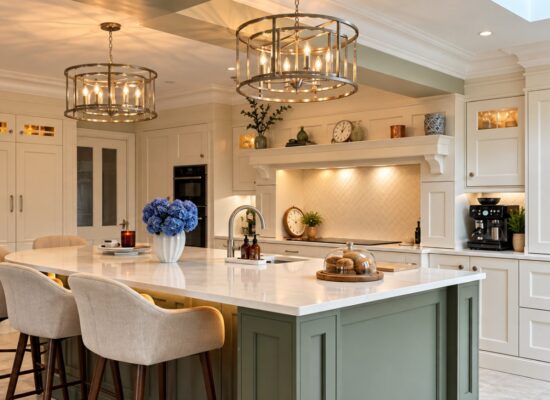
Irish bespoke lights
Irish Bespoke Lights: Where Craftsmanship Meets Architectural Design Irish bespoke lights bring together craftsmanship, design individuality and practical lighting performance.…
30 Sep 2026
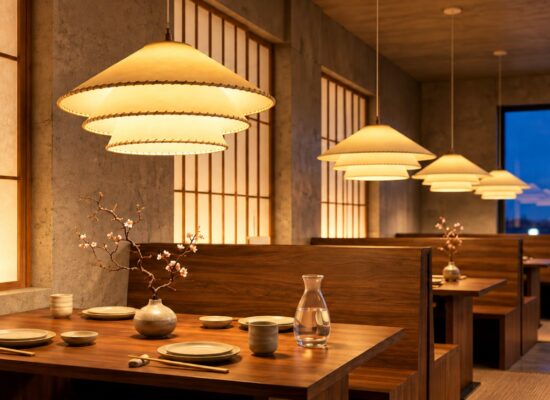
Japanese bespoke lights
Japanese Bespoke Lights: Craftsmanship, Design & Architectural Identity Japanese bespoke lights bring together traditional craftsmanship, refined materiality and contemporary lighting…
30 Sep 2026
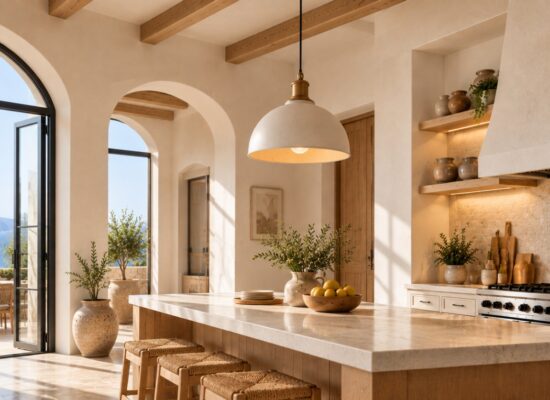
Greek bespoke lights
Greek Bespoke Lights for Luxury Architectural Projects Greek bespoke lights combine artistic expression, Mediterranean design influences and project-specific craftsmanship to…
29 Sep 2026
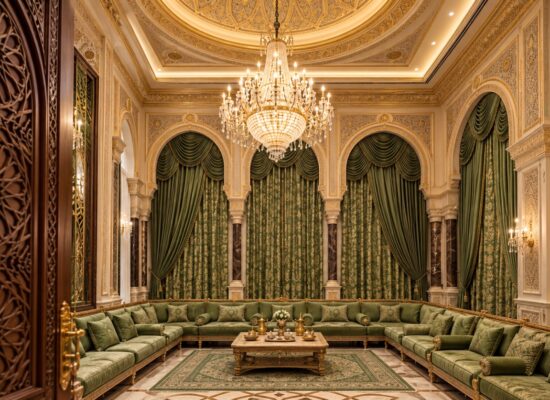
Turkish luxury chandeliers
Turkish Luxury Chandeliers: Heritage, Craftsmanship & Design Turkish luxury chandeliers bring together decorative craftsmanship, architectural scale and contemporary lighting technology…
subscribe for newsletter

Luzion is a leading manufacturer and exporter of high-quality LED lighting solutions. With a focus on design, research, and innovation, we offer a wide range of products for commercial, industrial, residential, and outdoor spaces.
