

Search
Category
- Bollard Light
- Commercial Lighting
- Energy-Efficient Lighting
- LAMPS
- LED Lights
- LED Uplighter
- Light and Colour Theory
- Lighting & Signage Solutions
- Lighting Design and Facade Lighting
- Lighting Design Consultancy UAE
- lighting design principles
- Lighting Fundamentals and Design Principles
- Lighting Solutions
- Nature of Light in Lighting Design
- Panel Lights vs. Spot Lights
- Portable Lights
- Signage Solutions
- Smart Controllers for Streetlights
- Solar Lights
- Tree Lighter
- Uncategorized
Recent Posts
American bespoke chandeliers

Irish bespoke lights
Japanese bespoke lights

Greek bespoke lights

Turkish luxury chandeliers
Tags
- Architectural Lighting
- Architectural Lighting Design
- Architectural Lighting Design UAE
- automation
- Best Lighting Design Consultancy in UAE
- COB LED Technology
- COB Spotlights
- Color Temperature in Lighting
- Commercial Lighting Design
- Commercial Lighting Fixtures
- Commercial Lighting Innovations
- Commercial Lighting UAE
- Cylinder COB Lights
- Dialux Lighting Design
- Dialux Lighting Design UAE
- Energy Efficient Lighting
- Energy-Efficient Lighting USA
- Exterior Lighting Solutions
- Facade & Exterior Lighting
- Facade Lighting
- Facade Lighting Design
- Facade Lighting Design UAE
- Facade lighting ideas
- Facade Lighting UAE
- Facade Uplighting
- Green Building Design
- Indoor & Exterior Lighting Solutions
- Interior Lighting Design
- Lamps
- LED Lighting Solutions
- LED lights
- LED Panel
- LED Uplighters
- LED vs Halogen
- Light and Color Theory
- Lighting Basics
- Lighting Consultancy UAE
- Lighting Design
- Lighting Design Consultancy in UAE
- Lighting Design Principles
- Lighting Design UAE
- Lighting Fundamentals Guide
- Lighting Layers
- Lumen Output in Lighting
- Modern Building Lighting Ideas
- Modern Lighting Ideas
- Office Lighting Solutions
- Outdoor Lighting Consultants UAE
- Panel Lights vs. Spot Lights
- Portable Lights
- smart light
- Smart Lighting Systems
- Sustainable Architecture
- Sustainable Lighting UAE
- Villa Lighting UAE
02Oct 2026
- Lighting Solutions


Canadian Bespoke Lights
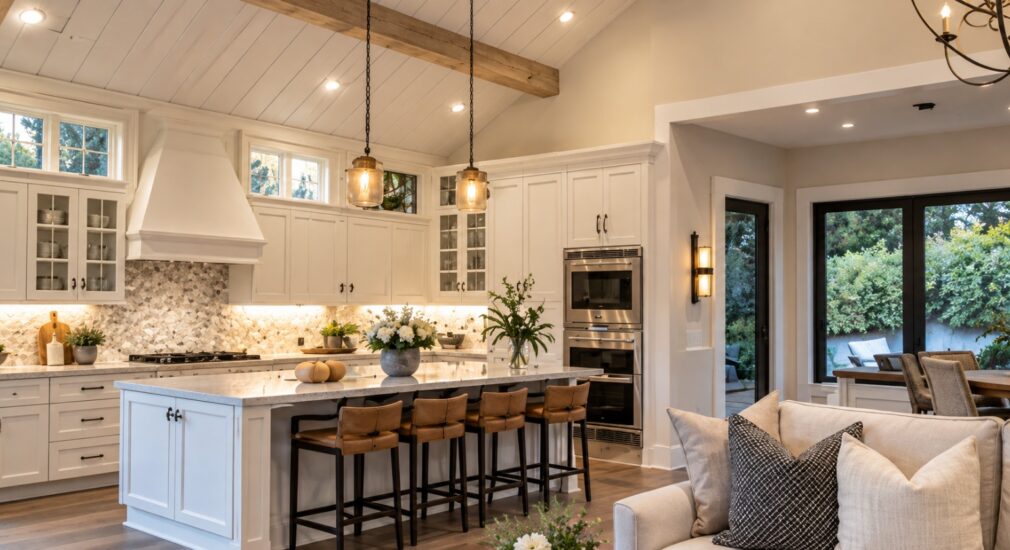
Canadian Bespoke Lighting: Where Design Becomes a Signature
Luxury architecture is rarely defined by one element alone. The character of a hotel lobby, private residence, restaurant, or high-end commercial interior is created through a combination of proportion, materials, finishes, furniture, architecture and light. Within that composition, Canadian bespoke lighting offers an opportunity to create fixtures that are designed specifically for the space rather than selected from a standard catalogue.
Bespoke lighting is not simply about making a decorative fixture look different. It is about developing a lighting piece around the architectural language, spatial dimensions, material palette and functional requirements of a project. A chandelier can be scaled to suit a dramatic atrium, a pendant can be developed around a dining concept, or a wall light can be customised to complement a particular stone, timber or metal finish.
For architects, interior designers and developers, this approach becomes particularly valuable when a project requires an identity that cannot be achieved with off-the-shelf fixtures.
What Makes Canadian Bespoke Lighting Different?
Canadian design is often associated with a balance between contemporary simplicity, craftsmanship and attention to materiality. In bespoke lighting, these qualities can translate into clean silhouettes, carefully considered proportions, refined finishes and fixtures that complement rather than compete with architecture.
A Canadian bespoke light may incorporate metal, glass, wood, stone, fabric or other project-specific materials. The fixture can also be adapted in terms of diameter, height, suspension length, finish, light source and optical performance.
This flexibility is particularly relevant to luxury architectural projects where every detail needs to work together.
For example, a hotel entrance with a double-height ceiling may require a large custom chandelier with a specific diameter and suspension height. A private villa may need a series of coordinated pendant lights with different dimensions but the same design language. A restaurant may require decorative fixtures that create atmosphere while maintaining appropriate illumination levels for tables and circulation areas.
The result is not simply a lighting product. It becomes part of the architectural identity of the space.
Bespoke Lighting vs Standard Lighting
The difference between standard and bespoke lighting is primarily the degree to which the fixture can respond to a project’s individual requirements.
| Consideration | Standard Lighting | Bespoke Lighting |
|---|---|---|
| Dimensions | Predefined | Project-specific |
| Finish | Selected catalogue options | Custom finishes possible |
| Shape | Existing designs | Designed around the concept |
| Light source | Fixed specifications | Can be engineered to requirements |
| Installation | Standard mounting | Adapted to project conditions |
| Quantity | Existing product range | Developed for project requirements |
| Design identity | Shared across projects | Unique to the project |
For premium developments, this distinction can be significant. A project may have unusual ceiling heights, restricted installation zones, specific material requirements or a strong interior design concept. A bespoke fixture allows the lighting design to respond to those conditions instead of forcing the architecture to accommodate a predefined product.
Designed Around the Architecture
Good bespoke lighting begins with understanding the space.
Before developing a custom fixture, designers and manufacturers may consider the ceiling height, viewing distance, furniture arrangement, mounting position, required illumination, colour temperature, glare control, maintenance access and overall visual composition.
This is particularly important in hospitality and luxury residential projects. A statement fixture may need to be visually impressive from a distance while still providing comfortable illumination at occupant level.
The technical side of bespoke lighting therefore matters just as much as the appearance.
Factors such as LED wattage, lumen output, colour temperature, CRI, beam angle, dimming compatibility, driver selection and IP rating can influence how the final fixture performs.
For architectural projects, the objective is to achieve a balance between visual expression and dependable lighting performance.
From Canadian Design to International Architecture
Although the concept is rooted in Canadian bespoke lighting, custom lighting is inherently international. Architects and developers in Toronto, Montreal, Vancouver, Calgary and Ottawa may have very different architectural requirements from projects in Dubai, Abu Dhabi, Riyadh, Doha or London.
The common requirement, however, is the ability to develop lighting around the project.
This makes bespoke manufacturing particularly relevant to international hospitality, residential and commercial developments where architects may specify a particular form, finish, colour temperature or installation detail.
For UAE projects, this can be especially valuable in luxury villas, five-star hotels, branded residences, restaurants and high-end commercial interiors, where lighting often contributes directly to the perceived quality of the environment.
A successful bespoke lighting solution should therefore combine design flexibility, engineering precision and manufacturing consistency—allowing the same design concept to be developed for different architectural scales and project requirements.
Why Architects Choose Custom Lighting
Architects and lighting designers generally look beyond appearance when specifying a custom fixture. They need confidence that the proposed design can be manufactured accurately, installed correctly and maintained throughout the project’s lifecycle.
A reliable bespoke lighting process can include:
- Concept and design development
- Custom dimensions and proportions
- Material and finish selection
- LED and optical specification
- Technical drawings
- Lighting calculations
- Sample or mock-up approval
- Production
- Quality inspection
- Project-specific packaging and international delivery
This process turns a creative lighting concept into a manufacturable architectural product.
For a luxury project, that difference is important. The final fixture needs to look distinctive, but it also needs to integrate with the ceiling, electrical system, interior finishes and wider lighting scheme.
Canadian bespoke lighting is therefore best understood not simply as decorative lighting, but as a design and manufacturing approach that allows lighting to become an intentional part of architecture.
Specifying Canadian Bespoke Lighting for Architectural Projects
A successful bespoke lighting project begins long before manufacturing. The fixture may be visually striking, but its final performance depends on decisions made during the design and specification stage. For architects, interior designers, lighting consultants, developers and procurement teams, the objective is to create a fixture that combines design intent, technical performance, installation practicality and long-term reliability.
Whether the project is a luxury villa in Toronto, a hospitality development in Vancouver, a private residence in Dubai or a five-star hotel in Riyadh, the same principle applies: the lighting should be developed around the requirements of the space.
Start With the Project Brief
Before a custom fixture is designed, the manufacturer needs a clear understanding of its intended application.
Important information can include:
- Project type and location
- Room or installation area
- Ceiling height
- Fixture dimensions
- Mounting method
- Required quantity
- Interior design concept
- Preferred materials and finishes
- Light distribution
- Colour temperature
- CRI requirement
- Dimming system
- Electrical requirements
- Environmental conditions
- Maintenance considerations
A detailed brief reduces unnecessary revisions and helps the design team develop a fixture that can move efficiently from concept to production.
Dimensions & Proportion Matter
One of the greatest advantages of bespoke lighting is the ability to control dimensions.
A pendant above a dining table, for example, needs to relate to the table length, ceiling height and surrounding furniture. A chandelier in a hotel atrium may need to be significantly larger and taller than a similar fixture used in a private residence.
The manufacturer can adapt:
Diameter: To suit the available floor or ceiling area.
Height: To achieve the correct visual proportion.
Suspension: To accommodate different ceiling heights.
Module size: To create a balanced composition.
Mounting plate: To suit the actual ceiling structure and installation method.
This level of control is especially useful for architects working on spaces with unusual proportions or complex architectural geometry.
Materials, Finishes & Detail
Material selection has a major influence on the appearance of a bespoke fixture.
Depending on the design, a custom luminaire may incorporate brass, stainless steel, aluminium, painted metal, glass, crystal, stone, wood, fabric or other decorative materials.
Finishes can also be coordinated with the interior palette. Brushed metal, polished finishes, textured surfaces, matte coatings and project-specific colours can create very different visual results.
For luxury projects, small details matter. Edge treatment, joints, cable management, diffuser integration, mounting components and surface consistency can all influence the perceived quality of the finished fixture.
A good bespoke lighting process therefore considers the fixture as a complete architectural element rather than focusing only on its visible outer form.
Lighting Performance Should Be Designed Into the Fixture
Decorative appearance should never replace proper lighting performance.
The LED system and optical characteristics should be selected according to the intended application.
| Specification | Why It Matters |
|---|---|
| Wattage | Determines electrical consumption and contributes to overall output |
| Lumen Output | Indicates the quantity of visible light produced |
| Colour Temperature | Influences the visual atmosphere of the space |
| CRI | Important for accurate colour appearance |
| Beam Angle | Controls how light spreads across surfaces |
| Dimming | Allows lighting levels to be adjusted |
| Driver | Supports reliable electrical operation and system compatibility |
| IP Rating | Determines protection against dust and moisture where applicable |
For a hospitality project, warm colour temperatures and high colour rendering may support a more comfortable and refined atmosphere. In retail environments, colour quality can be important for merchandise presentation. Architectural feature lighting may require carefully selected optics to highlight surfaces without creating excessive glare.
Technical Documentation for Architects & Consultants
Bespoke lighting becomes much easier to coordinate when technical information is available early in the project.
Depending on the project requirements, documentation may include:
- Product drawings
- Dimensions
- Cut-out details
- Mounting information
- Electrical specifications
- LED specifications
- Photometric data
- IES or LDT files
- Material and finish details
- Installation instructions
- Product datasheets
- Maintenance information
Lighting designers can also use photometric information within DIALux or other lighting calculation workflows to evaluate the proposed fixture as part of the wider lighting scheme.
This is particularly valuable for commercial and hospitality projects where the decorative fixture must still contribute to measurable lighting requirements.
Samples & Mock-Ups
For high-value architectural projects, a sample or physical mock-up can provide an important stage of approval.
A sample allows the project team to evaluate:
- Actual colour and finish
- Material quality
- Fixture scale
- Light appearance
- Diffuser performance
- Construction details
- Mounting method
This is especially useful when the lighting is highly visible or when several materials need to work together.
Once the sample is approved, production can follow the agreed specifications more confidently.
Custom Manufacturing for International Projects
International bespoke lighting requires coordination between design, engineering, manufacturing, quality control and logistics.
For a project in the UAE or GCC, procurement teams may need custom fixtures to be manufactured to approved dimensions and finishes while maintaining consistency across a large quantity.
A structured manufacturing workflow can include design review, engineering development, prototype approval, material procurement, production, electrical testing, finish inspection and final quality control.
For overseas projects, packaging also becomes important. Fragile glass, decorative components, large chandeliers and complex assemblies require appropriate protection during transportation.
The final objective is straightforward: the fixture arriving on site should correspond as closely as possible to the approved design and technical specification.
Why Bespoke Lighting Works for Luxury Architecture
The strongest argument for bespoke lighting is not simply exclusivity. It is control.
Architects can control the relationship between fixture and architecture. Interior designers can coordinate finishes. Lighting designers can specify the required optical performance. Developers can establish a distinctive project identity. Procurement teams can work from an agreed technical specification.
That makes bespoke lighting particularly relevant when a project has requirements that standard products cannot easily satisfy.
From Canadian luxury residences and hospitality projects to villas, hotels and commercial developments in Dubai, Abu Dhabi, Riyadh, Doha, London, New York and other international markets, custom lighting can provide the flexibility required to translate an architectural concept into a finished lighting element.
A Bespoke Lighting Partner for Global Projects
Choosing a bespoke lighting manufacturer should therefore involve more than reviewing product images.
Architects and project teams should consider the manufacturer’s ability to understand design intent, develop technical solutions, manufacture consistently, provide project documentation and support international delivery.
Luzion can support custom lighting requirements across architectural, hospitality, residential, commercial and decorative applications, with project-specific development covering dimensions, finishes, LED specifications and technical requirements.
For a project requiring a distinctive chandelier, custom pendant, decorative wall light, architectural fixture or other bespoke lighting element, the process can begin with the project brief and design intent before moving into technical development and manufacturing.
Canadian bespoke lighting is ultimately about creating lighting that belongs to the architecture. When design, engineering and craftsmanship are considered together, a custom fixture can become more than a source of illumination—it can become a defining element of the project itself.
Related posts
02 Oct 2026
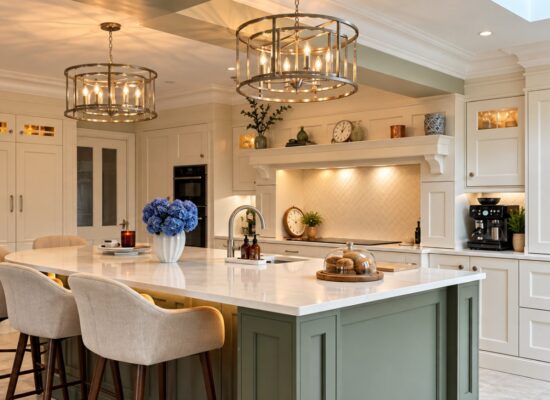
American bespoke chandeliers
American Bespoke Chandeliers: Where Custom Design Meets Architectural Luxury American bespoke chandeliers represent a highly personalized approach to decorative architectural…
01 Oct 2026
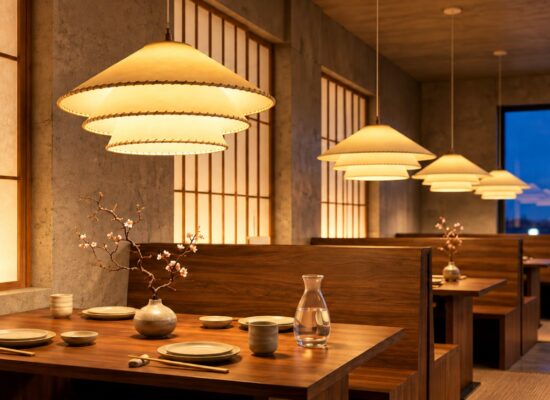
Irish bespoke lights
Irish Bespoke Lights: Where Craftsmanship Meets Architectural Design Irish bespoke lights bring together craftsmanship, design individuality and practical lighting performance.…
30 Sep 2026
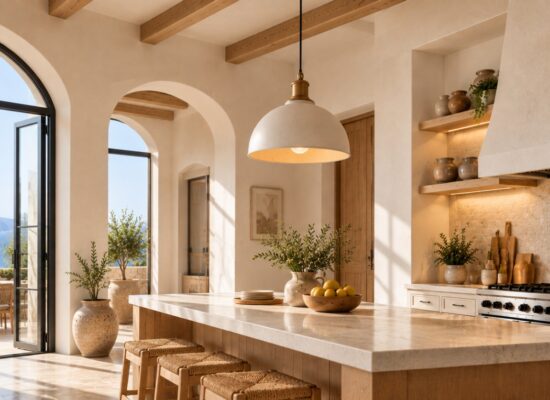
Japanese bespoke lights
Japanese Bespoke Lights: Craftsmanship, Design & Architectural Identity Japanese bespoke lights bring together traditional craftsmanship, refined materiality and contemporary lighting…
30 Sep 2026
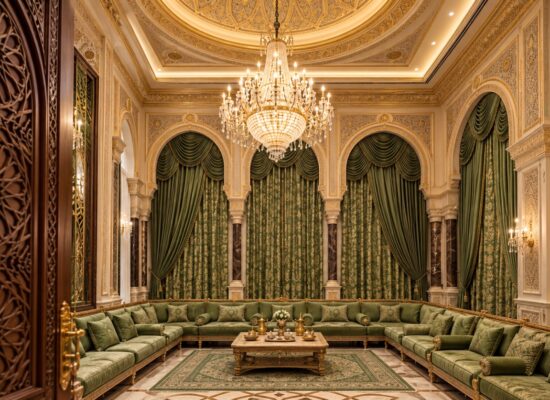
Greek bespoke lights
Greek Bespoke Lights for Luxury Architectural Projects Greek bespoke lights combine artistic expression, Mediterranean design influences and project-specific craftsmanship to…
29 Sep 2026
Turkish luxury chandeliers
Turkish Luxury Chandeliers: Heritage, Craftsmanship & Design Turkish luxury chandeliers bring together decorative craftsmanship, architectural scale and contemporary lighting technology…
subscribe for newsletter

Luzion is a leading manufacturer and exporter of high-quality LED lighting solutions. With a focus on design, research, and innovation, we offer a wide range of products for commercial, industrial, residential, and outdoor spaces.
