
Search
Category
- Bollard Light
- Commercial Lighting
- Energy-Efficient Lighting
- LAMPS
- LED Lights
- LED Uplighter
- Light and Colour Theory
- Lighting & Signage Solutions
- Lighting Design and Facade Lighting
- Lighting Design Consultancy UAE
- lighting design principles
- Lighting Fundamentals and Design Principles
- Lighting Solutions
- Nature of Light in Lighting Design
- Panel Lights vs. Spot Lights
- Portable Lights
- Signage Solutions
- Smart Controllers for Streetlights
- Solar Lights
- Tree Lighter
- Uncategorized
Recent Posts

Swedish Bespoke Lights
Danish bespoke lights

Venetian bespoke chandeliers
Murano bespoke lights
Swiss bespoke lights
Tags
- Architectural Lighting
- Architectural Lighting Design
- Architectural Lighting Design UAE
- automation
- Best Lighting Design Consultancy in UAE
- COB LED Technology
- COB Spotlights
- Color Temperature in Lighting
- Commercial Lighting Design
- Commercial Lighting Fixtures
- Commercial Lighting Innovations
- Commercial Lighting UAE
- Cylinder COB Lights
- Dialux Lighting Design
- Dialux Lighting Design UAE
- Energy Efficient Lighting
- Energy-Efficient Lighting USA
- Exterior Lighting Solutions
- Facade & Exterior Lighting
- Facade Lighting
- Facade Lighting Design
- Facade Lighting Design UAE
- Facade lighting ideas
- Facade Lighting UAE
- Facade Uplighting
- Green Building Design
- Indoor & Exterior Lighting Solutions
- Interior Lighting Design
- Lamps
- LED Lighting Solutions
- LED lights
- LED Panel
- LED Uplighters
- LED vs Halogen
- Light and Color Theory
- Lighting Basics
- Lighting Consultancy UAE
- Lighting Design
- Lighting Design Consultancy in UAE
- Lighting Design Principles
- Lighting Design UAE
- Lighting Fundamentals Guide
- Lighting Layers
- Lumen Output in Lighting
- Modern Building Lighting Ideas
- Modern Lighting Ideas
- Office Lighting Solutions
- Outdoor Lighting Consultants UAE
- Panel Lights vs. Spot Lights
- Portable Lights
- smart light
- Smart Lighting Systems
- Sustainable Architecture
- Sustainable Lighting UAE
- Villa Lighting UAE
26Sep 2026
- Lighting Solutions


Finnish designer lights
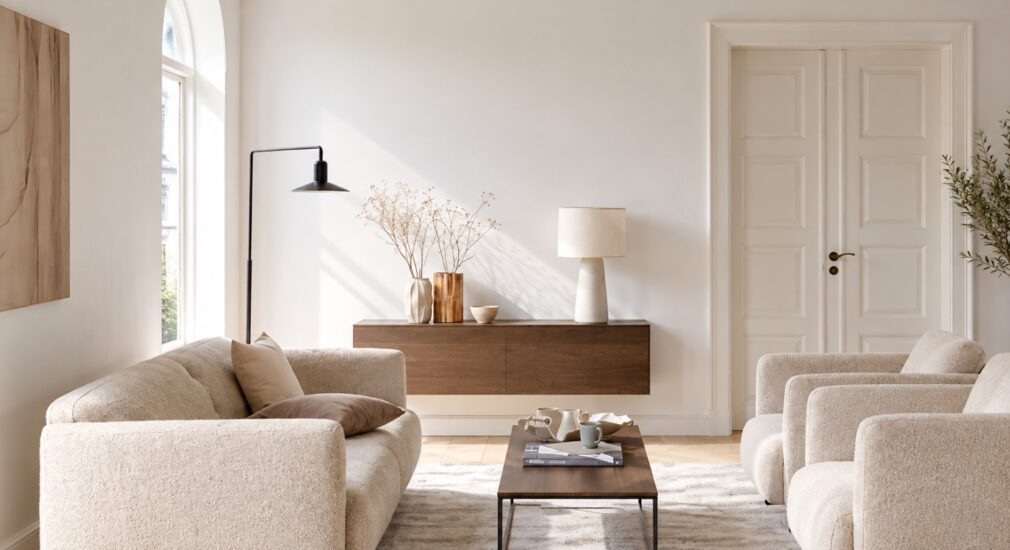
Finnish Designer Lights: The Essence of Nordic Lighting Design
Finnish designer lights represent a distinctive approach to illumination where simplicity, functionality, natural materials and atmospheric comfort come together. Rooted in the wider Nordic design tradition, Finnish lighting is often recognised for its restrained forms, thoughtful proportions and ability to create a warm visual environment without overwhelming the architecture.
Rather than treating a light fixture as purely decorative, Finnish lighting design considers how light interacts with people, materials, interiors and architecture. This makes Finnish-inspired lighting particularly relevant to architects, interior designers, hospitality professionals, developers and procurement teams looking for refined lighting solutions for contemporary projects.
From private residences and luxury villas to hotels, restaurants, offices and cultural spaces, the principles behind Finnish design can be adapted to a wide range of international environments.
What Are Finnish Designer Lights?
Finnish designer lights are lighting fixtures influenced by Finland’s design heritage, characterised by clean geometry, functional detailing, carefully considered light distribution and a strong relationship between form and the surrounding space.
The concept extends beyond a particular fixture type. It can include pendant lights, ceiling fixtures, wall lights, floor lamps, table lamps, linear lighting and customised architectural installations.
A key principle is that the quality of light is as important as the appearance of the fixture. Good Finnish-inspired lighting should contribute to visual comfort, atmosphere and architectural balance rather than simply becoming a decorative object.
This philosophy makes Finnish lighting relevant across both residential and commercial applications.
The Philosophy Behind Finnish Lighting Design
Finnish design developed within a culture where practicality, craftsmanship and the natural environment have played an important role. These influences are visible in contemporary Finnish lighting design, particularly in its preference for understated forms and functional elegance.
Several characteristics commonly define the aesthetic:
| Design Characteristic | Application in Lighting |
|---|---|
| Minimalism | Clean silhouettes and uncluttered forms |
| Functionality | Lighting designed around practical visual needs |
| Natural influence | Materials, textures and forms inspired by nature |
| Soft illumination | Comfortable, controlled and atmospheric light |
| Proportion | Fixtures carefully scaled to their environment |
| Craftsmanship | Attention to materials, joints, finishes and details |
| Timeless design | Forms intended to remain relevant beyond trends |
The result is lighting that can complement architecture rather than compete with it.
Minimalism With Purpose
Finnish minimalism is not simply about reducing visual elements. It is about retaining what is necessary and making each design decision purposeful.
A pendant suspended above a dining table, for example, needs to provide appropriate illumination while maintaining a comfortable visual relationship with the furniture and ceiling. Similarly, a wall light may serve as both a functional source and an architectural accent.
This approach makes Finnish modern lighting particularly suitable for interiors where designers want a sophisticated appearance without excessive ornamentation.
Natural Materials and Nordic Influence
The relationship between Finnish design and nature is another important consideration. Wood, metal, glass, textiles and other tactile materials can be incorporated into lighting to introduce warmth and texture.
In contemporary projects, these materials may be combined with modern LED technology, precision manufacturing and architectural finishes. This creates a balance between traditional Nordic design principles and current performance requirements.
For architects and interior designers, this material-led approach can be valuable when lighting needs to coordinate with:
- Natural timber
- Stone and marble
- Concrete
- Glass
- Metal surfaces
- Neutral interior palettes
- Textured walls
- Contemporary furniture
- Scandinavian-inspired interiors
The lighting therefore becomes part of a broader material composition rather than an isolated decorative element.
Why Finnish Designer Lighting Works in Contemporary Architecture
One reason Finnish designer lighting has broad international relevance is its adaptability.
A minimalist pendant can work within a Nordic residential interior, while a carefully specified custom installation can be developed for a luxury hotel lobby in Dubai or a contemporary restaurant in London. The underlying design principles remain relevant even when the architectural language changes.
For large-scale projects, designers also need to consider technical factors such as:
- Colour temperature
- Colour rendering
- Beam angle
- Glare control
- Lumen output
- Dimming compatibility
- Mounting requirements
- Material and finish
- IP rating where applicable
- Lighting control systems
- Energy efficiency
- Maintenance access
This is where decorative design and professional architectural lighting need to work together.
Finnish Designer Lights for Global Markets
Although Finnish lighting has its roots in Northern Europe, its design language can be applied internationally.
In the UAE, minimalist lighting can complement contemporary villas, luxury hotels, restaurants and commercial interiors in Dubai and Abu Dhabi.
Across Saudi Arabia, Finnish-inspired lighting can be considered for hospitality developments, premium residences, retail environments and modern commercial architecture in Riyadh and Jeddah.
In Qatar, Kuwait, Bahrain and Oman, the same principles can be adapted to hotels, residences, restaurants, offices and high-end developments, with fixture specifications selected according to the project’s environmental and technical requirements.
Internationally, Finnish and Nordic-inspired lighting can also suit projects in the USA, UK, Germany, France, Italy, Switzerland, Netherlands, Belgium, Austria, Canada, Australia, Singapore, Japan and India.
The important point is that the design philosophy travels well: the fixture can be adapted to the architectural context, while the principles of proportion, comfort, simplicity and functionality remain consistent.
Finnish Designer Lights vs Scandinavian Lighting
The terms Finnish designer lights, Scandinavian designer lights and Nordic lighting design are related but should not always be treated as identical.
Finnish lighting belongs to the broader Scandinavian and Nordic design conversation, but Finland has its own design heritage, materials, designers and cultural influences.
| Finnish Lighting | Broader Scandinavian Lighting |
|---|---|
| Strong Finnish design heritage | Wider regional design tradition |
| Often associated with functional minimalism | Encompasses Swedish, Danish and Norwegian influences |
| Natural and understated aesthetic | Varies considerably by country |
| Strong relationship between function and atmosphere | Broad emphasis on simplicity and usability |
| Can incorporate distinctive Finnish material traditions | Includes multiple national design languages |
Understanding this distinction helps architects, designers and buyers create more precise specifications when developing a project around a particular design identity.
From Designer Fixture to Bespoke Lighting
Modern architectural projects increasingly require lighting that responds to specific dimensions, finishes and installation conditions. This has created greater interest in Finnish bespoke lights and custom designer lighting concepts.
A bespoke fixture can be developed around:
- Project dimensions
- Ceiling height
- Furniture arrangement
- Required light distribution
- Material palette
- Custom finishes
- Brand identity
- Architectural details
- Lighting control requirements
For luxury hospitality, residential and commercial projects, customisation can help create a stronger visual connection between the lighting and the architecture.
This is particularly relevant when a standard catalogue fixture cannot achieve the desired scale, geometry or finish.
What Makes Finnish Designer Lights Different?
In simple terms, the defining idea is purposeful simplicity.
Finnish-inspired lighting does not necessarily depend on elaborate decoration. Instead, it can create visual character through proportion, material, craftsmanship, controlled illumination and the relationship between the fixture and its surroundings.
For an architect or lighting designer, this makes Finnish design particularly useful when the objective is to create an interior that feels refined, calm and contemporary while maintaining strong functional performance.
Types of Finnish Designer Lights for Contemporary Interiors
The appeal of Finnish designer lights extends across a wide range of fixture formats, from sculptural pendants and discreet ceiling lights to elegant wall fixtures and customised architectural installations. Each type can serve a different visual and functional purpose, allowing architects and interior designers to develop layered lighting schemes rather than relying on a single source of illumination.
The strongest Finnish-inspired interiors generally combine ambient, task and accent lighting while maintaining a visually calm environment.
Finnish Pendant Lights
Finnish pendant lights are particularly suited to dining areas, hospitality spaces, reception desks, lounges, bedrooms and feature zones.
Their suspended position gives designers an opportunity to introduce visual identity without occupying valuable floor or wall space. Simple geometric forms can work well in minimalist interiors, while larger sculptural fixtures can become focal points within hotel lobbies, restaurants or luxury residences.
For specification, designers should consider:
- Suspension height
- Fixture diameter and proportions
- Lumen output
- Colour temperature
- Diffuser material
- Glare control
- Dimming requirements
- Ceiling structure
- Relationship to furniture below
A pendant should be selected according to the scale of the room rather than simply its appearance in a catalogue.
Finnish Ceiling Lights
Finnish ceiling lights provide a practical solution where a suspended fixture is not suitable or where the ceiling itself should remain visually clean.
Flush and semi-flush designs can be used in:
- Corridors
- Bedrooms
- Lobbies
- Offices
- Retail interiors
- Apartments
- Hospitality spaces
- Circulation areas
Minimalist ceiling fixtures are especially useful in projects where lighting needs to remain integrated with the architecture.
For commercial projects, performance becomes equally important. Designers may need to evaluate lumen distribution, glare, colour rendering, maintenance and compatibility with lighting-control systems.
Finnish Wall Lights
Finnish wall lights can introduce soft illumination while adding depth to vertical surfaces.
They are commonly considered for bedrooms, corridors, staircases, hotel rooms, restaurants and residential living spaces. A well-positioned wall fixture can create an indirect glow across a wall or provide focused illumination for a particular area.
In hospitality environments, wall lighting can also contribute to the identity of a space. Instead of producing excessive brightness, designers can use controlled illumination to establish visual hierarchy and a comfortable atmosphere.
This makes Finnish architectural lighting principles relevant beyond decorative fixtures.
Finnish Floor Lamps
Floor lamps provide flexibility because their position can be changed without major architectural modifications.
Finnish floor lamps can be used beside:
- Lounge seating
- Reading areas
- Sofas
- Bedroom furniture
- Reception spaces
- Private offices
- Hotel suites
Their vertical form can also help balance the proportions of a room.
In a minimalist interior, the floor lamp should complement the furniture rather than visually dominate it. Materials, stem geometry, shade proportions and light direction all influence the final appearance.
Finnish Table Lamps
Finnish table lamps combine functional illumination with a strong decorative role.
They can be specified for bedside tables, desks, side tables, reception counters and hospitality furniture. In premium interiors, table lamps can provide a lower layer of illumination that balances brighter ceiling or architectural lighting.
For hotel projects, for example, bedside lighting may need to combine reading functionality with a warm, relaxing ambience. This requires more than choosing a visually attractive fixture; the optical performance and switching arrangement also matter.
Finnish Linear and Architectural Lighting
Although Finnish design is often associated with decorative lighting, its principles can also be applied to contemporary linear lighting and architectural illumination.
Linear LED systems can be integrated into:
- Ceiling details
- Cove lighting
- Joinery
- Wall niches
- Furniture
- Staircases
- Corridors
- Hospitality interiors
- Retail displays
The objective is often to make the light feel integrated into the architecture rather than presenting the luminaire as the primary visual element.
This approach connects Finnish design thinking with modern architectural lighting technology.
Materials Used in Finnish Designer Lighting
Material selection plays an important role in the visual character of Finnish design lights.
Different materials influence not only appearance but also weight, heat management, durability, light diffusion and maintenance.
| Material | Typical Design Contribution |
|---|---|
| Wood | Warmth, natural texture and Nordic character |
| Metal | Precision, durability and contemporary geometry |
| Glass | Soft diffusion and visual lightness |
| Fabric | Comfortable, diffused illumination |
| Aluminium | Lightweight architectural construction |
| Brass | Premium decorative detailing |
| Steel | Structural strength and clean geometry |
| Acrylic / Polymer | Controlled diffusion and contemporary forms |
The most effective combinations depend on the architectural concept and technical requirements of the project.
Wood and Natural Finishes
Wood is strongly associated with Nordic interiors and can bring warmth to spaces dominated by stone, concrete or glass.
A wooden lighting element can work particularly well in residential interiors, boutique hotels, restaurants and wellness environments.
The finish should be considered alongside the existing furniture and architectural materials. Natural oak, ash and other timber-inspired finishes can produce very different visual results depending on grain, colour and surface treatment.
Metal and Precision
Metal provides opportunities for precise geometric forms and durable finishes.
Powder-coated aluminium, steel, brass and other metals can be used to create contemporary luxury Finnish lighting with different levels of visual prominence.
For project specifications, finish selection should consider not only aesthetics but also:
- Corrosion resistance
- Cleaning requirements
- Environmental exposure
- Colour consistency
- Surface durability
- Manufacturing tolerances
Glass and Diffused Light
Glass can create an elegant relationship between fixture and illumination.
Opal, frosted or other diffusing treatments can soften the appearance of an LED source and reduce the visibility of individual light points.
This is particularly useful when designers want a comfortable glow rather than a highly directional beam.
Fabric and Soft Illumination
Fabric shades can contribute to a warmer and more residential atmosphere.
They are often suitable for bedrooms, lounges, hotel suites, restaurants and intimate hospitality environments where the quality of ambient light is more important than maximum brightness.
The combination of fabric, warm colour temperature and carefully controlled LED output can create a calm visual environment.
Bespoke Finnish Lighting for Architectural Projects
Standard fixtures are not always sufficient for high-end architectural projects. This is where Finnish bespoke lights and custom designer lighting concepts become relevant.
A bespoke lighting fixture can be developed around a project’s exact requirements instead of forcing the architecture to accommodate a standard product.
Customisation may include:
- Fixture dimensions
- Diameter and height
- Mounting method
- Colour and finish
- Material selection
- Diffuser type
- LED specification
- Colour temperature
- Dimming system
- Cable or suspension length
- Light distribution
- Quantity and configuration
For a luxury hotel, a custom pendant installation might be developed around a double-height lobby. For a private villa, a bespoke chandelier could be scaled to complement a staircase or entrance hall.
For commercial interiors, custom linear lighting may be integrated into ceilings, furniture or architectural details.
Finnish Lighting for Hotels and Hospitality
Hospitality projects require lighting that supports both aesthetics and user experience.
Finnish hotel lighting can be interpreted through a restrained, comfortable design language that works across:
- Hotel guestrooms
- Suites
- Lobby areas
- Reception desks
- Restaurants
- Bars
- Corridors
- Lounge spaces
- Spa areas
- Conference rooms
The lighting strategy should change according to each zone.
A guestroom may require warm ambient lighting and flexible task illumination, while a reception area may require stronger visual hierarchy and architectural accents.
For restaurants, the relationship between table illumination, background brightness and decorative lighting can influence the atmosphere considerably.
Finnish Lighting for Luxury Villas
Finnish lighting for villas can complement contemporary architecture where clean forms and natural materials are already part of the design language.
Pendant fixtures can define dining areas, floor lamps can create intimate seating zones, and wall lighting can introduce soft illumination to corridors and bedrooms.
For larger villas, a layered lighting strategy can combine decorative designer fixtures with concealed architectural LEDs, facade lighting and landscape illumination.
This allows the interior and exterior lighting systems to work as one coordinated design.
Finnish Designer Lighting for Commercial Spaces
Offices, retail environments, restaurants and corporate interiors often require a balance between visual identity and technical performance.
Finnish contemporary lighting can be incorporated through:
- Decorative pendants
- Linear LED systems
- Wall-mounted fixtures
- Feature installations
- Task lighting
- Accent lighting
- Custom architectural elements
In these applications, designers should evaluate the complete lighting scheme rather than selecting individual fixtures independently.
Factors such as illuminance levels, glare, uniformity, colour rendering and lighting controls should be coordinated with the architectural concept.
Choosing the Right Finnish Designer Light
The correct fixture depends on more than the design style.
Before specifying Finnish designer lighting, architects and lighting designers should evaluate:
- Purpose — Is the fixture decorative, functional or both?
- Scale — Does its size suit the room and furniture?
- Light distribution — Should the light be direct, indirect, diffuse or accent-focused?
- Colour temperature — Does it support the intended atmosphere?
- CRI — Is accurate colour reproduction required?
- Glare — Can occupants view the source comfortably?
- Controls — Is dimming or smart control required?
- Materials — Does the finish coordinate with the architecture?
- Maintenance — Can the fixture be accessed and serviced efficiently?
- Customisation — Would a bespoke solution provide a better architectural result?
These considerations help transform a beautiful lighting concept into a professionally resolved lighting installation.
Finnish Designer Lights as Part of a Complete Lighting Scheme
The strongest projects rarely depend entirely on decorative fixtures. Finnish designer lights can work alongside concealed LEDs, linear lighting, wall washers, spotlights, facade illumination and other architectural systems.
This layered approach allows the designer to control brightness, contrast, focal points and atmosphere throughout the day.
For architects, developers and lighting consultants, the objective is therefore not simply to find a Finnish-style fixture. It is to create a complete lighting environment in which design, architecture, technology and human comfort work together.
How to Choose Finnish Designer Lights for a Project
Selecting Finnish designer lights for an architectural project involves more than choosing a visually appealing fixture. The lighting should respond to the architecture, interior materials, intended atmosphere, technical requirements and everyday use of the space.
Whether the project is a private villa, luxury hotel, restaurant, retail environment or corporate workplace, the following factors can help create a more considered lighting specification.
1. Define the Purpose of the Fixture
First determine whether the light is primarily intended for:
- Ambient illumination
- Task lighting
- Accent lighting
- Decorative impact
- Wayfinding
- Architectural highlighting
- A combination of these functions
A decorative pendant above a dining table has different requirements from a wall light illuminating a hotel corridor.
2. Consider Scale and Proportion
The size of a lighting fixture should relate to the room, ceiling height, furniture and surrounding architectural elements.
An oversized pendant can become a focal point within a double-height lobby, while the same fixture may feel inappropriate in a compact bedroom.
For large hospitality projects, custom dimensions can help maintain consistent proportions across different spaces.
3. Evaluate Light Quality
The appearance of a fixture and the quality of the light it produces are equally important.
Architects and lighting designers should evaluate:
- Lumen output
- Colour temperature
- Colour rendering index
- Beam angle
- Light distribution
- Glare
- Dimming capability
- Flicker performance
These factors determine how people experience the space and how materials and finishes appear under illumination.
4. Coordinate Materials and Finishes
A Finnish designer light should complement the wider material palette.
Wood, stone, marble, glass, brass, aluminium and textured surfaces can each influence the choice of fixture finish.
A carefully coordinated finish can make the lighting feel integrated into the architecture rather than added as an afterthought.
5. Review Installation and Maintenance
For professional projects, installation and maintenance should be considered during specification.
The project team may need to determine:
- Mounting method
- Ceiling structure
- Driver location
- Access for servicing
- Cable length
- Fixture weight
- Replacement requirements
- Cleaning access
This becomes particularly important for large pendant installations and custom lighting features.
Finnish Designer Lights vs Scandinavian and Nordic Lighting
These terms are frequently used together, but they describe related rather than completely identical design traditions.
Finnish designer lights specifically relate to Finland’s design heritage and its approach to functionality, materiality and simplicity.
Scandinavian designer lights generally refer to a broader design tradition associated particularly with Denmark, Sweden and Norway.
Nordic lighting design can be used as an even broader term encompassing the Nordic region, including Finland and Iceland.
The distinctions can be useful when creating a project specification or defining a particular interior concept.
| Design Term | General Scope | Common Characteristics |
|---|---|---|
| Finnish Designer Lighting | Finland | Functional, restrained, material-focused |
| Scandinavian Lighting | Denmark, Sweden, Norway and broader usage | Minimalist, functional, elegant |
| Nordic Lighting | Wider Nordic region | Natural, comfortable, understated |
| Finnish Bespoke Lighting | Custom Finnish-inspired approach | Project-specific design and manufacturing |
These categories can overlap, but a project may benefit from identifying the particular design influence it intends to express.
When to Consider Finnish Bespoke Lights
Standard products can work well for many applications, but certain projects require greater flexibility.
Finnish bespoke lights or Finnish-inspired custom lighting may be considered when the project requires:
- Unusual dimensions
- Large-scale installations
- Specific materials
- Custom finishes
- Special colour requirements
- Non-standard suspension lengths
- Unique geometries
- Integrated LED systems
- Specific optical performance
- Repeated fixtures across a large development
Bespoke lighting is particularly relevant to luxury hospitality, high-end residential, retail and architectural projects where lighting is part of the overall design identity.
Custom Lighting for Hospitality Projects
A hotel lobby may require a large suspended installation designed around a particular ceiling geometry.
A restaurant may require a series of custom pendants with controlled spacing and coordinated finishes.
A resort may require a family of lighting products across guestrooms, corridors, restaurants and public spaces.
In each case, custom manufacturing can provide greater control over dimensions, materials and visual consistency.
Working With Architects and Lighting Designers
Professional lighting projects benefit from early collaboration between the architect, interior designer, lighting consultant, electrical consultant, contractor and manufacturer.
A lighting manufacturer can contribute to the process by helping review:
- Product feasibility
- Fixture dimensions
- Material selection
- LED specifications
- Optical requirements
- Installation details
- Driver selection
- Dimming systems
- Customisation options
- Production requirements
For larger developments, technical documentation such as IES files, BIM files, photometric data, product datasheets and installation drawings can also support the design and specification process.
This information can help the project team evaluate how the selected fixture will perform before installation.
Finnish Designer Lighting and DIALux Planning
For architectural projects, visual appearance should be supported by measurable lighting performance.
DIALux lighting design can help designers assess how lighting fixtures perform within a digital representation of the project.
Depending on the project, lighting calculations can evaluate:
- Illuminance
- Uniformity
- Light distribution
- Working-plane illumination
- Glare-related considerations
- Fixture positioning
- Different lighting scenes
A designer fixture can therefore be assessed not only for its visual character but also for how effectively it contributes to the overall lighting scheme.
For architects, developers and MEP consultants, this combination of aesthetic design and technical planning can make product selection more reliable.
Global Supply of Finnish-Inspired Designer Lighting
International projects often require a lighting partner capable of supporting more than product supply.
For projects across the UAE, Saudi Arabia, Qatar, Kuwait, Bahrain, Oman, USA, UK, Europe and India, procurement teams may need assistance with:
- Product selection
- Customisation
- Technical documentation
- Photometric files
- Sample development
- Finish approval
- Production
- Quality control
- Packaging
- Export documentation
- International shipping
For large projects, consistency is especially important when hundreds of fixtures are specified across different spaces or project phases.
A manufacturer with architectural lighting experience can help coordinate the technical and commercial aspects of the specification.
Where Finnish Designer Lights Can Be Used
The versatility of Finnish-inspired lighting allows it to be incorporated into many project categories.
| Project Type | Potential Lighting Applications |
|---|---|
| Luxury Villas | Pendants, wall lights, floor lamps, architectural LEDs |
| Hotels | Guestrooms, lobbies, restaurants, corridors |
| Resorts | Public areas, villas, restaurants, landscape spaces |
| Restaurants | Dining pendants, decorative installations, accent lighting |
| Retail | Display lighting, decorative fixtures, linear LEDs |
| Offices | Decorative pendants, meeting-room lighting, ambient systems |
| Residential | Bedrooms, living rooms, dining spaces, kitchens |
| Cultural Spaces | Feature installations and architectural lighting |
| Commercial Buildings | Lobby, reception, circulation and workspace lighting |
| Hospitality | Custom fixtures and coordinated lighting families |
The final specification should always reflect the project’s architecture, usage, local standards and technical requirements.
A More Considered Approach to Finnish Lighting
The strongest interpretation of Finnish lighting design is not simply about selecting a fixture that looks Scandinavian.
It is about understanding the relationship between:
Architecture + Light + Material + Function + Human Comfort
A successful lighting scheme can use a restrained decorative fixture while allowing architectural illumination to define the space around it.
This approach can be particularly effective in luxury interiors where excessive decoration may compete with premium materials, furniture and architectural details.
Finnish Designer Lights for Global Architectural Projects
From Dubai and Riyadh to London, New York, Milan, Singapore and Mumbai, Finnish-inspired lighting can be adapted to very different architectural environments.
The same design principles can support:
- Contemporary villas
- Boutique hotels
- Luxury resorts
- Fine-dining restaurants
- Premium retail
- Corporate interiors
- Cultural projects
- Residential developments
- Mixed-use developments
For international projects, however, the lighting should be adapted to the project’s actual requirements rather than applying a generic Nordic aesthetic.
The combination of refined design, custom manufacturing and professional lighting engineering can create solutions that are both visually distinctive and technically appropriate.
Frequently Asked Questions
1. What are Finnish designer lights?
Finnish designer lights are lighting fixtures influenced by Finland’s design heritage, commonly associated with functional simplicity, carefully considered proportions, natural materials and comfortable illumination. They can include pendant lights, ceiling lights, wall lights, floor lamps and bespoke architectural installations.
2. What makes Finnish lighting design distinctive?
Finnish lighting design often places emphasis on functionality, minimalism, material quality, visual comfort and the relationship between light and architecture. Rather than relying solely on decorative complexity, the design can create character through proportion, materials and controlled illumination.
3. Are Finnish designer lights suitable for luxury hotels and villas?
Yes. Finnish-inspired lighting can be adapted to luxury hotels, resorts, villas, restaurants and premium commercial interiors. Decorative fixtures can be combined with recessed, linear, concealed and accent lighting to create layered lighting schemes.
4. Can Finnish designer lights be customised?
Yes. Bespoke Finnish lighting can be developed around project-specific dimensions, finishes, materials, suspension lengths, LED specifications and installation requirements. Customisation can be particularly useful for large hospitality and architectural projects.
5. Can Finnish lighting be used outside Finland?
Yes. Finnish and Nordic design principles can be adapted to architectural projects internationally, including projects in the UAE, Saudi Arabia, Qatar, Kuwait, Bahrain, Oman, USA, UK, Europe, India and other global markets. Technical specifications should be selected according to the project’s location and requirements.
6. How should architects select Finnish designer lighting?
Architects and lighting designers should consider the fixture’s purpose, scale, light distribution, colour temperature, CRI, glare, material, finish, controls, installation method, maintenance requirements and compatibility with the wider architectural lighting scheme.
Bringing Finnish Design Into Contemporary Lighting
Finnish designer lights offer a design language built around simplicity, functionality, materiality and thoughtful illumination. Their principles can be interpreted across residential, hospitality, commercial and architectural projects without being restricted to one geographic market.
For architects, developers, lighting designers and procurement teams, the opportunity lies in combining designer aesthetics with professional lighting performance—from a single bespoke pendant to a complete lighting package for an international hospitality development.
For project-specific requirements, custom dimensions, architectural lighting integration, technical documentation or international supply, Luzion Lighting can help translate the design concept into a practical, project-ready lighting solution for projects across international markets.
Related posts

25 Sep 2026
Swedish Bespoke Lights
Swedish Bespoke Lights: Scandinavian Craftsmanship, Design & Custom Lighting Swedish bespoke lights reflect a design philosophy built around simplicity, proportion,…
24 Sep 2026
Danish bespoke lights
Danish Bespoke Lights: Scandinavian Craftsmanship, Elegance & Custom Lighting Lighting is an essential part of how an interior is experienced.…

24 Sep 2026
Venetian bespoke chandeliers
Venetian Bespoke Chandeliers: The Art of Luxury Glass Lighting Venetian bespoke chandeliers bring together decorative lighting, glass craftsmanship and architectural…
23 Sep 2026
Murano bespoke lights
Murano Bespoke Lights: Luxury Glass Lighting for Global Architecture Lighting can transform the character of an architectural space. In luxury…
23 Sep 2026
Swiss bespoke lights
Swiss Bespoke Lights: Custom Luxury Lighting for Global Architecture Lighting has become an integral part of architectural expression. In premium…
subscribe for newsletter

Luzion is a leading manufacturer and exporter of high-quality LED lighting solutions. With a focus on design, research, and innovation, we offer a wide range of products for commercial, industrial, residential, and outdoor spaces.
