
Search
Category
- Bollard Light
- Commercial Lighting
- Energy-Efficient Lighting
- LAMPS
- LED Lights
- LED Uplighter
- Light and Colour Theory
- Lighting & Signage Solutions
- Lighting Design and Facade Lighting
- Lighting Design Consultancy UAE
- lighting design principles
- Lighting Fundamentals and Design Principles
- Lighting Solutions
- Nature of Light in Lighting Design
- Panel Lights vs. Spot Lights
- Portable Lights
- Signage Solutions
- Smart Controllers for Streetlights
- Solar Lights
- Tree Lighter
- Uncategorized
Recent Posts
Danish bespoke lights

Venetian bespoke chandeliers
Murano bespoke lights
Swiss bespoke lights
Portuguese bespoke lights
Tags
- Architectural Lighting
- Architectural Lighting Design
- Architectural Lighting Design UAE
- automation
- Best Lighting Design Consultancy in UAE
- COB LED Technology
- COB Spotlights
- Color Temperature in Lighting
- Commercial Lighting Design
- Commercial Lighting Fixtures
- Commercial Lighting Innovations
- Commercial Lighting UAE
- Cylinder COB Lights
- Dialux Lighting Design
- Dialux Lighting Design UAE
- Energy Efficient Lighting
- Energy-Efficient Lighting USA
- Exterior Lighting Solutions
- Facade & Exterior Lighting
- Facade Lighting
- Facade Lighting Design
- Facade Lighting Design UAE
- Facade lighting ideas
- Facade Lighting UAE
- Facade Uplighting
- Green Building Design
- Indoor & Exterior Lighting Solutions
- Interior Lighting Design
- Lamps
- LED Lighting Solutions
- LED lights
- LED Panel
- LED Uplighters
- LED vs Halogen
- Light and Color Theory
- Lighting Basics
- Lighting Consultancy UAE
- Lighting Design
- Lighting Design Consultancy in UAE
- Lighting Design Principles
- Lighting Design UAE
- Lighting Fundamentals Guide
- Lighting Layers
- Lumen Output in Lighting
- Modern Building Lighting Ideas
- Modern Lighting Ideas
- Office Lighting Solutions
- Outdoor Lighting Consultants UAE
- Panel Lights vs. Spot Lights
- Portable Lights
- smart light
- Smart Lighting Systems
- Sustainable Architecture
- Sustainable Lighting UAE
- Villa Lighting UAE

25Sep 2026
- Uncategorized


Swedish Bespoke Lights
Swedish Bespoke Lights: Scandinavian Craftsmanship, Design & Custom Lighting
Swedish bespoke lights reflect a design philosophy built around simplicity, proportion, functionality and refined craftsmanship. Rather than treating a light fixture as a purely decorative object, Swedish lighting design considers how illumination interacts with architecture, materials, furniture and the people using the space.
From private residences in Stockholm and Gothenburg to luxury hotels in Dubai, Riyadh and London, Swedish bespoke lighting can be developed around the specific character and technical requirements of a project. Custom dimensions, finishes, light distribution, colour temperature and mounting details allow the fixture to become an integrated part of the architectural concept.
What Are Swedish Bespoke Lights?
Swedish bespoke lights are custom-designed or made-to-order lighting fixtures influenced by Sweden’s understated design tradition. They may include bespoke pendant lights, chandeliers, wall lights, ceiling fixtures, floor lamps, table lamps and architectural lighting elements.
Unlike mass-produced fixtures, bespoke lighting can be adapted to a project’s:
- Architectural dimensions
- Interior design concept
- Material palette
- Desired light distribution
- Ceiling height
- Colour temperature
- Dimming requirements
- Lighting control system
- Finish and surface treatment
- Installation requirements
This makes custom Swedish lighting particularly relevant to architects, interior designers, lighting consultants, hospitality developers and luxury residential projects.
The Design Philosophy Behind Swedish Custom Lighting
Swedish design is often associated with a restrained visual language. Clean geometry, natural materials, balanced proportions and practical functionality are important characteristics.
In lighting, this philosophy can translate into fixtures where the form remains elegant without competing with the architecture. A custom pendant, for example, may use a simple silhouette while carefully controlling the direction, intensity and softness of light.
The result is not simply a visually attractive fixture. It is a lighting element designed to contribute to the atmosphere and functionality of the complete interior.
For contemporary architectural projects, this approach is especially useful where designers want lighting that feels sophisticated but avoids excessive ornamentation.
Materials Used in Swedish Bespoke Lighting
Material selection plays an important role in the character of bespoke Scandinavian lighting. Depending on the design brief, custom fixtures can incorporate materials such as:
| Material | Typical Design Character |
|---|---|
| Brass | Warm, refined and premium |
| Aluminium | Lightweight and contemporary |
| Stainless Steel | Precise and architectural |
| Glass | Soft, elegant and decorative |
| Opal Glass | Diffused and comfortable illumination |
| Wood | Natural Scandinavian character |
| Fabric | Soft and atmospheric lighting |
| Powder-Coated Metal | Modern colour and finish options |
Finishes can also be coordinated with architectural materials, furniture, wall finishes and interior details. This is particularly valuable for hospitality and luxury residential projects where lighting needs to form part of a carefully controlled interior palette.
Swedish Bespoke Lights for Architectural Projects
Custom lighting becomes particularly valuable when standard products cannot achieve the required dimensions, appearance or lighting performance.
For a luxury villa, a bespoke chandelier or large pendant can be designed around the scale of a double-height entrance or staircase.
For a hotel, custom lighting can create a consistent visual language across reception areas, restaurants, corridors, guest rooms and public spaces.
For a restaurant, decorative pendants and wall fixtures can be developed to create comfortable illumination while reinforcing the interior concept.
For commercial and corporate interiors, custom linear and architectural fixtures can be integrated into ceilings, feature walls and furniture elements.
The same principle applies across markets including Sweden, Germany, France, Italy, the United Kingdom, the United States, UAE, Saudi Arabia, Qatar, India, Singapore and Australia, where architectural lighting requirements can vary significantly according to building type, climate, interior style and project specifications.
Why Bespoke Lighting Matters in Luxury Interiors
Luxury lighting is increasingly about design integration rather than simply adding decorative fixtures. Architects and designers often need lighting that responds to the exact scale and geometry of a space.
A bespoke fixture can therefore be developed around the project instead of forcing the architecture to accommodate a standard catalogue product.
Important considerations may include:
- Fixture dimensions and proportions
- Mounting height
- LED performance
- Colour temperature
- Colour rendering
- Beam distribution
- Glare control
- Dimming compatibility
- Lighting controls
- Material and finish
- Maintenance access
- Installation method
When these elements are considered together, Swedish-inspired bespoke lighting can provide both visual identity and functional illumination.
Swedish Bespoke Lighting for Global Design Markets
Although Swedish lighting has strong Scandinavian design roots, its principles can be adapted to different architectural environments worldwide.
In Stockholm, Gothenburg and Malmö, bespoke lighting can complement Nordic residential and hospitality interiors. In London, Paris, Milan and Berlin, custom Scandinavian-inspired fixtures can be incorporated into contemporary luxury interiors.
In the UAE and GCC, larger custom dimensions, premium metallic finishes and statement lighting may be required for villas, hotels, restaurants and commercial developments. Projects in Dubai, Abu Dhabi, Riyadh, Jeddah, Doha, Kuwait City and Muscat can combine Scandinavian design restraint with regional architectural scale.
Similarly, luxury developments in New York, Los Angeles, Miami, Toronto, Singapore, Tokyo, Sydney and Melbourne can use bespoke lighting to create distinctive interior environments while maintaining a contemporary aesthetic.
The important principle is that bespoke lighting should respond to the project brief, architecture and intended user experience, rather than simply reproducing a particular regional style.
From Swedish Design Inspiration to Project-Specific Lighting
A successful bespoke lighting project normally begins with the design intent. Architects, interior designers and lighting consultants may provide drawings, reference images, dimensions, material specifications or lighting requirements.
From this information, the lighting manufacturer can develop a suitable concept and refine details such as dimensions, materials, LED specifications, optics, finishes and installation requirements.
For larger architectural projects, technical documentation such as IES files, BIM information, technical drawings and DIALux lighting calculations can also support the specification process.
This makes Swedish bespoke lighting relevant not only to decorative interiors but also to professionally coordinated architectural and hospitality projects.
Types of Swedish Bespoke Lights, Materials & Architectural Applications
Swedish bespoke lighting can take many forms, from sculptural chandeliers and pendant fixtures to discreet wall lights and architectural linear systems. The defining characteristic is not a single shape or product category, but the ability to adapt the lighting fixture to the architecture, interior concept and technical requirements of a specific project.
For architects, interior designers, lighting consultants and developers, this flexibility makes custom Swedish lighting particularly useful when a standard catalogue fixture cannot achieve the required dimensions, finish, illumination or visual identity.
Swedish Bespoke Pendant Lights
Swedish bespoke pendant lights are widely suited to dining areas, hotel lobbies, reception spaces, private residences, restaurants and meeting rooms.
A custom pendant can be developed around the scale of the space. In a double-height lobby, for example, several fixtures can be arranged as a coordinated composition rather than using a standard single pendant.
Customisation may include:
- Fixture diameter and height
- Number of light sources
- Suspension length
- Glass or metal elements
- Surface finish
- LED colour temperature
- Dimming compatibility
- Ceiling mounting configuration
This approach allows the pendant to become part of the interior architecture rather than an isolated decorative object.
Swedish Bespoke Chandeliers
For luxury hospitality and residential projects, Swedish bespoke chandeliers can provide a distinctive focal point while maintaining a restrained Scandinavian aesthetic.
Large custom chandeliers can be designed for:
- Hotel reception areas
- Grand staircases
- Luxury villas
- Private dining rooms
- Premium restaurants
- Ballroom entrances
- High-end retail spaces
- Corporate reception areas
The design can be scaled according to the ceiling height and available space. The number, arrangement and direction of light sources can also be considered to create a balanced combination of decorative and functional illumination.
For large projects, the chandelier should be assessed not only as a decorative object but also for weight, structural support, maintenance access, electrical requirements and installation logistics.
Swedish Custom Wall Lights
Swedish custom wall lights can provide both decorative character and practical illumination.
Wall-mounted fixtures are useful in corridors, hotel guestrooms, restaurants, residential spaces, staircases and feature walls. Bespoke dimensions allow designers to develop fixtures around wall proportions, furniture layouts and architectural details.
Depending on the design objective, the light can be directed:
- Upward
- Downward
- Forward
- Sideways
- Indirectly toward the wall
- In multiple directions
Indirect illumination can be particularly effective where the objective is to create a softer architectural atmosphere rather than a strong direct light source.
Swedish Bespoke Ceiling Lights
Custom ceiling fixtures can be developed for spaces where pendant suspension is not appropriate or where the ceiling itself forms part of the design concept.
These may include:
- Surface-mounted decorative fixtures
- Recessed custom lighting
- Flush-mounted fixtures
- Architectural linear systems
- Custom modular ceiling elements
In commercial and hospitality environments, ceiling lighting can be coordinated with air-conditioning diffusers, sprinklers, acoustic elements and other MEP services during the design stage.
This coordination is important because bespoke lighting should work within the complete ceiling composition rather than being designed independently.
Swedish Custom Floor & Table Lamps
Swedish bespoke floor lamps and table lamps can add controlled layers of illumination to residential, hospitality and commercial interiors.
Custom floor lamps may be designed around seating areas, hotel lounges, reading spaces or reception furniture. Table lamps can be developed specifically for bedside tables, restaurant tables, executive desks and hospitality guestrooms.
Dimensions, base materials, lampshade proportions, cable management and switching can all be adapted to the application.
Materials & Finishes for Swedish Bespoke Lighting
Material selection significantly influences the appearance and perceived quality of a custom lighting fixture.
A project may combine several materials depending on the desired aesthetic.
Metal finishes such as brass, bronze, aluminium, stainless steel and powder-coated surfaces can create different visual expressions, while glass, wood, fabric and diffusing materials can soften the appearance of the fixture.
For luxury interiors, designers may specify finishes that coordinate with:
- Door hardware
- Furniture
- Decorative metalwork
- Wall panels
- Marble
- Timber
- Architectural trims
- Bathroom fixtures
- Joinery details
This creates a consistent material language throughout the project.
Glass in Swedish Bespoke Lighting
Glass is particularly useful when the project requires a combination of decorative appearance and comfortable light diffusion.
Custom glass elements may be transparent, opal, frosted, textured or otherwise developed according to the design brief.
For a hotel lobby or restaurant, multiple glass components can be arranged at different heights to create a layered composition. In a private residence, a smaller custom pendant can use carefully proportioned glass to complement the surrounding furniture and finishes.
LED Technology for Swedish Custom Lighting
Modern bespoke lighting is not limited to the external appearance of the fixture. LED technology, optics and lighting performance are equally important.
Depending on the application, designers may specify:
- 2700K warm white
- 3000K warm white
- 3500K or 4000K neutral white
- High CRI LEDs
- DALI dimming
- 0–10V control
- Phase dimming
- Smart lighting integration
- Tunable white solutions
The appropriate specification depends on the space and intended atmosphere.
A luxury hotel restaurant may require warm, comfortable illumination, while a retail or commercial environment may require a different colour temperature and higher visual clarity.
Custom Beam Angles & Light Distribution
A bespoke fixture can also be developed around the required light distribution.
For architectural applications, the designer may need:
- Narrow beam illumination
- Medium beam distribution
- Wide beam illumination
- Diffused light
- Asymmetric distribution
- Upward illumination
- Downward illumination
- Indirect illumination
Beam control becomes especially important when the lighting is being used to highlight artwork, architectural surfaces, merchandise or decorative elements.
The objective should be to create the required visual effect while controlling glare and unnecessary light spill.
Bespoke Lighting for Hotels & Hospitality
Hotels are one of the strongest applications for custom lighting because the lighting often contributes directly to the identity of the property.
Swedish bespoke hotel lighting can be developed for:
- Hotel entrances
- Reception desks
- Lobbies
- Restaurants
- Bars
- Corridors
- Guest rooms
- Suites
- Spa areas
- Conference rooms
- Staircases
A hotel may use a common design language throughout the property while changing the dimensions or configuration of individual fixtures according to each space.
Bespoke Lighting for Luxury Villas
In luxury residential architecture, standard fixtures may not always correspond with the proportions or interior concept of the property.
Custom Swedish-inspired lighting can be developed for entrance halls, living rooms, dining rooms, bedrooms, staircases, private lounges and outdoor covered areas.
For villas in Dubai, Abu Dhabi, Riyadh, Doha or other major luxury property markets, Scandinavian-inspired simplicity can also be combined with larger architectural scale and locally selected materials.
Custom Lighting for Restaurants & Retail
Restaurants often require lighting that creates atmosphere while providing appropriate illumination for dining tables, circulation routes and architectural features.
Custom fixtures can be designed to coordinate with the restaurant’s furniture, ceiling architecture and branding.
Retail environments have different requirements. Here, lighting may need to balance decorative appearance with visual merchandising, colour rendering and product emphasis.
This is where custom lighting design and architectural lighting expertise become important: the fixture should support the commercial environment rather than simply decorate it.
From Concept to Manufacturing
The development of Swedish bespoke lights typically involves several stages:
Project Brief → Concept → Dimensions → Material & Finish → LED Specification → Technical Design → Prototype/Sample → Production → Quality Control → Installation Support
For international architectural projects, manufacturers may also provide technical drawings, product specifications, photometric data and documentation required by consultants.
This process allows a designer in Stockholm, London, Dubai, Riyadh, New York, Mumbai, Singapore or Sydney to develop a lighting fixture around the requirements of a specific project rather than selecting only from fixed catalogue dimensions.
Choosing the Right Swedish Bespoke Lighting Approach
The right solution depends on the project’s architecture, interior design, lighting objectives and technical requirements.
Before specifying a custom fixture, it is useful to establish:
- Where will the fixture be installed?
- What dimensions are required?
- What type of illumination is needed?
- What material and finish should be used?
- What colour temperature and CRI are appropriate?
- Is dimming or smart control required?
- What maintenance access is available?
- Are technical drawings, IES files or BIM data required?
- What installation and structural requirements must be considered?
- Does the fixture need to be produced as a one-off design or repeated across multiple locations?
Answering these questions at the beginning helps create a bespoke lighting solution that is both visually refined and technically practical.
Swedish Bespoke Lights Across Global Markets
Swedish bespoke lighting has a natural connection with Scandinavian architecture, but its design principles are relevant far beyond Sweden. Clean geometry, controlled detailing, natural materials and functional illumination can be adapted to residential, hospitality, commercial and cultural projects in very different architectural environments.
For international projects, the value of bespoke lighting lies in adapting the design to the project rather than reproducing a fixed Scandinavian style. Dimensions, materials, finishes, optics, LED specifications and installation details can be developed according to local architectural requirements.
Swedish Bespoke Lights in Sweden & Scandinavia
Sweden remains an important reference point for Scandinavian lighting design. Projects in Stockholm, Gothenburg, Malmö and Uppsala can incorporate custom lighting into contemporary residences, boutique hotels, restaurants, offices and cultural spaces.
Across Scandinavia, related demand can also be found in:
- Norway: Oslo, Bergen, Stavanger and Trondheim
- Denmark: Copenhagen, Aarhus and Odense
- Finland: Helsinki, Espoo and Tampere
- Iceland: Reykjavík
In these markets, bespoke lighting can complement interiors based on natural materials, restrained colours, timber, stone and clean architectural forms.
The same design principles can also be adapted for international projects where the client wants a Nordic or Scandinavian-inspired lighting identity.
Swedish Bespoke Lighting in the United Kingdom
The UK offers a broad range of applications for custom Scandinavian-inspired lighting.
In London, bespoke fixtures can be incorporated into luxury residences, five-star hotels, restaurants, private clubs, offices and high-end retail environments. Other cities such as Manchester, Birmingham, Edinburgh, Glasgow and Bristol also provide opportunities for custom architectural and decorative lighting.
A Swedish-inspired fixture can work particularly well where designers want to combine:
- Contemporary architecture
- Natural materials
- Minimalist detailing
- Warm ambient illumination
- Custom proportions
- Premium finishes
For heritage properties, bespoke lighting can also be designed to complement existing architectural details without visually overwhelming the building.
Swedish Bespoke Lights in Germany, France & Central Europe
European architectural markets provide numerous applications for custom lighting.
In Germany, projects in Berlin, Munich, Frankfurt, Hamburg and Stuttgart can use bespoke fixtures across hospitality, residential, corporate and retail environments.
In France, Paris, Lyon, Nice, Cannes and Bordeaux offer applications ranging from luxury hotels and restaurants to private residences and commercial interiors.
Other European markets include:
- Italy: Milan, Rome, Venice, Florence
- Spain: Madrid, Barcelona, Marbella
- Netherlands: Amsterdam, Rotterdam, The Hague
- Belgium: Brussels, Antwerp, Ghent
- Switzerland: Zurich, Geneva, Basel
- Austria: Vienna, Salzburg
- Portugal: Lisbon, Porto
- Czech Republic: Prague
- Ireland: Dublin
For these markets, Swedish bespoke lighting can provide an alternative design language when the project requires a combination of minimalism, craftsmanship and contemporary architectural integration.
Swedish Bespoke Lights in the UAE & GCC
The Gulf region presents a different architectural environment, often characterised by large villas, luxury hotels, high-end retail destinations, restaurants and expansive public interiors.
In the United Arab Emirates, bespoke lighting can be developed for projects in:
- Dubai
- Abu Dhabi
- Sharjah
- Ras Al Khaimah
- Ajman
Swedish-inspired design can be adapted to larger architectural proportions while retaining clean lines and carefully controlled detailing.
For hospitality and luxury residential projects, custom chandeliers, statement pendants, wall lights and architectural fixtures can be developed around high ceilings, large entrance spaces and premium interior finishes.
Swedish Bespoke Lighting in Saudi Arabia
Saudi Arabia’s expanding hospitality, residential, commercial and mixed-use development sector creates applications for custom architectural and decorative lighting.
Major project locations include:
- Riyadh
- Jeddah
- Dammam
- Al Khobar
- Medina
- NEOM region
A bespoke lighting specification for Saudi projects may require consideration of large architectural scale, high ambient temperatures in relevant applications, maintenance requirements, control systems and project-specific technical standards.
For luxury hotels and residences, Swedish-inspired minimalism can be combined with locally appropriate materials, finishes and larger fixture proportions.
Qatar, Kuwait, Bahrain & Oman
Other GCC markets also offer opportunities for bespoke lighting.
Doha, Qatar can use custom lighting across hospitality, residential, commercial and cultural developments.
Kuwait City, Kuwait offers applications in luxury residences, hotels, restaurants and commercial interiors.
Manama, Bahrain provides opportunities across hospitality, retail and premium residential projects.
In Muscat, Oman, bespoke lighting can be developed for resorts, villas, hotels and contemporary commercial architecture while responding to the region’s architectural character.
The objective is not to impose Scandinavian aesthetics on regional architecture. Instead, Swedish design principles can be selectively adapted to the project’s own architectural identity.
Swedish Bespoke Lights in the United States
The United States represents a broad market for custom lighting across hospitality, luxury residential, commercial, retail and high-end restaurant projects.
Important design markets include:
- New York City, New York
- Los Angeles, California
- Miami, Florida
- Chicago, Illinois
- San Francisco, California
- Dallas, Texas
- Houston, Texas
- Las Vegas, Nevada
- Boston, Massachusetts
- Seattle, Washington
In luxury residential projects, custom fixtures can be designed around individual interiors and furniture arrangements.
In hospitality, large-scale bespoke chandeliers and pendant systems can create a recognisable visual identity for hotel lobbies, restaurants and entertainment spaces.
For commercial projects, custom linear and architectural lighting can integrate with contemporary ceiling systems and interior architecture.
Swedish Bespoke Lighting in Canada
Canadian markets such as Toronto, Vancouver, Montreal, Calgary and Ottawa can also incorporate Scandinavian-inspired lighting into residential, hospitality and commercial projects.
The combination of natural materials, simple geometry and warm illumination can complement contemporary interiors while allowing the fixture dimensions and technical specification to respond to the individual building.
Swedish Bespoke Lights in India
Swedish-inspired bespoke lighting can also be adapted to India’s premium architectural and hospitality market.
Key cities include:
- Mumbai
- New Delhi
- Bengaluru
- Hyderabad
- Chennai
- Ahmedabad
- Pune
- Goa
- Kolkata
Luxury residences, hotels, restaurants, retail destinations and corporate interiors can use custom pendants, chandeliers, wall lights and architectural fixtures.
For Indian projects, designers may combine Scandinavian-inspired forms with locally relevant materials, finishes and architectural details.
Swedish Bespoke Lighting Across Asia
Asia offers a particularly diverse range of architectural environments.
In Singapore, bespoke lighting can be integrated into luxury hotels, premium residences, restaurants and commercial interiors.
In Japan, cities such as Tokyo, Osaka and Kyoto can use Scandinavian-inspired fixtures where simplicity, precision and material quality complement contemporary architecture.
In South Korea, Seoul and Busan offer applications across luxury retail, hospitality and residential interiors.
Other potential markets include:
- China — Shanghai, Beijing, Shenzhen, Guangzhou
- Hong Kong
- Malaysia — Kuala Lumpur
- Thailand — Bangkok
- Indonesia — Jakarta, Bali
- Vietnam — Ho Chi Minh City, Hanoi
Each market has different architectural, electrical, regulatory and installation requirements, making project-specific technical coordination important.
Swedish Bespoke Lights in Australia & New Zealand
In Australia, custom Scandinavian-inspired lighting can be specified for premium residential, hospitality and commercial developments in Sydney, Melbourne, Brisbane, Perth and Adelaide.
In New Zealand, projects in Auckland, Wellington and Christchurch can use bespoke lighting across hospitality, residential and commercial environments.
The emphasis on natural materials and understated forms can complement contemporary interiors while custom dimensions allow fixtures to respond to individual spaces.
Swedish Bespoke Lighting in Africa
Luxury hospitality and residential projects in selected African markets can also incorporate custom lighting.
Relevant markets include:
- South Africa — Johannesburg, Cape Town, Durban
- Egypt — Cairo
- Morocco — Casablanca, Marrakech
- Kenya — Nairobi
- Nigeria — Lagos, Abuja
Hotels, resorts, restaurants, private residences and commercial developments can use bespoke fixtures to create a distinctive interior identity.
Designing Swedish Bespoke Lights for Different Climates
International lighting projects require more than visual adaptation.
When a custom fixture is intended for a particular environment, the specification may need to consider:
- Ambient temperature
- Humidity
- Dust exposure
- UV exposure for exterior applications
- IP rating
- Material durability
- Corrosion resistance
- Driver location
- Maintenance access
- Electrical requirements
- Installation conditions
For example, an interior pendant for a Scandinavian residence will have different environmental considerations from an exterior architectural fixture used in a Gulf-region development.
This is why the application and installation environment should be established before finalising the bespoke lighting design.
Global Custom Lighting for Architects & Designers
For an international architectural project, the design process can involve several stakeholders: architects, interior designers, lighting consultants, MEP consultants, contractors, developers and procurement teams.
A professional bespoke lighting supplier should therefore be able to work with project documentation such as:
- Architectural drawings
- Interior elevations
- Ceiling plans
- Lighting layouts
- Material schedules
- Fixture schedules
- Photometric requirements
- BIM requirements
- IES/LDT files
- DIALux calculations
- Installation details
This documentation helps translate an initial design concept into a manufacturable lighting product.
From Stockholm to Dubai: Adapting the Design, Not Copying It
The international appeal of Swedish bespoke lights comes from the ability to interpret Scandinavian design principles in different architectural contexts.
A fixture created for a Stockholm apartment does not necessarily need to look identical when specified for a Dubai hotel or a London residence.
Instead, the underlying principles can remain consistent:
clean proportions + considered materials + controlled illumination + functional detailing + project-specific customisation
The final fixture can then respond to the architecture, culture, interior palette, scale and technical requirements of its location.
For architects and developers looking for custom Swedish-inspired lighting, the next stage is usually to define the project dimensions, application, material direction, lighting performance and technical requirements before moving into detailed design and manufacturing.
How to Specify Swedish Bespoke Lights for a Global Project
Choosing Swedish bespoke lights for an architectural project involves more than selecting an attractive fixture. A successful custom lighting solution needs to balance design intent, light quality, dimensions, materials, electrical performance, installation requirements and long-term maintenance.
Whether the project is a luxury villa in Dubai, a hotel in Riyadh, a restaurant in London, a residence in Stockholm or a commercial interior in New York, the specification process should begin with a clear understanding of the space and its lighting objectives.
1. Start With the Project Brief
The first stage is to establish what the lighting needs to achieve.
Architects, interior designers or developers should identify:
- Project type
- Installation location
- Room dimensions
- Ceiling height
- Interior design direction
- Number of fixtures
- Required illumination
- Desired atmosphere
- Material and finish preferences
- Lighting control requirements
- Installation conditions
- Project timeline
Reference images, architectural drawings, mood boards and interior elevations can help communicate the intended appearance.
For large developments, a complete fixture schedule can also help coordinate bespoke lighting across different areas of the project.
2. Define the Fixture Dimensions
One of the main advantages of bespoke lighting is the ability to develop a fixture around the available space.
For a custom pendant or chandelier, the design team may need to establish:
Diameter → Height → Suspension Length → Number of Light Sources → Ceiling Mounting → Overall Composition
A large hotel lobby may require a multi-level chandelier, while a private dining room may require a more compact pendant.
For wall lights, important dimensions can include the overall width, height, projection from the wall and position of the light source.
Custom dimensions should always be evaluated alongside installation, maintenance and structural requirements.
3. Select Materials & Finishes
The material specification should complement the architectural interior.
Common options include:
- Brass
- Bronze
- Aluminium
- Stainless steel
- Powder-coated metal
- Glass
- Opal glass
- Wood
- Fabric
- Acrylic and diffusing materials
Finishes can be selected to coordinate with furniture, joinery, wall panels, flooring, hardware and other architectural elements.
For hospitality projects, maintaining consistent finishes across multiple fixture types can help establish a unified visual identity.
4. Specify the LED Performance
The appearance of a bespoke fixture is only one part of the specification. The LED system determines much of its actual lighting performance.
Important parameters include:
- Colour temperature
- CRI
- Luminous output
- Wattage
- Beam angle
- LED efficiency
- Dimming compatibility
- Driver specification
- Operating life
For warm hospitality environments, designers may select warmer colour temperatures. Retail, office and commercial applications can require different specifications depending on the task and interior concept.
High CRI lighting can also be important where the accurate appearance of materials, artwork, furniture or merchandise matters.
5. Consider Glare & Light Distribution
A beautiful fixture can still perform poorly if the light source creates excessive glare.
The lighting design should therefore consider whether the light needs to be:
- Direct
- Indirect
- Diffused
- Upward
- Downward
- Narrow beam
- Medium beam
- Wide beam
- Asymmetric
For decorative pendants, diffused light may create a comfortable ambient effect.
For architectural or retail applications, more controlled beam distribution may be appropriate.
Where the fixture contributes to the overall lighting scheme, photometric data and lighting calculations can help verify the intended result before production.
6. Integrate Lighting Controls
Modern bespoke lighting can be integrated with a building’s lighting control system.
Depending on the project, options may include:
- DALI
- 0–10V
- Phase dimming
- On/off control
- DMX for selected applications
- Smart lighting systems
- Tunable white solutions
Control requirements should be confirmed during the design stage rather than after manufacturing.
This is particularly important for hotels, restaurants, luxury residences and large commercial projects where different lighting scenes may be required throughout the day.
7. Technical Documentation
Professional architectural projects often require more than a product image and basic dimensions.
Depending on the project, documentation may include:
- Technical datasheets
- Product drawings
- Dimensioned CAD drawings
- Installation details
- Photometric files
- IES/LDT files
- BIM information
- Material and finish specifications
- Driver details
- Electrical information
- DIALux calculations
- Maintenance information
This documentation allows the architect, lighting designer, MEP consultant and contractor to coordinate the fixture with the wider project.
8. Prototype & Sample Development
For a completely new bespoke fixture, a prototype or sample can be useful before full production.
A sample can allow the project team to review:
- Overall proportions
- Material quality
- Finish
- Glass appearance
- Light diffusion
- Colour temperature
- Brightness
- Mounting details
- Construction quality
For large hospitality developments, approving a representative sample before manufacturing the complete quantity can help reduce design discrepancies.
9. Manufacturing & Quality Control
Once the design and technical specifications are approved, production can begin.
A professional manufacturing workflow should maintain consistency across:
Approved Design → Material Procurement → Component Manufacturing → Surface Finishing → LED & Driver Installation → Assembly → Electrical Testing → Quality Inspection → Packaging
For projects involving multiple identical fixtures, dimensional and finish consistency becomes particularly important.
10. International Shipping & Project Coordination
Bespoke lighting may need to travel from the manufacturing location to an international project site.
This makes packaging, documentation and logistics part of the project planning process.
International projects in UAE, Saudi Arabia, Qatar, Kuwait, Bahrain, Oman, the UK, USA, Europe, Australia and Asia may have different requirements for transportation, installation and site coordination.
For larger projects, the manufacturer and project team should establish:
- Delivery schedule
- Packaging requirements
- Quantity by project area
- Installation sequence
- Spare components
- Driver/accessory requirements
- Site contact information
- Technical support requirements
What Affects the Cost of Swedish Bespoke Lights?
There is no single price for bespoke lighting because the final cost depends on the specification and manufacturing complexity.
Important cost factors can include:
| Factor | Potential Impact |
|---|---|
| Fixture dimensions | Larger fixtures generally require more material and production |
| Design complexity | Complex structures may require additional engineering |
| Materials | Premium metals, glass and specialty materials affect cost |
| Finish | Custom finishes may require additional processing |
| LED system | Performance and control requirements influence specification |
| Quantity | Production volume can affect manufacturing economics |
| Prototype | One-off samples add development cost |
| Packaging | Large or fragile fixtures require specialised packaging |
| Installation | Complex fixtures may require additional coordination |
For this reason, architects and procurement teams should provide as much project information as possible when requesting a quotation.
Swedish Bespoke Lighting for Architects, Developers & Procurement Teams
A bespoke lighting manufacturer can become part of the project team from the early design stage.
Architects may need assistance developing the fixture concept.
Interior designers may need help translating a mood board into manufacturable materials and dimensions.
Lighting consultants may require photometric data, LED specifications and control compatibility.
MEP consultants may need electrical and installation information.
Procurement teams may require quantities, technical documentation, lead times and commercial quotations.
A coordinated workflow helps ensure that the final lighting fixture satisfies both design expectations and project requirements.
How to Request a Swedish Bespoke Lighting Proposal
If you are planning a custom lighting project, providing a concise project brief can significantly improve the initial discussion.
Useful information includes:
- Project location
- Building type
- Application
- Fixture reference or concept
- Required dimensions
- Quantity
- Preferred materials
- Finish
- Colour temperature
- Lighting control
- Installation requirements
- Drawings or reference images
- Expected project timeline
Based on the available information, a bespoke lighting manufacturer can assess the concept and determine the appropriate route for design development, technical specification, prototyping and production.
Swedish Bespoke Lights: Frequently Asked Questions
1. What are Swedish bespoke lights?
Swedish bespoke lights are custom or made-to-order lighting fixtures influenced by Scandinavian design principles such as simplicity, functionality, balanced proportions and careful material selection. They can be produced for specific architectural and interior requirements.
2. Can Swedish bespoke lighting be customised for hotels and luxury villas?
Yes. Custom lighting can be developed for hotel lobbies, restaurants, guestrooms, villas, staircases, dining areas, reception spaces and other architectural applications, with dimensions and finishes adapted to the project.
3. Can bespoke Swedish lighting be supplied internationally?
Yes. Custom lighting projects can be developed for international markets including Sweden, Europe, UK, USA, UAE, Saudi Arabia, Qatar, India, Singapore, Australia and other regions, subject to the project’s technical and logistical requirements.
4. Can custom lighting fixtures be made to specific dimensions?
Yes. Bespoke fixtures can be developed around specified width, height, diameter, projection, suspension length and overall configuration, subject to engineering and manufacturing feasibility.
5. Can Swedish bespoke lights use modern LED and smart controls?
Yes. Depending on the fixture and project, bespoke lighting can incorporate LED systems with selected colour temperatures, CRI, dimming and control options such as DALI, 0–10V or other compatible systems.
6. What information is required to request a bespoke lighting quotation?
A project brief, reference images or drawings, dimensions, quantity, application, preferred materials and finish, LED requirements and installation information can help a manufacturer prepare an appropriate technical and commercial proposal.
Discuss Your Bespoke Lighting Project
For architects, lighting designers, developers, hospitality groups and procurement teams, Swedish-inspired bespoke lighting can provide a way to create project-specific fixtures without compromising the principles of proportion, material quality and functional illumination.
Luzion Lighting can support custom lighting requirements from initial concept and technical development through manufacturing and international project coordination.
Share your lighting concept, drawings, dimensions or project brief to discuss a bespoke lighting solution tailored to your project.
Related posts
24 Sep 2026
Danish bespoke lights
Danish Bespoke Lights: Scandinavian Craftsmanship, Elegance & Custom Lighting Lighting is an essential part of how an interior is experienced.…

24 Sep 2026
Venetian bespoke chandeliers
Venetian Bespoke Chandeliers: The Art of Luxury Glass Lighting Venetian bespoke chandeliers bring together decorative lighting, glass craftsmanship and architectural…
23 Sep 2026
Murano bespoke lights
Murano Bespoke Lights: Luxury Glass Lighting for Global Architecture Lighting can transform the character of an architectural space. In luxury…
23 Sep 2026
Swiss bespoke lights
Swiss Bespoke Lights: Custom Luxury Lighting for Global Architecture Lighting has become an integral part of architectural expression. In premium…
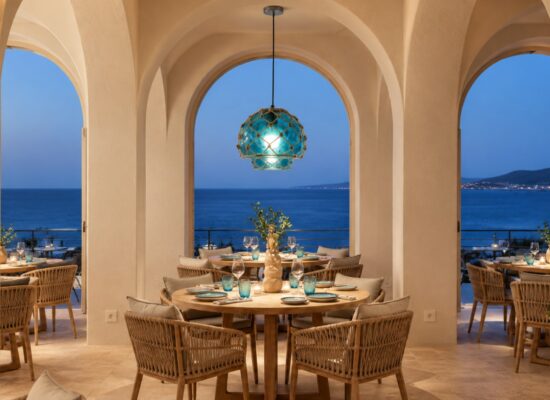
22 Sep 2026
Portuguese bespoke lights
Portuguese Bespoke Lights: Crafted Lighting for Distinctive Interiors & Architecture Lighting can become one of the defining elements of an…
subscribe for newsletter

Luzion is a leading manufacturer and exporter of high-quality LED lighting solutions. With a focus on design, research, and innovation, we offer a wide range of products for commercial, industrial, residential, and outdoor spaces.
