Japanese bespoke lights

Search

Japanese bespoke lights

30Sep 2026

  • Lighting Solutions

Japanese bespoke lights

Japanese Bespoke Lights: Craftsmanship, Design & Architectural Identity

Japanese bespoke lights bring together traditional craftsmanship, refined materiality and contemporary lighting technology. Unlike mass-produced decorative fixtures, bespoke lighting can be developed around the character, proportions and functional requirements of a particular architectural space. This makes it relevant to luxury villas, boutique hotels, restaurants, resorts, private residences, galleries, retail environments and high-end commercial interiors.

Japanese lighting design is often associated with simplicity, natural materials, soft illumination and carefully controlled visual detail. Traditional Japanese lantern-making has also influenced contemporary lighting design. Gifu, for example, has a long-established tradition of producing paper lanterns, with washi paper and bamboo forming important parts of the craft.

What Are Japanese Bespoke Lights?

Japanese bespoke lights are custom-designed or individually crafted lighting fixtures inspired by Japanese design principles, materials and craftsmanship. They may combine traditional elements such as washi, bamboo and wood with contemporary materials including brass, aluminium, steel, glass and integrated LED systems.

The word bespoke is important. A bespoke fixture can be developed according to:

  • Architectural dimensions
  • Ceiling height
  • Interior concept
  • Required light distribution
  • Material palette
  • Finish and colour
  • LED specification
  • Colour temperature
  • Dimming requirements
  • Installation method
  • Project-specific aesthetic requirements

For architects and interior designers, this means the lighting fixture can become part of the overall design language rather than appearing as an unrelated decorative product.

Why Japanese Lighting Has a Distinctive Character

Japanese-inspired lighting is generally less dependent on excessive ornamentation and more focused on proportion, material, shadow, texture and atmosphere. A simple pendant can therefore create a strong visual identity when its shape, surface and light output are carefully considered.

One important example is Akari, Isamu Noguchi’s series of light sculptures. Noguchi developed the series using the traditional Gifu lantern-making process while transforming the familiar lantern into modern sculptural forms.

This relationship between traditional craft and modern form is particularly relevant to contemporary architectural lighting. It allows designers to create fixtures that feel culturally inspired without necessarily reproducing historical lantern designs.

The Role of Soft and Diffused Light

A defining characteristic of many Japanese-inspired lighting concepts is controlled, diffused illumination. Instead of exposing a strong light source directly to the viewer, materials such as washi can soften the light and create a more comfortable visual environment.

This approach can be particularly effective in:

  • Hotel bedrooms
  • Restaurant interiors
  • Lounge areas
  • Spa environments
  • Private residences
  • Boutique retail spaces
  • Reception areas
  • Hospitality corridors

The objective is not simply to make a space brighter. The lighting should contribute to visual comfort, atmosphere and architectural identity.

For a luxury hospitality project, for example, a large bespoke pendant with a translucent surface can provide ambient illumination while simultaneously becoming a focal point above a reception desk or dining area.

Traditional Materials Meet Contemporary Technology

Modern Japanese bespoke lighting does not have to rely exclusively on traditional materials. Contemporary projects can combine Japanese-inspired forms with modern LED technology.

A custom fixture may incorporate:

Washi or translucent materials for soft diffusion
Bamboo or wood for natural texture
Brass or metal for structural detailing
Glass for refined transparency
Aluminium for lightweight construction
Integrated LED modules for efficient illumination
Dimmable drivers for different lighting scenes

This combination is particularly useful for architects working on projects where traditional inspiration needs to coexist with modern performance requirements.

Japanese Bespoke Lighting for Modern Architecture

The appeal of Japanese designer lighting extends beyond Japanese-style interiors. Its principles can also complement contemporary, minimalist, luxury and biophilic architecture.

A sculptural Japanese-inspired pendant can sit naturally within a modern villa in Dubai. A series of small handcrafted pendants can create atmosphere inside a restaurant in London. A custom linear interpretation of Japanese minimalism can work within a contemporary hotel in Riyadh or Doha.

The important consideration is not to reproduce a Japanese aesthetic mechanically. Instead, designers can interpret Japanese principles through:

  • restrained forms
  • natural textures
  • balanced proportions
  • warm illumination
  • negative space
  • subtle contrast
  • material authenticity
  • carefully controlled glare

This makes Japanese bespoke lighting adaptable to architectural projects across Japan, UAE, Saudi Arabia, Qatar, Kuwait, Bahrain, Oman, UK, USA, Europe, Australia, Singapore and other international markets.

Japanese Bespoke Lights for Architects and Interior Designers

For professional projects, aesthetics are only one part of the specification. A bespoke lighting fixture should also respond to the technical requirements of the space.

Architects, lighting designers and interior designers may need to establish:

Design ConsiderationWhy It Matters
Fixture SizeEnsures correct proportion within the architecture
Light OutputDetermines whether the fixture provides ambient, decorative or functional illumination
CCTInfluences the warmth and atmosphere of the interior
CRIHelps maintain accurate colour appearance
Beam DistributionControls how light spreads through the space
Glare ControlSupports visual comfort
DimmingAllows lighting scenes to change throughout the day
MaterialInfluences appearance, diffusion and durability
DriverEnsures appropriate electrical and dimming compatibility
InstallationAllows the fixture to integrate correctly with the ceiling or structure

This is where bespoke lighting moves from a decorative purchase to a project-specific architectural lighting solution.

Where Can Japanese Bespoke Lights Be Used?

Japanese bespoke lighting can be specified across a wide range of architectural environments.

Luxury Hotels: Lobby chandeliers, reception pendants, guest-room lighting, restaurant fixtures and corridor lighting.

Private Villas: Entrance lighting, dining pendants, living-room fixtures, staircase lighting and bedroom illumination.

Restaurants: Decorative pendants, counter lighting, dining-area fixtures and atmospheric accent lighting.

Resorts: Guest villas, restaurants, spa areas, lounges and outdoor-covered spaces.

Retail & Showrooms: Feature lighting, display illumination and sculptural fixtures.

Corporate Interiors: Reception areas, boardrooms, executive lounges and breakout spaces.

Cultural & Hospitality Spaces: Galleries, museums, tea rooms and Japanese-inspired restaurants.

The flexibility of bespoke production allows the fixture scale and lighting characteristics to be adapted to each environment rather than forcing the project to conform to an existing standard product.

Japanese Design Without Losing Architectural Function

The strongest Japanese-inspired lighting schemes balance beauty with performance. A fixture may have an organic shape, handcrafted surface or minimalist structure, but it still needs to provide the appropriate visual performance for the application.

For example, a decorative pendant over a dining table may prioritise warm, comfortable illumination, while a hotel corridor may require a different distribution to maintain visual continuity and safe movement.

This distinction is important for professional lighting projects: decorative lighting establishes atmosphere, while architectural lighting establishes visual function. Bespoke Japanese lighting can bring both objectives together when the fixture is properly designed and specified.

Japanese Lighting Materials, Styles & Fixture Types

The appeal of Japanese bespoke lights comes from the relationship between material, proportion and illumination. Japanese-inspired lighting does not depend on elaborate decoration to create luxury. Instead, the character of the fixture often comes from the way a natural material filters light, how a frame is constructed, or how a simple geometric form interacts with the surrounding architecture.

For architects, interior designers and lighting consultants, this creates considerable scope for custom lighting fixtures that are visually distinctive while remaining practical for contemporary projects.

Washi Paper Lighting

Washi lighting is one of the most recognisable expressions of Japanese lighting craftsmanship. Traditional Japanese washi paper can create a soft, translucent surface that diffuses the light source and produces a calm visual effect.

When used in bespoke fixtures, washi-inspired materials can be formed into:

The material is particularly suitable for spaces where the objective is to create ambient illumination rather than harsh direct light.

In hotels and restaurants, a cluster of custom pendant lights can provide visual rhythm above dining tables or reception areas. In a private villa, a large diffused pendant can introduce warmth without competing with architectural finishes.

For contemporary projects, however, material selection should also consider durability, cleaning, fire-safety requirements and installation conditions. Traditional appearance does not eliminate the need for modern project specifications.

Bamboo Lighting

Bamboo lighting introduces natural texture and a lighter visual structure. Bamboo can be used as part of a woven shade, structural framework or decorative screen around an LED light source.

Its natural appearance makes it suitable for:

  • Resort interiors
  • Spa environments
  • Restaurants
  • Villas
  • Boutique hotels
  • Wellness spaces
  • Biophilic interiors

Bamboo can also be combined with metal structures to create a more contemporary interpretation of Japanese design.

For large bespoke fixtures, the construction method becomes important. The designer needs to consider fixture weight, suspension points, heat management, LED integration and maintenance access before final production.

Wood and Natural Materials

Japanese-inspired interiors frequently use natural materials to establish a sense of warmth and simplicity. Wooden lighting fixtures can therefore complement interiors featuring timber ceilings, stone, natural fabrics and neutral finishes.

Custom wooden lights can take the form of:

  • Linear pendants
  • Slatted chandeliers
  • Wall sconces
  • Table lamps
  • Floor lamps
  • Decorative ceiling fixtures

The wood itself can become part of the visual identity of the fixture, while concealed LEDs can provide controlled illumination.

For luxury architectural projects, the choice of timber, grain direction, surface treatment and finish should be coordinated with the interior material palette.

Metal and Contemporary Japanese Lighting

Japanese-inspired lighting is not limited to paper, bamboo and timber.

Contemporary Japanese designer lights can use materials such as:

  • Brass
  • Bronze
  • Aluminium
  • Stainless steel
  • Mild steel
  • Powder-coated metal
  • Glass

Metal provides greater freedom for creating thin profiles, geometric structures and larger architectural installations.

For example, a minimalist brass pendant can introduce a subtle luxury accent to a hotel lobby, while a black metal geometric fixture can complement a contemporary restaurant or private residence.

The key is restraint. Instead of adding unnecessary ornamentation, the material, geometry and light source work together to create the visual character.


Japanese Pendant Lights

Japanese pendant lights are particularly versatile for hospitality and residential interiors.

They can be designed as individual fixtures or installed in groups at different heights. This makes them useful for creating a visual focal point without requiring a conventional chandelier.

Typical applications include:

  • Dining areas
  • Hotel reception desks
  • Restaurant tables
  • Kitchen islands
  • Lounge spaces
  • Bedroom interiors
  • Café counters
  • Private villas

A bespoke pendant can be customised according to diameter, height, finish, suspension length, LED output and colour temperature.

For a large atrium or hotel lobby, multiple pendant elements can also be arranged as a coordinated installation rather than individual decorative products.


Japanese Wall Lights

Japanese wall lights can provide a softer alternative to exposed ceiling fixtures.

Wall-mounted fixtures are useful for:

  • Hotel corridors
  • Guest rooms
  • Bedrooms
  • Staircases
  • Restaurant walls
  • Spa interiors
  • Residential passages
  • Feature walls

A translucent shade can create diffused light, while concealed LED sources can produce indirect illumination across a wall surface.

For hospitality environments, indirect wall lighting can also contribute to a more relaxed atmosphere while reducing the visual impact of exposed light sources.


Japanese Ceiling Lights

Minimal ceiling fixtures are suitable where the architectural design calls for a clean and unobtrusive appearance.

A bespoke Japanese-inspired ceiling light can combine:

Simple geometry + natural material + concealed LED + controlled diffusion

This approach can work particularly well in bedrooms, private residences, hotel corridors and contemporary commercial interiors.

The fixture should be proportioned according to ceiling height and room scale. A compact fitting may be appropriate for a bedroom, while larger spaces may require multiple fixtures or a custom-designed installation.


Japanese Floor Lamps

Japanese floor lamps can introduce a vertical lighting element without requiring permanent architectural modifications.

They are commonly suitable for:

  • Hotel lounges
  • Reading areas
  • Living rooms
  • Bedroom corners
  • Reception spaces
  • Restaurants
  • Private libraries

A floor lamp can combine a timber or metal structure with a diffused shade, creating both illumination and a decorative object.

For luxury projects, custom height and shade dimensions can help the lamp relate directly to furniture and ceiling proportions.


Japanese Table Lamps

Table lamps are useful where lighting needs to remain intimate and localised.

They can be specified for:

  • Bedside tables
  • Hotel desks
  • Restaurant side tables
  • Reception counters
  • Executive offices
  • Living-room furniture

A carefully designed Japanese-inspired table lamp can use natural materials and warm LED illumination to create a small but noticeable layer of ambient light.


Japanese Sculptural Lighting

One of the strongest opportunities within bespoke Japanese lighting is sculptural design.

A sculptural light fixture can become part of the architecture rather than simply illuminating it.

Large installations may include:

  • Suspended organic forms
  • Geometric structures
  • Layered paper elements
  • Circular compositions
  • Linear arrangements
  • Custom cluster pendants
  • Floating light forms

This approach is particularly relevant to luxury hotel lobbies, atriums, restaurants, galleries, high-end residences and branded commercial spaces.

The fixture should nevertheless be developed around the architecture. Scale, viewing angles, suspension height and light distribution need to be considered before fabrication.


Traditional Japanese Lighting vs Contemporary Japanese Lighting

Japanese lighting can broadly be approached through two design directions: traditional-inspired and contemporary-inspired.

CharacteristicTraditional-InspiredContemporary-Inspired
MaterialsWashi, bamboo, woodMetal, glass, aluminium, wood
FormLantern, organic, handcraftedGeometric, minimal, sculptural
Light QualitySoft and diffusedDirect, indirect or diffused
Typical ApplicationsRestaurants, tea rooms, resortsHotels, villas, offices, retail
Design LanguageCultural and artisanalMinimal and architectural
CustomisationShape, material, sizeForm, dimensions, optics, finish
TechnologyConcealed modern LEDIntegrated LED and advanced controls

The two approaches can also be combined. A contemporary hotel, for example, could use a traditional-inspired material such as washi while incorporating a modern LED system and dimming control.


Japanese Minimalist Lighting

Japanese minimalist lighting is particularly relevant to modern architecture because it focuses on reducing unnecessary visual complexity.

The design can rely on:

  • Clean geometry
  • Natural materials
  • Neutral finishes
  • Concealed light sources
  • Soft illumination
  • Balanced proportions
  • Negative space

This makes Japanese-inspired lighting suitable for projects where the architecture itself is intended to remain the dominant visual element.

In a minimalist villa in Tokyo, Dubai, London or Singapore, for example, a restrained pendant can add warmth without overwhelming the interior.


Choosing the Right Light Quality

The appearance of a Japanese bespoke fixture depends not only on its material and form but also on the quality of light.

Architects and lighting designers should consider:

Colour Temperature

Warm white light is commonly selected for hospitality and residential environments where a comfortable and intimate atmosphere is required.

Colour Rendering

A high CRI can be important when the lighting needs to reveal the natural appearance of timber, stone, textiles, artwork, food and interior finishes.

Light Distribution

The fixture may require:

  • Diffused light
  • Direct light
  • Indirect light
  • Upward illumination
  • Downward illumination
  • Multi-directional illumination

Glare Control

Even a beautiful bespoke fixture can become uncomfortable if the LED source is directly visible from normal viewing positions. Diffusers, shielding and appropriate positioning can therefore be important.

Dimming

Dimmable lighting allows hospitality and residential spaces to change their atmosphere according to the time of day or activity.


Customisation Possibilities for Architectural Projects

One of the major advantages of Japanese custom lighting is the ability to develop the fixture around the project rather than selecting a standard catalogue size.

Customisation may include:

  • Diameter
  • Height
  • Width
  • Suspension length
  • Number of light sources
  • LED wattage
  • CCT
  • CRI
  • Beam distribution
  • Finish
  • Material
  • Shade geometry
  • Ceiling mounting
  • Dimming compatibility
  • Driver configuration

For international projects, these details can be coordinated with architectural drawings, reflected ceiling plans, electrical layouts and interior design specifications.

This makes Japanese bespoke lights suitable not only for decorative interiors but also for professionally coordinated architectural lighting schemes.

Japanese Bespoke Lighting: From Craft to Architecture

The most successful Japanese-inspired fixtures balance craftsmanship, materiality, light quality and architectural performance. A washi pendant, bamboo installation or minimalist metal fixture can provide a strong design identity, but its success ultimately depends on how effectively it responds to the scale, function and atmosphere of the space.

For architects, developers, lighting designers and procurement teams, bespoke production creates an opportunity to specify lighting that is visually distinctive, technically considered and tailored to the project’s architectural requirements.

Japanese Bespoke Lights for Architectural & Interior Projects

The value of Japanese bespoke lighting becomes especially clear when it is specified as part of an architectural project rather than treated as a standalone decorative product. A custom fixture can respond to the dimensions, materials, furniture, circulation and atmosphere of a space while providing the required level and quality of illumination.

For architects, interior designers, lighting consultants, developers and procurement teams, the objective is to create a lighting solution that combines Japanese-inspired craftsmanship with modern architectural performance.

Japanese Bespoke Lighting for Luxury Hotels

Hotels provide extensive opportunities for custom Japanese lighting because different areas require different lighting experiences.

Hotel Lobby

The lobby is often the first major visual experience for a guest. A large Japanese bespoke pendant or sculptural lighting installation can establish the identity of the space without competing with the architecture.

Suitable concepts include:

  • Large suspended lantern-inspired fixtures
  • Layered pendant clusters
  • Custom geometric installations
  • Washi-inspired diffused fixtures
  • Timber and metal combinations
  • Sculptural statement chandeliers

For a high-ceiling lobby, the fixture should be designed around the viewing distance and architectural scale. The light source should also be carefully shielded to prevent glare from reception and seating areas.

Guest Rooms

Guest-room lighting requires greater control and flexibility.

Japanese-inspired fixtures can be used for:

  • Bedside lighting
  • Reading lights
  • Pendant lights
  • Desk lamps
  • Decorative wall lights
  • Ambient ceiling fixtures

Warm illumination, dimming and carefully controlled diffusion can create a comfortable environment while maintaining the understated character associated with Japanese design.

Hotel Restaurants

Restaurant lighting needs to support both food presentation and atmosphere.

Custom pendant lights can be positioned above dining tables to create intimate pools of light. A combination of decorative pendants and concealed architectural lighting can provide layered illumination without making the space appear overly bright.

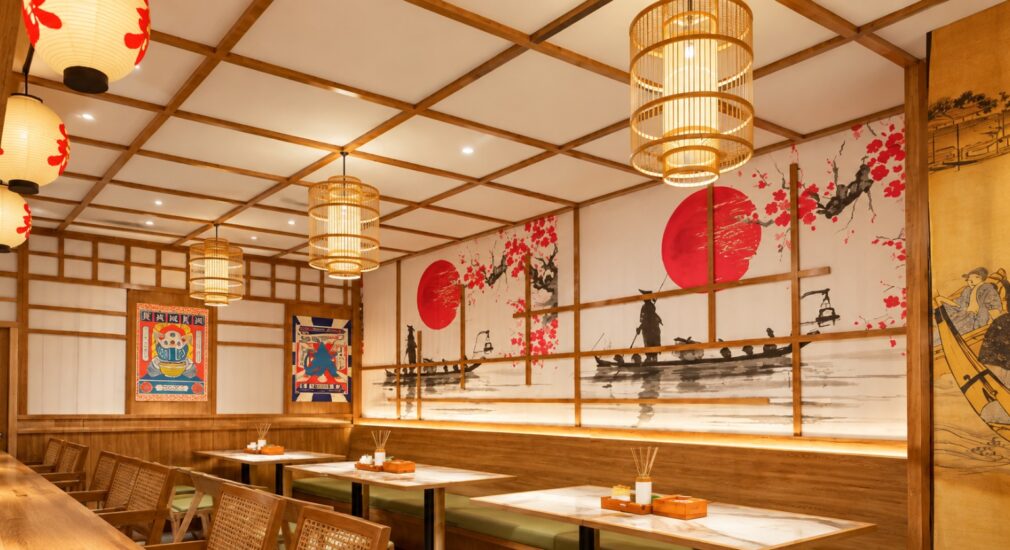
Japanese-inspired restaurants may also use lantern-like fixtures, bamboo structures or natural materials to reinforce the restaurant’s design concept.


Japanese Bespoke Lights for Luxury Villas

Private residences and luxury villas often provide greater freedom for custom lighting because the fixture can be developed specifically around the interior architecture.

Entrance & Foyer

A custom pendant or sculptural ceiling installation can create an immediate focal point at the entrance.

For larger villas, a vertically extended fixture can visually connect multiple floor levels.

Living Room

The living room can use several lighting layers:

Ambient lighting for overall illumination
Decorative lighting for visual character
Accent lighting for artwork and architectural elements
Task lighting where specific activities require additional illumination

A Japanese-inspired floor lamp or large pendant can become part of the decorative layer while recessed or concealed architectural lighting provides the functional component.

Dining Area

A bespoke pendant above a dining table should be proportioned according to the table dimensions.

Important considerations include:

  • Fixture width
  • Suspension height
  • Light distribution
  • Glare control
  • Dimming
  • Colour temperature
  • Table size
  • Ceiling height

A cluster of smaller Japanese pendant lights can also create a more dynamic composition than one oversized fixture.

Staircases

Staircases are another strong application for Japanese architectural lighting.

Slim wall lights, concealed linear illumination or custom suspended fixtures can emphasise the vertical geometry of the staircase while providing practical illumination.


Japanese Lighting for Restaurants & Fine Dining

Restaurant interiors depend heavily on atmosphere. Lighting influences how guests perceive the space, materials and food.

Japanese bespoke restaurant lighting can be particularly effective when the interior uses natural materials, timber, stone, textured walls or minimalist furniture.

Recommended Lighting Layers

Lighting LayerPurposeExample
AmbientGeneral illuminationDiffused ceiling lighting
DecorativeVisual identityBespoke pendant
AccentHighlight architectural detailsAdjustable spotlight
Table LightingDining atmosphereLow-glare pendant
Wall LightingVertical illuminationJapanese-inspired wall light
Feature LightingCreate focal pointsSculptural installation

For fine dining, the light should generally be comfortable for guests while allowing food, tableware and interior materials to retain their natural appearance.


Japanese Bespoke Lighting for Resorts & Spas

The calm visual language of Japanese-inspired lighting can work particularly well in resorts, wellness centres and spa environments.

Natural materials, soft diffusion and warm illumination can support an environment designed around relaxation.

Applications include:

  • Spa reception
  • Treatment rooms
  • Relaxation lounges
  • Resort corridors
  • Guest villas
  • Restaurants
  • Poolside covered areas
  • Meditation spaces

Where fixtures are installed in humid or semi-outdoor environments, the appropriate IP rating, material durability and electrical protection should be specified according to the installation conditions.


Japanese Lighting for Retail & Luxury Showrooms

Luxury retail environments require a careful balance between decorative lighting and product illumination.

A bespoke Japanese-inspired fixture can provide the decorative layer while adjustable architectural lighting focuses on merchandise.

This approach is suitable for:

  • Fashion boutiques
  • Jewellery stores
  • Furniture showrooms
  • Art galleries
  • Lifestyle stores
  • Luxury brand interiors
  • Design studios

The decorative fixture should not create excessive glare or unwanted shadows over products.

For jewellery and premium merchandise, CRI, beam angle and colour consistency become particularly important.


Japanese Architectural Lighting for Offices

Japanese-inspired lighting is not limited to hospitality and residential projects.

Modern offices can incorporate minimalist bespoke fixtures in:

  • Reception areas
  • Executive lounges
  • Meeting rooms
  • Boardrooms
  • Breakout areas
  • Collaboration spaces
  • Private offices

A simple linear or geometric fixture can introduce a refined visual element while maintaining a professional environment.

For office projects, decorative fixtures should be coordinated with general illumination, workstation lighting and glare requirements rather than being considered independently.


Japanese Lighting for Cultural & Artistic Spaces

Galleries, museums and cultural interiors require particularly careful control of illumination.

A bespoke fixture can provide ambient lighting while dedicated accent systems illuminate artwork or architectural details.

Important considerations include:

  • Light level
  • Colour rendering
  • Glare
  • Beam control
  • UV considerations where applicable
  • Fixture visibility
  • Maintenance access

In these environments, the fixture itself may also be treated as part of the artistic composition.


How Architects Should Specify Japanese Bespoke Lights

A visually attractive fixture is only one part of a professional specification. Before production, architects and lighting designers should define the technical and architectural requirements.

1. Define the Fixture Dimensions

Establish the required:

  • Width
  • Height
  • Diameter
  • Projection
  • Suspension length

The dimensions should correspond with the room and furniture scale.

2. Define the Lighting Function

Determine whether the fixture is intended for:

  • Ambient lighting
  • Decorative lighting
  • Task lighting
  • Accent lighting
  • Feature lighting
  • Indirect illumination

This determines the appropriate LED configuration and optical approach.

3. Select Colour Temperature

Colour temperature should support the intended environment.

Warm white is frequently suitable for hospitality, residential and relaxation spaces, while other architectural applications may require different CCT specifications.

4. Specify CRI

A high-quality LED source with suitable CRI can improve the appearance of natural materials, artwork, food, fabrics and architectural finishes.

5. Select the Light Distribution

The designer should establish whether the fixture needs:

  • Diffused illumination
  • Downward illumination
  • Upward illumination
  • Direct illumination
  • Indirect illumination
  • Multi-directional output

6. Control Glare

Glare can reduce the comfort of an otherwise beautiful lighting installation.

Possible solutions include:

  • Diffusers
  • Concealed LED sources
  • Recessed LED modules
  • Shielding
  • Appropriate mounting height
  • Controlled optics

7. Coordinate the Driver

For integrated LED fixtures, the driver location and compatibility should be determined before fabrication.

The project may require:

  • DALI
  • 0–10V
  • TRIAC
  • Phase-cut
  • On/off
  • Other specified control systems

The exact control method should be confirmed according to the project’s lighting-control system.

8. Consider Dimming

Dimmable Japanese bespoke lights can provide greater flexibility in hotels, restaurants, villas and retail spaces.

For example, a hotel restaurant can use a brighter scene during preparation and service while reducing illumination during evening dining.

9. Confirm Installation Requirements

Large custom fixtures require careful coordination between:

  • Architect
  • Interior designer
  • Lighting designer
  • Electrical consultant
  • Contractor
  • Manufacturer
  • Installation team

Suspension points, ceiling structure, fixture weight and driver access should be established before manufacturing begins.


Bespoke Lighting and DIALux Design

For larger architectural projects, bespoke fixtures can also be incorporated into a DIALux lighting study.

A lighting designer can evaluate factors such as:

  • Illuminance
  • Light distribution
  • Uniformity
  • Glare
  • Fixture positioning
  • Mounting height
  • Light levels
  • Lighting scenes

This helps the project team understand how the custom fixture will perform within the actual architectural environment rather than relying only on visual renders.

For developers and consultants, photometric data, technical drawings, specifications and product documentation can also help simplify coordination during the tender and approval process.


Japanese Bespoke Lighting for GCC Architecture

Japanese-inspired lighting can be adapted to luxury architectural projects across the UAE, Saudi Arabia, Qatar, Kuwait, Bahrain and Oman.

In Dubai and Abu Dhabi, bespoke lighting can be specified for luxury villas, five-star hotels, restaurants, retail environments and high-end commercial interiors.

In Riyadh and Jeddah, custom lighting can contribute to hospitality, residential, cultural and mixed-use developments.

For Doha, Kuwait City, Manama and Muscat, bespoke fixtures can be integrated into hotels, restaurants, resorts, villas and premium commercial spaces.

However, regional adaptation is important. Fixture materials, electrical specifications, mounting systems, environmental conditions and maintenance requirements should be evaluated according to the project location.


A Practical Specification Checklist

Before approving a Japanese bespoke lighting fixture, the project team can review:

SpecificationWhat to Confirm
ApplicationDecorative, ambient, task or feature lighting
DimensionsWidth, height, diameter and projection
MaterialWashi, bamboo, wood, metal, glass or combination
FinishColour, texture and surface treatment
LEDWattage, source type and integration
CCTRequired colour temperature
CRIColour rendering requirement
OpticsBeam angle or diffusion
GlareShielding and visual comfort
DimmingRequired control protocol
DriverType, location and accessibility
IP RatingBased on installation environment
WeightStructural and suspension requirements
InstallationMounting and fixing details
MaintenanceCleaning and service access
DocumentationDrawings, datasheet and photometric information

A checklist such as this helps transform a creative lighting concept into a professionally coordinated bespoke lighting specification.

The Balance Between Craftsmanship and Performance

Japanese bespoke lighting works particularly well in architectural projects when craft and technology are treated as complementary rather than separate disciplines.

Natural materials and handcrafted forms establish the visual identity. LED technology, optics, dimming, colour rendering and thermal management provide the technical performance.

For architects and designers, this combination creates an opportunity to specify lighting that is not only visually distinctive but also appropriate for the practical requirements of contemporary hotels, villas, restaurants, resorts, retail spaces and commercial architecture.

Japanese Bespoke Lights Across Global Markets

The demand for distinctive lighting continues to expand across luxury hospitality, residential, retail and commercial architecture. Japanese bespoke lights can adapt well to these international projects because their design language can range from traditional craftsmanship and natural materials to highly contemporary minimalist forms.

For global architectural projects, the important consideration is not simply where a fixture originates. The lighting should be customised to the project’s architecture, climate, electrical requirements, interior concept and technical specifications.

Japanese Bespoke Lights in Japan

Japan remains an important reference point for Japanese lighting craftsmanship and design. Tokyo, Kyoto, Osaka, Nagoya, Yokohama, Kobe, Sapporo, Fukuoka, Kanazawa and Gifu represent different architectural and cultural contexts where traditional materials and contemporary lighting can coexist.

In Tokyo, bespoke lighting can complement contemporary residences, luxury hotels, restaurants, retail interiors and commercial developments. Kyoto provides opportunities for lighting inspired by traditional materials, craftsmanship and hospitality environments, while Gifu has a particularly strong association with traditional paper-lantern production.

For international designers, Japanese craftsmanship can therefore serve as inspiration without limiting the final fixture to a traditional aesthetic.


Japanese Bespoke Lights in UAE

The UAE is an important market for luxury architectural interiors, hospitality, retail and private residences.

Dubai

In Dubai, Japanese bespoke lighting can be considered for:

  • Luxury villas
  • Five-star hotels
  • Japanese restaurants
  • Fine-dining interiors
  • Retail boutiques
  • Private residences
  • Hotel lounges
  • Corporate reception areas

Large sculptural pendants can work effectively in high-ceilinged lobbies, while smaller handcrafted fixtures can create intimate lighting within restaurants and residential interiors.

Abu Dhabi

Abu Dhabi projects can incorporate Japanese-inspired lighting into hotels, cultural spaces, luxury residences, restaurants and premium commercial interiors.

The design can range from natural-material pendants to contemporary metal and glass installations.

Sharjah

In Sharjah, Japanese-inspired lighting can complement hospitality, residential, cultural and commercial architecture where natural materials and restrained design are important to the interior concept.


Japanese Bespoke Lights in Saudi Arabia

Saudi Arabia’s expanding hospitality, residential, retail and mixed-use developments create opportunities for custom architectural lighting.

Riyadh

Riyadh projects may use Japanese bespoke fixtures in:

  • Luxury residences
  • Hotels
  • Restaurants
  • Executive lounges
  • Retail environments
  • Cultural interiors
  • High-end offices

A minimalist fixture can provide a refined contrast against stone, timber and other architectural materials.

Jeddah

In Jeddah, custom lighting can be integrated into hospitality, residential and commercial interiors, including restaurants, resorts and luxury villas.

Dammam and Al Khobar

Japanese-inspired lighting can also be adapted for hospitality, residential and commercial developments in Dammam and Al Khobar, particularly where interior designers are seeking distinctive handcrafted elements.


Japanese Bespoke Lights in Qatar, Kuwait, Bahrain & Oman

Doha, Qatar

Doha offers applications across luxury hotels, restaurants, villas, cultural venues and commercial interiors. Large bespoke lighting installations can create focal points in hospitality spaces, while diffused wall and pendant lighting can provide a softer atmosphere.

Kuwait City, Kuwait

In Kuwait City, Japanese bespoke lighting can complement luxury residential interiors, hospitality projects, restaurants and premium retail environments.

Manama, Bahrain

Manama projects can incorporate handcrafted lighting into hotels, restaurants, residences and commercial interiors where a combination of natural materials and contemporary design is required.

Muscat, Oman

In Muscat, Japanese-inspired lighting can complement resort, villa and hospitality projects, particularly where the interior concept incorporates natural materials and a restrained aesthetic.


Japanese Designer Lights in the UK & Europe

Japanese lighting principles also align naturally with European architectural styles where minimalism, craftsmanship and material quality are valued.

London, UK

In London, Japanese bespoke lighting can be considered for:

  • Luxury residences
  • Boutique hotels
  • Japanese restaurants
  • Private clubs
  • Galleries
  • Retail interiors
  • High-end restaurants

A custom fixture can be developed around an existing interior rather than forcing the space to accommodate a standard catalogue product.

Milan, Italy

Milan is strongly associated with contemporary furniture and lighting design, making bespoke Japanese-inspired fixtures suitable for modern residential, hospitality and retail environments.

Paris, France

In Paris, handcrafted lighting can be used to introduce a contemporary Japanese influence into luxury hospitality, residential and retail interiors.

Berlin & Munich, Germany

Minimal Japanese forms can complement contemporary German architecture, particularly where clean geometry and functional detailing are important.

Zurich & Geneva, Switzerland

Japanese-inspired lighting can work with refined residential, hospitality and commercial interiors where material quality and visual restraint are key considerations.

Copenhagen, Stockholm & Oslo

Japanese and Nordic design share several visual principles, including simplicity, natural materials and an emphasis on comfortable illumination. Japanese-inspired bespoke fixtures can therefore complement contemporary Scandinavian interiors in Copenhagen, Stockholm and Oslo.


Japanese Bespoke Lights in the USA

The US market provides opportunities across hospitality, residential, retail and commercial architecture.

New York

In New York, custom lighting can be developed for luxury apartments, hotels, restaurants, galleries and retail environments.

Los Angeles

In Los Angeles, bespoke fixtures can complement luxury residences, hospitality interiors, restaurants and contemporary commercial spaces.

Miami

Japanese-inspired lighting can be adapted for hotels, restaurants, luxury residences and hospitality projects in Miami.

Chicago

Custom architectural fixtures can be used in hotels, restaurants, offices, residential developments and cultural spaces across Chicago.

San Francisco

The combination of contemporary architecture and natural-material interiors creates opportunities for minimalist Japanese-inspired lighting in San Francisco.


Japanese Lighting in Asia-Pacific Markets

Japanese design has strong relevance across Asia-Pacific because of its geographic and cultural proximity while remaining adaptable to contemporary international architecture.

Singapore

Japanese bespoke lighting can be used in:

  • Luxury hotels
  • Restaurants
  • Condominiums
  • Retail
  • Offices
  • Private residences

Hong Kong

Compact architectural spaces can benefit from carefully proportioned wall lights, pendants and integrated custom fixtures.

Seoul, South Korea

Minimal Japanese-inspired lighting can complement contemporary residential, hospitality and commercial interiors in Seoul.

Bangkok, Thailand

Resorts, restaurants and hospitality projects can use natural-material lighting to create warm and relaxed interiors.

Sydney & Melbourne, Australia

Japanese-inspired lighting can complement contemporary residential, hospitality and commercial architecture across Sydney and Melbourne, particularly where natural materials and minimalist interiors are part of the design concept.


Japanese Bespoke Lights in India

India also offers opportunities for Japanese-inspired custom lighting across luxury residential, hospitality and commercial architecture.

Key markets include:

Mumbai, Delhi, Bengaluru, Hyderabad, Chennai, Pune, Ahmedabad and Goa.

Applications include:

  • Luxury villas
  • Boutique hotels
  • Japanese restaurants
  • Resorts
  • Premium residences
  • Retail stores
  • Corporate interiors
  • Restaurants and cafés

For Indian projects, bespoke fixtures can combine Japanese-inspired design with locally appropriate materials, manufacturing techniques and electrical specifications.


How to Adapt Japanese Lighting for Different Countries

A successful global lighting project should not simply reproduce the same fixture in every market.

The following elements may need to be adapted:

Climate

Outdoor and humid environments require appropriate material selection and IP protection.

Electrical Standards

Voltage, frequency, driver specifications and control systems should be confirmed for the destination market.

Architecture

Fixture scale and mounting methods should respond to local architectural conditions.

Interior Materials

The fixture finish should coordinate with stone, timber, metal, glass, fabrics and other materials used in the project.

Maintenance

Large installations should provide practical access for cleaning, inspection and servicing.

Lighting Controls

Hospitality and commercial projects may require integration with DALI or another building lighting-control system.


From Concept to Custom Lighting Fixture

For an international architectural project, the development process can follow a structured workflow.

1. Design Brief
Understand the architectural concept, application and desired aesthetic.

2. Dimensions
Establish fixture size, ceiling height and installation requirements.

3. Material Selection
Choose washi-inspired material, bamboo, wood, metal, glass or a combination.

4. Lighting Specification
Define LED wattage, CCT, CRI, light distribution and dimming.

5. Technical Development
Prepare drawings, construction details and electrical requirements.

6. Prototype or Sample
Where required, evaluate the physical appearance, material and light quality.

7. Photometric Evaluation
Assess the fixture’s lighting performance for the intended application.

8. Production
Manufacture the approved bespoke fixture according to project specifications.

9. Quality Inspection
Verify dimensions, finish, electrical components and overall construction.

10. Installation & Coordination
Coordinate delivery, mounting and commissioning with the project team.

This process allows architects and procurement teams to evaluate both the aesthetic and technical aspects of bespoke lighting before final installation.


Why Bespoke Lighting Can Add Value to an Architectural Project

Standard lighting products are useful when a project requires readily available, repeatable fixtures. Bespoke lighting becomes more relevant when the project requires a particular size, shape, material, finish or visual identity.

Japanese bespoke lighting can provide:

  • Project-specific dimensions
  • Custom finishes
  • Distinctive forms
  • Natural material options
  • Integrated LED solutions
  • Custom suspension systems
  • Dimming compatibility
  • Architectural coordination
  • Brand-specific design language
  • Small or large production possibilities

For developers and hospitality brands, a distinctive lighting installation can also contribute to the visual identity of a space.


Frequently Asked Questions

What are Japanese bespoke lights?

Japanese bespoke lights are custom-made or specially designed lighting fixtures influenced by Japanese craftsmanship, materials, minimalism and lighting aesthetics. They can be produced for specific architectural and interior requirements.

What materials are commonly used in Japanese bespoke lighting?

Washi-inspired translucent materials, bamboo and wood are strongly associated with traditional Japanese lighting, while contemporary fixtures can also use brass, aluminium, steel, glass and other architectural materials.

Are Japanese bespoke lights suitable for luxury hotels?

Yes. Custom Japanese-inspired fixtures can be developed for hotel lobbies, guest rooms, restaurants, lounges, corridors, spas and resort villas, with dimensions and lighting performance adapted to each application.

Can Japanese lighting be customised for UAE and GCC projects?

Yes. Fixture dimensions, finishes, LED specifications, drivers, controls, mounting systems and environmental protection can be developed according to the requirements of projects in the UAE, Saudi Arabia, Qatar, Kuwait, Bahrain and Oman.

What should architects consider when specifying bespoke Japanese lighting?

Architects should consider fixture dimensions, material, LED wattage, CCT, CRI, light distribution, glare control, dimming, driver location, IP rating, structural support, installation and maintenance access.

Where can Japanese bespoke lighting be used?

It can be used in luxury villas, hotels, resorts, restaurants, retail stores, galleries, offices, cultural spaces, private residences and other architectural interiors.


Japanese Bespoke Lights for Global Architectural Projects

Japanese bespoke lighting represents more than a decorative style. It is an approach that combines craftsmanship, materiality, controlled illumination and refined proportions.

From Tokyo and Kyoto to Dubai, Riyadh, Doha, London, Milan, New York, Singapore and Mumbai, Japanese-inspired lighting can be adapted to different architectural languages and project requirements.

For architects, lighting designers, developers and procurement teams, the most successful solution is one where the fixture is developed around the project—from concept and material selection through LED specification, technical coordination, manufacturing and installation.

For projects requiring custom dimensions, architectural integration and project-specific lighting performance, Luzion Lighting can develop bespoke lighting solutions for hospitality, residential, commercial and architectural applications across international markets.

Related posts

Greek bespoke lights

Greek bespoke lights

Greek Bespoke Lights for Luxury Architectural Projects Greek bespoke lights combine artistic expression, Mediterranean design influences and project-specific craftsmanship to…

Turkish luxury chandeliers

Turkish luxury chandeliers

Turkish Luxury Chandeliers: Heritage, Craftsmanship & Design Turkish luxury chandeliers bring together decorative craftsmanship, architectural scale and contemporary lighting technology…

Polish bespoke chandeliers

Polish bespoke chandeliers
Polish Bespoke Chandeliers: Craftsmanship, Character and Contemporary Design A chandelier can do more than illuminate a room. In a well-designed…
Norwegian designer lights

Norwegian designer lights

Norwegian Designer Lights & Bespoke Lighting Norwegian designer lights bring together minimalist aesthetics, functional design, refined materials and carefully controlled…
Finnish designer lights

Finnish designer lights

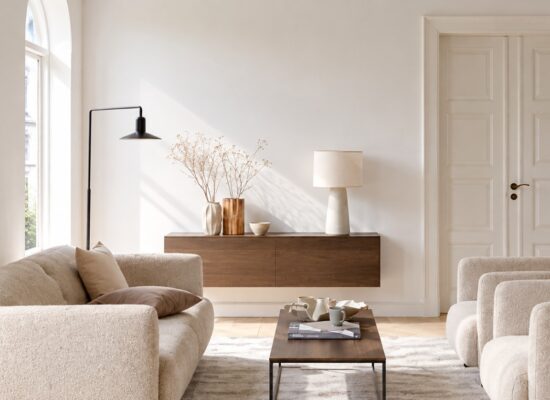
Finnish Designer Lights: The Essence of Nordic Lighting Design Finnish designer lights represent a distinctive approach to illumination where simplicity,…