
Search
Category
- Bollard Light
- Commercial Lighting
- Energy-Efficient Lighting
- LAMPS
- LED Lights
- LED Uplighter
- Light and Colour Theory
- Lighting Design and Facade Lighting
- Lighting Design Consultancy UAE
- lighting design principles
- Lighting Fundamentals and Design Principles
- Lighting Solutions
- Nature of Light in Lighting Design
- Panel Lights vs. Spot Lights
- Portable Lights
- Signage Solutions
- Smart Controllers for Streetlights
- Solar Lights
- Tree Lighter
- Uncategorized
Recent Posts





Tags
- Architectural Lighting
- Architectural Lighting Design
- Architectural Lighting Design UAE
- automation
- Best Lighting Design Consultancy in UAE
- COB LED Technology
- COB Spotlights
- Color Temperature in Lighting
- Commercial Lighting Design
- Commercial Lighting Fixtures
- Commercial Lighting Innovations
- Commercial Lighting UAE
- Cylinder COB Lights
- Dialux Lighting Design
- Dialux Lighting Design UAE
- Energy Efficient Lighting
- Energy-Efficient Lighting USA
- Exterior Lighting Solutions
- Facade & Exterior Lighting
- Facade Lighting
- Facade Lighting Design
- Facade Lighting Design UAE
- Facade lighting ideas
- Facade Lighting UAE
- Facade Uplighting
- Green Building Design
- Indoor & Exterior Lighting Solutions
- Interior Lighting Design
- Lamps
- LED Lighting Solutions
- LED lights
- LED Panel
- LED Uplighters
- LED vs Halogen
- Light and Color Theory
- Lighting Basics
- Lighting Consultancy UAE
- Lighting Design
- Lighting Design Consultancy in UAE
- Lighting Design Principles
- Lighting Design UAE
- Lighting Fundamentals Guide
- Lighting Layers
- Lumen Output in Lighting
- Modern Building Lighting Ideas
- Modern Lighting Ideas
- Office Lighting Solutions
- Outdoor Lighting Consultants UAE
- Panel Lights vs. Spot Lights
- Portable Lights
- smart light
- Smart Lighting Systems
- Sustainable Architecture
- Sustainable Lighting UAE
- Villa Lighting UAE
02May 2026
- Uncategorized


Ultimate Guide: How to Choose the Right Lens for LED Lights – Top 3 Optics Explained
Choosing how to choose the right lens for LED lights is one of the most important decisions in modern lighting design. In cities like Dubai and across the United Arab Emirates, advanced lighting optics design is used to improve efficiency, reduce glare, and enhance visual comfort.
Whether you are designing a warehouse, streetlight system, retail space, or façade lighting project, selecting the correct LED lens ensures better performance and energy savings.
Why LED Lens Selection Matters
The lens controls:
- Light distribution
- Beam angle
- Glare control
- Energy efficiency
A poor lens choice can lead to dark spots, excessive brightness, or wasted energy — especially in outdoor lighting UAE projects.
Tip 1: Understand Optics – Symmetric vs Asymmetric
There are two main types of lenses used in LED lighting:
Symmetric Lenses
-
Distribute light evenly in a 360° pattern
-
Ideal for floodlights, spotlights, and panel lights
-
Useful for uniform illumination in indoor spaces, halls, and lobbies
Asymmetric Lenses
-
Focus light in a specific direction
-
Common in streetlights, wall washers, and façade lighting
-
Great for avoiding glare, reducing light pollution, and enhancing visual comfort
🎯 Pro Tip: For public areas like roads or pathways, asymmetric lenses help reduce glare and increase visibility where it matters.
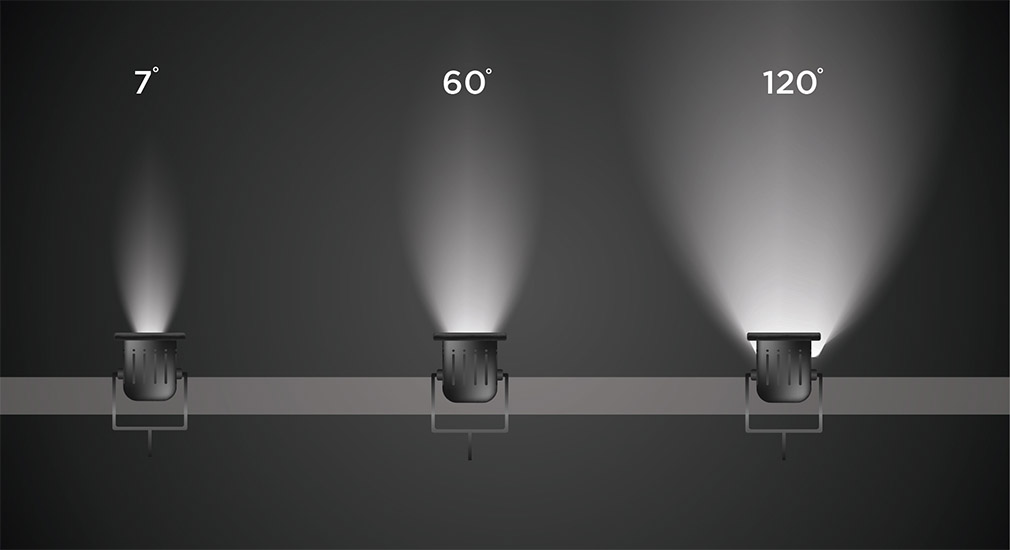
Tip 2: Match Beam Angle with Application
Beam angle is the width of the light cone projected by your LED. The degree of the lens decides how narrow or wide the light spreads.
| Beam Angle | Best Use | Effect |
|---|---|---|
| 6°–15° | Sculptures, Spotlights | Very focused and narrow beam |
| 30°–60° | Retail, Displays, Offices | Medium spread, clear visibility |
| 90°–160° | Roads, Large areas | Broad, uniform coverage |
A wider beam gives softer, broader coverage, while narrow beams deliver intense, spotlight-like illumination.
Tip 3: Consider Mounting Height for Best Results
Your mounting height directly affects how light is spread across an area. Here’s how to choose the right lens for LED lights based on installation height:
| Mounting Height | Recommended Beam Angle | Reason |
|---|---|---|
| 2–4 meters | 30°–60° | Balanced coverage for indoor use |
| 4–6 meters | 60°–90° | Suitable for medium-height poles or ceilings |
| 6–10 meters | 120°–160° (asymmetric) | Perfect for wide street and area lighting |
Wrong lens angle = hotspots, dark zones, or wasted energy. Always align your optics with height and space geometry.
Bonus Tip: Use IES Files to Simulate Lighting Output
Want to see exactly how light will spread before you buy?
Use IES files, which are lighting simulation files provided by top brands like Luzion. Load these files into software like Dialux or Relux to:
-
Simulate real-world lighting
-
Test beam angles and optics
-
Verify lux levels on walls, floors, and surfaces
Try Dialux Simulation Software
Explore COB Spot Lights at Luzion
This helps you validate your decision and avoid rework after installation.
Real-World Example: Streetlight Optics
Suppose you’re planning to install LED streetlights at 8 meters height. A 160° symmetric lens will cause light leakage and glare. But a 140° asymmetric lens will throw light efficiently on the road while avoiding pedestrian-side spill — saving energy and improving performance.
Frequently Asked Questions (FAQs)
1. What is the best beam angle for LED lights?
It depends on application—narrow for focus, wide for coverage.
2. What is the difference between symmetric and asymmetric lenses?
Symmetric spreads evenly; asymmetric directs light.
3. How does mounting height affect lens choice?
Higher mounting requires wider beam angles.
4. Can optics improve energy efficiency?
Yes, better optics reduce the number of fixtures needed.
5. Which software is best for lighting simulation?
Dialux and Relux are widely used.
6. Are LED lenses important in outdoor lighting?
Yes, they control glare, distribution, and efficiency.
Conclusion: Don’t Underestimate Optics
Understanding how to choose the right lens for LED lights is essential for achieving high-performance lighting. From Dubai to global markets, proper optics selection improves efficiency, comfort, and design quality.
By working with experts like Luzion Lighting, you can ensure the perfect balance between aesthetics and performance in every project.
Related posts
24 Oct 2026
Digital Signage in UAE & GCC: Types, Applications and Design Guide
Digital signage has become an important part of how businesses communicate with customers, visitors and employees. From retail displays and…
24 Oct 2026
Wayfinding Signage in UAE & GCC: A Complete Design Guide
Wayfinding signage helps people navigate buildings, public spaces and large commercial developments without confusion. From hospital departments and hotel reception…
24 Oct 2026
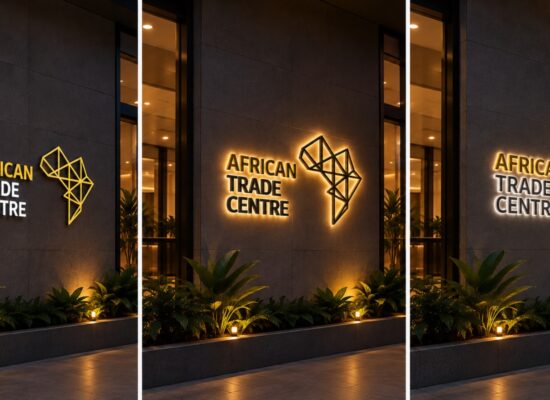
Front-Lit vs Backlit vs Halo-Lit Signage: Which Is Best for Your Project?
Choosing the right illumination style can transform the appearance of a business sign. Whether it is a retail storefront in…
23 Oct 2026
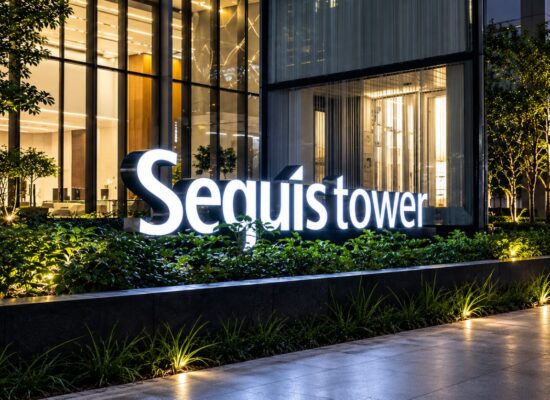
Outdoor Signage in UAE: Types, Materials and Design Guide
Outdoor signage is an essential part of commercial architecture, helping businesses establish visibility, communicate their identity and guide visitors. In…
21 Oct 2026
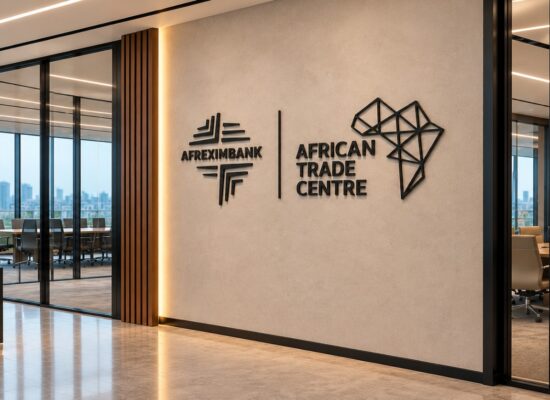
Channel Letter Signage in UAE: Types, Materials and Applications
Channel letter signage is widely used by retail stores, hotels, restaurants, shopping malls and commercial buildings to display business names,…
subscribe for newsletter

Luzion is a leading manufacturer and exporter of high-quality LED lighting solutions. With a focus on design, research, and innovation, we offer a wide range of products for commercial, industrial, residential, and outdoor spaces.
