

Search
Category
- Bollard Light
- Commercial Lighting
- Energy-Efficient Lighting
- LAMPS
- LED Lights
- LED Uplighter
- Light and Colour Theory
- Lighting & Signage Solutions
- Lighting Design and Facade Lighting
- Lighting Design Consultancy UAE
- lighting design principles
- Lighting Fundamentals and Design Principles
- Lighting Solutions
- Nature of Light in Lighting Design
- Panel Lights vs. Spot Lights
- Portable Lights
- Signage Solutions
- Smart Controllers for Streetlights
- Solar Lights
- Tree Lighter
- Uncategorized
Recent Posts

Turkish luxury chandeliers
Norwegian designer lights

Finnish designer lights

Swedish Bespoke Lights
Danish bespoke lights
Tags
- Architectural Lighting
- Architectural Lighting Design
- Architectural Lighting Design UAE
- automation
- Best Lighting Design Consultancy in UAE
- COB LED Technology
- COB Spotlights
- Color Temperature in Lighting
- Commercial Lighting Design
- Commercial Lighting Fixtures
- Commercial Lighting Innovations
- Commercial Lighting UAE
- Cylinder COB Lights
- Dialux Lighting Design
- Dialux Lighting Design UAE
- Energy Efficient Lighting
- Energy-Efficient Lighting USA
- Exterior Lighting Solutions
- Facade & Exterior Lighting
- Facade Lighting
- Facade Lighting Design
- Facade Lighting Design UAE
- Facade lighting ideas
- Facade Lighting UAE
- Facade Uplighting
- Green Building Design
- Indoor & Exterior Lighting Solutions
- Interior Lighting Design
- Lamps
- LED Lighting Solutions
- LED lights
- LED Panel
- LED Uplighters
- LED vs Halogen
- Light and Color Theory
- Lighting Basics
- Lighting Consultancy UAE
- Lighting Design
- Lighting Design Consultancy in UAE
- Lighting Design Principles
- Lighting Design UAE
- Lighting Fundamentals Guide
- Lighting Layers
- Lumen Output in Lighting
- Modern Building Lighting Ideas
- Modern Lighting Ideas
- Office Lighting Solutions
- Outdoor Lighting Consultants UAE
- Panel Lights vs. Spot Lights
- Portable Lights
- smart light
- Smart Lighting Systems
- Sustainable Architecture
- Sustainable Lighting UAE
- Villa Lighting UAE
29Sep 2026
- Lighting Solutions


Polish bespoke chandeliers
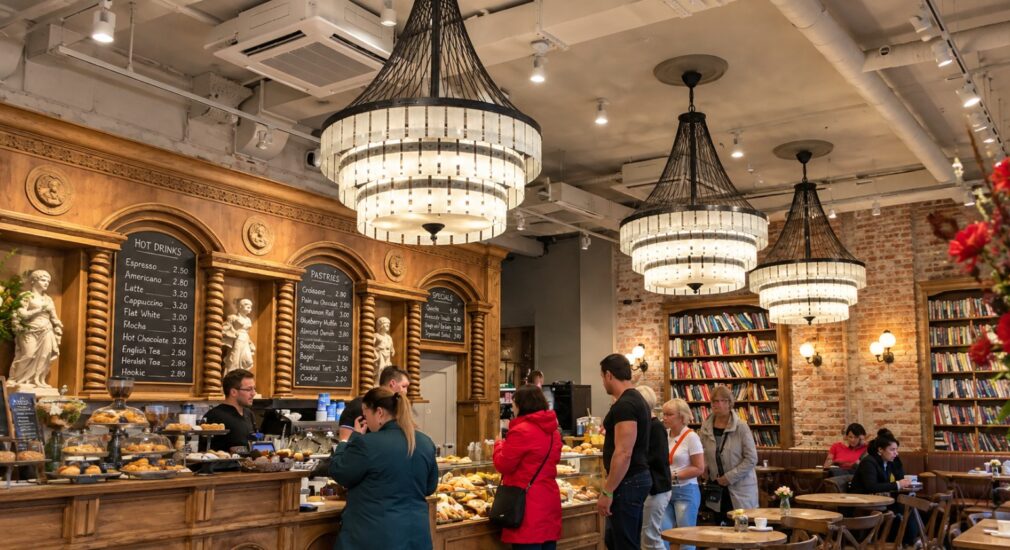
Polish Bespoke Chandeliers: Craftsmanship, Character and Contemporary Design
A chandelier can do more than illuminate a room. In a well-designed interior, it becomes part of the architecture, influences the visual balance of the space and creates a distinctive focal point. This is particularly evident in Polish bespoke chandeliers, where traditional craftsmanship is combined with contemporary design, carefully selected materials and project-specific fabrication.
Poland has a strong tradition of glassmaking, metal craftsmanship and decorative arts, providing an interesting foundation for modern lighting design. Today, Polish-inspired chandelier concepts can range from intricate crystal arrangements and sculptural glass forms to refined contemporary installations designed for hotels, villas, restaurants and high-end residential interiors.
For architects, interior designers, developers and lighting consultants, the value of a bespoke chandelier is not simply its appearance. Scale, proportion, mounting conditions, material selection, light distribution and coordination with the surrounding architecture all influence the final result.
What Are Polish Bespoke Chandeliers?
Polish bespoke chandeliers are custom-designed decorative lighting fixtures influenced by Polish design traditions, European craftsmanship and contemporary architectural interiors. Unlike standard catalogue chandeliers, bespoke pieces can be developed around the requirements of a particular project.
The design may be adapted according to:
- Ceiling height and available installation space
- Overall interior architecture
- Required chandelier diameter or length
- Number and arrangement of light sources
- Crystal, glass, metal or mixed-material construction
- Lighting colour temperature
- Dimming requirements
- Ceiling mounting and suspension systems
- Interior colour palette and material finishes
- Hotel, residential or commercial lighting specifications
This flexibility makes Polish custom chandeliers suitable for projects where a conventional fixture cannot achieve the desired visual scale or architectural relationship.
A large chandelier for a hotel lobby, for example, may need a completely different structure from a decorative fixture intended for a private dining room. The same design language can therefore be interpreted at different scales without losing its identity.
The Influence of Polish Craftsmanship
The character of Polish lighting is closely connected with European decorative arts and skilled material craftsmanship. Glass, crystal, metal and handcrafted components can be combined to create lighting pieces with considerable visual detail.
Traditional techniques can also be interpreted through contemporary manufacturing. Instead of reproducing historical forms, modern Polish designer chandeliers can use familiar materials in cleaner geometries, asymmetric compositions or sculptural arrangements.
This balance between craftsmanship and modernity is particularly relevant to luxury interiors. Architects may want the visual richness associated with handcrafted lighting while maintaining a restrained architectural language.
A successful bespoke chandelier therefore does not need to appear traditionally decorative. It can be minimal, geometric or sculptural while still demonstrating the precision associated with European craftsmanship.
Crystal, Glass and Metal in Bespoke Chandelier Design
Material selection has a major influence on the appearance of a chandelier. Different materials affect how the fixture reflects light, interacts with surrounding surfaces and contributes to the atmosphere of an interior.
Crystal Chandeliers
Polish crystal chandeliers can introduce sparkle, depth and visual movement into formal interiors. Crystal elements interact with the light source to create reflections and highlights that become particularly noticeable in reception areas, dining spaces and grand entrances.
For contemporary projects, crystal does not necessarily have to be arranged in a traditional tiered chandelier. Individual elements can be suspended at different heights to create a lighter, more architectural composition.
Glass Chandeliers
Polish glass chandeliers offer another direction, particularly where designers want transparency, softness or a more sculptural appearance.
Clear, frosted, textured or coloured glass can be used according to the desired interior character. Handcrafted glass elements can also introduce subtle variations, giving the fixture a more individual appearance.
Glass works particularly well in modern hospitality and residential interiors because it can create visual impact without making the ceiling appear excessively heavy.
Metal Details
Brass, stainless steel, aluminium and other metal finishes can provide the structural framework or decorative detailing of a bespoke fixture.
The choice of finish can be coordinated with architectural hardware, furniture, wall finishes and other decorative elements. Brushed, polished, satin or aged finishes can each create a different visual character.
Combining metal with glass or crystal can also create a useful contrast between structure and transparency.
Why Bespoke Chandeliers Matter in Architectural Interiors
A chandelier should be considered as part of the overall interior composition rather than as an isolated decorative object.
For an architect or interior designer, the relationship between the chandelier and its surroundings can be as important as the fixture itself. A large installation may define the centre of a lobby, while a smaller custom fixture can reinforce the character of a private residence.
In hospitality projects, chandeliers are frequently used to establish a memorable arrival experience. A dramatic installation above a reception desk or beneath a high atrium can become an architectural landmark within the interior.
In luxury residential projects, the approach is usually more personal. A bespoke chandelier can be developed around the proportions of a dining room, living space, staircase or double-height entrance.
This is where bespoke lighting provides an advantage over standard products. The fixture can be designed around the architecture instead of forcing the architecture to accommodate a predetermined product size.
From Traditional Forms to Contemporary Chandelier Design
Modern Polish bespoke chandeliers are not limited to classical decorative styles. Contemporary designers increasingly explore organic forms, linear structures, floating compositions and abstract arrangements.
Some common design directions include:
- Sculptural pendant clusters
- Linear chandelier arrangements
- Circular and elliptical forms
- Cascading glass elements
- Geometric metal frameworks
- Crystal compositions with varied suspension heights
- Minimalist contemporary chandeliers
- Organic and nature-inspired forms
- Multi-level installations for atriums and staircases
The appropriate style depends on the architecture, ceiling volume, furniture arrangement and desired atmosphere.
For example, a classical hotel ballroom may benefit from layered crystal detailing, while a contemporary villa may require a cleaner combination of glass and metal. A modern restaurant might use an artistic cluster of suspended elements to create identity without overwhelming the dining environment.
Designing for Scale and Proportion
One of the most important considerations in custom chandelier design is proportion.
A chandelier that is too small can disappear within a large architectural space. Conversely, an oversized fixture can dominate the interior and interfere with circulation or visual balance.
Before finalising dimensions, designers typically consider:
- Room length and width
- Ceiling height
- Viewing distance
- Furniture scale
- Circulation zones
- Door and staircase clearances
- Architectural focal points
- Chandelier suspension height
- Overall visual weight
For large hospitality projects, these considerations become even more important because the chandelier may be viewed from several levels and distances.
A bespoke fixture can be divided into multiple rings, tiers or suspension points to achieve the required scale while maintaining manageable installation and maintenance requirements.
Polish Bespoke Chandeliers for Global Luxury Projects
Although the design heritage is Polish, bespoke chandelier concepts can be adapted for international architectural environments.
In Warsaw, Kraków, Wrocław, Gdańsk and other Polish cities, custom lighting can complement residential, hospitality and commercial interiors with a strong European design language. Beyond Poland, similar craftsmanship can be specified for luxury projects across Europe and international markets.
In the UAE, for example, large hospitality interiors often provide the ceiling volume required for dramatic chandelier installations. In Saudi Arabia, bespoke fixtures can be developed for hotels, private residences, cultural spaces and high-end commercial interiors. Projects in the UK, USA, Qatar, Kuwait, Bahrain, Oman, Singapore and other international markets can likewise require custom dimensions, finishes and lighting specifications.
The important point is that geography should not dictate the entire design. A bespoke chandelier should respond first to the project’s architecture, interior concept, technical requirements and cultural context.
A Balance of Art and Lighting Performance
A chandelier may function as a decorative centrepiece, but it remains a lighting product. Its visual design therefore needs to work alongside practical illumination requirements.
The position and intensity of light sources influence the way crystal, glass and metal surfaces are perceived. Colour temperature can change the appearance of materials, while dimming allows the lighting atmosphere to adapt throughout the day.
For hospitality environments, designers may also consider scene-setting for daytime operation, evening ambience, events and special occasions.
This is why successful luxury chandelier design brings together aesthetics, engineering and lighting performance rather than treating the fixture as decoration alone.
The result is a lighting element that contributes to the identity of the interior while remaining technically appropriate for the project.
Materials, Styles and Customisation of Polish Bespoke Chandeliers
The material and construction of a chandelier influence far more than its appearance. They determine how the fixture reflects light, how much visual weight it carries and how effectively it integrates with the surrounding architecture.
This is one of the reasons Polish bespoke chandeliers can be valuable for high-end architectural projects. Instead of selecting a fixed catalogue model, architects and designers can develop a lighting piece around the proportions, materials and atmosphere of a specific interior.
Choosing the Right Materials for a Bespoke Chandelier
A successful chandelier begins with an appropriate material palette. Crystal, glass and metal each behave differently under artificial light and create a distinct visual character.
Crystal for Detail and Reflection
Crystal remains one of the most recognisable materials in luxury chandelier design. Carefully positioned crystal elements can create reflections, highlights and visual movement as light passes through the fixture.
Polish crystal chandeliers can therefore work particularly well in spaces where the lighting installation is intended to become a focal point.
The quantity and arrangement of crystal should, however, correspond to the scale of the interior. Excessive detailing in a compact room can make the fixture visually heavy, while too little detail in a large atrium may reduce its impact.
For contemporary interiors, crystal can be arranged in vertical drops, geometric clusters or floating compositions rather than conventional multi-tier arrangements.
Glass for Transparency and Sculptural Form
Glass offers greater flexibility in contemporary chandelier design. Transparent, frosted, textured and coloured elements can be combined to create different levels of diffusion and visual depth.
Polish glass chandeliers can be designed as individual pendants, clustered compositions or large sculptural installations. Their transparency can also help maintain a sense of openness in interiors with large ceiling volumes.
Handcrafted glass introduces another dimension. Slight variations in shape, texture or thickness can give a chandelier a distinctive artisanal character, particularly when the design intentionally celebrates the individuality of each component.
Metal for Structure and Definition
Metal provides the framework that holds the lighting composition together. It can also become a significant part of the visual identity.
Brass, stainless steel and aluminium are among the materials that can be considered depending on the design and required finish.
A polished metal finish may create a more decorative appearance, while brushed or satin finishes can support a quieter contemporary aesthetic.
The metal finish can also be coordinated with door hardware, furniture details, wall features, decorative panels and other architectural elements.
Contemporary Polish Chandelier Styles
Contemporary Polish designer chandeliers can take many forms. The right style depends on the architecture rather than simply following a particular trend.
Linear Chandeliers
Linear arrangements are suitable for long dining tables, conference rooms, reception counters and elongated architectural spaces.
Multiple light sources can be distributed along a horizontal structure to create visual continuity and balanced illumination.
Cluster Chandeliers
Cluster arrangements combine multiple suspended elements at different heights. They are particularly effective in double-height spaces and stairwells because the composition can occupy the vertical volume of the architecture.
The individual pendants can use the same shape or deliberately varied forms to create a more dynamic installation.
Circular and Geometric Chandeliers
Circular chandeliers can reinforce architectural symmetry and work well above round tables, reception areas and central lobby spaces.
Geometric designs can introduce a more contemporary identity through clean lines, repeated forms and controlled proportions.
Cascading Chandeliers
Cascading installations use multiple elements suspended at different heights to create a flowing vertical composition.
These designs can be particularly effective in hotel atriums, luxury residences and staircases where the chandelier needs to connect different levels visually.
Organic and Sculptural Forms
Organic chandeliers use curved lines, irregular compositions and nature-inspired forms rather than strict geometric structures.
Such designs can provide a strong artistic identity while still being engineered around the practical requirements of the space.
Traditional and Contemporary Styles Can Coexist
Bespoke design does not mean choosing between traditional and modern aesthetics.
A chandelier can combine a classical material such as crystal with a contemporary structural form. Similarly, handcrafted glass can be placed within a minimal metal framework to create a fixture that feels both artisanal and architectural.
This approach is particularly useful for renovation projects, luxury hotels and heritage-inspired interiors where designers want to respect the character of the building while introducing contemporary lighting.
The result is often more timeless than a fixture based entirely on a short-term design trend.
How a Bespoke Chandelier Is Developed
A custom chandelier usually begins with the architectural requirements rather than the final decorative details.
1. Understanding the Space
The first stage is to review the dimensions and character of the installation area.
Important information can include:
- Room dimensions
- Ceiling height
- Slab or structural conditions
- Suspension points
- Furniture layout
- Viewing angles
- Circulation requirements
- Existing electrical provisions
- Interior material palette
For complex projects, reflected ceiling plans, architectural drawings and interior elevations can help establish the correct scale.
2. Developing the Design Concept
Once the requirements are understood, the chandelier concept can be developed.
At this stage, the designer may determine the overall form, number of elements, material combination, finish and lighting arrangement.
For a hospitality project, several design directions may be explored before the final concept is selected.
3. Defining Dimensions and Proportions
The next stage involves establishing the physical dimensions.
The overall diameter, height, suspension length and spacing between individual elements need to be coordinated with the architecture.
For large installations, the design may also need to consider how the chandelier will appear from different floors or viewing distances.
4. Selecting Light Sources
The decorative appearance should work together with the required lighting performance.
LED light sources can provide efficient operation, long service life and flexible colour temperature options. Depending on the project, designers may specify warm white light for hospitality and residential interiors or other colour temperatures according to the architectural concept.
Dimming and lighting control can also be integrated where the project requires multiple scenes.
5. Engineering and Fabrication
A chandelier intended for a major architectural project requires more than a visual concept.
Structural stability, suspension, electrical distribution, component weight and installation access need to be considered during engineering.
Large bespoke installations may require modular construction so individual sections can be transported, assembled and maintained more efficiently.
This becomes especially important for international projects where packaging, logistics and site installation must be coordinated carefully.
Lighting Performance Should Be Considered Early
A common mistake in decorative lighting projects is to finalise the visual design first and consider illumination later.
The relationship between the light source and the decorative materials should instead be considered from the beginning.
For example, crystal may be selected for sparkle and reflection, while frosted glass may be chosen for softer diffusion. The position of LEDs or lamps can therefore affect both the appearance of the fixture and the quality of light reaching the space.
Architectural lighting consultants may also review:
- Colour rendering
- Colour temperature
- Dimming compatibility
- Glare
- Light distribution
- Maintenance access
- Driver location
- Power requirements
- Lighting control integration
This approach helps ensure that the chandelier performs as part of the complete lighting scheme rather than functioning only as a decorative object.
Bespoke Chandeliers for Hospitality Interiors
Hotels and resorts often require lighting fixtures that create a distinctive identity.
A reception chandelier can establish the character of the arrival experience, while a restaurant installation can reinforce the atmosphere of the dining environment.
For luxury hospitality projects, bespoke chandeliers for hotels may be developed around branding, interior architecture and the emotional character of the space.
Common applications include:
- Hotel reception lobbies
- Grand entrances
- Atriums
- Ballroom interiors
- Fine-dining restaurants
- Lounge areas
- Staircases
- Presidential suites
- Resort reception areas
In these environments, the chandelier should complement the surrounding lighting rather than compete with every other visual element.
Bespoke Chandeliers for Villas and Luxury Residences
Residential projects provide greater scope for personalisation.
A custom chandelier can be developed for a double-height entrance, staircase, dining room, living room or private entertainment space.
For villas, designers may select materials and finishes that relate directly to stone, timber, marble, decorative metalwork and furniture.
In a private residence, the scale also needs to reflect the family’s use of the space. A dramatic entrance installation may be appropriate for a large foyer, while a dining chandelier usually requires more controlled proportions to maintain visual comfort.
Designing for Long-Term Use
Luxury lighting should remain visually relevant and technically maintainable after installation.
When developing custom chandeliers, designers should consider how components can be accessed for cleaning, how LED modules or drivers can be serviced and whether individual decorative elements can be replaced.
For large installations, modular construction can simplify future maintenance.
This practical thinking is particularly important in hotels, resorts and commercial spaces where lighting operates for extended periods and access to the fixture may be limited.
The strongest bespoke chandelier concepts therefore combine artistic expression with engineering discipline, creating a lighting feature that can remain functional, maintainable and visually relevant for years.
Where Polish Bespoke Chandeliers Work Best in Luxury Architecture
The most effective chandelier designs are developed around the character of the space they occupy. A fixture that works beautifully in a hotel lobby may not have the right scale, light distribution or visual weight for a private residence.
This is where Polish bespoke chandeliers offer considerable flexibility. Their dimensions, materials, suspension arrangement and decorative details can be adapted to suit different architectural environments while maintaining a consistent design language.
From grand hospitality interiors to private villas and contemporary commercial spaces, the right chandelier can become an important part of the architectural identity.
Hotel Lobbies and Grand Entrances
Hotel lobbies are among the most prominent applications for statement lighting. Guests often experience the entrance before they interact with any other part of the property, making the lighting design an important element of the arrival experience.
A large bespoke chandelier for hotels can be positioned above the reception area, within a central atrium or beneath a dramatic architectural ceiling.
For these spaces, designers commonly consider:
- Overall lobby dimensions
- Ceiling height
- Reception desk position
- Guest circulation
- Sightlines from the entrance
- Daylight conditions
- Decorative finishes
- Relationship with architectural lighting
- Maintenance access
A high-ceiling lobby may accommodate a multi-level installation with suspended elements extending through several metres of vertical space. A lower ceiling may require a wider but shallower composition.
The objective is not simply to create the largest possible fixture. The chandelier should have an appropriate relationship with the architecture and remain visually balanced from different viewpoints.
Luxury Resorts and Hospitality Destinations
Resorts often combine several architectural environments within one property. The entrance, reception, restaurant, lounge and private villa areas may each require a different lighting character.
Bespoke chandeliers for resorts can therefore be developed as a coordinated family of fixtures rather than as unrelated decorative pieces.
For example, a resort may use:
- A large sculptural installation at the main entrance
- Smaller glass pendants in restaurants
- Decorative chandeliers in premium suites
- Linear fixtures over dining tables
- Custom lighting features in lounge areas
The same material palette can be maintained across these spaces while changing the scale and form of each fixture.
This creates visual continuity throughout the property without making every interior look identical.
Restaurants and Fine-Dining Interiors
Restaurant lighting needs to create atmosphere while supporting the functional requirements of the dining environment.
A chandelier above a dining table or central seating area can provide a visual anchor, but its brightness, glare and suspension height need to be considered carefully.
In fine-dining interiors, custom chandelier design can be used to reinforce the restaurant’s identity.
Glass pendants can create a lighter and more transparent appearance, while crystal can introduce a more luxurious character. Metal structures can be used where the interior concept requires stronger architectural definition.
The chandelier should also work with table lighting, wall lighting, accent lighting and decorative illumination. When all layers are coordinated, the result feels intentional rather than visually crowded.
Villas and Private Residences
Luxury villas provide opportunities for highly personalised lighting.
A bespoke chandelier can be designed specifically for a double-height entrance, central staircase, dining area, living room or private lounge.
In a large villa, the chandelier may need to be visible from several rooms or levels. In such cases, the design can use vertical suspension and carefully positioned elements to establish a connection between floors.
Material selection can also respond to the architecture. Marble interiors may benefit from refined metal and crystal detailing, while contemporary spaces with timber and stone may work better with transparent glass and restrained metalwork.
The advantage of customisation is that the fixture can be developed according to the dimensions of the residence instead of relying on a standard product size.
Grand Staircases and Double-Height Spaces
Staircases create some of the most visually interesting opportunities for chandelier installations.
A conventional ceiling-mounted fixture may not take advantage of the available vertical volume. A cascading installation can instead follow the height of the staircase and create a strong connection between architectural levels.
Cascading chandeliers can use multiple glass or crystal elements suspended at different heights. The spacing can be carefully planned so that the installation remains visually balanced when viewed from the ground floor, upper landing and adjacent corridors.
For these projects, engineering is particularly important because suspension lengths can become significant and installation access may be difficult.
Palaces, Heritage Properties and Luxury Residences
Historic buildings require a more sensitive approach to lighting.
A chandelier installed within a heritage environment should complement the architecture without unnecessarily competing with original decorative elements.
A bespoke fixture can reinterpret traditional forms through modern materials and lighting technology. Crystal, glass and metal can be combined with proportions inspired by the building while using contemporary LED sources.
This can be particularly useful for restored hotels, heritage residences, cultural properties and ceremonial interiors.
The objective is often to create a connection between the building’s architectural history and its present-day function.
Commercial and Premium Retail Interiors
Luxury retail spaces increasingly use decorative lighting as part of their brand environment.
A distinctive chandelier can be positioned in an entrance, central display area, VIP lounge or feature staircase.
Here, designer chandeliers need to work with the merchandise and overall brand identity. Excessive decorative detail may distract from displays, while a carefully controlled sculptural fixture can strengthen the visual language of the store.
Custom dimensions are also useful where the retail architecture has unusual ceiling geometry or restricted installation zones.
Corporate and Executive Interiors
Although chandeliers are traditionally associated with hospitality and residential interiors, they can also be used selectively in premium corporate environments.
Executive reception areas, boardrooms, client lounges and private meeting spaces can benefit from decorative lighting when the architectural concept calls for a more refined atmosphere.
A contemporary geometric chandelier can provide a focal point without making the space feel overly decorative.
In these applications, designers often favour restrained forms, controlled finishes and integrated LED technology.
Polish Bespoke Chandeliers Across International Markets
The design principles behind a bespoke chandelier can be adapted to different architectural markets.
In Poland, cities such as Warsaw, Kraków, Wrocław, Gdańsk and Poznań offer a range of residential, hospitality, commercial and cultural environments where European-inspired lighting can be integrated into contemporary architecture.
Internationally, the requirements can be very different.
In Dubai and Abu Dhabi, large hospitality interiors and luxury residences may provide opportunities for substantial decorative installations. In Riyadh and Jeddah, bespoke lighting can be incorporated into hotels, private residences, restaurants and high-end commercial developments.
Across the United Kingdom, projects in London and other major cities may require a more restrained relationship between decorative lighting and architectural interiors. In the United States, custom chandeliers can be specified for hospitality, luxury residential, retail and high-end commercial projects.
Other markets, including Qatar, Kuwait, Bahrain, Oman, Singapore, Australia and India, can also require custom lighting according to local architecture, project scale and interior design requirements.
The important consideration is not simply where the chandelier is installed. The design needs to respond to the project’s local conditions, architectural language and technical specifications.
Lighting the Chandelier as Part of the Interior
A chandelier should not be designed in isolation from the wider lighting scheme.
A successful interior may contain several layers of illumination:
- Ambient lighting for general visibility
- Accent lighting for architectural or decorative features
- Task lighting for functional areas
- Decorative lighting for visual identity
- Feature lighting for focal architectural elements
The chandelier normally contributes strongly to the decorative and feature layers, but its light output can also contribute to ambient illumination depending on the design.
For this reason, lighting designers may evaluate the chandelier alongside recessed downlights, wall washers, linear lighting, cove lighting and other architectural fixtures.
The goal is to create a hierarchy where the chandelier has a clear role without becoming the only source of illumination.
Colour Temperature and Atmosphere
Colour temperature can significantly influence how a chandelier and its surrounding materials are perceived.
Warm white lighting is frequently considered for hospitality and luxury residential environments because it can support a comfortable and intimate atmosphere. However, the appropriate specification depends on the materials, interior concept, daylight conditions and functional requirements of the project.
Crystal and clear glass can appear very different under different colour temperatures. Similarly, brass, bronze and other metal finishes may change visually depending on the surrounding illumination.
This is why lighting specifications should be considered during the design stage rather than after the chandelier has already been fabricated.
Glare, Reflection and Visual Comfort
Decorative fixtures can create unwanted brightness if light sources are directly visible from important viewing positions.
For a large chandelier, designers may therefore consider the location of LED modules, lenses, diffusers and reflective surfaces.
The objective is to create visual sparkle and interest without producing uncomfortable glare.
This is especially important in restaurants, hotel reception areas and residential spaces where occupants may remain within the same viewing zone for extended periods.
A well-designed luxury chandelier should therefore balance visual drama with visual comfort.
Maintenance and Accessibility
Large decorative installations can be difficult to clean and maintain if accessibility is not considered from the beginning.
Hotels and commercial properties may operate chandeliers for long hours, increasing the importance of reliable components and service access.
Designers may consider:
- Replaceable LED modules or light sources
- Accessible drivers
- Modular construction
- Secure suspension systems
- Cleaning access
- Replaceable glass or crystal elements
- Cable and electrical management
- Installation and dismantling requirements
These details may not be visible once the chandelier is installed, but they can significantly influence the long-term performance of the lighting system.
Creating a Distinctive Architectural Identity
The strongest bespoke chandeliers are not simply decorative products placed into finished interiors. They are developed as part of the architectural concept.
A chandelier can echo the geometry of a staircase, repeat the curves of an interior feature, complement a material palette or create contrast against a minimalist ceiling.
That is what makes bespoke chandelier design particularly valuable for luxury projects. The lighting element becomes connected to the architecture rather than appearing as a generic fixture.
When craftsmanship, proportion, lighting performance and engineering are considered together, the chandelier can become a lasting feature of the space—one that contributes both illumination and identity.
Selecting and Specifying Polish Bespoke Chandeliers for Global Projects
Selecting a bespoke chandelier is an architectural decision as much as a decorative one. The fixture needs to suit the interior concept while meeting practical requirements related to dimensions, lighting performance, installation, maintenance and long-term use.
For international projects, the specification process becomes even more important. Architects, interior designers, developers, lighting consultants and procurement teams need clear information before approving a custom lighting solution.
What to Consider Before Ordering a Bespoke Chandelier
Before developing a custom chandelier, the project team should establish the basic requirements of the installation area.
Architectural Dimensions
The ceiling height, room dimensions and available suspension points provide the starting point for determining the appropriate size.
For large spaces, designers should also consider how the chandelier will appear from different floors and viewing distances.
Interior Design Language
The chandelier should complement the project’s architectural character.
A contemporary villa may require clean geometric forms, while a traditional hospitality interior may benefit from richer crystal or glass detailing.
The finish, material and overall form should therefore be coordinated with the interior design rather than selected independently.
Lighting Requirements
The required light output should be established before finalising the design.
Important considerations include:
- LED wattage
- Light output
- Colour temperature
- Colour rendering
- Beam distribution
- Dimming
- Lighting controls
- Driver location
- Operating hours
The decorative appearance and functional lighting requirements should be developed together.
Installation Requirements
Large chandeliers may require specialist suspension systems and carefully coordinated electrical connections.
The project team should review the structural capacity of the ceiling, mounting details, access requirements and installation sequence before fabrication.
For particularly large installations, modular construction can make transportation and site assembly more manageable.
Bespoke Chandelier Design for International Projects
International projects often involve multiple teams working across different locations.
Architects may develop the concept, interior designers may define the aesthetic direction, lighting consultants may establish technical requirements, and contractors or procurement teams may coordinate installation.
A successful custom chandelier manufacturer or lighting partner should therefore be able to communicate clearly across these stages.
Useful project documentation can include:
- Product drawings
- Dimensions
- Material specifications
- Finish samples
- Lighting specifications
- Electrical details
- Mounting information
- Installation instructions
- Maintenance information
- Photometric data where applicable
Clear documentation helps reduce uncertainty during procurement and site installation.
From Concept to Finished Lighting Installation
A professional bespoke lighting process typically moves through several stages.
Concept development establishes the overall visual direction.
Design development defines dimensions, materials, finishes and lighting components.
Engineering translates the visual concept into a structurally and electrically practical fixture.
Prototype or sample approval can help verify materials, finishes and proportions before full production.
Fabrication involves manufacturing the structural and decorative components.
Quality inspection checks dimensions, finish quality, electrical components and assembly.
Packing and logistics prepare the fixture for safe transportation.
Installation brings the designed composition into the architectural environment.
For large international projects, coordination between these stages is essential because changes made late in the process can affect production, shipping and installation schedules.
Why Customisation Can Be More Valuable Than a Standard Fixture
Standard chandeliers are useful when the project has straightforward requirements and a suitable catalogue product already exists.
A bespoke solution becomes more relevant when the architecture demands something specific.
Customisation can provide control over:
- Overall dimensions
- Number of lighting elements
- Material combination
- Surface finish
- Suspension height
- Light source configuration
- Colour temperature
- Dimming
- Ceiling connection
- Decorative composition
This can be particularly important in luxury hospitality, high-end residential and landmark architectural projects where lighting contributes to the identity of the space.
Polish Design Influence in Contemporary Interiors
The appeal of Polish lighting does not depend on reproducing a historical style.
Contemporary Polish bespoke chandeliers can interpret European craftsmanship through modern forms, refined materials and technically integrated LED lighting.
A chandelier may use handcrafted glass but retain a minimalist silhouette. Crystal may be combined with a geometric metal framework. Traditional decorative techniques may be reinterpreted through a lighter and more architectural composition.
This flexibility allows Polish design influences to work across different interior styles and international markets.
Working With Architects, Designers and Procurement Teams
Bespoke lighting projects are most effective when the manufacturer or lighting partner becomes involved early.
Architects can communicate the intended architectural relationship.
Interior designers can define materials, finishes and decorative language.
Lighting designers can establish illumination requirements.
MEP consultants can coordinate electrical provisions.
Contractors can review installation conditions.
Procurement teams can evaluate specifications, lead times and commercial requirements.
Early collaboration helps identify practical issues before fabrication begins.
For example, a chandelier may look appropriate in a concept image but require a different suspension method because of the actual ceiling structure. Resolving such matters during design development is generally more efficient than modifying the fixture after production.
A Global Approach to Bespoke Lighting
The demand for custom decorative lighting extends well beyond Poland.
Luxury hospitality and residential projects across Europe, the GCC, the United Kingdom, the United States, India, Singapore and other international markets often require lighting designed around specific architectural conditions.
Projects in Dubai, Abu Dhabi, Riyadh, Doha, London, New York, Mumbai and other major design centres can differ significantly in architectural style, project scale and technical requirements.
For this reason, a global lighting supplier needs to understand more than chandelier aesthetics. International projects require attention to documentation, electrical specifications, packaging, logistics, installation coordination and project communication.
Luzion Lighting for Bespoke Architectural Lighting
Luzion Lighting approaches bespoke lighting as a combination of design, engineering and manufacturing.
For architects, developers, lighting designers, interior designers and procurement teams, custom lighting can be developed around the project’s architectural requirements rather than relying entirely on standard catalogue dimensions.
The scope can include decorative chandeliers, custom lighting fixtures and architectural lighting solutions for hospitality, residential, commercial and high-end interior projects.
For projects requiring a distinctive chandelier, the process can begin with the architectural drawings, reference images, required dimensions, material preferences and lighting specifications.
From there, the design can be refined around the project’s functional and aesthetic requirements.
The objective is simple: create a lighting feature that belongs to the architecture rather than simply occupying the ceiling.
Frequently Asked Questions
What are Polish bespoke chandeliers?
Polish bespoke chandeliers are custom-designed decorative lighting fixtures influenced by Polish and European craftsmanship. They can be produced in different sizes, materials, finishes and configurations according to a project’s architectural and interior requirements.
Can bespoke chandeliers be designed for hotel projects?
Yes. Bespoke chandeliers for hotels can be developed for reception lobbies, atriums, restaurants, ballrooms, staircases, lounges and other hospitality environments. Dimensions, materials, lighting output and suspension systems can be adapted to the project.
Which materials are commonly used in bespoke chandeliers?
Common materials include crystal, glass, brass, stainless steel, aluminium and other metals. The appropriate combination depends on the design concept, required appearance, structural requirements and lighting performance.
Can Polish-inspired chandeliers be supplied for international projects?
Yes. Bespoke chandelier designs can be adapted for projects across Europe, the GCC, the UK, USA, India, Asia-Pacific and other markets. International projects should account for local electrical requirements, installation conditions, logistics and project documentation.
How do I choose the right chandelier size?
Start with the room dimensions, ceiling height, furniture arrangement, viewing distance and architectural focal points. For large installations, the chandelier should also be evaluated from different levels and circulation areas.
Can a bespoke chandelier use LED lighting?
Yes. LED technology can be integrated into custom chandelier designs to provide efficient operation, long service life and options for colour temperature and dimming. The LED configuration should be considered during the design and engineering stage.
Final Perspective
A bespoke chandelier is most successful when craftsmanship and architecture work together.
Polish bespoke chandeliers offer a design language that can combine handcrafted materials, European influence and contemporary architectural thinking. Whether developed for a hotel lobby in Dubai, a luxury residence in Riyadh, a hospitality project in London or a private interior in another international market, the fundamental principles remain the same: appropriate scale, thoughtful material selection, controlled illumination, reliable engineering and careful integration with the architecture.
For projects where standard lighting cannot deliver the required identity, proportion or customisation, bespoke chandelier design provides an opportunity to create something genuinely specific to the space.
Luzion Lighting works with architects, designers, developers, consultants and procurement teams to develop architectural and bespoke lighting solutions tailored to individual project requirements.
Related posts
29 Sep 2026
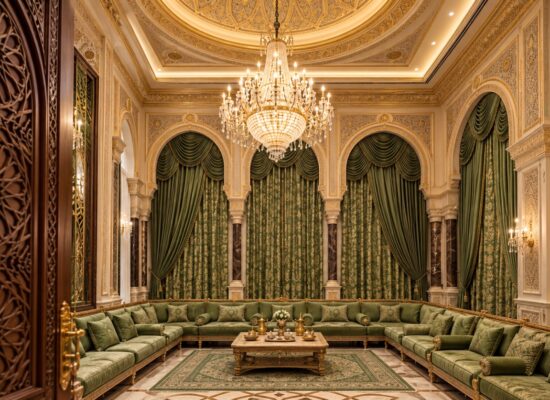
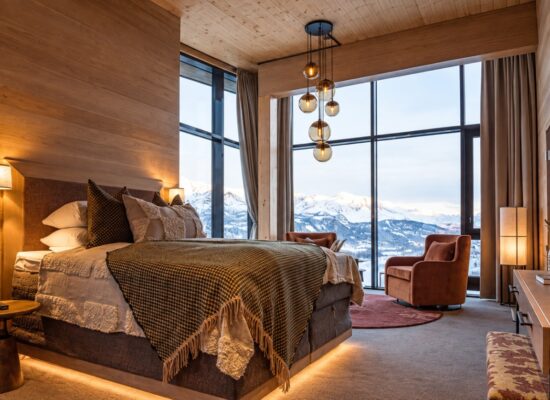
Turkish luxury chandeliers
Turkish Luxury Chandeliers: Heritage, Craftsmanship & Design Turkish luxury chandeliers bring together decorative craftsmanship, architectural scale and contemporary lighting technology…
29 Sep 2026
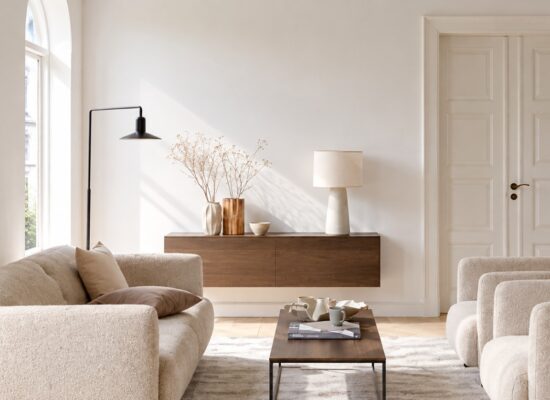
Norwegian designer lights
Norwegian Designer Lights & Bespoke Lighting Norwegian designer lights bring together minimalist aesthetics, functional design, refined materials and carefully controlled…
26 Sep 2026
Finnish designer lights
Finnish Designer Lights: The Essence of Nordic Lighting Design Finnish designer lights represent a distinctive approach to illumination where simplicity,…

25 Sep 2026
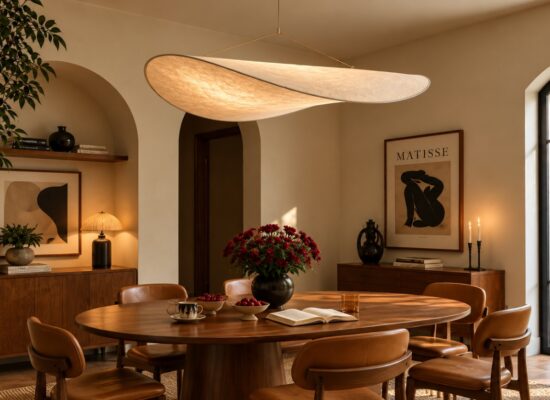
Swedish Bespoke Lights
Swedish Bespoke Lights: Scandinavian Craftsmanship, Design & Custom Lighting Swedish bespoke lights reflect a design philosophy built around simplicity, proportion,…
24 Sep 2026
Danish bespoke lights
Danish Bespoke Lights: Scandinavian Craftsmanship, Elegance & Custom Lighting Lighting is an essential part of how an interior is experienced.…
subscribe for newsletter

Luzion is a leading manufacturer and exporter of high-quality LED lighting solutions. With a focus on design, research, and innovation, we offer a wide range of products for commercial, industrial, residential, and outdoor spaces.
