

Search
Category
- Bollard Light
- Commercial Lighting
- Energy-Efficient Lighting
- LAMPS
- LED Lights
- LED Uplighter
- Light and Colour Theory
- Lighting & Signage Solutions
- Lighting Design and Facade Lighting
- Lighting Design Consultancy UAE
- lighting design principles
- Lighting Fundamentals and Design Principles
- Lighting Solutions
- Nature of Light in Lighting Design
- Panel Lights vs. Spot Lights
- Portable Lights
- Signage Solutions
- Smart Controllers for Streetlights
- Solar Lights
- Tree Lighter
- Uncategorized
Recent Posts

Polish bespoke chandeliers

Norwegian designer lights

Finnish designer lights

Swedish Bespoke Lights
Danish bespoke lights
Tags
- Architectural Lighting
- Architectural Lighting Design
- Architectural Lighting Design UAE
- automation
- Best Lighting Design Consultancy in UAE
- COB LED Technology
- COB Spotlights
- Color Temperature in Lighting
- Commercial Lighting Design
- Commercial Lighting Fixtures
- Commercial Lighting Innovations
- Commercial Lighting UAE
- Cylinder COB Lights
- Dialux Lighting Design
- Dialux Lighting Design UAE
- Energy Efficient Lighting
- Energy-Efficient Lighting USA
- Exterior Lighting Solutions
- Facade & Exterior Lighting
- Facade Lighting
- Facade Lighting Design
- Facade Lighting Design UAE
- Facade lighting ideas
- Facade Lighting UAE
- Facade Uplighting
- Green Building Design
- Indoor & Exterior Lighting Solutions
- Interior Lighting Design
- Lamps
- LED Lighting Solutions
- LED lights
- LED Panel
- LED Uplighters
- LED vs Halogen
- Light and Color Theory
- Lighting Basics
- Lighting Consultancy UAE
- Lighting Design
- Lighting Design Consultancy in UAE
- Lighting Design Principles
- Lighting Design UAE
- Lighting Fundamentals Guide
- Lighting Layers
- Lumen Output in Lighting
- Modern Building Lighting Ideas
- Modern Lighting Ideas
- Office Lighting Solutions
- Outdoor Lighting Consultants UAE
- Panel Lights vs. Spot Lights
- Portable Lights
- smart light
- Smart Lighting Systems
- Sustainable Architecture
- Sustainable Lighting UAE
- Villa Lighting UAE
29Sep 2026
- Lighting Solutions


Turkish luxury chandeliers
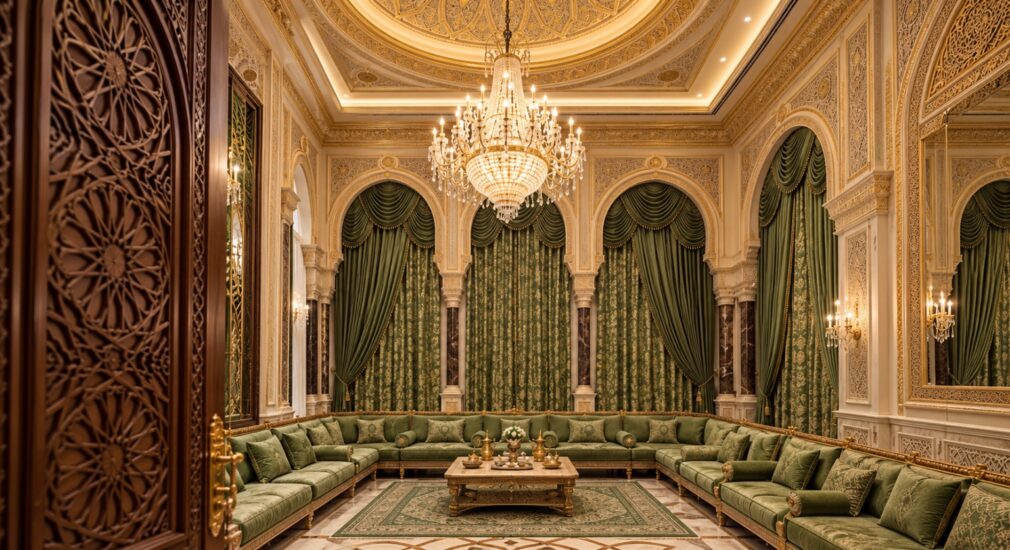
Turkish Luxury Chandeliers: Heritage, Craftsmanship & Design
Turkish luxury chandeliers bring together decorative craftsmanship, architectural scale and contemporary lighting technology to create a distinctive focal point for premium interiors. From grand hotel lobbies and private villas to restaurants, palaces, resorts and double-height residential spaces, these chandeliers can function as both a lighting element and a sculptural centrepiece.
Turkish chandelier design is influenced by a rich tradition of metalwork, glass artistry, ornamental detailing and interior decoration. Contemporary manufacturers and designers increasingly combine these influences with modern forms, energy-efficient LED technology, refined finishes and project-specific dimensions.
For architects, interior designers, lighting consultants, developers and procurement teams, the appeal goes beyond appearance. A luxury chandelier must also respond to ceiling height, room proportions, mounting conditions, lighting performance, material selection, maintenance requirements and the overall architectural language of the project.
Today, Turkish-inspired luxury chandeliers can be specified for projects in Istanbul, Dubai, Abu Dhabi, Riyadh, Doha, Muscat, Kuwait City, London, New York, Mumbai and other international luxury markets.
What Are Turkish Luxury Chandeliers?
Turkish luxury chandeliers are premium decorative lighting fixtures that reflect Turkish design influences through their forms, materials, ornamentation and craftsmanship. They may draw inspiration from traditional Turkish interiors while incorporating contemporary silhouettes suitable for modern hospitality, residential and commercial architecture.
They range from elaborate crystal and glass chandeliers to minimalist geometric installations and highly customized sculptural lighting.
Unlike a standard decorative ceiling light, a statement chandelier is often designed as part of the interior architecture. Its proportions, finish, light source, suspension system and visual presence are considered alongside furniture, ceiling details, wall finishes, flooring and other architectural elements.
This makes bespoke Turkish chandeliers particularly relevant for projects where standard catalogue products cannot achieve the required scale, appearance or technical specification.
What Makes Turkish Luxury Chandeliers Unique?
Several characteristics contribute to the distinctive identity of Turkish luxury lighting.
Handcrafted Decorative Detailing
Traditional craftsmanship remains an important influence in Turkish decorative lighting. Detailed metalwork, ornamental forms, carefully finished components and decorative glass elements can give a chandelier a highly refined appearance.
For luxury hospitality and residential projects, this craftsmanship can create a stronger sense of individuality than conventional mass-produced lighting.
Crystal and Glass Elements
Turkish crystal chandeliers may incorporate transparent, faceted or decorative glass elements to enhance visual depth and create reflections when illuminated.
Crystal and glass can be arranged as drops, pendants, clusters, tiers or sculptural compositions. The choice depends on the desired aesthetic, ceiling height and architectural setting.
Premium Metalwork
Metal is often an important structural and visual component. Brass, bronze, stainless steel, aluminium and other metal finishes can be used for frames, arms, decorative details and suspension components.
Finishes such as polished brass, brushed brass, antique brass, bronze, satin metal and custom finishes allow designers to coordinate the chandelier with the wider interior palette.
Bespoke Proportions
One of the most valuable characteristics of luxury chandelier design is the ability to adapt the fixture to the project.
A chandelier for a compact luxury restaurant may require a completely different diameter and suspension height from a large hotel atrium. Custom Turkish chandeliers can therefore be developed around architectural dimensions rather than forcing a standard fixture into an unsuitable space.
Traditional Influence with Contemporary Design
Modern Turkish chandelier design does not have to be heavily ornamental. Contemporary interpretations can use clean geometry, flowing forms, linear arrangements, rings, spheres, layered structures and sculptural compositions.
This makes Turkish-inspired lighting suitable for both classical luxury interiors and contemporary architectural spaces.
Materials & Finishes Used in Luxury Turkish Chandeliers
Material selection influences the chandelier’s appearance, durability, weight and relationship with the surrounding architecture.
| Material / Finish | Typical Design Application |
|---|---|
| Crystal | Luxury hotels, villas, ballrooms and statement interiors |
| Decorative glass | Contemporary and artistic chandelier designs |
| Brass | Classic, premium and hospitality interiors |
| Bronze | Heritage-inspired and sophisticated interiors |
| Stainless steel | Modern and contemporary installations |
| Aluminium | Lightweight architectural forms |
| Polished finishes | High-reflection luxury aesthetics |
| Brushed finishes | Subtle contemporary appearance |
| Antique finishes | Traditional and heritage-inspired interiors |
| Custom finishes | Bespoke architectural projects |
The best material is not necessarily the most decorative option. Architects and designers should consider weight, maintenance, corrosion resistance, installation conditions, colour consistency and compatibility with the interior environment before final specification.
Traditional vs Modern Turkish Chandeliers
Turkish luxury chandeliers can be broadly interpreted through different design directions.
Traditional Turkish chandeliers often feature ornamental detailing, decorative metalwork, crystal elements, multiple arms and layered compositions. They can complement classic residences, luxury hotels, palatial interiors and heritage-inspired spaces.
Modern Turkish chandeliers generally use cleaner geometry, restrained detailing and contemporary materials. Circular forms, linear structures, asymmetric compositions and integrated LED sources can work particularly well in modern villas, restaurants, offices and hospitality environments.
Contemporary bespoke chandeliers can combine both approaches. For example, a project may use traditional brass craftsmanship with a simplified geometric form and modern LED technology.
The choice should ultimately reflect the architecture, interior concept, ceiling scale and intended visual experience rather than following a single design trend.
Types of Turkish Luxury Chandeliers
The versatility of Turkish luxury chandeliers allows architects, interior designers and lighting consultants to select designs according to the scale, character and function of a space. From handcrafted crystal fixtures to contemporary sculptural installations, different chandelier forms can create very different architectural experiences.
Turkish Crystal Chandeliers
Turkish crystal chandeliers are designed to create sparkle, reflection and visual depth. Crystal elements can be arranged across multiple tiers, arms or suspended clusters, producing a dramatic effect when illuminated.
They are particularly suitable for luxury hotel lobbies, grand entrances, ballrooms, villas, restaurants, reception areas and formal residences where the lighting fixture is intended to become a prominent decorative feature.
The number, size and arrangement of crystal elements should be selected according to the room’s dimensions and viewing distance. In larger spaces, oversized crystal compositions can provide the visual scale needed to complement high ceilings.
Handmade Turkish Chandeliers
Handmade Turkish chandeliers emphasize craftsmanship and individuality. Decorative metal components, glass elements and structural details can be assembled and finished with greater attention to the character of the project.
This approach is valuable for boutique hotels, luxury residences and high-end restaurants where designers want lighting that feels distinctive rather than standardized.
Handcrafted production can also support project-specific requirements such as custom dimensions, finishes, proportions and decorative details.
Modern Turkish Chandeliers
Modern designs reinterpret Turkish craftsmanship through simpler forms and contemporary proportions.
These chandeliers may use:
- Circular frames
- Linear structures
- Geometric compositions
- Slim metal profiles
- Integrated LED sources
- Suspended rings
- Layered elements
- Minimal decorative detailing
Modern Turkish chandeliers are suitable for contemporary villas, luxury apartments, corporate interiors, restaurants, modern hotels and architectural spaces where a clean visual language is required.
Contemporary Turkish Chandeliers
Contemporary chandeliers can move beyond conventional symmetrical forms. Asymmetrical arrangements, sculptural shapes and suspended lighting clusters can be used to create an artistic installation.
For architects and interior designers, this approach can be especially effective in double-height spaces, atriums, staircases and feature ceilings.
The chandelier becomes part of the interior composition rather than simply being positioned at the centre of a room.
Bespoke Turkish Chandeliers
Bespoke Turkish chandeliers are developed around the specific requirements of a project. Instead of selecting a standard catalogue size, designers can define the fixture’s dimensions, shape, finish, number of light sources and suspension configuration.
Customisation can include:
- Diameter and overall dimensions
- Number of tiers
- Suspension height
- Metal finish
- Glass or crystal selection
- Light source
- Colour temperature
- Dimming requirements
- Mounting configuration
- Decorative elements
- Ceiling integration
This makes bespoke chandeliers particularly useful for projects with unusual ceiling heights, large atriums or strong interior design concepts.
Large Statement Chandeliers
Large statement chandeliers are generally specified where lighting needs to create an immediate visual impact.
They can be designed as large circular structures, cascading installations, multi-level compositions or custom sculptural forms.
For a luxury hotel atrium or grand entrance, the chandelier may extend across several metres and become one of the most recognizable interior elements.
However, scale should always be considered carefully. A large chandelier should complement the architecture rather than overwhelm the space.
Multi-Tier Chandeliers
Multi-tier chandeliers create vertical depth and are particularly suitable for rooms with high ceilings.
Different tiers can be arranged to produce:
- Layered illumination
- Greater visual volume
- A stronger focal point
- Vertical architectural rhythm
They are frequently considered for hotel lobbies, ballrooms, staircases, grand residences and double-height entrances.
Where Are Turkish Luxury Chandeliers Used?
The application of a chandelier depends on the architectural setting, ceiling dimensions, interior style and desired lighting effect.
Luxury Hotel Lobbies
A hotel lobby is often the first major interior experience for guests. A carefully designed chandelier can establish the character of the property from the entrance.
Large crystal chandeliers, sculptural installations and custom suspended lighting can be used above reception areas, lounge spaces and central atriums.
For hospitality projects, designers should consider the chandelier alongside the overall lighting scheme rather than treating it as an isolated decorative element.
Ambient lighting, accent lighting, wall lighting and architectural illumination should work together to create a balanced environment.
Grand Hotel Entrances & Atriums
High-volume spaces require lighting fixtures with sufficient visual scale.
A custom luxury chandelier for a hotel atrium can be designed around the height and geometry of the space. Multi-tier or cascading structures are particularly effective where the chandelier needs to occupy a significant vertical volume.
In large developments, technical planning becomes equally important. Suspension points, structural loads, access for maintenance, electrical connections and installation procedures should be considered during the design stage.
Luxury Villas & Private Residences
In luxury residential projects, chandeliers are often used to define key architectural moments.
Popular locations include:
- Entrance foyers
- Double-height living rooms
- Dining rooms
- Staircases
- Private lounges
- Bedrooms
- Entertainment areas
A bespoke chandelier can be matched with the villa’s marble, wood, metalwork, furniture and architectural detailing to create a coordinated interior.
For residential projects in Dubai, Abu Dhabi, Riyadh, Doha, London, Mumbai and other luxury markets, the chandelier can also become a signature element reflecting the property’s design identity.
Fine-Dining Restaurants
Restaurants require a balance between atmosphere and functional illumination.
Decorative chandeliers can create intimacy, visual hierarchy and a memorable dining environment while complementary architectural lighting provides practical illumination.
For fine-dining spaces, designers may select smaller repeated chandeliers over individual tables, larger central installations or custom compositions integrated into the ceiling design.
Palaces & Grand Residences
Large residences and palace-style interiors often benefit from elaborate chandelier compositions.
Crystal, brass, bronze and decorative glass can complement classical architecture, ornate ceilings, marble surfaces and rich interior materials.
For these projects, chandelier proportions are particularly important because the fixture must visually relate to large rooms, high ceilings and substantial architectural detailing.
Luxury Retail & Commercial Interiors
Statement lighting can also be used in premium retail stores, showrooms, corporate reception areas and high-end commercial spaces.
Here, contemporary Turkish chandelier designs can provide a sophisticated visual identity without competing excessively with merchandise, branding or architectural displays.
Choosing the Right Chandelier for Different Spaces
There is no single chandelier style that works for every project. Selection should begin with the architecture and intended experience.
| Space | Suitable Chandelier Direction | Key Consideration |
|---|---|---|
| Hotel lobby | Large crystal or sculptural | Scale and visual impact |
| Atrium | Multi-tier or cascading | Ceiling height and suspension |
| Luxury villa | Bespoke or decorative | Interior coordination |
| Dining room | Crystal or contemporary | Proportion and atmosphere |
| Restaurant | Decorative or repeated pendants | Comfort and ambience |
| Grand staircase | Vertical or cascading | Sightlines and structure |
| Ballroom | Large multi-tier | Ceiling scale and uniformity |
| Retail space | Contemporary sculptural | Brand and interior balance |
| Private residence | Custom decorative | Personal design language |
The objective is not simply to select the most elaborate chandelier. The right fixture should have the correct proportion, material language, light quality and visual relationship with the surrounding architecture.
Turkish Chandeliers as Architectural Focal Points
Luxury chandeliers can influence how people experience an interior. A large installation can draw attention toward an entrance, define the centre of a lobby or reinforce the vertical scale of a double-height room.
This is why chandelier specification should ideally begin during the architectural and interior design stages.
When the lighting fixture is considered early, designers can coordinate:
- Ceiling details
- Structural support
- Electrical points
- Suspension systems
- Lighting controls
- Maintenance access
- Interior finishes
- Furniture placement
- Viewing angles
For complex hospitality and architectural projects, this integrated approach allows the chandelier to become part of the overall lighting and interior concept rather than an afterthought.
Turkish Luxury Chandeliers for International Architectural Projects
The demand for distinctive decorative lighting extends across luxury hospitality, residential, retail and commercial architecture worldwide. Turkish luxury chandeliers can be adapted to different architectural styles, interior palettes and project scales, making them relevant to both traditional and contemporary developments.
For international projects, chandelier selection involves more than aesthetics. Architects, lighting designers and procurement teams may need to consider custom dimensions, electrical requirements, mounting conditions, material finishes, lighting performance, installation access and project-specific specifications.
From historic interiors in Turkey to contemporary hospitality projects in the Middle East, Europe, North America and Asia, bespoke chandelier design can be adapted to the character of each location.
Turkish Chandeliers in Turkey
Turkey remains an important cultural reference point for decorative lighting and architectural craftsmanship. Luxury interiors across Istanbul, Ankara, Izmir, Bursa, Antalya, Gaziantep, Konya and Adana can incorporate chandelier designs ranging from traditional ornamental forms to contemporary installations.
Istanbul
Istanbul’s combination of historic architecture and modern luxury development creates opportunities for both classical and contemporary chandelier designs.
Large crystal fixtures can complement grand hospitality interiors, while contemporary sculptural chandeliers can suit modern hotels, residences, restaurants and commercial developments.
Ankara & Other Turkish Cities
In Ankara, contemporary hospitality, residential and commercial interiors can benefit from refined chandelier designs that combine decorative detailing with modern lighting technology.
Cities such as Izmir, Bursa and Antalya also offer diverse architectural settings, from luxury hospitality and resort interiors to premium residential developments.
The design approach can therefore vary from elaborate multi-tier chandeliers to minimalist bespoke installations.
Turkish Luxury Chandeliers in UAE & GCC Markets
The Middle East is an important market for high-end architectural and decorative lighting, particularly across luxury hospitality, residential, retail and mixed-use developments.
Projects in Dubai, Abu Dhabi, Riyadh, Jeddah, Doha, Muscat, Kuwait City and Manama can require lighting fixtures that combine visual impact with project-specific technical requirements.
Dubai & Abu Dhabi
In the UAE, luxury hotels, private residences, restaurants and commercial interiors often feature prominent decorative lighting.
A bespoke Turkish chandelier for a Dubai villa may be developed around a double-height entrance, while a larger custom installation can be specified for a hotel lobby or atrium.
In Abu Dhabi, chandelier designs can complement luxury hospitality, residential and institutional interiors through carefully selected finishes, proportions and decorative details.
Saudi Arabia
Luxury developments in Riyadh, Jeddah, Dammam, Al Khobar and Diriyah can require statement lighting for hotels, private residences, restaurants and large-scale commercial interiors.
For these projects, oversized chandeliers may need detailed coordination with ceiling structures, access systems, electrical infrastructure and installation requirements.
Custom manufacturing can help designers achieve the required dimensions and architectural proportions.
Qatar
In Doha and Lusail, contemporary hospitality, residential and commercial projects can use sculptural and bespoke chandeliers to establish a distinctive interior identity.
Modern geometric forms, suspended rings, crystal compositions and custom cascading installations can be adapted to different ceiling heights and architectural concepts.
Kuwait, Bahrain & Oman
Luxury interiors in Kuwait City, Manama and Muscat can combine decorative chandelier design with contemporary architectural lighting.
For villas, hotels and premium restaurants, designers can select materials and finishes that complement marble, timber, stone, metalwork and other interior finishes.
In larger spaces, custom chandelier structures can be designed to create a stronger visual relationship with the architecture.
Turkish Chandeliers in India
India offers a broad range of luxury residential, hospitality and commercial projects where decorative lighting can become an important interior feature.
Projects in Mumbai, Delhi, Ahmedabad, Bengaluru, Hyderabad, Chennai, Pune, Jaipur and Surat can incorporate Turkish-inspired chandeliers according to the architectural style and project requirements.
In luxury residences, chandeliers may be used in entrance foyers, dining rooms, living areas and double-height staircases. Hotels and resorts can use larger installations in lobbies, restaurants, reception areas and banquet spaces.
Indian projects can also combine Turkish decorative influences with locally developed interior concepts, creating a distinctive fusion between craftsmanship and contemporary architecture.
Turkish Luxury Chandeliers in the USA
The US luxury market includes diverse interior styles, from contemporary urban residences to large hospitality and commercial developments.
Cities such as New York, Los Angeles, Miami, Chicago, Dallas, Houston, Las Vegas and San Francisco offer different architectural environments for statement lighting.
In New York and other major cities, contemporary sculptural chandeliers can work within luxury residential, hospitality and retail interiors. In resort destinations such as Miami and Las Vegas, larger decorative installations can contribute to dramatic interior experiences.
For US projects, technical specification, electrical compatibility, mounting requirements, documentation and installation coordination should be established before manufacturing.
Turkish Chandeliers in the UK
Luxury residential and hospitality projects across the UK can use Turkish-inspired chandeliers in both traditional and contemporary environments.
London provides opportunities for bespoke lighting in luxury residences, hotels, restaurants, private clubs and premium commercial interiors.
In cities such as Manchester, Birmingham, Edinburgh and Glasgow, chandelier designs can be adapted to boutique hospitality, residential developments, restaurants and commercial spaces.
For heritage-inspired interiors, brass, bronze and crystal details can complement traditional architecture. Contemporary projects may instead favour geometric forms, clean profiles and integrated LED technology.
Turkish Luxury Chandeliers Across Europe
European interiors offer a wide range of architectural styles, making adaptable chandelier design particularly relevant.
Luxury projects in Milan, Paris, Madrid, Barcelona, Berlin, Vienna, Zurich, Amsterdam, Brussels, Copenhagen and Stockholm can incorporate bespoke chandeliers according to local architectural and interior design requirements.
In classical environments, decorative metalwork and crystal can reinforce the character of the space. In contemporary architecture, sculptural, minimalist and geometric chandeliers can create a contrasting focal point.
European luxury interiors may also place greater emphasis on restrained proportions, refined materials and integration with the overall lighting scheme.
Global Applications Beyond Major Markets
The potential for bespoke chandelier projects extends beyond the major markets mentioned above.
Luxury hotels, resorts, private residences, restaurants, retail destinations and commercial developments across Asia, Africa, Australia and other international markets can specify custom decorative lighting when a project requires a distinctive visual identity.
For international procurement, manufacturers and lighting suppliers may need to coordinate product documentation, dimensions, finishes, electrical specifications, packaging, logistics and installation information according to the destination market.
Why Customisation Matters for International Projects
Every architectural project has different spatial and technical conditions. A chandelier designed for a compact restaurant cannot simply be scaled proportionally for a five-storey atrium without reviewing its structure, lighting performance and installation requirements.
Bespoke luxury chandelier manufacturing allows project teams to define the fixture according to:
- Overall dimensions
- Ceiling height
- Available mounting points
- Number of light sources
- Lighting output
- Colour temperature
- Dimming requirements
- Material and finish
- Crystal or glass selection
- Suspension length
- Structural requirements
- Maintenance access
- Interior design concept
This project-specific approach is particularly valuable for international developments where the chandelier is expected to become a signature architectural element.
International Sourcing & Project Coordination
When sourcing Turkish luxury chandeliers or Turkish-inspired bespoke lighting, architects and procurement teams should evaluate both visual quality and technical capability.
Important project documentation can include product drawings, dimensions, material specifications, electrical details, installation information, finish samples and maintenance recommendations.
For larger hospitality and architectural projects, early coordination between the architect, interior designer, lighting consultant, electrical consultant, contractor, manufacturer and procurement team can reduce installation complications and ensure that the finished chandelier meets the intended design concept.
The result is a decorative lighting installation that not only creates visual impact but also works as an integrated component of the wider architectural lighting strategy.
How to Choose the Right Turkish Luxury Chandelier
Choosing a Turkish luxury chandelier should begin with the architecture rather than the fixture itself. The correct design needs to complement the room’s dimensions, ceiling height, interior materials, furniture arrangement and overall lighting concept.
For architects, interior designers and procurement teams, the selection process should consider both visual and technical requirements.
Consider Room Size and Ceiling Height
The chandelier’s dimensions should be proportional to the space.
A compact chandelier may disappear within a large double-height lobby, while an oversized fixture can dominate a smaller dining room. Ceiling height is equally important because it determines the appropriate chandelier length, suspension arrangement and viewing relationship.
Large atriums and hotel lobbies may require multi-level or cascading installations, whereas private dining rooms may benefit from more controlled proportions.
Select the Appropriate Style
The chandelier should support the interior’s architectural language.
Traditional interiors can work well with decorative brass, bronze, crystal and ornamental designs.
Modern interiors may benefit from geometric structures, slim metal profiles, circular forms or integrated LED elements.
Contemporary luxury projects can use sculptural or asymmetrical chandeliers to create a distinctive architectural focal point.
Evaluate Light Quality
A chandelier should not be selected purely for decoration. Its light output, colour temperature, distribution and control system should support the functional requirements of the space.
Depending on the application, designers may specify:
- Warm white lighting for hospitality and residential ambience
- Adjustable colour temperature where flexibility is required
- Dimmable LED systems
- Integrated LED modules
- Replaceable light sources
- Layered lighting with complementary architectural fixtures
The chandelier should work with ambient, accent and decorative lighting rather than creating excessive brightness or glare.
Custom & Bespoke Turkish Luxury Chandeliers
One of the strongest advantages of bespoke chandelier development is the ability to create a fixture specifically for an architectural project.
A custom Turkish chandelier can be developed according to the project’s dimensions, interior concept and technical requirements instead of relying entirely on standard catalogue sizes.
What Can Be Customised?
Depending on the manufacturer and project scope, customization may include:
- Chandelier diameter
- Overall height
- Number of tiers
- Shape and geometry
- Metal construction
- Surface finish
- Crystal or glass elements
- Number of light sources
- LED specification
- Colour temperature
- Dimming system
- Suspension length
- Mounting arrangement
- Decorative detailing
For large hospitality projects, the chandelier can also be designed as a complete installation rather than a single conventional fixture.
This is particularly useful for hotel atriums, grand staircases, luxury villas, restaurants, ballrooms and large entrance spaces.
Technical Considerations for Architects & Lighting Designers
A luxury chandelier should be coordinated with architectural and electrical design before manufacturing begins.
Structural Load
Large chandeliers can be considerably heavier than standard decorative fixtures. The ceiling structure and suspension points should therefore be evaluated before installation.
For oversized installations, structural coordination should take place at an early stage.
Electrical Requirements
The electrical configuration should be established according to the selected LED system or light source.
Project teams may need to coordinate:
- Input voltage
- Power consumption
- Driver requirements
- Driver location
- Dimming compatibility
- Control systems
- Wiring routes
- Emergency or backup requirements where applicable
Installation & Maintenance
Large or complex chandeliers should be designed with installation and future maintenance in mind.
Architects and contractors should consider how technicians will access the fixture for cleaning, inspection, LED replacement or driver maintenance.
For high ceilings, access equipment and maintenance procedures can significantly influence the practical design of the chandelier.
Lighting Design & Integration
The chandelier should form part of the wider lighting scheme.
In a luxury hotel lobby, for example, the chandelier may provide decorative focal lighting while recessed downlights, wall washers, linear lighting and accent fixtures provide functional and architectural illumination.
For complex projects, lighting calculations and spatial coordination can help determine the required output and distribution before final production.
Turkish Luxury Chandeliers for Luxury Hospitality Projects
Hospitality projects often require lighting that creates an immediate sense of identity.
A custom chandelier can be designed specifically for:
- Five-star hotels
- Boutique hotels
- Luxury resorts
- Fine-dining restaurants
- Hotel reception areas
- Grand lobbies
- Ballrooms
- Event spaces
- Spa and wellness interiors
- Premium lounges
The design should reflect the hotel’s architectural concept and brand character while meeting practical requirements for installation, maintenance and lighting control.
Turkish Chandeliers for Luxury Villas & Residential Projects
In luxury residential architecture, decorative lighting can become an important part of the interior composition.
A bespoke chandelier can be coordinated with marble, natural stone, timber, brass, glass, artwork and custom furniture to create a cohesive environment.
Popular residential applications include entrance foyers, double-height living rooms, dining areas, staircases and private lounges.
For villas in markets such as the UAE, Saudi Arabia, Qatar, India, the UK and the USA, custom dimensions can be particularly valuable because architectural scales and interior concepts vary considerably between projects.
Why Bespoke Lighting Support Matters
Selecting a luxury chandelier is only one part of a successful project. The manufacturer or lighting partner should also be able to understand architectural drawings, coordinate technical details and adapt the product to project requirements.
For professional projects, useful support can include:
- Product specification
- Custom design development
- Material and finish selection
- Technical drawings
- Lighting consultation
- Project-specific dimensions
- Installation coordination
- Product documentation
- International project support
- Manufacturing and export coordination
For architects, developers, contractors, hospitality groups and procurement teams, this integrated approach can make the transition from design concept to finished installation more efficient.
Luzion for Bespoke Luxury Lighting Projects
Luzion Lighting supports architectural and bespoke lighting requirements for projects where standard lighting products may not provide the required design, dimensions or technical characteristics.
As an architectural lighting manufacturer and lighting solutions provider from India, Luzion can work with architects, interior designers, developers, contractors, lighting consultants and procurement teams on project-specific lighting requirements.
For luxury interiors, bespoke lighting can be developed around the architectural concept, material palette, spatial dimensions and desired lighting experience.
From luxury hotels and resorts to villas, restaurants, commercial interiors and high-end architectural developments, project requirements can be discussed around custom dimensions, finishes, lighting performance and installation considerations.
For international projects across the UAE, Saudi Arabia, Qatar, Kuwait, Bahrain, Oman, USA, UK, Europe and other markets, early technical coordination can help ensure that the lighting solution is aligned with the project’s architectural and procurement requirements.
Frequently Asked Questions
1. What are Turkish luxury chandeliers?
Turkish luxury chandeliers are premium decorative lighting fixtures influenced by Turkish craftsmanship and design traditions. They may combine crystal, glass, brass, bronze, stainless steel and other materials with traditional, modern or contemporary forms.
2. What makes Turkish chandeliers different?
Their appeal often comes from the combination of decorative craftsmanship, material detailing, ornamental influences and adaptable contemporary designs. Bespoke versions can also be developed according to specific architectural dimensions and finishes.
3. Can Turkish luxury chandeliers be customised?
Yes. Depending on the manufacturer, chandeliers can be customised in dimensions, shape, finish, number of tiers, suspension length, light source, colour temperature, crystal or glass elements and other project-specific details.
4. Which Turkish chandeliers are suitable for luxury hotels and villas?
Crystal, multi-tier, sculptural and bespoke chandeliers can be suitable for luxury hotels and villas. The appropriate choice depends on ceiling height, room dimensions, interior style, required lighting effect and installation conditions.
5. How do I choose the right chandelier size?
Start with the room’s dimensions, ceiling height, furniture arrangement and viewing distance. Large rooms and atriums generally require greater visual scale, while smaller rooms need more controlled proportions. Structural and installation requirements should also be reviewed.
6. Can luxury chandeliers be supplied for international projects?
Yes. International projects can be supported through project-specific manufacturing, technical documentation, custom dimensions, finish selection, packaging and export coordination. Requirements should be confirmed according to the destination market and project specifications.
Create a Bespoke Lighting Concept for Your Project
A luxury chandelier should be more than a decorative object. When its scale, materials, illumination, structure and architectural setting are carefully coordinated, it can become a defining element of the interior.
For a hotel, villa, resort, restaurant, commercial development or private residence, a bespoke lighting solution can be developed around the project’s architectural requirements.
Discuss your chandelier or bespoke lighting requirement with Luzion Lighting for project-specific design, manufacturing and international supply support.
Related posts
29 Sep 2026
Polish bespoke chandeliers
Polish Bespoke Chandeliers: Craftsmanship, Character and Contemporary Design A chandelier can do more than illuminate a room. In a well-designed…
29 Sep 2026
Norwegian designer lights
Norwegian Designer Lights & Bespoke Lighting Norwegian designer lights bring together minimalist aesthetics, functional design, refined materials and carefully controlled…
26 Sep 2026
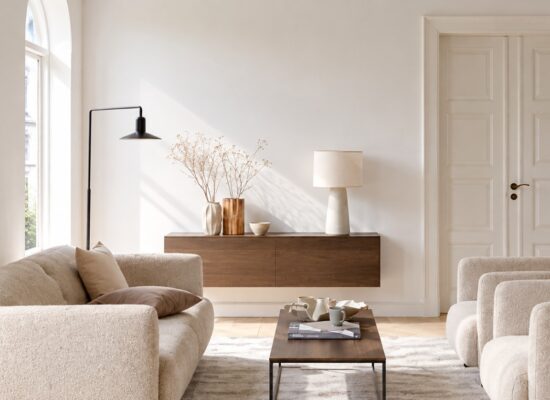
Finnish designer lights
Finnish Designer Lights: The Essence of Nordic Lighting Design Finnish designer lights represent a distinctive approach to illumination where simplicity,…

25 Sep 2026
Swedish Bespoke Lights
Swedish Bespoke Lights: Scandinavian Craftsmanship, Design & Custom Lighting Swedish bespoke lights reflect a design philosophy built around simplicity, proportion,…
24 Sep 2026
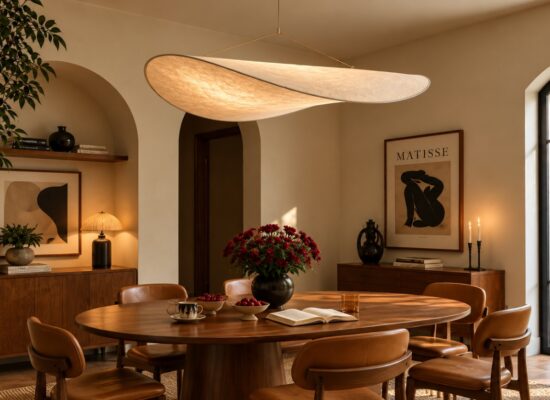
Danish bespoke lights
Danish Bespoke Lights: Scandinavian Craftsmanship, Elegance & Custom Lighting Lighting is an essential part of how an interior is experienced.…
subscribe for newsletter

Luzion is a leading manufacturer and exporter of high-quality LED lighting solutions. With a focus on design, research, and innovation, we offer a wide range of products for commercial, industrial, residential, and outdoor spaces.
