
Search
Category
- Bollard Light
- Commercial Lighting
- Energy-Efficient Lighting
- LAMPS
- LED Lights
- LED Uplighter
- Light and Colour Theory
- Lighting & Signage Solutions
- Lighting Design and Facade Lighting
- Lighting Design Consultancy UAE
- lighting design principles
- Lighting Fundamentals and Design Principles
- Lighting Solutions
- Nature of Light in Lighting Design
- Panel Lights vs. Spot Lights
- Portable Lights
- Signage Solutions
- Smart Controllers for Streetlights
- Solar Lights
- Tree Lighter
- Uncategorized
Recent Posts

Swedish Bespoke Lights

Venetian bespoke chandeliers
Murano bespoke lights
Swiss bespoke lights
Portuguese bespoke lights
Tags
- Architectural Lighting
- Architectural Lighting Design
- Architectural Lighting Design UAE
- automation
- Best Lighting Design Consultancy in UAE
- COB LED Technology
- COB Spotlights
- Color Temperature in Lighting
- Commercial Lighting Design
- Commercial Lighting Fixtures
- Commercial Lighting Innovations
- Commercial Lighting UAE
- Cylinder COB Lights
- Dialux Lighting Design
- Dialux Lighting Design UAE
- Energy Efficient Lighting
- Energy-Efficient Lighting USA
- Exterior Lighting Solutions
- Facade & Exterior Lighting
- Facade Lighting
- Facade Lighting Design
- Facade Lighting Design UAE
- Facade lighting ideas
- Facade Lighting UAE
- Facade Uplighting
- Green Building Design
- Indoor & Exterior Lighting Solutions
- Interior Lighting Design
- Lamps
- LED Lighting Solutions
- LED lights
- LED Panel
- LED Uplighters
- LED vs Halogen
- Light and Color Theory
- Lighting Basics
- Lighting Consultancy UAE
- Lighting Design
- Lighting Design Consultancy in UAE
- Lighting Design Principles
- Lighting Design UAE
- Lighting Fundamentals Guide
- Lighting Layers
- Lumen Output in Lighting
- Modern Building Lighting Ideas
- Modern Lighting Ideas
- Office Lighting Solutions
- Outdoor Lighting Consultants UAE
- Panel Lights vs. Spot Lights
- Portable Lights
- smart light
- Smart Lighting Systems
- Sustainable Architecture
- Sustainable Lighting UAE
- Villa Lighting UAE
24Sep 2026
- Lighting Solutions


Danish bespoke lights
Danish Bespoke Lights: Scandinavian Craftsmanship, Elegance & Custom Lighting
Lighting is an essential part of how an interior is experienced. Beyond providing illumination, a carefully designed light fixture can define atmosphere, complement architecture and introduce a distinctive visual character to a space. Danish bespoke lights bring together refined Scandinavian design, functional thinking, craftsmanship and carefully considered materials to create lighting that feels both contemporary and timeless.
Danish lighting is widely associated with simplicity, clean proportions and an understated approach to luxury. Rather than relying on excessive ornamentation, Danish design often focuses on the relationship between form, material, light and the surrounding architecture. This makes Danish bespoke lighting particularly relevant for architects, interior designers, hospitality developers and private clients looking for lighting that can be tailored to a specific project.
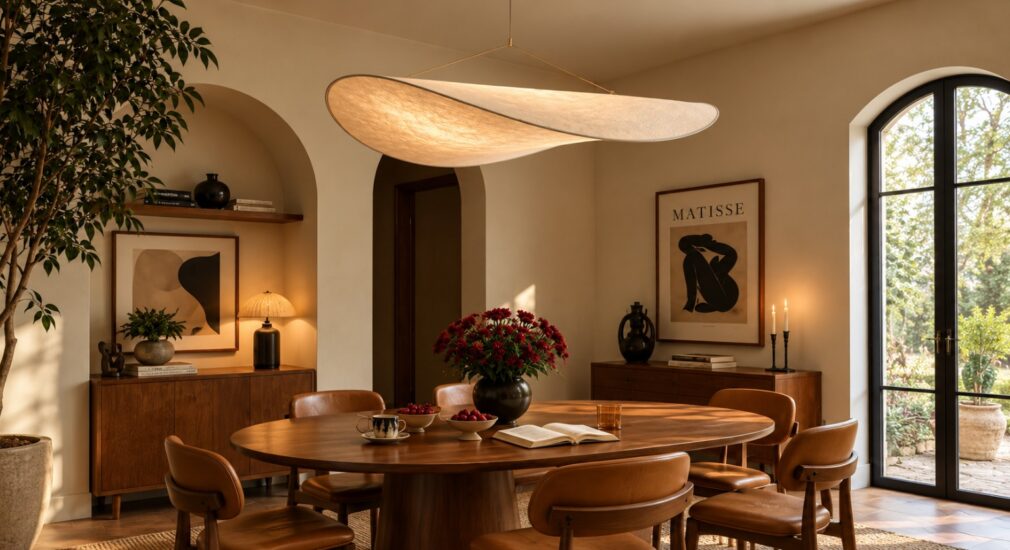
From a sculptural pendant above a dining table to a custom chandelier in a luxury hotel lobby, bespoke Danish-inspired lighting can be developed around the dimensions, interior language and functional requirements of a project.
What Are Danish Bespoke Lights?
Danish bespoke lights are custom-designed or specially crafted lighting fixtures influenced by the principles of Danish and Scandinavian design. Unlike standard catalogue lighting, bespoke fixtures can be adapted to a project’s architectural requirements, dimensions, materials, finishes and aesthetic direction.
The word “bespoke” is important because custom lighting is not limited to selecting an existing fixture in a different colour. Depending on the project, customisation can involve the fixture’s:
- Dimensions and proportions
- Shape and geometry
- Material selection
- Surface finish
- Colour and texture
- Light source
- Colour temperature
- Beam distribution
- Dimming requirements
- Mounting configuration
- Suspension length
- Electrical specifications
This flexibility allows designers to create lighting that belongs naturally to the architecture rather than appearing as an independent decorative element.
For international projects, bespoke lighting can also be developed around local project requirements, ceiling heights, electrical standards, installation conditions and interior specifications.
The Philosophy Behind Danish Lighting Design
The character of Danish lighting is closely connected with the wider principles of Danish design and Scandinavian modernism. The approach generally favours functionality, simplicity, craftsmanship and visual balance.
A Danish-inspired lighting fixture may appear simple at first glance, but its proportions, materials and light distribution are carefully considered. The objective is often to create a comfortable visual experience without unnecessary complexity.
This design philosophy makes Danish lighting particularly suitable for contemporary architectural environments where every element needs to work together.
Simplicity Without Losing Character
Minimalism does not mean that a fixture has to be visually plain. A simple silhouette can become highly distinctive through proportion, material, detailing and illumination.
A softly curved pendant, for example, can create a strong architectural presence without dominating the interior. Similarly, a linear bespoke fixture can follow the geometry of a ceiling or architectural feature while maintaining a clean visual appearance.
Function Meets Aesthetics
One of the defining qualities of Scandinavian design is the connection between practical function and aesthetics.
In lighting, this means considering not only how a fixture looks but also how it performs. Glare control, light distribution, visual comfort, mounting position and illumination levels can all influence the final design.
For architects and lighting designers, this combination of visual refinement and technical performance is particularly valuable in hospitality, residential, commercial and architectural projects.
Why Choose Bespoke Danish-Style Lighting?
Standard lighting products are designed for broad applications. Bespoke lighting takes a different approach by responding to the specific requirements of an individual project.
For a luxury residence, the fixture may need to complement a particular interior material palette. In a hotel, a large custom chandelier may need to work with a double-height lobby. In a restaurant, decorative pendants may need to establish a particular atmosphere while providing comfortable illumination.
Danish bespoke lighting allows these requirements to be considered during the design process.
Architectural Integration
Custom lighting can be designed around the architecture instead of forcing the architecture to accommodate a standard product.
Fixtures can follow curved ceilings, elongated dining tables, feature walls, staircases, reception counters or other architectural elements. This creates a more integrated relationship between lighting and space.
Custom Dimensions
Large-scale architectural projects often require lighting dimensions that are not available in standard collections.
Bespoke fabrication allows designers to specify the overall width, diameter, height, suspension length or configuration according to the project.
This is particularly useful for:
- Hotel lobbies
- Grand staircases
- Luxury villas
- Private residences
- Restaurants
- Retail interiors
- Corporate headquarters
- Reception areas
- High-end residential developments
Material & Finish Selection
Material selection plays an important role in the character of Danish-inspired lighting.
Depending on the design concept, bespoke fixtures may incorporate materials such as metal, glass, aluminium, brass, stainless steel, wood or other carefully selected finishes.
Finishes can also be coordinated with architectural hardware, furniture, wall treatments and interior details to create a cohesive design language.
Danish Bespoke Lights for Contemporary Interiors
The versatility of Danish design allows bespoke lighting to work across a wide range of contemporary interiors.
In a minimalist residence, a sculptural pendant can become a subtle focal point above a dining table. In a luxury hotel, a collection of custom fixtures can reinforce the property’s identity. In a premium restaurant, warm decorative lighting can create a more intimate environment.
The same principles can also be translated into architectural lighting applications where the fixture itself becomes part of the spatial composition.
For international projects, designers can combine Danish-inspired aesthetics with local architectural styles rather than treating Scandinavian design as a fixed visual formula.
Scandinavian Influence on Danish Bespoke Lighting
Danish lighting forms part of the broader Scandinavian design tradition, but Danish design has its own distinctive character. It commonly combines restrained forms with practical functionality and a strong appreciation for craftsmanship.
This makes Scandinavian bespoke lighting an important related search and design category for architects and interior professionals exploring Danish lighting.
The relationship can be understood through several shared principles:
| Design Principle | Application in Bespoke Lighting |
|---|---|
| Minimalism | Clean silhouettes and uncluttered forms |
| Functionality | Practical illumination with visual comfort |
| Craftsmanship | Attention to construction and detailing |
| Natural materials | Wood, glass, metal and refined finishes |
| Proportion | Balanced dimensions suited to the space |
| Warm ambience | Comfortable and considered illumination |
| Timeless design | Forms designed to remain relevant over time |
These characteristics allow Danish-inspired fixtures to complement both modern and transitional interiors.
Where Danish Bespoke Lights Can Be Used
Bespoke Danish lighting can be specified across residential, hospitality, commercial and architectural environments.
Luxury Hotels
Hotels often require lighting that contributes to a distinctive guest experience. Custom chandeliers, pendant installations, wall lights and decorative fixtures can be developed specifically for reception areas, restaurants, lounges, corridors and suites.
Luxury Villas & Residences
Private residences provide an opportunity for highly personalised lighting. Bespoke fixtures can be created to complement interior architecture, furniture, artwork and material palettes.
Restaurants & Fine Dining
Lighting has a strong influence on the atmosphere of a restaurant. Danish-inspired pendant lights, decorative wall fixtures and custom installations can provide functional illumination while supporting the intended dining experience.
Commercial & Corporate Interiors
Reception areas, meeting spaces, executive offices and hospitality zones can benefit from custom lighting that reflects a company’s architectural identity without excessive visual complexity.
Architectural & Interior Projects
Architects and interior designers can use bespoke lighting as part of a wider design concept, coordinating fixture dimensions, finishes and illumination with the building’s architecture.
A Timeless Approach to Luxury Lighting
Luxury does not always require visual extravagance. In Danish-inspired design, luxury can be expressed through precision, material quality, proportion and craftsmanship.
A carefully engineered bespoke pendant with refined detailing may have greater long-term design value than an overly decorative fixture. This understated approach makes Danish bespoke lights suitable for projects where the objective is to create sophisticated interiors that remain visually relevant for years.
For architects, developers and interior designers, the value of bespoke lighting lies not only in the appearance of the fixture but also in its ability to become part of the project’s overall architectural language.
Types of Danish Bespoke Lights for Luxury & Architectural Interiors
The appeal of Danish bespoke lights lies in the ability to adapt the fixture to the character and requirements of a specific space. From elegant pendant lights and sculptural chandeliers to discreet wall fixtures and architectural installations, Danish-inspired lighting can be developed in many forms.
For architects, interior designers, hospitality developers and procurement teams, the choice of fixture is influenced by more than appearance. Scale, mounting height, light distribution, material, finish, colour temperature and installation requirements all contribute to the final result.
Danish Bespoke Chandeliers
A custom chandelier can become a defining feature within a luxury interior. Unlike mass-produced chandeliers, a Danish bespoke chandelier can be designed around the dimensions and geometry of the space.
Large hospitality projects may require elongated or multi-level chandelier compositions, while private residences may benefit from a more restrained sculptural arrangement.
Custom chandelier designs can be developed for:
- Hotel reception and lobby areas
- Grand staircases
- Luxury villas
- Private dining rooms
- Fine-dining restaurants
- Premium retail spaces
- Executive residences
- Double-height interiors
The design can incorporate multiple light sources, carefully positioned elements and custom suspension lengths to create a balanced relationship between the fixture and architecture.
Danish Bespoke Pendant Lights
Pendant lighting is one of the most versatile formats within Scandinavian-inspired interiors. A single pendant can provide a subtle focal point, while multiple pendants can create rhythm and visual continuity across a larger space.
Danish bespoke pendant lights can be customised in terms of diameter, height, shape, suspension system, finish and lighting performance.
They can be used above:
- Dining tables
- Kitchen islands
- Reception desks
- Restaurant tables
- Lounge areas
- Bedside spaces
- Meeting tables
- Retail displays
For larger projects, a series of individually proportioned pendants can be arranged at different heights to create a more dynamic composition.
Danish Bespoke Wall Lights
Wall lighting can combine decorative presence with functional illumination. Danish bespoke wall lights are particularly useful where the fixture needs to complement architectural surfaces without visually overwhelming them.
Custom wall fixtures can be developed for hotel corridors, bedroom interiors, staircases, restaurants, reception areas and residential spaces.
Depending on the design objective, the fixture may provide direct illumination, indirect illumination or a combination of both.
For hospitality interiors, concealed or carefully controlled light sources can help create a comfortable atmosphere while maintaining the clean visual language associated with Scandinavian design.
Danish Bespoke Ceiling Lights
Ceiling-mounted fixtures offer an alternative where suspended lighting is not appropriate or where the architecture requires a more integrated solution.
Custom ceiling lights can be designed around the dimensions of a room and coordinated with other architectural elements.
These fixtures can be particularly effective in:
- Corridors
- Hotel rooms
- Retail interiors
- Offices
- Residential living spaces
- Restaurants
- Reception areas
Low-profile designs can maintain a minimal aesthetic, while larger sculptural ceiling fixtures can become architectural focal points.
Danish Bespoke Floor Lamps
Floor lamps provide both decorative and functional value. A custom Danish-inspired floor lamp can be designed with a specific height, base geometry, shade proportion and finish to complement furniture and interior architecture.
In luxury residences, floor lamps can be positioned beside sofas, lounge chairs or reading areas. In hotels and hospitality environments, custom floor fixtures can support the overall design language across guestrooms and public spaces.
Danish Bespoke Table Lamps
Table lamps offer an opportunity to introduce smaller-scale craftsmanship into an interior.
A Danish bespoke table lamp can be customised around the proportions of a bedside table, console, desk or decorative surface. Materials, shade geometry, base design and light source can all be considered as part of the overall concept.
For boutique hotels and luxury residences, custom table lamps can also be developed as part of a coordinated lighting collection.
Materials Used in Danish Bespoke Lighting
Materials have a significant influence on how a lighting fixture looks and performs. Danish-inspired design often favours materials that communicate quality through their texture, finish and construction rather than excessive decoration.
Metal
Metal is widely suited to bespoke lighting because it can be formed into precise geometries and finished in different ways.
Depending on the design, custom fixtures may use:
- Aluminium
- Brass
- Stainless steel
- Mild steel
- Copper
- Powder-coated metal
Brushed, polished, satin, textured and powder-coated finishes can create different visual characteristics while maintaining a refined appearance.
Glass
Glass can introduce softness, transparency and visual lightness into a lighting design.
Bespoke glass elements may be clear, opal, frosted, tinted or specially shaped according to the fixture concept. Glass pendants and decorative elements can work particularly well in hospitality, residential and dining environments.
When combined with carefully controlled LED illumination, glass can create a soft and comfortable visual effect.
Wood
Wood can introduce a warmer and more tactile quality to Scandinavian-inspired lighting.
Different wood tones can be coordinated with furniture, flooring and architectural finishes. Wooden elements may be incorporated into lamp bodies, decorative components or structural details depending on the design.
Brass & Premium Metallic Finishes
Brass and other refined metallic finishes can add warmth and sophistication to contemporary interiors.
For luxury hotels, villas and high-end residential projects, finishes such as brushed brass, antique brass, satin brass or custom metallic treatments can create a more distinctive appearance.
The selected finish can also be coordinated with door hardware, furniture details and other architectural elements.
Custom Finishes for Danish Designer Lighting
The finish of a fixture can significantly change how it interacts with its surroundings.
A matte finish may support a restrained minimalist interior, while a polished metallic surface can introduce a stronger decorative accent. Textured finishes can provide additional depth without requiring complex ornamentation.
For bespoke projects, finish specifications can be developed around the interior design palette.
This can include:
- Custom RAL colours
- Matte finishes
- Satin finishes
- Brushed metal
- Polished metal
- Textured coatings
- Custom metallic finishes
- Special glass treatments
The objective is to ensure that the lighting fixture feels intentionally designed for the project rather than simply selected from a standard catalogue.
Light Source & Technical Customisation
Aesthetics are only one part of bespoke lighting. Professional projects also require careful consideration of technical performance.
Custom Danish-inspired fixtures can be developed around specific LED requirements, including:
- Wattage
- Lumen output
- Colour temperature
- Colour Rendering Index (CRI)
- Beam angle
- Dimming
- Driver configuration
- Control systems
- Mounting requirements
- Emergency lighting requirements where applicable
For interiors where artwork, materials or premium finishes need accurate colour representation, a high-CRI LED specification may be considered.
Warm colour temperatures are often selected for hospitality and residential environments where a comfortable ambience is required, while other applications may require different colour temperatures based on the architectural and functional brief.
Bespoke Lighting for Different Ceiling Heights
Ceiling height is another important consideration when designing custom fixtures.
A pendant or chandelier intended for a standard residential ceiling may require very different proportions from a fixture designed for a hotel lobby or double-height atrium.
Bespoke manufacturing allows the fixture dimensions and suspension system to be adapted accordingly.
For large architectural spaces, this can include:
- Extended suspension cables
- Multi-tier configurations
- Large-format fixtures
- Linear compositions
- Custom mounting plates
- Cluster arrangements
- Special structural supports
This level of flexibility is particularly valuable for international architectural projects where every space can have different dimensions and installation conditions.
From Scandinavian Inspiration to Project-Specific Design
Danish bespoke lighting should not be limited to reproducing a particular Scandinavian aesthetic. The strongest custom lighting concepts interpret the underlying principles of simplicity, functionality, proportion and craftsmanship while adapting them to the architecture.
A luxury villa in Dubai, a boutique hotel in London, a restaurant in Riyadh or a contemporary residence in New York may each require a different interpretation of Danish-inspired lighting.
The fixture can therefore be developed around the project’s architecture, interior palette, technical requirements and intended atmosphere while retaining the refined character associated with Danish bespoke lighting.
This combination of design flexibility and technical customisation makes bespoke lighting relevant to both decorative interiors and professionally specified architectural projects.
Danish Bespoke Lights for Hospitality, Residential & Architectural Projects
The versatility of Danish bespoke lights makes them suitable for a wide range of international interiors. Their combination of refined proportions, functional illumination and custom craftsmanship allows lighting designers and architects to develop fixtures around the identity of each project.
From luxury hotels and private villas to restaurants, retail spaces and corporate interiors, bespoke Danish-inspired lighting can be adapted to different architectural styles, ceiling heights, material palettes and technical requirements.
Rather than using one standard design across every application, bespoke lighting provides the opportunity to create a coordinated lighting language throughout an entire project.
Danish Bespoke Lighting for Luxury Hotels
Hotels are among the most demanding environments for custom lighting because lighting needs to support architecture, hospitality, branding and guest experience simultaneously.
Danish bespoke hotel lighting can be developed for reception areas, lobbies, restaurants, lounges, corridors, guestrooms and other public spaces.
A large custom chandelier can create a visual centrepiece in a lobby, while smaller pendant or wall fixtures can establish continuity across guestrooms and circulation areas.
For hospitality projects, designers may specify:
- Custom lobby chandeliers
- Decorative pendant lights
- Bespoke wall lights
- Guestroom lighting
- Restaurant lighting
- Lounge lighting
- Corridor fixtures
- Reception lighting
- Custom bedside lamps
The design can remain visually consistent while individual fixtures are adjusted according to the function and scale of each space.
Danish Bespoke Lights for Luxury Villas
Luxury residential architecture often requires a more personalised approach to lighting.
A bespoke fixture can be developed around the proportions of a dining area, double-height entrance, staircase, living room or master bedroom. This allows the lighting to become part of the interior architecture rather than simply an accessory.
For villas, Danish custom lighting can complement materials such as natural stone, timber, marble, glass, metal and textured wall finishes.
Pendant lights above dining tables, sculptural chandeliers in entrance halls and custom wall lights in corridors can create a cohesive visual language throughout the residence.
The understated character of Scandinavian-inspired design can also work effectively within contemporary luxury villas where the objective is to create sophistication without excessive ornamentation.
Danish Lighting for Restaurants & Fine Dining
Restaurant lighting needs to balance visual atmosphere with practical illumination.
Danish bespoke restaurant lighting can be designed around the seating arrangement, ceiling structure, interior materials and overall dining concept.
Custom pendants can be positioned above individual tables, while larger installations can define a central dining zone or bar area.
For fine-dining environments, carefully selected colour temperatures and glare control can contribute to a comfortable atmosphere. Lighting can also be coordinated with furniture, wall finishes and decorative elements to create a unified interior.
Custom fixtures are particularly useful when a restaurant has an unusual ceiling geometry or requires a lighting installation that is not available as a standard product.
Danish Bespoke Lighting for Commercial Interiors
Commercial environments increasingly use lighting as part of their architectural identity.
Offices, showrooms, retail stores, corporate headquarters and premium business interiors can use Danish designer lighting to create a sophisticated and cohesive environment.
Linear fixtures, pendant installations, custom ceiling lights and decorative wall lighting can be designed around reception areas, meeting rooms, collaborative spaces and customer-facing zones.
For corporate interiors, bespoke lighting can also be coordinated with branding, furniture systems and architectural finishes without relying on overly decorative forms.
Danish Bespoke Lighting for Retail & Showrooms
Retail environments require lighting that supports both the architecture and the products being displayed.
Custom Danish-inspired fixtures can provide ambient illumination while creating distinctive visual features within a showroom.
Pendant clusters, linear installations and sculptural fixtures can be positioned over product displays, reception counters or feature zones.
Where product presentation requires controlled illumination, technical LED specifications can be integrated into the custom fixture design.
This approach allows decorative design and functional lighting performance to work together.
Danish Bespoke Lights Across International Markets
The demand for customised lighting is not limited to one architectural market. Danish-inspired lighting can be adapted to different regions while maintaining its core design principles.
Danish Bespoke Lights in the UAE
The UAE has a diverse architectural landscape ranging from contemporary residences and luxury hotels to premium retail developments and large hospitality projects.
Danish bespoke lights in the UAE can be adapted for villas, hotels, restaurants, commercial interiors and high-end residential developments in Dubai, Abu Dhabi and other major locations.
For UAE projects, designers may combine Scandinavian-inspired simplicity with larger architectural dimensions, warm metallic finishes and statement lighting installations suited to luxury interiors.
Custom suspension lengths, large-format fixtures and project-specific finishes can be particularly useful for high-ceiling interiors and hospitality environments.
Danish Bespoke Lighting in Saudi Arabia
Saudi Arabia’s expanding hospitality, residential, commercial and mixed-use development sector creates opportunities for highly customised lighting solutions.
Danish bespoke lighting in Saudi Arabia can be developed for luxury hotels, private residences, restaurants, corporate environments and premium commercial interiors.
Projects in Riyadh, Jeddah and other growing urban centres may require lighting designed around large spaces, distinctive architectural concepts and detailed interior specifications.
Custom fixtures can be coordinated with stone, wood, metal and other materials frequently used within contemporary luxury interiors.
Danish Bespoke Lights in Qatar
In Qatar, bespoke lighting can support luxury hospitality, residential and commercial architecture.
Danish bespoke lights in Doha can be designed for hotels, restaurants, private residences, corporate interiors and high-end public spaces.
The ability to customise fixture dimensions, finishes and lighting characteristics makes bespoke lighting suitable for projects where standard products may not match the architectural brief.
Danish Bespoke Lighting in Kuwait
Kuwait’s luxury residential, hospitality and commercial interiors can incorporate Scandinavian-inspired custom lighting as part of contemporary architectural schemes.
Danish bespoke lighting in Kuwait can include chandeliers, pendants, wall fixtures and custom decorative installations designed around the project’s interior architecture.
For private residences and hospitality spaces, refined metallic finishes and carefully proportioned fixtures can complement contemporary luxury interiors.
Danish Bespoke Lights in Bahrain & Oman
Bahrain and Oman also offer opportunities for custom lighting across hospitality, residential and commercial developments.
Danish bespoke lights in Bahrain can be adapted for hotels, restaurants, villas and premium commercial interiors, while Danish bespoke lighting in Oman can complement hospitality developments, private residences and contemporary architectural projects.
In both markets, project-specific dimensions and finishes can help designers integrate lighting with the architectural character of each development.
Danish Bespoke Lighting in the USA
The USA offers a broad range of architectural and interior applications for custom lighting, from luxury residential projects to hospitality and commercial developments.
Danish bespoke lights in the USA can be specified for contemporary homes, boutique hotels, restaurants, retail environments and architectural interiors.
American projects may require custom dimensions, electrical configurations and project-specific finishes. Bespoke manufacturing allows these details to be considered during the development stage.
Scandinavian-inspired lighting can also complement modern interiors that favour clean lines, natural materials and restrained decorative elements.
Danish Bespoke Lighting in the UK & Europe
Danish design has a natural connection with the wider European design landscape, making bespoke Scandinavian-inspired lighting suitable for contemporary residential, hospitality and commercial projects across the UK and Europe.
Danish bespoke lights in the UK can be used in luxury homes, hotels, restaurants, offices and retail interiors, while European projects can combine Danish design principles with local architectural traditions.
In cities with strong architectural and interior design industries, bespoke lighting can be developed as part of a complete interior concept rather than treated as an isolated decorative product.
Danish Bespoke Lighting in India
India’s luxury hospitality, residential and commercial sectors increasingly use international design influences within contemporary architectural projects.
Danish bespoke lights in India can bring Scandinavian-inspired simplicity and craftsmanship into luxury villas, hotels, restaurants, offices and premium residential developments.
Custom manufacturing also allows designers to adapt dimensions, finishes and specifications according to local project requirements.
Why Architects & Designers Specify Bespoke Lighting
For architects and interior designers, bespoke lighting provides a greater level of design control than standard catalogue products.
A custom fixture can be developed around the project’s:
- Architectural geometry
- Interior concept
- Ceiling dimensions
- Material palette
- Furniture design
- Lighting requirements
- Colour temperature
- Installation conditions
- Project budget
- Brand identity
This collaborative approach can be especially valuable for projects where lighting is intended to become a visible part of the architecture.
Creating a Consistent Lighting Language
Large projects often contain several different spaces, each with a different functional requirement. Bespoke lighting can help connect these areas through common materials, proportions, finishes or design details.
For example, a hotel may use a large chandelier in the lobby, pendant lights in the restaurant, wall lights in corridors and table lamps in guestrooms. Each fixture can have a different form while maintaining a shared design language.
This creates continuity without making every space look identical.
Bespoke Lighting for International Projects
International architectural projects often involve multiple stakeholders, including architects, interior designers, lighting consultants, MEP consultants, contractors and procurement teams.
A professional bespoke lighting process therefore needs to consider both creative and technical requirements.
Project documentation may include dimensional drawings, material specifications, finish samples, lighting data, installation details and technical documentation depending on the scope.
When these elements are addressed early, the lighting fixture can be developed as an integrated part of the project rather than added at the final stage.
From luxury hotels in the UAE and Saudi Arabia to private residences in the UK, USA and India, Danish bespoke lighting can be interpreted according to local architecture while retaining its characteristic emphasis on simplicity, proportion, craftsmanship and functionality.
The Danish Bespoke Lighting Process
Creating a successful Danish bespoke lighting solution involves more than selecting an attractive fixture. A professional custom lighting project brings together design intent, architectural dimensions, material selection, lighting performance and installation requirements.
For architects, interior designers, lighting consultants, developers and procurement teams, the process should begin with a clear understanding of the space and continue through design development, technical coordination, production and installation.
1. Understanding the Project Brief
Every bespoke lighting project begins with the project requirements.
The design team may provide architectural drawings, interior concepts, mood boards, reference images, ceiling plans, furniture layouts and lighting requirements.
Important considerations can include:
- Project type
- Space dimensions
- Ceiling height
- Fixture quantity
- Intended visual effect
- Mounting method
- Required illumination
- Preferred materials
- Finish requirements
- Colour temperature
- Dimming and control requirements
- Installation conditions
A clear brief helps transform a design concept into a manufacturable lighting solution.
2. Developing the Lighting Concept
The next stage is translating the architectural and interior concept into a lighting form.
For Danish bespoke lights, the design may focus on clean geometry, balanced proportions, subtle detailing and carefully selected materials.
Depending on the project, the fixture can be:
- Minimal and understated
- Sculptural and decorative
- Linear and architectural
- Geometric and contemporary
- Softly curved
- Modular or cluster-based
The objective is not simply to make a fixture visually different. It is to create a lighting element that belongs naturally within the architecture.
3. Selecting Materials & Finishes
Materials and finishes are then selected according to the interior concept and performance requirements.
A project may specify brushed brass, powder-coated aluminium, stainless steel, glass, wood or another material depending on the design.
For international projects, finish samples can be reviewed before production to ensure that the final fixture aligns with the approved interior palette.
This stage is particularly important for luxury hotels, villas and premium commercial interiors where consistency across multiple fixtures is essential.
4. Technical Lighting Development
Once the visual direction is established, technical parameters can be incorporated into the design.
A professional bespoke lighting manufacturer can coordinate specifications such as:
- LED wattage
- Lumen output
- Colour temperature
- CRI
- Beam angle
- LED type
- Driver selection
- Dimming
- Control compatibility
- IP rating where required
- Input voltage
- Mounting configuration
The technical specification should be appropriate for the intended application rather than selected independently from the design.
For example, a decorative pendant for a hotel restaurant may require a different LED configuration from an architectural fixture designed for a commercial workspace.
5. Custom Dimensions & Proportions
One of the main advantages of bespoke lighting is dimensional flexibility.
The size of a fixture can be developed according to the space instead of being restricted to standard catalogue dimensions.
A large chandelier may need to be proportioned for a double-height lobby, while a pendant above a dining table may require a more compact form.
Custom dimensions can include:
- Overall height
- Width
- Diameter
- Length
- Suspension height
- Fixture spacing
- Number of lighting elements
- Ceiling mounting arrangement
This ensures that the final installation has the intended visual balance.
Bespoke Lighting for Architects, Designers & Procurement Teams
A successful custom lighting project requires collaboration between creative and technical teams.
For Architects
Architects can use bespoke lighting to reinforce architectural geometry and create visual focal points. Custom fixtures can follow ceiling forms, structural features, staircases and other elements of the building.
For Interior Designers
Interior designers can coordinate fixture materials, colours and finishes with furniture, wall treatments, flooring and decorative elements.
For Lighting Designers
Lighting designers can specify the required illumination, colour temperature, beam distribution, glare control and control systems according to the project.
For MEP Consultants
Electrical loads, drivers, power requirements, control systems and installation provisions can be coordinated during technical development.
For Contractors
Detailed dimensions, mounting requirements and installation information can help simplify on-site coordination.
For Procurement Teams
Procurement teams can evaluate quantities, specifications, finishes, production requirements, documentation and project timelines before final approval.
Danish Bespoke Lighting with Modern LED Technology
Traditional design principles can be combined with contemporary LED technology to create efficient and visually refined lighting.
LED technology provides flexibility in fixture design because compact light sources can be integrated into decorative and architectural forms without requiring large conventional lamps.
Depending on the application, bespoke fixtures can incorporate:
- High-CRI LED sources
- Dimmable LED systems
- Warm white illumination
- Tunable lighting solutions
- Linear LED modules
- Integrated LED profiles
- Smart lighting controls
The final specification should be determined by the project’s lighting objectives, interior environment and control requirements.
Creating Comfortable Illumination
A beautiful fixture still needs to provide comfortable light.
For hospitality and residential interiors, designers often pay close attention to glare, brightness, colour temperature and light distribution.
The LED source can be positioned or concealed within the fixture to reduce direct visual exposure where appropriate.
This allows the design to retain its clean appearance while creating a more comfortable visual environment.
Quality & Craftsmanship in Bespoke Lighting
Bespoke lighting requires attention to both visible and concealed components.
The quality of a custom fixture can depend on the accuracy of fabrication, surface treatment, assembly, electrical components and finishing.
For premium projects, design teams may evaluate:
- Material quality
- Fabrication precision
- Surface consistency
- Weld and joint quality
- Glass quality
- LED performance
- Driver quality
- Mechanical stability
- Installation method
- Long-term maintainability
This is particularly relevant when lighting fixtures are installed in prominent locations such as hotel lobbies, luxury residences and high-end restaurants.
Luzion for Danish-Inspired Bespoke Lighting Projects
Luzion develops architectural and bespoke lighting solutions for projects where standard catalogue products may not fully address the design requirements.
The approach can combine custom fixture development with architectural lighting expertise, allowing designers and project teams to consider both aesthetics and technical performance.
For international projects, bespoke lighting can be developed according to project-specific dimensions, finishes, LED specifications and application requirements.
The scope can support applications across:
- Luxury hospitality
- Residential architecture
- Villas
- Restaurants
- Commercial interiors
- Retail environments
- Corporate spaces
- Architectural developments
For architects, developers, interior designers, lighting consultants and procurement teams, the process can begin with the project concept and progress toward a customised lighting solution aligned with the architectural brief.
Designing a Distinctive Lighting Identity
The strongest bespoke lighting projects do more than illuminate a space. They contribute to its identity.
A custom chandelier can become the defining feature of a hotel lobby. A series of pendant lights can establish rhythm across a restaurant. A carefully proportioned wall fixture can enhance a corridor or residential interior.
Danish-inspired design offers a particularly adaptable foundation because its principles focus on proportion, functionality, material quality and visual restraint.
Whether the project is located in the UAE, Saudi Arabia, Qatar, Kuwait, Bahrain, Oman, USA, UK, Europe or India, the lighting can be adapted to the architectural context rather than following a rigid design formula.
Frequently Asked Questions
1. What are Danish bespoke lights?
Danish bespoke lights are custom-designed or specially developed lighting fixtures inspired by Danish and Scandinavian design principles. They can be customised in dimensions, materials, finishes, lighting specifications and mounting configurations according to project requirements.
2. What types of Danish bespoke lights can be customised?
Custom options can include chandeliers, pendant lights, wall lights, ceiling lights, floor lamps, table lamps and larger architectural lighting installations. The exact design can be developed around the project’s dimensions and interior concept.
3. Are Danish bespoke lights suitable for hotels and villas?
Yes. Bespoke Danish-inspired lighting can be developed for luxury hotels, villas, restaurants, residences, commercial interiors and other architectural applications. Fixture dimensions, finishes and technical specifications can be adapted to the space.
4. Can Danish bespoke lighting be customised for international projects?
Yes. Custom lighting can be developed around project-specific dimensions, materials, finishes, LED specifications, electrical requirements and installation conditions for international architectural projects.
5. What materials can be used for Danish bespoke lighting?
Depending on the design, bespoke fixtures can incorporate aluminium, brass, stainless steel, steel, glass, wood and other project-specific materials. Finishes can also be selected to coordinate with the interior architecture.
6. Can Danish bespoke lights use modern LED technology?
Yes. Bespoke fixtures can integrate modern LED sources with specifications such as colour temperature, CRI, lumen output, dimming, beam distribution and control compatibility according to the application’s requirements.
Conclusion
Danish bespoke lights represent a refined approach to custom lighting, combining Scandinavian design principles with project-specific craftsmanship and modern LED technology.
From custom chandeliers and pendant lights to wall fixtures, floor lamps and architectural installations, bespoke lighting can be developed around the dimensions, materials and character of a project.
For luxury hotels, villas, restaurants, commercial interiors and high-end architectural developments, the combination of custom dimensions, premium finishes, carefully selected materials and professional lighting specifications can create fixtures that feel integrated rather than generic.
For architects, interior designers, developers, lighting consultants and procurement professionals seeking Danish bespoke lighting, the most effective approach is to define the design intent early and coordinate aesthetic, technical and installation requirements throughout the project.
Luzion can support bespoke and architectural lighting requirements with project-focused design, customisation and manufacturing capabilities for international applications.
Related posts

25 Sep 2026
Swedish Bespoke Lights
Swedish Bespoke Lights: Scandinavian Craftsmanship, Design & Custom Lighting Swedish bespoke lights reflect a design philosophy built around simplicity, proportion,…

24 Sep 2026
Venetian bespoke chandeliers
Venetian Bespoke Chandeliers: The Art of Luxury Glass Lighting Venetian bespoke chandeliers bring together decorative lighting, glass craftsmanship and architectural…
23 Sep 2026
Murano bespoke lights
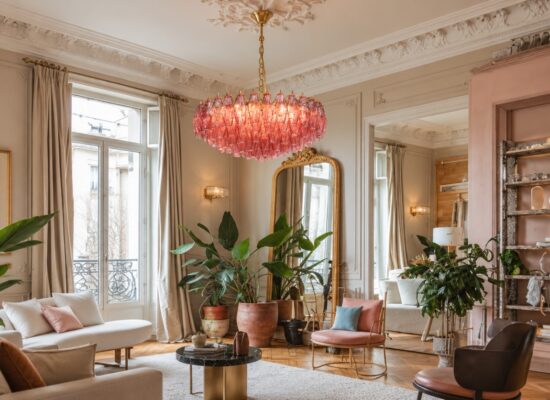
Murano Bespoke Lights: Luxury Glass Lighting for Global Architecture Lighting can transform the character of an architectural space. In luxury…
23 Sep 2026
Swiss bespoke lights
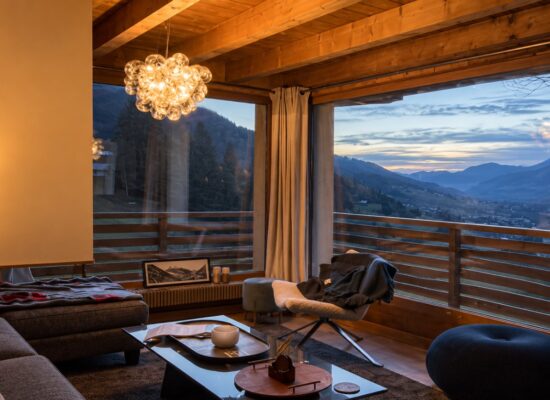
Swiss Bespoke Lights: Custom Luxury Lighting for Global Architecture Lighting has become an integral part of architectural expression. In premium…
22 Sep 2026
Portuguese bespoke lights
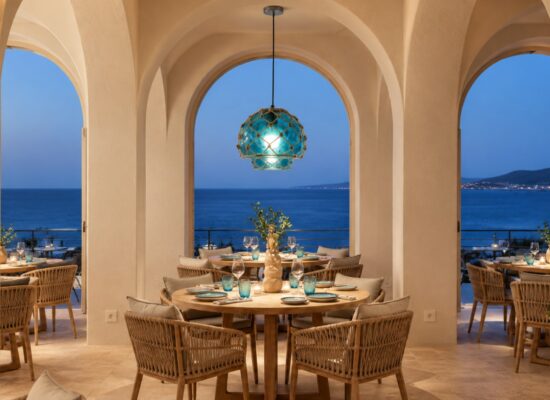
Portuguese Bespoke Lights: Crafted Lighting for Distinctive Interiors & Architecture Lighting can become one of the defining elements of an…
subscribe for newsletter

Luzion is a leading manufacturer and exporter of high-quality LED lighting solutions. With a focus on design, research, and innovation, we offer a wide range of products for commercial, industrial, residential, and outdoor spaces.
