

Search
Category
- Bollard Light
- Commercial Lighting
- Energy-Efficient Lighting
- LAMPS
- LED Lights
- LED Uplighter
- Light and Colour Theory
- Lighting & Signage Solutions
- Lighting Design and Facade Lighting
- Lighting Design Consultancy UAE
- lighting design principles
- Lighting Fundamentals and Design Principles
- Lighting Solutions
- Nature of Light in Lighting Design
- Panel Lights vs. Spot Lights
- Portable Lights
- Signage Solutions
- Smart Controllers for Streetlights
- Solar Lights
- Tree Lighter
- Uncategorized
Recent Posts
Japanese bespoke lights

Turkish luxury chandeliers

Polish bespoke chandeliers
Norwegian designer lights

Finnish designer lights
Tags
- Architectural Lighting
- Architectural Lighting Design
- Architectural Lighting Design UAE
- automation
- Best Lighting Design Consultancy in UAE
- COB LED Technology
- COB Spotlights
- Color Temperature in Lighting
- Commercial Lighting Design
- Commercial Lighting Fixtures
- Commercial Lighting Innovations
- Commercial Lighting UAE
- Cylinder COB Lights
- Dialux Lighting Design
- Dialux Lighting Design UAE
- Energy Efficient Lighting
- Energy-Efficient Lighting USA
- Exterior Lighting Solutions
- Facade & Exterior Lighting
- Facade Lighting
- Facade Lighting Design
- Facade Lighting Design UAE
- Facade lighting ideas
- Facade Lighting UAE
- Facade Uplighting
- Green Building Design
- Indoor & Exterior Lighting Solutions
- Interior Lighting Design
- Lamps
- LED Lighting Solutions
- LED lights
- LED Panel
- LED Uplighters
- LED vs Halogen
- Light and Color Theory
- Lighting Basics
- Lighting Consultancy UAE
- Lighting Design
- Lighting Design Consultancy in UAE
- Lighting Design Principles
- Lighting Design UAE
- Lighting Fundamentals Guide
- Lighting Layers
- Lumen Output in Lighting
- Modern Building Lighting Ideas
- Modern Lighting Ideas
- Office Lighting Solutions
- Outdoor Lighting Consultants UAE
- Panel Lights vs. Spot Lights
- Portable Lights
- smart light
- Smart Lighting Systems
- Sustainable Architecture
- Sustainable Lighting UAE
- Villa Lighting UAE
30Sep 2026
- Lighting Solutions


Greek bespoke lights
Greek Bespoke Lights for Luxury Architectural Projects
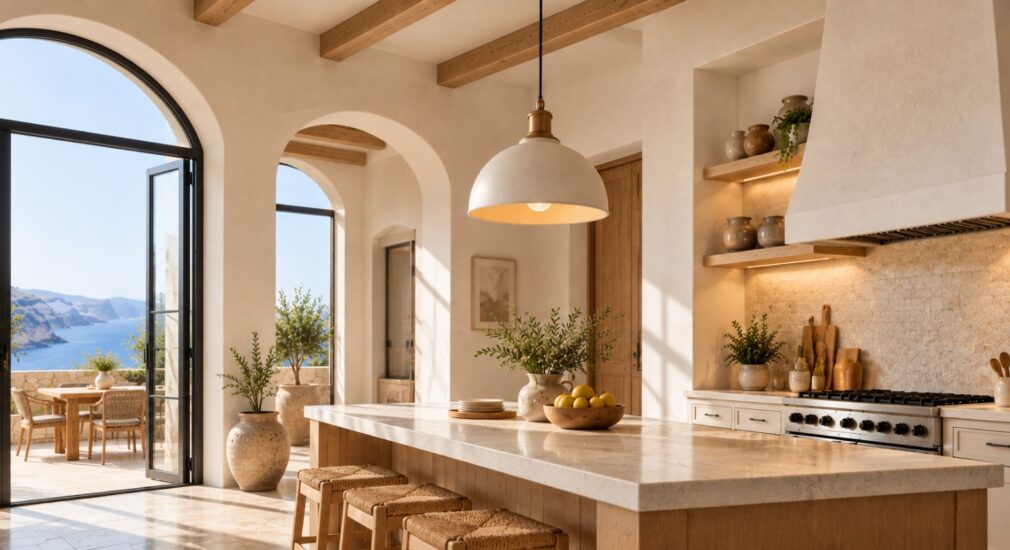
Greek bespoke lights combine artistic expression, Mediterranean design influences and project-specific craftsmanship to create lighting fixtures that are developed around a particular interior or architectural concept. Unlike standard catalogue luminaires, bespoke lighting can be adapted in terms of dimensions, materials, finishes, form, light source and installation requirements.
For architects, interior designers, lighting designers and hospitality developers, the value of bespoke lighting is not simply its appearance. A custom fixture can become part of the architecture itself—defining a lobby, emphasizing a staircase, creating a focal point above a dining table or complementing the material language of a luxury villa.
Greek-inspired lighting is particularly interesting for projects influenced by Mediterranean architecture, contemporary Greek interiors, coastal resorts and luxury hospitality design. Traditional references such as stone, metal, glass and handcrafted detailing can be interpreted through modern forms to create lighting that feels distinctive without becoming visually excessive.
What Makes Greek Bespoke Lighting Different?
Greek lighting design can draw from the country’s architectural heritage while responding to contemporary requirements. Classical proportions, Mediterranean materials, natural textures and sculptural forms can be reinterpreted for modern hotels, villas, restaurants, retail environments and residential interiors.
The result does not necessarily need to look traditionally Greek. A contemporary Greek designer light may use a minimalist silhouette, refined metalwork or sculptural glass while retaining a sense of Mediterranean character.
For a project team, the important distinction is that bespoke lighting begins with the design intent of the project rather than forcing the project to accommodate an existing fixture.
This allows the lighting manufacturer to develop a product around:
- Architectural dimensions
- Ceiling height and mounting conditions
- Interior design language
- Material and finish schedules
- Required light distribution
- Colour temperature
- Dimming requirements
- Electrical specifications
- Installation constraints
- Project quantity and budget
- International certification requirements
Greek Bespoke Lighting at a Glance
| Design Consideration | Bespoke Approach |
|---|---|
| Form | Developed around the project's architectural concept |
| Dimensions | Can be adjusted to suit the space |
| Materials | Metal, glass, stone, wood and other project-specified materials |
| Finish | Custom colour, texture or surface treatment |
| Light Source | LED module, COB LED, lamp or project-specific source |
| CCT | Typically selected according to the visual atmosphere required |
| CRI | Can be specified for hospitality, retail, residential or artwork applications |
| Optics | Selected according to the intended light distribution |
| Controls | Dimming and lighting-control compatibility can be considered |
| Installation | Mounting system developed according to site conditions |
From Greek Craftsmanship to Contemporary Luxury
The appeal of Greek luxury lighting comes partly from the relationship between material, proportion and light. In a luxury environment, the fixture itself may be decorative during the day while becoming an important element of the lighting composition after sunset.
For example, a sculptural pendant over a hotel reception desk can serve as both an architectural feature and a source of ambient illumination. Similarly, a series of custom wall lights can reinforce the rhythm of a corridor or highlight textured stone surfaces.
This approach is particularly valuable when architects want the lighting to feel integrated rather than added.
A bespoke luminaire can follow the geometry of a ceiling, respond to a curved wall, fit a specific opening or repeat a design language used elsewhere in the project.
Greek-Inspired Lighting for Contemporary Architecture
Modern architectural projects increasingly combine regional identity with contemporary design. This makes Greek-inspired lighting suitable for more than traditional Mediterranean interiors.
A project in Athens, Thessaloniki, Mykonos or Santorini may use bespoke lighting to reinforce local architectural character. The same design principles can also be interpreted for international projects in Dubai, Abu Dhabi, Riyadh, Doha, London, New York, Miami, Milan or Singapore.
For international hospitality projects, this flexibility is important. A Greek-inspired fixture can retain its design identity while its:
- Scale
- Finish
- Light output
- Colour temperature
- Mounting
- Electrical configuration
are adapted to the requirements of the destination project.
This makes custom lighting relevant for both regional design concepts and international architectural specifications.
Why Architects Specify Bespoke Lights
Architects often encounter spaces where standard lighting dimensions do not provide the desired visual relationship. A large atrium, dramatic staircase, curved reception desk or feature dining area may require a fixture that is specifically proportioned for the space.
With bespoke architectural lighting, the design process can start from the architectural drawings.
For example, an architect may specify:
Overall diameter: 1800 mm
Fixture height: 2400 mm
Finish: Brushed brass
Light source: Integrated LED
CCT: 2700K
CRI: 90+
Dimming: DALI
Mounting: Suspended
Application: Hotel lobby
Instead of selecting a standard fixture and adjusting the architecture around it, the manufacturer can develop the luminaire around these requirements.
That distinction becomes particularly important in luxury hotels, resorts, villas, restaurants, private residences and high-end retail environments, where lighting is expected to contribute to the overall design experience.
Greek Bespoke Lights for Hospitality
Hospitality projects are one of the strongest applications for bespoke lighting because guests interact with lighting throughout the entire property.
A coordinated bespoke lighting language can be developed for:
- Hotel entrances
- Reception desks
- Lobby chandeliers
- Lounge areas
- Restaurants
- Fine-dining spaces
- Corridors
- Guest rooms
- Suites
- Spa areas
- Feature staircases
- Outdoor terraces
In a luxury hotel, different fixtures do not necessarily need to look identical. Instead, they can share common characteristics such as a particular metal finish, geometry, material, colour or detailing.
This creates a coherent lighting identity across the property while allowing each space to maintain its own function and atmosphere.
For hospitality developers and procurement teams, bespoke lighting can therefore become part of the project’s broader interior specification and brand experience, rather than being treated as a standalone electrical product.
Design Principle
Good bespoke lighting should complement the architecture, perform its intended lighting function and remain practical to manufacture, install and maintain.
That balance between aesthetics and engineering is what makes bespoke lighting particularly relevant to professional architectural projects.
Types, Materials & Technical Specifications of Greek Bespoke Lights
The right Greek bespoke lighting solution begins with understanding how the fixture will function within the space. A decorative chandelier may be primarily architectural, while a custom wall light may need to provide controlled illumination across a surface. For architects, lighting designers, MEP consultants and procurement teams, the appearance of a fixture is therefore only one part of the specification.
A successful bespoke luminaire combines design, light quality, materials, dimensions, optical performance, electrical compatibility and installation requirements.
Types of Greek Bespoke Lights
Greek-inspired bespoke lighting can be developed in many forms, depending on the architecture and interior concept.
Bespoke Chandeliers can become focal elements in hotel lobbies, grand staircases, restaurants, villas and reception areas. Their diameter, height, number of light sources and suspension system can be developed according to the ceiling and viewing distance.
Custom Pendant Lights are suitable for dining areas, kitchen islands, reception counters, lounges and private residences. Multiple pendants can also be arranged as a coordinated composition.
Bespoke Wall Lights can be designed to provide decorative illumination, ambient light or controlled wall washing. They are particularly useful in corridors, guestrooms, restaurants, staircases and feature walls.
Custom Ceiling Lights provide a solution where a standard ceiling fixture does not suit the architectural language or required dimensions.
Bespoke Floor Lamps can be developed for lounges, hotel suites, reception areas and luxury residences where the fixture itself contributes to the interior composition.
Custom Table Lamps can combine decorative detailing with practical illumination for guestrooms, bedside applications, executive offices and hospitality lounges.
Sculptural Lighting Fixtures are increasingly used where lighting is expected to function as an art-like architectural feature. These fixtures can incorporate repeated modules, curved elements, geometric forms or handcrafted components.
Materials for Bespoke Greek Lighting
Material selection strongly influences the visual character, weight, durability and manufacturing requirements of a custom fixture.
Depending on the concept, Greek bespoke lights may incorporate:
- Brass
- Stainless steel
- Aluminium
- Mild steel
- Copper
- Glass
- Crystal
- Marble
- Natural stone
- Wood
- Fabric
- Acrylic
- Decorative metal mesh
A Mediterranean-inspired project may favour natural stone, textured finishes and warm metals, while a contemporary luxury interior may require brushed brass, polished metal, smoked glass or a minimalist architectural finish.
The material should not be selected only for appearance. Weight, heat management, corrosion resistance, cleaning requirements and installation conditions should also be considered.
Finish Selection
The finish can significantly change the perception of a bespoke luminaire.
Common options include:
| Finish | Typical Design Character | Potential Applications |
|---|---|---|
| Brushed Brass | Warm, refined and contemporary | Hotels, villas, restaurants |
| Antique Brass | Heritage and handcrafted appearance | Boutique hotels, classic interiors |
| Polished Brass | Decorative and reflective | Luxury hospitality |
| Matte Black | Architectural and minimalist | Modern interiors |
| Bronze | Rich and sophisticated | Premium hospitality |
| Brushed Stainless Steel | Contemporary and durable | Commercial projects |
| Copper | Warm and distinctive | Restaurants, resorts, feature areas |
| Custom RAL Finish | Project-specific colour coordination | Branded interiors and architectural projects |
For large developments, the finish should ideally be documented in the material schedule and approved through a physical sample before production.
Technical Specifications Architects Should Define
A bespoke light should be technically specified as carefully as any other architectural product.
The following parameters are particularly important:
1. Dimensions
Overall height, width, diameter, projection and mounting dimensions should be established early.
For chandeliers and suspended fixtures, ceiling height and the relationship between the fixture and surrounding architecture are particularly important.
2. Wattage and Light Output
The LED wattage should be selected according to the intended lighting function rather than simply choosing the highest available output.
A decorative pendant may require relatively modest illumination, while a custom architectural fixture may need a higher lumen output.
3. Colour Temperature
Common specifications include:
- 2700K — warm and intimate
- 3000K — warm with slightly greater visual clarity
- 3500K — neutral-warm
- 4000K — neutral white
Luxury hospitality and residential interiors frequently use warm colour temperatures, while commercial applications may require a more neutral appearance depending on the design brief.
4. CRI
Colour Rendering Index (CRI) is important when lighting materials, artwork, fabrics, finishes and food.
For premium hospitality, retail and residential applications, a high-CRI LED source may be specified where accurate colour appearance is important.
5. Beam Angle
The optical distribution should correspond to the intended function.
- Narrow beam — accent and feature lighting
- Medium beam — focused architectural illumination
- Wide beam — broader area illumination
- Diffuse distribution — soft ambient lighting
For custom wall lights, the distribution may also be designed to create upward, downward, bidirectional or indirect illumination.
6. Dimming and Controls
Architectural projects may require integration with lighting-control systems.
Depending on the project, designers may specify:
- DALI
- 0–10V
- Phase dimming
- On/off switching
- DMX for selected applications
- Smart lighting controls
The driver and LED system should be selected to ensure compatibility with the specified control method.
Technical Checklist for Project Teams
| Parameter | Information to Confirm |
|---|---|
| Fixture Type | Pendant, chandelier, wall, ceiling, floor or custom |
| Dimensions | Height, width, diameter and projection |
| LED Wattage | Required electrical load |
| Lumens | Required light output |
| CCT | 2700K, 3000K, 4000K or project-specific |
| CRI | Colour-rendering requirement |
| Beam Angle | Narrow, medium, wide or diffuse |
| Dimming | DALI, 0–10V, phase, DMX etc. |
| IP Rating | Required protection according to location |
| Driver | Integrated or remote |
| Finish | Standard or custom |
| Material | Metal, glass, stone, wood or combination |
| Mounting | Surface, recessed, suspended or custom |
| Controls | Standalone or building-control integration |
| Photometry | IES/LDT data where required |
| Certification | Applicable project and market requirements |
Bespoke Lighting for Indoor and Outdoor Architecture
Not every Greek-inspired fixture needs to remain indoors. With appropriate material selection, sealing and protection, custom lighting can also be developed for selected outdoor architectural applications.
Outdoor projects may include:
- Resort terraces
- Villa entrances
- Courtyards
- Covered walkways
- Hotel gardens
- Poolside areas
- Restaurant terraces
- Landscape features
For outdoor applications, the required IP rating, material, finish, drainage, cable entry and corrosion resistance should be established before manufacturing.
This becomes particularly important in coastal environments such as Greek islands, UAE coastal developments, Qatar and other locations exposed to humidity, salt or harsh environmental conditions.
Why Photometric Data Matters
For decorative lighting, visual appearance is important—but professional architectural projects may also require measurable lighting performance.
Where appropriate, manufacturers can provide IES or LDT photometric files so lighting designers can incorporate the fixture into calculations and simulation workflows.
This can help project teams evaluate:
- Illuminance
- Light distribution
- Uniformity
- Light levels
- Beam spread
- Fixture positioning
- Overall lighting performance
For larger architectural projects, these files can also support DIALux-based lighting calculations before the fixtures enter production.
This is particularly useful when bespoke lighting forms part of a larger lighting scheme rather than functioning only as a decorative element.
Bespoke Does Not Mean Only Decorative
One common misconception is that bespoke lighting is primarily about creating unusual shapes.
In professional architectural lighting, customization can be much more practical.
A fixture may be customized because:
- The ceiling has an unusual geometry.
- The standard diameter is unsuitable.
- The project requires a particular finish.
- The light must coordinate with other interior elements.
- The fixture needs a specific lumen output.
- The mounting system is project-specific.
- The electrical system requires a particular driver.
- The fixture must fit within a defined architectural detail.
This is why custom lighting manufacturer capability matters. The manufacturer needs to understand both the visual design and the engineering requirements behind it.
For architects and lighting designers, the ideal bespoke lighting partner should therefore be able to move from concept and drawings to engineering, prototype, photometry and production without losing the original design intent.
Bespoke Lighting Manufacturing, Specification & Project Delivery
A successful Greek bespoke lighting project does not end with selecting a beautiful design. For architects, lighting designers, developers and procurement teams, the important question is whether that design can be engineered, manufactured, tested, delivered and installed reliably.
Bespoke lighting therefore requires collaboration between the design team and manufacturer from the early concept stage. The more clearly the project requirements are defined, the easier it becomes to maintain the intended appearance while achieving the required technical performance.
From Concept to Finished Bespoke Light
A professional bespoke lighting project generally follows a structured process.
1. Design Concept
The process begins with the project’s architectural or interior design intent.
The design team may provide:
- Sketches
- Reference images
- CAD drawings
- 3D models
- Mood boards
- Material references
- Fixture dimensions
- Project photographs
At this stage, the manufacturer reviews the concept to understand what needs to be customized.
2. Design Development
The initial concept is translated into a manufacturable lighting fixture.
This can include decisions about:
- Overall dimensions
- Material thickness
- Internal structure
- LED positioning
- Optical components
- Driver location
- Mounting system
- Cable routing
- Heat management
- Access for maintenance
This stage is particularly important for complex chandeliers, sculptural fixtures and large architectural installations.
3. Engineering & Technical Review
A custom fixture should be reviewed from both an aesthetic and engineering perspective.
The manufacturer may evaluate:
- Structural stability
- Fixture weight
- Heat dissipation
- Electrical load
- LED performance
- Driver compatibility
- Mounting requirements
- Installation access
- Maintenance requirements
For large suspended fixtures, structural and mounting considerations should be established before fabrication begins.
4. Material & Finish Approval
For premium projects, physical material samples can help the architect or interior designer approve the final appearance.
Possible samples include:
- Brass finish
- Bronze finish
- Powder coating
- Stainless steel
- Glass
- Marble
- Decorative metal
- Fabric
- Wood
This is particularly important when several fixtures need to match other architectural finishes throughout a hotel, villa or commercial development.
5. Prototype Development
Depending on the complexity and quantity, a prototype or representative sample may be produced.
A prototype allows the project team to evaluate:
Shape → Scale → Finish → Light quality → Brightness → Beam distribution → Mounting → Overall appearance
Any necessary changes can then be incorporated before full production.
6. Photometric & Lighting Review
Where the fixture has a significant functional lighting role, photometric information can be developed or provided.
IES/LDT files can help lighting designers incorporate the luminaire into lighting calculations.
For projects using DIALux, the lighting data can support analysis of illumination levels, distribution and overall lighting performance.
This is particularly useful when bespoke decorative fixtures are also expected to contribute to the project’s functional lighting.
7. Production
Once the design, sample and technical requirements are approved, manufacturing can begin.
Production may involve:
- CNC machining
- Metal fabrication
- Laser cutting
- Welding
- Spinning
- Casting
- Glass fabrication
- Surface finishing
- LED assembly
- Driver installation
- Wiring
- Final fixture assembly
The exact manufacturing process depends on the design, material and required quantity.
8. Quality Control
Before shipment, each fixture should be inspected against the approved specification.
Important checks can include:
- Dimensions
- Finish
- Assembly
- Wiring
- LED operation
- Driver performance
- Dimming function
- Mounting components
- Surface quality
- Packaging
For a multi-fixture project, consistency between individual units is particularly important.
What Architects Should Send to a Bespoke Lighting Manufacturer
A well-prepared project brief can significantly improve the development process.
Architects and lighting designers should ideally provide:
| Information | Example |
|---|---|
| Fixture Type | Chandelier / pendant / wall light |
| Reference Drawing | CAD / PDF / 3D model |
| Dimensions | Diameter, height, width |
| Quantity | Required number of fixtures |
| Material | Brass / aluminium / steel / glass |
| Finish | Brushed brass / bronze / RAL colour |
| Light Source | Integrated LED |
| Wattage | Project-specific |
| CCT | 2700K / 3000K / 4000K |
| CRI | Project requirement |
| Beam Angle | Narrow / medium / wide / diffuse |
| Dimming | DALI / 0–10V / phase etc. |
| IP Rating | According to installation location |
| Mounting | Surface / recessed / suspended |
| Control System | Project-specific |
| Photometry | IES/LDT if required |
| Installation Details | Site-specific requirements |
This information allows the manufacturer to understand both the design intent and technical expectations before manufacturing begins.
Bespoke Lighting for International Projects
International projects introduce additional considerations.
A fixture manufactured for a project in Greece may have different electrical, certification, environmental or installation requirements from one supplied to the UAE, Saudi Arabia, Qatar, UK or USA.
Before production, the project team should therefore confirm:
- Applicable electrical requirements
- Voltage and frequency
- Driver specifications
- Certification requirements
- IP requirements
- Environmental conditions
- Installation method
- Packaging requirements
- Shipping dimensions
- Site installation conditions
For projects in coastal environments, material and finish selection should also consider humidity, salt exposure and corrosion resistance.
Greek Bespoke Lights for Architects, Designers & Procurement Teams
Different project stakeholders have different priorities.
For Architects
The focus is generally on:
- Form
- Proportion
- Material
- Finish
- Architectural integration
- Custom dimensions
- Design consistency
For Lighting Designers
The focus may include:
- Lumens
- CCT
- CRI
- Beam angle
- Light distribution
- Glare
- Dimming
- Photometric data
- DIALux compatibility
For MEP Consultants
Important considerations can include:
- Electrical load
- Driver specifications
- Circuit requirements
- Control compatibility
- Mounting
- Cable routing
- Installation requirements
For Procurement Teams
Procurement professionals may need:
- Final specifications
- Quantities
- Finish samples
- Lead time
- Packaging information
- Commercial quotation
- Warranty information
- Certification
- Shipping requirements
- Installation documentation
A manufacturer capable of coordinating these requirements can make the bespoke lighting process more efficient for the entire project team.
Why Custom Lighting Manufacturing Capability Matters
Bespoke lighting should not be treated simply as a decorative product with a different shape.
A professionally developed custom luminaire requires a combination of:
Design + Engineering + Materials + LED Technology + Manufacturing + Quality Control
This is particularly important for large hospitality and architectural projects where a lighting fixture may be required in multiple dimensions, finishes or configurations.
For example, one lighting family could be developed as:
- 600 mm pendant
- 900 mm pendant
- 1200 mm pendant
- 1800 mm chandelier
- Custom wall-mounted version
The fixtures can share the same visual language while being adapted to different architectural spaces.
Bespoke Greek Lighting for Global Luxury Projects
The concept of Greek bespoke lighting can travel well beyond Greece.
A Mediterranean-inspired fixture can be adapted for a luxury villa in Dubai, a resort in Saudi Arabia, a boutique hotel in London, a restaurant in New York, a residence in Miami, or a hospitality project in Singapore.
The final design does not have to reproduce traditional Greek architecture. Instead, it can interpret elements of Greek and Mediterranean design through:
- Natural materials
- Sculptural geometry
- Warm metallic finishes
- Soft illumination
- Organic forms
- Refined detailing
- Contemporary proportions
This gives architects the freedom to create lighting that feels distinctive while remaining appropriate for the project’s architectural identity.
Choosing a Bespoke Lighting Partner
Before appointing a manufacturer or supplier, project teams should evaluate more than a product catalogue.
Consider whether the lighting partner can support:
- Concept development
- Custom dimensions
- Material and finish development
- Technical engineering
- LED and driver selection
- Prototype production
- Photometric information
- DIALux/IES/LDT support
- Quality control
- Project-specific packaging
- International shipping
- After-sales and technical support
For architects and lighting designers, this capability can be as important as the appearance of the fixture itself.
Frequently Asked Questions
1. What are Greek bespoke lights?
Greek bespoke lights are custom-designed lighting fixtures developed around specific architectural, interior, material and technical requirements rather than standard catalogue dimensions.
2. Can bespoke lighting be manufactured according to an architect’s drawings?
Yes. Custom lighting can be developed from CAD drawings, sketches, 3D models, dimensions and material references, subject to engineering and manufacturing feasibility.
3. What materials can be used for bespoke lighting?
Depending on the design, materials can include brass, aluminium, stainless steel, copper, glass, crystal, marble, stone, wood and other project-specific materials.
4. Is bespoke lighting suitable for luxury hotels and villas?
Yes. Custom chandeliers, pendants, wall lights and sculptural fixtures can be developed for hotel lobbies, restaurants, villas, suites, corridors, staircases and other hospitality spaces.
5. What technical information should be specified?
Important information includes dimensions, wattage, lumen output, CCT, CRI, beam angle, IP rating, dimming protocol, driver, mounting method, material and finish.
6. Can bespoke lights be used in international architectural projects?
Yes. Custom fixtures can be adapted to project-specific electrical, environmental, installation and certification requirements for different international markets.
Related posts
30 Sep 2026
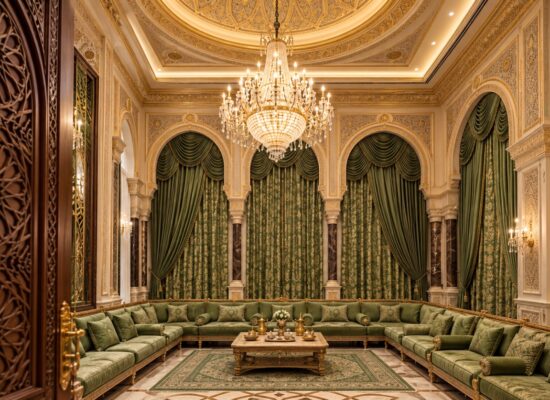
Japanese bespoke lights
Japanese Bespoke Lights: Craftsmanship, Design & Architectural Identity Japanese bespoke lights bring together traditional craftsmanship, refined materiality and contemporary lighting…
29 Sep 2026
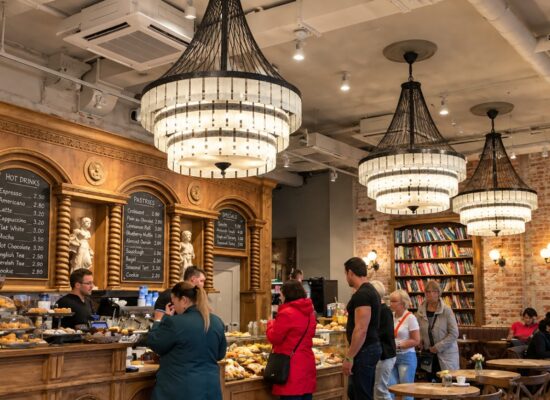
Turkish luxury chandeliers
Turkish Luxury Chandeliers: Heritage, Craftsmanship & Design Turkish luxury chandeliers bring together decorative craftsmanship, architectural scale and contemporary lighting technology…
29 Sep 2026
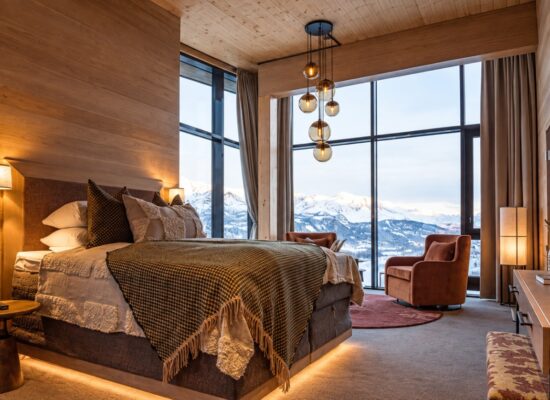
Polish bespoke chandeliers
Polish Bespoke Chandeliers: Craftsmanship, Character and Contemporary Design A chandelier can do more than illuminate a room. In a well-designed…
29 Sep 2026
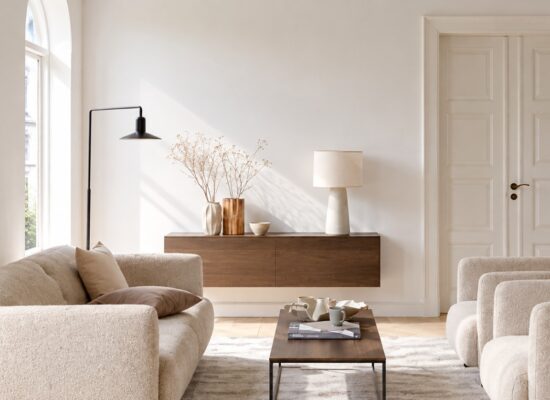
Norwegian designer lights
Norwegian Designer Lights & Bespoke Lighting Norwegian designer lights bring together minimalist aesthetics, functional design, refined materials and carefully controlled…
26 Sep 2026
Finnish designer lights
Finnish Designer Lights: The Essence of Nordic Lighting Design Finnish designer lights represent a distinctive approach to illumination where simplicity,…
subscribe for newsletter

Luzion is a leading manufacturer and exporter of high-quality LED lighting solutions. With a focus on design, research, and innovation, we offer a wide range of products for commercial, industrial, residential, and outdoor spaces.
