

Search
Category
- Bollard Light
- Commercial Lighting
- Energy-Efficient Lighting
- LAMPS
- LED Lights
- LED Uplighter
- Light and Colour Theory
- Lighting Design and Facade Lighting
- Lighting Design Consultancy UAE
- lighting design principles
- Lighting Fundamentals and Design Principles
- Lighting Solutions
- Nature of Light in Lighting Design
- Panel Lights vs. Spot Lights
- Portable Lights
- Signage Solutions
- Smart Controllers for Streetlights
- Solar Lights
- Tree Lighter
- Uncategorized
Recent Posts

Canadian Bespoke Lights

American bespoke chandeliers

Irish bespoke lights

Japanese bespoke lights

Greek bespoke lights
Tags
- Architectural Lighting
- Architectural Lighting Design
- Architectural Lighting Design UAE
- automation
- Best Lighting Design Consultancy in UAE
- COB LED Technology
- COB Spotlights
- Color Temperature in Lighting
- Commercial Lighting Design
- Commercial Lighting Fixtures
- Commercial Lighting Innovations
- Commercial Lighting UAE
- Cylinder COB Lights
- Dialux Lighting Design
- Dialux Lighting Design UAE
- Energy Efficient Lighting
- Energy-Efficient Lighting USA
- Exterior Lighting Solutions
- Facade & Exterior Lighting
- Facade Lighting
- Facade Lighting Design
- Facade Lighting Design UAE
- Facade lighting ideas
- Facade Lighting UAE
- Facade Uplighting
- Green Building Design
- Indoor & Exterior Lighting Solutions
- Interior Lighting Design
- Lamps
- LED Lighting Solutions
- LED lights
- LED Panel
- LED Uplighters
- LED vs Halogen
- Light and Color Theory
- Lighting Basics
- Lighting Consultancy UAE
- Lighting Design
- Lighting Design Consultancy in UAE
- Lighting Design Principles
- Lighting Design UAE
- Lighting Fundamentals Guide
- Lighting Layers
- Lumen Output in Lighting
- Modern Building Lighting Ideas
- Modern Lighting Ideas
- Office Lighting Solutions
- Outdoor Lighting Consultants UAE
- Panel Lights vs. Spot Lights
- Portable Lights
- smart light
- Smart Lighting Systems
- Sustainable Architecture
- Sustainable Lighting UAE
- Villa Lighting UAE
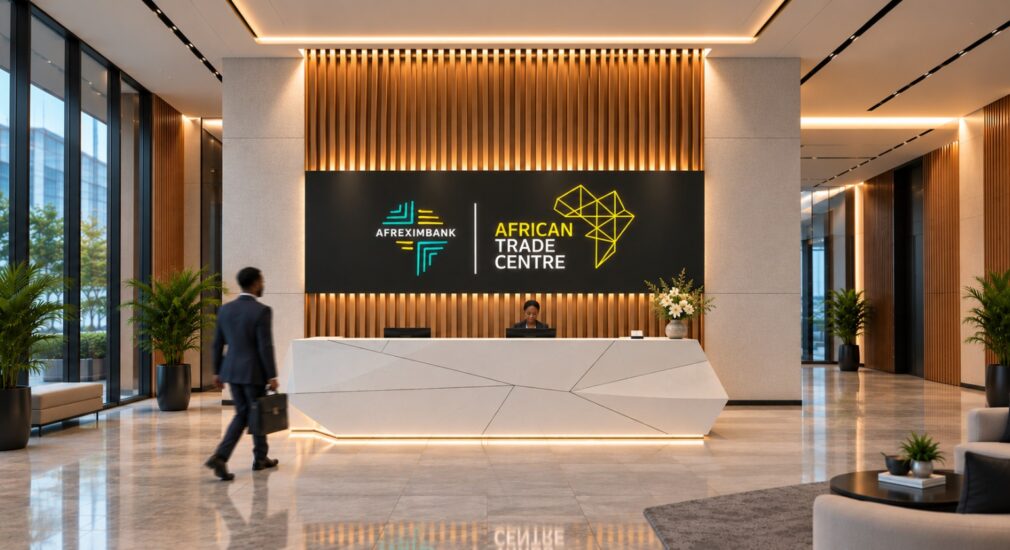
17Oct 2026
- Signage Solutions


Commercial Signage Solutions UAE & GCC
How to Choose Commercial Signage Solutions in the UAE & GCC
Commercial signage plays an important role in how people recognise, approach and navigate buildings. In the UAE and wider GCC, where hotels, retail destinations, corporate offices and mixed-use developments compete through distinctive architecture and brand presentation, signage needs to perform as both a communication system and an architectural element.
For architects, developers, consultants and contractors, selecting signage involves more than choosing a design or displaying a company logo. Material durability, illumination quality, viewing distance, installation conditions and local approval requirements can all influence the final result.
A well-planned signage system helps maintain brand consistency, improves visitor navigation and complements the building’s architectural identity. A poorly specified system can create visibility issues, inconsistent finishes, unnecessary maintenance and expensive changes during installation.
This guide explains how to evaluate commercial signage solutions for projects in Dubai, Abu Dhabi, Sharjah, Riyadh, Doha, Kuwait City, Muscat and other GCC markets.
1. Start with the Building and Its Signage Requirements
Every commercial property has different signage requirements. A corporate headquarters may prioritise building identification and brand presentation, while a hotel needs a coordinated system covering the entrance, reception, guest facilities and parking areas.
Before selecting a signage format, consider the building’s function, architectural style, visitor movement and intended viewing distance.
For commercial offices, the design may include external building names, reception logos, floor directories and directional signs. Retail developments may require storefront lettering, illuminated brand signs, tenant directories and parking guidance.
Hotels and resorts often need signage that balances clear navigation with the property’s visual identity. Mixed-use developments require additional coordination because residential, retail, hospitality and office areas may each have different identification needs.
The first step is to prepare a signage schedule identifying the required signs, their locations, dimensions, materials, finishes and illumination requirements.
This schedule gives architects, contractors and procurement teams a clearer basis for technical coordination and quotation comparisons.
2. Select Signage Formats for Specific Commercial Applications
The appropriate signage format depends on the location, intended audience and architectural requirements.
Architectural building signage
Architectural signage identifies a building, development or commercial property while complementing its façade. Dimensional lettering, fabricated metal signs and integrated illuminated logos may be suitable for corporate headquarters, hotels and premium commercial developments.
The design should consider the façade material, mounting method, letter proportions and visibility from the intended approach.
Illuminated signage for commercial entrances
Illuminated signs help visitors identify entrances, brands and destinations after dark. Front-lit letters, internally illuminated signs and halo-lit lettering can produce different visual effects.
The choice should reflect the building’s architecture, surrounding brightness and required visibility. Illumination should remain consistent without distracting hotspots or excessive glare.
Retail and shopping mall signage
Retail signage needs to communicate brand identity clearly within an environment containing multiple visual elements. Storefront signs, tenant identification, illuminated lettering and directory systems should follow the property’s signage guidelines.
For shopping malls, consistency across tenant signs is particularly important. Standardised placement, permitted dimensions and material guidelines can help maintain an organised retail environment.
Corporate office signage
Corporate signage extends beyond the external building name. Reception logos, meeting-room identification, floor directories and directional signs contribute to a consistent workplace experience.
A coordinated design system should establish typography, finishes, colours and sign proportions while allowing each sign to serve its intended purpose.
Wayfinding for large developments
Large commercial buildings often require a sequence of directional information rather than isolated signs.
Visitors should be able to identify the entrance, understand where to go next and locate their destination without unnecessary confusion. Wayfinding should therefore be planned around pedestrian movement, vehicle access and the building’s circulation routes.
3. Choose Materials for UAE and GCC Environmental Conditions
Material selection is particularly important for outdoor signage in the Middle East. High temperatures, intense sunlight, dust, humidity and coastal exposure can influence material performance and maintenance requirements.
Aluminium for architectural signage
Aluminium is commonly considered for fabricated lettering, external building identification and architectural sign components. Its weight, fabrication flexibility and finish options can make it suitable for many commercial applications.
The final specification should account for the sign’s size, fixing method, structural requirements and exposure conditions.
Stainless steel and premium metal finishes
Stainless steel and other specified metals may be suitable for corporate entrances, hotels and premium commercial developments where a refined metallic finish is required.
The appropriate grade and surface finish should be selected according to the installation environment. Coastal locations may require particular attention to corrosion resistance and maintenance.
Acrylic for illuminated applications
Acrylic may be used for sign faces, fabricated letters, lightboxes and selected interior or exterior installations. Its suitability depends on the material grade, thickness, light transmission and exposure conditions.
For illuminated signage, the material should be assessed alongside the LED arrangement to achieve an appropriate level of brightness and uniformity.
Finishes, weather protection and maintenance
A signage specification should address protective coatings, UV exposure, moisture management, cable entry points and access to electrical components.
Before approving the final material, establish how the sign will be cleaned, inspected and serviced after installation.
These considerations are especially relevant to buildings with difficult access, large façades or multiple illuminated signs.
4. Plan Illuminated Signage Around Real Viewing Conditions
An illuminated sign must perform in its actual environment, not simply look attractive in a rendering.
Evaluate daytime visibility
During the day, sunlight, reflections and the surrounding façade can affect how clearly a sign is seen. Letter colour, background contrast, surface finish and viewing angle should be reviewed before the design is approved.
A sign positioned against a reflective or visually busy background may require a different finish or mounting arrangement to maintain legibility.
Review night-time brightness
At night, the sign competes with street lighting, façade illumination, nearby retail displays and other illuminated elements.
Excessive brightness can overwhelm the architecture, while insufficient contrast may make the sign difficult to recognise. The objective is to establish clear visibility without creating unnecessary visual distraction.
Select the right illumination method
Front-lit letters provide direct illumination on the visible face. Halo-lit letters create a glow against the mounting surface, while internally illuminated sign bodies distribute light through a translucent face or enclosure.
Each method has different requirements for construction, material selection, LED placement and maintenance.
The final decision should consider the desired appearance, sign dimensions, ambient conditions and technical limitations.
Coordinate signage with façade lighting
When building signage and architectural lighting are part of the same development, they should be evaluated together.
A brightly illuminated sign against an excessively bright façade may lose visual definition. Conversely, a carefully controlled façade lighting scheme can help the building name remain prominent.
For integrated projects, review lighting direction, brightness, colour temperature, mounting positions and maintenance access during the design stage.
Explore Luzion’s façade lighting design solutions to understand how architectural illumination can complement building presentation.
5. Consider Visibility, Typography and Sign Placement
Signage dimensions should be determined by the intended viewing conditions rather than appearance alone.
For signs viewed from a distance, lettering needs sufficient scale and clarity. Pedestrian-level signs can provide more detailed information, while signs intended for motorists generally need to communicate essential information quickly.
Consider the following factors during design review:
- Viewing distance: Estimate where the intended audience will first need to identify the sign.
- Viewing angle: Check whether the sign remains visible from the main approach and relevant side views.
- Typography: Use legible lettering appropriate to the brand and sign dimensions.
- Contrast: Ensure that text and symbols remain distinguishable from the background.
- Placement: Avoid obstructions caused by landscaping, canopies, structural elements or other signs.
- Lighting conditions: Review readability in daylight and after dark.
- Information hierarchy: Give the most important message visual priority.
For large commercial developments, site photographs, elevations and visual mock-ups can help teams assess placement before fabrication begins.
6. Understand Signage Approvals and Project Compliance
Signage requirements vary by location, property type, installation method and approving authority. A design suitable for one building or emirate should not automatically be assumed to comply with requirements elsewhere.
For projects in Dubai, Abu Dhabi and other UAE locations, confirm the applicable authority requirements and any additional restrictions imposed by the landlord, developer or property management team.
For Saudi Arabia, Qatar, Kuwait, Oman and Bahrain, the project team should similarly establish the relevant local approval process.
Before production, review:
- Permitted signage locations and dimensions.
- Building façade and storefront restrictions.
- Illumination and external electrical requirements.
- Applicable language and branding requirements.
- Structural fixing and installation details.
- Required drawings, permits and technical submissions.
- Landlord or developer approval procedures.
The responsible consultant or project team should verify current requirements directly with the relevant authority. Approval should be secured where required before fabrication or installation.
Early review helps reduce the risk of redesign, delayed installation and unnecessary project costs.
7. Coordinate Signage with Architectural and MEP Drawings
Signage is often treated as a finishing item, but late coordination can introduce avoidable construction problems.
Architectural drawings should identify sign locations, mounting surfaces, dimensions and interfaces with façade materials. MEP coordination should address electrical connections, power supplies, cable routes, isolation and maintenance access for illuminated signs.
For larger projects, a coordinated signage schedule can record each sign’s identification number, location, dimensions, finish, illumination method, power requirements and installation details.
The project team should also clarify responsibilities for design approval, fabrication, delivery, installation and electrical connection.
This is especially important for hotels, shopping malls, commercial campuses and mixed-use developments, where signage may be supplied or installed by several contractors.
8. Evaluate Signage Suppliers Beyond the Quotation
Choosing a signage supplier requires a review of technical capability, manufacturing quality and project coordination.
A low initial quotation may not represent the best overall value if the proposal excludes necessary electrical components, installation details, protective finishes or maintenance access.
When evaluating suppliers, consider:
- Experience with the required signage formats.
- Material specifications and finish samples.
- Fabrication drawings and dimensional accuracy.
- Illumination quality and electrical documentation.
- Packaging and transport arrangements.
- Installation responsibilities and site coordination.
- Warranty terms, servicing and replacement procedures.
- Ability to manage quantities and consistent finishes across a project.
For international procurement, clarify the scope of supply and the division of responsibilities between the manufacturer, local contractor and project consultant.
A clear technical specification helps procurement teams compare proposals on a consistent basis and identify omissions before an order is placed.
9. Prepare a Commercial Signage Project Checklist
Before requesting quotations, assemble the information suppliers need to assess the project accurately.
| Project information | What to prepare |
|---|---|
| Project location | City, site address and installation environment |
| Building details | Elevations, drawings and mounting surfaces |
| Signage schedule | Types, quantities and individual dimensions |
| Brand requirements | Logo files, colours, typography and guidelines |
| Materials | Preferred finishes and environmental requirements |
| Illumination | Front-lit, halo-lit, internally illuminated or non-illuminated |
| Electrical scope | Power availability and consultant requirements |
| Approvals | Applicable authority and landlord requirements |
| Installation | Site access, height and fixing conditions |
| Procurement | Delivery destination, timeline and scope of supply |
Not every project will have all these details at the enquiry stage. However, providing as much information as possible helps the supplier identify missing information and develop a more appropriate proposal.
10. Commercial Signage Solutions for UAE and GCC Developments
Commercial signage should support the building’s identity while meeting practical requirements for visibility, durability, installation and maintenance.
For developers and consultants working across the UAE and GCC, the most effective approach is to coordinate signage with the architectural design, electrical provisions and visitor experience from an early stage.
Luzion Lighting works with project-specific signage requirements, including architectural signage, illuminated signage, LED signage, corporate signage and retail applications. Where required, signage can be considered alongside façade lighting to create a coordinated building presentation.
Whether you are developing a hotel in Dubai, a corporate office in Abu Dhabi, a retail destination in Riyadh or a mixed-use project in Doha, the selection process should begin with the building’s requirements rather than a standardised sign format.
Planning a signage project in the UAE or GCC?
Contact Luzion Lighting to discuss your project scope, drawings, quantities, material preferences and illumination requirements.
Explore Luzion Signage Solutions to discuss suitable options for your commercial development.
Frequently Asked Questions
1. How do I choose signage for a commercial building in the UAE?
Start by identifying the building’s purpose, viewing conditions, architectural materials, brand requirements and illumination needs. Then review durability, installation details and applicable local approval requirements before finalising the specification.
2. Which materials are suitable for outdoor commercial signage in the GCC?
Aluminium, appropriately specified stainless steel, acrylic and other project-suitable materials may be considered. The final choice depends on UV exposure, temperature, humidity, corrosion risk, sign construction and maintenance requirements.
3. What is the difference between front-lit and halo-lit signage?
Front-lit signage illuminates the visible face of the letters, while halo-lit signage directs light towards the mounting surface to create a surrounding glow. The appropriate option depends on the intended appearance, background and visibility requirements.
4. Does commercial signage require approval in the UAE?
Requirements vary by emirate, authority, building and signage type. The project team should confirm the applicable rules and obtain the necessary approvals before fabrication or installation.
5. What information should I provide when requesting a signage quotation?
Provide the project location, drawings, sign dimensions, quantities, brand guidelines, material preferences, illumination requirements and expected delivery schedule wherever available.
6. Can signage be coordinated with architectural façade lighting?
Yes. Signage and façade lighting can be reviewed together to coordinate brightness, contrast, colour temperature, mounting positions and electrical provisions. This helps maintain the intended architectural appearance and sign legibility.
Related posts
02 Oct 2026
Canadian Bespoke Lights
Canadian Bespoke Lighting: Where Design Becomes a Signature Luxury architecture is rarely defined by one element alone. The character of…
02 Oct 2026
American bespoke chandeliers
American Bespoke Chandeliers: Where Custom Design Meets Architectural Luxury American bespoke chandeliers represent a highly personalized approach to decorative architectural…
01 Oct 2026
Irish bespoke lights
Irish Bespoke Lights: Where Craftsmanship Meets Architectural Design Irish bespoke lights bring together craftsmanship, design individuality and practical lighting performance.…
30 Sep 2026
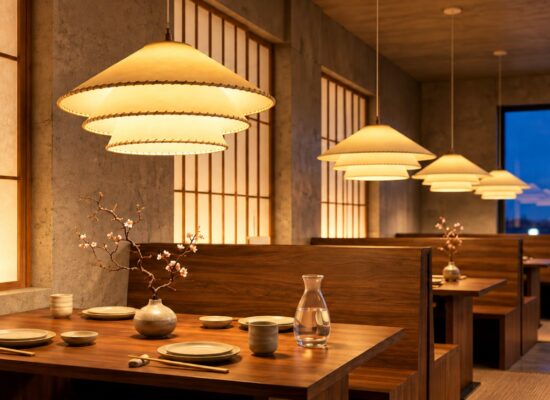
Japanese bespoke lights
Japanese Bespoke Lights: Craftsmanship, Design & Architectural Identity Japanese bespoke lights bring together traditional craftsmanship, refined materiality and contemporary lighting…
30 Sep 2026
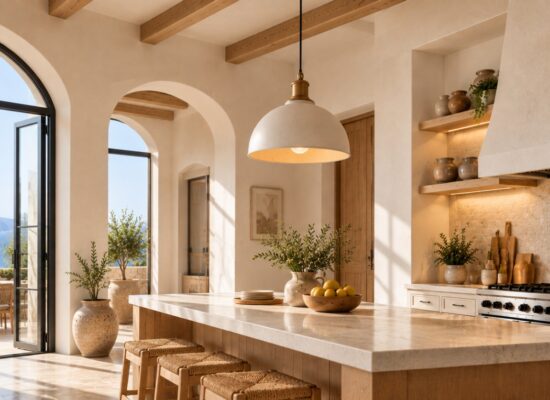
Greek bespoke lights
Greek Bespoke Lights for Luxury Architectural Projects Greek bespoke lights combine artistic expression, Mediterranean design influences and project-specific craftsmanship to…
subscribe for newsletter

Luzion is a leading manufacturer and exporter of high-quality LED lighting solutions. With a focus on design, research, and innovation, we offer a wide range of products for commercial, industrial, residential, and outdoor spaces.
