
Search
Category
- Bollard Light
- Commercial Lighting
- Energy-Efficient Lighting
- LAMPS
- LED Lights
- LED Uplighter
- Light and Colour Theory
- Lighting Design and Facade Lighting
- Lighting Design Consultancy UAE
- lighting design principles
- Lighting Fundamentals and Design Principles
- Lighting Solutions
- Nature of Light in Lighting Design
- Panel Lights vs. Spot Lights
- Portable Lights
- Signage Solutions
- Smart Controllers for Streetlights
- Solar Lights
- Tree Lighter
- Uncategorized
Recent Posts
Commercial Signage Solutions UAE & GCC

Canadian Bespoke Lights
American bespoke chandeliers
Tags
- Architectural Lighting
- Architectural Lighting Design
- Architectural Lighting Design UAE
- automation
- Best Lighting Design Consultancy in UAE
- COB LED Technology
- COB Spotlights
- Color Temperature in Lighting
- Commercial Lighting Design
- Commercial Lighting Fixtures
- Commercial Lighting Innovations
- Commercial Lighting UAE
- Cylinder COB Lights
- Dialux Lighting Design
- Dialux Lighting Design UAE
- Energy Efficient Lighting
- Energy-Efficient Lighting USA
- Exterior Lighting Solutions
- Facade & Exterior Lighting
- Facade Lighting
- Facade Lighting Design
- Facade Lighting Design UAE
- Facade lighting ideas
- Facade Lighting UAE
- Facade Uplighting
- Green Building Design
- Indoor & Exterior Lighting Solutions
- Interior Lighting Design
- Lamps
- LED Lighting Solutions
- LED lights
- LED Panel
- LED Uplighters
- LED vs Halogen
- Light and Color Theory
- Lighting Basics
- Lighting Consultancy UAE
- Lighting Design
- Lighting Design Consultancy in UAE
- Lighting Design Principles
- Lighting Design UAE
- Lighting Fundamentals Guide
- Lighting Layers
- Lumen Output in Lighting
- Modern Building Lighting Ideas
- Modern Lighting Ideas
- Office Lighting Solutions
- Outdoor Lighting Consultants UAE
- Panel Lights vs. Spot Lights
- Portable Lights
- smart light
- Smart Lighting Systems
- Sustainable Architecture
- Sustainable Lighting UAE
- Villa Lighting UAE
21Oct 2026
- Signage Solutions


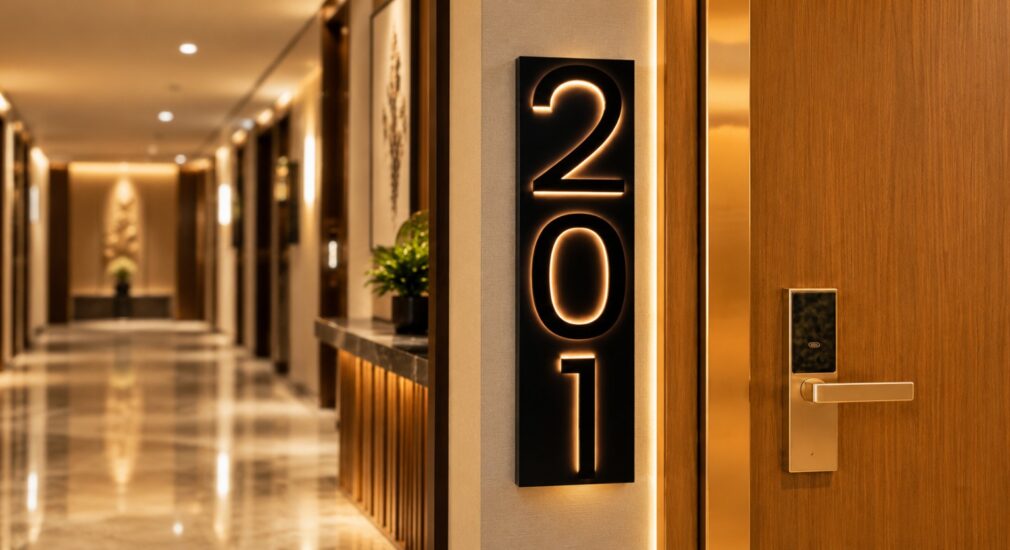
3D Letter Signage in UAE: Materials, Finishes and Applications
In a competitive commercial environment, signage plays an important role in how customers recognise a brand, locate a business and experience a building. 3D letter signage in UAE is a popular choice for businesses looking for dimensional lettering, distinctive finishes and professional brand presentation across retail, hospitality, corporate and commercial spaces.
Unlike flat printed signs, 3D letter signs use raised individual letters, numbers or logo elements to create depth and natural shadows. Depending on the design, they can be manufactured from acrylic, aluminium, stainless steel and other suitable materials, with illuminated and non-illuminated options available.
From retail shopfronts in Dubai and corporate offices in Abu Dhabi to hotel entrances in Doha and commercial developments in Riyadh, the right signage solution depends on the location, viewing distance, brand identity, lighting conditions and installation requirements.
This guide explains the main types of 3D letter signage, material options, lighting effects and important considerations when specifying custom signage for UAE and GCC projects.
What Is 3D Letter Signage?
3D letter signage, also known as dimensional lettering or raised letter signage, consists of individual letters or logo elements that project from a mounting surface. The letters may be flat-cut from a solid sheet or fabricated with deeper sides to create a more substantial three-dimensional appearance.
These signs can be installed on reception walls, shopfronts, building façades, entrance canopies, feature walls and other branded surfaces.
The finished appearance depends on several factors:
- Letter depth: Determines how far the lettering projects from the mounting surface.
- Material: Influences the appearance, weight, finish and suitability for indoor or outdoor use.
- Illumination: Creates visibility after dark and adds a distinctive visual effect.
- Surface finish: Options include brushed metal, polished metal, gloss, matt and painted finishes.
- Mounting method: Letters may be fixed directly to a surface, mounted on spacers or installed on a backing panel.
For commercial projects, these elements should be considered together rather than selected independently.
Types of 3D Letter Signage
Different 3D signage styles serve different branding and visibility requirements. The following options are commonly considered for commercial interiors, retail spaces and building exteriors.
1. Acrylic 3D Letter Signage
Acrylic 3D letters offer a clean, contemporary appearance and can be produced in various colours, thicknesses and finishes. The material is versatile and can be used for both decorative and illuminated signage, depending on the construction.
Suitable applications include:
- Office reception logos
- Retail shop names
- Clinic and showroom signage
- Hotel reception walls
- Indoor corporate branding
Acrylic is particularly useful when colour consistency and a smooth finish are important. For outdoor applications in the UAE, material grade, UV exposure, mounting and fabrication quality should be considered carefully.
2. Stainless Steel 3D Letter Signage
Stainless steel lettering is often selected for projects that require a refined metallic appearance. Available finishes may include brushed, satin and mirror-polished surfaces, depending on the design specification.
Stainless steel letters can create a premium visual identity for hospitality, corporate and luxury retail environments.
Common applications include:
- Hotel entrances and reception areas
- Corporate headquarters
- Luxury retail stores
- Commercial building lobbies
- Premium showrooms
For outdoor and coastal locations, specify a suitable stainless steel grade and finish based on exposure to humidity, airborne salts and cleaning requirements.
3. Aluminium 3D Letter Signage
Aluminium lettering offers a balance of low weight, strength and design flexibility. It can be finished with paint or powder coating to achieve a range of colours and appearances.
Its relatively low weight can be advantageous for large letters and building signage, although structural support and fixing requirements must still be assessed for each installation.
Suitable applications include commercial façades, building entrances, retail frontages, business parks and large corporate logos.
4. Illuminated 3D Letter Signage
Illuminated 3D letters combine dimensional lettering with integrated lighting. They are designed to improve brand visibility in low-light conditions and can create different visual effects depending on the direction of the light.
Common configurations include front-lit, halo-lit and combined front-and-backlit letters.
The lighting design should account for brightness, colour consistency, glare, viewing distance, maintenance access and the surrounding architectural finishes.
5. Non-Illuminated 3D Letter Signage
Non-illuminated 3D letters create depth through their physical form, surface finish and shadows. They are suitable for locations where ambient lighting is sufficient or where a subtle, understated appearance is preferred.
Typical applications include meeting rooms, reception walls, internal directories, office entrances and indoor brand displays.
External lighting can also be used where additional visibility is required.
6. Custom Logo and Bespoke 3D Letter Signage
Custom 3D signage is designed around a business’s logo, typography, brand colours and architectural setting. It may combine different materials, layered lettering, special finishes or integrated lighting.
This approach is useful when standard letter formats do not meet the project’s branding or design requirements.
For hospitality and retail developments, custom signage can be coordinated with wall finishes, interior lighting, architectural details and the overall customer experience.
3D Letter Signage vs Channel Letter Signage
Although these terms are sometimes used interchangeably, they do not always describe the same construction.
3D letter signage is a broad category covering raised letters made from solid sheet materials or fabricated structures. These letters can be illuminated or non-illuminated.
Channel letter signage generally refers to individually fabricated, hollow letters with a face, sides and back or another specified construction. This format commonly accommodates internal LED modules.
The best option depends on the desired appearance, letter depth, lighting effect, installation conditions and project budget. If you are comparing both options, consider the fabrication method rather than relying on the product name alone.
Choosing the Right Material for 3D Letter Signs
Material selection affects the sign’s appearance, durability, weight, maintenance and suitability for the installation environment.
| Material | Main characteristics | Typical applications |
|---|---|---|
| Acrylic | Colour flexibility and smooth finishes | Reception logos, retail and indoor branding |
| Stainless steel | Refined metallic appearance | Hotels, premium retail and corporate spaces |
| Aluminium | Lightweight and finish flexibility | Building entrances and larger exterior lettering |
| PVC or suitable foam-based materials | Lightweight options for selected applications | Indoor signs and decorative branding |
| Mixed materials | Combines different textures or lighting effects | Bespoke logos and feature installations |
The table provides general guidance, not a universal specification. The final material should be chosen according to the sign’s size, construction, mounting surface, exposure and intended service life.
Illuminated 3D Letters: Front-Lit vs Halo-Lit
Lighting can significantly change the appearance of a three-dimensional sign. Two common options are front-lit and halo-lit lettering.
Front-lit 3D letters
Front-lit letters emit light through the front face, typically using LEDs inside a fabricated letter. They are useful when the lettering itself needs to be bright and easily identifiable.
Applications include retail shopfronts, restaurant entrances, commercial buildings and businesses operating after sunset.
Halo-lit 3D letters
Halo-lit letters direct light backwards onto the mounting surface, producing a glow around the letters. The letter faces may remain unlit, allowing the material finish to remain visually prominent.
Halo lighting is often considered for hotel receptions, luxury retail, corporate lobbies and premium building entrances.
Combined illumination
Some projects combine front illumination with rear halo lighting. This can create a stronger visual effect, but it requires careful detailing to maintain consistent illumination and avoid unwanted glare.
The correct choice depends on the brand identity, background colour, viewing distance, ambient light and architectural design.
Applications of 3D Letter Signage Across Commercial Projects
Retail shops and shopping malls
Retail signage helps identify individual stores and maintain brand consistency across busy commercial environments. Raised lettering can be used on shopfront fascias, entrance panels, internal feature walls and branded displays.
For mall projects, signage should align with the landlord’s design guidelines, approved dimensions, mounting restrictions and illumination requirements.
Hotels and resorts
Hotels use 3D letter signage for reception logos, entrance identification, restaurant branding, meeting rooms and other guest-facing areas.
Material finishes and illumination should complement the hospitality concept. Brushed metal may suit a refined corporate environment, while acrylic or layered materials may be more appropriate for a colourful or contemporary design.
Corporate offices and commercial buildings
Reception signage helps establish a professional identity for offices, headquarters, business centres and shared workspaces. Non-illuminated metal or acrylic letters can provide a clean appearance, while halo-lit options may be suitable for feature walls and main reception areas.
For larger buildings, letter proportions, mounting methods and visibility from the approach route should be reviewed before fabrication.
Restaurants and cafés
Restaurants and cafés may use 3D letters for external identification, counter branding, reception areas and interior feature walls.
The selected finish should be practical for the location, including exposure to heat, grease, moisture and cleaning products where relevant.
Clinics, showrooms and professional spaces
Clinics, showrooms and service businesses benefit from clear identification and consistent branding. Raised lettering can be used on reception walls, entrance panels and internal directories, provided that the design remains legible and appropriate for the space.
3D Letter Signage for UAE and GCC Conditions
Projects in the UAE and wider GCC can involve strong sunlight, high temperatures, dust, humidity and coastal exposure. These conditions make material selection and installation quality important for outdoor signage.
When planning 3D letter signage for Dubai, Abu Dhabi, Sharjah, Riyadh, Jeddah, Doha, Kuwait City, Muscat or Manama, consider the following.
1. Heat and UV exposure: Select materials, coatings and LED components suitable for the installation environment. Confirm the manufacturer’s recommendations for outdoor use.
2. Dust and moisture: Review enclosure design, cable entries, drainage and protection ratings where electrical components are exposed. The required IP rating depends on the specific installation.
3. Coastal conditions: Locations near the sea may require additional attention to corrosion resistance, metal grade, fasteners and protective finishes.
4. Wind and mounting: Large exterior letters must be fixed to a suitable substrate with an appropriate mounting system. Structural loads and access for installation should be assessed by qualified professionals.
5. Electrical safety: Illuminated signs require suitable power supplies, wiring, connections and access for inspection and maintenance.
6. Local approvals: Signage requirements differ by authority, site and property type. Confirm the applicable permits, landlord approvals, design guidelines and installation conditions before manufacturing or installation.
A material that performs well indoors may not be appropriate for an exposed building façade. Project-specific assessment helps avoid premature deterioration and costly rework.
How to Plan a Custom 3D Letter Signage Project
A well-defined brief makes it easier for designers, contractors and signage suppliers to coordinate the project.
Before requesting a quotation, prepare the following information:
- Location: Confirm whether the sign is for an indoor wall, shopfront, entrance canopy or exterior façade.
- Artwork: Share the approved logo in a suitable vector format, where available.
- Dimensions: Specify the available installation area and approximate letter height.
- Material and finish: Identify preferred materials, colours and surface finishes.
- Lighting: Confirm whether the sign should be non-illuminated, front-lit, halo-lit or use another configuration.
- Mounting surface: Provide details of the wall or support structure and any installation restrictions.
- Electrical requirements: For illuminated signage, coordinate power supply and cable routing with the electrical or MEP team.
- Approvals and programme: Confirm required drawings, samples, permits, access arrangements and project deadlines.
For larger developments, it is useful to coordinate signage drawings with architectural elevations, façade details, interior finishes and electrical layouts before fabrication begins.
Custom Signage Solutions for UAE and GCC Projects
Every commercial environment has different branding and installation requirements. A retail storefront may need clear identification from the street, while a hotel reception may require subtle lettering that works with decorative finishes and carefully controlled lighting.
Luzion Lighting supports architectural lighting and commercial project requirements. For projects involving custom signage, the design brief should clearly define the desired appearance, materials, illumination, dimensions and installation conditions so the appropriate solution can be evaluated.
Whether the project is in Dubai, Abu Dhabi, Sharjah, Riyadh, Jeddah, Doha, Kuwait City, Muscat or Manama, early coordination among the client, architect, lighting designer, contractor and signage supplier can help achieve a consistent result.
Explore our Signage Solutions for related commercial signage requirements, or learn more about Architectural Façade Lighting for building exterior illumination.
Frequently Asked Questions
1. What is 3D letter signage?
3D letter signage uses raised individual letters, numbers or logo elements to create physical depth. It can be manufactured from materials such as acrylic, aluminium and stainless steel, with illuminated and non-illuminated options.
2. Which material is best for 3D letter signage in UAE?
The best material depends on the location, appearance, budget and environmental exposure. Acrylic offers colour flexibility, aluminium provides a lightweight metal option, and stainless steel is often selected for premium metallic finishes. Outdoor specifications should account for heat, UV exposure, humidity and corrosion.
3. What is the difference between 3D letters and channel letters?
3D letters include a broad range of raised lettering styles, including solid-cut letters and fabricated letters. Channel letters are typically hollow, individually fabricated letters designed to accommodate illumination or a particular construction.
4. Are illuminated 3D letters suitable for outdoor use?
They can be suitable when designed and manufactured for the specific outdoor conditions. Material selection, LED components, electrical protection, weather exposure, mounting and maintenance access should all be considered.
5. Can 3D letter signage be customised to match a brand?
Yes. Customisation can include letter shapes, dimensions, colours, metallic finishes, mounting methods and lighting effects. Approved artwork and project requirements should be confirmed before fabrication.
6. What should be checked before installing 3D signage in Dubai or other GCC cities?
Check the mounting surface, structural support, dimensions, electrical requirements, environmental exposure, landlord guidelines and applicable local approvals. Requirements vary according to the location and type of property.
Conclusion
3D letter signage in UAE offers a versatile way to present business identities across retail, hospitality, corporate and commercial developments. The most suitable solution depends on the combination of material, fabrication method, lighting effect, viewing distance and installation environment.
By defining these requirements early and coordinating with the project team, businesses can select custom signage that complements their brand and performs appropriately in its intended setting.
Related posts
21 Oct 2026
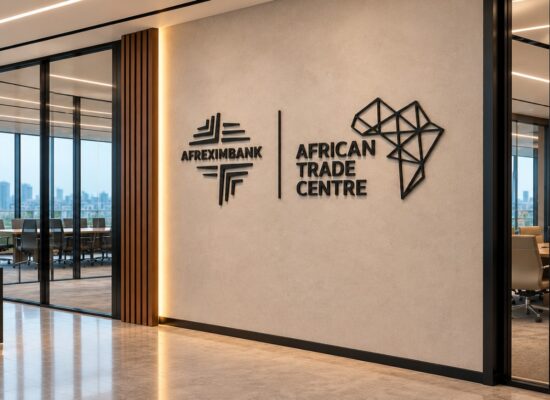
Channel Letter Signage in UAE: Types, Materials and Applications
Channel letter signage is widely used by retail stores, hotels, restaurants, shopping malls and commercial buildings to display business names,…
21 Oct 2026
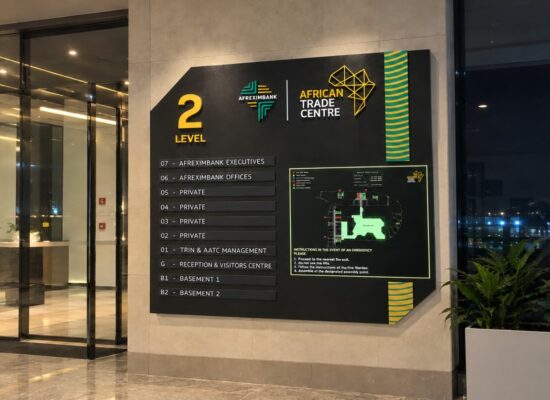
Types of Illuminated Signage: A Guide for UAE & GCC Projects
Illuminated signage plays an important role in how commercial buildings, hotels, retail developments and corporate spaces communicate their identity. In…
17 Oct 2026
Commercial Signage Solutions UAE & GCC
How to Choose Commercial Signage Solutions in the UAE & GCC Commercial signage plays an important role in how people…
02 Oct 2026
Canadian Bespoke Lights
Canadian Bespoke Lighting: Where Design Becomes a Signature Luxury architecture is rarely defined by one element alone. The character of…
02 Oct 2026
American bespoke chandeliers
American Bespoke Chandeliers: Where Custom Design Meets Architectural Luxury American bespoke chandeliers represent a highly personalized approach to decorative architectural…
subscribe for newsletter

Luzion is a leading manufacturer and exporter of high-quality LED lighting solutions. With a focus on design, research, and innovation, we offer a wide range of products for commercial, industrial, residential, and outdoor spaces.
