
Search
Category
- Bollard Light
- Commercial Lighting
- Energy-Efficient Lighting
- LAMPS
- LED Lights
- LED Uplighter
- Light and Colour Theory
- Lighting Design and Facade Lighting
- Lighting Design Consultancy UAE
- lighting design principles
- Lighting Fundamentals and Design Principles
- Lighting Solutions
- Nature of Light in Lighting Design
- Panel Lights vs. Spot Lights
- Portable Lights
- Signage Solutions
- Smart Controllers for Streetlights
- Solar Lights
- Tree Lighter
- Uncategorized
Recent Posts


Commercial Signage Solutions UAE & GCC

Canadian Bespoke Lights

American bespoke chandeliers
Tags
- Architectural Lighting
- Architectural Lighting Design
- Architectural Lighting Design UAE
- automation
- Best Lighting Design Consultancy in UAE
- COB LED Technology
- COB Spotlights
- Color Temperature in Lighting
- Commercial Lighting Design
- Commercial Lighting Fixtures
- Commercial Lighting Innovations
- Commercial Lighting UAE
- Cylinder COB Lights
- Dialux Lighting Design
- Dialux Lighting Design UAE
- Energy Efficient Lighting
- Energy-Efficient Lighting USA
- Exterior Lighting Solutions
- Facade & Exterior Lighting
- Facade Lighting
- Facade Lighting Design
- Facade Lighting Design UAE
- Facade lighting ideas
- Facade Lighting UAE
- Facade Uplighting
- Green Building Design
- Indoor & Exterior Lighting Solutions
- Interior Lighting Design
- Lamps
- LED Lighting Solutions
- LED lights
- LED Panel
- LED Uplighters
- LED vs Halogen
- Light and Color Theory
- Lighting Basics
- Lighting Consultancy UAE
- Lighting Design
- Lighting Design Consultancy in UAE
- Lighting Design Principles
- Lighting Design UAE
- Lighting Fundamentals Guide
- Lighting Layers
- Lumen Output in Lighting
- Modern Building Lighting Ideas
- Modern Lighting Ideas
- Office Lighting Solutions
- Outdoor Lighting Consultants UAE
- Panel Lights vs. Spot Lights
- Portable Lights
- smart light
- Smart Lighting Systems
- Sustainable Architecture
- Sustainable Lighting UAE
- Villa Lighting UAE
21Oct 2026
- Signage Solutions


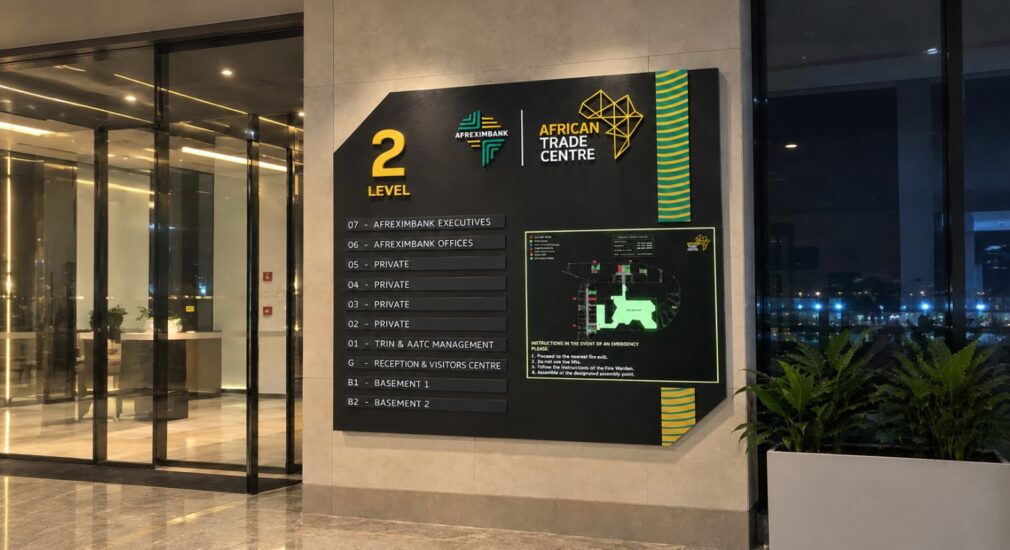
Types of Illuminated Signage: A Guide for UAE & GCC Projects
Illuminated signage plays an important role in how commercial buildings, hotels, retail developments and corporate spaces communicate their identity. In the UAE and wider GCC, a sign must do more than display a company name. It should remain legible in changing daylight conditions, integrate with the building’s architecture, use suitable materials and lighting components, and meet the relevant project and local authority requirements.
For architects, lighting designers, developers, MEP consultants and contractors, selecting the right illuminated signage involves several considerations: illumination method, viewing distance, mounting arrangement, material selection, electrical design, environmental exposure and maintenance access.
This guide explains the main types of illuminated signage, their construction, technical considerations and suitable applications across Dubai, Abu Dhabi, Sharjah, Riyadh, Jeddah, Doha, Kuwait City, Muscat, Manama and other GCC markets.
What Is Illuminated Signage?
Illuminated signage is any sign that uses an integrated or external light source to improve visibility, communicate a brand identity or provide information in low-light conditions. Modern systems commonly use LED modules, LED strips or other purpose-designed lighting components.
Depending on the design, illumination may pass through the sign’s face, illuminate a complete panel, travel through an acrylic edge or reflect onto the wall behind three-dimensional letters.
Illuminated signage is commonly specified for:
- Retail storefronts, shopping centres and commercial developments
- Hotels, resorts, restaurants and hospitality entrances
- Corporate offices, reception areas and business parks
- Building façades, architectural features and main entrances
- Hospitals, clinics and other public-facing facilities
- Showrooms, branded environments and mixed-use developments
In project specifications, terms such as LED signboard, illuminated sign board, lighted sign, backlit sign, channel letter sign and illuminated lettering may describe different products. The construction method should therefore be defined clearly before pricing, manufacturing or installation.
1. Front-Lit Signage
Front-lit signage illuminates the visible face of individual letters or graphics. In a typical LED channel letter system, LED modules are installed inside the fabricated letter body and direct light towards a translucent acrylic face.
The illuminated face makes the brand name easy to recognise after dark, making this format suitable for many retail and commercial applications.
Typical applications
- Retail shops and shopping mall storefronts
- Restaurants, cafés and pharmacies
- Hotel entrance branding
- Corporate building identification
- Commercial fascia signs and showrooms
Materials and construction
Front-lit letters commonly use aluminium returns, a translucent acrylic face, internal LED modules, suitable wiring and an accessible power supply or LED driver. The exact construction depends on letter size, finish, installation location and the manufacturer’s design.
Technical considerations
The lighting layout should provide consistent illumination without visible LED points, dark patches or excessive brightness. Acrylic transmission, LED spacing, letter depth, colour consistency and the internal reflective surfaces all influence the result.
For outdoor installations, the electrical enclosure, cable entries, drainage and sealing must be designed for the actual exposure conditions. A nominal IP rating alone does not establish that the complete sign assembly is suitable for every outdoor environment.
Front-lit signage is generally appropriate when clear brand visibility is the main priority.
2. Backlit and Halo-Lit Signage
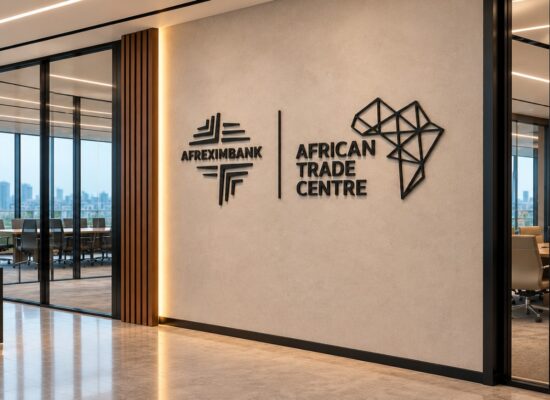
Halo-lit signage, also described as reverse-lit lettering, creates a soft glow on the surface behind individual letters. The letters are typically opaque, with LED modules positioned to direct light backwards onto the mounting wall.
The illuminated background creates a subtle outline around the lettering rather than a glowing front face. This effect is frequently chosen for premium hospitality, corporate and architectural environments.
Typical applications
- Hotel reception walls and entrance façades
- Luxury retail and boutique storefronts
- Corporate offices and boardroom entrances
- Premium restaurants and branded interiors
- Architectural lettering on stone, metal or painted surfaces
Construction and installation
Halo-lit letters are usually fabricated from metal or other opaque materials and mounted with stand-off supports. The gap between the letters and the wall, LED positioning, wall finish and mounting alignment determine the appearance of the halo.
A smooth, light-reflective background may produce a different effect from dark stone, textured concrete or a glossy metal panel. These conditions should be reviewed during design development.
Technical considerations
The designer should consider:
- Consistent light distribution behind each letter
- Letter depth and distance from the mounting surface
- Background colour, reflectance and surface texture
- Visibility from the intended viewing distance
- Access to LED modules, connections and drivers
- Coordination with façade joints and architectural finishes
The terms backlit signage and halo-lit signage are sometimes used interchangeably in the market. However, a backlit lightbox and a halo-lit individual letter are different constructions and should not be treated as the same product.
3. LED Lightbox Signage
An LED lightbox is an enclosed sign housing that illuminates a translucent face from within. The face may contain printed graphics, lettering, a logo or a combination of branding elements.
Unlike individual channel letters, a lightbox generally illuminates a complete panel or defined graphic area.
Types of LED lightboxes
Single-sided lightboxes: Illuminated from one face, commonly mounted on walls, fascias or internal partitions.
Double-sided lightboxes: Designed to display information on both sides, subject to the support structure and installation arrangement.
Slim-profile lightboxes: Used where limited projection depth or a clean architectural appearance is important.
Large-format lightboxes: Designed for larger graphic areas, subject to structural support, access and illumination requirements.
Technical considerations
Lightbox performance depends on the size and depth of the housing, LED spacing, diffuser characteristics, face material, ventilation or thermal management and the reflectivity of internal surfaces.
A shallow lightbox may require a different LED layout from a deeper housing to achieve uniform illumination. The final assembly should be reviewed for hot spots, shadowing, edge brightness and access for servicing.
Lightboxes can be useful for retail fascia signage, directory panels, menu boards and selected indoor or outdoor branding applications.
4. LED Channel Letter Signage
Channel letters are individually fabricated three-dimensional letters or logo elements. They can be illuminated from the front, from the rear or, where the design permits, from both directions.
The term describes the fabricated letter construction rather than one specific illumination method.
Common channel letter configurations
- Front-lit channel letters
- Halo-lit or reverse-lit channel letters
- Combination front-and-halo-lit letters
- Non-illuminated dimensional letters
Materials
Aluminium is commonly used for letter returns because of its fabrication flexibility and relatively low weight. Translucent acrylic is frequently used for illuminated faces, while stainless steel may be selected for particular architectural finishes.
Material selection should consider the required finish, corrosion exposure, weight, fixing arrangement, dimensional stability and maintenance expectations.
Design and coordination
The sign package should define letter dimensions, return depth, face material, illumination colour, fixing details, cable routing and driver locations. The mounting system must be coordinated with the substrate and the façade or interior wall construction.
For large letters or building-top installations, structural support, wind loading, access equipment and maintenance provisions require project-specific engineering review.
Channel letters are commonly considered for retail units, commercial façades, hospitality branding and corporate building identification.
5. Edge-Lit Acrylic Signage
Edge-lit signage uses LEDs positioned along one or more edges of an acrylic panel. Light travels through the acrylic and can be directed towards engraved, etched or specially treated areas.
This technique can create a clean, refined appearance without illuminating the entire panel uniformly.
Suitable applications
- Office reception logos
- Indoor directories and information panels
- Conference room identification
- Decorative branding and selected wayfinding signs
- Retail displays and interior signage
Technical considerations
The result depends on acrylic thickness and optical properties, LED coupling, edge preparation, engraving depth and the intended graphic treatment.
Edge-lit acrylic is generally more appropriate for controlled indoor conditions unless the complete assembly is specifically designed for outdoor use. It should not automatically be specified as a substitute for a full-face illuminated lightbox.
6. Front-and-Halo-Lit Combination Signage
Combination signage integrates a glowing front face with a rear halo effect. It provides two illumination effects within the same letter or logo assembly.
This format may suit flagship retail stores, premium hotel entrances, branded showrooms and selected corporate projects where both face visibility and architectural impact are required.
The design is more involved than a simple front-lit or halo-lit letter. It requires coordination between the translucent face, opaque or reflective components, internal LED layout, rear illumination and mounting depth.
The lighting design should balance both effects. Excessive face brightness can overwhelm the halo, while an unsuitable wall finish can reduce the clarity of the rear glow.
7. Externally Illuminated Signage
Not every illuminated sign needs an internal LED system. External illumination uses separate luminaires to light a sign face or architectural sign panel.
Purpose-designed LED floodlights, linear luminaires or other suitable lighting equipment may be positioned above, below or beside the sign, depending on the geometry and required effect.
Applications
- Large building identification signs
- Selected monument and entrance signs
- Architectural lettering on façades
- Existing signs where internal illumination is impractical
- Signage integrated with a broader exterior lighting scheme
Lighting design considerations
The lighting designer should review mounting positions, beam angles, aiming, uniformity, glare, spill light and access for cleaning and maintenance.
Where a sign is installed on a façade, the illumination should be coordinated with the building’s architectural lighting strategy rather than treated as an isolated element. The objective is to preserve legibility without creating unnecessary glare or visual competition with nearby windows and architectural features.
For larger installations, photometric assessment can help establish suitable luminaire positioning and illumination levels.
8. Neon and LED Neon Signage
Traditional neon signage uses gas-discharge tubes, while LED neon signage uses LED-based components designed to reproduce a continuous linear glow.
LED neon is often selected for decorative branding, hospitality interiors and retail environments where designers want a line-based luminous effect.
Typical applications
- Restaurants, cafés and entertainment venues
- Hotel bars and hospitality interiors
- Retail feature walls
- Decorative brand marks and custom graphics
- Selected exterior branding installations
Technical considerations
The specification should identify the product type, colour, bending radius, mounting channel, power supply, connection method and intended operating environment.
For outdoor use, the complete assembly needs appropriate protection against moisture, dust, UV exposure and temperature. The rating of an individual LED strip or neon flex component does not automatically establish the protection level of the finished sign.
LED neon and conventional illuminated channel letters should be treated as different product formats because their optical appearance, construction and installation requirements differ.
How to Choose the Right Illuminated Signage
The correct format depends on the project’s function, location, architectural character and operating conditions.
| Project requirement | Formats worth evaluating |
|---|---|
| Strong storefront visibility | Front-lit channel letters, LED lightboxes |
| Premium corporate branding | Halo-lit letters, selected metal lettering |
| Uniform illumination across a graphic panel | LED lightbox signage |
| Refined indoor reception branding | Edge-lit acrylic, halo-lit lettering |
| Combined brand visibility and architectural effect | Front-and-halo-lit letters |
| Large building identification | Engineered dimensional letters or externally illuminated signage |
| Decorative linear graphics | LED neon signage |
These are starting points rather than fixed rules. The final choice should be based on viewing distance, ambient light, brand colours, sign dimensions, mounting conditions and the applicable project specifications.
Technical Specifications Architects and MEP Consultants Should Review
An illuminated signage specification should communicate more than the required sign dimensions and appearance. It should define the lighting, electrical, mechanical and installation requirements needed to deliver the intended result.
1. Sign dimensions and mounting
Document the overall sign dimensions, letter heights, return depths, panel thicknesses, fixing positions and mounting arrangement.
For façade applications, coordinate with the architect, façade consultant and structural engineer to confirm the substrate, fixing method, penetrations, waterproofing and maintenance access.
2. LED system and power supply
Specify the LED type, rated power, operating voltage, colour requirements, driver arrangement and expected operating schedule. Confirm that the selected components are compatible and suitable for the intended environment.
The driver should be installed in a location that permits inspection and replacement without unnecessary dismantling of the sign or façade.
3. Brightness and uniformity
Brightness should be selected according to viewing distance, ambient conditions, sign face material and local restrictions. There is no single brightness value suitable for every illuminated sign.
Where uniformity is important, request representative samples, a lighting mock-up or a photometric assessment. Review the appearance both during daylight and after dark.
4. Colour quality
Define the required colour appearance, including the brand colour, LED colour and any applicable colour tolerance.
Where white illumination is specified, identify the required correlated colour temperature (CCT). Where coloured illumination is specified, establish the acceptable colour range and consistency across individual letters.
5. Electrical safety
Confirm the input supply, driver output, total connected load, circuit protection, earthing requirements where applicable, cable sizing and isolation arrangements with the responsible electrical consultant.
The final installation must comply with applicable electrical codes, authority requirements and project specifications. Do not select a power supply based only on the total wattage without checking voltage, current, loading and manufacturer recommendations.
6. Environmental protection
For exterior installations, review dust and water ingress, UV exposure, humidity, temperature, corrosion and thermal management.
The required IP rating should be established from the actual exposure and applicable specification. An IP rating addresses defined ingress-protection tests; it does not, by itself, establish UV resistance, corrosion resistance or suitability for extreme ambient temperatures.
7. Maintenance and serviceability
Provide a maintenance strategy covering access to LED modules, drivers, wiring, connections and replaceable faces. Large or elevated signs may require specialist access equipment and planned isolation procedures.
The specification should also identify component warranties, spare-part availability and the maintenance responsibilities agreed for the project.
Illuminated Signage for the UAE and GCC Climate
Signage installed in the Gulf requires careful material and component selection. High summer temperatures, direct solar exposure, dust, humidity and coastal conditions can affect different parts of the assembly.
For projects in Dubai, Abu Dhabi, Sharjah, Ajman, Ras Al Khaimah, Fujairah and Umm Al Quwain, as well as Saudi Arabia, Qatar, Kuwait, Bahrain and Oman, the design team should review the actual installation environment instead of assuming one specification will suit every location.
Important considerations include:
- Thermal management: Ensure LED modules and drivers operate within their published temperature limits, accounting for heat trapped inside enclosed letters and lightboxes.
- Material stability: Select suitable acrylic, metal finishes, seals and cable materials for the expected UV and temperature exposure.
- Corrosion resistance: Give additional attention to exposed metalwork, fixings and electrical connections in coastal or humid environments.
- Dust and moisture protection: Design enclosures, cable entries and joints for the installation conditions.
- Wind and structural loading: Obtain appropriate engineering checks for large façade signs, projecting signs and elevated installations.
- Maintenance access: Allow for safe access to drivers and components, particularly on building façades and high-level signs.
The specification should be based on manufacturer data, engineering requirements and the conditions at the actual project site.
Illuminated Signage Regulations and Approvals in the UAE and GCC
Signage approvals should be considered during the design stage, not after fabrication has started.
In Dubai, commercial advertising and signage are subject to applicable permit procedures and technical requirements. Depending on the location and type of installation, the responsible authority may differ. Special development zones, public rights-of-way and commercial premises may follow different approval routes.
For projects in Abu Dhabi and other emirates, confirm the applicable requirements with the relevant local authority, developer or property management team. In Saudi Arabia, Qatar, Kuwait, Bahrain and Oman, the relevant municipal and project-specific rules should be checked for the exact location.
Before issuing a sign package for manufacturing, the project team should confirm:
- Approved sign dimensions, placement and appearance
- Required Arabic and other language arrangements
- Applicable illumination and electrical requirements
- Façade fixing, structural and waterproofing details
- Landlord, master developer or mall design guidelines
- Required permits, drawings, calculations and supporting documents
Requirements can vary by jurisdiction, sign type, location and project. The approval route and current technical guide should therefore be verified before procurement or installation.
What Architects, Lighting Designers and Contractors Need from a Signage Manufacturer
A coordinated signage package helps reduce design changes, installation delays and uncertainty during procurement.
For architects and façade consultants
Provide coordinated elevations, material and finish schedules, sign dimensions, mounting details and the intended appearance in daylight and at night. Confirm how the sign relates to cladding joints, façade access and the overall architectural concept.
For lighting designers
Define the desired illumination effect, colour, brightness intent, uniformity, viewing distance and any relevant photometric requirements. Where signage interacts with façade lighting, assess the combined effect to avoid glare, competing focal points and excessive brightness.
For MEP consultants
Request electrical loads, supply requirements, driver locations, wiring details, circuit protection requirements and any necessary coordination drawings. Confirm access for maintenance and compliance with the project’s electrical specifications.
For main contractors and fit-out contractors
Confirm approved shop drawings, fabrication dimensions, site measurements, mounting substrates, installation sequence, lifting or access requirements, cable routes and responsibility for final connections.
For procurement managers and developers
Compare quotations on a like-for-like basis. Review the complete scope, material grades, illumination method, component specifications, installation inclusions, approval responsibilities, warranty terms, maintenance provisions and delivery programme.
Documents to request before approval
A project-ready signage submittal may include:
- General arrangement drawings and elevations
- Detailed letter, panel and fixing drawings
- Material and finish samples
- LED and driver datasheets
- Electrical load and connection information
- Structural calculations where required
- Environmental protection and component data
- Installation and maintenance instructions
- Relevant permits and approval documentation
- Warranty and spare-parts information
The final document list should follow the project specification and the requirements of the relevant authority or consultant.
Illuminated Signage Across the UAE, Saudi Arabia and the Wider GCC
Different markets share many signage applications, but each project must be designed around its location, approval requirements and building context.
United Arab Emirates
Projects may be located in Dubai, Abu Dhabi, Sharjah, Ajman, Ras Al Khaimah, Fujairah and Umm Al Quwain. Common project contexts include retail destinations, hospitality developments, corporate offices, commercial façades and mixed-use buildings.
Saudi Arabia
Relevant markets include Riyadh, Jeddah, Dammam, Al Khobar, Makkah, Madinah and other cities. Large commercial developments, hotels, retail destinations and corporate environments may require coordinated architectural signage and illumination.
Qatar
Doha, Lusail and Al Rayyan are relevant locations for hospitality, retail, corporate and mixed-use developments.
Kuwait
Kuwait City and other commercial centres offer project contexts ranging from retail and hospitality to corporate and public-facing buildings.
Oman
Muscat, Sohar and Salalah are relevant locations for commercial, hospitality and retail signage applications.
Bahrain
Manama and Muharraq are relevant markets for corporate, retail, hospitality and commercial development projects.
For all these markets, city names indicate potential project locations, not a claim that identical signage regulations apply everywhere. Final specifications and approvals must be confirmed locally.
How Luzion Lighting Can Support Architectural Signage Projects
Luzion Lighting works in the architectural lighting sector, where lighting quality, material coordination and integration with the built environment are important considerations.
For projects involving illuminated signage and architectural lighting, the design and procurement teams should establish whether the required scope includes signage fabrication, LED components, external luminaires, electrical accessories, installation or coordination with a specialist signage contractor.
Where signage is part of a wider architectural lighting scheme, coordination can help maintain a consistent visual language across building façades, entrances, landscape areas and other illuminated features.
Architects, developers, lighting designers, MEP consultants and contractors can prepare their project brief with the following information:
- Project location and building type
- Sign dimensions and intended mounting position
- Preferred illumination effect
- Required materials and finish
- Electrical supply and operating schedule
- Applicable consultant and authority requirements
- Target programme and installation scope
Contact Luzion Lighting to discuss the architectural lighting requirements of your project and establish the appropriate scope for a coordinated solution.
Frequently Asked Questions
1. What are the main types of illuminated signage?
The main types include front-lit signage, halo-lit or reverse-lit letters, LED lightboxes, channel letters, edge-lit acrylic signage, combination front-and-halo-lit letters, externally illuminated signs and LED neon signage.
2. What is the difference between front-lit and halo-lit signage?
Front-lit signage directs light through the visible face of the letters, creating a bright illuminated surface. Halo-lit signage directs light backwards onto the mounting surface, creating a glow around the letters. The appropriate choice depends on visibility requirements, architecture and the intended appearance.
3. Which illuminated signage is suitable for hotels and premium commercial buildings?
Halo-lit letters, carefully detailed metal lettering, selected lightboxes and combination-lit signs may suit premium environments. The choice depends on the brand identity, wall finish, viewing distance, ambient lighting and project specifications.
4. What technical information should be included in an illuminated signage specification?
Include dimensions, materials, mounting details, LED and driver data, electrical requirements, illumination colour, brightness intent, environmental protection, maintenance access and relevant approval documentation. Structural and photometric information should be added where the project requires it.
5. What should be considered for outdoor LED signage in the UAE?
Review temperature exposure, thermal management, UV resistance, dust and moisture ingress, corrosion, wind loading, cable entries and maintenance access. Confirm the appropriate component ratings and local approval requirements for the installation.
6. Are illuminated signage permits required in Dubai and other GCC markets?
Permit requirements depend on the jurisdiction, sign type, location and installation. Confirm the current requirements with the relevant local authority, landlord or master developer before fabrication and installation.
Final Considerations
Successful illuminated signage combines clear communication, suitable materials, carefully designed illumination and coordinated installation details. For UAE and GCC projects, environmental exposure and local approvals should be considered alongside appearance and cost.
By defining the sign type, construction, illumination method, electrical requirements and maintenance strategy early, project teams can make more informed decisions and coordinate signage more effectively with the surrounding architecture.
Related posts
21 Oct 2026
Channel Letter Signage in UAE: Types, Materials and Applications
Channel letter signage is widely used by retail stores, hotels, restaurants, shopping malls and commercial buildings to display business names,…
21 Oct 2026
3D Letter Signage in UAE: Materials, Finishes and Applications
In a competitive commercial environment, signage plays an important role in how customers recognise a brand, locate a business and…
17 Oct 2026
Commercial Signage Solutions UAE & GCC
How to Choose Commercial Signage Solutions in the UAE & GCC Commercial signage plays an important role in how people…
02 Oct 2026
Canadian Bespoke Lights
Canadian Bespoke Lighting: Where Design Becomes a Signature Luxury architecture is rarely defined by one element alone. The character of…
02 Oct 2026
American bespoke chandeliers
American Bespoke Chandeliers: Where Custom Design Meets Architectural Luxury American bespoke chandeliers represent a highly personalized approach to decorative architectural…
subscribe for newsletter

Luzion is a leading manufacturer and exporter of high-quality LED lighting solutions. With a focus on design, research, and innovation, we offer a wide range of products for commercial, industrial, residential, and outdoor spaces.
