
Search
Category
- Bollard Light
- Commercial Lighting
- Energy-Efficient Lighting
- LAMPS
- LED Lights
- LED Uplighter
- Light and Colour Theory
- Lighting Design and Facade Lighting
- Lighting Design Consultancy UAE
- lighting design principles
- Lighting Fundamentals and Design Principles
- Lighting Solutions
- Nature of Light in Lighting Design
- Panel Lights vs. Spot Lights
- Portable Lights
- Signage Solutions
- Smart Controllers for Streetlights
- Solar Lights
- Tree Lighter
- Uncategorized
Recent Posts

Commercial Signage Solutions UAE & GCC

Canadian Bespoke Lights
American bespoke chandeliers
Tags
- Architectural Lighting
- Architectural Lighting Design
- Architectural Lighting Design UAE
- automation
- Best Lighting Design Consultancy in UAE
- COB LED Technology
- COB Spotlights
- Color Temperature in Lighting
- Commercial Lighting Design
- Commercial Lighting Fixtures
- Commercial Lighting Innovations
- Commercial Lighting UAE
- Cylinder COB Lights
- Dialux Lighting Design
- Dialux Lighting Design UAE
- Energy Efficient Lighting
- Energy-Efficient Lighting USA
- Exterior Lighting Solutions
- Facade & Exterior Lighting
- Facade Lighting
- Facade Lighting Design
- Facade Lighting Design UAE
- Facade lighting ideas
- Facade Lighting UAE
- Facade Uplighting
- Green Building Design
- Indoor & Exterior Lighting Solutions
- Interior Lighting Design
- Lamps
- LED Lighting Solutions
- LED lights
- LED Panel
- LED Uplighters
- LED vs Halogen
- Light and Color Theory
- Lighting Basics
- Lighting Consultancy UAE
- Lighting Design
- Lighting Design Consultancy in UAE
- Lighting Design Principles
- Lighting Design UAE
- Lighting Fundamentals Guide
- Lighting Layers
- Lumen Output in Lighting
- Modern Building Lighting Ideas
- Modern Lighting Ideas
- Office Lighting Solutions
- Outdoor Lighting Consultants UAE
- Panel Lights vs. Spot Lights
- Portable Lights
- smart light
- Smart Lighting Systems
- Sustainable Architecture
- Sustainable Lighting UAE
- Villa Lighting UAE
21Oct 2026
- Signage Solutions


Channel Letter Signage in UAE: Types, Materials and Applications
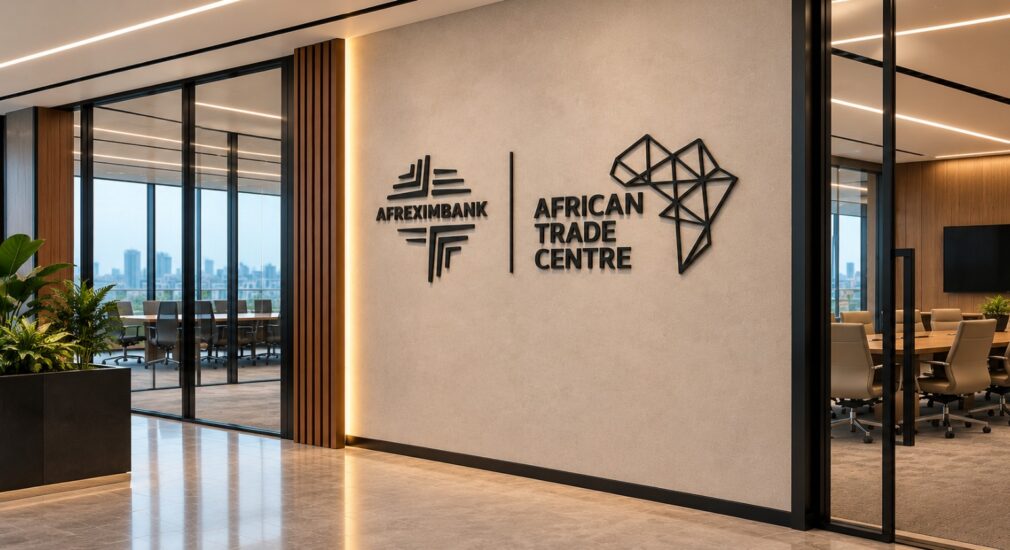
Channel letter signage is widely used by retail stores, hotels, restaurants, shopping malls and commercial buildings to display business names, logos and brand identities. With individually fabricated letters and optional LED illumination, these signs can create a clear, professional appearance during both daytime and nighttime.
For businesses planning channel letter signage in UAE, selecting the right letter construction, material, lighting effect and mounting method is essential. The region’s strong sunlight, high temperatures, dust and humidity can also influence material selection and long-term performance, particularly for outdoor installations.
From retail shopfronts in Dubai and corporate buildings in Abu Dhabi to hospitality projects in Riyadh and commercial developments in Doha, channel letter signs can be adapted to different architectural styles and branding requirements.
This guide explains the main types of channel letter signage, their materials, lighting options, applications and key considerations for UAE and GCC projects.
What Is Channel Letter Signage?
Channel letter signage consists of individually fabricated three-dimensional letters, numbers or logo elements. Each letter typically has a front face, fabricated sides and a backing or another specified construction. The internal space can accommodate LED modules when illumination is required.
Unlike flat printed signboards, channel letters create depth and allow businesses to customise the appearance of individual characters.
Channel letter signs can be installed on shopfront fascias, building façades, entrance canopies, reception walls and sign backing panels. Depending on the design, they can feature illuminated faces, illuminated rear edges or non-illuminated surfaces.
Common characteristics include:
- Individual lettering: Each character can be fabricated and mounted separately.
- Custom dimensions: Letter height, depth and spacing can be tailored to the available area.
- Material flexibility: Acrylic, aluminium and other suitable materials can be combined.
- Lighting options: Front-lit, halo-lit and other configurations are available.
- Brand customisation: Colours, finishes, fonts and logos can be developed around approved brand artwork.
The best configuration depends on the project’s visibility requirements, installation environment, design intent and maintenance access.
Types of Channel Letter Signage
Different channel letter styles produce different visual effects. Understanding these options helps businesses and project teams select signage that suits the brand and building.
1. Front-Lit Channel Letters
Front-lit channel letters emit light through the front face of each letter. LED modules are typically installed inside the fabricated structure, illuminating a translucent face.
This style is widely considered for businesses that need clear identification after dark.
Common applications include:
- Retail shops and shopping malls
- Restaurants and cafés
- Supermarkets and showrooms
- Commercial buildings
- Hotel entrances and branded storefronts
Front-lit lettering can be produced in different colours and sizes. The face material, LED layout and letter depth should be specified to achieve suitable brightness and consistent illumination.
2. Halo-Lit Channel Letters
Halo-lit channel letters direct light backwards onto the mounting surface, creating a glow around the letters. The front face is often made from opaque material, allowing the letter finish to remain visible while the surrounding surface receives the illumination.
Halo-lit signage is often selected for premium and architectural applications.
Typical locations include hotel entrances, corporate reception walls, luxury retail outlets, office lobbies and high-end commercial developments.
The visual effect depends on the distance between the letters and mounting surface, the colour of the background, LED placement and ambient lighting. Careful detailing helps prevent uneven halos and unwanted bright spots.
3. Front-and-Backlit Channel Letters
Front-and-backlit letters combine illumination through the face with a rear halo effect. This creates two lighting effects within one sign.
The configuration may be appropriate for prominent retail brands, hospitality entrances and selected feature installations where a more distinctive appearance is required.
However, combining lighting effects increases design and fabrication complexity. Brightness, colour consistency, power requirements and maintenance access should be reviewed before production.
4. Open-Face Channel Letters
Open-face channel letters expose the internal lighting components or light source rather than using a conventional solid front face. Depending on the design, they can create a distinctive industrial, vintage or decorative appearance.
They may be considered for restaurants, entertainment venues, themed interiors and selected retail environments.
Because the light source is exposed, the design should account for glare, cleaning access, electrical protection and the intended viewing distance. Outdoor suitability depends on the complete construction and environmental conditions.
5. Non-Illuminated Channel Letters
Non-illuminated fabricated letters provide dimensional branding without integrated lighting. They can be produced in suitable metals or other materials and finished in colours that match the brand identity.
These letters are often used in office interiors, reception areas, building directories and locations with sufficient ambient or external illumination.
Non-illuminated lettering can also be an option when a project prioritises a subtle appearance or has restrictions on electrical connections.
Channel Letter Signage Materials
Material selection affects the sign’s appearance, weight, durability, fabrication method and suitability for indoor or outdoor use.
Aluminium Channel Letters
Aluminium is frequently considered for fabricated channel letters because it is relatively lightweight and can be finished in a range of colours.
Suitable applications may include exterior shopfronts, commercial façades, retail signage and building entrances.
For outdoor projects in the UAE, the specification should consider coating quality, UV exposure, humidity, corrosion risks and the compatibility of mounting hardware.
Acrylic Letter Faces
Acrylic is commonly used for illuminated channel letter faces because translucent grades can allow light to pass through the front surface.
It is available in different colours and finishes, making it useful for matching brand guidelines. The appropriate grade should be selected according to the lighting design and exposure conditions.
Acrylic faces should be specified with consideration for heat, sunlight, cleaning methods and the size of each letter.
Stainless Steel Channel Letters
Stainless steel can provide a premium metallic finish for hospitality, corporate and luxury retail projects. Depending on the construction, it may be used for fabricated letter bodies, decorative faces or other signage components.
Available finishes may include brushed, satin and polished appearances.
For exterior or coastal installations, the stainless steel grade, protective finish and fixing components should be selected according to the exposure conditions.
Mixed-Material Channel Letters
Some bespoke signage combines metal bodies, acrylic faces, decorative finishes and LED illumination. This can help create a distinctive visual identity while allowing the sign to coordinate with surrounding architecture.
Mixed-material designs require careful detailing at material junctions, electrical connections and mounting points. Samples or finish mock-ups may be useful for projects with strict design requirements.
Channel Letter Signage vs 3D Letter Signage
Channel letter signage and 3D letter signage are related, but the terms are not interchangeable in every application.
Channel letters generally refer to fabricated, hollow individual letters with a defined construction. They are commonly designed to accommodate internal illumination.
3D letter signage is a broader category that includes raised solid-cut letters, fabricated letters, decorative dimensional lettering and illuminated options.
| Feature | Channel letter signage | General 3D letter signage |
|---|---|---|
| Construction | Usually fabricated with a hollow interior | May be solid-cut or fabricated |
| Illumination | Commonly designed for integrated LEDs | May be illuminated or non-illuminated |
| Appearance | Dimensional letters with defined faces and sides | Wide range of dimensional styles |
| Common applications | Shopfronts, retail façades and commercial branding | Reception walls, corporate logos and exterior signs |
| Design flexibility | Multiple face and lighting configurations | Broad choice of materials and construction methods |
The right option depends on the required appearance, lighting effect, mounting conditions and project specification.
Where Is Channel Letter Signage Used?
Retail Stores and Shopping Malls
Retail businesses use channel letters to display store names, logos and brand identities. Illuminated lettering can help a shopfront remain visible in busy commercial areas and indoor shopping centres.
For mall installations, the design should comply with the property’s signage guidelines, permitted dimensions, mounting conditions and lighting restrictions.
Hotels and Resorts
Hotels may use channel letter signage at entrance façades, restaurants, lounges, reception areas and selected guest facilities.
The design should complement the property’s architectural character. Brushed metal, illuminated acrylic and halo-lit lettering can produce different effects depending on the brand and location.
Outdoor hotel signage also requires consideration of weather exposure, cleaning access and the viewing distance from approaching vehicles or pedestrians.
Restaurants and Cafés
Restaurants and cafés use channel letters to identify entrances, display brand names and create recognisable storefronts.
Front-lit lettering may suit a high-visibility street frontage, while halo-lit or non-illuminated options may better complement a premium interior.
Material and construction choices should reflect the installation environment, including exposure to heat, moisture, grease and cleaning products where relevant.
Corporate Offices and Commercial Buildings
Channel letters can be installed at building entrances, reception areas, corporate headquarters and office campuses.
For exterior signs, letter dimensions and mounting methods should be coordinated with the architectural façade and structural support. For interiors, material finishes and illumination should align with the reception design and surrounding surfaces.
Showrooms and Business Parks
Showrooms, automotive facilities, industrial business parks and commercial complexes may require signage that is legible from greater distances.
Letter size, contrast, illumination, viewing angle and installation height all influence readability. The design should be reviewed in the context of the actual site rather than selected on appearance alone.
Channel Letter Signage in UAE and GCC Markets
The UAE and GCC include a wide variety of commercial environments, from urban retail streets and shopping malls to resorts, business districts and large mixed-use developments.
The following locations may have different branding, property and approval requirements, so each project should be assessed individually.
United Arab Emirates
Dubai: Channel letter signs are used across retail destinations, restaurants, hotels, offices and commercial developments. Shopfront design, building requirements and applicable signage approvals should be checked before fabrication.
Abu Dhabi: Retail, hospitality and corporate projects may require signage coordinated with the building’s architectural design, property guidelines and relevant local requirements.
Sharjah and Ajman: Retail stores, commercial buildings and business premises can use customised channel letters for identification and brand visibility.
Ras Al Khaimah, Fujairah and Umm Al Quwain: Hotels, resorts, retail outlets and commercial properties may require signage suited to their specific building and environmental conditions.
Saudi Arabia
Riyadh: Commercial buildings, corporate offices, retail destinations and mixed-use developments may require channel letters designed around the project branding and architectural setting.
Jeddah: Retail and hospitality signage should account for the coastal environment when specifying materials, coatings and mounting components.
Dammam and Al Khobar: Commercial and industrial developments may need durable signage appropriate for the installation environment and visibility requirements.
Makkah and Madinah: Signage projects should consider the property’s operating context, site requirements and applicable authority guidelines.
Qatar
Doha: Channel letter signage may be used for hotels, retail outlets, restaurants, offices and commercial façades.
Lusail and Al Rayyan: Newer commercial and mixed-use developments may require coordinated signage designs that align with architectural and property guidelines.
Kuwait
Kuwait City: Retail, hospitality and corporate premises can use front-lit, halo-lit and non-illuminated channel letters, subject to site-specific design and approval requirements.
Oman
Muscat: Hotel entrances, retail stores, offices and commercial buildings may benefit from signage designed for local conditions and the intended viewing distance.
Sohar and Salalah: Material selection and installation planning should reflect the location, exposure and operating requirements of the property.
Bahrain
Manama and Muharraq: Channel letter signage can support retail, hospitality, office and commercial branding, with specifications based on the building and relevant approval requirements.
Across all these markets, confirm the applicable signage permits, landlord requirements, electrical standards and installation restrictions with the responsible parties before proceeding.
Technical Considerations for Channel Letter Signage
A successful signage project requires more than choosing a letter style. The following factors should be considered during design and specification.
1. Letter Height and Depth
Letter dimensions affect readability, visibility and the overall appearance of the sign. The required size depends on the viewing distance, available installation area, font design and location.
Letter depth influences the sign’s three-dimensional appearance and the space available for internal components. Larger letters may also require additional support and more detailed fabrication.
2. LED Layout and Brightness
Illuminated channel letters need an appropriate LED arrangement to provide consistent light distribution. LED selection should consider colour, brightness, thermal conditions, power requirements and maintenance access.
Excessive brightness can create glare, while insufficient or uneven illumination can reduce legibility. The lighting should be evaluated in the context of the actual viewing environment.
3. Power Supply and Electrical Connections
LED channel letters require compatible power supplies and suitable electrical connections. The electrical design should account for total load, cable routing, accessibility, protection and applicable installation requirements.
Coordinate these details with the electrical or MEP team, particularly for large signs and multi-storey buildings.
4. Environmental Protection
Outdoor signage may be exposed to rain, dust, humidity, high temperatures and direct sunlight. The required ingress protection rating depends on the complete installation, including the enclosure, electrical components, cable entries and exposure conditions.
Do not select an IP rating based on the sign type alone. Confirm the appropriate specification for the site and the relevant components.
5. Mounting and Structural Support
Channel letters can be mounted directly to a wall, installed on a backing panel or fixed to a dedicated support structure.
The mounting method depends on the substrate, letter dimensions, sign weight, access conditions and structural loads. Exterior installations, especially large letters on exposed façades, should be assessed by qualified professionals.
6. Maintenance Access
LED modules, power supplies and electrical connections may require inspection or replacement over the sign’s service life.
Plan for access to components during the design stage. The maintenance method should suit the installation height, location and available access equipment.
Channel Letter Signage for Hot and Humid Climates
UAE and GCC projects can face environmental conditions that influence the performance of exterior signage. Proper specification helps reduce the risk of premature wear and maintenance problems.
Consider these practical measures:
- Heat resistance: Select materials and electrical components suitable for the expected operating temperature.
- UV stability: Choose appropriate materials and coatings for prolonged sunlight exposure.
- Corrosion resistance: Consider suitable metal grades, coatings and fasteners, especially in coastal areas.
- Dust and moisture management: Review enclosure design, cable entries and electrical protection.
- Secure installation: Ensure mounting systems are appropriate for the substrate and expected loads.
- Maintenance planning: Provide access to power supplies and other serviceable components.
There is no single material or construction that suits every project. The specification should be based on the location, building conditions and manufacturer’s technical information.
How to Choose a Channel Letter Signage Supplier
Selecting a suitable supplier is an important part of the project process. Architects, developers, contractors and procurement teams should evaluate both the proposed design and the supporting technical information.
Before approving a quotation, consider the following:
- Design and artwork: Confirm that the proposed lettering matches the approved logo, font, colours and dimensions.
- Material specification: Request details of the letter body, face material, finish and relevant environmental suitability.
- Lighting details: For illuminated signs, review the LED configuration, power supply, colour and illumination method.
- Shop drawings: Check dimensions, mounting details, cable routes and coordination with the building.
- Samples and mock-ups: For premium projects, inspect material samples and, where appropriate, an illuminated sample.
- Installation requirements: Confirm access, mounting support, electrical provisions and coordination with other trades.
- Warranty and maintenance: Request written information about warranty conditions, maintenance requirements and component replacement.
- Approvals: Establish which drawings, permissions and inspections are required before fabrication and installation.
For large developments, early coordination between the client, architect, signage supplier, electrical contractor and project management team can help minimise design conflicts and delays.
Custom Channel Letter Signage Solutions for Commercial Projects
Custom channel letter signage allows businesses to align their signs with their visual identity and architectural environment. Letter dimensions, materials, colours, finishes, illumination and mounting details can be tailored to suit the project brief.
A retail store may prioritise visibility from a busy street, while a hotel may require a refined appearance that complements its façade. A corporate reception may favour a clean metallic finish, while a restaurant may use illuminated letters to strengthen its brand presence.
For UAE and GCC projects, the design process should consider both visual quality and practical requirements. A clearly defined specification helps the project team compare proposals and select an appropriate solution.
Luzion Lighting works in the architectural lighting sector and supports commercial project requirements. For projects combining illuminated signage with building lighting, coordinate the signage concept with the wider lighting design to achieve a consistent result.
Explore Signage Solutions for related commercial signage requirements, or visit Architectural Façade Lighting Design for exterior illumination applications.
Frequently Asked Questions
1. What is channel letter signage?
Channel letter signage consists of individually fabricated three-dimensional letters or logo elements. The letters can be illuminated with LEDs or produced without integrated lighting for commercial, retail, hospitality and corporate applications.
2. What are the main types of channel letter signs?
Common options include front-lit, halo-lit, front-and-backlit, open-face and non-illuminated channel letters. The most suitable type depends on the brand’s appearance, lighting requirements, location and viewing distance.
3. Which materials are used for channel letter signage in UAE?
Aluminium is commonly considered for letter bodies, while acrylic is often used for illuminated faces. Stainless steel and mixed-material constructions may be appropriate for premium applications. The final choice should account for heat, sunlight, humidity, corrosion exposure and the intended finish.
4. What is the difference between front-lit and halo-lit channel letters?
Front-lit letters emit light through the front face. Halo-lit letters direct light backwards onto the mounting surface, creating a glow around the letters. The choice depends on the desired visual effect and the surrounding architecture.
5. Is channel letter signage suitable for outdoor use in Dubai and other GCC cities?
Yes, channel letter signage can be designed for outdoor applications when the materials, coatings, electrical components and mounting system are suitable for the site. Local approval requirements and environmental conditions should be confirmed before installation.
6. What information is needed to request a channel letter signage quotation?
Provide the logo artwork, sign dimensions, installation location, preferred material and finish, illumination requirements, mounting details and project timeline. For illuminated signs, also share relevant electrical provisions and any property or authority guidelines available.
Conclusion
Channel letter signage offers businesses a flexible way to display their identity across retail, hospitality, corporate and commercial environments. With options ranging from front-lit lettering to halo-lit metal finishes, the design can be tailored to the building, brand and intended viewing conditions.
For channel letter signage in UAE and GCC markets, material selection, LED performance, environmental protection, structural support and local approvals should all be considered before fabrication. A well-coordinated specification helps project teams select signage that meets the intended design and operational requirements.
Related posts
21 Oct 2026
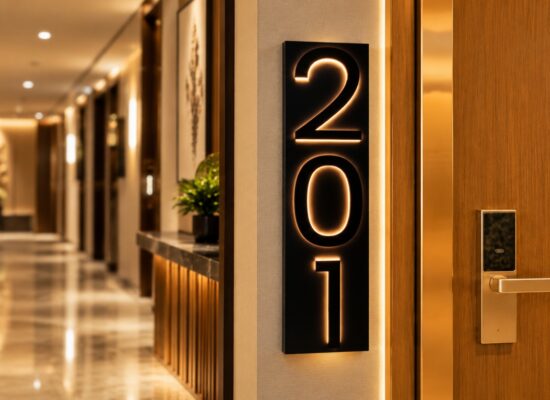
3D Letter Signage in UAE: Materials, Finishes and Applications
In a competitive commercial environment, signage plays an important role in how customers recognise a brand, locate a business and…
21 Oct 2026
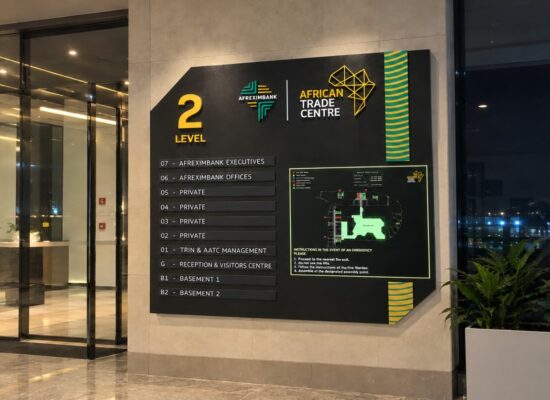
Types of Illuminated Signage: A Guide for UAE & GCC Projects
Illuminated signage plays an important role in how commercial buildings, hotels, retail developments and corporate spaces communicate their identity. In…
17 Oct 2026
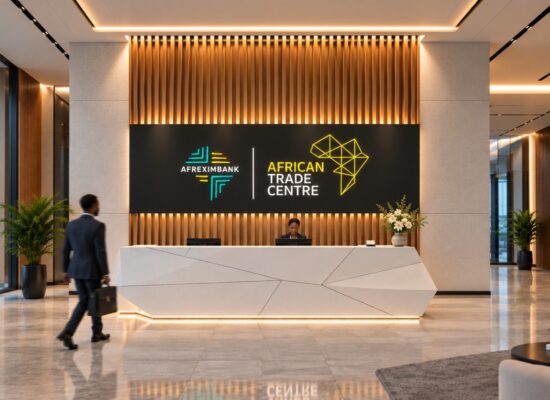
Commercial Signage Solutions UAE & GCC
How to Choose Commercial Signage Solutions in the UAE & GCC Commercial signage plays an important role in how people…
02 Oct 2026
Canadian Bespoke Lights
Canadian Bespoke Lighting: Where Design Becomes a Signature Luxury architecture is rarely defined by one element alone. The character of…
02 Oct 2026
American bespoke chandeliers
American Bespoke Chandeliers: Where Custom Design Meets Architectural Luxury American bespoke chandeliers represent a highly personalized approach to decorative architectural…
subscribe for newsletter

Luzion is a leading manufacturer and exporter of high-quality LED lighting solutions. With a focus on design, research, and innovation, we offer a wide range of products for commercial, industrial, residential, and outdoor spaces.
