
Search
Category
- Bollard Light
- Commercial Lighting
- Energy-Efficient Lighting
- LAMPS
- LED Lights
- LED Uplighter
- Light and Colour Theory
- Lighting Design and Facade Lighting
- Lighting Design Consultancy UAE
- lighting design principles
- Lighting Fundamentals and Design Principles
- Lighting Solutions
- Nature of Light in Lighting Design
- Panel Lights vs. Spot Lights
- Portable Lights
- Signage Solutions
- Smart Controllers for Streetlights
- Solar Lights
- Tree Lighter
- Uncategorized
Recent Posts



Commercial Signage Solutions UAE & GCC
Tags
- Architectural Lighting
- Architectural Lighting Design
- Architectural Lighting Design UAE
- automation
- Best Lighting Design Consultancy in UAE
- COB LED Technology
- COB Spotlights
- Color Temperature in Lighting
- Commercial Lighting Design
- Commercial Lighting Fixtures
- Commercial Lighting Innovations
- Commercial Lighting UAE
- Cylinder COB Lights
- Dialux Lighting Design
- Dialux Lighting Design UAE
- Energy Efficient Lighting
- Energy-Efficient Lighting USA
- Exterior Lighting Solutions
- Facade & Exterior Lighting
- Facade Lighting
- Facade Lighting Design
- Facade Lighting Design UAE
- Facade lighting ideas
- Facade Lighting UAE
- Facade Uplighting
- Green Building Design
- Indoor & Exterior Lighting Solutions
- Interior Lighting Design
- Lamps
- LED Lighting Solutions
- LED lights
- LED Panel
- LED Uplighters
- LED vs Halogen
- Light and Color Theory
- Lighting Basics
- Lighting Consultancy UAE
- Lighting Design
- Lighting Design Consultancy in UAE
- Lighting Design Principles
- Lighting Design UAE
- Lighting Fundamentals Guide
- Lighting Layers
- Lumen Output in Lighting
- Modern Building Lighting Ideas
- Modern Lighting Ideas
- Office Lighting Solutions
- Outdoor Lighting Consultants UAE
- Panel Lights vs. Spot Lights
- Portable Lights
- smart light
- Smart Lighting Systems
- Sustainable Architecture
- Sustainable Lighting UAE
- Villa Lighting UAE

28Apr 2026
- LAMPS


Types of Lamps in Modern Lighting Design: Choosing the Right Light for Every Space
When planning lighting for a home, commercial project, or industrial space, most people focus on fixtures—but the real impact comes from the lamp (light source) itself. The type of lamp you choose directly influences brightness, color quality, energy efficiency, and overall visual comfort.
Whether you’re working on a project in the UAE, USA, UK, or Gulf countries, selecting the right lighting solution is essential for both performance and long-term cost efficiency.
Why Lamp Selection Matters
Lighting today goes far beyond basic illumination—it plays a key role in user experience, efficiency, and maintenance.
Common challenges when choosing the wrong lamp:
- Higher electricity consumption and operational cost
- Poor brightness or uneven light distribution
- Frequent replacement and maintenance issues
- Reduced productivity in commercial environments
Benefits of selecting the right lamp:
- Better visual comfort and ambiance
- Energy efficiency and cost savings
- Longer lifespan with low maintenance
- Improved architectural and design impact
Incandescent Lamps
Incandescent lamps produce light by heating a filament, creating a warm and comfortable glow (~2700K). They were widely used in residential spaces but are now becoming obsolete due to high energy consumption and short lifespan.
They are still occasionally used in decorative or vintage-style applications where warmth and ambiance are the priority over efficiency.

Tungsten Halogen Lamps
Tungsten halogen lamps are an improved version of incandescent lighting. By introducing halogen gas inside the lamp, the filament can operate at higher temperatures, producing brighter light and slightly better efficiency.

Halogen lamps are commonly used as directional spotlights. Built-in reflectors focus light into a controlled beam, making them suitable for task lighting, accent lighting, and highlighting artwork or architectural details.
They typically emit warm white light around 3000K and become warmer when dimmed, creating a comfortable and intimate atmosphere. For many years, halogen lamps were widely used in recessed ceiling fixtures and display lighting.
Despite their advantages, halogen lamps still consume considerable energy and generate significant heat. Modern LED spotlights now offer similar beam control with much greater efficiency and longer lifespan, making them a more practical choice for new installations.
LED Lamps
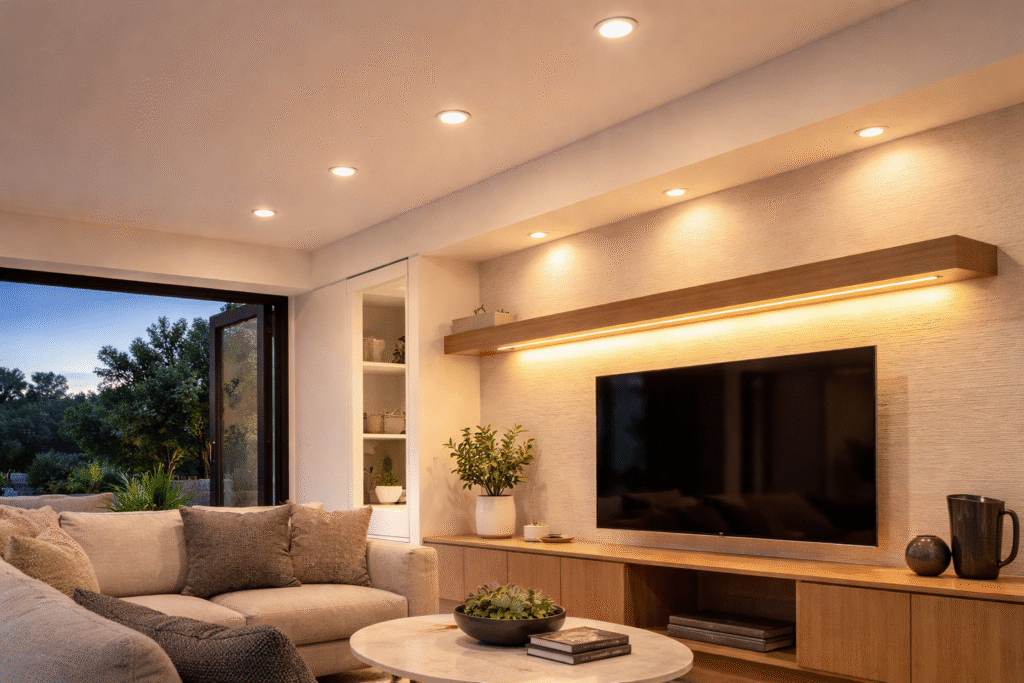
LED lighting has transformed the industry and is now the preferred solution for modern lighting applications. It offers high efficiency, long lifespan, and flexibility across various environments.
LED lamps are widely used in residential, commercial, industrial, and outdoor lighting projects across the UAE, USA, and UK.
Why LED is the preferred choice today:
- Up to 80% energy savings compared to traditional lamps
- Long lifespan (20,000–50,000 hours)
- Low heat emission and higher safety
- Compatible with smart lighting systems
- Ideal for harsh climates like UAE and Gulf regions
Fluorescent Lighting
Fluorescent lamps have been widely used in offices, warehouses, and retail environments due to their ability to provide uniform lighting across large areas.
Although more efficient than incandescent lamps, they come with limitations such as mercury content, flickering issues, and limited dimming capability. As a result, they are gradually being replaced by LED lighting systems.

Cold Cathode Lighting
Cold cathode lighting is mainly used for decorative and architectural purposes. It produces a smooth and uniform glow and can be customized into various shapes, making it ideal for signage and design-focused installations.
This type of lighting is commonly used in high-end projects to enhance visual aesthetics rather than for general illumination.

Fibre Optic Lighting
Fibre optic lighting works by transmitting light from a remote source, making it extremely safe since there is no heat or electricity at the endpoint.
It is widely used in luxury interiors, star ceilings, spas, and hospitality projects where safety and design flexibility are important.

Metal Halide Lamps
Metal halide lamps are designed for high-intensity applications such as stadiums, industrial spaces, and large outdoor areas. They provide powerful illumination and good color rendering.
However, their slow startup time and high energy consumption have led to a shift toward high-performance LED lighting solutions.

Lighting Trends in UAE, USA & UK
Modern lighting projects across the UAE, USA, and UK are rapidly shifting toward smarter and more sustainable solutions. The demand for energy-efficient systems and smart automation is increasing across commercial and industrial sectors.
Common trends include:
- Smart lighting systems and automation
- Solar-powered lighting solutions
- Energy-efficient LED technologies
- Architectural and facade lighting
Choosing the Right Lamp for Your Project
Selecting the right lamp requires a balance between performance, cost, and application needs.
Key factors to consider:
- Type of application (residential, commercial, industrial, outdoor)
- Energy efficiency and power consumption
- Maintenance and replacement cost
- Climate conditions (important for Gulf countries)
- Compliance with local standards (UAE, USA, UK)
Final Thoughts
At Luzion Lighting, the future of lighting is LED-driven, energy-efficient, and smart-enabled. Choosing the right lamp is no longer just a design decision—it directly impacts cost, performance, and sustainability.
What you should focus on in every lighting project:
- Energy efficiency
- Durability and lifespan
- Performance and light quality
- Design compatibility
Related posts
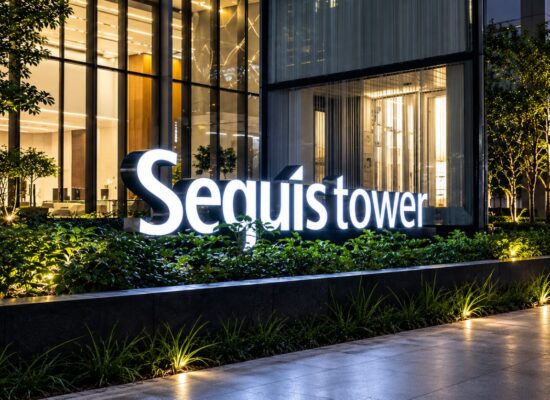
23 Oct 2026
Outdoor Signage in UAE: Types, Materials and Design Guide
Outdoor signage is an essential part of commercial architecture, helping businesses establish visibility, communicate their identity and guide visitors. In…
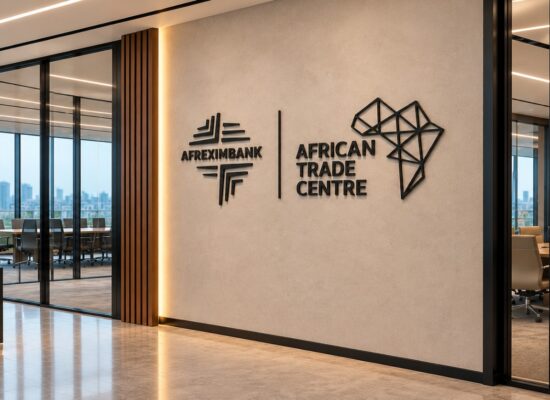
21 Oct 2026
Channel Letter Signage in UAE: Types, Materials and Applications
Channel letter signage is widely used by retail stores, hotels, restaurants, shopping malls and commercial buildings to display business names,…
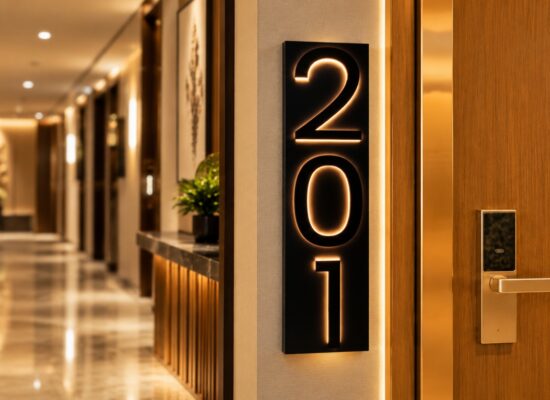
21 Oct 2026
3D Letter Signage in UAE: Materials, Finishes and Applications
In a competitive commercial environment, signage plays an important role in how customers recognise a brand, locate a business and…
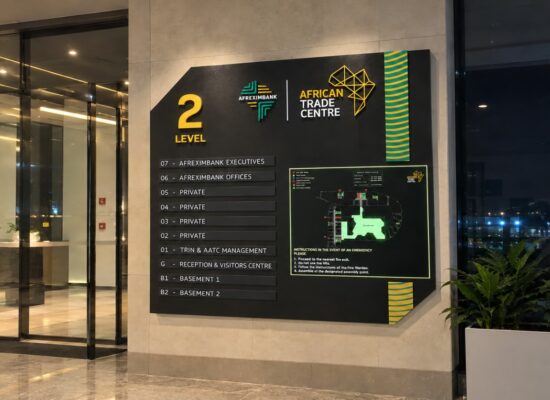
21 Oct 2026
Types of Illuminated Signage: A Guide for UAE & GCC Projects
Illuminated signage plays an important role in how commercial buildings, hotels, retail developments and corporate spaces communicate their identity. In…
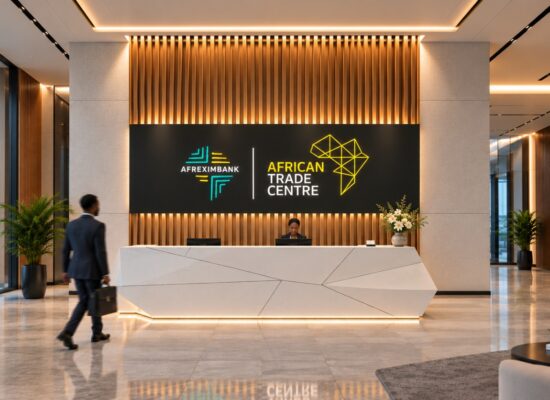
17 Oct 2026
Commercial Signage Solutions UAE & GCC
How to Choose Commercial Signage Solutions in the UAE & GCC Commercial signage plays an important role in how people…
subscribe for newsletter

Luzion is a leading manufacturer and exporter of high-quality LED lighting solutions. With a focus on design, research, and innovation, we offer a wide range of products for commercial, industrial, residential, and outdoor spaces.
