
Search
Category
- Bollard Light
- Commercial Lighting
- Energy-Efficient Lighting
- LAMPS
- LED Lights
- LED Uplighter
- Light and Colour Theory
- Lighting Design and Facade Lighting
- Lighting Design Consultancy UAE
- lighting design principles
- Lighting Fundamentals and Design Principles
- Lighting Solutions
- Nature of Light in Lighting Design
- Panel Lights vs. Spot Lights
- Portable Lights
- Signage Solutions
- Smart Controllers for Streetlights
- Solar Lights
- Tree Lighter
- Uncategorized
Recent Posts


Tags
- Architectural Lighting
- Architectural Lighting Design
- Architectural Lighting Design UAE
- automation
- Best Lighting Design Consultancy in UAE
- COB LED Technology
- COB Spotlights
- Color Temperature in Lighting
- Commercial Lighting Design
- Commercial Lighting Fixtures
- Commercial Lighting Innovations
- Commercial Lighting UAE
- Cylinder COB Lights
- Dialux Lighting Design
- Dialux Lighting Design UAE
- Energy Efficient Lighting
- Energy-Efficient Lighting USA
- Exterior Lighting Solutions
- Facade & Exterior Lighting
- Facade Lighting
- Facade Lighting Design
- Facade Lighting Design UAE
- Facade lighting ideas
- Facade Lighting UAE
- Facade Uplighting
- Green Building Design
- Indoor & Exterior Lighting Solutions
- Interior Lighting Design
- Lamps
- LED Lighting Solutions
- LED lights
- LED Panel
- LED Uplighters
- LED vs Halogen
- Light and Color Theory
- Lighting Basics
- Lighting Consultancy UAE
- Lighting Design
- Lighting Design Consultancy in UAE
- Lighting Design Principles
- Lighting Design UAE
- Lighting Fundamentals Guide
- Lighting Layers
- Lumen Output in Lighting
- Modern Building Lighting Ideas
- Modern Lighting Ideas
- Office Lighting Solutions
- Outdoor Lighting Consultants UAE
- Panel Lights vs. Spot Lights
- Portable Lights
- smart light
- Smart Lighting Systems
- Sustainable Architecture
- Sustainable Lighting UAE
- Villa Lighting UAE
24Oct 2026
- Signage Solutions


Front-Lit vs Backlit vs Halo-Lit Signage: Which Is Best for Your Project?
Choosing the right illumination style can transform the appearance of a business sign. Whether it is a retail storefront in Dubai, a hotel entrance in Abu Dhabi, a corporate headquarters in Riyadh or a commercial development in Doha, the lighting method influences visibility, brand presentation and the relationship between signage and architecture.
Front-lit, backlit and halo-lit signage are frequently discussed together, but they do not always describe the same lighting effect. Understanding how each system works helps architects, signage designers, developers, contractors and procurement teams select the right solution for their projects.
This guide compares front-lit vs backlit vs halo-lit signage, explaining their construction, illumination methods, visual effects, materials, technical requirements and applications across the UAE and GCC.
What Is the Difference Between Front-Lit, Backlit and Halo-Lit Signage?
The main difference is the direction in which light emerges from the sign and how the illuminated surface appears to the viewer.
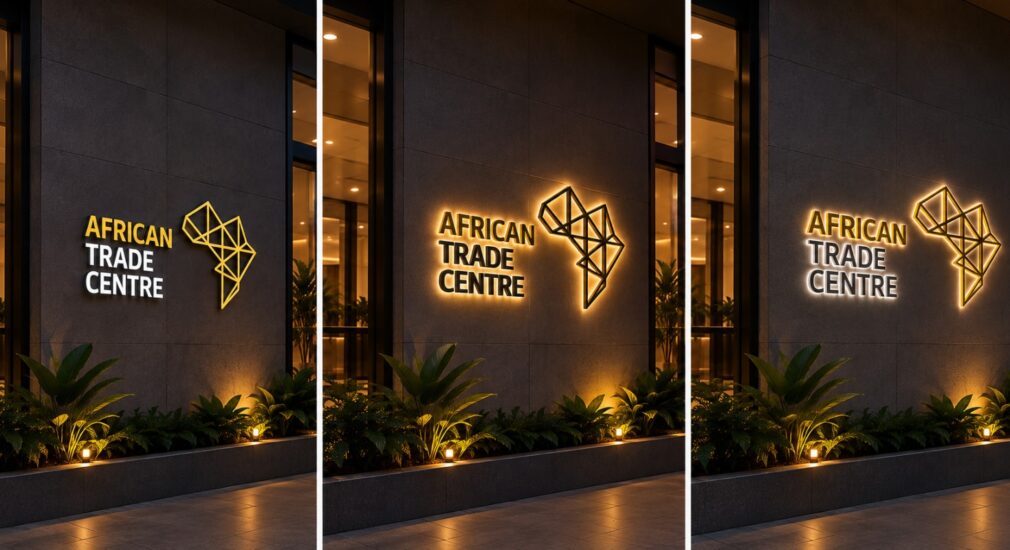
Front-lit signage directs light through the front face of individual letters or a sign panel. Backlit signage is a broader term that can describe light passing through a sign face from behind. Halo-lit signage, commonly called reverse-lit signage, directs light towards the mounting surface behind individual letters, producing a glow around their outlines.
The term backlit can therefore refer to different constructions. For dimensional letters, it is often used interchangeably with halo-lit or reverse-lit. For a signboard or lightbox, it may instead describe a translucent face illuminated from within.
Understanding this distinction is important when reviewing signage drawings, comparing supplier quotations and specifying the intended nighttime appearance.
Quick Comparison: Front-Lit vs Backlit vs Halo-Lit
| Feature | Front-Lit Signage | Backlit Signage | Halo-Lit Signage |
|---|---|---|---|
| Lighting direction | Through the front face | From behind a translucent sign face, or towards the rear depending on construction | Towards the wall behind individual letters |
| Visual effect | Directly illuminated lettering or graphics | Illuminated panel or graphic | Soft glow around dimensional letters |
| Typical construction | Translucent face with internal LEDs | Translucent panel with LEDs behind it | Opaque-faced letters with rear-facing LEDs |
| Main advantage | Clear, direct brand visibility | Broad, even graphic illumination when properly designed | Refined, architectural appearance |
| Common applications | Shopfronts, retail and corporate signs | Lightboxes, displays and selected sign panels | Hotels, premium retail and corporate entrances |
| Design dependency | Face material and contrast | Diffusion, panel depth and light distribution | Wall finish, mounting clearance and light spread |
The best option depends on the sign’s purpose, viewing distance, brand identity, background surface and installation environment.
1. Front-Lit Signage: Direct Illumination for Clear Visibility
Front-lit signage illuminates the front surface of letters or graphics, allowing the viewer to see the illuminated face directly.
In a typical front-lit channel letter system, LED modules are installed inside a three-dimensional letter. Light passes through a translucent acrylic face, producing a visible, illuminated character.
This construction is widely used for retail shopfronts, restaurants, shopping centres, commercial buildings and businesses that need their names to remain easy to recognise after sunset.
How Does Front-Lit Signage Work?
A typical front-lit channel letter comprises a fabricated letter body, an appropriate translucent face material, internal LED modules, electrical connections and a suitable mounting arrangement.
The LEDs distribute light through the face. The resulting appearance depends on the module spacing, letter depth, face transmission, diffuser characteristics and electrical design.
For brand-led applications, the face material and colour specification should be selected carefully to maintain a consistent appearance during both daytime and nighttime conditions.
Advantages of Front-Lit Signage
- Provides direct illumination of letters and graphics.
- Supports clear brand identification when correctly sized and specified.
- Accommodates a broad range of colours and lettering styles.
- Can suit retail, hospitality, commercial and roadside applications.
- Works well where the illuminated face is the main visual feature.
Limitations to Consider
Poorly designed front-lit signage can develop visible hotspots, uneven brightness or excessive glare. Very small lettering may also be difficult to illuminate uniformly.
Brightness should be matched to the viewing environment and any applicable restrictions. Higher output does not automatically mean better legibility.
Where Is Front-Lit Signage Best Used?
Front-lit channel letters are worth considering for retail storefronts, shopping destinations, restaurant façades, commercial entrances and businesses requiring strong direct identification.
In Dubai and Abu Dhabi, the design should account for daylight contrast, mounting height, nighttime brightness and the specific approval requirements applicable to the property.
2. Backlit Signage: Illuminated Panels and Graphics
Backlit signage uses light positioned behind a sign face or graphic so that the visible front surface becomes illuminated.
A common example is a lightbox containing LED modules behind a translucent panel. The light passes through the panel to illuminate text, graphics or a brand identity.
Backlit signboards are suitable for retail displays, information panels, commercial directories and applications where a larger illuminated graphic is needed.
How Does Backlit Signage Work?
In a typical backlit lightbox, LEDs are arranged behind a translucent face. A diffuser, suitable panel depth and carefully selected LED spacing help distribute light across the visible area.
The design should account for the size of the panel, the optical properties of the face material and the distance between the LEDs and the illuminated surface.
For larger signboards, the light distribution should be tested to avoid bright spots near the LED positions and darker areas between them.
Advantages of Backlit Signage
- Illuminates larger graphics and sign panels.
- Supports detailed logos, typography and branded imagery.
- Can provide consistent illumination across a broad surface when correctly designed.
- Offers flexibility in panel dimensions and visual presentation.
- Works well for retail displays, directories and commercial lightboxes.
Limitations to Consider
An inadequately designed backlit sign can show uneven illumination, visible LED points or inconsistent colour. The panel may also require additional depth, structural support and access for servicing.
Material transmission, graphic opacity and LED placement should be evaluated together before production.
Where Is Backlit Signage Best Used?
Backlit panels are particularly suitable for retail graphics, mall directories, promotional displays, commercial information boards and larger branded sign faces.
For outdoor installations, the enclosure, electrical components and face material must be suitable for the actual environmental exposure.
3. Halo-Lit Signage: A Refined Architectural Lighting Effect
Halo-lit signage, also known as reverse-lit signage, creates a glow on the mounting surface behind dimensional letters.
Unlike front-lit letters, which illuminate their visible faces, halo-lit letters typically use an opaque front surface and rear-facing LED modules. The light reflects off the wall, creating a luminous outline around the letters.
This technique is often selected for premium hospitality, corporate offices, luxury retail, showrooms and contemporary architectural projects.
How Does Halo-Lit Signage Work?
Halo-lit letters are fabricated with a rear-facing illumination arrangement and mounted with suitable clearance from the supporting surface.
The LEDs direct light towards the wall. Reflected light creates the halo effect, with the appearance influenced by the letter depth, mounting distance, LED distribution, wall colour and surface texture.
The final effect should be assessed on the actual mounting surface because the same lettering can look noticeably different on a light wall, dark stone, textured render or metallic cladding.
Advantages of Halo-Lit Signage
- Creates a distinctive glow around individual letters.
- Highlights dimensional lettering and premium metal finishes.
- Can integrate elegantly with architectural façades.
- Provides a more indirect visual effect than front-lit lettering.
- Suits hotels, corporate entrances, premium retail and selected hospitality environments.
Limitations to Consider
Halo-lit signage depends strongly on the background surface and available mounting clearance. Dark or highly textured surfaces may absorb or scatter light differently, affecting the intended appearance.
Incorrect LED positioning can create uneven halos, bright patches or unwanted light spill. The mounting arrangement should also provide suitable access for installation, wiring and maintenance.
Halo-lit lettering may be less legible than directly illuminated lettering in some long-distance or high-speed viewing conditions. It should therefore be selected according to the project’s visibility requirements rather than appearance alone.
Where Is Halo-Lit Signage Best Used?
Halo-lit channel letters are well suited to hotel entrances, corporate headquarters, premium boutiques, restaurants, reception façades and commercial buildings where dimensional lettering is part of the architectural identity.
For UAE projects, coordinate the letter finish, wall material, illumination effect and external lighting design before finalising the specification.
4. Front-Lit vs Backlit vs Halo-Lit: Which Should You Choose?
The right lighting method depends on what the sign needs to communicate and how people will experience it.
| Project requirement | Recommended starting point | Reason |
|---|---|---|
| Clear illuminated business name | Front-lit letters | Direct illumination of the lettering |
| Large illuminated promotional graphic | Backlit lightbox | Suitable for broad, illuminated faces |
| Premium dimensional hotel lettering | Halo-lit letters | Creates a glow around the letters |
| Corporate building identification | Front-lit or halo-lit | Depends on viewing distance and brand character |
| Shopping mall directory | Backlit panel or suitable front-lit system | Supports readable information and graphics |
| Architectural entrance signage | Halo-lit or front-lit | Depends on façade material and visibility |
| Brand requiring both direct light and a halo | Combination-lit letters | Can integrate front illumination and rear glow |
A combination-lit system, also called dual-lit signage, uses both front illumination and rear illumination. It may suit brands seeking strong face visibility alongside a halo effect, but it introduces additional design and fabrication considerations.
The selection should be based on a defined design brief rather than the assumption that one lighting type is universally superior.
5. Materials Used in Illuminated Channel Letter Signage
The construction materials affect the sign’s daytime appearance, nighttime performance, durability and maintenance requirements.
Aluminium: Commonly used for letter bodies and returns because it is relatively lightweight and can be fabricated into different shapes.
Stainless steel: Often selected for premium lettering where the desired finish includes brushed, polished or other architectural metal effects. The appropriate grade should be selected for the installation environment.
Acrylic: Frequently used for translucent front-lit faces and illuminated panels. Its optical performance, UV stability and suitability for the application should be assessed.
Polycarbonate: Used in selected sign-face and protective applications where impact performance and the intended optical characteristics are suitable.
Coated metal: Can provide a broad range of architectural finishes. Surface preparation, coating quality and exposure conditions influence long-term appearance.
For projects in the UAE and wider GCC, material selection should account for sunlight, elevated temperatures, humidity, dust, wind and coastal exposure where relevant.
The complete assembly also matters. Fixings, sealants, wiring, drivers, mounting brackets and enclosure design can affect the performance of the finished sign.
6. Technical Considerations for Front-Lit, Backlit and Halo-Lit Signs
Before approving a signage design, review the technical requirements alongside the visual concept.
LED Module Placement and Light Uniformity
Front-lit letters require appropriate LED spacing and face diffusion to achieve a consistent illuminated surface.
Backlit lightboxes need an optical arrangement that distributes light evenly across the panel. Halo-lit letters require rear-facing LEDs and suitable mounting clearance to create the intended glow.
A prototype or illuminated sample can help identify uneven brightness before full-scale production.
IP Rating and Weather Protection
Outdoor signage may be exposed to rain, dust, humidity and cleaning processes. The appropriate ingress protection rating depends on the component, enclosure and site conditions.
An IP65 rating may be suitable for some exposed equipment, but it should not be applied automatically to every sign. Check the documented rating of the relevant components or complete assembly and follow the manufacturer’s installation requirements.
Heat Management
LEDs and drivers operate within specified temperature ranges. Enclosed signage should be evaluated for heat accumulation, particularly in locations exposed to direct sunlight.
Appropriate thermal management, suitable components, compatible sealing materials and practical service access can help support reliable operation.
Brightness and Glare
Brightness should be selected according to viewing distance, ambient light, sign size and any applicable local restrictions.
Front-lit faces, backlit panels and halo-lit letters distribute light differently. Review the final illuminated sample under realistic conditions to confirm legibility and avoid excessive glare or unwanted spill light.
Electrical and Structural Requirements
The design should identify the appropriate power supply, electrical protection, wiring route, mounting method and maintenance access.
Large signs and freestanding structures may require project-specific structural calculations and suitable foundations or anchors. Confirm the applicable requirements before installation.
7. Choosing Illuminated Signage for UAE and GCC Projects
Illuminated signage across the UAE and GCC should be selected according to the building, audience, site conditions and local requirements.
Dubai and Abu Dhabi
Retail destinations, hotels, corporate buildings and mixed-use developments may use front-lit lettering for direct visibility, backlit panels for larger graphics or halo-lit letters for architectural identification.
The appropriate solution depends on the property design, viewing distance, illumination requirements and applicable local permissions.
Saudi Arabia and Qatar
Commercial developments, hospitality projects, retail environments and corporate buildings can benefit from coordinated illuminated signage.
Consider the mounting surface, expected exposure, branding requirements and service access. Confirm local approval processes for the specific installation location.
Oman, Kuwait and Bahrain
Outdoor signage should be specified for the actual environment, including coastal exposure where relevant, direct sunlight, dust and humidity.
Material selection, LED protection and mounting details should be evaluated for each site instead of applying a single specification throughout the GCC.
Across all these markets, coordinate signage with the building’s exterior lighting concept where both systems are part of the project.
8. How to Select the Right Signage for Your Business
Before requesting a quotation, prepare the following information:
- Project location: Identify the city, site and intended mounting position.
- Sign dimensions: Confirm the available width, height, letter size and viewing distance.
- Brand requirements: Provide the logo, typography, colours and preferred finish.
- Lighting preference: Specify front-lit, backlit, halo-lit or combination-lit where known.
- Mounting surface: Identify the façade material, colour, texture and available clearance.
- Environmental exposure: Record whether the sign is indoors, outdoors, exposed to direct sunlight or located near the coast.
- Electrical requirements: Confirm the available power supply, controls and cable routing.
- Project documentation: Share drawings, photographs, installation details and applicable approval requirements.
A clear brief helps signage designers and manufacturers assess feasibility, compare options and reduce avoidable changes during fabrication.
Why Architectural Coordination Matters
Illuminated signage is both a communication element and a visible part of the built environment. Its proportions, materials, brightness and mounting details can influence how an entrance or façade is perceived.
For commercial buildings, hotels and premium retail environments, early coordination between signage, façade finishes and exterior lighting can improve visual consistency and simplify installation planning.
Luzion Lighting provides architectural lighting solutions for commercial and built-environment projects. Where exterior LED lighting and signage are specified together, coordinating the lighting concept early can help align the appearance of the sign with the wider architectural design.
Planning a commercial signage or architectural lighting project in the UAE or GCC? Prepare your project drawings, location, dimensions and illumination requirements to support a technical discussion with the relevant project suppliers.
Frequently Asked Questions
1. What is the difference between front-lit and halo-lit signage?
Front-lit signage illuminates the face of the letters, creating a direct and clearly visible appearance. Halo-lit signage directs light onto the wall behind the letters, creating a glow around their outlines.
2. Is backlit signage the same as halo-lit signage?
Not always. Backlit commonly describes a sign face illuminated from behind, such as a lightbox. Halo-lit generally refers to dimensional letters that project light onto the mounting surface behind them. Some signage suppliers use backlit and halo-lit interchangeably for reverse-lit letters.
3. Which is better for outdoor business signage: front-lit or halo-lit?
Front-lit signage is often a suitable starting point when direct readability is the priority. Halo-lit signage can be more appropriate when the goal is a softer architectural effect. Viewing distance, background material, ambient brightness and local requirements should guide the final choice.
4. Which materials are used for halo-lit channel letters?
Halo-lit letters commonly use metal bodies, such as aluminium or stainless steel, with rear-facing LED modules. The finish, mounting clearance and supporting surface influence the final lighting effect.
5. Is halo-lit signage suitable for UAE weather conditions?
It can be suitable when the complete system is designed for the site’s temperature, sunlight, dust, humidity and water exposure. Appropriate materials, electrical protection, thermal management and installation details are important.
6. What should be included in an illuminated signage specification?
A specification should cover sign dimensions, materials, illumination method, LED characteristics, brightness, electrical requirements, environmental protection, mounting details, structural requirements and maintenance access as applicable to the project.
Final Thoughts
Front-lit, backlit and halo-lit signage serve different visual and practical purposes. Front-lit lettering emphasises direct visibility, backlit panels illuminate graphics across a larger face, and halo-lit lettering creates an architectural glow behind dimensional characters.
For UAE and GCC projects, the most appropriate option is the one that balances brand identity, readability, material performance, site conditions and installation requirements.
A well-coordinated specification helps architects, developers, contractors and procurement teams make informed decisions before fabrication begins.
Related posts
24 Oct 2026
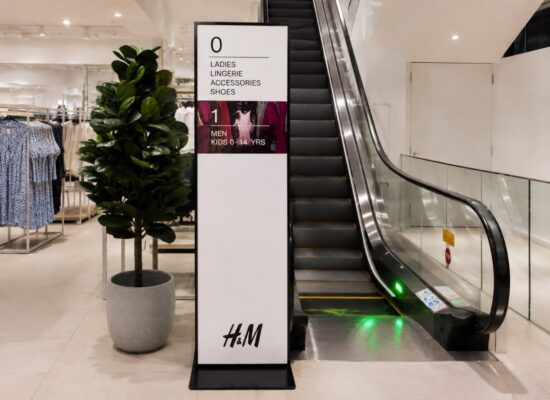
Digital Signage in UAE & GCC: Types, Applications and Design Guide
Digital signage has become an important part of how businesses communicate with customers, visitors and employees. From retail displays and…
24 Oct 2026
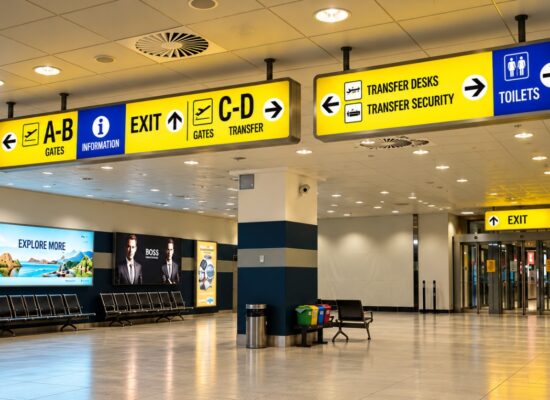
Wayfinding Signage in UAE & GCC: A Complete Design Guide
Wayfinding signage helps people navigate buildings, public spaces and large commercial developments without confusion. From hospital departments and hotel reception…
23 Oct 2026
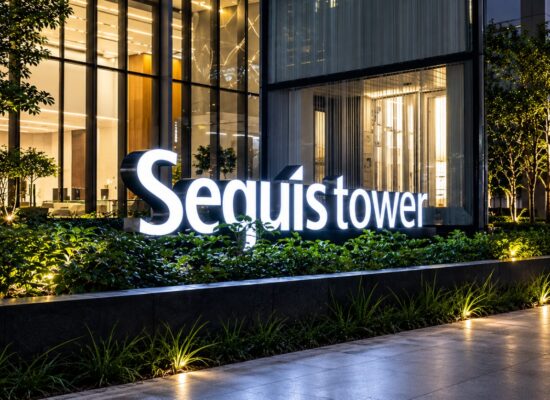
Outdoor Signage in UAE: Types, Materials and Design Guide
Outdoor signage is an essential part of commercial architecture, helping businesses establish visibility, communicate their identity and guide visitors. In…
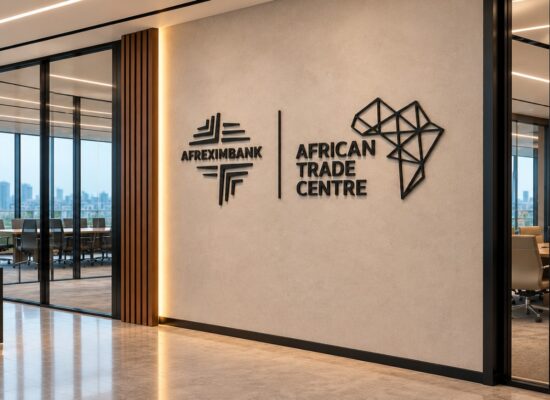
21 Oct 2026
Channel Letter Signage in UAE: Types, Materials and Applications
Channel letter signage is widely used by retail stores, hotels, restaurants, shopping malls and commercial buildings to display business names,…
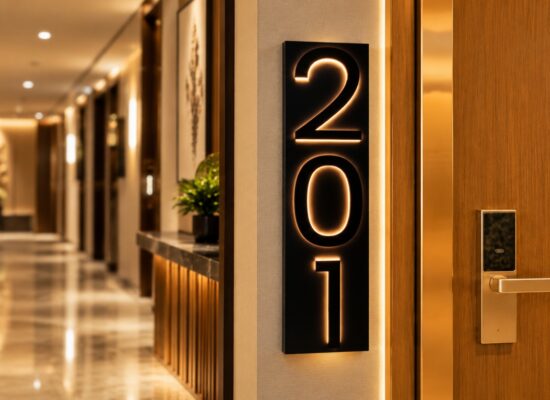
21 Oct 2026
3D Letter Signage in UAE: Materials, Finishes and Applications
In a competitive commercial environment, signage plays an important role in how customers recognise a brand, locate a business and…
subscribe for newsletter

Luzion is a leading manufacturer and exporter of high-quality LED lighting solutions. With a focus on design, research, and innovation, we offer a wide range of products for commercial, industrial, residential, and outdoor spaces.
