

Search
Category
- Bollard Light
- Commercial Lighting
- Energy-Efficient Lighting
- LAMPS
- LED Lights
- LED Uplighter
- Light and Colour Theory
- Lighting Design and Facade Lighting
- Lighting Design Consultancy UAE
- lighting design principles
- Lighting Fundamentals and Design Principles
- Lighting Solutions
- Nature of Light in Lighting Design
- Panel Lights vs. Spot Lights
- Portable Lights
- Signage Solutions
- Smart Controllers for Streetlights
- Solar Lights
- Tree Lighter
- Uncategorized
Recent Posts





Tags
- Architectural Lighting
- Architectural Lighting Design
- Architectural Lighting Design UAE
- automation
- Best Lighting Design Consultancy in UAE
- COB LED Technology
- COB Spotlights
- Color Temperature in Lighting
- Commercial Lighting Design
- Commercial Lighting Fixtures
- Commercial Lighting Innovations
- Commercial Lighting UAE
- Cylinder COB Lights
- Dialux Lighting Design
- Dialux Lighting Design UAE
- Energy Efficient Lighting
- Energy-Efficient Lighting USA
- Exterior Lighting Solutions
- Facade & Exterior Lighting
- Facade Lighting
- Facade Lighting Design
- Facade Lighting Design UAE
- Facade lighting ideas
- Facade Lighting UAE
- Facade Uplighting
- Green Building Design
- Indoor & Exterior Lighting Solutions
- Interior Lighting Design
- Lamps
- LED Lighting Solutions
- LED lights
- LED Panel
- LED Uplighters
- LED vs Halogen
- Light and Color Theory
- Lighting Basics
- Lighting Consultancy UAE
- Lighting Design
- Lighting Design Consultancy in UAE
- Lighting Design Principles
- Lighting Design UAE
- Lighting Fundamentals Guide
- Lighting Layers
- Lumen Output in Lighting
- Modern Building Lighting Ideas
- Modern Lighting Ideas
- Office Lighting Solutions
- Outdoor Lighting Consultants UAE
- Panel Lights vs. Spot Lights
- Portable Lights
- smart light
- Smart Lighting Systems
- Sustainable Architecture
- Sustainable Lighting UAE
- Villa Lighting UAE
24Oct 2026
- Signage Solutions


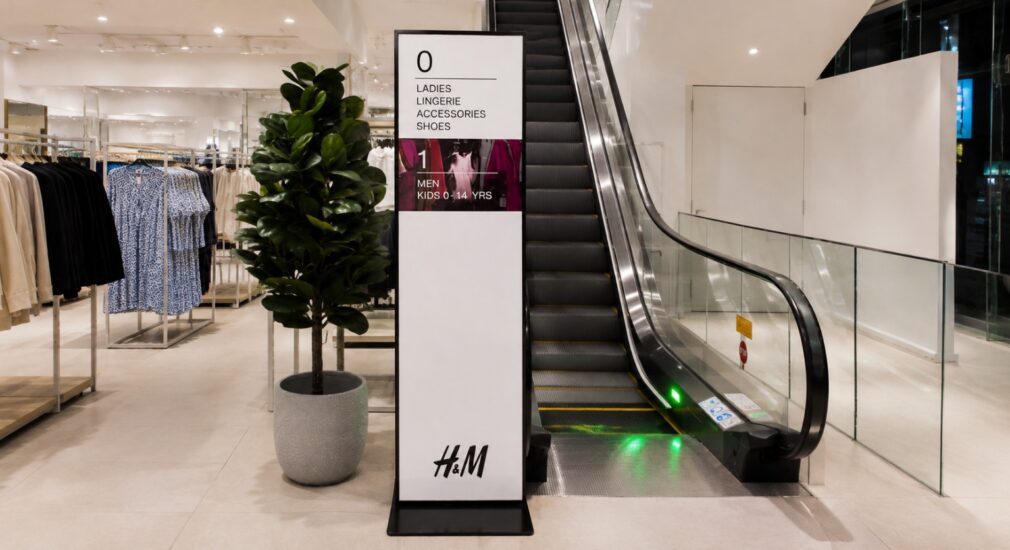
Digital Signage in UAE & GCC: Types, Applications and Design Guide
Digital signage has become an important part of how businesses communicate with customers, visitors and employees. From retail displays and shopping mall directories to hotel information screens, corporate video walls and interactive kiosks, digital displays help organisations present information in a flexible and engaging format.
Across the UAE and GCC, digital signage is used in commercial buildings, hospitality projects, retail environments, healthcare facilities, transport hubs and mixed-use developments. Choosing the right solution requires more than selecting a display. Screen visibility, content management, installation location, connectivity, ambient lighting and maintenance all influence the performance of a digital signage system.
For architects, interior designers, developers, MEP consultants and signage contractors, digital signage in UAE should be considered as part of the overall building and communication strategy.
This guide explores the main types of digital signage, their applications, key technical considerations and planning requirements for projects across the Gulf region.
What Is Digital Signage?
Digital signage is an electronic display system used to communicate information, advertising, directions, announcements or other visual content. It may use LCD screens, LED displays, video walls, interactive touchscreens or specialised outdoor displays.
Unlike static printed signs, digital signage can display changing content without requiring a new physical sign for every update. Depending on the system, content can be scheduled, updated remotely or adapted for different locations and audiences.
Common applications include:
- Promotional displays in retail stores and shopping malls
- Digital directories and wayfinding screens
- Hotel welcome screens and event information
- Corporate communication displays
- Restaurant menus and promotional boards
- Interactive information kiosks
- Outdoor advertising displays
- Conference room and meeting space information
The best system depends on the viewing distance, content type, location, operating hours and intended audience.
Types of Digital Signage for UAE and GCC Projects
1. Indoor Digital Signage
Indoor digital signage is commonly installed in reception areas, retail stores, offices, hotels, hospitals and commercial buildings.
It can display welcome messages, promotional content, announcements, schedules, directories and visitor information. Screen size and resolution should be selected according to viewing distance and the amount of detail displayed.
For premium interiors, the display enclosure, mounting arrangement, cable management and surrounding finishes should coordinate with the architectural design.
2. Outdoor Digital Signage
Outdoor digital signage is designed for external locations such as building entrances, retail developments, commercial plazas, roadside advertising locations and public spaces.
Outdoor installations require careful consideration of direct sunlight, heat, dust, moisture, glare and potential vandalism. The enclosure, brightness, cooling arrangement and environmental protection must be suitable for the actual site conditions.
For projects in Dubai, Abu Dhabi, Riyadh, Doha and other GCC cities, outdoor display specifications should be verified against the local environment and the manufacturer’s operating limits.
3. LED Video Walls
LED video walls combine multiple LED modules or panels to create a large visual display. They are used in shopping malls, corporate lobbies, event venues, showrooms, hospitality spaces and entertainment environments.
The appropriate pixel pitch depends on the viewing distance and the type of content. A display viewed from close range generally requires a different pixel pitch from a large installation viewed across a public space.
Project teams should also assess structural support, power requirements, heat dissipation, access for servicing and content resolution before installation.
4. LCD Digital Displays
LCD displays are widely used for information screens, menus, office communications, hotel facilities and indoor advertising.
They can be suitable where clear text, detailed imagery and controlled viewing conditions are important. Screen size, brightness, resolution, orientation and operating-duty requirements should be checked against the intended application.
For installations in bright environments, the display must be selected for the actual ambient lighting conditions.
5. Interactive Digital Signage
Interactive digital signage allows users to engage directly with displayed information through touchscreens or other input methods.
Typical applications include shopping mall directories, hospital navigation, visitor registration, exhibition information and property directories.
The user interface should be easy to understand, responsive and accessible. Developers should also consider software support, network connectivity, privacy, cleaning and the process for updating information.
6. Digital Wayfinding Signage
Digital wayfinding signage helps visitors navigate large or complex buildings using electronic directories, maps, directions and destination information.
It can be particularly useful in hospitals, airports, shopping malls, hotels, office towers and mixed-use developments.
For a complete navigation system, digital displays should be coordinated with physical directional signage, room identification and accessible route information. Visitors should still be able to follow essential directions when a screen or network connection is unavailable.
Digital Signage Applications Across Different Industries
Shopping Malls and Retail
Shopping centres use digital signage for promotions, brand campaigns, tenant directories, event announcements and customer information.
Large LED displays may be suitable for prominent public areas, while smaller LCD screens can serve entrances, individual retail units and directory locations. Content should be readable from the expected viewing distance and should not obstruct essential building information.
Hotels and Resorts
Hotels use digital displays for welcome messages, event schedules, restaurant information, conference room identification and guest announcements.
The display design should complement the hotel’s interior architecture and brand identity. Screen placement, brightness and content presentation should suit the reception area, lift lobby, restaurant or meeting space where the display will be installed.
Corporate Offices
Corporate environments use digital signage for visitor information, internal announcements, meeting schedules, performance dashboards and employee communications.
Displays can be integrated into reception areas, collaboration spaces and meeting room systems. Installation planning should cover power, network access, mounting details and content management responsibilities.
Hospitals and Healthcare Facilities
Healthcare facilities may use digital signage for department directories, waiting-area information, appointment announcements and patient guidance.
Information should be clear, accurate and easy to update. Digital signage must be coordinated with the hospital’s wider wayfinding system and should not replace required safety or emergency signage.
Restaurants and Food Courts
Restaurants and food courts use digital menu boards to present menus, pricing, promotions and other customer information.
Content should remain legible under the installed lighting conditions. Operators should also confirm how prices and menu items will be updated, who manages the content and what happens if a screen or network connection fails.
Exhibitions and Public Spaces
Exhibition centres, event venues and public facilities may use large-format displays for schedules, announcements, sponsor content and visitor information.
These environments often need flexible content, reliable operation and access for servicing. The system should be designed around crowd movement, viewing angles and the duration of daily operation.
Technical Considerations for Digital Signage
A digital signage system should be specified according to its intended use rather than choosing a display based on size alone.
Screen Brightness and Ambient Light
The display must be bright enough for its environment without creating unnecessary glare. Indoor screens in controlled lighting have different requirements from outdoor screens exposed to direct sunlight.
Check the manufacturer’s brightness rating and confirm that it is suitable for the actual installation conditions.
Resolution and Pixel Pitch
Resolution affects the clarity of text, graphics and images. For LED displays, pixel pitch is a key factor in determining image detail at different viewing distances.
Close-viewing installations may require finer pixel pitch, while large displays viewed from farther away may use a different specification. The final choice should balance viewing requirements, content and project budget.
Display Size and Viewing Distance
Screen dimensions should be based on the available installation area, the intended audience and the distance from which content will be viewed.
A display that is too small may be difficult to read, while an oversized display may overwhelm the architecture or create an unsuitable viewing experience.
Operating Hours and Reliability
Some displays operate for limited periods, while others may need to run for extended hours each day. Confirm the rated duty cycle, warranty conditions, cooling requirements and service arrangements before selecting equipment.
Connectivity and Content Management
Digital signage may require wired or wireless networking, a media player, content management software and access permissions.
Before installation, establish who will create, approve, schedule and update content. For multi-location projects, remote management may help maintain consistency, but the network and software requirements must be verified.
Power, Cooling and Maintenance
Displays and LED video walls require appropriate power provision and thermal management. Large installations may also need dedicated structural support and safe maintenance access.
Coordinate electrical loads, cable routes, ventilation, mounting brackets and service clearances with the MEP consultant and installation team.
Digital Signage for Outdoor Conditions in the GCC
Outdoor environments across the GCC can expose digital displays to high temperatures, strong sunlight, dust and humidity. Coastal installations may also face salt-laden air.
When specifying outdoor digital signage, review the following:
- Operating temperature range and thermal management
- Environmental protection rating appropriate to the installation
- Brightness and screen readability in sunlight
- Enclosure construction and corrosion resistance
- Mounting and structural wind-load requirements
- Access for cleaning and maintenance
- Electrical safety and surge protection
- Manufacturer warranty and service availability
An IP rating should be selected according to the actual exposure and installation method. It does not, by itself, guarantee that a display can withstand every outdoor condition.
Project teams should verify the equipment specifications, local approval requirements and installation conditions before finalising the design.
Integrating Digital Signage With Architecture and Lighting
Digital signage should be coordinated with the surrounding architecture rather than treated as a separate equipment item.
Architects, interior designers, signage specialists, lighting designers and MEP consultants may need to review screen placement, viewing angles, brightness, glare, electrical supply, cable routing and maintenance access together.
In reception areas and commercial interiors, the surrounding lighting can affect screen visibility. Reflections from glass, glossy finishes or poorly positioned luminaires may reduce readability. A coordinated lighting and display review can help identify these issues before installation.
For illuminated signage and architectural projects, Luzion Lighting can be considered as a project partner for discussing lighting requirements and the relationship between signage, architectural features and the visitor experience. Specific digital display hardware, software and integration services should be confirmed according to the project scope.
Digital Signage Across the UAE and GCC
Digital signage requirements vary by location, building type and application.
United Arab Emirates: Projects in Dubai, Abu Dhabi, Sharjah, Ajman, Ras Al Khaimah, Fujairah and Umm Al Quwain may include retail displays, hotel screens, corporate video walls, digital directories and outdoor advertising. Confirm applicable permissions and project-specific requirements before installation.
Saudi Arabia: Commercial developments in Riyadh, Jeddah, Makkah, Madinah and Dammam may use digital signage for hospitality, retail, corporate communications, public information and visitor navigation.
Qatar: In Doha and other areas, digital displays can support hotels, shopping centres, offices, healthcare facilities and event venues.
Kuwait: Retail, hospitality and commercial projects may use digital signage for advertising, information displays, directories and indoor communications.
Oman: In Muscat, Salalah and other locations, display selection should reflect the installation environment, operating requirements and maintenance arrangements.
Bahrain: In Manama and other commercial areas, digital signage may be used in hotels, malls, offices, healthcare facilities and mixed-use developments.
Across all six markets, verify local advertising permissions, building requirements, electrical safety provisions and other relevant approvals for the specific application.
How to Choose a Digital Signage Solution
Before selecting a system, project teams should establish a clear technical and operational brief.
- Define the objective: Determine whether the display is intended for advertising, navigation, information, menus or corporate communication.
- Select the display type: Compare LCD screens, LED displays, video walls and interactive systems against the project’s needs.
- Assess the location: Review indoor or outdoor exposure, ambient light, viewing distance and available mounting space.
- Confirm technical specifications: Check brightness, resolution, pixel pitch where relevant, operating hours, connectivity and environmental ratings.
- Plan content management: Decide how content will be created, approved, scheduled and updated.
- Coordinate installation: Confirm power, network access, structural supports, cable routes and maintenance clearances.
- Review ongoing support: Check warranty conditions, spare parts, software support and service arrangements.
- Verify approvals: Confirm applicable local regulations and project requirements before procurement and installation.
A well-prepared brief helps architects, developers, contractors and operators compare solutions on practical requirements rather than display size alone.
Frequently Asked Questions
1. What is digital signage?
Digital signage uses electronic displays such as LCD screens, LED displays, video walls and interactive kiosks to present advertising, information, directions or announcements.
2. What are the main types of digital signage?
Common types include indoor digital displays, outdoor displays, LED video walls, LCD screens, interactive kiosks and digital wayfinding systems.
3. What is the difference between LED and LCD digital signage?
LCD displays use a liquid-crystal panel with a backlight, while LED signage commonly refers to displays that use LEDs to produce the image. The appropriate option depends on viewing distance, screen size, brightness, installation environment and content.
4. What should be considered for outdoor digital signage in the UAE?
Consider sunlight readability, operating temperature, dust and moisture protection, cooling, structural support, electrical safety, maintenance access and the manufacturer’s specified operating conditions.
5. Can digital signage be used for wayfinding?
Yes. Digital directories, maps and interactive screens can help visitors navigate hospitals, malls, airports, hotels and large commercial developments. They should be coordinated with physical signs and applicable accessibility requirements.
6. Is digital signage suitable for projects across the GCC?
Digital signage can be used across the UAE, Saudi Arabia, Qatar, Kuwait, Oman and Bahrain. The equipment, installation and content requirements should be selected according to the project, local conditions and applicable approvals.
Conclusion
Digital signage provides a flexible way to communicate information, promote services and support navigation across commercial and public environments. Its success depends on choosing the right display technology, planning for viewing conditions, managing content effectively and coordinating the installation with the building.
For projects across the UAE and GCC, environmental suitability, readable content, reliable operation and maintainability should be considered from the early design stage.
Luzion Lighting works with architectural lighting and project-specific lighting requirements. For developments where signage and lighting need to work together, early coordination can help create a more consistent visual experience.
Related posts
24 Oct 2026
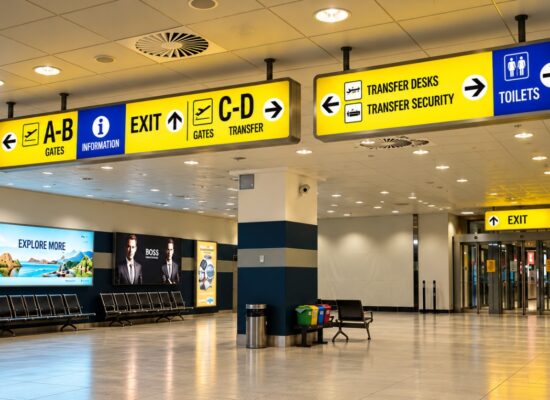
Wayfinding Signage in UAE & GCC: A Complete Design Guide
Wayfinding signage helps people navigate buildings, public spaces and large commercial developments without confusion. From hospital departments and hotel reception…
24 Oct 2026
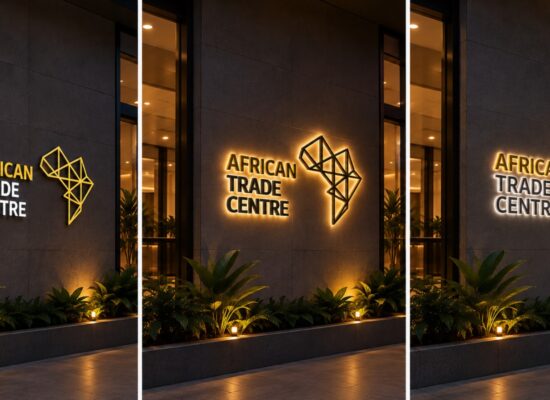
Front-Lit vs Backlit vs Halo-Lit Signage: Which Is Best for Your Project?
Choosing the right illumination style can transform the appearance of a business sign. Whether it is a retail storefront in…
23 Oct 2026
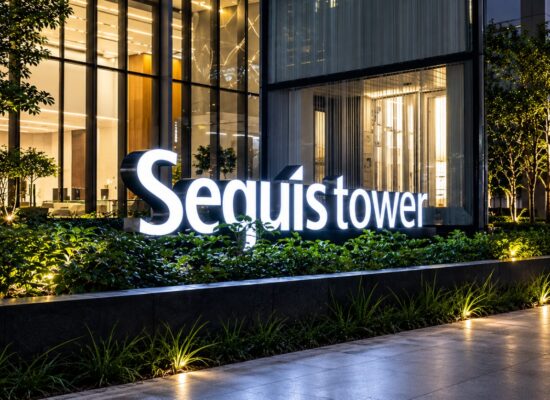
Outdoor Signage in UAE: Types, Materials and Design Guide
Outdoor signage is an essential part of commercial architecture, helping businesses establish visibility, communicate their identity and guide visitors. In…
21 Oct 2026
Channel Letter Signage in UAE: Types, Materials and Applications
Channel letter signage is widely used by retail stores, hotels, restaurants, shopping malls and commercial buildings to display business names,…
21 Oct 2026
3D Letter Signage in UAE: Materials, Finishes and Applications
In a competitive commercial environment, signage plays an important role in how customers recognise a brand, locate a business and…
subscribe for newsletter

Luzion is a leading manufacturer and exporter of high-quality LED lighting solutions. With a focus on design, research, and innovation, we offer a wide range of products for commercial, industrial, residential, and outdoor spaces.
