
Search
Category
- Bollard Light
- Commercial Lighting
- Energy-Efficient Lighting
- LAMPS
- LED Lights
- LED Uplighter
- Light and Colour Theory
- Lighting & Signage Solutions
- Lighting Design and Facade Lighting
- Lighting Design Consultancy UAE
- lighting design principles
- Lighting Fundamentals and Design Principles
- Lighting Solutions
- Nature of Light in Lighting Design
- Panel Lights vs. Spot Lights
- Portable Lights
- Signage Solutions
- Smart Controllers for Streetlights
- Solar Lights
- Tree Lighter
- Uncategorized
Recent Posts

Irish bespoke lights

Japanese bespoke lights

Greek bespoke lights

Turkish luxury chandeliers

Polish bespoke chandeliers
Tags
- Architectural Lighting
- Architectural Lighting Design
- Architectural Lighting Design UAE
- automation
- Best Lighting Design Consultancy in UAE
- COB LED Technology
- COB Spotlights
- Color Temperature in Lighting
- Commercial Lighting Design
- Commercial Lighting Fixtures
- Commercial Lighting Innovations
- Commercial Lighting UAE
- Cylinder COB Lights
- Dialux Lighting Design
- Dialux Lighting Design UAE
- Energy Efficient Lighting
- Energy-Efficient Lighting USA
- Exterior Lighting Solutions
- Facade & Exterior Lighting
- Facade Lighting
- Facade Lighting Design
- Facade Lighting Design UAE
- Facade lighting ideas
- Facade Lighting UAE
- Facade Uplighting
- Green Building Design
- Indoor & Exterior Lighting Solutions
- Interior Lighting Design
- Lamps
- LED Lighting Solutions
- LED lights
- LED Panel
- LED Uplighters
- LED vs Halogen
- Light and Color Theory
- Lighting Basics
- Lighting Consultancy UAE
- Lighting Design
- Lighting Design Consultancy in UAE
- Lighting Design Principles
- Lighting Design UAE
- Lighting Fundamentals Guide
- Lighting Layers
- Lumen Output in Lighting
- Modern Building Lighting Ideas
- Modern Lighting Ideas
- Office Lighting Solutions
- Outdoor Lighting Consultants UAE
- Panel Lights vs. Spot Lights
- Portable Lights
- smart light
- Smart Lighting Systems
- Sustainable Architecture
- Sustainable Lighting UAE
- Villa Lighting UAE
13Aug 2026
- Lighting & Signage Solutions


Metro Lighting & Signage Solutions
Metro Lighting & Signage Solutions for Elevated Passenger Experiences
Engineering Safer Journeys. Enhancing Every Passenger Experience.
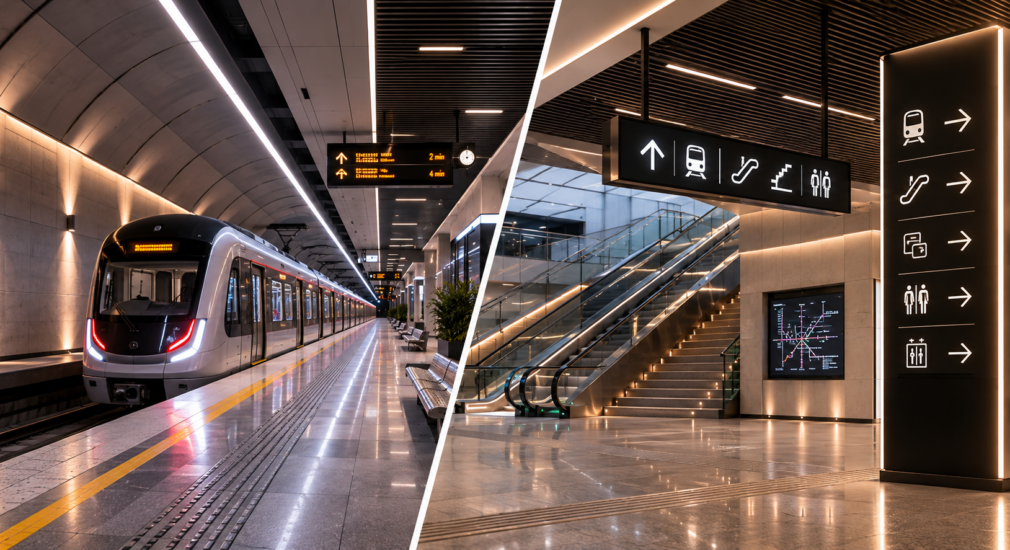
Modern metro networks are more than transportation systems—they are landmarks of urban development, public safety, and smart city innovation. Every station, platform, concourse, tunnel, and interchange depends on intelligently designed Metro Lighting & Signage Solutions that help millions of passengers navigate confidently while enabling operators to maintain efficiency, security, and long-term sustainability. Well-engineered lighting enhances visibility and comfort, while intuitive signage minimizes confusion, supports accessibility, and improves the overall passenger journey from entry to exit.
At Luzion Lighting, we collaborate with architects, metro rail authorities, infrastructure consultants, EPC contractors, and government organizations to develop integrated lighting and signage systems tailored for demanding transit environments. From architectural station illumination and platform lighting to emergency exit signage and digital wayfinding, our solutions combine advanced LED technology, robust engineering, and contemporary design to meet the operational demands of modern metro infrastructure.
Designed for Every Stakeholder in Metro Infrastructure
Whether you are planning a new metro corridor, modernizing an existing station, or upgrading passenger facilities, our engineered solutions are developed to support every phase of the project lifecycle.
- Metro Rail Authorities
- Architects & Urban Designers
- EPC Contractors
- MEP Consultants
- Infrastructure Developers
- Government & Smart City Projects
- PMC Consultants
- International Transit Projects
Ready to Design a Future-Ready Metro Station?
Talk to a Metro Lighting Expert
From Entry to Exit – Engineering Every Passenger Journey
Unlike conventional commercial buildings, a metro station never truly sleeps. Thousands of passengers enter, navigate, board trains, and exit within minutes, making every lighting fixture and every sign an essential part of the travel experience. Instead of viewing lighting and signage as separate systems, successful transit infrastructure treats them as one coordinated visual language that guides movement, enhances safety, and supports operational efficiency.
Imagine the journey of a commuter arriving at a metro station during peak hours. Before purchasing a ticket or reaching the platform, they subconsciously rely on consistent illumination, visible directional signs, intuitive wayfinding, and clearly marked emergency routes. When these systems are thoughtfully designed, passengers move naturally without hesitation. When they are poorly planned, congestion, confusion, and safety risks increase significantly.
A Passenger’s Visual Journey Through a Metro Station
City Entrance
↓
Drop-off Zone
↓
Station Entrance
↓
Security Screening
↓
Ticketing & AFC Gates
↓
Concourse Area
↓
Escalators & Elevators
↓
Platform
↓
Boarding
↓
Destination Exit
Every stage requires a unique combination of lighting performance, visual guidance, and intelligent signage to ensure passengers remain informed, comfortable, and safe.
Where Lighting & Signage Work Together
Station Entrance
The first impression of any metro station begins outside the building. Exterior architectural lighting enhances visibility, improves security, and reinforces the station’s identity within the urban landscape. At the same time, entrance signage, accessibility symbols, and directional information help passengers locate the correct access points quickly, even during busy hours or adverse weather conditions.
Ticketing & Passenger Services
Inside the station, lighting must create a welcoming environment while maintaining sufficient illumination for ticket vending machines, customer service counters, and automated fare collection gates. Clear informational signage reduces passenger hesitation and shortens queue times by making routes, ticketing instructions, and service information immediately visible.
Passenger Circulation Areas
Concourse spaces, corridors, escalators, staircases, and lift lobbies experience continuous movement throughout the day. Carefully distributed LED lighting minimizes shadows and glare, while strategically positioned wayfinding signage helps passengers identify platforms, exits, transfers, and public amenities without confusion. This combination improves circulation efficiency and enhances the overall travel experience.
Platform Environment
Platforms demand one of the highest levels of visual performance within the station. Uniform illumination improves passenger confidence, supports CCTV visibility, and assists train operators during boarding and departure. Simultaneously, platform numbering, safety instructions, emergency information, and digital passenger displays ensure travelers receive accurate information at the right moment.
Safe Exit & Emergency Evacuation
During emergencies, lighting and signage become critical life-safety systems rather than architectural elements. Illuminated exit signs, emergency escape route indicators, backup lighting, and high-visibility directional graphics help passengers evacuate efficiently while supporting emergency responders. These systems must remain operational even during power interruptions, making reliability and compliance essential considerations in metro infrastructure project
Why This Passenger-Centric Approach Matters
Traditional infrastructure projects often specify lighting fixtures and signage independently. However, the world’s most efficient metro systems are designed around passenger behavior rather than individual products. Every light distribution, sign location, contrast ratio, and viewing angle contributes to a smoother, safer, and more intuitive journey. By integrating Metro Station Lighting, Metro Wayfinding Systems, Platform Lighting, Emergency Signage, and Digital Passenger Information into a unified design strategy, transit authorities can improve operational efficiency, reduce maintenance complexity, and deliver a consistently high-quality passenger experience across the entire network.
Project Planning Starts with Better Design
Schedule a Technical Consultation
The Invisible Engineering Behind Every Metro Station
Where Precision Lighting Meets Intelligent Signage
To passengers, a metro station feels effortless—bright platforms, visible signs, clear pathways, and comfortable spaces. Behind this seamless experience, however, lies an intricate engineering process. Every Metro Lighting & Signage Solution is designed around strict performance criteria that ensure safety, reliability, visual comfort, and uninterrupted operation throughout the station’s lifecycle.
Unlike commercial buildings, metro infrastructure operates in a demanding environment with continuous passenger movement, vibration, dust, humidity, emergency preparedness requirements, and 24/7 operation. Every lighting fixture, optical lens, LED driver, and signage panel must perform consistently for years with minimal maintenance while complying with transportation infrastructure standards.
Metro Infrastructure is Engineered Not Just Illuminated
The objective of a successful metro project is not to install more lights or more signs. It is to create a balanced visual environment where illumination, orientation, accessibility, and operational efficiency work together. Engineers analyze passenger flow, architectural geometry, viewing distances, maintenance accessibility, CCTV visibility, and emergency evacuation routes long before selecting any luminaire or signage system.
This integrated approach enables transit authorities to reduce operational costs, improve passenger confidence, and maintain a consistent visual identity across every metro station within the network.
The Five Engineering Priorities Behind Every Metro Project
Uniform Illumination for Passenger Confidence
Uneven lighting creates dark patches, visual discomfort, and reduced CCTV effectiveness. A professionally engineered Metro Station Lighting system distributes light evenly across platforms, corridors, ticketing areas, and staircases to improve visibility without producing harsh contrasts.
Rather than increasing fixture quantity, lighting designers optimize beam angles, mounting heights, spacing, and optical lenses to achieve consistent illumination with maximum energy efficiency. This results in a brighter and more comfortable passenger environment while lowering operating costs over the building’s lifetime.
Glare Control Improves Safety
Passengers spend considerable time looking toward digital displays, platform edges, ticket machines, and approaching trains. Excessive glare can reduce visibility, increase eye strain, and affect the readability of information systems.
Modern Metro LED Lighting incorporates precision optics, recessed light sources, diffusers, and anti-glare reflectors that maintain visual comfort while delivering high-performance illumination. This is especially important in underground stations where artificial lighting remains the primary source of visibility throughout the day.
Durability for Demanding Transit Environments
Metro infrastructure experiences continuous operation under challenging environmental conditions, including dust accumulation, vibration, humidity, temperature fluctuations, and heavy public use. Lighting fixtures and illuminated signage must therefore be engineered for long-term structural reliability rather than short-term performance.
Typical Engineering Requirements
- IP65/IP66 protection for moisture and dust resistance
- IK08–IK10 impact resistance for public environments
- Corrosion-resistant aluminium housings
- UV-stable powder-coated finishes
Recommended Protection Levels for Metro Infrastructure
| Metro Area | Recommended IP Rating | Recommended IK Rating | Primary Requirement |
|---|---|---|---|
| Platform Areas | IP65 | IK08 | Dust resistance & passenger safety |
| Underground Tunnels | IP66 | IK10 | Moisture protection & high durability |
| Station Entrances | IP65 | IK08 | Outdoor weather resistance |
| Parking Areas | IP66 | IK10 | Rain, dust & vehicle impact resistance |
| Landscape Zones | IP66 | IK08 | Long-term outdoor performance |
| Equipment Rooms | IP54–IP65 | IK08 | Electrical equipment protection |
Energy Efficiency Beyond Lower Power Consumption
Reducing energy consumption involves much more than selecting efficient LED fixtures. Engineers evaluate lighting layouts, control strategies, occupancy patterns, daylight availability, maintenance cycles, and expected operating hours to optimize the overall system performance.
Intelligent Metro Lighting Solutions integrated with DALI controls, occupancy sensors, scheduling systems, and Building Management Systems (BMS) allow operators to adjust lighting levels according to passenger demand. This not only lowers energy bills but also extends the operational life of luminaires and drivers.
Metro Lighting Technology at a Glance
Expert Design Insight
Exceptional metro lighting is measured not by brightness alone, but by how confidently passengers can navigate the station without hesitation. When architectural lighting, emergency illumination, digital information systems, and wayfinding signage are engineered as one integrated ecosystem, stations become safer, more efficient, and significantly easier to operate over their entire lifecycle.
Technical Consultation for Metro Projects
Planning a new metro station, depot, or transit corridor? Our engineering team works closely with architects, consultants, EPC contractors, and metro authorities to develop custom Metro Lighting & Signage Solutions that balance performance, compliance, sustainability, and passenger experience.
The Metro Ecosystem One Transit Network. Multiple Lighting & Signage Environments.
A metro network is not a single building—it is a connected ecosystem of stations, tunnels, depots, commercial spaces, and public infrastructure that must operate as one seamless transit experience. Each environment presents different architectural challenges, passenger behaviors, maintenance requirements, and operational objectives. Designing effective Metro Lighting & Signage Solutions therefore requires a location-specific strategy rather than a one-size-fits-all approach.
At Luzion Lighting, every project begins by understanding how each zone functions within the overall metro ecosystem. A platform requires high visual clarity and passenger safety, while a tunnel demands durable, high-performance luminaires capable of withstanding harsh environmental conditions. Similarly, signage in an interchange station focuses on rapid decision-making, whereas signage in commercial concourses enhances both navigation and the retail experience. This integrated approach ensures consistency across the network while allowing every space to perform its unique role efficiently.
Lighting & Signage Requirements Across the Metro Network
| Feature | RGB | RGBW |
|---|---|---|
| Colour Effects | Excellent | Excellent |
| White Light Quality | Limited by RGB mixing | Dedicated white channel |
| Decorative Applications | Suitable | Suitable |
| Architectural Effects | Suitable | Excellent |
| Premium Residential Use | Selective | More versatile |
1. Station Entrance – The First Impression of the Metro Network
The entrance establishes the identity of the station while ensuring passengers can immediately recognize access points from a distance. Architectural façade lighting highlights the station’s design, improves nighttime visibility, and strengthens urban identity. Well-positioned illuminated signage, accessibility symbols, and directional markers reduce confusion during peak traffic and create a welcoming arrival experience.
A successful entrance design combines Architectural Lighting, illuminated station branding, and pedestrian wayfinding, ensuring passengers transition smoothly from city streets into the transit environment.
2. Concourse – Where Passenger Movement Begins
The concourse acts as the central navigation hub of every metro station. Thousands of commuters move between ticket counters, retail outlets, waiting areas, elevators, and platforms simultaneously. Lighting must provide excellent visibility while maintaining visual comfort over extended periods.
Rather than relying on excessive brightness, professionally designed Metro Station Lighting uses evenly distributed LED illumination with carefully controlled beam angles to create a spacious, comfortable environment. Complementary directional signage enables passengers to identify facilities, exits, and transfer routes without hesitation.
3. Platform Areas – Precision Where Safety Matters Most
Platform environments require one of the highest levels of engineering accuracy within the station. Every luminaire contributes to passenger confidence, CCTV visibility, platform edge recognition, and safe boarding operations.
Uniform Platform Lighting minimizes dark zones, while illuminated safety signage, emergency instructions, and digital passenger information displays provide real-time guidance. The combination of consistent illumination and clearly visible signage helps reduce congestion during peak hours and improves operational efficiency.
Platform Lighting Engineering Priorities
| Rating Type | What It Measures | Why It Matters for Commercial Projects |
|---|---|---|
| IP (Ingress Protection) | Resistance to dust and water | Prevents moisture/dust damage in outdoor and coastal environments |
| IK (Impact Resistance) | Resistance to physical impact | Protects fixtures in high-footfall public areas from accidental or intentional damage |
4. Interchange Stations – Simplifying Complex Passenger Decisions
Interchange stations present unique navigation challenges as passengers transfer between multiple metro lines and transport modes. Here, signage becomes just as important as lighting. Every directional sign, colour-coded route indicator, and digital information display must communicate information instantly, even during peak passenger flow.
Lighting supports this objective by ensuring signs remain highly visible from different viewing angles while maintaining sufficient illumination across circulation spaces. A coordinated lighting and signage strategy significantly improves passenger movement and reduces wayfinding errors.
5. Metro Tunnels – Engineered for Reliability
Unlike passenger spaces, tunnels prioritize operational safety, maintenance access, and infrastructure resilience. Lighting systems must withstand vibration, dust, moisture, and continuous operation while delivering dependable illumination for maintenance teams and emergency response personnel.
Tunnel environments typically utilize robust IP66-rated LED luminaires, precision optics, and corrosion-resistant housings that minimize maintenance requirements and maximize operational reliability throughout the infrastructure’s lifecycle.
6. Metro Depots & Maintenance Facilities
Depots are the operational backbone of any metro network. These facilities require high-performance lighting to support inspection, servicing, and maintenance of rolling stock. Unlike passenger areas, depot lighting emphasizes task visibility, durability, and energy efficiency.
Safety signage identifies maintenance zones, restricted access areas, electrical hazards, and emergency equipment, ensuring technicians can perform their work safely and efficiently.
7. Parking & Urban Integration
Modern metro systems increasingly integrate with multimodal transportation, including park-and-ride facilities, bus terminals, taxi zones, and pedestrian pathways. Exterior lighting must improve visibility while maintaining energy efficiency and minimizing light pollution.
Wayfinding signage guides commuters from parking areas to station entrances, creating a seamless transition between different transportation modes and enhancing the overall passenger experience.
Integrated Metro Lighting & Signage Matrix
| Lighting Fixture | Best Application | Typical Beam Angle | Recommended Location |
|---|---|---|---|
| LED Bollard Lights | Pathways & Driveways | 360° Distribution | Garden Paths, Walkways |
| Spike Lights | Trees & Planting | 10°–36° | Landscaped Gardens |
| In-Ground Lights | Uplighting | 10°–30° | Columns, Palm Trees, Façades |
| Wall Washer Lights | Architectural Walls | Wide Asymmetric | Building Façades |
| Linear LED Lights | Architectural Details | Linear Distribution | Steps, Planters, Pergolas |
| Step Lights | Stair Safety | Wide Spread | Staircases & Terraces |
| Underwater Lights | Pools & Fountains | 15°–45° | Swimming Pools |
| Wall Lights | Entrances & Courtyards | Up/Down Beam | Exterior Walls |
| Pendant Outdoor Lights | Covered Outdoor Areas | Wide Downlight | Pergolas & Patios |
| Bespoke Outdoor Lighting | Signature Luxury Projects | Custom Designed | Luxury Villas & Private Estates |
Engineering Today’s Infrastructure for Tomorrow’s Urban Mobility
Metro systems are evolving beyond transportation networks into intelligent public infrastructure that connects mobility, sustainability, digital technology, and passenger experience. As cities expand and commuter expectations rise, metro authorities are looking for solutions that are not only reliable today but also adaptable for the next 20–30 years. This is where future-ready Metro Lighting & Signage Solutions become a strategic investment rather than a procurement decision.
At Luzion Lighting, we believe every metro project should be designed with scalability in mind. Lighting systems should accommodate future technologies, support energy optimization, simplify maintenance, and integrate seamlessly with station management platforms. Likewise, signage should remain flexible enough to adapt to route expansions, passenger information updates, and evolving accessibility standards without requiring major infrastructure modifications.
The Technology Stack Behind Smart Metro Infrastructure
A modern metro station operates as a connected ecosystem where lighting, controls, sensors, emergency systems, and passenger information work together in real time.
| Lighting Fixture | Best Application | Typical Beam Angle | Recommended Location |
|---|---|---|---|
| LED Bollard Lights | Pathways & Driveways | 360° Distribution | Garden Paths, Walkways |
| Spike Lights | Trees & Planting | 10°–36° | Landscaped Gardens |
| In-Ground Lights | Uplighting | 10°–30° | Columns, Palm Trees, Façades |
| Wall Washer Lights | Architectural Walls | Wide Asymmetric | Building Façades |
| Linear LED Lights | Architectural Details | Linear Distribution | Steps, Planters, Pergolas |
| Step Lights | Stair Safety | Wide Spread | Staircases & Terraces |
| Underwater Lights | Pools & Fountains | 15°–45° | Swimming Pools |
| Wall Lights | Entrances & Courtyards | Up/Down Beam | Exterior Walls |
| Pendant Outdoor Lights | Covered Outdoor Areas | Wide Downlight | Pergolas & Patios |
| Bespoke Outdoor Lighting | Signature Luxury Projects | Custom Designed | Luxury Villas & Private Estates |
Smart Controls That Reduce Operational Costs
Operating a metro station around the clock requires careful management of energy consumption without compromising passenger safety. Intelligent lighting controls enable operators to adjust illumination levels based on occupancy, time schedules, daylight availability, and operational requirements.
For example, maintenance areas can automatically reduce lighting levels during inactive hours, while passenger zones maintain optimal brightness during peak traffic periods. This adaptive approach reduces electricity consumption, extends luminaire lifespan, and minimizes unnecessary maintenance interventions.
Benefits of Smart Metro Lighting
- Reduced energy consumption across the network
- Centralized monitoring of lighting performance
- Automatic fault identification
- Lower lifecycle maintenance costs
Digital Signage That Evolves with Passenger Needs
Static information boards are increasingly being complemented by dynamic Metro Digital Signage capable of displaying real-time train schedules, platform changes, emergency announcements, multilingual guidance, and accessibility information.
Unlike conventional signage, digital systems allow operators to update passenger information instantly from a centralized control room. During service disruptions or emergencies, this capability becomes essential for maintaining orderly passenger movement and reducing confusion.
Static vs Digital Metro Signage
| Rating | Practical Meaning | Typical Consideration |
|---|---|---|
| IP65 | Dust-tight + protection against water jets | Exposed outdoor applications |
| IP66 | Dust-tight + protection against powerful water jets | More demanding exterior environments |
| IP67 | Dust-tight + temporary immersion protection | Ground/recessed locations where water exposure is possible |
Designing for Sustainability, Not Just Compliance
Sustainability is no longer an optional objective for public infrastructure projects. Metro authorities worldwide are prioritizing systems that reduce carbon emissions, improve energy performance, and lower operational expenditure over the entire lifecycle of the station.
Well-engineered Metro LED Lighting Solutions contribute significantly to these goals through high luminous efficacy, precision optics, intelligent controls, and long operational life. Combined with recyclable materials and modular product design, they support responsible infrastructure development while minimizing environmental impact.
Why Architects, EPC Contractors & Metro Authorities Choose Luzion Lighting
Every metro infrastructure project presents unique engineering challenges. From underground stations and elevated corridors to multimodal transit hubs and maintenance depots, no two environments require the same lighting strategy. Our team works collaboratively with architects, consultants, infrastructure developers, and government authorities to deliver solutions that align with project objectives rather than standard product catalogs.
Our in-house engineering and manufacturing capabilities allow us to develop customized luminaires, intelligent signage systems, and integrated lighting solutions tailored to architectural requirements, operational conditions, and project specifications.
Our Project Delivery Approach
Project Consultation
│
Site & Requirement Analysis
│
Lighting Design Review
│
Product Selection
│
Prototype Development
│
Engineering Validation
│
Manufacturing
│
Quality Testing
│
Project Supply
│
Technical Support
Why Partner with Luzion Lighting?
| Room | Primary Light Type | Color Temperature | Pro Tip |
|---|---|---|---|
| Living Room | Ambient + Accent | Warm White (2700K) | Use dimmers for movie nights. |
| Kitchen | Task + Ambient | Neutral White (4000K) | Under-cabinet LEDs are essential. |
| Bedroom | Soft Ambient | Extra Warm (2400K) | Use bedside sconces to save space. |
| Home Office | Task | Cool White (5000K) | Position light to avoid screen glare. |
Frequently Asked Questions
1. Can Luzion provide customized Metro Lighting & Signage Solutions?
Yes. Every metro project has unique architectural, operational, and maintenance requirements. We provide customized lighting layouts, luminaire specifications, signage systems, and project-specific engineering support.
2. Do your products support DALI and Building Management Systems?
Yes. Our lighting solutions can be integrated with DALI, BMS, and other intelligent lighting control platforms to improve monitoring, energy management, and operational flexibility.
3. Which areas of a metro project can you supply?
We provide solutions for station entrances, concourses, platforms, tunnels, depots, parking facilities, landscape areas, commercial spaces, emergency routes, and integrated wayfinding systems.
4. Are your products suitable for international metro projects?
Absolutely. Our engineering team develops lighting and signage systems suitable for domestic and international infrastructure projects, including GCC transit developments, subject to project specifications and applicable standards.
5. Do you assist architects and consultants during the design stage?
Yes. We work closely with architects, MEP consultants, lighting designers, and EPC contractors by supporting product selection, technical documentation, lighting layouts, and project coordination.
6. Why is an integrated lighting and signage strategy important?
When lighting and signage are planned together, passengers navigate stations more efficiently, emergency response becomes more effective, operational costs decrease, and the station delivers a safer, more intuitive user experience.
Let’s Build the Next Generation of Metro Infrastructure
A successful metro station is measured not only by how efficiently trains move but also by how confidently passengers navigate every space. By integrating Metro Lighting & Signage Solutions into a unified engineering strategy, transit authorities can create stations that are safer, smarter, more energy-efficient, and prepared for the future of urban mobility.
Whether you’re developing a new metro corridor, modernizing an existing station, or planning a large-scale public infrastructure project, Luzion Lighting delivers engineered lighting and signage solutions that combine architectural excellence, advanced LED technology, intelligent controls, and long-term operational reliability.
Request a Technical Consultation
Connect with Our Metro Lighting Experts
Related posts
01 Oct 2026
Irish bespoke lights
Irish Bespoke Lights: Where Craftsmanship Meets Architectural Design Irish bespoke lights bring together craftsmanship, design individuality and practical lighting performance.…
30 Sep 2026
Japanese bespoke lights
Japanese Bespoke Lights: Craftsmanship, Design & Architectural Identity Japanese bespoke lights bring together traditional craftsmanship, refined materiality and contemporary lighting…
30 Sep 2026
Greek bespoke lights
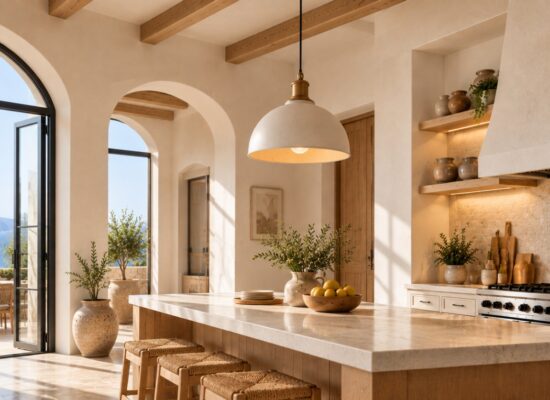
Greek Bespoke Lights for Luxury Architectural Projects Greek bespoke lights combine artistic expression, Mediterranean design influences and project-specific craftsmanship to…
29 Sep 2026
Turkish luxury chandeliers
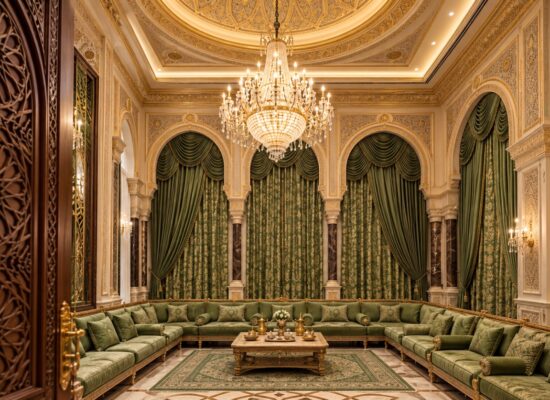
Turkish Luxury Chandeliers: Heritage, Craftsmanship & Design Turkish luxury chandeliers bring together decorative craftsmanship, architectural scale and contemporary lighting technology…
29 Sep 2026
Polish bespoke chandeliers
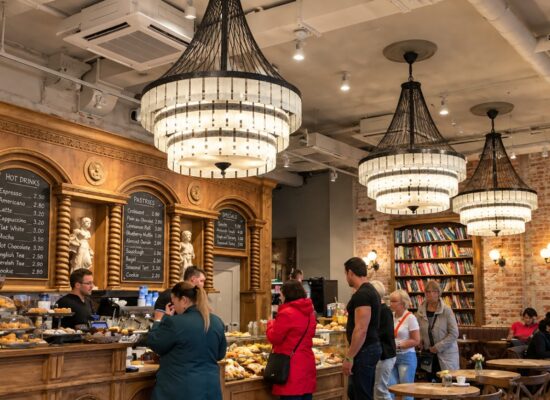
Polish Bespoke Chandeliers: Craftsmanship, Character and Contemporary Design A chandelier can do more than illuminate a room. In a well-designed…
subscribe for newsletter

Luzion is a leading manufacturer and exporter of high-quality LED lighting solutions. With a focus on design, research, and innovation, we offer a wide range of products for commercial, industrial, residential, and outdoor spaces.
