

Search
Category
- Bollard Light
- Commercial Lighting
- Energy-Efficient Lighting
- LAMPS
- LED Lights
- LED Uplighter
- Light and Colour Theory
- Lighting Design and Facade Lighting
- Lighting Design Consultancy UAE
- lighting design principles
- Lighting Fundamentals and Design Principles
- Lighting Solutions
- Nature of Light in Lighting Design
- Panel Lights vs. Spot Lights
- Portable Lights
- Signage Solutions
- Smart Controllers for Streetlights
- Solar Lights
- Tree Lighter
- Uncategorized
Recent Posts




Commercial Signage Solutions UAE & GCC

Canadian Bespoke Lights
Tags
- Architectural Lighting
- Architectural Lighting Design
- Architectural Lighting Design UAE
- automation
- Best Lighting Design Consultancy in UAE
- COB LED Technology
- COB Spotlights
- Color Temperature in Lighting
- Commercial Lighting Design
- Commercial Lighting Fixtures
- Commercial Lighting Innovations
- Commercial Lighting UAE
- Cylinder COB Lights
- Dialux Lighting Design
- Dialux Lighting Design UAE
- Energy Efficient Lighting
- Energy-Efficient Lighting USA
- Exterior Lighting Solutions
- Facade & Exterior Lighting
- Facade Lighting
- Facade Lighting Design
- Facade Lighting Design UAE
- Facade lighting ideas
- Facade Lighting UAE
- Facade Uplighting
- Green Building Design
- Indoor & Exterior Lighting Solutions
- Interior Lighting Design
- Lamps
- LED Lighting Solutions
- LED lights
- LED Panel
- LED Uplighters
- LED vs Halogen
- Light and Color Theory
- Lighting Basics
- Lighting Consultancy UAE
- Lighting Design
- Lighting Design Consultancy in UAE
- Lighting Design Principles
- Lighting Design UAE
- Lighting Fundamentals Guide
- Lighting Layers
- Lumen Output in Lighting
- Modern Building Lighting Ideas
- Modern Lighting Ideas
- Office Lighting Solutions
- Outdoor Lighting Consultants UAE
- Panel Lights vs. Spot Lights
- Portable Lights
- smart light
- Smart Lighting Systems
- Sustainable Architecture
- Sustainable Lighting UAE
- Villa Lighting UAE
21Aug 2026
- Lighting Design and Facade Lighting


Facade Lighting Design: Complete Guide to Architectural Facade Lighting Worldwide
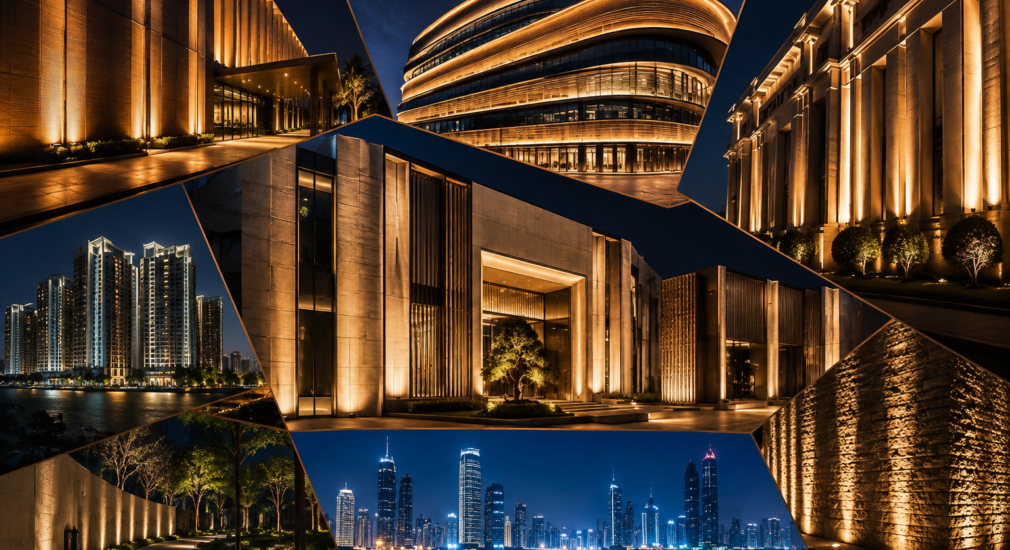
A building’s architecture does not end when the sun goes down. With the right facade lighting design, architectural form, materials, proportions and defining features can remain visually powerful after dark while improving identity, orientation and the overall experience of a property.
Modern facade lighting is no longer limited to placing floodlights around a building. Professional architectural lighting considers the building envelope, façade materials, viewing distances, surrounding environment, beam distribution, colour temperature, glare, energy consumption, controls and maintenance. The objective is to create a lighting composition that supports the architecture rather than simply making the building brighter.
From luxury hotels and high-rise towers to shopping centres, corporate headquarters, cultural landmarks and residential developments, facade lighting can transform how a structure is perceived at night.
This guide explores the principles, techniques, fixtures, technologies and planning considerations used in contemporary architectural facade lighting, with examples and market considerations from major architectural destinations worldwide.
What Is Facade Lighting Design?
Facade lighting design is the planned use of artificial light to illuminate, highlight or visually define the exterior surfaces and architectural elements of a building.
A professional design begins with an understanding of the architecture. Instead of treating the façade as a flat surface, a lighting designer studies its geometry, materials, columns, windows, entrances, balconies, textures, vertical lines and structural details.
The lighting strategy may combine several approaches, including wall washing, grazing, linear illumination, uplighting, accent lighting and dynamic colour-changing systems.
The final result should provide an appropriate relationship between:
- Architecture and light
- Brightness and contrast
- Building and surroundings
- Functional and decorative illumination
- Energy consumption and visual impact
- Static and dynamic lighting
- Initial investment and long-term maintenance
For architects, developers and lighting consultants, this makes facade lighting an important part of the overall architectural concept rather than an afterthought.
Why Is Facade Lighting Important?
A well-designed façade can become a defining visual element of a property after sunset. Lighting can reveal architectural details that are less visible during daylight and establish a recognisable identity from a distance.
Architectural Identity
Lighting can emphasise a building’s strongest architectural characteristics. Vertical columns, structural grids, rooflines, entrance portals and textured surfaces can each receive a different lighting treatment according to their importance.
Night-Time Visibility
Commercial properties, hotels, retail destinations and landmark buildings often need a strong visual presence after dark. Carefully controlled illumination can improve recognition without excessive brightness.
Visitor Experience
The entrance sequence is particularly important for hospitality, retail and mixed-use developments. Lighting can guide visitors towards entrances, pathways, reception areas and important architectural features.
Brand Expression
Corporate buildings and hospitality properties can use colour, intensity and programmable lighting to create a distinctive night-time identity. Dynamic RGB or RGBW systems can also support events and special occasions when appropriate.
Architectural Appreciation
Good lighting reveals form, depth and materiality. Stone, brick, concrete, metal, glass and textured finishes can react very differently to light, making material selection an important part of the design process.
Key Principles of Professional Facade Lighting Design
Successful architectural facade lighting requires more than selecting high-output fixtures. The design should be developed around the building itself.
1. Understand the Architecture
The first step is to analyse the building’s form, scale, materials and visual hierarchy.
A lighting designer should identify which elements deserve emphasis and which should remain visually quieter. Illuminating every surface with the same intensity can flatten the architecture and remove depth.
2. Establish a Lighting Hierarchy
Not every façade element should receive equal illumination.
A typical hierarchy may include:
Primary elements: main entrance, signature architectural feature or tower crown.
Secondary elements: columns, façade patterns, structural lines or balconies.
Supporting elements: surrounding walls, landscape interfaces and circulation areas.
This creates visual depth and helps direct attention.
3. Select the Correct Beam Angle
Beam angle directly affects how light interacts with a façade.
Narrow beams can create concentrated highlights and are useful for architectural accents or tall vertical elements. Medium beams can provide controlled illumination across columns and façade sections, while wider beams are often suitable for larger surfaces.
The correct selection depends on mounting distance, façade height, surface width and required illumination.
4. Consider Colour Temperature
Colour temperature has a significant influence on architectural character.
Warm white light can create a refined and welcoming atmosphere for hospitality and heritage architecture. Neutral white can provide a contemporary appearance for commercial buildings, while cooler colour temperatures may be selected for specific modern architectural concepts.
The choice should also consider the façade material and surrounding lighting environment.
5. Control Glare
A visually impressive building can still become uncomfortable if fixtures produce excessive glare.
Professional design therefore considers:
- Fixture orientation
- Mounting position
- Shielding
- Optics
- Viewing angles
- Nearby pedestrian areas
- Adjacent buildings
- Road traffic
The objective is to direct light towards the architecture rather than into the eyes of occupants, pedestrians or drivers.
Major Facade Lighting Techniques
Different architectural surfaces require different lighting methods. The most appropriate technique depends on the building geometry, material and desired visual effect.
Wall Washing
Wall washing provides relatively uniform illumination across a façade surface. It is effective for large, clean architectural surfaces where the objective is to create an even visual appearance.
It is commonly considered for:
- Hotel façades
- Commercial buildings
- Retail properties
- Large stone surfaces
- Contemporary architectural elevations
The fixture position and beam distribution should be carefully calculated to minimise unwanted hotspots and uneven brightness.
Wall Grazing
Wall grazing places a light source close to a textured surface so that shadows reveal the material’s depth.
It can be particularly effective on:
- Natural stone
- Brick
- Textured concrete
- Decorative cladding
- Sculptural architectural surfaces
Unlike uniform wall washing, grazing intentionally uses shadow and contrast to reveal texture.
Uplighting
Uplighting directs light upward from ground level or a lower mounting position.
It is often used for:
- Columns
- Towers
- Vertical architectural elements
- Entrance structures
- Landscape-integrated façades
In high-rise applications, narrow-beam optics may be used where a strong vertical emphasis is required.
Linear Facade Lighting
Linear LED fixtures can follow architectural edges, reveals, parapets, fins and structural lines.
When carefully integrated, linear lighting can make the light source visually discreet while emphasising the geometry of the building.
This approach is increasingly used in contemporary commercial architecture where clean architectural lines are central to the design.
Facade Lighting for Different Architectural Projects
The lighting strategy changes according to building type.
Hotels and Resorts
Hospitality projects require a balance between visual identity, comfort and atmosphere. The entrance, porte-cochère, tower elements, balconies, landscape and public areas may require different lighting treatments.
A luxury hotel may benefit from warm, controlled illumination that communicates elegance without creating excessive brightness.
Commercial Buildings
Office towers and commercial developments often use façade lighting to reinforce brand identity and improve visibility from major roads or surrounding urban areas.
Linear LED systems, wall washers and architectural accent fixtures can be combined to define the building’s geometry.
Shopping Malls
Retail properties need strong visual recognition while maintaining a comfortable environment for visitors. Entrances, signage zones, façade features and pedestrian areas can be integrated into one coordinated lighting concept.
High-Rise Buildings
High-rise façade lighting requires particular attention to viewing distance, wind exposure, maintenance access, beam control and light spill.
A fixture that appears appropriate at ground level may produce a completely different visual result when installed several metres above the viewing position.
Facade Lighting Design Across Global Architectural Markets
Facade lighting requirements vary according to architecture, climate, urban density and local regulations.
India
Major architectural and commercial markets such as Mumbai, Delhi, Bengaluru, Hyderabad, Chennai, Ahmedabad, Pune, Kolkata and Surat have a diverse mix of hotels, commercial towers, residential developments and landmark buildings.
Facade lighting in India often needs to balance visual impact with energy efficiency, heat, dust, monsoon conditions and long-term maintenance.
United Arab Emirates
The UAE is one of the world’s most visually ambitious architectural markets. Dubai, Abu Dhabi, Sharjah and Ras Al Khaimah feature luxury hotels, commercial towers, retail destinations and landmark developments where exterior lighting plays an important role in night-time identity.
Facade lighting solutions for the UAE should consider high temperatures, dust, UV exposure, coastal conditions and demanding architectural expectations.
Saudi Arabia
Major markets including Riyadh, Jeddah, Dammam, Khobar, Makkah and Madinah are experiencing significant architectural and urban development.
Large-scale commercial developments, hospitality projects and mixed-use destinations increasingly require carefully engineered architectural lighting strategies that combine aesthetics, energy efficiency and environmental performance.
Qatar
Doha and Lusail feature modern commercial, hospitality and mixed-use developments where façade illumination can contribute to urban identity.
Lighting systems need to be designed with appropriate outdoor protection, optical control and maintenance planning.
Kuwait, Bahrain and Oman
In Kuwait City, Manama, Muscat and Salalah, facade lighting is applied across hotels, commercial developments, residential towers, retail projects and public architecture.
The regional climate makes fixture durability, ingress protection, thermal performance and maintenance access important considerations.
Choosing the Right Fixtures for Facade Lighting
The performance of a facade lighting scheme depends heavily on selecting fixtures that match the architecture, mounting position and required optical effect. A visually attractive fixture is not necessarily the right fixture for every application.
Professional facade lighting solutions normally combine different fixture types rather than relying on one luminaire throughout the building.
LED Wall Washers
LED wall washers are designed to distribute light across broad vertical surfaces. They can be used for large façades, architectural walls, hotel exteriors and commercial buildings where relatively consistent illumination is required.
The installation distance, beam spread and fixture spacing should be evaluated carefully to achieve uniformity.
Linear LED Lights
Linear LED systems are particularly useful when the architectural concept is based on clean lines and continuous illumination.
They can be integrated along:
- Façade edges
- Cornices
- Recessed channels
- Structural fins
- Rooflines
- Window frames
- Canopies
- Architectural reveals
A well-integrated linear system can emphasise geometry without visually dominating the architecture during the daytime.
Inground Lights
Inground fixtures are suitable where lighting needs to originate from the ground while maintaining a clean architectural appearance.
Typical applications include columns, walls, entrance features, pathways and vertical architectural elements.
For outdoor installations, appropriate IP and IK protection, drainage, load resistance and maintenance access should be considered.
Architectural Uplighters
Uplighters are commonly positioned at ground level to emphasise vertical structures. They can create a strong upward visual effect on columns, towers and façade details.
Optical precision becomes increasingly important as mounting heights increase.
LED Floodlights
Floodlights can be useful for large structures and broad exterior surfaces, but their use should be carefully controlled.
Poorly selected floodlights can create excessive spill light, glare and uneven illumination. Professional optical planning is therefore essential when using high-output fixtures.
Spotlights and Narrow-Beam Fixtures
Small architectural spotlights are useful when a particular element needs to be highlighted rather than the entire façade.
They may be used for:
- Sculptural elements
- Columns
- Entrance details
- Architectural ornaments
- Landmark features
- Roof structures
Understanding Beam Angles in Facade Lighting
Beam angle is one of the most important technical considerations in architectural facade lighting design.
A narrow beam concentrates light into a smaller area, while a wider beam distributes illumination over a larger surface.
The correct beam depends on:
- Fixture-to-wall distance
- Building height
- Surface width
- Architectural geometry
- Desired lighting effect
- Viewing distance
- Required uniformity
For example, a narrow optic may be suitable for emphasising a tall column, whereas a wider optic may be more appropriate for a broad wall surface.
Using the same beam angle across an entire project can result in inconsistent illumination. A professional lighting plan therefore evaluates optics according to individual façade elements.
Lumens, Illuminance and Light Distribution
Lumens indicate the total visible light output of a fixture, but lumen output alone does not determine whether a facade lighting design will perform correctly.
The actual result depends on how that light is distributed.
Important considerations include:
- Illuminance levels
- Beam distribution
- Mounting height
- Distance from the façade
- Surface reflectance
- Fixture efficiency
- Optical losses
- Spacing
For this reason, two fixtures with similar lumen output can produce very different results on the same façade.
Lighting designers should therefore evaluate photometric data rather than selecting luminaires only by wattage or lumen rating.
Colour Temperature for Architectural Facades
Colour temperature affects how the building’s materials and architectural character are perceived.
Warm White
Warm white illumination can create a sophisticated and welcoming appearance. It is often considered for hotels, resorts, residential developments, heritage architecture and hospitality environments.
Neutral White
Neutral white can provide a clean and contemporary appearance and is frequently considered for commercial buildings and modern architectural façades.
Tunable White
Tunable-white systems can provide greater flexibility where the lighting scene needs to change according to time, event or operational requirements.
RGB and RGBW
RGB and RGBW systems can introduce dynamic colour into selected architectural applications.
They may be used for:
- Events
- Celebrations
- Brand activations
- Public landmarks
- Entertainment destinations
- Special architectural displays
Dynamic lighting should still be integrated with the architectural concept. Excessive colour movement can reduce the visual quality of an otherwise refined building.
IP and IK Ratings for Outdoor Facade Lighting
Exterior lighting fixtures are exposed to weather, dust, moisture, physical impact and temperature changes.
Selecting the appropriate protection rating is therefore essential.
IP Rating
The IP rating indicates the level of protection against solid particles and water ingress.
Outdoor applications should be assessed according to the fixture location and environmental exposure rather than selecting an IP rating simply because it is commonly used.
IK Rating
IK ratings relate to protection against mechanical impact.
This can be important for fixtures installed at low levels, pedestrian areas, public spaces and locations where accidental impact may occur.
For coastal environments, additional consideration should also be given to corrosion resistance, materials, coatings and fasteners.
DIALux for Facade Lighting Design
DIALux lighting design can play an important role in developing and validating an architectural facade lighting concept before installation.
A digital simulation can help designers assess how selected fixtures interact with the building and surrounding areas.
A typical workflow may include:
- Building or importing the architectural model
- Defining façade surfaces
- Selecting appropriate luminaires
- Importing photometric files
- Positioning fixtures
- Adjusting beam distribution
- Establishing mounting heights
- Calculating illumination
- Reviewing lighting uniformity
- Refining the design
DIALux calculations can help identify potential issues before equipment reaches the installation stage.
For complex projects, simulations may also support discussions between architects, lighting designers, MEP consultants, developers and contractors.
Smart and Dynamic Facade Lighting
Modern architectural projects increasingly use lighting control systems to create adaptable exterior environments.
Depending on the project requirements, systems may incorporate:
- DALI
- DMX
- RGB
- RGBW
- Tunable white
- Programmable scenes
- Time-based scheduling
- Centralised control
- Building management integration
A static façade may use a consistent architectural lighting scene throughout the evening, while a landmark or entertainment project may require multiple programmed scenes.
Control systems should be selected during the design stage rather than added after installation. This allows fixture specifications, drivers, wiring and control infrastructure to be coordinated properly.
Energy-Efficient Facade Lighting Design
Energy performance is now an important part of architectural lighting decisions.
LED technology provides high efficiency and long operating life, but energy efficiency depends on the entire design rather than the LED source alone.
A more efficient scheme can be achieved through:
- Correct fixture selection
- Accurate beam control
- Appropriate illumination levels
- Efficient optics
- Automated controls
- Time scheduling
- Dimming
- Reduced light spill
- Maintenance planning
The objective should not be to illuminate every part of a building as brightly as possible. Good design uses light selectively to create visual hierarchy with controlled energy consumption.
Facade Lighting for Different Architectural Materials
The surface material can significantly influence the lighting result.
Stone
Stone façades can respond well to grazing and directional illumination, particularly where natural texture is an architectural feature.
Brick
Brick can benefit from grazing techniques that reveal surface variation and masonry patterns.
Glass
Glass façades require careful consideration because reflections can produce glare and unwanted visual effects.
Metal
Metal surfaces can create strong highlights and reflections. Fixture positioning and beam control should therefore be evaluated carefully.
Concrete
Architectural concrete can be illuminated using grazing, washing or accent techniques depending on its texture and geometry.
Facade Lighting for High-Rise Buildings
High-rise architecture introduces additional technical challenges.
Fixture selection should consider:
- Long-distance visibility
- Wind exposure
- Access for maintenance
- Mounting structure
- Cable routing
- Driver locations
- Beam precision
- Light spill
- Building movement
- Environmental conditions
A lighting system for a 30-storey tower cannot be approached in the same way as a low-rise commercial building.
The design should establish a clear relationship between the building’s scale and the viewing distance from surrounding streets and public spaces.
Facade Lighting Across the USA and Canada
North American architectural markets feature a wide range of commercial towers, hotels, retail developments, residential buildings and landmark structures.
United States
Major architectural markets include New York City, Los Angeles, Miami, Chicago, Houston, Dallas, San Francisco, Washington, Boston, Seattle and Las Vegas.
Facade lighting in these cities can range from subtle architectural illumination to highly visible landmark and entertainment applications.
High-rise buildings in dense urban environments require particular attention to glare, neighbouring properties, pedestrian comfort and light spill.
Canada
Major markets include Toronto, Vancouver, Montreal, Calgary and Ottawa.
Cold-weather performance, snow, ice, moisture and seasonal operating conditions can become important considerations for exterior lighting systems.
Facade Lighting Across the United Kingdom
The UK has a strong architectural heritage combined with modern commercial and residential development.
London
London combines historic architecture, contemporary towers, hotels, retail destinations and mixed-use developments. Facade lighting often needs to balance architectural visibility with the character of the surrounding urban environment.
Manchester
Manchester’s commercial, residential and hospitality developments provide opportunities for contemporary exterior lighting strategies.
Birmingham, Liverpool, Leeds, Glasgow and Edinburgh
These cities also feature commercial, cultural, hospitality and residential architecture where carefully controlled facade illumination can strengthen building identity.
For heritage buildings, lighting should be developed with particular sensitivity to architectural details and the surrounding streetscape.
Facade Lighting Across Europe
Europe presents one of the world’s most diverse architectural environments, ranging from historic city centres to contemporary commercial districts.
France
Paris, Lyon, Marseille and Nice offer opportunities across hospitality, retail, cultural and commercial architecture.
Italy
Milan, Rome, Turin, Florence and Venice combine historic structures with contemporary architecture and luxury hospitality.
Spain
Madrid, Barcelona, Valencia and Seville feature commercial, hospitality and cultural buildings where exterior illumination can contribute to night-time identity.
Germany
Berlin, Frankfurt, Munich, Hamburg and Cologne represent major commercial and architectural markets.
Netherlands and Belgium
Amsterdam, Rotterdam, Brussels and Antwerp feature modern commercial projects alongside historic urban architecture.
Switzerland and Austria
Zurich, Geneva, Vienna and Salzburg combine premium hospitality, commercial development and heritage architecture.
Across European markets, facade lighting design often needs to consider heritage character, urban brightness, environmental impact and local planning requirements alongside architectural objectives.
Facade Lighting Across Asia-Pacific and Global Architectural Markets
The growth of modern cities has made exterior architectural lighting an increasingly important part of urban design. From high-rise towers and luxury hotels to shopping destinations, cultural buildings and mixed-use developments, each market has its own architectural language, environmental conditions and lighting requirements.
A successful facade lighting design should therefore be adapted to the building and its location rather than applying the same lighting concept everywhere.
China
China has some of the world’s largest and most rapidly developing urban centres, with major architectural markets including Shanghai, Beijing, Shenzhen, Guangzhou, Chengdu and Hangzhou.
Facade lighting is widely relevant to commercial towers, mixed-use developments, hotels, retail destinations and landmark structures. Large buildings may require coordinated linear lighting, wall washing, accent illumination and dynamic control systems.
For large-scale developments, fixture consistency, control architecture, energy consumption and long-term maintenance should be considered from the beginning of the design process.
Hong Kong
Hong Kong presents a particularly demanding environment for facade lighting because of its dense urban form, high-rise architecture and strong night-time visual character.
Lighting designers need to consider viewing angles from streets, surrounding towers, signage, pedestrian areas and neighbouring properties. Compact fixtures, accurate optics and controlled brightness can help create architectural definition without unnecessary glare.
Japan
Major markets such as Tokyo, Osaka, Kyoto, Yokohama and Nagoya combine contemporary architecture with historic and cultural buildings.
Japanese architectural lighting often benefits from precision, restraint and careful integration with the building form. Minimal visual clutter and accurate light placement can be particularly important for premium architectural projects.
South Korea
Seoul and Busan feature modern commercial districts, residential towers, hotels and cultural architecture.
Linear LED systems, façade accents and programmable lighting can be integrated into contemporary buildings, while control strategies can help manage operating schedules and energy consumption.
Singapore
Singapore’s dense urban environment and strong hospitality, commercial and mixed-use sectors create significant opportunities for architectural facade lighting.
Projects in Singapore often require careful consideration of tropical weather, humidity, energy efficiency, maintenance and the relationship between architecture and surrounding landscape.
Australia
Major markets include Sydney, Melbourne, Brisbane, Perth and Gold Coast.
Facade lighting projects in Australia can range from luxury hotels and commercial towers to residential developments and cultural buildings. Outdoor fixtures should be selected with consideration for weather exposure, coastal environments and long-term maintenance.
New Zealand
Auckland and Wellington are important architectural markets where exterior lighting can be applied to hotels, commercial buildings, public architecture and residential developments.
Weather resistance and maintenance planning can be particularly important for exposed installations.
Facade Lighting in the Middle East
The Middle East continues to develop some of the world’s most ambitious hospitality, commercial and mixed-use architecture.
United Arab Emirates
In Dubai, Abu Dhabi and Sharjah, facade lighting is frequently integrated into luxury hotels, office towers, retail destinations and landmark architecture.
The design needs to account for intense sunlight, high ambient temperatures, dust, coastal exposure in some locations and the visual expectations of premium developments.
Saudi Arabia
Cities such as Riyadh, Jeddah, Dammam and Al Khobar are experiencing extensive development across commercial, hospitality, residential and mixed-use sectors.
For large developments, facade lighting should be coordinated with architecture, landscape lighting, signage and public-realm illumination.
Qatar
Doha and Lusail feature contemporary towers, hotels, stadium-related infrastructure, commercial developments and mixed-use destinations.
Architectural lighting can strengthen the identity of these buildings while supporting the wider urban environment.
Kuwait
Kuwait City includes a combination of high-rise commercial buildings, hotels, retail developments and modern residential architecture. Durable outdoor fixtures and effective thermal management are important considerations.
Bahrain
Manama combines commercial towers, hospitality properties, retail developments and mixed-use architecture where façade illumination can enhance night-time presence.
Oman
Muscat and other developing areas require a lighting approach that respects the local architectural environment while delivering appropriate visibility and visual impact.
Facade Lighting for Hotels and Resorts
Hotels and resorts depend heavily on first impressions. The exterior façade is often the first architectural element a guest encounters after arriving.
A professional hotel facade lighting design can establish a hierarchy between the entrance, main building, landscape and surrounding circulation areas.
Hotel Entrance Lighting
The entrance should generally receive sufficient emphasis to provide visual orientation without creating excessive brightness.
Canopies, columns, porte-cochères, entrance portals and architectural details can each receive carefully controlled illumination.
Resort Facade Lighting
Resorts often combine multiple buildings, landscape areas, pools, pathways and public spaces. The façade lighting should therefore work as part of a wider architectural and landscape lighting strategy.
Warm illumination, concealed linear fixtures and carefully positioned accent lighting can create a sophisticated atmosphere.
Facade Lighting for Shopping Malls
Shopping centres require a combination of architecture, branding, wayfinding and visitor experience.
Lighting can be used to highlight:
- Main entrances
- Atriums
- Architectural façades
- Canopies
- Retail frontage
- Vertical structures
- Landmark elements
- Public spaces
A well-designed scheme can help create visual differentiation between primary and secondary areas while supporting evening footfall.
Dynamic lighting may also be considered for special events, seasonal campaigns and architectural celebrations.
Facade Lighting for Corporate Buildings
Corporate architecture often uses lighting as part of its brand identity.
Office towers and headquarters can incorporate:
- Linear façade illumination
- Vertical accents
- Entrance lighting
- Logo-zone illumination
- Architectural reveals
- Crown lighting
The objective should be to create a professional and recognisable appearance rather than simply maximising brightness.
Facade Lighting for Landmarks and Public Architecture
Landmark structures have a particularly strong relationship with the surrounding city.
Bridges, monuments, museums, government buildings, cultural centres and public structures may use architectural lighting to create a distinctive night-time identity.
Dynamic RGBW systems can be suitable for selected landmark applications where colour-changing scenes are required for public events or celebrations.
However, dynamic lighting should remain controlled and purposeful. A sophisticated landmark lighting scheme usually combines static architectural definition with carefully programmed scenes rather than continuous visual movement.
Common Facade Lighting Design Mistakes
Even high-quality LED fixtures can produce poor results if the overall lighting strategy is not properly developed.
Over-Lighting the Building
More light does not automatically create a better façade.
Excessive brightness can flatten architectural details, increase energy consumption and create unwanted contrast with the surrounding environment.
Using the Wrong Beam Angle
A beam that is too narrow can create hotspots, while an excessively wide beam can produce inefficient spill light.
Optics should be selected according to the building geometry and fixture position.
Ignoring Glare
Glare can affect pedestrians, drivers, building occupants and neighbouring properties.
Fixtures should be positioned and shielded to keep light focused on the intended architectural surface.
Treating Every Surface Equally
Uniformly illuminating every façade element can remove visual hierarchy.
A stronger design identifies the building’s most important architectural features and uses contrast to create depth.
Choosing Fixtures Only by Wattage
Wattage does not tell the complete story.
A lower-wattage fixture with better optics can sometimes produce a more useful architectural result than a higher-wattage fixture with uncontrolled distribution.
Ignoring Maintenance
Fixtures installed at significant heights or difficult-to-access locations can become expensive to maintain.
The lighting design should consider:
- Access
- Fixture lifespan
- Driver location
- Replacement strategy
- Cleaning
- Cable routing
- Spare parts
- Installation hardware
Designing Without Photometric Analysis
Visual assumptions are not always reliable.
Photometric simulation can help designers evaluate illumination before installation and reduce the risk of costly modifications.
Facade Lighting Design and Installation Are Different
It is useful to distinguish between facade lighting design and facade lighting installation.
Design focuses on:
- Architectural analysis
- Lighting concept
- Fixture selection
- Optical planning
- Beam angles
- Lux calculations
- DIALux simulation
- Control strategy
- Energy planning
- Fixture positioning
Installation focuses on:
- Mounting
- Electrical connections
- Drivers
- Cabling
- Structural fixing
- Testing
- Commissioning
- System programming
For complex projects, close coordination between the lighting designer, electrical consultant, MEP team, contractor and installer helps ensure that the final installation reflects the intended design.
What Determines Facade Lighting Design Cost?
There is no universal price for a professional facade lighting project because each building has different architectural and technical requirements.
The overall budget can be influenced by:
Building Size
Larger façades naturally require more fixtures, cabling, control infrastructure and installation resources.
Architectural Complexity
Buildings with multiple elevations, curved surfaces, decorative elements and difficult access conditions require more detailed planning.
Fixture Type
A basic architectural fixture and a fully custom linear or dynamic lighting system can have significantly different costs.
Optical Requirements
Specialised narrow-beam optics, asymmetric distributions and custom optical solutions may influence the project budget.
Control Systems
Static lighting typically requires simpler infrastructure than a sophisticated DMX or RGBW installation with multiple programmed scenes.
Installation Access
High-rise façades, difficult mounting locations and restricted working areas can increase installation complexity.
Maintenance Requirements
Long-term accessibility and replacement planning should be considered during the initial design rather than after installation.
For this reason, project-specific consultation is generally more useful than relying on a standard cost-per-square-metre figure.
How Architects and Lighting Designers Can Collaborate
The strongest architectural lighting projects are usually developed through collaboration.
Architects
Architects establish the building’s form, materials, proportions and visual identity. Lighting designers can then use light to reveal these characteristics after dark.
Lighting Designers
Lighting designers develop the visual strategy, optical approach, illumination levels, fixture positions and control concept.
MEP Consultants
MEP consultants help coordinate electrical loads, power distribution, cable routing, control infrastructure and other technical requirements.
Contractors
Contractors translate the design into the physical installation and coordinate mounting, cabling, access and commissioning.
Developers and Procurement Teams
Developers and procurement professionals balance design quality, project budget, lifecycle cost, delivery requirements and maintenance considerations.
This multidisciplinary approach helps ensure that facade lighting is both visually successful and technically practical.
The Importance of Mock-Ups and Lighting Tests
For important architectural projects, a lighting mock-up can provide valuable information before final installation.
A test installation can help evaluate:
- Beam angle
- Fixture position
- Colour temperature
- Brightness
- Surface texture
- Glare
- Uniformity
- Visual impact from different distances
Mock-ups are particularly useful for premium hotels, high-rise developments, landmark structures and façades using multiple materials.
Facade Lighting in Major Global Architectural Markets
Facade lighting has become an important element of contemporary architecture across established and emerging markets. Although the core principles remain consistent, each region requires consideration of its climate, architecture, urban environment, regulations and project objectives.
Facade Lighting in the United States
The United States has a broad market for commercial, hospitality, residential and landmark architecture. Cities such as New York, Los Angeles, Miami, Chicago, Dallas, Houston, San Francisco, Boston, Washington DC, Seattle and Las Vegas offer diverse applications for architectural exterior lighting.
High-rise developments may require carefully controlled vertical illumination, while hotels and entertainment properties may use dynamic architectural lighting to strengthen their visual identity.
Facade Lighting in the United Kingdom
London, Manchester, Birmingham, Leeds, Liverpool, Glasgow and Edinburgh combine contemporary developments with historic architecture.
Facade lighting in the UK often requires a sensitive balance between architectural visibility, surrounding urban brightness, heritage character and light spill.
Facade Lighting in Europe
Major architectural centres such as Paris, Milan, Rome, Madrid, Barcelona, Berlin, Frankfurt, Amsterdam, Brussels, Vienna and Zurich feature hotels, commercial developments, cultural institutions, retail destinations and landmark buildings.
European projects frequently place strong emphasis on visual comfort, energy efficiency, heritage considerations and responsible use of exterior illumination.
Facade Lighting in Asia
Cities such as Shanghai, Beijing, Shenzhen, Tokyo, Osaka, Seoul, Singapore and Hong Kong feature dense urban environments and advanced architectural development.
Facade lighting strategies may incorporate linear LEDs, precise accent fixtures, programmable RGBW systems and sophisticated control platforms depending on the project.
Facade Lighting in Australia and New Zealand
Sydney, Melbourne, Brisbane, Perth, Auckland and Wellington provide opportunities across hospitality, commercial, residential and public architecture.
Outdoor lighting systems should be selected according to local weather exposure, coastal conditions, maintenance access and energy requirements.
Facade Lighting in Africa
Major markets including Johannesburg, Cape Town, Durban, Nairobi and Cairo have growing commercial, hospitality and mixed-use developments.
The appropriate lighting approach varies significantly by project and environment, with fixture durability, energy efficiency and maintenance planning remaining important considerations.
Sustainable Facade Lighting Design
Modern facade lighting should consider environmental responsibility alongside aesthetics.
A sustainable lighting strategy can reduce unnecessary energy use while maintaining the architectural effect required by the project.
Key approaches include:
- High-efficiency LED fixtures
- Accurate optical distribution
- Appropriate illumination levels
- Dimming
- Automated scheduling
- Occupancy or environmental controls where applicable
- Reduced upward light
- Reduced unnecessary spill light
- Long-life components
- Maintainable fixture design
Sustainability does not mean making a façade visually weak. It means directing light where it creates the greatest architectural value while avoiding unnecessary output.
Smart Controls for Facade Lighting
Connected lighting systems allow architectural façades to respond to different operating conditions.
A project may use different scenes for:
- Normal evenings
- Weekends
- Public holidays
- Special events
- Brand campaigns
- Seasonal programmes
DMX-based systems can provide detailed control over RGB or RGBW fixtures, while DALI and other control platforms can be suitable for dimming and coordinated operation depending on the project requirements.
The control strategy should be planned alongside fixture selection, electrical infrastructure and commissioning requirements.
Maintenance and Lifecycle Planning
A façade may look exceptional immediately after installation, but long-term performance depends on maintenance.
A professional lighting strategy should consider the entire operational lifecycle.
Fixture Accessibility
Fixtures installed at significant heights may require specialist access equipment. Their position should therefore be planned carefully.
Cleaning
Dust and environmental deposits can affect optical performance. This can be particularly relevant in dusty or high-pollution environments.
Driver and Power Supply Planning
Drivers and power supplies should be accessible where possible and protected appropriately from environmental conditions.
Replacement
The design should account for future fixture replacement, including mounting compatibility, electrical connections and availability of components.
Monitoring
For sophisticated projects, centralised monitoring can help identify system faults and reduce maintenance response times.
Facade Lighting and Light Pollution
Architectural lighting should contribute positively to the night-time environment.
Poorly controlled exterior illumination can create:
- Excessive sky glow
- Unwanted glare
- Light spill into neighbouring properties
- Visual discomfort
- Unnecessary energy consumption
Good facade lighting design therefore focuses on precision.
Shielding, appropriate optics, controlled brightness, suitable mounting positions and programmed operating hours can significantly improve the relationship between the building and its surroundings.
A Professional Facade Lighting Design Checklist
Before finalising a project, the design team should review several key areas.
Architectural
- Is the building’s architectural identity clearly expressed?
- Are the most important features visually prioritised?
- Does the lighting work with the façade material?
- Is the design appropriate for the building’s surroundings?
Technical
- Are the beam angles appropriate?
- Are photometric calculations available?
- Are fixture positions practical?
- Are IP and IK requirements appropriate?
- Are drivers and control systems correctly specified?
Visual
- Is brightness balanced?
- Is glare controlled?
- Is colour temperature appropriate?
- Are hotspots and dark patches avoided?
- Does the façade have sufficient depth and contrast?
Operational
- Is energy consumption controlled?
- Are operating schedules defined?
- Is maintenance access practical?
- Can fixtures and components be replaced efficiently?
Commercial
- Does the lighting concept align with the project budget?
- Are fixture quantities justified?
- Has lifecycle cost been considered?
- Can the system be delivered and maintained reliably?
How to Choose a Facade Lighting Design Partner
Selecting the right lighting partner is important for projects where architectural appearance, technical performance and long-term reliability must work together.
Architects, developers, contractors and procurement teams should consider whether the lighting partner can provide more than individual products.
Look for capabilities such as:
- Architectural lighting consultation
- Facade lighting concept development
- Photometric calculations
- DIALux simulation
- Fixture selection
- Custom lighting solutions
- Optical expertise
- Outdoor fixture engineering
- Lighting controls
- Project coordination
- Technical documentation
- Manufacturing capability
- Installation support
- After-sales assistance
A manufacturer with design expertise can also help coordinate fixture performance with the actual architectural requirements instead of treating product selection and lighting design as separate activities.
Facade Lighting Design with Luzion
Luzion Lighting provides architectural lighting solutions for projects where lighting performance, aesthetics and product engineering need to work together.
Its capabilities can support applications including:
- Architectural facade lighting
- Linear lighting
- Wall washing
- Wall grazing
- Inground lighting
- Uplighting
- Commercial lighting
- Hotel and hospitality lighting
- Landscape lighting
- Smart lighting
- Bespoke architectural fixtures
For architects, developers, lighting designers, MEP consultants and contractors, the value of a professional lighting partner extends beyond supplying luminaires. A coordinated approach can help translate architectural intent into a practical lighting system.
Project requirements can be evaluated according to façade geometry, materials, mounting conditions, optical requirements, environmental exposure and control requirements.
For international projects, location-specific considerations can also be incorporated into the design approach.
Frequently Asked Questions About Facade Lighting Design
What is facade lighting design?
Facade lighting design is the planned use of artificial illumination to highlight, define or enhance the exterior architecture of a building. It considers fixture selection, beam angles, colour temperature, positioning, illumination levels, controls and the surrounding environment.
What are the main facade lighting techniques?
Common techniques include wall washing, wall grazing, uplighting, linear lighting, accent lighting, downlighting, silhouette lighting and dynamic RGB or RGBW illumination.
Which lighting is best for a building facade?
There is no single fixture that is best for every façade. The appropriate solution depends on building geometry, surface material, mounting distance, viewing conditions and the desired visual effect.
What beam angle is suitable for facade lighting?
Beam angle depends on the façade dimensions, fixture position and architectural feature being illuminated. Narrow beams are useful for focused accents, while wider distributions can illuminate broader surfaces.
Why is DIALux used for facade lighting?
DIALux can be used to simulate lighting performance before installation. It helps designers assess fixture positions, light distribution, illumination levels and overall visual consistency.
What IP rating is required for outdoor facade lighting?
The appropriate IP rating depends on the fixture location and exposure to dust and water. Outdoor luminaires should be selected according to the actual environmental conditions rather than using a single rating for every application.
Can RGBW lighting be used for architectural facades?
Yes. RGBW systems can provide dynamic colour scenes for selected architectural projects, landmarks, hospitality properties and event-driven applications. The system should be carefully programmed to complement the architecture.
How much does facade lighting design cost?
The cost varies according to building size, architectural complexity, fixture type, quantity, optical requirements, control systems, installation access and project location. A project-specific assessment is more reliable than a generic cost-per-square-metre estimate.
Can facade lighting be energy efficient?
Yes. Efficient LED fixtures, accurate optics, appropriate illumination levels, dimming and automated scheduling can reduce energy consumption while maintaining the intended architectural effect.
What is the difference between wall washing and wall grazing?
Wall washing aims to provide relatively even illumination across a surface, while wall grazing places light close to a textured surface to emphasise its depth and texture through highlights and shadows.
Can facade lighting be customised?
Yes. Architectural projects may require customised fixture dimensions, optics, mounting systems, finishes, colour temperatures or control configurations depending on the building and design concept.
Who should be involved in facade lighting design?
Architects, lighting designers, MEP consultants, electrical engineers, contractors, developers and procurement teams may all contribute to a successful facade lighting project depending on its scale and complexity.
Final Thoughts
Great facade lighting is not simply about making a building visible at night. It is about understanding architecture and using light with precision.
The most successful projects establish a clear relationship between form, material, brightness, contrast, colour, optics and the surrounding environment. Whether the project is a luxury hotel in Dubai, a commercial tower in London, a landmark in New York, a mixed-use development in Riyadh, a cultural building in Tokyo or a hospitality project in Sydney, the same fundamental principle remains: light should enhance the architecture rather than compete with it.
A well-planned architectural facade lighting strategy can strengthen building identity, improve the visitor experience, reveal architectural details and create a memorable night-time presence.
For large-scale developments, the process should begin early, allowing architects, lighting designers, MEP consultants, contractors and developers to coordinate fixture selection, photometric performance, electrical infrastructure, controls, installation and maintenance.
Related posts
21 Oct 2026
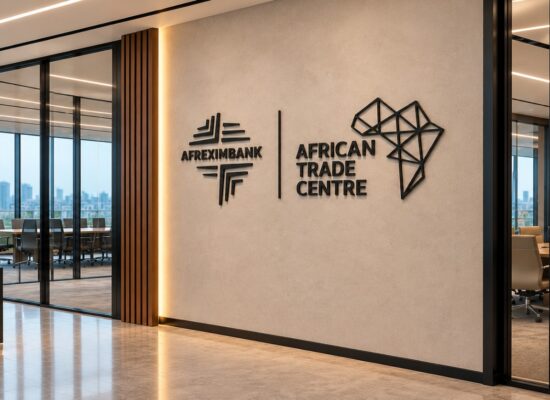
Channel Letter Signage in UAE: Types, Materials and Applications
Channel letter signage is widely used by retail stores, hotels, restaurants, shopping malls and commercial buildings to display business names,…
21 Oct 2026
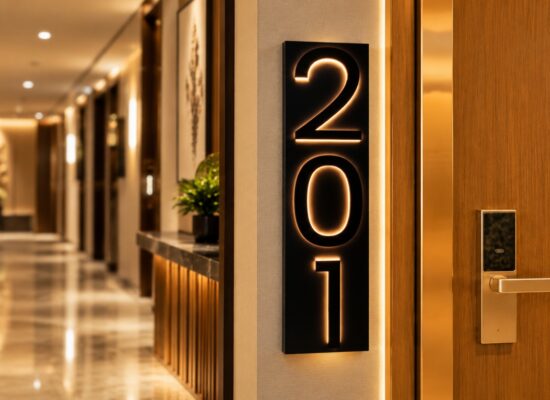
3D Letter Signage in UAE: Materials, Finishes and Applications
In a competitive commercial environment, signage plays an important role in how customers recognise a brand, locate a business and…
21 Oct 2026
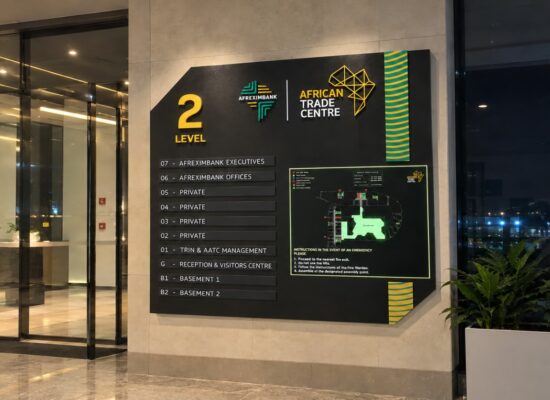
Types of Illuminated Signage: A Guide for UAE & GCC Projects
Illuminated signage plays an important role in how commercial buildings, hotels, retail developments and corporate spaces communicate their identity. In…

17 Oct 2026
Commercial Signage Solutions UAE & GCC
How to Choose Commercial Signage Solutions in the UAE & GCC Commercial signage plays an important role in how people…
02 Oct 2026
Canadian Bespoke Lights
Canadian Bespoke Lighting: Where Design Becomes a Signature Luxury architecture is rarely defined by one element alone. The character of…
subscribe for newsletter

Luzion is a leading manufacturer and exporter of high-quality LED lighting solutions. With a focus on design, research, and innovation, we offer a wide range of products for commercial, industrial, residential, and outdoor spaces.
