

Search
Category
- Bollard Light
- Commercial Lighting
- Energy-Efficient Lighting
- LAMPS
- LED Lights
- LED Uplighter
- Light and Colour Theory
- Lighting Design and Facade Lighting
- Lighting Design Consultancy UAE
- lighting design principles
- Lighting Fundamentals and Design Principles
- Lighting Solutions
- Nature of Light in Lighting Design
- Panel Lights vs. Spot Lights
- Portable Lights
- Signage Solutions
- Smart Controllers for Streetlights
- Solar Lights
- Tree Lighter
- Uncategorized
Recent Posts





Tags
- Architectural Lighting
- Architectural Lighting Design
- Architectural Lighting Design UAE
- automation
- Best Lighting Design Consultancy in UAE
- COB LED Technology
- COB Spotlights
- Color Temperature in Lighting
- Commercial Lighting Design
- Commercial Lighting Fixtures
- Commercial Lighting Innovations
- Commercial Lighting UAE
- Cylinder COB Lights
- Dialux Lighting Design
- Dialux Lighting Design UAE
- Energy Efficient Lighting
- Energy-Efficient Lighting USA
- Exterior Lighting Solutions
- Facade & Exterior Lighting
- Facade Lighting
- Facade Lighting Design
- Facade Lighting Design UAE
- Facade lighting ideas
- Facade Lighting UAE
- Facade Uplighting
- Green Building Design
- Indoor & Exterior Lighting Solutions
- Interior Lighting Design
- Lamps
- LED Lighting Solutions
- LED lights
- LED Panel
- LED Uplighters
- LED vs Halogen
- Light and Color Theory
- Lighting Basics
- Lighting Consultancy UAE
- Lighting Design
- Lighting Design Consultancy in UAE
- Lighting Design Principles
- Lighting Design UAE
- Lighting Fundamentals Guide
- Lighting Layers
- Lumen Output in Lighting
- Modern Building Lighting Ideas
- Modern Lighting Ideas
- Office Lighting Solutions
- Outdoor Lighting Consultants UAE
- Panel Lights vs. Spot Lights
- Portable Lights
- smart light
- Smart Lighting Systems
- Sustainable Architecture
- Sustainable Lighting UAE
- Villa Lighting UAE

07Sep 2026
- Lighting Solutions


Residential Lights & Lighting Solutions Worldwide for Homes & Villas
INTRODUCTION TO RESIDENTIAL LIGHTING SOLUTIONS
A well-designed home is shaped not only by architecture, interiors and materials, but also by the quality of light within and around the space. Residential Lighting Design brings these elements together to create comfortable, functional and visually refined environments for modern homes, apartments, villas, penthouses and luxury residences.
Luzion provides Residential Lighting Solutions, Residential Lights, Residential Lighting Systems and Residential Lighting Services for contemporary residential projects, combining architectural lighting expertise with carefully selected LED luminaires and project-focused lighting design. Our approach considers the architecture, interior finishes, spatial proportions, natural daylight, visual comfort and intended use of every room before defining the lighting strategy.
From discreet recessed downlights and architectural linear lighting to accent lighting, wall illumination, decorative fixtures, outdoor lighting and smart lighting systems, the objective is to create a balanced environment rather than simply increase brightness.
For architects, interior designers, lighting designers, developers, contractors and homeowners, the right residential lighting strategy can transform how a property looks and feels throughout the day and evening.
What Is Residential Lighting Design?
Residential Lighting Design is the planned use of artificial and natural light to enhance the functionality, atmosphere, architecture and visual comfort of a home.
Instead of selecting individual lights without considering the complete space, professional residential lighting design evaluates how different sources of illumination work together. Ceiling height, room dimensions, furniture placement, wall finishes, artwork, circulation areas and architectural features can all influence the final lighting arrangement.
A successful lighting design normally combines several layers of illumination rather than relying on a single central fixture.
These layers can include:
- Ambient lighting for general illumination
- Task lighting for functional activities
- Accent lighting for architectural and decorative features
- Cove and indirect lighting for soft illumination
- Wall lighting for vertical surfaces
- Linear lighting for architectural details
- Decorative lighting for visual character
- Exterior lighting for façades, gardens and pathways
- Smart lighting and controls for greater flexibility
This layered approach allows the same room to support different activities and moods without changing the architecture or interior design.
Residential Lighting Designed Around Architecture
Architectural lighting should complement the building rather than compete with it.
In a contemporary residence, carefully positioned recessed fixtures can provide clean general illumination while concealed linear lighting can define ceilings, niches, joinery and architectural transitions. Wall washing can bring texture to stone, wood, plaster or decorative surfaces, while focused accent lighting can highlight artwork, sculptures and feature elements.
For luxury villas and high-end residences, lighting becomes an important part of the architectural experience. Exterior façade illumination can establish the character of the property after sunset, while garden, pathway, entrance and landscape lighting can create a coordinated transition between indoor and outdoor spaces.
The result is a lighting environment that feels integrated into the architecture rather than added to it.
The Three Essential Layers of Residential Lighting
Ambient Lighting
Ambient lighting provides the general level of illumination required for comfortable movement and everyday activities.
Depending on the architecture, this may be achieved through recessed downlights, surface-mounted luminaires, linear systems, concealed cove lighting or other architectural fixtures.
The goal is not necessarily to make every surface equally bright. Instead, the lighting should create an appropriate overall visual environment while maintaining comfort and controlling glare.
Task Lighting
Task lighting provides additional illumination where specific activities require greater visual clarity.
Examples include:
- Kitchen worktops
- Dressing areas
- Reading corners
- Home offices
- Bathroom mirrors
- Study areas
- Kitchen islands
- Vanity spaces
- Bedside areas
The position, beam angle and colour quality of the luminaire are particularly important in these applications. Properly designed task lighting can improve usability while reducing unnecessary brightness elsewhere in the room.
Accent Lighting
Accent lighting introduces hierarchy and visual focus.
It can be used to highlight:
- Artwork
- Sculptures
- Feature walls
- Architectural columns
- Textured surfaces
- Display cabinets
- Decorative objects
- Interior landscaping
- Premium materials
- Architectural details
Adjustable spotlights, narrow-beam downlights, wall washers and concealed linear lighting are frequently used for this purpose.
In luxury residential interiors, accent lighting can be particularly effective because it allows selected architectural and decorative elements to become visual focal points.
Residential Lighting Solutions for Different Spaces
Every room has a different functional requirement, so the lighting strategy should be developed according to the purpose of the space.
Living Room Lighting
The living room often requires a combination of ambient, accent and decorative illumination.
A combination of recessed downlights, concealed cove lighting, wall washing and adjustable accent fixtures can create different levels of illumination for entertaining, conversation, relaxation or evening use.
Rather than placing identical fixtures throughout the ceiling, a considered layout can establish visual zones around seating areas, artwork, architectural features and circulation paths.
Bedroom Lighting
Bedroom lighting should prioritise comfort, low glare and flexibility.
Soft ambient illumination can be combined with bedside reading lights, concealed linear lighting, wardrobe lighting and selected accent fixtures. Dimmable systems can allow the lighting level to change from functional morning use to a more relaxed evening atmosphere.
Warm colour temperatures are often suitable for residential bedrooms where a calm and comfortable environment is desired.
Kitchen Lighting
Kitchen lighting requires a stronger focus on visibility and task performance.
A well-planned kitchen lighting system may combine general ceiling illumination with focused task lighting for worktops, islands, cabinets and preparation areas. Linear LED lighting can be integrated beneath cabinets or within architectural details to provide useful illumination without visually overwhelming the interior.
Good positioning is essential because poorly placed ceiling lights can create shadows from the user onto the work surface.
Dining Area Lighting
Dining spaces benefit from a combination of functional and atmospheric lighting.
A pendant or decorative fixture can establish a visual centre above the dining table, while architectural ambient lighting provides the surrounding illumination. Dimming allows the space to transition between brighter everyday use and a softer evening setting.
Bathroom Lighting
Bathroom lighting requires careful consideration of visibility, reflections, colour rendering and moisture exposure.
Mirror lighting should provide balanced illumination around the face without producing excessive shadows or glare. Recessed ceiling lights, concealed linear lighting and selected accent fixtures can provide additional layers.
Where fixtures are installed in areas exposed to moisture, the appropriate IP rating should be selected according to the application and local electrical requirements.
Staircase & Corridor Lighting
Circulation areas should provide safe and comfortable movement without unnecessary brightness.
Residential staircase lighting can include recessed step lights, wall-mounted fixtures, concealed linear lighting or low-level illumination integrated into architectural elements.
Corridors can benefit from a controlled combination of ceiling lighting and wall illumination, particularly in larger villas and luxury residences where circulation spaces form part of the overall architectural experience.
Residential Lighting Is More Than Choosing Fixtures
Selecting attractive luminaires is only one part of a successful residential lighting project.
The position, spacing, beam angle, lumen output, colour temperature, colour rendering, glare control and dimming capability of each fixture can influence the final result.
For this reason, professional Residential Lighting Design Services should begin with the architecture and project requirements rather than with a product catalogue.
A lighting designer or architectural lighting consultant can evaluate the space and determine where light is actually required, where contrast should be introduced and which architectural elements deserve emphasis.
The final lighting specification can then be developed around the required performance, aesthetics and project conditions.
Designing Comfortable Residential Lighting
Visual comfort is one of the most important considerations in residential environments.
Excessive brightness, exposed LED sources, poorly controlled beams and inappropriate fixture positions can create glare and make a space uncomfortable even when the measured illumination appears adequate.
Modern Residential LED Lighting therefore focuses not only on energy efficiency but also on optical performance.
Key considerations include:
- Controlled beam distribution
- Appropriate lumen levels
- Low-glare optics
- Suitable colour temperature
- High colour rendering
- Dimming capability
- Correct fixture positioning
- Balanced contrast
- Integration with architectural elements
The objective is a residential environment where the lighting feels natural and intentional.
Residential Lighting for Modern & Luxury Homes
Modern residences increasingly use lighting as an architectural design element.
Minimalist interiors may require discreet trimless fixtures and concealed illumination, while luxury villas may combine architectural lighting with decorative luminaires, facade lighting, landscape illumination and bespoke lighting features.
For premium residential projects, Luxury Residential Lighting can be developed as a complete system extending from the entrance and façade through living spaces, bedrooms, kitchens, bathrooms, staircases, gardens and outdoor entertaining areas.
This creates consistency between different areas of the property while allowing each space to retain its own character.
Luzion approaches residential projects from this wider architectural perspective, supporting projects with lighting products, technical understanding and application-focused solutions for residential environments.
Villa Lighting Design for Contemporary Residences
Villa Lighting Design requires a broader approach than standard residential illumination because a villa typically combines multiple architectural zones, larger floor areas, outdoor spaces and several levels of visual hierarchy.
A well-planned villa lighting scheme can connect the entrance, façade, living areas, bedrooms, staircase, landscape, pool, terraces and outdoor entertainment spaces into one coherent lighting experience.
Architectural details such as stone cladding, wood ceilings, double-height spaces, columns, arches, niches and feature walls can all become part of the lighting composition.
For luxury residential projects, the objective is to achieve a refined balance between architectural visibility, comfort, functionality and atmosphere.
Luxury Residential Lighting
Luxury Residential Lighting is often characterised by subtle illumination rather than excessive brightness.
High-end residences can benefit from concealed sources, precise optics, carefully controlled beams and integrated lighting details that allow architecture and interiors to remain the primary focus.
Typical solutions include:
- Trimless recessed downlights
- Adjustable architectural spotlights
- Recessed linear lighting
- Concealed LED profiles
- Cove lighting
- Wall washers
- Narrow-beam accent lighting
- Step and staircase lighting
- Wardrobe and joinery lighting
- Decorative pendant lighting
- Outdoor architectural lighting
- Landscape and garden illumination
- Smart lighting controls
The combination of these systems allows different scenes to be created for everyday living, entertaining, relaxation and special occasions.
Residential Facade Lighting
The exterior of a residence is often the first architectural element experienced after sunset.
Residential Facade Lighting can emphasise building proportions, entrances, textures and architectural geometry without making the façade appear excessively illuminated.
Wall washers can highlight textured surfaces, while narrow-beam fixtures can accentuate columns and vertical architectural elements. Recessed inground fixtures can provide discreet illumination at entrances, pathways and façade edges.
For villas, facade lighting can also be coordinated with landscape lighting to create a complete exterior composition.
The design should consider viewing distance, surrounding ambient light, façade materials, fixture visibility, beam distribution and glare control.
Residential Landscape Lighting
Outdoor areas form an important part of contemporary residential architecture.
Residential Landscape Lighting can improve the visual connection between architecture and gardens while providing functional illumination for pathways, entrances, terraces and outdoor living areas.
Common applications include:
- Garden lighting
- Pathway lighting
- Driveway lighting
- Tree uplighting
- Planting-bed illumination
- Poolside lighting
- Terrace lighting
- Outdoor seating lighting
- Boundary-wall lighting
- Entrance lighting
- Step lighting
- Landscape accent lighting
Low-level lighting is particularly useful for pathways and circulation zones because it can provide orientation without overpowering the surrounding landscape.
Residential Outdoor Lighting Solutions
A complete Residential Outdoor Lighting Solution should consider the property as an interconnected environment.
The entrance may require a stronger visual focus, while pathways can use lower-level guidance lighting. Trees and planting can be selectively illuminated, and architectural elements can receive controlled accent lighting.
Outdoor fixtures must also be selected according to their environmental exposure, installation conditions and required protection rating.
For coastal properties, desert environments, gardens and exposed terraces, fixture construction and material selection become particularly important.
Smart Residential Lighting Systems
Modern residences increasingly require lighting systems that provide flexibility as well as illumination.
Smart Residential Lighting Systems can connect architectural lighting, decorative fixtures and outdoor lighting with centralised controls.
Depending on the project requirements, systems may support:
- Scene control
- Dimming
- Scheduling
- Occupancy-based operation
- Daylight response
- Remote control
- Automated lighting scenes
- Integration with building automation
- Tunable white lighting
- DALI-based control
- KNX-based control
A residential lighting control system should be selected according to the size and technical requirements of the project rather than adding unnecessary technology.
In luxury homes, lighting scenes can be designed around activities such as arrival, entertaining, dining, relaxation, night-time circulation and security.
Cove Lighting & Indirect Residential Lighting
Indirect lighting can create a softer architectural atmosphere by allowing the light source to remain concealed.
Residential Cove Lighting is commonly integrated into ceilings, wall recesses, curtain pelmets, cabinetry and architectural details.
Linear LED systems are particularly suitable for these applications because they can provide continuous illumination with minimal visual interruption.
Indirect lighting can also be combined with recessed downlights to create a layered environment. The concealed source establishes atmosphere while architectural fixtures provide functional illumination where needed.
Residential Linear Lighting
Residential Linear Lighting provides flexibility for contemporary architecture.
Linear LED systems can be integrated into:
- False ceilings
- Wall recesses
- Staircases
- Joinery
- Kitchen cabinets
- Wardrobes
- Shelving
- Headboards
- Architectural niches
- Corridors
- Cove details
The profile, diffuser, LED specification and optical performance should be selected according to the application.
For premium residential interiors, a clean continuous line of light can provide architectural definition without introducing unnecessary visual clutter.
Bespoke Residential Lighting
Some residential projects require lighting elements that cannot be achieved through standard fixtures.
Bespoke Residential Lighting can be developed around specific architectural dimensions, material finishes, mounting requirements and design concepts.
Custom solutions may include linear systems, integrated architectural fixtures, decorative luminaires or specially configured lighting assemblies.
For architects and interior designers working on distinctive residences, bespoke lighting provides an opportunity to integrate illumination directly into the design language of the property.
Residential Lighting for Architects & Interior Designers
Architects and interior designers often require lighting that supports the original design concept without compromising the architectural intent.
Luzion can support residential projects through:
- Lighting product selection
- Architectural lighting solutions
- Lighting layout assistance
- Product specification
- Photometric information
- Technical documentation
- Application guidance
- Custom lighting requirements
- Project-based product recommendations
This approach helps ensure that the selected luminaires are appropriate for the intended space, performance requirements and aesthetic direction.
Residential Lighting for Developers & Contractors
For residential developments, consistency, availability and technical performance are equally important.
Developers and contractors may require lighting solutions across villas, apartments, common areas, entrances, landscape zones and amenities.
A coordinated Residential Lighting System can simplify product specification while maintaining a consistent visual language across the development.
Project requirements can include:
- Fixture schedules
- Technical specifications
- Lighting layouts
- Product data
- Installation guidance
- Sample approvals
- Bulk project supply
- Customisation
- Technical coordination
A project-oriented approach can be especially valuable for multi-unit residential developments where repeatability and long-term product availability are important.
Residential Lighting Design Services
Professional Residential Lighting Design Services begin by understanding the architecture, interior concept and functional requirements of a property.
The lighting strategy should be developed before final fixture selection so that every luminaire has a defined purpose within the overall scheme.
A typical residential lighting design process can include:
1. Project Understanding
The first stage involves understanding the architectural drawings, interior concept, room functions, materials, furniture arrangement and project requirements.
2. Lighting Concept
A lighting concept establishes the visual direction of the project.
This may include the relationship between ambient, task, accent, decorative and indirect lighting.
3. Fixture Selection
Fixtures are selected according to their application, optical performance, appearance, installation requirements and technical specifications.
4. Lighting Layout
The lighting layout defines fixture positions, spacing, orientation and zoning.
For complex residences, different areas may require independent circuits and control zones.
5. Photometric Evaluation
Where required, lighting calculations and photometric analysis can be used to evaluate illumination levels, uniformity, glare and overall performance.
6. Product Specification
The final specification can include relevant technical information such as:
- Wattage
- Lumen output
- Beam angle
- Colour temperature
- CRI
- IP rating
- Mounting type
- Dimming option
- Control compatibility
- Finish
- Dimensions
7. Project Coordination
Lighting requirements may need coordination with architecture, interiors, electrical systems, ceiling details, HVAC services and other building elements.
This is particularly important for recessed and integrated lighting.
Residential Lighting Systems for Apartments
Apartments require efficient lighting strategies because floor areas and ceiling conditions can vary considerably.
A typical apartment may include living and dining areas, bedrooms, kitchen, bathrooms, corridors, balconies and utility spaces.
Residential Lighting Systems can combine recessed lighting, linear lighting, decorative fixtures, task lighting and concealed illumination according to the requirements of each zone.
For premium apartments and penthouses, additional attention can be given to feature ceilings, artwork, joinery, panoramic views and architectural details.
Residential Lighting for Penthouses
Penthouses often combine luxury interiors with large glazed surfaces, terraces and expansive living spaces.
Lighting should complement these features without creating excessive reflections or glare.
Architectural downlights, linear systems, wall washing and carefully controlled accent lighting can establish visual hierarchy while preserving the openness of the interior.
Outdoor terrace lighting can then extend the lighting concept into the external living areas.
Residential Lighting for Apartments & Multi-Unit Developments
Large residential developments require a different specification strategy from a single private residence.
The lighting package may cover:
- Apartments
- Lobbies
- Corridors
- Staircases
- Parking areas
- Clubhouses
- Fitness spaces
- Swimming pools
- Landscapes
- Entrance areas
- Shared amenities
The objective is to maintain an appropriate balance between performance, aesthetics, energy efficiency, maintenance and project budget.
Energy-Efficient Residential LED Lighting
LED technology has become a major component of modern Residential LED Lighting because it provides flexibility across architectural, decorative and functional applications.
However, energy efficiency should not be considered only in terms of wattage.
A well-designed lighting system also considers where light is required, how much illumination is appropriate and how the system can be controlled.
Dimming, occupancy control, daylight integration and scene-based operation can further reduce unnecessary energy consumption.
High-quality LED systems should also provide appropriate colour consistency, colour rendering, thermal performance and optical control.
Colour Temperature & Colour Rendering
Colour temperature influences the visual character of a residential interior.
Warmer light can create a comfortable and intimate atmosphere, while neutral white light can provide a cleaner and more functional appearance.
The appropriate choice depends on:
- Room function
- Interior materials
- Natural daylight
- Design concept
- Client preference
- Fixture type
- Desired atmosphere
CRI is also important where accurate colour appearance matters, particularly around artwork, premium finishes, wardrobes, dressing areas, kitchens and decorative interiors.
Glare Control in Residential Lighting
Glare can significantly reduce visual comfort.
A fixture that appears attractive in isolation may still create discomfort when positioned incorrectly or when its optical characteristics are unsuitable for the application.
Residential lighting should therefore consider:
- LED source visibility
- Beam direction
- Cut-off
- Shielding
- Fixture position
- Ceiling height
- Viewing angles
- Reflective surfaces
- Luminance contrast
Low-glare architectural lighting can be particularly effective in living rooms, bedrooms, home offices and other areas where occupants spend extended periods.
Residential Lighting & DIALux Planning
For projects requiring detailed lighting analysis, DIALux lighting design can help evaluate proposed lighting arrangements before installation.
A digital lighting model can assist with reviewing fixture positions, illumination distribution, lumen levels and overall spatial performance.
For architects, consultants and contractors, this can provide a useful technical reference during project coordination and fixture specification.
Residential Lighting Design in India
India has a diverse residential architecture ranging from urban apartments and premium penthouses to large private villas and luxury residences.
Residential Lighting Design India can therefore require different approaches depending on the climate, architecture, interior materials and project category.
Luzion supports residential lighting requirements from India for architects, interior designers, developers, contractors and project consultants.
Gujarat
Residential projects in Ahmedabad, Gandhinagar, Surat, Vadodara and Rajkot can include modern villas, apartments, private residences and high-end developments.
Maharashtra
Mumbai and Pune have strong demand for premium apartment, penthouse and luxury residential lighting applications.
Rajasthan
Jaipur, Udaipur and other luxury residential markets can benefit from lighting strategies that respond to stone, traditional architectural details, courtyards and contemporary villa design.
Karnataka
Bengaluru residential projects frequently combine modern architecture, landscaped outdoor areas and technology-driven interiors.
Telangana & Tamil Nadu
Hyderabad, Chennai and other major cities offer opportunities across villas, apartments, gated communities and premium residential developments.
Residential Lighting Design in UAE & GCC
The GCC is an important market for premium residential lighting because of its strong villa, hospitality-inspired residential and luxury property segments.
Residential Lighting Design UAE can include villas, apartments, penthouses, private residences, compounds and high-end developments.
Dubai
Residential Lighting Design Dubai often involves contemporary villas, luxury apartments, penthouses and high-end residential developments.
Architectural facade lighting, landscape illumination, smart controls and premium interior lighting can form part of a complete project.
Abu Dhabi
Residential lighting projects in Abu Dhabi can range from private villas to large residential developments and premium apartment communities.
Saudi Arabia
Residential Lighting Design Saudi Arabia can cover private villas, compounds, apartments and luxury residential developments.
Riyadh, Jeddah, Dammam and Al Khobar represent important urban markets for residential architectural lighting.
Qatar
Residential Lighting Design Qatar includes villas, apartments, compounds and premium residences, particularly across Doha and surrounding developments.
Oman
Villa architecture and private residential developments create opportunities for Residential Lighting Solutions Oman, including Muscat and other major markets.
Kuwait & Bahrain
Residential lighting requirements in Kuwait and Bahrain include villas, apartments, private residences and larger residential developments.
For GCC projects, fixture selection should also account for environmental conditions, outdoor exposure, maintenance access and project-specific technical requirements.
Residential Lighting Design in the USA & UK
North American and UK residential markets include single-family homes, luxury residences, apartments, penthouses and high-end developments.
USA
Residential Lighting Design USA can target markets such as California, Texas, Florida, New York, New Jersey, Illinois, Washington and Arizona.
Major cities include:
- New York
- Los Angeles
- Miami
- Houston
- Dallas
- Austin
- San Francisco
- San Diego
- Chicago
- Seattle
- Boston
- Atlanta
- Las Vegas
UK
Residential Lighting Design UK can cover London, Manchester, Birmingham, Leeds, Glasgow, Edinburgh and Bristol.
High-end residential lighting can include architectural downlights, decorative fixtures, concealed linear lighting, landscape lighting and smart controls.
Residential Lighting Across Europe & Asia-Pacific
Luzion’s international residential lighting opportunity extends across Europe, Asia-Pacific, the Middle East, Africa and the Americas.
Relevant markets include Germany, France, Italy, Spain, Netherlands, Switzerland, Austria, Sweden, Denmark, Norway, Poland, Australia, New Zealand, Japan, South Korea, Singapore, Malaysia and other international markets.
Residential lighting requirements differ between regions, but the fundamental principles remain consistent: appropriate illumination, visual comfort, architectural integration, reliable performance and a considered lighting hierarchy.
For international projects, product specifications and installation requirements should always be coordinated with applicable local standards and project documentation.
Residential Lighting Manufacturer, Supplier & Project Solutions
Residential Lighting Manufacturer & Project Supply
A residential lighting project requires more than individual lighting fixtures. Architects, developers, contractors and lighting designers often require a reliable partner who can support product selection, technical information, custom requirements and project supply.
Luzion provides Residential Lighting Solutions from India for residential projects across domestic and international markets.
As a lighting manufacturer and project supplier, Luzion can support requirements involving architectural LED lighting, linear lighting, downlights, wall lighting, accent lighting, outdoor lighting, facade lighting, landscape lighting and bespoke lighting.
Residential LED Lights for Architectural Projects
Modern residential projects increasingly demand lighting that is discreet, efficient and visually integrated.
Residential LED Lights can be selected according to the architectural requirement rather than simply by appearance.
Important considerations include:
- Optical performance
- Lumen output
- Beam angle
- Colour temperature
- CRI
- Glare control
- Dimming
- Fixture dimensions
- Installation method
- Finish
- Environmental protection
- Control compatibility
This specification-led approach helps architects and lighting designers select fixtures that support the intended design.
Residential Lighting Product Categories
A complete residential lighting package can include multiple fixture categories.
Architectural Downlights
Used for general, accent and task illumination across living rooms, bedrooms, kitchens, corridors and other interior areas.
Linear LED Lighting
Suitable for ceilings, coves, joinery, wardrobes, kitchens, niches, staircases and architectural details.
Wall Washers
Used to illuminate walls, textures, artwork and architectural surfaces.
Inground Lights
Suitable for selected outdoor applications including pathways, landscape features and architectural details.
Uplighters
Can highlight trees, columns, walls and selected architectural elements.
Step & Stair Lights
Provide low-level illumination for staircases and circulation areas.
Outdoor Residential Lights
Used across façades, entrances, gardens, terraces, pathways and landscape areas.
Bespoke Lighting
Developed for projects requiring customised dimensions, finishes, configurations or architectural integration.
Residential Lighting Solutions for Different Project Stakeholders
For Architects
Architects require lighting that respects the building concept and architectural language.
Luzion can support fixture selection, product specification, technical coordination and architectural lighting requirements.
For Interior Designers
Interior designers can use lighting to define materiality, furniture, artwork, joinery and spatial hierarchy.
Lighting can therefore be coordinated with the interior palette from the early design stage.
For Lighting Designers
Lighting designers may require photometric data, technical specifications, product configurations and project-specific fixture options.
For MEP Consultants
Electrical and MEP coordination can require accurate fixture information, load data, dimensions, mounting requirements and control compatibility.
For Developers
Developers require solutions that balance design quality, technical performance, procurement and project consistency.
For Contractors
Contractors need clear product specifications, installation information, fixture dimensions and reliable project supply.
Residential Lighting Specification
A professional Residential Lighting Specification should clearly define the performance and physical characteristics of each luminaire.
Depending on the project, a specification schedule may include:
| Specification | Typical Requirement |
|---|---|
| Product Type | Downlight / Linear / Spotlight / Wall Light |
| Power | Project-specific |
| Lumen Output | Application-specific |
| Colour Temperature | Warm / Neutral / Tunable |
| CRI | Based on project requirement |
| Beam Angle | Wide / Medium / Narrow |
| Dimming | As required |
| IP Rating | Based on installation location |
| Mounting | Recessed / Surface / Pendant / Track |
| Finish | Project-specific |
| Control | DALI / KNX / Other |
| Application | Interior / Exterior |
The final values should always be selected according to the actual project requirements rather than applying the same specification to every residence.
Residential Lighting Design Considerations
Before finalising a residential lighting scheme, several factors should be reviewed.
Architecture
The lighting should work with the building geometry and architectural details.
Interior Materials
Stone, marble, wood, metal, glass and painted surfaces respond differently to light.
Natural Daylight
Daylight availability influences the amount and distribution of artificial lighting required.
Furniture
Furniture layout can influence task lighting, accent lighting and fixture positioning.
Ceiling Design
Recessed fixtures must be coordinated with ceiling details, HVAC, sprinklers and other services.
Controls
Lighting controls should be appropriate for the scale and complexity of the residence.
Maintenance
Fixtures should remain accessible where maintenance or replacement is required.
Outdoor Conditions
Exterior fixtures should be selected according to exposure, environmental conditions and required protection.
Residential Lighting Trends
Modern residential lighting continues to move toward cleaner architectural integration and greater control.
Important design directions include:
Minimalist lighting
Fixtures become visually discreet while architectural surfaces remain dominant.
Concealed illumination
Linear systems and indirect lighting create soft architectural effects.
Smart lighting
Lighting scenes and controls provide greater flexibility.
Human-centric approaches
Colour temperature and lighting levels can be adjusted according to time and use.
Integrated lighting
Lighting is increasingly incorporated directly into ceilings, walls, furniture and architectural elements.
Bespoke solutions
Custom dimensions and configurations allow lighting to respond to unique architectural requirements.
Why Choose a Professional Residential Lighting Partner?
The right residential lighting partner should understand both the aesthetic and technical sides of a project.
A product may look appropriate but still be unsuitable if its beam distribution, glare performance, colour quality, installation depth or output does not match the application.
Professional support can help bridge the gap between architectural intent and lighting performance.
For complex residential projects, this can reduce product-selection errors, improve coordination and create a more consistent lighting result.
Global Residential Lighting Solutions from India
Luzion develops and supplies architectural lighting solutions from India for residential and architectural projects across international markets.
Our geographic focus includes:
India: Gujarat, Maharashtra, Karnataka, Telangana, Tamil Nadu, Rajasthan, Delhi NCR and other major markets.
GCC: UAE, Saudi Arabia, Qatar, Kuwait, Oman and Bahrain.
Middle East: Israel, Iraq, Iran, Jordan, Lebanon and Turkey.
USA & Canada: Major metropolitan and residential markets across North America.
UK & Europe: United Kingdom and key European markets.
Asia-Pacific: Australia, New Zealand, Singapore, Japan, South Korea and other Asian markets.
Africa: South Africa, Egypt, Nigeria, Kenya, Ghana and other emerging markets.
International project requirements should always be evaluated according to local regulations, electrical requirements, environmental conditions and project specifications.
Frequently Asked Questions
What is residential lighting design?
Residential lighting design is the planned use of architectural, functional, decorative and outdoor lighting to create comfortable, practical and visually balanced residential environments.
What are residential lighting solutions?
Residential lighting solutions include the products, systems and design approaches used to illuminate homes, villas, apartments, penthouses, gardens, façades and other residential spaces.
What types of residential lights are commonly used?
Common options include recessed downlights, spotlights, linear LED lights, wall washers, decorative fixtures, pendant lights, cove lighting, step lights, inground lights and outdoor architectural lighting.
Is LED lighting suitable for luxury residences?
Yes. LED technology can provide compact fixtures, controlled optics, efficient operation, high colour rendering and flexible architectural applications when appropriately specified.
What is villa lighting design?
Villa lighting design is a coordinated lighting strategy covering the interior and exterior areas of a villa, including living spaces, bedrooms, staircases, façades, gardens, pathways, terraces and other architectural zones.
Can residential lighting be integrated with smart home systems?
Yes. Depending on the project, residential lighting can be integrated with dimming, scene control, automation and building-control systems such as DALI or KNX.
Does Luzion supply residential lighting internationally?
Luzion is an India-based architectural lighting manufacturer and project supplier serving residential and architectural lighting requirements across domestic and international markets.
Final Perspective
Residential lighting is no longer limited to placing fixtures where illumination is required. Contemporary homes demand a considered relationship between architecture, interiors, technology and light.
A successful Residential Lighting Design creates hierarchy, comfort and atmosphere while supporting the practical requirements of everyday life.
From a private villa in Dubai to a luxury residence in Mumbai, a penthouse in London or a contemporary home in the USA, the fundamentals remain the same: understand the architecture, define the purpose of each lighting layer, select appropriate optical performance and integrate the system carefully into the project.
Luzion combines architectural lighting expertise, LED manufacturing capability and project-oriented support to provide Residential Lighting, Residential Lights, Residential Lighting Solutions, Residential Lighting Systems and Residential Lighting Services for architects, designers, consultants, developers and contractors across global markets.
Related posts
24 Oct 2026
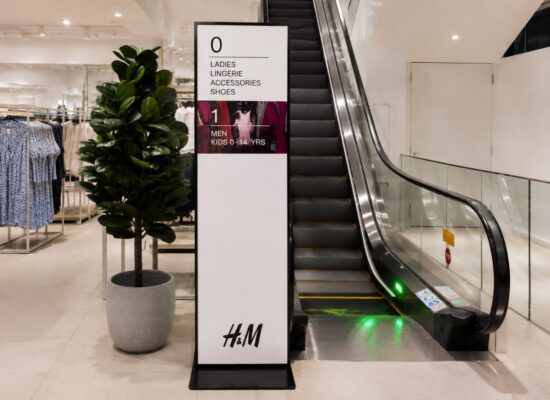
Digital Signage in UAE & GCC: Types, Applications and Design Guide
Digital signage has become an important part of how businesses communicate with customers, visitors and employees. From retail displays and…
24 Oct 2026
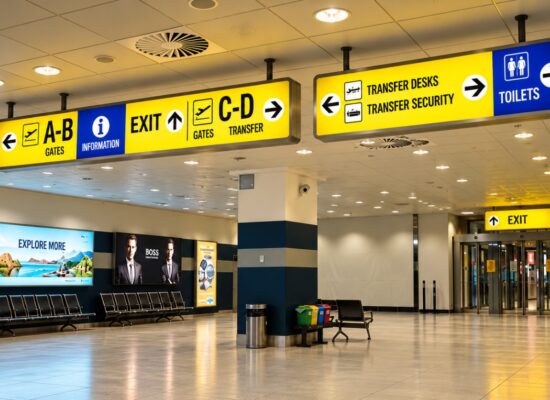
Wayfinding Signage in UAE & GCC: A Complete Design Guide
Wayfinding signage helps people navigate buildings, public spaces and large commercial developments without confusion. From hospital departments and hotel reception…
24 Oct 2026
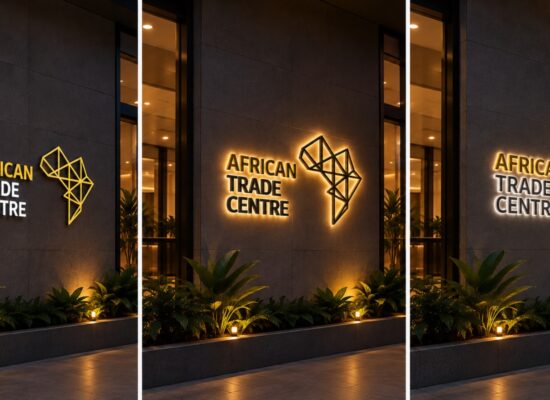
Front-Lit vs Backlit vs Halo-Lit Signage: Which Is Best for Your Project?
Choosing the right illumination style can transform the appearance of a business sign. Whether it is a retail storefront in…

23 Oct 2026
Outdoor Signage in UAE: Types, Materials and Design Guide
Outdoor signage is an essential part of commercial architecture, helping businesses establish visibility, communicate their identity and guide visitors. In…
21 Oct 2026
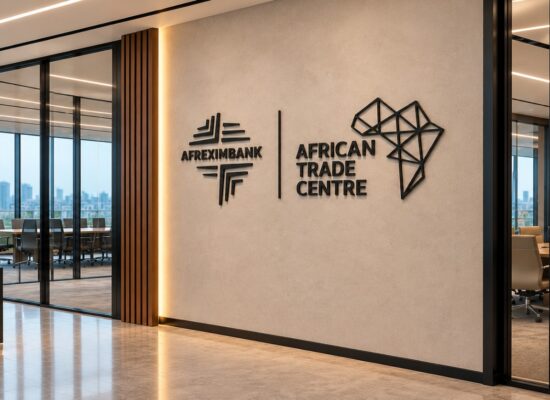
Channel Letter Signage in UAE: Types, Materials and Applications
Channel letter signage is widely used by retail stores, hotels, restaurants, shopping malls and commercial buildings to display business names,…
subscribe for newsletter

Luzion is a leading manufacturer and exporter of high-quality LED lighting solutions. With a focus on design, research, and innovation, we offer a wide range of products for commercial, industrial, residential, and outdoor spaces.
