
Search
Category
- Bollard Light
- Commercial Lighting
- Energy-Efficient Lighting
- LAMPS
- LED Lights
- LED Uplighter
- Light and Colour Theory
- Lighting Design and Facade Lighting
- Lighting Design Consultancy UAE
- lighting design principles
- Lighting Fundamentals and Design Principles
- Lighting Solutions
- Nature of Light in Lighting Design
- Panel Lights vs. Spot Lights
- Portable Lights
- Signage Solutions
- Smart Controllers for Streetlights
- Solar Lights
- Tree Lighter
- Uncategorized
Recent Posts



Commercial Signage Solutions UAE & GCC
Canadian Bespoke Lights
Tags
- Architectural Lighting
- Architectural Lighting Design
- Architectural Lighting Design UAE
- automation
- Best Lighting Design Consultancy in UAE
- COB LED Technology
- COB Spotlights
- Color Temperature in Lighting
- Commercial Lighting Design
- Commercial Lighting Fixtures
- Commercial Lighting Innovations
- Commercial Lighting UAE
- Cylinder COB Lights
- Dialux Lighting Design
- Dialux Lighting Design UAE
- Energy Efficient Lighting
- Energy-Efficient Lighting USA
- Exterior Lighting Solutions
- Facade & Exterior Lighting
- Facade Lighting
- Facade Lighting Design
- Facade Lighting Design UAE
- Facade lighting ideas
- Facade Lighting UAE
- Facade Uplighting
- Green Building Design
- Indoor & Exterior Lighting Solutions
- Interior Lighting Design
- Lamps
- LED Lighting Solutions
- LED lights
- LED Panel
- LED Uplighters
- LED vs Halogen
- Light and Color Theory
- Lighting Basics
- Lighting Consultancy UAE
- Lighting Design
- Lighting Design Consultancy in UAE
- Lighting Design Principles
- Lighting Design UAE
- Lighting Fundamentals Guide
- Lighting Layers
- Lumen Output in Lighting
- Modern Building Lighting Ideas
- Modern Lighting Ideas
- Office Lighting Solutions
- Outdoor Lighting Consultants UAE
- Panel Lights vs. Spot Lights
- Portable Lights
- smart light
- Smart Lighting Systems
- Sustainable Architecture
- Sustainable Lighting UAE
- Villa Lighting UAE
26Aug 2026
- Lighting Design and Facade Lighting


Architectural Lighting Design & Manufacturing Worldwide
Global Architectural Lighting Design for High-Performance Built Environments
Lighting is no longer treated as a secondary element added after architecture is complete. In contemporary commercial, hospitality, residential, retail and public projects, light is part of the architectural language itself. A carefully developed architectural lighting design can define proportions, reveal materials, establish visual hierarchy, improve comfort and create a distinctive experience after sunset.
Luzion develops integrated lighting design and architectural illumination solutions for projects requiring a balance between aesthetics, technical performance, energy efficiency and long-term reliability. Our approach connects design intent with luminaire selection, optical performance, photometric planning, controls and manufacturing capabilities.
As an experienced architectural lighting manufacturer, Luzion can support projects from the initial lighting concept through technical development and product manufacturing. This integrated approach is particularly valuable for architects, lighting designers, developers, MEP consultants, contractors and procurement teams seeking consistency between the specified design and the final installed lighting system.
Our expertise covers indoor and outdoor environments, including hospitality, retail, commercial buildings, residential developments, landscapes, façades, cultural spaces, infrastructure and other architectural applications.
Architectural Lighting Design Services
Professional lighting requires more than selecting attractive fixtures. An effective scheme considers the architecture, spatial function, visual comfort, surface reflectance, mounting positions, optical distribution, maintenance requirements and desired atmosphere.
Luzion’s lighting design services are structured around the requirements of each project rather than a standard fixture-selection approach. The design process can incorporate conceptual studies, luminaire recommendations, lighting calculations, photometric evaluation, product coordination and technical documentation.
For architects and designers, this means lighting can be considered alongside materials, façade treatments, interior finishes and architectural details instead of being addressed as an isolated engineering component.
Architectural Lighting Design
Our architectural lighting design approach considers how light interacts with the built environment. Different surfaces and architectural elements require different lighting strategies. A textured stone wall may benefit from grazing, while a smooth façade may require controlled wall washing. A retail display may need focused accent lighting, whereas a hotel lobby often requires a layered combination of ambient, decorative and accent illumination.
A professional scheme may incorporate:
- Ambient illumination
- Accent lighting
- Task lighting
- Wall washing
- Wall grazing
- Façade illumination
- Cove and concealed lighting
- Linear architectural lighting
- Landscape illumination
- Feature lighting
- Decorative lighting
- Emergency and functional lighting
- Dynamic and programmable lighting
The objective is to create a coherent relationship between architecture and illumination while maintaining appropriate technical performance.
Lighting Consultancy for Architects and Project Teams
A specialist lighting consultant can help project teams translate architectural concepts into measurable lighting requirements. This becomes increasingly important for complex developments where several disciplines need to coordinate around ceiling systems, façades, landscape elements, electrical infrastructure and building services.
Luzion provides lighting consultancy support for projects where technical and aesthetic considerations need to work together.
Consultancy may include:
- Lighting concept development
- Luminaire selection
- Optical distribution assessment
- Colour temperature recommendations
- Colour rendering evaluation
- Glare considerations
- Mounting and positioning recommendations
- Lighting calculations
- Fixture scheduling
- Technical specification support
- Product customisation
- Lighting control recommendations
- Coordination with project requirements
This project-oriented approach allows architects, developers and consultants to evaluate lighting decisions before products reach the manufacturing stage.
DIALux Lighting Design and Photometric Planning
Accurate calculation is an essential part of professional lighting planning. Luzion uses DIALux lighting design methodologies to evaluate illumination performance before installation.
A DIALux lighting calculation can help determine whether a proposed lighting arrangement delivers appropriate illuminance and uniformity for the intended space. Depending on the application, calculations can also support evaluation of glare, mounting heights, spacing, beam distribution and lighting efficiency.
Our photometric lighting design process can be applied to:
- Offices
- Hotels
- Retail spaces
- Shopping centres
- Restaurants
- Warehouses
- Industrial facilities
- Roads and pathways
- Parking areas
- Landscapes
- Building façades
- Public spaces
- Hospitality developments
- Architectural features
A digital lighting model allows project stakeholders to identify potential issues during the design stage rather than after installation.
Lighting Calculation and Simulation
Professional lighting calculation is particularly valuable for large projects where fixture quantities, spacing and optical distributions can significantly affect both performance and project cost.
Luzion can evaluate parameters such as:
- Illuminance levels
- Uniformity
- Beam distribution
- Mounting height
- Fixture spacing
- Glare
- Light distribution
- Colour temperature
- Energy consumption
- Application-specific lighting requirements
The result is a more controlled approach to lighting planning, helping project teams make informed decisions before procurement and installation.
Lighting Engineering and Technical Coordination
A successful lighting project requires coordination between design intent and technical execution. Lighting engineering bridges this gap by considering how luminaires, electrical systems, optics, thermal management, mounting methods and controls work together.
For project-based applications, Luzion can coordinate lighting requirements with product engineering and manufacturing considerations. This is especially relevant when standard luminaires do not fully satisfy architectural dimensions, output requirements or installation conditions.
Technical development can consider:
- LED performance
- Optical systems
- Heat dissipation
- Driver compatibility
- Dimming requirements
- Control protocols
- Protection ratings
- Mechanical construction
- Installation method
- Maintenance access
- Environmental conditions
- Expected operating hours
This technical foundation supports consistent performance throughout the project lifecycle.
Lighting Design for Different Architectural Environments
Every project has a different lighting objective. A luxury hotel requires a different approach from an industrial facility, while a heritage façade requires different optical control from a contemporary office.
Hospitality and Hotel Projects
In hospitality environments, hospitality lighting contributes directly to the guest experience. Lighting can establish warmth in reception areas, create visual focus within restaurants and provide comfortable illumination in guest circulation areas.
A coordinated hotel lighting strategy may combine concealed linear lighting, decorative fixtures, wall washers, accent lighting, façade illumination and landscape lighting.
Retail and Shopping Environments
Retail spaces require lighting that supports product visibility while creating an attractive customer environment. Retail lighting can be designed around merchandise categories, display arrangements, circulation paths and architectural features.
Focused accent lighting, adjustable spotlights, linear systems and controlled colour rendering can help merchandise appear accurately and visually compelling.
Commercial and Workplace Environments
In offices and commercial buildings, commercial lighting needs to balance productivity, comfort and energy performance.
An effective commercial lighting design may consider desk-level illumination, circulation areas, meeting rooms, collaborative spaces, reception areas and architectural features.
Low-glare optics, appropriate colour temperature and carefully planned uniformity can contribute to a more comfortable working environment.
Façade and Exterior Projects
Exterior architecture becomes part of the cityscape after dark. Facade lighting can reveal architectural form, emphasise textures and create a visual identity for commercial buildings, hotels, cultural institutions and public developments.
A considered facade lighting design evaluates the building elevation, material, viewing distances, surrounding environment and desired visual hierarchy.
Wall washers, grazing fixtures, linear systems, inground luminaires and controlled floodlights can be combined according to the architecture.
From Lighting Concept to Manufacturable Solution
One of the advantages of working with an integrated architectural lighting manufacturer is the ability to connect lighting design with actual product development.
A design concept may require a particular length, beam angle, lumen output, colour temperature, mounting arrangement, finish or control configuration. Standard products do not always provide the required combination.
Luzion can therefore approach project requirements from both design and manufacturing perspectives.
The development process can involve:
Concept → Lighting Study → Product Selection → Photometric Evaluation → Technical Development → Prototype / Sample → Manufacturing → Quality Control → Project Supply
This integrated workflow can reduce the gap between the lighting designer’s intent and the final installed product.
Why Design-Led Lighting Manufacturing Matters
A lighting manufacturer with an understanding of architectural design can contribute beyond supplying catalogued products. The manufacturer becomes a technical partner capable of discussing optical performance, dimensions, installation conditions, materials and project-specific requirements.
For architects and lighting designers, this can simplify product coordination.
For developers, it can provide greater control over project consistency.
For contractors, it can improve technical coordination.
For procurement teams, it can create a clearer relationship between specification and supplied products.
For international projects, it can also help streamline communication between design teams and manufacturing teams.
Luzion combines architectural lighting design, technical development and lighting manufacturing to support this project-oriented approach.
A Global Approach to Architectural Illumination
Modern architectural projects increasingly involve international consultants, manufacturers, contractors and developers. A project designed in Europe may be manufactured in Asia and installed in the Middle East, while a global hospitality brand may use consistent lighting standards across several countries.
This makes technical communication, product documentation and manufacturing consistency increasingly important.
Luzion supports international project requirements through a combination of architectural lighting solutions, technical coordination and manufacturing capabilities.
Our approach can be adapted for projects across India, the Middle East, GCC markets, Europe, Asia, North America, Australia and other international regions.
Lighting Designed Around Architecture
The strongest lighting schemes do not compete with architecture. They reveal it.
A carefully positioned beam can emphasise a column. A concealed linear system can create continuity along a ceiling. A wall washer can establish depth across a façade. An inground luminaire can integrate illumination directly into a landscape. A controlled accent light can guide attention toward an artwork or architectural feature.
This is the fundamental role of professional lighting design: using light deliberately to support spatial experience, architectural expression and functional performance.
For complex projects, Luzion brings together design thinking, technical analysis and manufacturing capability to develop lighting systems that are purpose-built for the environment in which they will operate.
Architectural Lighting Manufacturing for International Projects
A successful lighting project depends not only on the quality of the design but also on how accurately that design can be translated into a reliable physical product. This is where specialist lighting manufacturing becomes an important part of the architectural process.
Luzion combines design understanding with manufacturing expertise to develop architectural lighting solutions for commercial, hospitality, residential, landscape, façade and infrastructure projects. The objective is to create luminaires that respond to the actual requirements of a project rather than forcing the architectural concept to fit a standard catalogue product.
As an architectural lighting manufacturer, Luzion works across product development, optical configuration, mechanical construction, LED selection, driver integration, finishing and project supply. This integrated capability enables architects, lighting designers, developers, MEP consultants and contractors to coordinate design and manufacturing requirements through a single technical partner.
From standard architectural luminaires to highly customised fixtures, the manufacturing process can be adapted to the performance, dimensions, installation conditions and visual language required by each project.
LED Lighting Manufacturing
Modern architectural environments increasingly depend on efficient, controllable and visually comfortable LED systems. Professional LED lighting manufacturing therefore involves much more than integrating an LED source into a housing.
A properly engineered luminaire needs to consider the relationship between the LED, optical system, thermal management, driver, housing, mounting arrangement and operating environment.
Luzion’s LED lighting manufacturer capabilities can support project requirements involving:
- LED module selection
- Lumen output
- Colour temperature
- Colour rendering
- Optical distribution
- Beam angle
- Driver selection
- Dimming compatibility
- Thermal management
- Mechanical construction
- IP protection
- IK protection
- Surface finish
- Installation requirements
- Lighting control compatibility
This technical approach helps ensure that the finished luminaire performs as intended within the architectural environment.
Architectural LED Lighting Manufacturing
Architectural LED lighting needs to achieve a balance between visual quality and technical performance. A luminaire may need to disappear into a ceiling, integrate into a façade, follow a curved architectural detail or provide precisely controlled illumination across a large surface.
For this reason, architectural LED lighting manufacturer capabilities are particularly valuable for projects involving customised dimensions, optical requirements or installation constraints.
Luzion can develop lighting products around project-specific requirements such as:
- Non-standard fixture dimensions
- Specific lumen packages
- Custom beam angles
- Special colour temperatures
- High colour rendering
- Different mounting configurations
- Outdoor protection requirements
- Special finishes
- Continuous linear runs
- Concealed installation
- Custom connection arrangements
- Dimming and control requirements
The result is a lighting solution developed around the architecture rather than a generic fixture being adapted after the design has already been completed.
Custom Lighting Manufacturing
Not every architectural project can be solved with an off-the-shelf product. Feature ceilings, unusual façades, premium hospitality interiors, branded environments and bespoke architectural details often require a different approach.
Custom lighting manufacturer services allow the luminaire itself to become part of the project design.
Luzion can support custom architectural lighting requirements where the project requires a particular combination of dimensions, output, optics, materials, finishes or installation details.
Customisation may involve:
- Fixture length
- Fixture diameter
- Housing profile
- Mounting system
- Optical configuration
- LED output
- Colour temperature
- Surface finish
- Cable arrangement
- Driver configuration
- Dimming protocol
- Connection system
- Environmental protection
This capability is especially relevant when architects and lighting designers have developed a specific visual concept that cannot be achieved through standard catalogue products.
Bespoke Architectural Lighting
High-end architectural projects often require lighting that is developed specifically for a space. Bespoke architectural lighting can combine functional illumination with a carefully considered physical form, allowing the luminaire to complement the architecture rather than simply occupy it.
Luzion approaches bespoke lighting manufacturer requirements through a project-specific development process.
The initial requirement may originate from an architect, interior designer, lighting designer, developer or contractor. Technical teams can then evaluate the required dimensions, illumination target, installation environment, optical performance and manufacturing feasibility.
The development may include:
- Project brief
- Architectural review
- Lighting requirement assessment
- Product concept
- Technical development
- Material selection
- Optical configuration
- Prototype or sample development
- Testing and refinement
- Production
- Quality inspection
- Project supply
This approach provides a structured path from creative concept to manufactured luminaire.
Custom Luminaire Manufacturing
The term custom luminaire manufacturer is particularly relevant to projects where the physical construction of a fixture needs to respond to architectural geometry.
A custom luminaire may require a unique housing, integrated optical system, specialised mounting mechanism or carefully coordinated dimensions.
For example, a continuous linear system may need to follow a specific ceiling geometry. A façade luminaire may need a narrow profile to remain visually discreet. A landscape fixture may require particular ingress protection and mechanical strength. A hospitality installation may require a decorative form combined with professional LED performance.
In each case, the manufacturing process must consider both appearance and engineering.
Luzion’s approach connects custom luminaire manufacturing with the broader lighting design process, helping project teams maintain consistency between the original concept and the manufactured product.
Project-Specific Lighting Solutions
Large developments often have requirements that differ from conventional catalogue specifications. A project may have a specific ceiling depth, unusual mounting condition, restricted installation access or defined illumination target.
A project lighting manufacturer can respond to these conditions by adapting the product specification around the application.
Project-specific development may involve:
- Custom lengths
- Custom housing profiles
- Special optics
- Different LED configurations
- Alternative drivers
- Custom brackets
- Special finishes
- Modified mounting systems
- Integrated control components
- Outdoor-rated construction
- Project-specific packaging and documentation
This makes project manufacturing particularly valuable for hotels, resorts, retail developments, commercial buildings, infrastructure projects and high-end residential developments.
Lighting Product Development
Professional lighting product development combines industrial design, electrical engineering, optical performance and manufacturing feasibility.
A new luminaire concept must consider how the product will be manufactured, installed, maintained and operated over its intended service life.
The development process may examine:
Mechanical Design
Housing dimensions, material selection, mounting systems, access for maintenance and mechanical strength all influence the final product.
Optical Design
The optical system determines how light leaves the luminaire. Narrow, medium, wide, asymmetric and specialised distributions can be considered according to the application.
Thermal Management
Effective heat dissipation helps maintain LED performance and product reliability. Housing design, thermal interfaces and operating conditions all contribute to thermal behaviour.
Electrical Design
LED drivers, wiring, dimming requirements and control systems must be coordinated with the project electrical infrastructure.
Environmental Protection
For exterior and demanding applications, IP rating and IK rating may be important considerations. The correct protection level depends on the installation environment and expected exposure.
Materials and Finishes for Architectural Lighting
The physical appearance of a luminaire can influence how successfully it integrates into an architectural environment.
Depending on the product and application, architectural luminaires may incorporate materials and finishes selected for durability, thermal performance, aesthetics and environmental suitability.
Potential considerations include:
- Aluminium construction
- Extruded aluminium profiles
- Die-cast components
- Powder-coated finishes
- Anodised finishes
- Architectural colour matching
- Stainless steel components
- Protective coatings
- Custom decorative finishes
For interior projects, the finish may be selected to complement ceilings, walls, furniture or architectural metalwork.
For outdoor applications, durability and environmental resistance become increasingly important.
Optical Performance and Beam Control
A quality architectural lighting manufacturer must understand that the same lumen output can produce very different visual results depending on optical distribution.
Beam control is therefore a critical part of product development.
Depending on the application, a luminaire may require:
- Narrow beam
- Medium beam
- Wide beam
- Very wide distribution
- Asymmetric distribution
- Wall wash distribution
- Grazing distribution
- Adjustable distribution
For accent lighting, controlled narrow beams can help focus attention on selected architectural or display elements.
For wall washing, the optical system needs to distribute light consistently across the target surface.
For façade illumination, optical control can help manage spill light and direct illumination toward the intended architectural surface.
Colour Quality and Visual Comfort
Lighting performance cannot be judged only by lumen output. Colour quality and visual comfort are equally important in premium architectural environments.
Luzion can develop lighting requirements around parameters such as CRI, colour temperature, optical distribution and glare management.
High-quality LED lighting may be specified with different colour temperatures depending on the atmosphere and application. Warm tones can support hospitality and residential environments, while neutral or cooler options may be appropriate for commercial, retail or task-oriented spaces.
For sensitive applications such as museums, galleries, luxury retail and hospitality interiors, colour rendering can become a particularly important design consideration.
Smart and Controllable Lighting Manufacturing
Contemporary lighting systems increasingly integrate controls rather than operating as simple on/off installations.
Luzion can support product requirements associated with smart lighting, dimming and connected control systems depending on the project specification.
Potential control technologies and approaches include:
- DALI
- DALI-2
- DMX
- 0–10V
- PWM
- Wireless control
- Scene control
- Dynamic colour control
- Tunable white systems
For large commercial and hospitality developments, controllable lighting can support different scenes throughout the day and across different functional areas.
This creates a closer relationship between lighting design and building operation.
Manufacturing Quality and Project Consistency
Architectural lighting projects often involve multiple luminaires installed across large areas. Consistency between fixtures is therefore essential.
Manufacturing quality can involve inspection of:
- Dimensions
- Finish quality
- LED performance
- Electrical components
- Driver compatibility
- Optical distribution
- Mechanical assembly
- IP protection requirements
- Accessories
- Packaging
- Product documentation
For international projects, consistent manufacturing is especially important because products may travel considerable distances before reaching the installation site.
A structured quality process helps project teams maintain confidence in the supplied lighting system.
OEM and Project-Based Manufacturing
In addition to standard product supply, an OEM lighting manufacturer can support businesses and project partners requiring customised production.
OEM and project-based manufacturing can be relevant to:
- Lighting brands
- Architectural lighting companies
- Contractors
- Developers
- Project procurement teams
- International distributors
- Lighting consultants
- Design studios
Requirements can vary from product modification to fully customised luminaire development.
For project partners, this model can provide access to manufacturing capabilities while maintaining a clearly defined technical specification.
From Prototype to Production
A prototype is often an important stage in bespoke lighting development.
Before full-scale production, a sample can allow the project team to evaluate:
- Physical dimensions
- Appearance
- Finish
- Light distribution
- Colour temperature
- Brightness
- Installation method
- Compatibility with surrounding architecture
Feedback from the prototype stage can then be incorporated before production begins.
This process helps reduce the risk of discovering major design or installation issues after the full quantity has been manufactured.
Manufacturing Designed Around the Project
The strongest relationship between a lighting manufacturer and an architectural project occurs when manufacturing begins with a clear understanding of the design intent.
Luzion’s approach brings together lighting design and manufacturing, enabling project requirements to move from concept and technical evaluation toward a coordinated manufactured solution.
Whether the requirement is a standard architectural luminaire, a customised linear system, a façade fixture, a bespoke decorative installation or a project-specific LED solution, the objective remains the same: deliver lighting that performs technically while respecting the architectural vision.
For international architects, developers, lighting designers and procurement teams, this integrated approach creates a practical pathway from architectural lighting design to manufactured lighting solutions.
Architectural Lighting Products for Contemporary Projects
A successful lighting scheme depends on more than the appearance of individual fixtures. Every luminaire must work within a larger architectural system, contributing to illumination, visual hierarchy, comfort, energy performance and the overall character of the space.
Luzion develops and supplies a broad range of architectural lighting products for indoor and outdoor environments, supporting projects where aesthetics and technical performance need to work together. From concealed linear systems to façade luminaires and landscape fixtures, each lighting category can be selected according to the architecture, application, mounting condition and required optical effect.
As an architectural lighting manufacturer, Luzion supports architects, lighting designers, developers, MEP consultants, contractors and procurement teams with products and project-oriented solutions for different building types and environments.
The portfolio can include architectural LED lighting, linear systems, wall washers, inground luminaires, uplighters, floodlights, bollards, façade lighting, commercial luminaires, industrial lighting and bespoke fixtures.
Linear Architectural Lighting
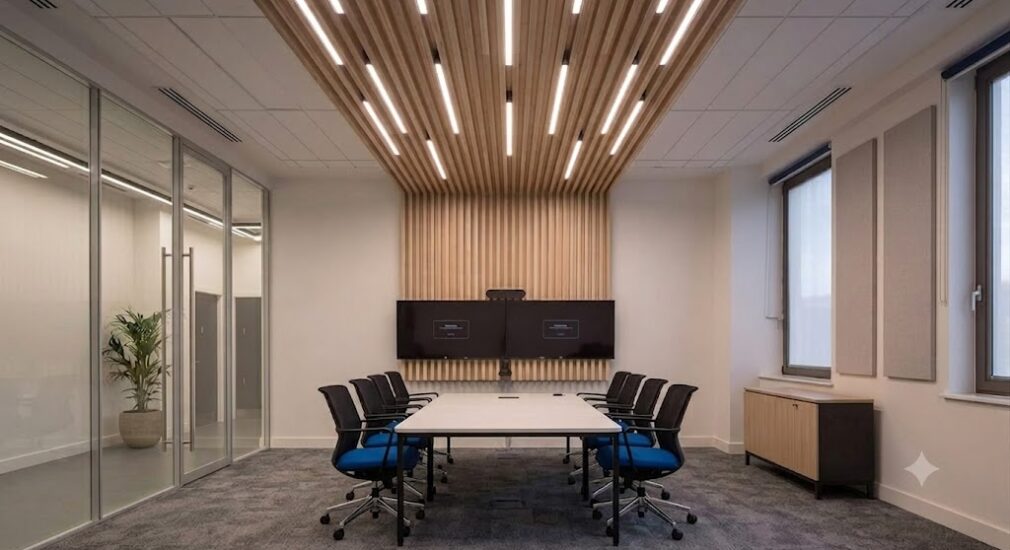
Linear lighting has become an important element in contemporary architecture because it can create continuous lines of illumination while integrating discreetly into ceilings, walls, coves, furniture and architectural details.
Architectural linear lighting can be used for:
- Recessed ceiling illumination
- Suspended installations
- Cove lighting
- Wall integration
- Continuous architectural lines
- Façade features
- Hospitality interiors
- Retail environments
- Office interiors
- Corridors and circulation areas
- Decorative architectural elements
A linear lighting manufacturer must consider more than profile dimensions. LED density, diffuser performance, thermal management, lumen output, colour consistency and installation details can all influence the final result.
For customised projects, custom linear lighting can be developed around specific lengths, profiles, mounting requirements and architectural geometries.
LED Wall Washer Lighting
Wall washing is an effective technique for creating visual depth and emphasising vertical surfaces.
LED wall washer luminaires can illuminate façades, interior walls, columns, architectural surfaces and landscape structures. The objective is not simply to produce more light but to distribute it appropriately across the target surface.
Professional wall washer lighting can be used in:
- Hotels
- Shopping centres
- Retail environments
- Museums
- Galleries
- Cultural buildings
- Commercial façades
- Residential developments
- Landscapes
- Public spaces
An effective architectural wall washer needs appropriate optical distribution, mounting distance and output. The relationship between the fixture and illuminated surface should be considered during the lighting design stage.
For exterior projects, environmental protection, thermal performance and mechanical durability are also important.
Wall Grazing and Architectural Surface Lighting
Wall grazing is different from conventional wall washing. A grazing technique places the luminaire closer to the surface, allowing light to reveal texture, relief and material characteristics.
Architectural wall grazing can be particularly effective on:
- Stone
- Brick
- Concrete
- Textured plaster
- Decorative façades
- Sculptural surfaces
- Heritage architecture
The final visual effect depends heavily on fixture positioning and beam distribution. This is why photometric lighting design and project-specific optical evaluation can be valuable for architectural surfaces.
LED Inground Lighting
LED inground lights provide a discreet method of integrating illumination into floors, pathways, plazas, landscapes and architectural structures.
Inground lighting can be used to illuminate:
- Trees
- Columns
- Building façades
- Pathways
- Landscape features
- Sculptures
- Architectural walls
- Public spaces
- Driveways
- Pedestrian areas
Outdoor installations require careful consideration of environmental exposure, drainage, mechanical loading and protection requirements.
A suitable architectural inground lighting solution should therefore be selected according to both the desired lighting effect and the physical conditions of the installation.
Architectural Uplighting
Architectural uplighting directs light upward to emphasise vertical architectural elements, trees, columns, façades and landscape features.
An architectural uplighter can create dramatic visual effects while maintaining a relatively discreet daytime appearance.
Applications include:
- Building façades
- Hotels and resorts
- Landscape projects
- Trees and planting
- Columns
- Monuments
- Entrances
- Public spaces
- Courtyards
- Cultural buildings
Careful beam selection is essential because uplighting can create unwanted glare or spill light if the optical distribution is not properly controlled.
Facade Lighting Solutions
Architecture continues into the evening through carefully planned illumination.
Facade lighting can reveal architectural proportions, highlight materials and establish a building’s visual identity after dark.
A professional facade lighting design may combine several techniques:
- Wall washing
- Wall grazing
- Linear illumination
- Uplighting
- Downlighting
- Accent lighting
- Inground lighting
- Controlled floodlighting
- Dynamic lighting
For commercial buildings, hotels, resorts and landmark structures, architectural facade lighting can become an important component of the overall architectural identity.
The design process should consider viewing distances, surrounding buildings, pedestrian areas, material reflectance, façade geometry and potential light spill.
Outdoor Architectural Lighting
Outdoor architectural lighting must perform in environments where temperature, moisture, dust, UV exposure and mechanical impact can influence product performance.
Luzion develops outdoor lighting solutions for:
- Building exteriors
- Landscapes
- Pathways
- Public areas
- Hotels and resorts
- Commercial developments
- Residential communities
- Façades
- Parks
- Urban environments
A comprehensive outdoor lighting design considers both visual effect and environmental conditions.
Product selection may therefore involve evaluation of IP protection, IK protection, material durability, mounting configuration, cable routing and maintenance access.
Landscape Lighting Design
Lighting can transform a landscape after sunset by establishing layers of illumination across vegetation, pathways, structures and architectural elements.
Landscape lighting design can include:
- Tree lighting
- Pathway lighting
- Bollards
- Inground lights
- Uplighters
- Accent lighting
- Feature lighting
- Water-feature lighting
- Architectural landscape illumination
The strongest landscape schemes avoid excessive brightness. Instead, they use contrast, shadow and controlled illumination to create depth.
Architectural landscape lighting can also connect exterior spaces with the building itself, creating continuity between architecture, landscape and public realm.
Hospitality Lighting
The hospitality sector places significant importance on atmosphere and guest experience.
Hospitality lighting can influence how guests perceive a hotel, resort, restaurant or leisure environment from arrival through departure.
Different zones may require different lighting approaches:
Hotel Entrance
Entrance lighting should establish a welcoming visual identity while providing sufficient functional illumination.
Lobby
A hotel lighting scheme may combine ambient illumination, decorative fixtures, accent lighting and architectural details.
Restaurant
Restaurant lighting design often uses controlled accent and ambient illumination to create intimacy while maintaining appropriate visibility.
Guest Rooms
Lighting needs to support multiple activities, from relaxation to reading and general circulation.
Corridors
Linear and concealed lighting can provide visual continuity while guiding guests through the building.
Outdoor Areas
Landscape and façade lighting can extend the hospitality experience beyond the interior.
Retail Lighting Design
Retail environments require lighting that supports both architecture and merchandise.
Retail lighting can establish visual hierarchy by directing attention toward specific displays, products and architectural elements.
An effective retail lighting design may combine:
- Accent lighting
- Track-based illumination
- Downlights
- Linear lighting
- Wall washing
- Display lighting
- Decorative lighting
- Architectural feature lighting
Colour rendering is especially important in retail environments because customers need to perceive product colours accurately.
Luxury retail projects may also require carefully controlled beam angles and low-glare optics to create a refined visual environment.
Commercial Lighting Design
Modern workplaces require lighting that supports concentration, collaboration, circulation and visual comfort.
Commercial lighting design can address:
- Open-plan offices
- Meeting rooms
- Reception areas
- Corridors
- Workstations
- Breakout areas
- Retail offices
- Commercial lobbies
- Shared spaces
An integrated approach can combine general illumination with accent and architectural lighting.
For professional environments, factors such as glare, uniformity, colour temperature and visual comfort should be considered during the lighting planning process.
Museum and Cultural Lighting
Museums, galleries and cultural spaces require carefully controlled illumination because artwork, artefacts and architectural details can be highly sensitive to lighting conditions.
Museum lighting may involve:
- Precise beam control
- Adjustable accent lighting
- Wall washing
- Low-glare illumination
- High colour rendering
- Controlled intensity
- Flexible lighting scenes
A specialised museum lighting design should consider both the visitor experience and the requirements of the displayed objects.
Similarly, heritage buildings can benefit from subtle architectural lighting that reveals historical details without overwhelming the original structure.
Office and Workplace Lighting
Workplace environments require a balance between productivity, comfort and architectural expression.
Office lighting design can integrate direct and indirect illumination, task lighting, accent lighting and decorative architectural elements.
Modern workplaces may also use smart lighting to adjust illumination according to occupancy, schedules or different activity zones.
The integration of lighting controls can help project teams manage energy consumption while providing greater flexibility.
Smart Lighting and Connected Systems
Lighting is increasingly becoming part of the wider building technology ecosystem.
Smart lighting can allow luminaires to be dimmed, scheduled, monitored or integrated with control systems.
Depending on project requirements, systems may incorporate:
- DALI
- DALI-2
- DMX
- 0–10V
- Wireless controls
- Occupancy sensors
- Daylight sensors
- Scene control
- Centralised lighting management
- Dynamic lighting
Connected lighting systems can provide project teams with greater control over lighting operation and energy management.
For large developments, control strategies should ideally be considered during the initial lighting design rather than added after the luminaires have already been specified.
DALI Lighting
DALI lighting is commonly used where individual or grouped luminaire control, dimming and scene management are required.
DALI-based systems can support applications such as:
- Offices
- Hotels
- Retail spaces
- Commercial buildings
- Educational facilities
- Public buildings
The appropriate control architecture depends on the project’s electrical infrastructure, building management requirements and desired functionality.
DMX Lighting
DMX lighting can be useful for projects requiring dynamic lighting effects and detailed control of colour or intensity.
Potential applications include:
- Architectural façades
- Entertainment environments
- Hospitality
- Public spaces
- Cultural buildings
- Feature installations
- Landmark projects
For dynamic façades, DMX can be integrated into a broader architectural lighting design strategy where lighting scenes change according to time, events or programmed sequences.
Human-Centric and Tunable Lighting
Lighting affects how people experience a space. Beyond basic illumination, contemporary projects increasingly consider visual comfort, colour temperature and changing lighting conditions.
Human centric lighting approaches can incorporate adjustable colour temperature and intensity according to the intended environment.
Tunable white lighting can allow the colour temperature of a lighting system to be adjusted over a defined range.
Potential applications include:
- Offices
- Healthcare
- Hospitality
- Education
- Residential environments
- Wellness spaces
The exact strategy should be based on the project’s functional requirements rather than treating human-centric lighting as a universal solution.
Technical Performance of Architectural Luminaires
High-quality lighting products require careful evaluation of technical parameters.
Colour Rendering
CRI indicates how accurately colours are rendered compared with a reference light source. Higher colour rendering can be valuable in retail, hospitality, museums and premium interiors.
Colour Temperature
Colour temperature affects the visual character of a space. Warm, neutral and cool light can each support different architectural environments.
Beam Angle
Beam angle determines how concentrated or broad the light distribution is.
Narrow beams can support accent applications, while wider distributions can provide broader surface illumination.
Glare
Low glare lighting is important in workplaces, hospitality interiors, retail environments and other spaces where visual comfort is essential.
IP and IK Protection
Outdoor luminaires may require appropriate IP rating and IK rating depending on exposure and mechanical conditions.
Product selection should always correspond to the actual installation environment.
Sustainable and Energy-Efficient Lighting
Energy efficiency has become an increasingly important consideration in commercial and architectural projects.
Energy efficient lighting can contribute to lower operational consumption when combined with efficient LED technology, appropriate optical design, dimming and intelligent controls.
However, energy performance should not be considered separately from lighting quality.
A well-designed system aims to provide the required illumination without unnecessary output, excessive glare or inefficient fixture placement.
This is where lighting calculation, optical selection and control strategies work together.
One Lighting Partner Across Multiple Applications
Architectural projects rarely consist of one lighting type. A hotel, for example, may require façade lighting, landscape lighting, linear lighting, decorative fixtures, lobby illumination, guest-room lighting and functional systems.
A capable lighting solutions manufacturer can therefore support multiple lighting categories while maintaining consistency in colour, performance, finish and technical documentation.
Luzion’s approach connects architectural lighting products, lighting design, manufacturing and technical support to create coordinated solutions for different areas of the same development.
Integrated Lighting for Modern Architecture
The future of architectural illumination is increasingly integrated. Luminaires need to work with architecture, interiors, landscape, electrical systems, controls and building operations.
From a concealed linear profile in a luxury interior to a precisely aimed façade luminaire on a major commercial building, every lighting component contributes to the final experience.
Luzion combines architectural lighting, product engineering, manufacturing and project support to develop lighting systems for demanding environments across international markets.
Whether the requirement involves a single custom fixture or a complete project lighting package, the focus remains on combining architectural expression with reliable technical performance.
Global Architectural Lighting Solutions for International Projects
Architectural projects today increasingly cross geographical boundaries. Architects may work with international developers, lighting designers may specify products from different countries, and contractors may require manufacturing partners capable of delivering consistent products across multiple project locations.
Luzion provides global lighting solutions combining architectural lighting design, lighting manufacturing, technical development and project support for international architectural environments. Our capabilities are suited to projects where product quality, design consistency, technical coordination and customised manufacturing are important.
From India and the GCC to Europe, Asia, North America and Australia, Luzion supports requirements for architectural LED lighting, commercial lighting, hospitality lighting, facade lighting, landscape lighting, linear lighting, custom lighting and bespoke architectural lighting.
The focus is not simply on supplying luminaires. It is on creating a coordinated relationship between the architectural concept, technical specification, product development and final lighting installation.
Architectural Lighting in India
India represents an important market for architectural and project-based lighting, with demand spanning commercial developments, hospitality, residential projects, retail destinations, infrastructure and urban environments.
Luzion supports lighting manufacturer India requirements through its manufacturing capabilities and project-oriented approach.
For architects and developers, architectural lighting India projects may require a combination of indoor and outdoor luminaires, customised products, technical calculations and project-specific finishes.
Major development centres such as Ahmedabad, Mumbai, Delhi NCR, Bengaluru, Hyderabad, Chennai, Pune, Kolkata, Jaipur and other growing cities provide opportunities for architectural lighting design, lighting consultancy and customised manufacturing.
UAE and GCC Lighting Markets
The Gulf region is an important market for premium architectural, hospitality, façade and landscape illumination.
Luzion supports architectural lighting UAE requirements for commercial, hospitality, residential, retail and large-scale developments.
Dubai and Abu Dhabi
Projects requiring lighting design Dubai or architectural lighting Dubai can involve luxury hotels, retail destinations, commercial towers, residential developments, entertainment venues and prominent façades.
In Abu Dhabi, architectural and urban projects may require durable outdoor products, carefully controlled illumination and technically coordinated lighting systems.
Saudi Arabia
The scale of development across the Kingdom creates opportunities for architectural lighting Saudi Arabia, lighting design Saudi Arabia and project-specific manufacturing.
Major markets such as Riyadh, Jeddah and the Eastern Province can require lighting solutions for hospitality, commercial, residential, cultural, retail and infrastructure developments.
Luzion can support architectural lighting Riyadh, façade illumination, outdoor lighting and customised LED requirements.
Qatar
Projects across Doha and other developing areas can require architectural lighting Qatar, lighting design Doha, hospitality lighting, façade lighting and landscape illumination.
Kuwait, Oman and Bahrain
Luzion also supports project requirements associated with architectural lighting Kuwait, lighting design Oman, architectural lighting Bahrain and broader GCC lighting applications.
Across the GCC, outdoor environmental conditions make appropriate product construction, thermal management, optical control and protection ratings important considerations.
Architectural Lighting Across Europe
Europe remains an influential architectural and design market, with strong demand for high-quality luminaires, energy-efficient systems, bespoke products and technically refined illumination.
Luzion can support international requirements for architectural lighting Europe, including markets such as Germany, France, Italy, Spain, the Netherlands, Switzerland, Austria, Denmark, Sweden, Norway, Finland, Belgium, Portugal, Poland and other European countries.
United Kingdom
The UK market includes commercial, hospitality, residential, retail, cultural and public-sector projects.
Luzion can support architectural lighting UK, lighting design UK, lighting manufacturer UK and project-specific lighting requirements.
Major architectural centres including London, Manchester, Birmingham, Edinburgh and other cities offer opportunities for professional lighting systems and customised manufacturing.
Germany
German projects can involve demanding requirements for architectural lighting Germany, commercial lighting, workplace illumination, industrial environments and exterior applications.
France and Italy
France offers opportunities for architectural lighting France, hospitality, retail, cultural and luxury environments.
Italy has a particularly strong connection with architecture, interiors and product design, creating opportunities for architectural lighting Italy, lighting manufacturer Italy, bespoke luminaires and design-led lighting solutions.
Architectural Lighting Across Asia
Asia represents a diverse architectural market encompassing rapidly developing commercial centres, luxury hospitality destinations, residential developments, retail projects and major infrastructure.
Luzion can support architectural lighting Asia requirements across markets including Singapore, Japan, South Korea, China, Malaysia, Thailand, Indonesia, Vietnam, the Philippines and other Asian countries.
Singapore
Projects requiring architectural lighting Singapore may include commercial towers, hotels, retail developments, public spaces and high-end residential environments.
Japan and South Korea
Projects in Japan and South Korea can involve highly considered architectural environments where precision, visual comfort, discreet integration and technical performance are important.
Southeast Asia
Markets including Malaysia, Thailand, Indonesia and Vietnam offer opportunities for hospitality lighting, landscape lighting, facade lighting and commercial lighting across hotels, resorts, retail destinations and mixed-use developments.
North America, Australia and Other International Markets
Luzion’s international approach extends beyond Europe and Asia.
In the United States, projects may require architectural lighting USA, lighting design USA, commercial lighting, hospitality lighting, retail lighting, facade lighting and customised luminaires.
Major metropolitan markets such as New York, Los Angeles, Miami, Chicago, Dallas, Houston, San Francisco and other cities contain diverse architectural applications.
Canada also provides opportunities for architectural lighting Canada, particularly across commercial, hospitality, residential and public developments.
In Australia, Luzion can support architectural lighting Australia, including project requirements across Sydney, Melbourne, Brisbane, Perth and other major centres.
The same project-oriented approach can be adapted for selected markets across Africa, Latin America and other international regions.
Lighting Solutions for Architects, Developers and Consultants
Luzion’s project capabilities are designed around the requirements of professional project stakeholders.
For Architects
Architects can access architectural lighting solutions that respond to building geometry, materiality, interior concepts and façade design.
For Lighting Designers
Lighting designers can coordinate with a manufacturer for lighting design, photometric evaluation, product selection, optical requirements and customised luminaires.
For Developers
Developers can source coordinated lighting solutions across multiple project areas while maintaining consistency in product performance and appearance.
For MEP Consultants
MEP consultants can coordinate electrical, control, installation and technical requirements with appropriately specified luminaires.
For Contractors
Contractors can benefit from clear product documentation, installation information, technical coordination and project-specific supply.
For Procurement Teams
Procurement teams can coordinate quantities, specifications, finishes, product configurations and project requirements with a dedicated lighting manufacturer.
From Lighting Design to Global Manufacturing
Luzion’s integrated workflow connects the creative and technical stages of a project.
Project Brief → Lighting Concept → Lighting Design → DIALux / Photometric Analysis → Product Selection → Technical Development → Customisation → Manufacturing → Quality Control → Documentation → Project Supply
This process can be particularly valuable when a project requires lighting design and manufacturing from the same technical partner.
By connecting design intent with manufacturing capability, potential conflicts between specified products and actual project requirements can be identified earlier.
Why Choose Luzion for Architectural Lighting?
Luzion brings together several capabilities that are valuable for international architectural projects:
- Architectural lighting design
- Lighting manufacturing
- Architectural LED lighting
- Custom lighting manufacturing
- Bespoke architectural lighting
- Lighting consultancy
- DIALux lighting design
- Photometric lighting design
- Lighting engineering
- Project-specific product development
- Indoor and outdoor lighting
- Facade lighting
- Linear lighting
- Hospitality lighting
- Commercial lighting
- Landscape lighting
- Smart lighting solutions
This combination allows Luzion to operate not simply as a product supplier, but as a technical and manufacturing partner for architects, designers, developers, consultants, contractors and procurement teams.
Building Long-Term Lighting Partnerships
International lighting projects require dependable communication, consistent manufacturing and a clear understanding of project objectives.
A strong manufacturing partnership can continue beyond a single product order. Future projects may require additional quantities, modified dimensions, alternative finishes, new optical configurations or completely new luminaires.
Luzion’s approach is designed to support these evolving requirements through a combination of lighting manufacturing, technical knowledge and project coordination.
The result is a more flexible relationship between architectural design teams and the manufacturing process.
Frequently Asked Questions
What does an architectural lighting manufacturer provide?
An architectural lighting manufacturer develops and supplies luminaires designed for architectural applications. Depending on the manufacturer, services can include product development, customisation, optical configuration, technical support and project supply.
Does Luzion provide lighting design services?
Yes. Luzion supports lighting design services, including DIALux lighting design, lighting calculation, photometric evaluation, product selection and project-oriented technical coordination.
Can Luzion manufacture custom lighting products?
Yes. Custom lighting manufacturing and bespoke architectural lighting can be developed for projects requiring specific dimensions, finishes, optical distributions, outputs or mounting configurations.
Does Luzion supply lighting for international projects?
Luzion supports global lighting solutions for international project requirements across India, GCC, Europe, Asia, North America, Australia and selected global markets.
What types of architectural lighting does Luzion manufacture?
The portfolio can include linear lighting, LED wall washer, LED inground lights, architectural uplighter, facade lighting, outdoor luminaires, commercial lighting, industrial lighting and bespoke fixtures.
Who can work with Luzion?
Luzion’s solutions are suited to architects, lighting designers, developers, MEP consultants, contractors, interior designers, procurement teams and international project partners.
Global Architectural Lighting Partner
Architecture is shaped by materials, proportions, technology and light. The right lighting system can reveal architectural detail, strengthen a brand identity, improve spatial experience and support the functional requirements of a building.
Luzion combines architectural lighting design, lighting consultancy, lighting engineering, LED lighting manufacturing, customised product development and international project support to create lighting solutions for contemporary built environments.
From a single bespoke luminaire to a complete project lighting package, every requirement can be approached with a balance of design intent, technical performance and manufacturing capability.
For architects, developers, lighting designers, consultants, contractors and procurement teams looking for a capable architectural lighting manufacturer and project partner, Luzion provides a complete pathway from lighting concept and technical development to manufactured architectural illumination.
Related posts
21 Oct 2026
Channel Letter Signage in UAE: Types, Materials and Applications
Channel letter signage is widely used by retail stores, hotels, restaurants, shopping malls and commercial buildings to display business names,…
21 Oct 2026
3D Letter Signage in UAE: Materials, Finishes and Applications
In a competitive commercial environment, signage plays an important role in how customers recognise a brand, locate a business and…
21 Oct 2026
Types of Illuminated Signage: A Guide for UAE & GCC Projects
Illuminated signage plays an important role in how commercial buildings, hotels, retail developments and corporate spaces communicate their identity. In…
17 Oct 2026
Commercial Signage Solutions UAE & GCC
How to Choose Commercial Signage Solutions in the UAE & GCC Commercial signage plays an important role in how people…
02 Oct 2026
Canadian Bespoke Lights
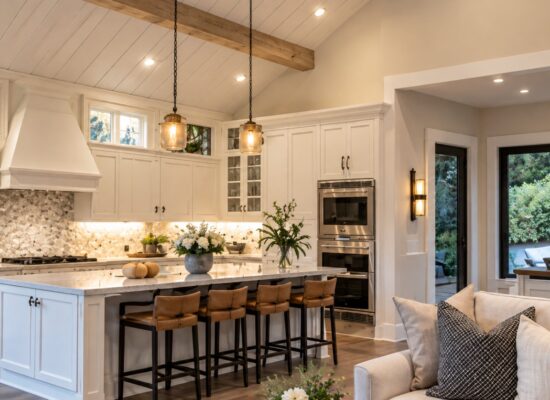
Canadian Bespoke Lighting: Where Design Becomes a Signature Luxury architecture is rarely defined by one element alone. The character of…
subscribe for newsletter

Luzion is a leading manufacturer and exporter of high-quality LED lighting solutions. With a focus on design, research, and innovation, we offer a wide range of products for commercial, industrial, residential, and outdoor spaces.
