
Search
Category
- Bollard Light
- Commercial Lighting
- Energy-Efficient Lighting
- LAMPS
- LED Lights
- LED Uplighter
- Light and Colour Theory
- Lighting Design and Facade Lighting
- Lighting Design Consultancy UAE
- lighting design principles
- Lighting Fundamentals and Design Principles
- Lighting Solutions
- Nature of Light in Lighting Design
- Panel Lights vs. Spot Lights
- Portable Lights
- Signage Solutions
- Smart Controllers for Streetlights
- Solar Lights
- Tree Lighter
- Uncategorized
Recent Posts


Commercial Signage Solutions UAE & GCC

Canadian Bespoke Lights
Tags
- Architectural Lighting
- Architectural Lighting Design
- Architectural Lighting Design UAE
- automation
- Best Lighting Design Consultancy in UAE
- COB LED Technology
- COB Spotlights
- Color Temperature in Lighting
- Commercial Lighting Design
- Commercial Lighting Fixtures
- Commercial Lighting Innovations
- Commercial Lighting UAE
- Cylinder COB Lights
- Dialux Lighting Design
- Dialux Lighting Design UAE
- Energy Efficient Lighting
- Energy-Efficient Lighting USA
- Exterior Lighting Solutions
- Facade & Exterior Lighting
- Facade Lighting
- Facade Lighting Design
- Facade Lighting Design UAE
- Facade lighting ideas
- Facade Lighting UAE
- Facade Uplighting
- Green Building Design
- Indoor & Exterior Lighting Solutions
- Interior Lighting Design
- Lamps
- LED Lighting Solutions
- LED lights
- LED Panel
- LED Uplighters
- LED vs Halogen
- Light and Color Theory
- Lighting Basics
- Lighting Consultancy UAE
- Lighting Design
- Lighting Design Consultancy in UAE
- Lighting Design Principles
- Lighting Design UAE
- Lighting Fundamentals Guide
- Lighting Layers
- Lumen Output in Lighting
- Modern Building Lighting Ideas
- Modern Lighting Ideas
- Office Lighting Solutions
- Outdoor Lighting Consultants UAE
- Panel Lights vs. Spot Lights
- Portable Lights
- smart light
- Smart Lighting Systems
- Sustainable Architecture
- Sustainable Lighting UAE
- Villa Lighting UAE
01Sep 2026
- Signage Solutions


Retail Store Signage Solutions
Retail Store Signage Solutions Worldwide
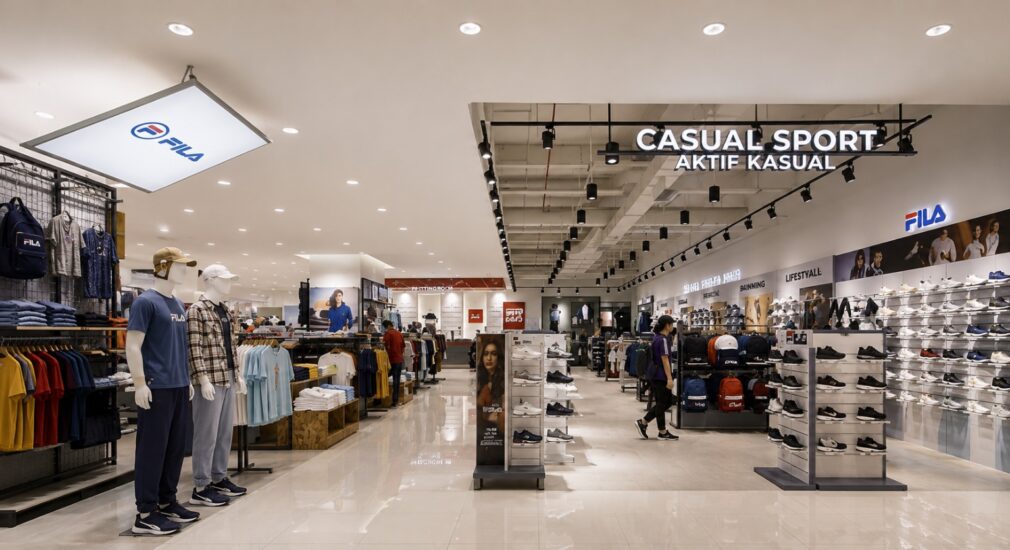
Retail Store Signage Solutions play an important role in how a retail brand is recognised, experienced and remembered. From a premium fashion boutique and jewellery showroom to a supermarket, electronics outlet, department store or flagship retail destination, the right signage establishes a visible connection between the brand and its physical environment. Well-designed signage can communicate brand identity, improve storefront visibility, guide customers and create a more refined retail experience.
For architects, interior designers, lighting designers, developers, contractors and procurement teams, retail signage is no longer simply a printed name or logo positioned above a shop entrance. Contemporary retail store signage combines architectural design, materials, fabrication, illumination, brand guidelines and spatial considerations to create a cohesive identity across the retail environment.
Luzion develops signage and illumination solutions for commercial and retail applications, with a focus on premium finishes, architectural integration and project-specific requirements. Retail projects can be developed for individual stores, shopping centres, commercial developments, franchise networks and international brands across India, the GCC, the USA, the UK, Europe, Asia-Pacific and Africa.
What Are Retail Store Signage Solutions?
Retail Store Signage Solutions encompass the design, development, manufacturing and installation of signage used to identify, promote, navigate and enhance a retail environment. Depending on the project, a signage package may include exterior storefront signs, illuminated logos, channel letters, fascia signs, entrance signage, directional signs, interior brand elements, promotional displays and wayfinding systems.
The objective is not simply to make a store name visible. Effective signage should work as part of the overall architecture and brand experience.
A successful retail signage system considers several factors:
- Brand identity and visual language
- Storefront architecture
- Building façade and surrounding environment
- Visibility from roads and pedestrian approaches
- Daytime and nighttime appearance
- Illumination requirements
- Material selection and surface finishes
- Sign dimensions and viewing distance
- Local regulations and building requirements
- Installation conditions
- Maintenance and long-term durability
- Consistency across multiple retail locations
This integrated approach becomes particularly important for brands operating across different cities or countries. A retail identity may need to remain consistent while the physical architecture, climate, regulations and installation conditions vary from one location to another.
Why Retail Signage Matters for Modern Stores
A retail store often competes for attention within a visually crowded environment. Shopping streets, malls, commercial complexes and high-density urban districts may contain dozens of brands within a relatively small area.
Signage therefore becomes one of the first physical touchpoints between a customer and a brand.
A carefully designed sign can communicate the identity of a business before a customer enters the store. The proportions, typography, illumination, materials and positioning can collectively influence whether the storefront appears contemporary, luxurious, approachable, technical or premium.
Creating Stronger Brand Recognition
Consistent signage helps customers identify a brand quickly. A distinctive illuminated logo, carefully fabricated channel letter or refined architectural sign can become a recognisable element of the storefront.
For retail chains and franchise businesses, consistency is particularly important. Signage systems can be developed around defined brand specifications so that stores maintain a common visual identity across different locations.
For luxury and premium brands, the detailing of the signage is equally important. Excessive brightness, unsuitable materials or poor fabrication can undermine an otherwise sophisticated façade. Premium retail signage should therefore be treated as part of the brand architecture rather than an isolated advertising element.
Increasing Storefront Visibility
Visibility is another fundamental consideration.
A store may be located on a busy commercial road, inside a shopping mall or within a large mixed-use development. Customers approaching from different distances and angles need to identify the entrance and brand efficiently.
The signage design can therefore incorporate:
- Appropriate sign proportions
- High-contrast brand elements
- Illuminated lettering
- Backlit logos
- Halo-lit letters
- Front-lit signage
- Architectural façade integration
- Strategic sign positioning
For illuminated retail signs, the quality of light is especially important. Uneven brightness, visible LED hotspots or excessive glare can reduce the perceived quality of the installation.
Retail Store Signage as Part of Architectural Design
Modern retail architecture increasingly treats signage as an integrated component of the building rather than an element added after construction.
This is particularly relevant to shopping malls, luxury retail destinations, flagship stores and mixed-use developments where multiple brands share a carefully controlled architectural environment.
Architects and interior designers may establish specific requirements for:
- Sign mounting positions
- Letter dimensions
- Material finishes
- Colour consistency
- Illumination levels
- Cable concealment
- Fixing methods
- Sign depth
- Edge detailing
- Maintenance access
A well-integrated signage system respects these architectural requirements while ensuring the brand remains identifiable.
For this reason, architectural retail signage requires coordination between branding teams, architects, lighting designers, fabricators, electrical consultants and installation contractors.
Exterior Retail Signage Solutions
Exterior signage creates the primary visual identity of a store from outside the premises.
Depending on the architecture and brand requirements, exterior retail signage can include storefront signs, façade signage, illuminated logos, channel letters, fascia signage, entrance signs and projecting signs.
Storefront Signage
Storefront signage is typically positioned around the main entrance or retail façade. It should be proportionate to the building and clearly visible without overpowering the architectural design.
For premium retail environments, understated fabrication and carefully selected materials can create a more sophisticated result than oversized or excessively illuminated signs.
Retail Façade Signage
Retail façade signage can be integrated directly with the architectural character of a building.
This approach is particularly suitable for:
- Luxury retail stores
- Flagship stores
- Shopping centres
- Commercial developments
- Lifestyle destinations
- High-street retail
- Mixed-use developments
Façade signage may use metal fabrication, acrylic, stainless steel, aluminium, illuminated letters or custom architectural elements depending on the project.
Illuminated Storefront Signs
Illumination extends the visibility of retail signage beyond daylight hours.
LED technology allows illuminated signage to be designed with controlled brightness, compact components and efficient operation. Depending on the desired visual effect, a sign may use front illumination, rear illumination, halo lighting or a combination of architectural lighting techniques.
The objective should be controlled visibility rather than simply maximum brightness.
Interior Retail Signage
Retail signage continues inside the store.
Interior signage can support navigation, reinforce brand identity and help customers understand different departments, services or product categories.
Common applications include:
- Reception signage
- Interior logo signs
- Department signs
- Directional signage
- Wayfinding signs
- Product category signs
- Promotional signage
- Information signs
- Feature wall branding
- Brand statements
- Back-of-house identification
Interior signage should complement the store’s materials, furniture, lighting and interior architecture.
For example, a luxury fashion store may require understated metal lettering and integrated illumination, while a large supermarket may prioritise highly visible directional and category signage.
Illuminated & LED Retail Signage
LED retail signage has become an important solution for businesses that require strong brand visibility with controlled illumination.
LED modules and linear lighting components can be integrated into different signage constructions to create precise and visually consistent illumination.
Common illuminated signage formats include:
Front-Lit Signs
Front-lit signage illuminates the visible face of the lettering or logo. This creates direct visual recognition and can be highly effective for storefront applications.
Backlit & Halo-Lit Signs
Backlit signage places the light source behind the letters or logo. The resulting halo effect can create a softer architectural appearance and is particularly suitable for premium retail environments.
Illuminated Channel Letters
Channel letters are individually fabricated letters or characters that can be illuminated internally. They are widely used for retail storefronts, commercial buildings and brand outlets.
Illuminated Logos
Custom illuminated logos can combine the brand symbol and lettering into a single architectural feature. These signs can be fabricated according to specific brand dimensions and installed on façades, entrance walls or feature surfaces.
Premium Retail Signage for Luxury Brands
Luxury retail requires a different approach to signage.
A premium storefront often relies on proportion, material quality, precision and restraint. Signage should support the brand’s identity without competing with the architecture.
Materials such as brushed stainless steel, aluminium, acrylic, coated metals and bespoke fabricated components can be selected according to the desired appearance.
Illumination can also be subtle. Halo-lit lettering, concealed LED systems and controlled backlighting can create depth and visual presence while maintaining a sophisticated aesthetic.
This approach is suitable for:
- Luxury fashion brands
- Jewellery stores
- Premium watch retailers
- Designer boutiques
- Beauty and cosmetics brands
- High-end furniture stores
- Automotive lifestyle brands
- Premium hospitality retail
- Flagship stores
Retail Signage for Shopping Malls
Shopping malls present specific signage challenges because individual stores operate within a larger architectural environment.
A mall may contain hundreds of brands, and each storefront needs to remain identifiable while complying with the development’s signage guidelines.
Retail signage solutions for shopping centres may therefore require coordination with mall management and architectural consultants.
Important considerations can include:
- Approved sign dimensions
- Standard mounting zones
- Illumination restrictions
- Façade materials
- Fire and electrical requirements
- Access for maintenance
- Brand guideline compliance
- Wayfinding integration
- Operating hours and nighttime appearance
A coordinated signage approach allows individual brands to maintain their identity while preserving the overall visual quality of the shopping centre.
Retail Signage for Architects, Designers & Developers
Retail signage projects frequently involve several stakeholders.
Architects
Architects may require signage to integrate seamlessly with the façade, entrance architecture and material palette.
Interior Designers
Interior designers focus on how signage interacts with walls, ceilings, furniture, finishes and customer circulation.
Lighting Designers
Lighting designers may coordinate the illumination level, colour temperature, beam distribution and integration of LED systems with the wider lighting scheme.
Developers
Developers often require scalable signage standards that can be implemented across multiple retail units or commercial developments.
Contractors & MEP Consultants
Installation, electrical connections, access, mounting systems and coordination with other building services are essential during project execution.
Procurement Teams
Procurement teams typically evaluate quality, technical specifications, lead times, documentation, commercial terms and the ability to deliver consistent signage across locations.
For this reason, a professional retail signage manufacturer and solutions provider should be capable of understanding both creative requirements and technical project documentation.
Retail Store Signage Solutions Across Global Markets
Retail environments differ significantly from one region to another, but the fundamental need for clear brand identification remains universal.
Luzion can support retail signage requirements for projects across India, the UAE, Saudi Arabia, Qatar, Kuwait, Bahrain, Oman, the wider GCC, the USA, the UK, Europe, Asia-Pacific and Africa.
Different markets can involve different architectural standards, environmental conditions, municipal requirements and installation practices. A project-oriented signage approach therefore allows the design and manufacturing process to be adapted to the requirements of the specific location.
In India, retail signage projects can range from high-street stores and shopping malls to large commercial developments across cities such as Ahmedabad, Mumbai, Delhi, Bengaluru, Hyderabad, Chennai, Pune and Kolkata.
In the UAE and GCC, retail signage is widely relevant to luxury retail destinations, shopping malls, hospitality developments, mixed-use projects and premium commercial environments across Dubai, Abu Dhabi, Riyadh, Jeddah, Doha, Kuwait City, Manama and Muscat.
In the USA, UK and Europe, signage projects may require close coordination with established architectural, accessibility, planning and electrical requirements. Retail brands operating internationally can benefit from a consistent signage strategy adapted to each project’s local conditions.
The same principle applies across Asia-Pacific and African markets, where retail developments can range from large shopping centres and international brand outlets to independent premium stores and mixed-use commercial destinations.
Building a Consistent Retail Brand Experience
The strongest retail signage is not necessarily the largest or brightest. It is the signage that communicates the brand clearly, fits the architecture, performs reliably and contributes to the overall customer experience.
From an individual storefront to a global retail rollout, every element should work together — brand identity, typography, materials, fabrication, illumination, architecture and installation.
A carefully planned signage system can give retail businesses a stronger physical presence while helping architects, designers, developers and contractors achieve a coordinated project outcome.
In the next section, the focus will move deeper into retail signage types, illuminated LED solutions, materials, fabrication techniques, storefront applications, interior signage and wayfinding systems.
Types of Retail Store Signage Solutions
Retail environments require different signage formats depending on the store architecture, brand identity, viewing distance, customer movement and installation location. A small boutique may need a refined illuminated logo, while a large department store may require a complete signage system covering the façade, entrance, interiors, departments and wayfinding.
A professional Retail Store Signage Solution therefore begins with understanding the retail environment rather than selecting a standard sign format. The design, dimensions, materials, illumination and mounting method should be developed around the project’s architectural and branding requirements.
Storefront Signage
Storefront signage is one of the most visible forms of retail identification. Positioned on or around the main shopfront, it establishes the first visual connection between the customer and the brand.
A storefront sign can incorporate:
- Brand name lettering
- Corporate logo
- Illuminated letters
- Channel letters
- Backlit logos
- Fascia signs
- Metal fabricated letters
- Acrylic lettering
- Architectural sign panels
- Integrated LED illumination
The scale of the signage should correspond with the storefront dimensions. A sign that is too small may lose visibility, while an oversized installation can compromise the architectural balance.
For shopping malls, storefront signage may also need to comply with the centre’s approved signage zone, material specifications and illumination requirements.
Retail Fascia Signage
Fascia signage is commonly installed across the horizontal frontage of a retail unit. It provides a broad surface for displaying a brand name or logo while maintaining a structured storefront appearance.
Fascia signage can be:
- Non-illuminated
- Front illuminated
- Back illuminated
- Internally illuminated
- Fabricated from aluminium
- Fabricated from stainless steel
- Acrylic-based
- Composite panel based
For premium retail projects, fascia signs can be designed with concealed fixing systems and refined edge detailing to maintain a clean architectural appearance.
3D Retail Signage
Three-dimensional signage creates physical depth between the brand element and its mounting surface.
3D letters can be manufactured from different materials and finishes, including metal, acrylic and coated fabricated components.
The additional depth can improve the visibility of lettering from oblique viewing angles and create stronger shadow definition during daylight.
When combined with LED illumination, three-dimensional lettering can become an architectural feature rather than simply a branding element.
Channel Letter Signage
Channel letters are individually fabricated letters that can contain an internal illumination system.
They are widely used for retail stores, shopping centres, commercial buildings and branded outlets because individual letters provide strong brand recognition while allowing flexibility in installation.
Different channel letter configurations can include:
- Front-lit channel letters
- Backlit channel letters
- Halo-lit channel letters
- Combination illuminated letters
- Acrylic face channel letters
- Metal face channel letters
The appropriate construction depends on the brand identity, viewing conditions, sign depth and desired lighting effect.
Illuminated Retail Signage
Illuminated Retail Signage is particularly valuable where stores need visibility during evening hours or within large commercial environments.
Illumination can be incorporated into letters, logos, panels, light boxes or architectural sign structures.
The lighting system should be designed to achieve uniform brightness without excessive glare or visible hotspots.
A professional illuminated signage solution considers:
- LED efficiency
- Light distribution
- Colour consistency
- Illumination uniformity
- Driver accessibility
- Heat management
- Power requirements
- Maintenance access
- Sign depth
- Environmental exposure
The quality of the illumination can have a significant influence on the perceived quality of the entire storefront.
LED Retail Store Signage
LED Retail Signage offers a practical combination of visibility, energy efficiency and design flexibility.
LED modules and compact lighting systems can be integrated into different signage constructions, allowing brands to create precise illumination effects without requiring excessively large sign depths.
LED technology can support applications such as:
- Illuminated logos
- Channel letters
- Light boxes
- Backlit signage
- Halo-lit lettering
- Retail fascia signs
- Entrance signs
- Feature signage
- Interior brand signage
For international retail projects, LED systems should also be selected with appropriate electrical specifications, environmental protection and serviceability for the intended market.
Front-Lit Retail Signs
Front-lit signage directs light toward the visible face of the letters or logo.
This configuration generally produces strong and direct brand visibility. It can be particularly effective where the storefront requires clear recognition from passing pedestrians or vehicles.
The visual result depends on the face material, LED placement, sign depth and brightness control.
Uniform illumination is essential. Poorly positioned LEDs can create bright and dark areas across the sign, reducing its professional appearance.
Backlit & Halo-Lit Retail Signs
Backlit signage places the light source behind the sign element so that illumination spreads onto the mounting surface.
The resulting halo effect can provide a more subtle and architectural appearance.
Halo illumination is particularly suitable for:
- Luxury boutiques
- Jewellery stores
- Premium fashion outlets
- Hotels with retail areas
- Designer stores
- High-end commercial developments
- Flagship retail environments
The distance between the sign and the mounting surface plays an important role in defining the halo effect. Material reflectivity and surface colour also influence the final appearance.
Illuminated Retail Logos
A brand logo often carries greater visual recognition than the complete store name. Custom illuminated logos can therefore become a major component of a retail storefront.
Depending on the brand guidelines, logos may be manufactured with:
- Acrylic faces
- Metal construction
- Stainless steel finishes
- Aluminium fabrication
- Back illumination
- Front illumination
- Halo lighting
- Combined lighting effects
The logo should be manufactured with accurate proportions and clean detailing so that the final installation remains consistent with the original brand identity.
Retail Signage Materials
Material selection affects appearance, durability, weight, fabrication possibilities and maintenance requirements.
There is no single material suitable for every retail project. The correct selection depends on the architectural environment, branding requirements, budget, exposure conditions and desired finish.
Aluminium Retail Signage
Aluminium is widely used for architectural signage because it combines relatively low weight with good fabrication flexibility and a contemporary appearance.
It can be used for:
- Channel letters
- Fascia signage
- Sign boxes
- Lettering
- Custom fabricated logos
- Architectural sign structures
Different surface treatments can be applied to achieve a refined appearance suitable for commercial and premium retail environments.
Stainless Steel Retail Signs
Stainless steel can provide a premium and durable appearance.
It is particularly suitable for luxury retail applications where the signage needs to complement high-quality architectural materials.
Possible finishes include:
- Brushed finish
- Polished finish
- Satin finish
- Coloured or coated finish
Stainless steel lettering can be illuminated from the front or rear depending on the required visual effect.
Acrylic Retail Signage
Acrylic is commonly used where a smooth, clean and visually consistent sign face is required.
It can be used for:
- Illuminated letters
- Logo elements
- Light boxes
- Interior signage
- Retail display signs
- Directional signage
Acrylic can also work effectively with LED illumination because of its ability to transmit and diffuse light.
Metal Fabricated Signage
Custom metal fabrication allows retail brands to create signage with specific dimensions, depths, edges and finishes.
Fabricated metal signage can be developed from aluminium, stainless steel and other suitable materials depending on the project.
This approach is especially useful for architectural retail projects where standard signage products cannot achieve the required visual language.
Retail Interior Signage Solutions
The customer experience does not end at the entrance. Once inside, signage can help customers navigate the store while reinforcing the brand environment.
Interior retail signage may include:
- Brand logos
- Department identification
- Directional signs
- Product category signs
- Reception signs
- Information panels
- Promotional signs
- Feature wall lettering
- Customer service signs
- Exit and facility identification
Interior signs should coordinate with the store’s lighting design, furniture, wall finishes and architectural elements.
For example, a premium fashion environment may benefit from understated metal lettering, while a large supermarket may require highly visible directional signs that can be understood quickly from a distance.
Retail Wayfinding & Directional Signage
Wayfinding is an important component of large retail environments.
Shopping centres, department stores, lifestyle destinations and multi-level retail developments can have complex circulation patterns. Customers need to locate entrances, departments, escalators, elevators, restrooms, parking areas and other facilities efficiently.
Retail wayfinding systems can include:
- Directional signs
- Floor identification
- Department signs
- Entrance identification
- Exit signs
- Parking direction signs
- Elevator identification
- Stairway identification
- Facility signs
- Digital or integrated information systems
Effective wayfinding should be intuitive. Sign placement, typography, symbols, viewing distance and contrast all contribute to usability.
In larger projects, wayfinding should be considered as part of the architectural planning process rather than added at the final stage.
Retail Signage for Luxury & Premium Stores
Premium retail brands often require signage with a strong emphasis on precision and material quality.
A luxury storefront may use a restrained combination of fabricated metal lettering, concealed illumination and carefully selected surface finishes.
The objective is to create recognition without visually overwhelming the façade.
For luxury retail signage, attention can be given to:
- Letter proportions
- Logo accuracy
- Material thickness
- Surface finish
- Edge quality
- Illumination uniformity
- Concealed wiring
- Mounting details
- Architectural alignment
- Nighttime appearance
This level of detail is particularly important for flagship stores where the physical environment represents the broader identity of the brand.
Retail Signage for Fashion & Lifestyle Brands
Fashion stores and lifestyle brands often use signage as part of a broader visual merchandising strategy.
Storefront signage may be combined with illuminated logos, window graphics, architectural lighting and interior brand elements.
For international fashion brands, the signage system may need to follow strict corporate identity guidelines while adapting to local building conditions.
A scalable signage specification can help maintain consistency across stores in different cities and countries.
Retail Signage for Supermarkets & Department Stores
Large-format retail environments require a different signage approach.
Supermarkets and department stores typically have greater customer movement and a larger number of departments. Signage therefore needs to balance branding with functional information.
Applications can include:
- Main entrance signage
- Department identification
- Promotional signage
- Directional signage
- Service counter signs
- Checkout identification
- Parking signs
- Facility signage
- Emergency-related identification where applicable
High visibility and clear communication are generally more important than decorative detailing in these environments.
Retail Signage for Shopping Centres
Shopping centres require coordination between individual retailers and the overall development.
A centre may have a common architectural language, signage policy and technical approval process. Each retailer must establish its identity within those parameters.
A coordinated Retail Signage Solution can help address:
- Mall signage guidelines
- Storefront dimensions
- Approved materials
- Illumination requirements
- Mounting restrictions
- Electrical coordination
- Maintenance access
- Brand compliance
- Installation scheduling
For developers and mall operators, a consistent approval and fabrication process can simplify signage deployment across multiple retail units.
Custom Retail Signage for Multi-Location Brands
Retail chains frequently require signage for multiple locations.
The challenge is maintaining brand consistency while accommodating different storefronts, building structures, climates and local requirements.
A scalable signage programme can establish standard specifications for:
- Logo dimensions
- Letter construction
- Illumination type
- Material finish
- Colour
- Mounting system
- Electrical components
- Quality standards
Each individual location can then be adapted without losing the visual identity of the overall brand.
This approach is especially useful for franchise networks, national retail chains and international brands planning multiple store openings.
Retail Signage Design & Manufacturing
Professional retail signage requires close coordination between design and manufacturing.
The process generally begins with understanding the brand guidelines and project architecture. Drawings, dimensions, materials, illumination requirements and installation conditions can then be translated into a manufacturable signage system.
Typical project stages may include:
- Brand and project requirement review
- Site and architectural assessment
- Signage concept development
- Material and finish selection
- Technical detailing
- Illumination planning
- Prototype or sample development where required
- Manufacturing
- Quality inspection
- Packaging and logistics
- Site installation
- Final testing and handover
For international projects, documentation and coordination become especially important because fabrication may take place in one country while installation occurs in another.
Signage Quality, Durability & Maintenance
Retail signage is often exposed to continuous operating conditions. Exterior signs may additionally face sunlight, humidity, rain, dust, temperature variation and other environmental factors.
Material selection and fabrication quality should therefore be considered alongside aesthetics.
Important considerations include:
- Weather-resistant construction
- Corrosion resistance
- Suitable IP protection for exposed electrical components
- LED lifespan
- Power supply quality
- Secure mounting
- Cable management
- Access for maintenance
- Replacement of serviceable components
- Surface finish durability
For indoor installations, the emphasis may shift toward visual refinement, integration and ease of cleaning.
A well-engineered signage system can reduce maintenance requirements and support consistent appearance throughout the operating life of the store.
Integrating Retail Signage with Architectural Lighting
Retail signage and architectural lighting should not always be treated as separate systems.
The façade lighting, storefront lighting, signage illumination and surrounding landscape or exterior lighting can influence one another.
For example, an excessively bright façade can reduce the visual impact of a storefront sign. Similarly, poorly controlled signage illumination can create glare or disturb the intended architectural composition.
Coordinating signage with the wider lighting strategy can help create a more balanced nighttime environment.
This is particularly important for premium shopping centres, flagship retail stores, mixed-use developments and hospitality-led commercial destinations.
The result should be a storefront where signage, lighting and architecture work together as one visual system.
Retail Signage Designed for Global Project Requirements
International retail programmes require more than a standard product catalogue.
A signage solution may need to be adapted to different climates, building façades, electrical systems, municipal requirements, installation conditions and architectural standards.
For projects across India, the UAE, Saudi Arabia, Qatar, Kuwait, Bahrain, Oman, the wider GCC, the USA, UK, Europe, Asia-Pacific and Africa, project-specific coordination is essential.
Luzion’s approach can support architects, developers, contractors, lighting professionals and procurement teams looking for a single signage and lighting partner capable of coordinating design, fabrication and project requirements.
Whether the requirement is a single illuminated storefront logo or a complete multi-location retail signage programme, the focus remains on brand accuracy, architectural integration, technical reliability and premium execution.
From Storefront Identity to Complete Retail Signage Systems
A modern retail signage programme can extend far beyond the primary store name.
Exterior identification, illuminated logos, channel letters, fascia signs, interior branding, directional systems and wayfinding can all contribute to a consistent customer experience.
The most effective solution is one that considers the entire journey — from the moment a customer sees the storefront from outside to the point where they navigate the interior environment.
This holistic approach enables retail brands to create a stronger physical identity while giving architects, developers and project teams greater control over design consistency, technical performance and execution.
Retail Signage Solutions for Different Retail Environments
Retail stores differ considerably in scale, architecture, customer profile and branding requirements. A neighbourhood shop may require a compact storefront identity, while an international flagship store can require a complete signage programme covering exterior branding, entrance identification, interior navigation and architectural integration.
For this reason, Retail Store Signage Solutions should be developed according to the individual retail environment rather than relying on a single standard format.
The right signage strategy can support brand recognition, customer orientation, architectural presentation and consistent visual identity across different locations.
Fashion Store Signage
Fashion retail environments place strong emphasis on visual presentation. The storefront often works as an extension of the brand’s identity, making the signage an important part of the overall architectural composition.
Fashion store signage can include:
- Illuminated brand logos
- 3D lettering
- Channel letters
- Backlit signage
- Halo-lit letters
- Metal fabricated logos
- Entrance signage
- Interior brand lettering
- Directional signage
For premium fashion brands, signage is generally designed with attention to proportion, material finish and controlled illumination.
A sophisticated storefront may use a simple dimensional logo with concealed backlighting rather than a visually dominant sign. This allows the architecture, glazing, merchandise displays and signage to work together.
Luxury Boutique Signage
Luxury boutiques require particularly careful attention to material quality and detailing.
Jewellery, watches, fashion, beauty and designer brands often operate in premium shopping districts and high-end shopping centres where the storefront is expected to communicate exclusivity.
Luxury boutique signage may incorporate:
- Brushed stainless steel
- Polished metal
- Satin-finished aluminium
- Premium acrylic
- Custom fabricated lettering
- Halo illumination
- Concealed LED systems
- Bespoke logo construction
The sign should remain visually refined while maintaining sufficient visibility from the main customer approach.
For luxury environments, the quality of fabrication can be as important as the initial design concept.
Jewellery Store Signage
Jewellery stores typically benefit from precise, elegant signage that complements the premium character of the retail interior.
The brand logo may be manufactured using metal, acrylic or custom-finished materials, with illumination carefully controlled to avoid unnecessary glare.
Exterior jewellery store signage can be integrated into stone, glass, metal or composite façades. Interior signage may be coordinated with display counters, feature walls and architectural lighting.
Because jewellery stores often operate within premium shopping centres, the signage may also need to follow strict mall design and installation guidelines.
Electronics & Technology Store Signage
Technology retailers generally require clean and contemporary signage.
LED illumination, dimensional lettering, acrylic elements and metal fabrication can create a modern visual identity suitable for electronics, mobile, computer and technology stores.
In these environments, signage can also be integrated with digital displays, product zones and interactive customer areas.
The design should maintain clarity even where the storefront contains large amounts of visual information.
Supermarket & Grocery Store Signage
Supermarkets and grocery retailers often operate at a much larger scale than individual boutiques.
Their signage requirements can include:
- Main building identification
- Entrance signs
- Department identification
- Promotional signs
- Directional signage
- Parking signs
- Service area signs
- Checkout identification
- Interior category signage
- Facility and information signage
Large-format retail signage needs to remain readable across significant viewing distances.
The signage system can therefore be planned around customer movement patterns, vehicle access, pedestrian circulation and the overall architecture of the retail development.
Department Store Signage
Department stores combine multiple product categories and customer zones under one retail identity.
Signage can help establish the main brand while providing clear navigation between departments.
Typical applications include:
- Main façade signage
- Entrance identification
- Floor identification
- Department signs
- Directional signs
- Customer service signs
- Escalator and lift identification
- Promotional signage
- Exit and facility identification
For multi-level department stores, wayfinding becomes particularly important because customers need to understand where different departments and services are located.
Furniture & Home Décor Store Signage
Furniture and home décor retailers frequently occupy large-format commercial buildings.
Their storefronts can require large illuminated logos, architectural fascia signs or fabricated brand lettering that remains visible from roads, parking areas and surrounding commercial developments.
Interior signage can then guide customers through different product categories, room settings and showroom areas.
The signage should complement the retailer’s interior architecture rather than compete with product displays.
Beauty & Cosmetics Store Signage
Beauty and cosmetics brands often operate in high-traffic shopping centres and premium retail destinations.
Their signage may combine elegant typography, illuminated logos, dimensional letters and carefully selected finishes.
For smaller retail units, compact illuminated logos can provide strong recognition without occupying excessive façade space.
For flagship beauty stores, signage may form part of a larger architectural branding system that extends from the exterior entrance into the interior experience.
Retail Signage for Shopping Malls & Retail Developments
Shopping malls require coordinated signage strategies because multiple brands share the same architectural environment.
Each retail unit needs to be identifiable while remaining compatible with the overall design standards established by the mall operator or developer.
A professional signage programme can support coordination between:
- Mall developers
- Architects
- Retail brands
- Interior designers
- Lighting designers
- Signage manufacturers
- Electrical contractors
- Installation teams
- Facility management teams
The process may involve reviewing approved signage zones, dimensions, fixing methods, materials, illumination levels and electrical requirements before manufacturing begins.
For large shopping centres, standardised technical specifications can also help streamline approvals across multiple retail units.
Retail Signage for High-Street Stores
High-street retail environments have different visibility requirements from shopping malls.
A storefront may be viewed by pedestrians, passing vehicles and customers approaching from side streets. The signage therefore needs to remain recognisable from multiple viewing directions.
Project considerations can include:
- Roadside visibility
- Pedestrian viewing distance
- Storefront proportions
- Building façade materials
- Nighttime visibility
- Local planning requirements
- Illumination restrictions
- Sign mounting position
Project-specific design is especially important where historic or architecturally significant buildings are involved.
Retail Signage for Flagship Stores
Flagship stores represent a brand at a higher level than a standard outlet.
The architecture, interior design, lighting and signage are often developed as one cohesive experience.
A flagship signage system may incorporate custom-fabricated logos, architectural lettering, illuminated façades, entrance features and interior brand elements.
Because flagship stores often become visual landmarks within a city or commercial district, signage precision is critical.
The final result should reflect the brand accurately while responding to the surrounding architecture.
Retail Signage for Franchise & Multi-Location Businesses
Franchise networks and retail chains face a unique challenge: maintaining brand consistency across many locations.
A standard signage specification can define the essential visual and technical characteristics of the brand while allowing individual installations to respond to local architectural conditions.
A multi-location signage programme can standardise:
- Logo dimensions
- Letter proportions
- Material specifications
- Surface finishes
- Illumination type
- LED components
- Sign depth
- Mounting details
- Electrical requirements
- Quality-control procedures
This approach can make it easier to reproduce the same brand identity across different cities, states and countries.
Retail Signage for Architects
Architects play a central role in integrating signage into retail architecture.
During design development, signage locations can be coordinated with façade grids, entrance geometry, glazing systems, structural elements and exterior finishes.
Architectural teams may require:
- Detailed shopfront drawings
- Signage elevations
- Material samples
- Mounting details
- Illumination information
- Electrical layouts
- Sign dimensions
- Fixing details
- Maintenance considerations
Early coordination can reduce conflicts during installation and help ensure the final signage matches the architectural intent.
Retail Signage for Interior Designers
Interior designers consider how signage contributes to the customer experience inside the store.
Interior signage can be integrated with feature walls, ceilings, display systems, counters and architectural lighting.
The designer may specify a particular finish, typography, sign depth or illumination effect to maintain the desired visual language.
In premium retail environments, even small elements such as concealed fixing, cable routing and letter spacing can influence the quality of the finished space.
Retail Signage for Lighting Designers
Lighting designers can play an important role when illuminated signage forms part of a larger architectural lighting strategy.
The relationship between signage brightness and surrounding illumination should be carefully considered.
For example, a brightly illuminated sign positioned next to a dark façade may become the dominant visual element. In another environment, a poorly illuminated sign may lose visibility against surrounding architectural lighting.
Lighting coordination can therefore address:
- LED placement
- Light distribution
- Brightness
- Colour consistency
- Colour temperature
- Glare control
- Driver location
- Electrical load
- Maintenance access
For premium projects, the objective is usually controlled and uniform illumination rather than excessive brightness.
Retail Signage for Developers
Developers managing shopping centres, mixed-use developments and commercial destinations often require signage systems that can be implemented consistently across multiple retail units.
A developer may establish guidelines covering:
- Approved sign locations
- Maximum dimensions
- Permitted materials
- Illumination standards
- Mounting methods
- Electrical provisions
- Architectural coordination
- Maintenance access
A capable signage manufacturer should be able to work within these requirements while helping individual brands achieve their approved identity.
Retail Signage for Contractors & MEP Consultants
Retail signage installation frequently requires coordination with electrical and building services.
Illuminated signs require appropriate power connections, cable routing, drivers and access for servicing.
Contractors and MEP consultants may therefore need technical information relating to:
- Connected electrical load
- Driver specifications
- Cable requirements
- Power supply location
- Mounting details
- IP protection
- Access requirements
- Installation sequence
Providing accurate technical documentation before site execution can make installation more efficient and reduce unnecessary site modifications.
Retail Signage Solutions in India
India has a diverse retail environment ranging from high-street stores and local shopping destinations to large malls, luxury retail developments and international brand outlets.
Retail Store Signage Solutions in India can support projects across metropolitan cities, emerging commercial centres and major retail destinations.
Important markets include:
Gujarat
- Ahmedabad
- Surat
- Vadodara
- Rajkot
- Gandhinagar
Maharashtra
- Mumbai
- Pune
- Thane
- Nagpur
- Nashik
Delhi NCR
- New Delhi
- Gurugram
- Noida
- Faridabad
- Ghaziabad
Karnataka
- Bengaluru
- Mysuru
- Mangaluru
Tamil Nadu
- Chennai
- Coimbatore
- Madurai
Telangana
- Hyderabad
- Warangal
Uttar Pradesh
- Lucknow
- Noida
- Kanpur
- Agra
- Varanasi
Rajasthan
- Jaipur
- Udaipur
- Jodhpur
West Bengal
- Kolkata
Retail signage requirements in India can range from illuminated shopfronts and fabricated logos to complete signage packages for shopping malls and commercial developments.
Retail Signage Solutions in the UAE
The UAE is a significant market for premium retail, luxury shopping destinations and mixed-use developments.
Retail signage in the UAE often needs to combine strong visibility with a high architectural standard.
Key markets include:
- Dubai
- Abu Dhabi
- Sharjah
- Ajman
- Ras Al Khaimah
- Fujairah
- Umm Al Quwain
Retail Store Signage Solutions in Dubai can be applied to luxury boutiques, shopping malls, flagship stores, high-street retail, hospitality retail and mixed-use developments.
In Abu Dhabi and other Emirates, project-specific requirements can vary depending on the building, development and local approval conditions.
Retail Signage Solutions in Saudi Arabia
Saudi Arabia’s expanding retail and commercial development sector creates opportunities for sophisticated signage systems across shopping destinations, lifestyle developments and branded retail environments.
Key markets include:
- Riyadh
- Jeddah
- Dammam
- Al Khobar
- Mecca
- Medina
Retail Signage Solutions in Saudi Arabia can include illuminated storefront signage, façade branding, channel letters, architectural logos and wayfinding systems.
For large developments, signage may need to be coordinated with architectural consultants, developers, contractors and local project requirements.
Retail Signage Solutions Across the GCC
Beyond the UAE and Saudi Arabia, retail signage requirements extend across the wider GCC.
Qatar
- Doha
- Al Rayyan
Kuwait
- Kuwait City
- Hawally
Bahrain
- Manama
- Riffa
Oman
- Muscat
- Salalah
- Sohar
Retail developments across the GCC often place a strong emphasis on architectural quality, nighttime visibility, durable materials and professional fabrication.
This makes project-specific LED retail signage, illuminated logos and architectural signage particularly relevant for premium commercial environments.
Retail Signage Solutions in the USA
The USA has a highly developed retail landscape encompassing shopping centres, outlet destinations, high-street stores, department stores, supermarkets, franchise networks and flagship retail environments.
Major markets include:
- New York
- Los Angeles
- San Francisco
- San Diego
- San Jose
- Houston
- Dallas
- Austin
- San Antonio
- Miami
- Orlando
- Tampa
- Chicago
- Boston
- Seattle
- Atlanta
- Las Vegas
- Phoenix
- Denver
- Philadelphia
- Washington, DC
Retail signage projects in the USA may require coordination with local building requirements, electrical provisions, accessibility considerations, landlord guidelines and municipal approvals.
For national and international retail brands, a consistent signage specification can help maintain brand identity across multiple locations.
Retail Signage Solutions in the UK
The UK retail sector includes high-street stores, shopping centres, department stores, luxury boutiques and mixed-use developments.
Important markets include:
- London
- Manchester
- Birmingham
- Leeds
- Liverpool
- Bristol
- Glasgow
- Edinburgh
- Cardiff
Retail Store Signage Solutions in the UK can include illuminated shopfront signs, fabricated lettering, fascia signage, internal branding and wayfinding systems.
Project requirements can vary significantly between modern commercial developments and heritage or architecturally sensitive buildings.
Retail Signage Solutions Across Europe
European retail environments combine modern shopping centres, historic city centres, luxury shopping districts and contemporary commercial developments.
Key markets include:
- Germany
- France
- Italy
- Spain
- Netherlands
- Switzerland
- Austria
- Belgium
- Portugal
- Ireland
- Sweden
- Norway
- Denmark
- Finland
- Poland
Major retail cities include:
- Berlin
- Munich
- Frankfurt
- Paris
- Lyon
- Milan
- Rome
- Madrid
- Barcelona
- Amsterdam
- Rotterdam
- Zurich
- Geneva
Retail signage projects in Europe can benefit from precise fabrication, energy-efficient LED systems, architectural integration and careful coordination with local project requirements.
Retail Signage Solutions Across Asia-Pacific
Asia-Pacific contains some of the world’s most dynamic retail markets.
Retail signage can be required for shopping centres, luxury retail districts, department stores, international brands and mixed-use developments.
Important markets include:
Singapore
- Singapore
Malaysia
- Kuala Lumpur
- Penang
Thailand
- Bangkok
- Phuket
Indonesia
- Jakarta
- Bali
Philippines
- Manila
- Cebu
Vietnam
- Ho Chi Minh City
- Hanoi
China
- Shanghai
- Beijing
- Shenzhen
- Guangzhou
Japan
- Tokyo
- Osaka
- Kyoto
South Korea
- Seoul
- Busan
Australia
- Sydney
- Melbourne
- Brisbane
- Perth
- Adelaide
New Zealand
- Auckland
- Wellington
- Christchurch
The signage approach can be adapted according to the architecture, climate, brand standards and local project conditions of each market.
Retail Signage Solutions Across Africa
Africa’s growing commercial and retail development sector also requires professional signage solutions for shopping centres, branded stores, supermarkets, lifestyle developments and mixed-use projects.
Relevant markets include:
- South Africa
- Nigeria
- Kenya
- Egypt
- Morocco
- Ghana
- Tanzania
- Ethiopia
Major commercial centres include:
- Johannesburg
- Cape Town
- Durban
- Lagos
- Nairobi
- Cairo
- Casablanca
- Accra
- Dar es Salaam
- Addis Ababa
Durability and environmental suitability can be particularly important for outdoor signage in markets where signs may be exposed to strong sunlight, heat, dust, humidity or seasonal weather conditions.
One Signage Partner for International Retail Projects
International retail programmes benefit from a signage partner that understands both design intent and manufacturing requirements.
A project may begin with brand guidelines developed internationally, architectural drawings prepared by a local consultant and technical requirements defined by a developer or mall operator. The signage manufacturer must then translate these requirements into a reliable physical installation.
Luzion can support this process through project-focused signage development, custom fabrication, LED illumination and coordination with professional project teams.
The objective is to create signage that remains faithful to the brand while responding to the specific architectural and technical requirements of each location.
Consistency Across Multiple Markets
For a brand operating in Ahmedabad, Dubai, Riyadh, London, New York or Singapore, the physical storefronts may look different because of their architecture and local conditions.
However, the customer should still recognise the same brand.
A well-developed signage standard helps achieve this consistency.
The core identity can remain consistent through:
- Logo proportions
- Typography
- Materials
- Colour
- Illumination
- Letter construction
- Sign positioning principles
At the same time, individual installations can be adapted to the building façade, available mounting area, local regulations and environmental conditions.
This balance between global brand consistency and local architectural adaptation is essential for successful international retail signage programmes.
From Individual Stores to Global Retail Rollouts
Retail signage can be developed for a single independent store or scaled across an international network.
For one location, the focus may be on achieving a refined storefront identity. For a national or international rollout, the emphasis expands to standardisation, documentation, production consistency, quality control, logistics and installation coordination.
The same principles remain important at every scale:
accurate branding, architectural compatibility, high-quality fabrication, reliable illumination and professional installation.
This makes a structured approach to retail signage valuable not only for individual retailers but also for architects, developers, retail consultants, contractors, procurement teams and international brand managers.
Retail Store Signage Design, Manufacturing & Project Execution
A successful retail signage project requires more than selecting a sign style and placing a logo above a storefront. The finished installation needs to reflect the brand accurately, respond to the architecture, perform reliably and remain practical to maintain throughout its service life.
For this reason, professional Retail Store Signage Solutions combine creative development with engineering, fabrication, illumination, quality control and project coordination.
From an individual boutique to a multi-country retail rollout, every stage can influence the final result.
Understanding the Retail Brand
The first stage is understanding the brand and its physical environment.
A signage manufacturer may review:
- Brand guidelines
- Logo artwork
- Typography
- Corporate colours
- Storefront drawings
- Architectural elevations
- Signage zones
- Installation locations
- Required dimensions
- Illumination preferences
- Material expectations
- Project schedule
For international brands, maintaining accurate brand proportions is particularly important. Even a small deviation in logo geometry, letter spacing or colour can affect visual consistency across locations.
The signage design should therefore be developed from approved brand assets rather than recreated informally.
Site & Architectural Assessment
Before fabrication, the installation environment should be evaluated.
A retail sign may be mounted on glass, stone, metal cladding, concrete, plaster, composite panels or other architectural surfaces. Each surface can require a different fixing approach.
The project team may assess:
- Available mounting area
- Structural conditions
- Façade construction
- Sign viewing distance
- Customer approach direction
- Existing electrical provisions
- Access for installation
- Maintenance access
- Environmental exposure
- Surrounding architectural lighting
This assessment helps determine whether the proposed signage can be manufactured and installed safely while achieving the intended visual appearance.
Retail Signage Design & Technical Development
Once the requirements are established, the signage concept can be converted into detailed technical information.
Depending on the project, documentation may include:
- Signage elevation drawings
- Fabrication drawings
- Section details
- Material specifications
- Finish specifications
- Illumination details
- LED specifications
- Electrical information
- Mounting details
- Fixing details
- Installation instructions
- Maintenance information
For architects and consultants, detailed documentation provides greater confidence that the proposed signage can integrate with the overall project.
For contractors, accurate drawings can simplify site coordination.
For procurement teams, technical specifications help ensure that the supplied product matches the approved design.
Custom Retail Signage Manufacturing
Custom fabrication allows signage to be developed around the exact requirements of a retail project.
Instead of forcing a brand into a standard product format, the construction can be adapted to the required:
- Width
- Height
- Depth
- Letter thickness
- Logo proportions
- Material
- Finish
- Illumination
- Mounting system
This is particularly useful for premium stores and architectural projects where standard off-the-shelf signs may not provide the required level of detail.
Custom retail signage can be manufactured as individual letters, logos, panels, fascia elements or complete architectural signage structures.
Precision Fabrication
The quality of fabrication directly influences the final appearance of the sign.
Edges should be clean, surfaces consistent and letter proportions accurately maintained. Where multiple letters form a wordmark, alignment and spacing need to remain precise.
For illuminated signage, fabrication also needs to accommodate the internal lighting system.
LED placement, internal reflectivity, sign depth and face material can all influence illumination uniformity.
The objective is to create a finished sign that looks refined both during daylight and after illumination.
LED Illumination Engineering
For illuminated retail signage, the lighting system should be treated as an integral part of the sign rather than an afterthought.
A properly engineered LED system can provide:
- Consistent brightness
- Uniform illumination
- Efficient energy consumption
- Long operating life
- Controlled heat generation
- Serviceable components
- Reliable performance
The selection of LED modules, drivers and other components should correspond to the sign construction and operating environment.
For exterior installations, appropriate protection against moisture and environmental exposure is particularly important.
For interior signage, the emphasis may be more heavily focused on visual uniformity and integration with the surrounding lighting environment.
Quality Control Before Dispatch
Retail signage often travels considerable distances before reaching its final installation site.
Quality control before dispatch can therefore help identify potential issues before the product reaches the project location.
Inspection can include:
- Dimensions
- Logo accuracy
- Letter spacing
- Material finish
- Surface quality
- Illumination uniformity
- LED operation
- Electrical connections
- Driver performance
- Fixing components
- Packaging condition
For multi-location retail programmes, maintaining consistent production standards becomes even more important because signs may be manufactured in batches.
Packaging & International Logistics
International retail signage requires careful packaging because fabricated letters, logos and illuminated components can be vulnerable to transportation damage.
Packaging should protect:
- Finished surfaces
- Corners and edges
- Acrylic faces
- Illuminated components
- Electrical parts
- Mounting hardware
For international projects, logistics planning can also take account of shipment dimensions, documentation, delivery schedules and installation sequencing.
A project-focused manufacturer can coordinate production around the required delivery programme rather than treating manufacturing and logistics as completely separate activities.
Installation & Site Coordination
Installation is the final physical stage of the signage project and can significantly influence the appearance of the finished result.
Before installation, the site team may coordinate:
- Mounting locations
- Access equipment
- Electrical supply
- Fixing points
- Cable routing
- Sign orientation
- Installation sequence
- Working hours
- Safety requirements
- Final testing
Illuminated signage should be tested after installation to verify that the lighting operates consistently and that all connections are functioning correctly.
For shopping malls and large commercial developments, installation may need to be coordinated with mall management, contractors and other trades.
Retail Signage Maintenance
A retail sign represents the brand every day. Maintaining its appearance and functionality is therefore important.
Exterior signs may be exposed to:
- Sunlight
- Rain
- Humidity
- Dust
- Wind
- Temperature variation
- Urban pollution
Interior signs generally experience lower environmental exposure but may still require regular cleaning and inspection.
A well-designed signage system should allow service personnel to access replaceable components without unnecessarily dismantling the entire installation.
This is particularly important for illuminated signs where LED modules, drivers or electrical components may eventually require servicing.
Sustainable Retail Signage Solutions
Energy efficiency has become an increasingly relevant consideration for retail developments.
LED illumination can help reduce energy consumption compared with older illumination technologies while providing flexibility for different sign formats.
Sustainable signage considerations can also include:
- Efficient LED systems
- Long-life components
- Durable materials
- Repairable construction
- Replaceable electrical components
- Reduced maintenance requirements
- Responsible material selection
For large retail portfolios, even small improvements in energy efficiency can become meaningful when applied across dozens or hundreds of locations.
Retail Signage for New Store Launches
New store openings often operate against strict deadlines.
Signage needs to be completed and installed alongside the broader construction, interior fit-out, lighting and merchandising programme.
A coordinated project schedule can therefore help align:
design → approval → fabrication → quality inspection → logistics → installation → testing.
Early involvement can also identify potential issues with façade dimensions, electrical provisions or mounting locations before they become site problems.
This is especially valuable for retail chains where multiple stores may be opening simultaneously.
Retail Signage for Store Renovation & Rebranding
Existing stores may require new signage when a brand updates its identity, renovates a storefront or changes its retail concept.
Rebranding projects can involve replacing:
- Existing logos
- Storefront letters
- Fascia signs
- Illuminated elements
- Interior brand signage
- Directional signs
Where possible, the new signage can be designed to work with the existing architectural infrastructure.
This may reduce unnecessary modifications while providing the store with a completely refreshed identity.
Retail Signage for International Brand Rollouts
International brands require consistency at scale.
A signage manufacturer supporting a global rollout needs to understand that every location can have different physical conditions.
One store may have a glass façade, another may use stone, while another may be located inside a shopping centre with strict signage zones.
A standardised design framework can provide the foundation, while site-specific detailing can accommodate each location.
This approach allows a brand to achieve:
- Consistent identity
- Consistent materials
- Consistent illumination
- Controlled quality
- Repeatable manufacturing
- Easier procurement
- Simplified project coordination
The result is a scalable signage programme rather than a collection of unrelated individual signs.
Why Choose Luzion for Retail Store Signage Solutions?
Luzion approaches retail signage from an architectural and project-oriented perspective.
As a lighting and signage solutions provider, the focus extends beyond basic sign fabrication to the relationship between brand identity, architecture, illumination and project execution.
This approach can be particularly relevant for architects, developers, lighting designers, MEP consultants, contractors and procurement teams working on premium retail environments.
Luzion can support requirements involving:
- Custom retail signage
- Illuminated retail signage
- LED retail signage
- Architectural retail signage
- Storefront signage
- Retail façade signage
- Illuminated logos
- Channel letters
- Interior retail signage
- Wayfinding signage
- Bespoke signage fabrication
- Multi-location retail projects
The exact signage specification can be developed around the project requirements, brand guidelines and architectural conditions.
A Project-Oriented Approach
Retail signage is often part of a much larger construction or fit-out programme.
For this reason, project coordination is essential.
Luzion’s approach can support communication between the different stakeholders involved in the project, helping align signage design with architectural drawings, lighting requirements, electrical provisions and installation conditions.
For international projects, this approach can also help bridge the gap between remote design teams, local contractors and the manufacturing process.
Designed for Premium Commercial Environments
The quality expected from a luxury retail environment is different from that of a basic commercial sign.
Premium signage requires attention to:
- Material selection
- Fabrication precision
- Surface finish
- Letter geometry
- Illumination quality
- Mounting details
- Architectural alignment
- Long-term performance
The objective is to create signage that contributes to the overall quality of the retail environment.
Whether the project is a luxury boutique in Dubai, a flagship store in London, a shopping centre in Riyadh, a commercial development in Mumbai or a retail destination in the USA, the signage should be designed around the identity and architecture of the project.
Retail Store Signage Solutions for Global Markets
Luzion can support retail signage requirements for projects across international markets, including:
India: Ahmedabad, Mumbai, Delhi, Gurugram, Noida, Bengaluru, Hyderabad, Chennai, Pune, Kolkata and other major cities.
UAE: Dubai, Abu Dhabi, Sharjah, Ajman, Ras Al Khaimah and other Emirates.
Saudi Arabia: Riyadh, Jeddah, Dammam, Al Khobar, Mecca and Medina.
Qatar: Doha and Al Rayyan.
Kuwait: Kuwait City and Hawally.
Bahrain: Manama and Riffa.
Oman: Muscat, Salalah and Sohar.
USA: New York, Los Angeles, San Francisco, Chicago, Houston, Dallas, Miami, Atlanta, Seattle, Boston and other major markets.
UK: London, Manchester, Birmingham, Leeds, Liverpool, Bristol, Glasgow and Edinburgh.
Europe: Germany, France, Italy, Spain, Netherlands, Switzerland, Austria, Belgium, Portugal, Ireland, Scandinavia and other European markets.
Asia-Pacific: Singapore, Malaysia, Thailand, Indonesia, Philippines, Vietnam, China, Japan, South Korea, Australia and New Zealand.
Africa: South Africa, Nigeria, Kenya, Egypt, Morocco, Ghana, Tanzania and Ethiopia.
This worldwide approach allows retail brands and project teams to work toward consistent signage standards while adapting individual installations to local architectural and technical conditions.
Choosing the Right Retail Signage Partner
Selecting a retail signage manufacturer should not be based solely on price.
The right partner should understand the relationship between design, branding, fabrication, illumination and installation.
Important evaluation criteria can include:
Manufacturing Capability
Can the supplier manufacture custom letters, logos and architectural signage according to approved drawings?
Technical Understanding
Can the supplier provide appropriate specifications for materials, LED systems, electrical components and mounting?
Quality Control
Is there a structured process for checking dimensions, finishes, illumination and electrical performance before dispatch?
Customisation
Can the signage be adapted to different store sizes, façades, materials and brand requirements?
Project Coordination
Can the supplier work effectively with architects, designers, developers, contractors and procurement teams?
International Support
Can the supplier support projects across multiple countries and coordinate international production and logistics?
These factors become increasingly important when signage is being delivered as part of a large retail development or international brand rollout.
The Future of Retail Store Signage
Retail signage continues to evolve alongside architecture, lighting technology and customer experience.
Future retail environments are likely to place greater emphasis on:
- Energy-efficient illumination
- Architectural integration
- Premium materials
- Custom fabrication
- Flexible brand systems
- Improved wayfinding
- Smart and connected environments
- Sustainable construction
- Consistent international branding
However, the fundamental purpose remains unchanged: helping customers identify, understand and connect with a retail brand.
The strongest solutions will combine technology with thoughtful architectural design rather than using technology simply for visual impact.
Frequently Asked Questions
1. What are Retail Store Signage Solutions?
Retail Store Signage Solutions include the design, manufacturing and installation of signage used to identify, brand, guide and communicate within retail environments. They can include storefront signs, illuminated logos, channel letters, façade signage, interior signs, directional signage and wayfinding systems.
2. What types of signage are best for retail stores?
The appropriate signage depends on the store architecture, brand identity and location. Common options include storefront signs, illuminated logos, channel letters, fascia signs, 3D lettering, backlit signage, interior branding and wayfinding. Premium retail environments often benefit from custom-fabricated signage with carefully controlled illumination.
3. What is illuminated LED retail signage?
Illuminated LED retail signage uses LED lighting components integrated into letters, logos, panels or other sign structures to provide visibility and brand identification. Front-lit, backlit and halo-lit configurations can be developed depending on the desired appearance and architectural environment.
4. How can retail signage improve brand visibility?
Well-positioned retail signage helps customers identify a store from the surrounding environment. Clear branding, suitable dimensions, appropriate contrast and controlled illumination can improve recognition during both daytime and nighttime conditions.
5. Can retail store signage be customized for different brands and locations?
Yes. Custom retail signage can be developed according to a brand’s logo, dimensions, materials, finishes, illumination requirements and architectural conditions. For multi-location brands, standard design specifications can be adapted to individual storefronts while maintaining overall brand consistency.
6. How do I choose a retail signage manufacturer for my project?
Consider the manufacturer’s design capability, fabrication quality, material expertise, LED and electrical knowledge, technical documentation, quality-control process, project coordination and ability to support the required location. For large or international projects, experience with custom manufacturing, logistics and multi-location rollouts is also important.
Conclusion
Retail signage is an essential part of the physical identity of a modern commercial brand. From an illuminated storefront logo to a complete signage programme covering multiple retail locations, every element can contribute to visibility, recognition and customer experience.
The best Retail Store Signage Solutions balance brand identity with architectural design, fabrication quality, illumination, functionality and long-term performance.
For architects, developers, lighting designers, MEP consultants, contractors and procurement teams, this means selecting signage that can meet both creative and technical requirements.
Luzion supports the development of custom retail signage and illuminated solutions for commercial environments across India and international markets. By combining architectural thinking, lighting expertise and project-focused manufacturing, the aim is to deliver signage that is visually refined, technically considered and appropriate for the identity of each retail destination.
From luxury boutiques and flagship stores to shopping centres, franchise networks and international retail rollouts, the right signage can turn a storefront into a recognisable architectural expression of the brand.
Related posts
21 Oct 2026
Channel Letter Signage in UAE: Types, Materials and Applications
Channel letter signage is widely used by retail stores, hotels, restaurants, shopping malls and commercial buildings to display business names,…
21 Oct 2026
3D Letter Signage in UAE: Materials, Finishes and Applications
In a competitive commercial environment, signage plays an important role in how customers recognise a brand, locate a business and…
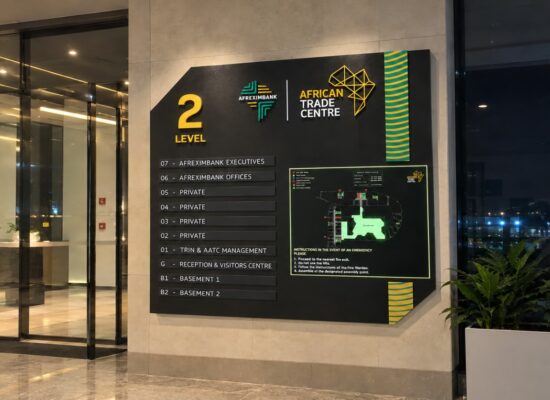
21 Oct 2026
Types of Illuminated Signage: A Guide for UAE & GCC Projects
Illuminated signage plays an important role in how commercial buildings, hotels, retail developments and corporate spaces communicate their identity. In…
17 Oct 2026
Commercial Signage Solutions UAE & GCC
How to Choose Commercial Signage Solutions in the UAE & GCC Commercial signage plays an important role in how people…
02 Oct 2026
Canadian Bespoke Lights
Canadian Bespoke Lighting: Where Design Becomes a Signature Luxury architecture is rarely defined by one element alone. The character of…
subscribe for newsletter

Luzion is a leading manufacturer and exporter of high-quality LED lighting solutions. With a focus on design, research, and innovation, we offer a wide range of products for commercial, industrial, residential, and outdoor spaces.
