
Search
Category
- Bollard Light
- Commercial Lighting
- Energy-Efficient Lighting
- LAMPS
- LED Lights
- LED Uplighter
- Light and Colour Theory
- Lighting Design and Facade Lighting
- Lighting Design Consultancy UAE
- lighting design principles
- Lighting Fundamentals and Design Principles
- Lighting Solutions
- Nature of Light in Lighting Design
- Panel Lights vs. Spot Lights
- Portable Lights
- Signage Solutions
- Smart Controllers for Streetlights
- Solar Lights
- Tree Lighter
- Uncategorized
Recent Posts


Commercial Signage Solutions UAE & GCC

Canadian Bespoke Lights
Tags
- Architectural Lighting
- Architectural Lighting Design
- Architectural Lighting Design UAE
- automation
- Best Lighting Design Consultancy in UAE
- COB LED Technology
- COB Spotlights
- Color Temperature in Lighting
- Commercial Lighting Design
- Commercial Lighting Fixtures
- Commercial Lighting Innovations
- Commercial Lighting UAE
- Cylinder COB Lights
- Dialux Lighting Design
- Dialux Lighting Design UAE
- Energy Efficient Lighting
- Energy-Efficient Lighting USA
- Exterior Lighting Solutions
- Facade & Exterior Lighting
- Facade Lighting
- Facade Lighting Design
- Facade Lighting Design UAE
- Facade lighting ideas
- Facade Lighting UAE
- Facade Uplighting
- Green Building Design
- Indoor & Exterior Lighting Solutions
- Interior Lighting Design
- Lamps
- LED Lighting Solutions
- LED lights
- LED Panel
- LED Uplighters
- LED vs Halogen
- Light and Color Theory
- Lighting Basics
- Lighting Consultancy UAE
- Lighting Design
- Lighting Design Consultancy in UAE
- Lighting Design Principles
- Lighting Design UAE
- Lighting Fundamentals Guide
- Lighting Layers
- Lumen Output in Lighting
- Modern Building Lighting Ideas
- Modern Lighting Ideas
- Office Lighting Solutions
- Outdoor Lighting Consultants UAE
- Panel Lights vs. Spot Lights
- Portable Lights
- smart light
- Smart Lighting Systems
- Sustainable Architecture
- Sustainable Lighting UAE
- Villa Lighting UAE
02Sep 2026
- Signage Solutions


Corporate Office Signage Solutions
Corporate Office Signage Solutions for Modern Workplaces
Corporate offices are more than places of work. They represent a company’s identity, culture and professional presence. From the first view of a building entrance to the reception desk, meeting rooms and internal circulation areas, signage plays an important role in how employees, clients and visitors experience a workplace.
Corporate Office Signage Solutions combine branding, architecture, information and wayfinding into a coordinated visual system. A well-designed signage programme can make a corporate environment easier to navigate while reinforcing the character of the organisation.
For modern offices, signage is increasingly designed as part of the overall architectural environment rather than treated as an additional graphic element. Materials, proportions, illumination, typography, colours, mounting methods and finishes can all be selected to complement the building and interior design.
What Are Corporate Office Signage Solutions?
Corporate office signage refers to the collection of signs and visual identification systems used throughout a corporate workplace or commercial building. These may include external building signs, entrance signs, reception branding, corporate logos, directional signs, floor directories, room identification, meeting-room signs and other information systems.
A complete corporate signage solution should provide more than visibility. It should create consistency between the company’s brand identity and its physical environment.
Depending on the project, signage can include:
- Corporate building identification signage
- Main entrance and façade signage
- Reception and lobby signage
- Illuminated corporate logo signs
- 3D lettering and dimensional signs
- Internal office signage
- Wayfinding and directional signage
- Floor and department identification
- Meeting-room and room-name signs
- Lift and staircase identification
- Parking and visitor signage
- Accessibility and safety signage
- Bespoke architectural signage
The final combination depends on the building layout, brand guidelines, visitor movement, architectural concept and operational requirements.
Why Corporate Office Signage Matters
A corporate workplace often receives clients, employees, partners, suppliers and visitors throughout the day. Clear signage helps these users understand where they are and where they need to go.
At the same time, external signage can become one of the most recognisable elements of a corporate building. A carefully proportioned logo, illuminated entrance sign or architectural identification system can strengthen visibility without overpowering the façade.
Good corporate signage should therefore balance three important functions:
Branding — communicating the organisation’s identity consistently.
Wayfinding — helping people navigate the building with minimal confusion.
Architecture — integrating signage with the building’s materials, geometry and lighting.
This combination becomes particularly important in headquarters, corporate campuses, financial institutions, technology offices, commercial towers and premium business developments.
Corporate Branding Through Office Signage
Physical environments provide an opportunity to translate a company’s visual identity into a three-dimensional experience.
Corporate logos, typography, brand colours and material finishes can be incorporated into reception areas, entrance façades, feature walls and directories. Instead of simply reproducing a logo, designers can consider scale, depth, illumination, shadows and surrounding surfaces to create a more refined result.
For premium corporate environments, materials such as brushed stainless steel, aluminium, acrylic, brass, glass and powder-coated metal can be selected according to the architectural palette.
Illumination can also change the appearance of a sign dramatically. Front-lit, backlit and halo-lit lettering create different visual effects and can be selected according to the façade, viewing distance and desired brand expression.
Architectural Office Signage
Modern architectural office signage is increasingly integrated with the architecture rather than installed as an independent object.
The relationship between signage and architecture should consider:
- Building proportions
- Façade materials
- Entrance geometry
- Viewing distance
- Day and night visibility
- Natural daylight
- Interior lighting
- Sign scale
- Mounting conditions
- Brand guidelines
- Maintenance access
For example, a corporate logo positioned on a stone façade may require a different mounting and illumination approach from a logo installed on glass, aluminium cladding or a curtain-wall system.
In an interior environment, signage can be recessed into walls, mounted directly onto feature surfaces, suspended from ceilings or combined with architectural lighting.
Corporate Building & Entrance Signage
The building entrance is often the first physical touchpoint between a company and its visitors. Corporate building signage should therefore provide clear identification while complementing the architectural character of the property.
Common entrance solutions include:
- Dimensional corporate letters
- Illuminated logo signage
- Backlit lettering
- Halo-lit letters
- Metal fabricated signage
- Acrylic lettering
- Monument-style identification signs
- Reception branding
- Entrance directories
- Canopy and façade signage
For buildings viewed from roads or large forecourts, scale and viewing distance become particularly important. The sign must remain legible without appearing oversized relative to the architecture.
For premium developments, subtle illumination and carefully selected materials can create a stronger result than excessive brightness.
Reception & Lobby Signage
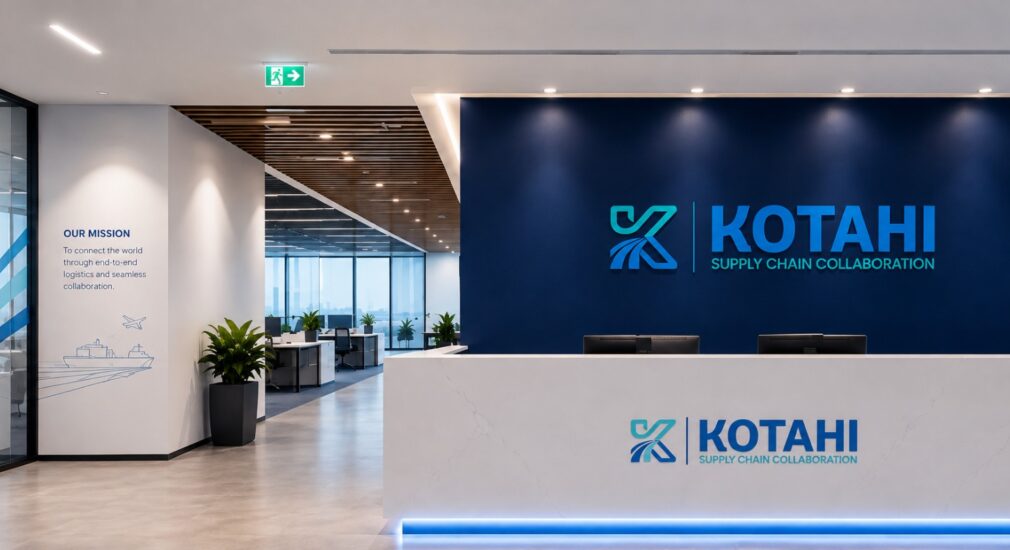
The reception area establishes the visual tone of an office interior. A well-designed reception sign can act as both a brand identifier and an architectural feature.
A corporate reception may incorporate:
- Logo and company name
- 3D lettering
- Backlit or halo-lit logo
- Metal or acrylic letters
- Feature-wall branding
- Reception desk identification
- Digital or static directories
- Visitor information
- Directional signage
The surrounding wall finish, ceiling lighting and furniture should be considered together with the signage. The objective is to create a cohesive composition rather than placing a logo on an otherwise unrelated wall.
For executive offices and premium headquarters, bespoke signage can be developed around the interior material palette, including custom finishes, letter depths, illumination levels and mounting details.
Premium & Modern Office Signage
Contemporary corporate workplaces increasingly favour clean forms, restrained typography and high-quality materials.
A premium office signage system may combine:
- Minimal dimensional lettering
- Architectural metal finishes
- Soft backlighting
- Concealed mounting
- Precision-cut logos
- Recessed signage
- Slimline directories
- Integrated wayfinding
- Consistent typography
- Coordinated illumination
The design should remain visually strong without creating unnecessary clutter. In many modern workplaces, signage works best when it feels like a natural extension of the interior architecture.
This approach is particularly suitable for corporate headquarters, technology companies, financial offices, professional services firms, luxury developments and international business centres.
Signage as Part of the Workplace Experience
Office signage contributes to more than brand visibility. It also affects how confidently people move through a building.
Visitors may need to identify the main entrance, reception, waiting area, meeting rooms, lifts, restrooms and other facilities. Employees may need clear routes between departments, floors, collaboration areas and shared facilities.
A well-planned office signage solution can create a logical visual language throughout these spaces.
The same typography, symbols, materials, colours and design principles can be carried from the exterior entrance through reception, corridors, meeting rooms and floor directories. This creates continuity and makes the entire workplace feel intentionally designed.
Working With Architects & Design Teams
Corporate signage is most effective when considered early in the architectural and interior design process.
Architects may define the façade and entrance conditions. Interior designers may establish materials and spatial character. Brand teams may provide identity guidelines. MEP consultants may coordinate electrical requirements for illuminated signs, while contractors and procurement teams may manage installation and project delivery.
A professional corporate signage manufacturer should therefore be able to work across these disciplines.
Early coordination can help determine:
- Sign locations
- Dimensions and proportions
- Mounting details
- Electrical provisions
- Illumination requirements
- Material specifications
- Structural support
- Access for maintenance
- Wayfinding hierarchy
- Brand consistency
This integrated approach reduces conflicts during installation and allows signage to become part of the overall architectural concept.
Global Corporate Office Signage Solutions
Corporate signage requirements vary across markets, but the fundamentals remain consistent: clear identification, strong brand presentation, architectural integration, durability and reliable execution.
Luzion can develop corporate office signage solutions for projects across India, the UAE and GCC, Saudi Arabia, Qatar, Kuwait, Oman, Bahrain, the USA, UK, Europe, Asia-Pacific and Africa.
Whether the project is a corporate headquarters in Ahmedabad, a commercial office in Dubai, a business tower in Riyadh, a technology workplace in Singapore or an international office development in London or New York, the signage strategy can be adapted to the architecture, brand requirements and local project conditions.
Corporate Office Signage Solutions — Signage Types, Materials & Technical Specifications
A corporate signage system is made up of different sign types, each serving a specific purpose within the building. Exterior identification requires visibility and weather resistance, while interior signage places greater emphasis on legibility, consistency and integration with the workplace design.
For premium corporate environments, the choice of signage type, material, illumination, finish and mounting system should be considered together. The result should be visually refined while remaining practical for long-term use and maintenance.
Types of Corporate Office Signage
A complete corporate office signage solution can include exterior, interior, architectural, illuminated and wayfinding elements.
1. Corporate Building Signage
Building identification signage establishes the presence of a company from outside the property. It can be installed on façades, entrance structures, rooftops, canopies or dedicated sign structures.
Common solutions include:
- 3D corporate letters
- Illuminated logo signs
- Backlit lettering
- Halo-lit letters
- Metal fabricated letters
- Acrylic lettering
- Logo boxes
- Architectural façade signs
- Building identification signs
The appropriate solution depends on the façade material, mounting height, viewing distance, environmental exposure and brand guidelines.
2. Corporate Entrance Signage
The main entrance provides an opportunity to create a strong first impression.
Entrance signage can combine the company logo, dimensional lettering, architectural panels and integrated illumination. For premium buildings, concealed fixings and clean cable management can help maintain a refined appearance.
Depending on the architecture, signs may be mounted onto stone, glass, aluminium cladding, concrete, brick or other façade systems.
3. Reception & Lobby Signage
Reception signage is one of the most important interior branding elements.
Options include:
- 3D logo letters
- Acrylic logo signs
- Metal letters
- Backlit logos
- Halo illumination
- Inlaid or recessed logos
- Feature-wall signage
- Reception desk branding
The sign should be proportioned according to the reception wall, viewing distance and surrounding furniture and lighting.
4. 3D Lettering & Corporate Logo Signage
Dimensional letters create depth and visual character compared with flat printed signage.
Letters can be manufactured using materials such as:
- Stainless steel
- Aluminium
- Acrylic
- Brass
- Mild steel
- Metal composites
- Other project-specific materials
Different finishes can be applied to match the corporate identity and interior architecture, including brushed, polished, satin, powder-coated and painted finishes.
For illuminated applications, LED modules can be incorporated inside the letters or behind them depending on the desired effect.
5. Illuminated Corporate Signage
Illumination can improve brand visibility during evening hours and create a distinctive architectural presence.
Common illumination methods include:
Front-lit signage: Light is directed through the face of the letter or sign.
Backlit signage: Light illuminates the rear of the sign and creates a softer glow around the form.
Halo-lit signage: LED illumination creates a controlled halo effect around dimensional letters.
Edge-lit signage: Light is introduced through the edges of suitable acrylic or translucent materials.
Internal illumination: LEDs are positioned inside fabricated sign bodies.
The illumination method should be selected according to the sign material, viewing distance, ambient lighting and desired architectural effect.
LED Corporate Signage
LED corporate signage is widely used where consistent illumination, energy efficiency and long operating life are important.
A properly engineered LED signage system should consider:
- LED module efficiency
- Light distribution
- Colour consistency
- Power consumption
- Heat management
- Driver selection
- Voltage requirements
- Dimming requirements
- Environmental protection
- Maintenance access
LED placement is also important. Poorly positioned modules can create visible hotspots, dark areas or uneven illumination.
For premium signage, the objective should be smooth and uniform illumination across the entire logo or letter face.
Office Wayfinding & Directional Signage
Wayfinding is a functional part of corporate signage. It helps visitors and employees move through complex office environments without relying entirely on reception staff or digital navigation.
A corporate wayfinding system may include:
- Directional arrows
- Floor directories
- Department signs
- Room identification
- Meeting-room signs
- Lift identification
- Staircase signs
- Reception directions
- Visitor navigation
- Parking directions
The hierarchy should remain consistent throughout the building. Typography, icons, colours, spacing and sign placement should follow a clear visual system.
Room & Floor Identification Signage
Large corporate workplaces often require identification systems for individual rooms and departments.
Examples include:
- Meeting room signs
- Conference room signs
- Executive office signs
- HR department signs
- Finance department signs
- IT room identification
- Pantry and cafeteria signs
- Restroom identification
- Floor numbers
- Zone identification
These signs can be produced as wall-mounted, door-mounted, recessed or suspended systems depending on the interior architecture.
Corporate Directory Signage
Directory signage provides an overview of departments, businesses or facilities located within a building or floor.
A well-designed directory should make information easy to scan. Content hierarchy, typography, contrast and spacing are particularly important.
For larger corporate campuses and multi-tenant office buildings, directories can be combined with directional systems to create a complete navigation experience.
Materials Used for Corporate Office Signage
Material selection influences appearance, durability, weight, fabrication method and cost.
Acrylic
Acrylic is widely used for indoor logos, reception signage and dimensional lettering. It is available in different colours, transparencies, thicknesses and finishes.
Aluminium
Aluminium offers a lightweight and durable solution for architectural and corporate signage. It can be fabricated, folded, cut and finished according to project requirements.
Stainless Steel
Stainless steel is suitable for premium corporate environments where a refined metallic appearance and durability are required.
Brushed, satin and polished finishes can create different visual effects.
Brass & Decorative Metals
Brass and other decorative metal finishes can be used where the signage is intended to become a prominent architectural feature, particularly in executive offices, luxury headquarters and hospitality-inspired corporate interiors.
Glass
Glass can be combined with vinyl graphics, etched elements, printed details or dimensional lettering to create sophisticated interior signage.
Powder-Coated Metal
Powder coating allows signage components to be matched with architectural or corporate colour palettes while providing a durable surface finish.
Technical Specifications for Corporate Signage
A professional corporate signage manufacturer should define technical requirements according to the project rather than applying one specification to every sign.
Typical specifications may include:
| Parameter | Typical Consideration |
|---|---|
| Sign Type | Internal, external, illuminated, wayfinding or architectural |
| Material | Acrylic, aluminium, stainless steel, brass, glass or custom material |
| Letter Depth | Selected according to viewing distance and design |
| Illumination | Front-lit, backlit, halo-lit, edge-lit or internal |
| LED System | LED modules, strips or project-specific system |
| Colour Temperature | Selected according to brand and architectural lighting |
| Colour Consistency | Important for illuminated logos and repeated signage |
| Power Supply | Sized according to total connected load |
| Driver | Suitable for LED system and operating conditions |
| Dimming | Optional depending on application |
| IP Rating | Important for exposed outdoor signage |
| Mounting | Stud fixing, concealed fixing, brackets, rails or custom systems |
| Finish | Brushed, polished, powder-coated, painted or custom |
| Maintenance | Access should be considered during design |
| Photometric / Lighting Data | Relevant for illuminated architectural signage |
Actual values should be established from the approved design, selected materials, LED system and project conditions.
IP Rating for Outdoor Corporate Signage
Exterior signage is exposed to environmental conditions that may include rain, humidity, dust, temperature variation and direct sunlight.
For illuminated outdoor signage, the appropriate IP rating should therefore be selected based on the installation environment.
The IP classification indicates protection against solid particles and water ingress. The required rating depends on whether the sign is installed under a canopy, on a façade, in an exposed location or in a particularly demanding environment.
Outdoor corporate signage in regions such as the UAE, Saudi Arabia, Qatar and other GCC markets may also require consideration of high temperatures, dust and intense solar exposure.
Illumination & Colour Temperature
The colour temperature of illuminated signage influences how the brand appears at night.
Depending on the design, warm or neutral white illumination may be selected to complement architectural materials and surrounding lighting.
For corporate buildings, consistency is particularly important. If multiple signs use different shades of white, the building can appear visually inconsistent.
For this reason, LED specification should consider:
- CCT
- Colour consistency
- LED binning
- Light output
- Diffusion
- Module spacing
- Illumination uniformity
Power & Energy Considerations
Corporate signage may operate for extended periods, particularly on commercial buildings and headquarters.
Energy performance can therefore be improved through efficient LED systems, appropriate power sizing, timers, photocells or smart control strategies.
For larger signage installations, the connected load should be calculated during the design stage. Power supplies and electrical provisions should also be accessible for inspection and maintenance.
Mounting & Installation Systems
A signage system must be structurally appropriate for its location.
Possible mounting methods include:
- Concealed stud fixing
- Direct wall mounting
- Bracket mounting
- Rail systems
- Ceiling suspension
- Stand-off fixing
- Recessed installation
- Custom structural support
The substrate must be considered before finalising the mounting method. Stone, glass, aluminium cladding, gypsum, concrete and other surfaces may require different fixing solutions.
For façade signage, wind exposure and structural conditions should also be reviewed by the relevant project professionals.
Bespoke Corporate Signage
Not every corporate project can be served by standard sign sizes or catalogue products.
Bespoke corporate signage allows the design to be developed around the company’s brand, architecture and project requirements.
Customisation can include:
- Logo dimensions
- Letter depth
- Custom typography
- Special finishes
- LED illumination
- Colour matching
- Mounting details
- Custom shapes
- Curved signage
- Integrated architectural elements
- Custom wayfinding systems
This is particularly valuable for corporate headquarters, premium commercial developments, financial institutions, technology campuses and flagship offices.
From Design to Manufacturing
Corporate signage should move through a controlled process from concept to final installation.
A typical workflow includes:
Project Brief → Site & Architectural Review → Signage Concept → Material Selection → Technical Drawings → Prototype / Sample → Manufacturing → Quality Inspection → Installation Coordination
This process helps align branding, architecture, technical requirements and installation conditions before production begins.
For international projects, detailed drawings, material samples, electrical information and installation instructions become particularly important because multiple project teams may be working across different locations.
The right combination of design, materials and technical engineering allows corporate signage to become a durable part of the workplace architecture rather than simply an identification element.
Corporate Office Signage Solutions — Applications, Design Process & Project Expertise
Corporate signage becomes most effective when every sign has a clear purpose within the workplace. A headquarters may require a highly visible façade identity, while an internal office environment may need a more subtle combination of room identification, directories and wayfinding.
A coordinated signage system allows the exterior and interior environments to communicate the same corporate identity while responding to different functional requirements.
Corporate Office Signage for Different Workspaces
Corporate Headquarters
A headquarters represents the public identity of an organisation and often requires a comprehensive signage programme.
Typical requirements include:
- Building identification
- Main entrance signage
- Illuminated corporate logo
- Reception branding
- Lobby signage
- Floor directories
- Department identification
- Wayfinding
- Parking and visitor signage
The scale, materials and illumination can be developed to complement the architectural character of the headquarters.
Technology & IT Offices
Technology workplaces often favour clean, contemporary interiors. Signage can be integrated with glass partitions, exposed ceilings, linear lighting, feature walls and modern architectural finishes.
Wayfinding systems should remain clear while allowing the interior to retain a minimal visual character.
Banking & Financial Offices
Financial institutions typically require a strong balance between corporate identity, professionalism and clear navigation.
Signage may include:
- External branch identification
- Corporate logo signage
- Reception branding
- Department directories
- Meeting-room identification
- Directional signage
- Accessibility signage
Premium materials and controlled illumination can help create a professional environment without excessive visual impact.
Consulting & Professional Offices
Law firms, consulting companies, accounting firms and professional service organisations often use signage to create a sophisticated and consistent workplace identity.
Reception logos, executive office signs, meeting-room identification and directional systems can be coordinated with the interior architecture and corporate branding.
Corporate Campuses
Large corporate campuses require a broader wayfinding strategy because visitors and employees may move between multiple buildings, entrances, parking areas and shared facilities.
A campus signage programme may include:
- Site identification
- Building identification
- Vehicular wayfinding
- Pedestrian directions
- Parking signage
- Reception identification
- Building directories
- Floor identification
- Department signage
Consistency across the entire campus is essential for an intuitive visitor experience.
Co-Working & Flexible Workspaces
Flexible workplaces require signage systems that can adapt as room functions and tenant requirements change.
Modular room signs, replaceable graphics, flexible directories and digital information systems can be considered where frequent changes are expected.
Corporate Signage Design Process
A successful signage project begins before fabrication. Design teams should understand the architecture, brand requirements, visitor movement and technical conditions before finalising the sign system.
1. Project Brief
The first stage establishes the purpose and scope of the signage programme.
Information may include:
- Building type
- Number of floors
- Areas requiring signage
- Brand guidelines
- Sign types
- Illumination requirements
- Materials
- Project timeline
- Installation conditions
- Local requirements
2. Architectural & Site Review
The physical environment determines how signage can be installed and viewed.
The review may consider:
- Façade materials
- Wall construction
- Ceiling conditions
- Glass surfaces
- Entrance geometry
- Viewing distances
- Natural daylight
- Existing lighting
- Electrical provisions
- Mounting locations
For exterior signs, environmental exposure and access for maintenance should also be considered.
3. Signage Concept Development
The concept should establish a visual language that works throughout the building.
Typography, symbols, colours, materials, letterforms and proportions should remain consistent while allowing different sign types to perform different functions.
For premium projects, the design can be intentionally restrained, using material quality and precise detailing instead of excessive graphics.
4. Technical Development
Once the design direction is approved, the technical aspects are developed.
This may include:
- Sign dimensions
- Material thickness
- Letter depth
- LED configuration
- Power requirements
- Driver selection
- Mounting details
- Fixing methods
- Cable routing
- Access for maintenance
- IP protection for outdoor signs
Detailed drawings and specifications help different project teams coordinate before production.
5. Prototype & Material Approval
For large corporate projects, physical samples can be useful before full-scale manufacturing.
A prototype can demonstrate:
- Material appearance
- Surface finish
- Letter depth
- Illumination effect
- LED colour
- Light diffusion
- Mounting details
- Overall proportions
This gives the architect, designer, client and project team an opportunity to review the final appearance before production.
6. Manufacturing & Quality Control
Once approved, signage components can move into fabrication.
Depending on the design, manufacturing may involve:
- CNC cutting
- Laser cutting
- Metal fabrication
- Acrylic fabrication
- Letter forming
- Surface finishing
- Powder coating
- Painting
- LED integration
- Electrical assembly
- Final inspection
Quality control should check dimensions, finishes, illumination, electrical connections, mounting components and overall workmanship before dispatch.
Working With Architects & Interior Designers
Corporate signage should be coordinated with the architectural and interior design concept.
Architects typically consider the building envelope, façade, entrances and structural conditions. Interior designers focus on spatial character, materials, furniture, finishes and user experience.
Signage should work with these elements rather than compete with them.
Early coordination can help determine whether a sign should be:
- Flush mounted
- Recessed
- Suspended
- Surface mounted
- Projecting
- Integrated into a feature wall
- Combined with architectural lighting
For high-end offices, small details such as fixing visibility, cable management, letter spacing and material transitions can significantly influence the final appearance.
Coordination With MEP Consultants
Illuminated signage requires electrical coordination, particularly when multiple signs are distributed across a large building.
MEP teams may need information regarding:
- Power supply locations
- Connected load
- Driver positions
- Cable routing
- Switching
- Dimming
- Control requirements
- Maintenance access
Providing this information during the design stage reduces the possibility of last-minute electrical modifications during installation.
Working With Developers & Contractors
Developers often require signage systems that balance visual quality, project timelines, durability and maintenance requirements.
Contractors need clear drawings, dimensions, fixing details and installation instructions to execute the work correctly.
A coordinated signage supplier can support the project team through:
Design → Technical Documentation → Samples → Manufacturing → Packing → Delivery → Installation Coordination
For international developments, documentation and packaging become particularly important because signage may be manufactured in one country and installed by a local contractor in another.
Corporate Signage for Brand Consistency
A large corporate organisation may have offices in several cities or countries. Maintaining consistent signage helps create a recognisable physical identity across locations.
The same brand language can be adapted to:
- Different building types
- Different architectural styles
- Different interior environments
- Different sign scales
- Different local installation conditions
The objective is not necessarily to make every office identical. Instead, the signage should preserve the core identity while allowing appropriate architectural adaptation.
Custom & Bespoke Corporate Signage
Bespoke manufacturing is particularly useful when a project includes unusual dimensions, complex architectural conditions or specific brand requirements.
Luzion can develop project-specific signage concepts around requirements such as:
- Custom logo dimensions
- Non-standard letter depths
- Special metallic finishes
- Bespoke illumination
- Custom colour matching
- Curved or irregular forms
- Integrated architectural elements
- Custom mounting systems
- Project-specific wayfinding
This approach allows the signage to respond directly to the architecture instead of forcing the project to use standard catalogue dimensions.
Manufacturing Capability for Global Projects
For international corporate projects, manufacturing capability is only one part of successful delivery. Technical communication, quality control, packaging and project coordination are equally important.
A professional signage manufacturing workflow should maintain consistency across multiple signs and locations.
Luzion’s approach combines design understanding, technical development, LED illumination, bespoke fabrication and project-oriented manufacturing to support corporate signage requirements for projects in India and international markets.
This enables architects, designers, developers, contractors and procurement teams to work with one coordinated signage partner from specification through production and supply.
Why a Complete Signage Solution Matters
A corporate building can contain dozens or even hundreds of individual signs. If each element is designed independently, inconsistencies in typography, colour, materials, scale and illumination can quickly become visible.
A complete signage strategy creates a common design language across the project.
It connects:
Corporate Identity + Architecture + Wayfinding + Materials + Illumination + Technical Performance + Manufacturing
The result is a signage environment that is easier to navigate, stronger in brand recognition and more integrated with the overall workplace design.
Global Project Support
Corporate office developments are increasingly international, with organisations establishing offices, campuses and regional headquarters across multiple markets.
A global signage partner should therefore understand the needs of different project teams and be able to coordinate specifications, production and delivery across locations.
Luzion supports corporate signage requirements for projects across India, UAE, GCC, Saudi Arabia, Qatar, Kuwait, Oman, Bahrain, USA, UK, Europe, Asia-Pacific and Africa, with solutions adapted to the individual project’s architecture, branding and technical requirements.
Corporate Office Signage Solutions Worldwide — Global Markets & Project Support
Corporate workplaces are found across business districts, technology hubs, financial centres and commercial developments worldwide. Each project may have different architectural, branding and technical requirements, but the need for clear identification, refined aesthetics and reliable signage remains consistent.
Luzion provides corporate office signage solutions for international projects, supporting architects, interior designers, developers, contractors, consultants and procurement teams with design-led and project-specific signage requirements.
Corporate Office Signage Solutions in India
India’s expanding corporate and commercial sector includes technology parks, corporate headquarters, financial institutions, business centres and mixed-use developments.
Luzion can support corporate signage projects across major Indian markets including:
Gujarat: Ahmedabad, Surat, Vadodara, Rajkot, Gandhinagar
Maharashtra: Mumbai, Pune, Nagpur, Nashik
Karnataka: Bengaluru, Mysuru
Telangana: Hyderabad
Tamil Nadu: Chennai, Coimbatore
Delhi & NCR: New Delhi, Gurugram, Noida, Faridabad
Other markets: Kolkata, Jaipur, Kochi, Chandigarh, Lucknow, Indore, Bhopal and Visakhapatnam.
Solutions can range from reception branding and internal wayfinding to illuminated building identification and bespoke corporate façade signage.
Corporate Office Signage Solutions in UAE & GCC
The UAE and wider GCC region have a strong demand for premium commercial architecture and corporate developments.
Luzion can support projects across:
- Dubai
- Abu Dhabi
- Sharjah
- Ajman
- Ras Al Khaimah
- Al Ain
- Riyadh
- Jeddah
- Dammam
- Khobar
- Doha
- Lusail
- Kuwait City
- Muscat
- Salalah
- Manama
For GCC projects, signage design may need to account for high temperatures, dust, strong sunlight and demanding exterior conditions. Material selection, LED performance, IP protection, mounting and maintenance access should therefore be considered during specification.
Corporate Office Signage Solutions in the USA
Corporate offices across the United States range from high-rise headquarters and technology campuses to professional offices and multi-tenant commercial buildings.
Luzion can support signage requirements for markets including:
California: Los Angeles, San Francisco, San Diego, San Jose
Texas: Houston, Dallas, Austin
New York: New York City
Florida: Miami, Orlando, Tampa
Illinois: Chicago
Massachusetts: Boston
Washington: Seattle
Georgia: Atlanta
Other markets: Washington DC, Denver, Phoenix, Charlotte and New Jersey.
Corporate signage may include exterior building identification, lobby branding, wayfinding, directories, room identification and illuminated architectural signs.
Corporate Office Signage Solutions in the UK & Europe
European corporate environments often place strong emphasis on architectural integration, material quality and clear wayfinding.
Luzion can support projects across the UK and European markets, including:
- London
- Manchester
- Birmingham
- Liverpool
- Leeds
- Edinburgh
- Glasgow
- Cardiff
- Belfast
- Berlin
- Munich
- Frankfurt
- Paris
- Milan
- Rome
- Madrid
- Barcelona
- Amsterdam
- Brussels
- Zurich
- Vienna
- Stockholm
- Copenhagen
- Oslo
- Warsaw
- Lisbon
- Dublin
- Prague
Signage can be adapted to modern offices, historic buildings, commercial towers, technology workplaces and large corporate campuses.
Corporate Office Signage in Asia-Pacific
Asia-Pacific represents a diverse corporate market with technology, finance, manufacturing and multinational business centres.
Luzion can support requirements across markets including:
- China
- Japan
- South Korea
- Singapore
- Malaysia
- Thailand
- Indonesia
- Vietnam
- Philippines
- Australia
- New Zealand
Major business locations include Tokyo, Osaka, Beijing, Shanghai, Shenzhen, Seoul, Singapore, Kuala Lumpur, Bangkok, Jakarta, Manila, Sydney, Melbourne, Brisbane and Auckland.
Corporate Office Signage in Africa & Middle East
Corporate developments across Africa and the Middle East also require durable and professionally coordinated signage systems.
Potential markets include:
- South Africa
- Egypt
- Morocco
- Kenya
- Nigeria
- Ghana
- Tanzania
- Rwanda
- Ethiopia
Key commercial centres include Johannesburg, Cape Town, Cairo, Casablanca, Nairobi, Lagos, Accra, Dar es Salaam, Kigali and Addis Ababa.
Solutions can be adapted for corporate headquarters, commercial offices, financial institutions, business parks and mixed-use developments.
Industries Served
Corporate signage requirements vary according to the organisation and building type.
Luzion can support signage applications for:
Technology & IT
Modern technology offices often require clean architectural branding, flexible wayfinding and integrated reception signage.
Banking & Financial Services
Banks and financial institutions can use premium corporate signage to reinforce trust, professionalism and brand consistency.
Real Estate & Commercial Buildings
Developers and commercial property owners may require building identification, tenant directories, entrance signs and wayfinding systems.
Consulting & Professional Services
Law firms, consulting companies, accounting firms and other professional organisations often require refined reception, room identification and corporate branding.
Corporate Campuses
Large campuses benefit from coordinated building identification, pedestrian wayfinding, parking signage and internal directories.
Co-Working & Flexible Offices
Flexible workspaces may require modular signage that can accommodate changing rooms, departments and tenants.
Why Choose Luzion for Corporate Office Signage?
Corporate signage requires a combination of design understanding, fabrication expertise and technical coordination.
Luzion brings together:
- Architectural signage solutions
- LED illuminated signage
- Corporate logo and branding systems
- Custom and bespoke fabrication
- Material and finish selection
- Technical documentation
- Project-specific development
- Manufacturing support
- Quality inspection
- Global project supply
- Coordination with professional project teams
The objective is to provide signage that is not only visually distinctive but also appropriate for the architecture, operating environment and long-term project requirements.
Corporate Signage From Concept to Supply
A structured process helps maintain quality throughout an international signage project.
Brief → Design Development → Technical Drawings → Material Selection → Sample Approval → Manufacturing → Quality Control → Packing → Global Supply → Installation Coordination
This workflow allows the project team to review important details before manufacturing and helps maintain consistency when multiple signage elements are required.
Frequently Asked Questions
What are corporate office signage solutions?
Corporate office signage solutions include exterior and interior signs used for brand identification, navigation, information and workplace communication. They can include entrance signage, reception branding, wayfinding, directories, room signs and illuminated corporate logos.
What types of signage are suitable for corporate offices?
Common options include 3D letters, illuminated logos, reception signs, wayfinding systems, directories, room identification, floor signs, building identification and bespoke architectural signage.
What materials are used for corporate signage?
Depending on the application, signage can be manufactured using acrylic, aluminium, stainless steel, brass, glass, powder-coated metal and other project-specific materials.
Can corporate office signage be customised?
Yes. Corporate signage can be customised in terms of dimensions, typography, materials, finishes, illumination, colours, letter depth, mounting and overall design.
Is LED illumination suitable for corporate signage?
LED systems are commonly used for illuminated corporate signage because they can provide controlled and consistent illumination. Proper LED selection, module positioning, heat management, power supply and maintenance access should be considered during design.
What is corporate wayfinding signage?
Corporate wayfinding signage is a coordinated system of directional and identification signs that helps employees and visitors navigate offices, campuses and commercial buildings.
Can signage be designed according to architectural requirements?
Yes. Signage can be developed around façade materials, interior finishes, architectural proportions, viewing distances, mounting conditions and corporate brand guidelines.
Does Luzion provide corporate signage for international projects?
Luzion supports corporate signage requirements for projects across India, GCC, UAE, Saudi Arabia, USA, UK, Europe, Asia-Pacific and Africa, subject to project scope and delivery requirements.
Build a Stronger Corporate Identity Through Signage
A successful corporate signage system brings together brand identity, architecture, wayfinding, materials and technical performance. From a refined reception logo to a fully illuminated corporate façade, every element contributes to how a workplace is experienced.
Luzion combines architectural understanding, LED technology, bespoke manufacturing and project support to create corporate office signage solutions designed around the requirements of modern workplaces.
Related posts
21 Oct 2026
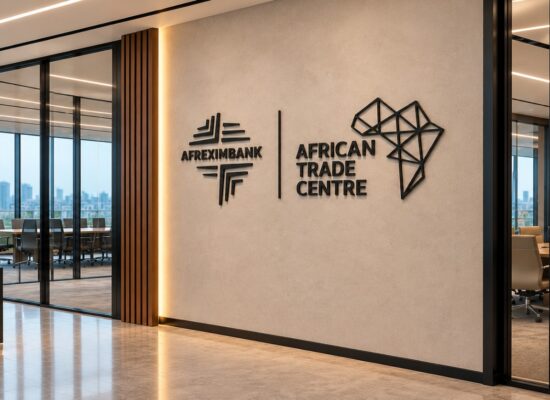
Channel Letter Signage in UAE: Types, Materials and Applications
Channel letter signage is widely used by retail stores, hotels, restaurants, shopping malls and commercial buildings to display business names,…
21 Oct 2026
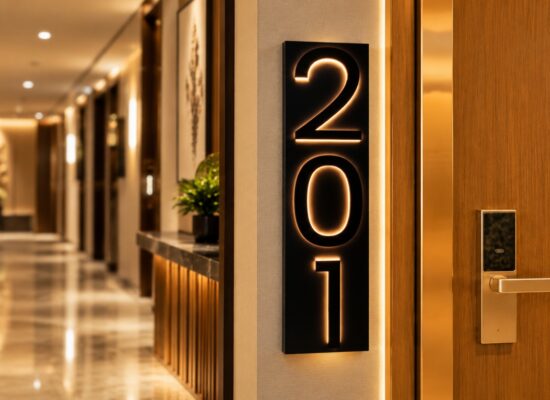
3D Letter Signage in UAE: Materials, Finishes and Applications
In a competitive commercial environment, signage plays an important role in how customers recognise a brand, locate a business and…
21 Oct 2026
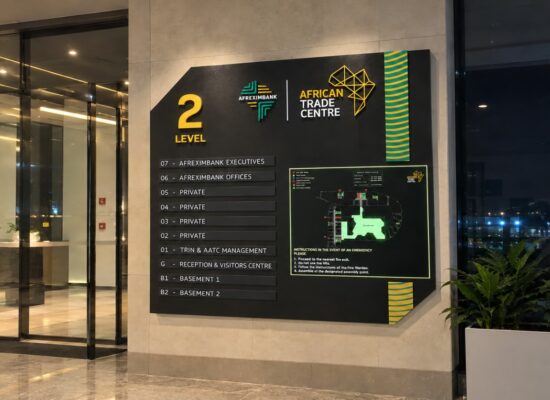
Types of Illuminated Signage: A Guide for UAE & GCC Projects
Illuminated signage plays an important role in how commercial buildings, hotels, retail developments and corporate spaces communicate their identity. In…
17 Oct 2026
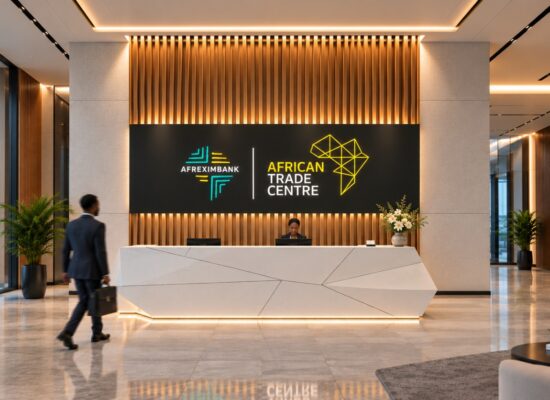
Commercial Signage Solutions UAE & GCC
How to Choose Commercial Signage Solutions in the UAE & GCC Commercial signage plays an important role in how people…
02 Oct 2026
Canadian Bespoke Lights
Canadian Bespoke Lighting: Where Design Becomes a Signature Luxury architecture is rarely defined by one element alone. The character of…
subscribe for newsletter

Luzion is a leading manufacturer and exporter of high-quality LED lighting solutions. With a focus on design, research, and innovation, we offer a wide range of products for commercial, industrial, residential, and outdoor spaces.
