

Search
Category
- Bollard Light
- Commercial Lighting
- Energy-Efficient Lighting
- LAMPS
- LED Lights
- LED Uplighter
- Light and Colour Theory
- Lighting Design and Facade Lighting
- Lighting Design Consultancy UAE
- lighting design principles
- Lighting Fundamentals and Design Principles
- Lighting Solutions
- Nature of Light in Lighting Design
- Panel Lights vs. Spot Lights
- Portable Lights
- Signage Solutions
- Smart Controllers for Streetlights
- Solar Lights
- Tree Lighter
- Uncategorized
Recent Posts




Tags
- Architectural Lighting
- Architectural Lighting Design
- Architectural Lighting Design UAE
- automation
- Best Lighting Design Consultancy in UAE
- COB LED Technology
- COB Spotlights
- Color Temperature in Lighting
- Commercial Lighting Design
- Commercial Lighting Fixtures
- Commercial Lighting Innovations
- Commercial Lighting UAE
- Cylinder COB Lights
- Dialux Lighting Design
- Dialux Lighting Design UAE
- Energy Efficient Lighting
- Energy-Efficient Lighting USA
- Exterior Lighting Solutions
- Facade & Exterior Lighting
- Facade Lighting
- Facade Lighting Design
- Facade Lighting Design UAE
- Facade lighting ideas
- Facade Lighting UAE
- Facade Uplighting
- Green Building Design
- Indoor & Exterior Lighting Solutions
- Interior Lighting Design
- Lamps
- LED Lighting Solutions
- LED lights
- LED Panel
- LED Uplighters
- LED vs Halogen
- Light and Color Theory
- Lighting Basics
- Lighting Consultancy UAE
- Lighting Design
- Lighting Design Consultancy in UAE
- Lighting Design Principles
- Lighting Design UAE
- Lighting Fundamentals Guide
- Lighting Layers
- Lumen Output in Lighting
- Modern Building Lighting Ideas
- Modern Lighting Ideas
- Office Lighting Solutions
- Outdoor Lighting Consultants UAE
- Panel Lights vs. Spot Lights
- Portable Lights
- smart light
- Smart Lighting Systems
- Sustainable Architecture
- Sustainable Lighting UAE
- Villa Lighting UAE
24Oct 2026
- Signage Solutions


Wayfinding Signage in UAE & GCC: A Complete Design Guide
Wayfinding signage helps people navigate buildings, public spaces and large commercial developments without confusion. From hospital departments and hotel reception areas to shopping mall directories, office floors and parking facilities, a well-planned signage system makes it easier for visitors to identify locations, follow routes and reach their destinations.
Across the UAE and GCC, wayfinding signage is an important consideration for architects, interior designers, property developers, contractors, facility managers and hospitality operators. Large buildings, multilingual visitors, complex circulation routes and demanding environmental conditions all influence how a signage system should be planned.
A successful wayfinding signage system in UAE is more than a collection of signboards. It combines directional information, location identification, visual consistency, readable typography, appropriate materials and strategic placement to create a clear visitor journey.
This guide explains the main types of wayfinding signage, design considerations, material options and planning requirements for commercial and architectural projects across the Gulf region.
What Is Wayfinding Signage?
Wayfinding signage is a coordinated system of signs and visual information that helps people understand their surroundings and navigate from one location to another.
Unlike a standalone signboard, a wayfinding system considers the complete journey. It identifies where visitors enter, where they need to make decisions, how they move through a building and how they confirm they have reached the correct destination.
For example, a visitor entering a hospital may need to find the reception desk, identify the correct department, locate a lift and follow corridor signs to a consultation room. Each sign should provide the right information at the right point in that journey.
Common elements of a wayfinding signage system include:
- Directional signage and arrows
- Floor directories and building maps
- Room identification signs
- Reception and department signs
- Parking and vehicle direction signs
- Accessible navigation information
- Digital directories and interactive wayfinding displays
- Regulatory and safety signage
For projects in Dubai, Abu Dhabi, Riyadh, Doha, Kuwait City, Muscat and Manama, the system should be planned around the building layout, visitor needs, project requirements and applicable local regulations.
Types of Wayfinding Signage for Commercial Projects
Different sign types serve different purposes. Using them together creates a consistent navigation system across the property.
1. Directional Signage
Directional signage guides visitors towards specific destinations using arrows, text, symbols and other visual indicators.
Typical applications include:
- Hospital departments and consultation rooms
- Hotel reception, restaurants and conference facilities
- Shopping mall stores, lifts and amenities
- Office reception areas and meeting rooms
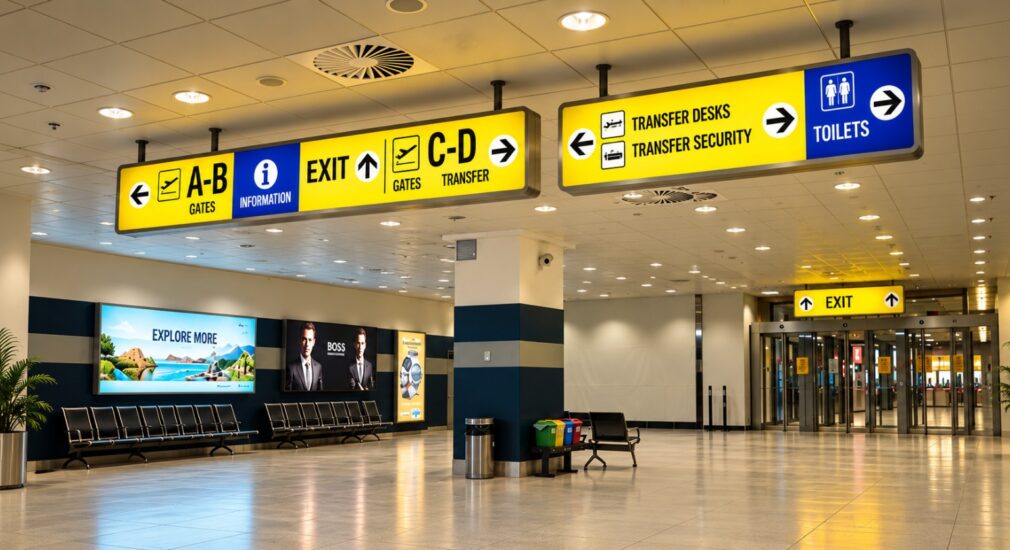
- Airport facilities and transport connections
- Parking entrances, exits and pedestrian routes
Directional signs should be installed where people need to make a decision, such as an entrance, corridor junction, lift lobby or change of level. Arrows must clearly correspond to the route being indicated.
2. Directory Signage
Directory signage presents an overview of the locations within a building or development. It helps visitors identify where destinations are located before they begin their journey.
Common examples include floor directories in office towers, tenant directories in shopping malls, hospital department listings and hotel facility directories.
A good directory uses a clear hierarchy, readable text, consistent naming and logical grouping. Digital directories may be suitable for large properties where tenants, departments or room allocations change regularly.
3. Identification Signage
Identification signage confirms the name or function of a particular place.
Examples include:
- Room number and office name signs
- Hotel room and suite identification
- Hospital ward and department labels
- Meeting room and conference room signs
- Floor numbers and lift lobby identifiers
- Reception, restaurant and amenity signs
Consistent typography, positioning and material finishes help visitors recognise these signs quickly throughout the building.
4. Parking and Outdoor Wayfinding Signage
Outdoor wayfinding helps people navigate a site before entering the building. It is particularly important for mixed-use developments, residential communities, hospitals, resorts, campuses and large commercial properties.
Common applications include:
- Vehicle entry and exit signs
- Visitor and staff parking directions
- Building identification signs
- Pedestrian route markers
- Drop-off and pick-up zones
- Landscape pathway signs
- External directories and site maps
In the UAE and wider GCC, outdoor signage should be specified for the actual site conditions, including sunlight exposure, heat, dust, humidity and, where relevant, coastal air.
5. Digital Wayfinding Signage
Digital wayfinding signage uses screens or interactive displays to provide navigation information.
Depending on the project, it can display searchable directories, interactive maps, floor plans, changing tenant information and visitor directions.
Digital systems can be useful in large hospitals, malls, airports, exhibition venues and mixed-use developments. However, they should complement rather than automatically replace physical signage. Visitors may still need clear directional signs when screens are unavailable or when a route must be followed without interaction.
6. Accessible and Safety-Related Signage
Accessible signage helps people identify facilities and navigate spaces more confidently. Depending on the project and applicable standards, this may include accessible route information, lift identification, restroom signs, tactile or Braille information and clearly recognisable pictograms.
Emergency exits, evacuation routes and mandatory safety notices have separate regulatory requirements. They should be coordinated with the project’s approved life-safety documentation rather than treated as ordinary decorative wayfinding signs.
Wayfinding Signage Design for UAE and GCC Projects
A well-designed wayfinding system should support the building’s architecture while remaining easy to understand.
Arabic and English Bilingual Signage
Many projects across the UAE and GCC serve multilingual audiences. Arabic–English signage may therefore be required or appropriate, depending on the location, project type and applicable regulations.
Bilingual signage should be planned from the beginning of the design process. Adding a second language after the layout is approved can make signs crowded, reduce readability and create inconsistent spacing.
Consider the following:
- Establish a consistent hierarchy for both languages.
- Allow sufficient space for Arabic and English text.
- Use appropriate fonts and correct Arabic directionality.
- Keep arrows and pictograms consistent across the site.
- Confirm translations and terminology before fabrication.
- Check local authority and project-specific language requirements.
The final layout should be reviewed at its intended viewing distance, not only on a computer screen.
Typography, Colour and Readability
Visitors should be able to identify important information quickly. Typography, contrast, sign size and placement all contribute to readability.
Use clear letterforms and avoid overly decorative fonts for directional information. Maintain sufficient contrast between text and background, and use colour coding only when it has a consistent meaning throughout the property.
Arrows and pictograms can help visitors understand instructions quickly, particularly in busy environments. However, symbols should be familiar and used consistently rather than changed between floors or departments.
Sign Placement and Visitor Flow
Even attractive signage can fail if it is installed in the wrong location.
During planning, identify the main entry points, circulation routes, intersections, lift lobbies, staircases, reception areas and final destinations. Signs should appear before or at the point where visitors need to make a decision.
Review the visibility of each sign against architectural elements, lighting, furniture, columns, doors and other visual obstructions. For complex developments, a site survey and wayfinding audit can help identify missing directions or conflicting information before installation.
Coordination With Architecture and Interior Design
Wayfinding signage should be considered during the design development stage rather than added as an afterthought.
Architects, interior designers, MEP consultants, signage designers and contractors may need to coordinate:
- Sign locations and mounting details
- Ceiling heights and suspended sign clearances
- Wall finishes and fixing methods
- Electrical supplies for illuminated signs
- Cable routing and access for maintenance
- Digital display integration
- Sign schedules and room naming
- Installation sequencing and site access
Early coordination can reduce rework and help maintain a consistent appearance throughout the development.
Materials and Finishes for Wayfinding Signage
Material selection depends on the application, expected lifespan, visual design, cleaning requirements, exposure and budget.
Aluminium
Aluminium is commonly considered for directory panels, directional signs, external sign structures and architectural signage. Suitable finishes can support a clean, contemporary appearance, while the final specification should account for the environment and installation method.
Acrylic
Acrylic can be used for indoor directories, room identification signs, reception signage and selected illuminated applications. It offers a range of colours and finishes, but the grade and thickness should be appropriate for the intended use.
Stainless Steel
Stainless steel may suit premium hotels, corporate offices, reception areas and high-end commercial interiors. The finish and grade should be selected according to exposure, cleaning practices and the required appearance.
Engraved and Printed Panels
Engraved laminates, printed panels and applied graphics can be practical for room numbers, department signs, directories and operational labels. The right choice depends on durability, readability, replaceability and the substrate.
Glass and Architectural Finishes
Glass-mounted signs and signage integrated with architectural finishes can work well in offices, hotels and contemporary interiors. Fixing details, visibility, reflections and contrast should be considered before installation.
For external applications in the Gulf, material and coating selection should take account of UV exposure, high temperatures, dust, moisture and coastal conditions where applicable. No single material is best for every project.
Illuminated Wayfinding Signage: Where Does It Help?
Illuminated wayfinding signage can improve visibility in selected areas, particularly where ambient lighting is low or information needs to remain legible after dark.
Common applications include:
- Hotel entrances and reception areas
- External building directories
- Parking facilities and pedestrian routes
- Large commercial lobbies
- Selected landscape and campus locations
Depending on the design, illumination may use internal LEDs, edge lighting or other suitable lighting arrangements. The system should provide even illumination, maintain text contrast and avoid unnecessary glare.
When specifying illuminated signs, consider the LED layout, power supply access, heat management, electrical safety, maintenance requirements and protection appropriate to the installation environment.
Lighting should support the information rather than overpower it. Emergency exit and life-safety signs must follow their own applicable standards and approved specifications.
Wayfinding Signage for Different Industries
Hospitals and Healthcare Facilities
Hospitals require clear navigation between entrances, reception, emergency departments, clinics, wards, laboratories, diagnostic facilities and patient services.
A coordinated system can combine floor directories, colour-coded departments, room identification, accessible information and directional signs. Any colour-coding system should be applied consistently and should not replace clear written information.
Hotels and Resorts
Hotels use wayfinding signage to guide guests from arrival points to reception, lifts, guest rooms, restaurants, meeting rooms, pools, spas and other amenities.
Signage should complement the interior design while keeping directions easy to recognise. Durable materials and suitable finishes are particularly important in frequently used areas and outdoor resort environments.
Shopping Malls and Retail Developments
Shopping malls may need tenant directories, floor identification, parking directions, restroom signs, food court navigation and links between entrances, lifts and major destinations.
Because tenants and layouts can change, developers should consider how signs will be updated. Modular panels or digital directories may help accommodate future changes without replacing the complete system.
Offices and Commercial Buildings
Office wayfinding supports visitors, employees, tenants and delivery personnel. Common elements include reception directories, floor numbers, meeting room signs, department labels and parking information.
Consistent naming between the directory, room signs and digital building information helps prevent confusion.
Residential Communities and Mixed-Use Developments
Large residential developments may require entrance identification, building numbers, visitor parking directions, amenity signs, pedestrian routes and community maps.
The system should help residents, guests, delivery drivers and service teams navigate the site without relying entirely on verbal directions.
Airports, Campuses and Public Spaces
Transport facilities, educational campuses and public environments often have multiple entrances, long walking routes and high visitor volumes. Their wayfinding systems should account for user flow, accessibility, decision points, multilingual information and relevant operational requirements.
Planning Wayfinding Signage Across the GCC
Although many design principles are shared across the region, every project must be assessed for its own location, authority requirements, users and environment.
United Arab Emirates: Projects in Dubai, Abu Dhabi, Sharjah, Ajman, Ras Al Khaimah, Fujairah and Umm Al Quwain may require coordination with the relevant authority, developer and building requirements. Consider bilingual layouts where required, outdoor durability and consistency across multi-building developments.
Saudi Arabia: Developments in Riyadh, Jeddah, Makkah, Madinah, Dammam and other cities can include large hospitality, healthcare, commercial and mixed-use environments. Visitor flow, clear navigation and project-specific language and accessibility requirements should be established early.
Qatar: In Doha and other developments, wayfinding can support hotels, retail destinations, offices, healthcare facilities, transport-related environments and public spaces. Signage should be coordinated with the architectural design and applicable local requirements.
Kuwait: Projects in Kuwait City and other commercial areas may require coordinated directories, parking signs, building identification and internal directional systems.
Oman: In Muscat, Salalah and other locations, the selection of external materials and mounting systems should reflect local environmental exposure and the intended application.
Bahrain: In Manama and other developments, signage planning can support hospitality, offices, retail centres, healthcare and residential communities.
For every GCC market, verify the current authority requirements, accessibility provisions, approved sign locations, language requirements and safety standards for the specific project. Do not assume that one country’s approval automatically applies in another.
How to Choose a Wayfinding Signage Solution
Before selecting a signage system, project teams should establish a clear brief.
- Map the visitor journey: Identify where users enter, the destinations they need to reach and the decisions they must make along the way.
- Prepare a signage schedule: List each sign type, location, message, language, dimensions and mounting method.
- Confirm the visual system: Establish typography, colours, pictograms, arrows and material finishes.
- Check accessibility and compliance: Review relevant local regulations and project requirements before finalising the design.
- Select appropriate materials: Match the material, finish and fixing system to indoor or outdoor conditions.
- Coordinate technical requirements: Confirm power supplies, lighting, cable routes, structural supports and maintenance access where applicable.
- Review and test the layout: Check sightlines, reading distances, bilingual content and navigation at key decision points.
- Plan installation and maintenance: Consider site access, installation sequencing, replacement panels, cleaning and future updates.
This approach helps architects, developers and contractors assess wayfinding as a complete system instead of purchasing individual signs without a coordinated plan.
Why Integrated Signage Planning Matters
A well-planned wayfinding signage system can reduce uncertainty for visitors, support building operations and create a more consistent experience across a property.
At Luzion Lighting, we understand the importance of coordinating signage with architectural design, lighting requirements and the overall visitor experience. For developers and project teams, effective wayfinding signage should communicate the right information, complement the architectural intent and remain practical to install and maintain.
From a hospital in Dubai to a hotel in Doha, a commercial tower in Riyadh or a residential development in Muscat, every project requires a thoughtful approach. The right signage materials, languages, lighting and placement should be selected according to the building’s purpose and operating conditions.
For larger developments across the UAE and GCC, Luzion Lighting supports a project-focused approach to architectural lighting and signage solutions. Reviewing the complete visitor journey before fabrication can help project teams achieve a more consistent result and avoid the need for unnecessary corrections after occupancy.
Frequently Asked Questions About Wayfinding Signage
1. What is wayfinding signage?
Wayfinding signage is a coordinated system of directional signs, directories, identification signs and other visual information that helps people navigate buildings and outdoor environments.
2. What are the main types of wayfinding signage?
The main types include directional signage, directory signage, identification signage, outdoor wayfinding, digital navigation displays and accessible or regulatory signs. The combination depends on the building and its users.
3. Is bilingual Arabic and English signage important in the UAE and GCC?
Arabic–English signage is relevant to many projects across the region. Whether it is mandatory, and how the two languages must be presented, depends on the location, project type and applicable regulations.
4. Which materials are suitable for wayfinding signage?
Aluminium, acrylic, stainless steel, engraved laminates and printed panels are among the options. Material selection should consider the location, expected durability, finish, maintenance and environmental exposure.
5. Where is wayfinding signage commonly used?
It is used in hospitals, hotels, shopping malls, offices, airports, educational campuses, residential communities, parking facilities and mixed-use developments.
6. What should be considered when planning wayfinding signage for a GCC project?
Important considerations include visitor flow, sign placement, readability, bilingual content where required, accessibility, local approvals, materials, outdoor exposure, illumination and coordination with architectural and MEP drawings.
Related posts
24 Oct 2026
Digital Signage in UAE & GCC: Types, Applications and Design Guide
Digital signage has become an important part of how businesses communicate with customers, visitors and employees. From retail displays and…
24 Oct 2026
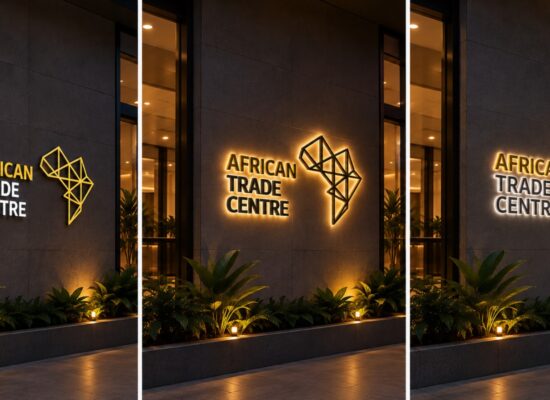
Front-Lit vs Backlit vs Halo-Lit Signage: Which Is Best for Your Project?
Choosing the right illumination style can transform the appearance of a business sign. Whether it is a retail storefront in…
23 Oct 2026
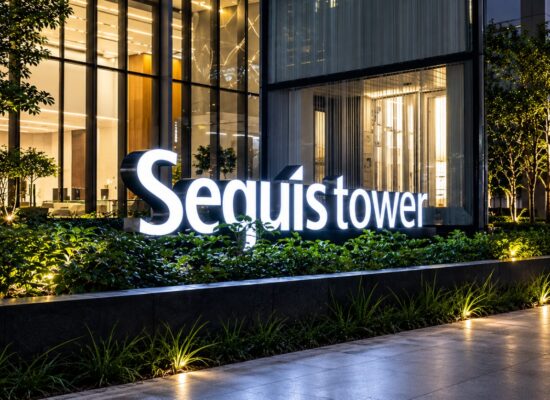
Outdoor Signage in UAE: Types, Materials and Design Guide
Outdoor signage is an essential part of commercial architecture, helping businesses establish visibility, communicate their identity and guide visitors. In…
21 Oct 2026
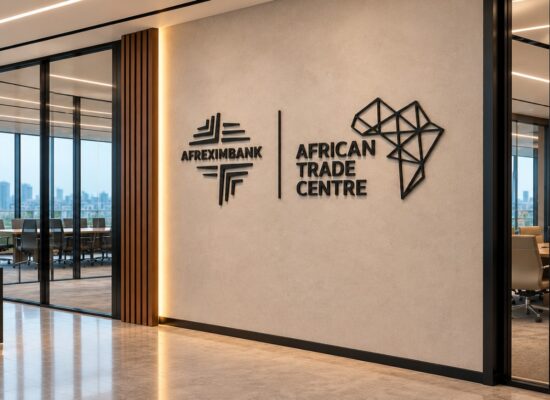
Channel Letter Signage in UAE: Types, Materials and Applications
Channel letter signage is widely used by retail stores, hotels, restaurants, shopping malls and commercial buildings to display business names,…
21 Oct 2026
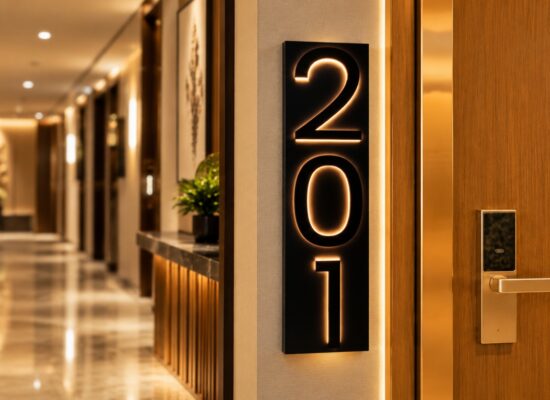
3D Letter Signage in UAE: Materials, Finishes and Applications
In a competitive commercial environment, signage plays an important role in how customers recognise a brand, locate a business and…
subscribe for newsletter

Luzion is a leading manufacturer and exporter of high-quality LED lighting solutions. With a focus on design, research, and innovation, we offer a wide range of products for commercial, industrial, residential, and outdoor spaces.
